Tsipouro: A Practical Guide to Greece's Grape Spirit
Tsipouro explained for travellers: what it is, how it differs from ouzo, raki and grappa, how it is served, and how the tsipouradiko ritual works with meze.
On this page
Tsipouro is the clear spirit you will see on almost every Greek table that has settled in for a long afternoon of small plates. It is distilled from grape pomace, the skins, pulp and seeds left once grapes have been pressed for wine, and Greeks treat it as a slow social drink rather than a quick one. Understanding it properly changes how you order: it tells you whether you want a glass with meze, a bottle for the table, or something else entirely.
This guide covers what tsipouro is made from, the split between plain and anise-flavoured versions, how it compares with ouzo, raki, tsikoudia and grappa, and what to order alongside it. It also explains the tsipouradiko format, where the spirit is served with a spread of small dishes, and points out the related drinks you may meet on Crete. No single taverna is named here, because the practical knowledge travels better than a list of addresses.
What Tsipouro Actually Is
Tsipouro is a pomace brandy: the raw material is grape residue rather than juice or grain. The pomace is fermented so any remaining sugar turns to alcohol, then distilled in copper stills and left to rest before bottling. That sequence, described in an introduction to tsipouro, is why the drink tastes of grapes and earth rather than of the wine it came from.
What is tsipouro made from? Tsipouro is distilled from grape pomace, the skins, pulp and seeds left after grapes are pressed for wine. The pomace is fermented, then distilled in copper stills and rested before bottling, which gives a clear spirit with a grape-led, slightly earthy character rather than a wine taste.
Is tsipouro the same as raki or tsikoudia? They belong to the same family of grape-pomace spirits, but raki and tsikoudia are the Cretan names. It is not the anise-flavoured raki of Turkey, which is a different drink.
What is the difference between tsipouro and ouzo? Ouzo is the Greek anise-flavoured aperitif, usually diluted with water and turning cloudy. Tsipouro is the grape-pomace spirit and comes in both plain and anise-flavoured versions.
One account holds that monks on Mount Athos first distilled pomace in the 14th century and that the practice spread from there through rural households, where families ran their own small batches. Treat that as a widely repeated story rather than a documented fact, since the origin is usually framed as belief. What is concrete is the geography: the tsipouro tradition is most strongly associated with Macedonia in northern Greece, and home distillation remained a village-level craft until commercial bottling expanded in the second half of the twentieth century.
If the label matters to you, note that one producer, the Tsillis Distillery, is credited in the same account with standardising production and pushing tsipouro beyond hyper-local sales. That is a characterisation rather than an established ranking of who came first. For a traveller the takeaway is simpler: many bottles now come from small regional distillers, so a bar or shop with several labels is offering genuinely different things, not the same drink relabelled.
Plain or Anise-Flavoured: Which One Is in Your Glass
The single most useful thing to know before your first glass is that tsipouro comes in two styles. Plain tsipouro is clear, potent and grape-led, with a dry finish and a faint earthiness. Anise-flavoured tsipouro has had anise or other herbs and spices added during distillation, so it carries a liquorice note that will remind you of ouzo or pastis.
The styles look identical when poured, so ask before ordering, or check the label if you are buying a bottle. Two words do the job: sketo for plain and glykaniso for the aniseed version. If a menu or a waiter offers you a choice, that is what they are asking. Getting this wrong is the most common way visitors end up with a drink they were not expecting, and it is entirely avoidable with one question.
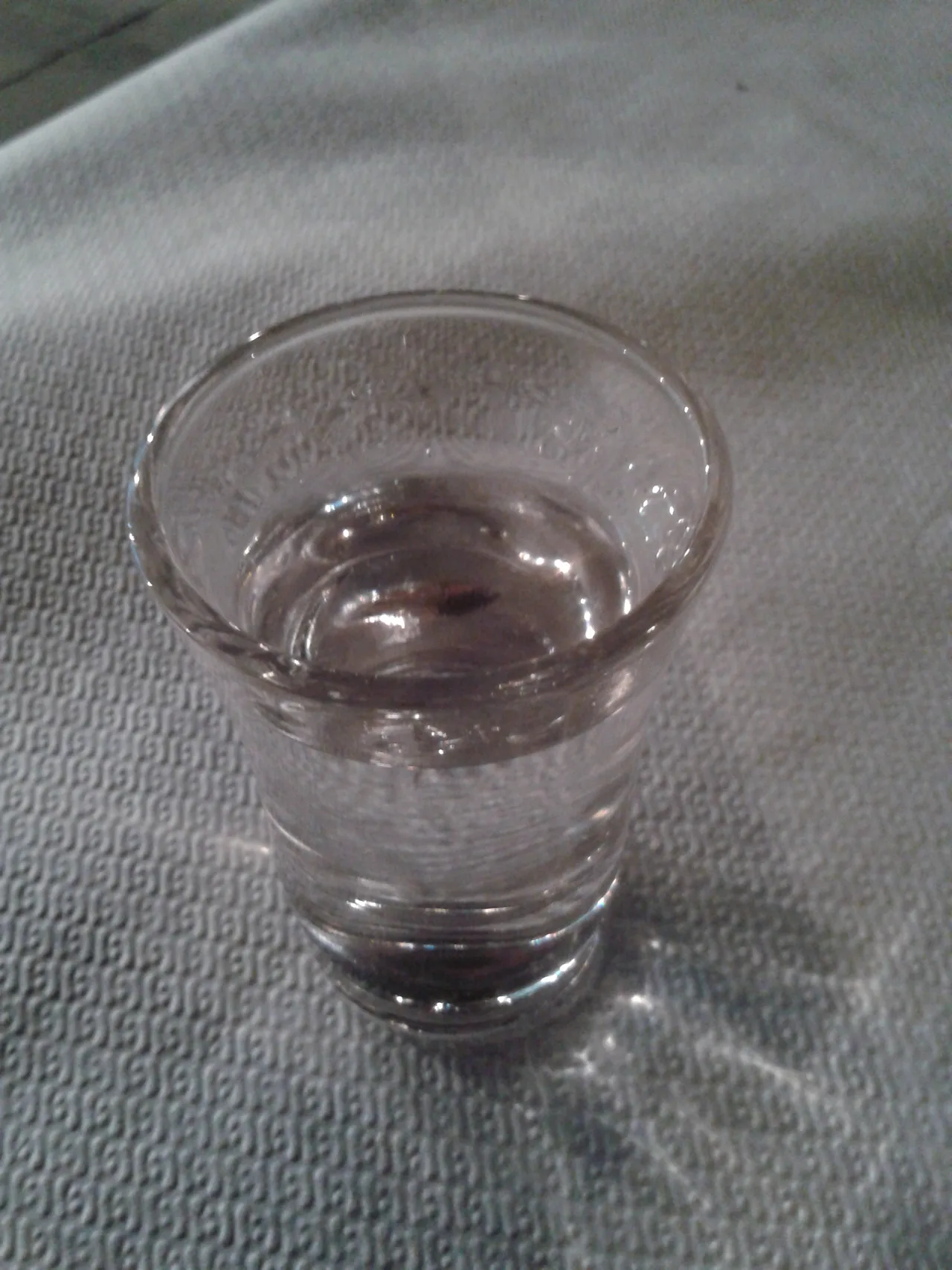
Neither style is meant to be sipped like a fine spirit in tiny measured doses. Tsipouro is served in small glasses, often with a splash of water, and the pace is unhurried. Because the alcohol is strong, the sensible pattern is to eat while you drink rather than before or after.
Tsipouro vs Ouzo, Raki, Tsikoudia and Grappa
A short comparison settles most ordering confusion. Ouzo is the anise-flavoured Greek aperitif, usually served diluted with water and turning cloudy, and it is the drink most visitors already know; our guide to ouzo in Greece covers how it is served. Tsipouro is the grape-pomace spirit, sometimes plain and only sometimes aniseed. Grappa is the Italian equivalent of the base idea, while raki and tsikoudia are the Cretan names for the same family of grape spirit, distilled on the island and drunk the same slow way.
The practical takeaway is that tsipouro is not an ouzo substitute and does not need water to be drinkable, though a splash is normal. Strength is where the two land close together: tsipouro is typically around 40% to 45% alcohol, according to Greek Flavours, which also notes that tsipouradika, the places specialising in it, exist in every city. Order plain tsipouro with a spread of savoury plates, and leave ouzo for the pre-dinner moment where it belongs.
How a Tsipouradiko Session Works
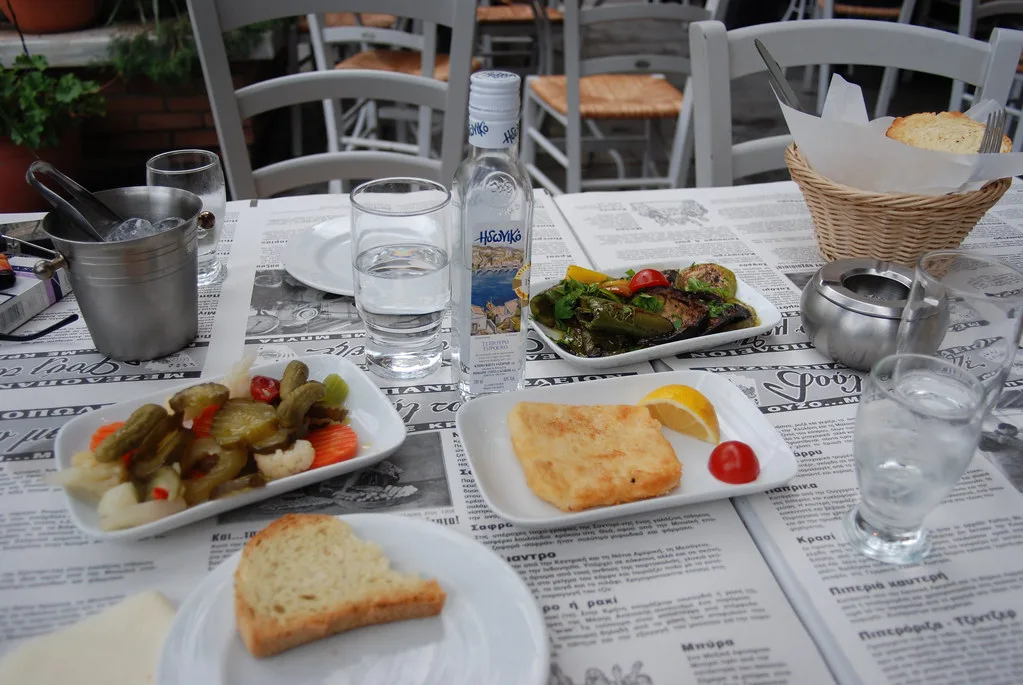
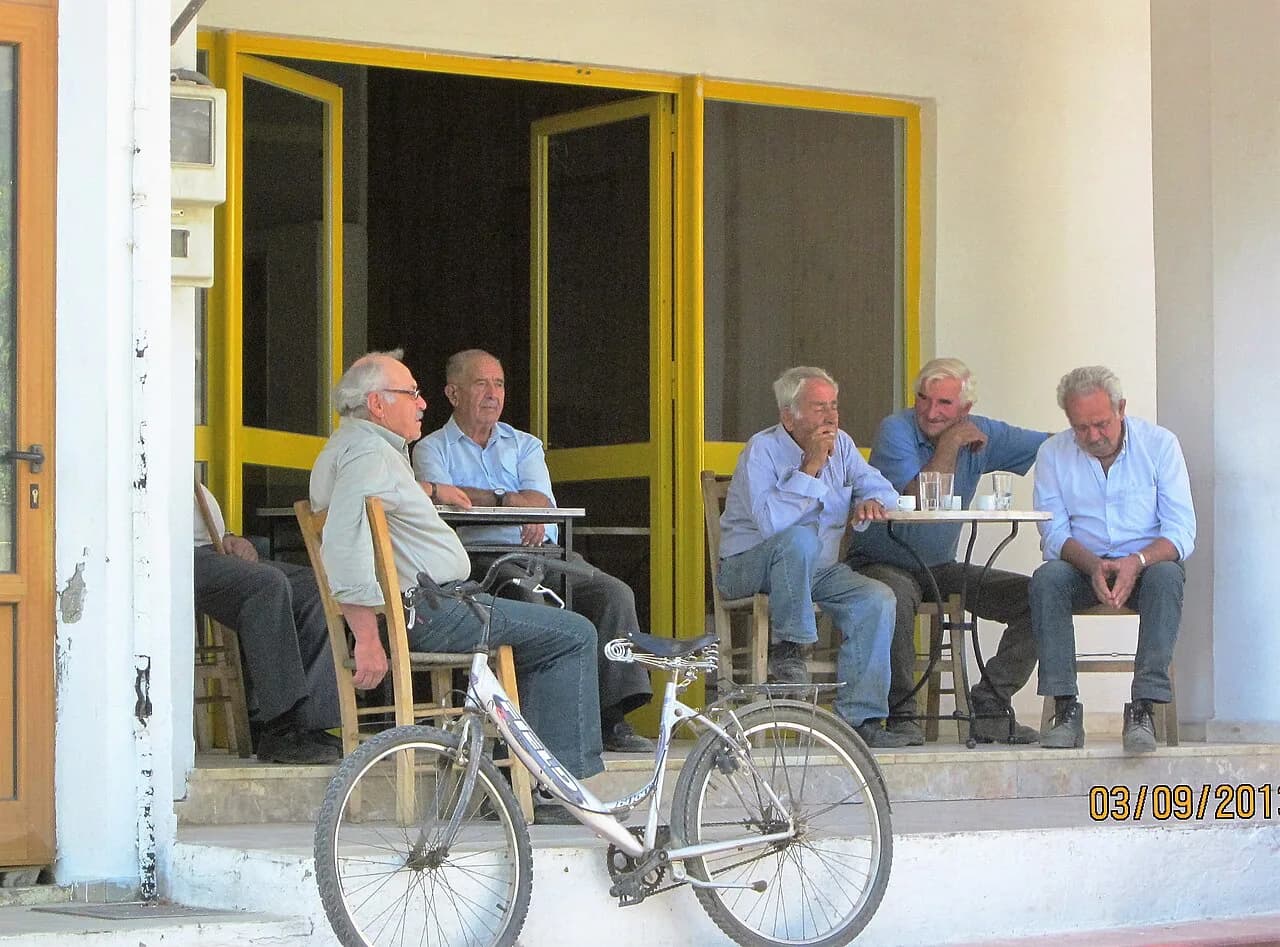
A tsipouradiko is a taverna built around this one drink, and the format surprises first-timers. You order tsipouro, and small plates of meze (savoury appetisers) arrive with it, often without a formal menu of individual portions. The point is the shared table and the slow rhythm rather than the speed of service. Expect the table to fill up over an hour or two, not in fifteen minutes.
Ordering is collaborative: say how many people are drinking, choose plain or aniseed, and let the kitchen send out what it has. If you want control, ask for a specific plate from what is being served that day rather than trying to build a full meal from a drinks list. This is the same logic as ordering a spread of small dishes anywhere in Greece, which the guide to greek meze explains.
Practical points worth knowing: portions are small and numerous, so pace yourself and leave room, and the bread basket is not decoration. If you are not drinking, you can still eat at a tsipouradiko, but the table format is designed around the spirit. Non-drinkers should say so on arrival rather than ordering water and waiting to see what happens.
What to Eat Alongside
The pairing rule is simple: salty, savoury and acidic food supports a strong clear spirit better than anything sweet or creamy. Standard openers are olives, tzatziki (a thick yoghurt dip with cucumber and garlic) and dolmadakia, stuffed vine leaves. Grilled vegetables, Horiatiki salata and savoury pies such as spanakopita (spinach pie) and tyropita (cheese pie) work the same way and appear on almost every tsipouradiko table.
For weight, go to seafood and grilled meat. Grilled octopus, fried calamari, fresh sardines or anchovies all carry the drink well, and the broader menu of seafood in greece follows the same logic of simple grilling and oil. Grilled meat skewers, lamb chops and spicy sausages are the heavier option, best ordered once the lighter plates are finished rather than at the start.
If you want a proper sit-down meal rather than a drink-led session, the traditional greek food repertoire gives you the alternative: a baked dish or a salad as the main event, with a small carafe of tsipouro at the edge of the table rather than at its centre. Both approaches are normal. The trade-off is variety against depth: many plates lets you taste widely across the spirits, one main dish leaves you with fewer glasses to compare. For a quicker, cheaper eating option before or after a session, greek street food covers the souvlaki and pita shops that operate outside the tsipouradiko format.
Hard Cheese, Cured Meat and the Salty Edge
Cheese is where the strongest of the meze plates come from. Hard, aged sheep and goat cheeses such as kefalotyri and graviera have enough salt and bite to stand up to a strong glass, and the softer manouri and fresh feta do the job in a gentler way. Ordering two or three cheeses from the greek cheese counter is a cheap way to extend a session without adding a cooked dish.
Cured meats follow the same principle. Louza is a cured pork from the Cyclades, closest in texture to a firm prosciutto, and pastourma is a heavily spiced cured beef that is intense enough to handle a second glass easily. Add olives and a plate of bread and you have a table that holds together with no kitchen involvement at all. This is the version to order when a place is busy and the grill is running behind.
One adjustment for vegetarian readers: most of the classic spread is already meat-free, and the olive-oil dishes of the vegan in greece repertoire, from beans to stuffed vegetables, work just as well here. Ask for the plates without anchovy or cheese where a dish might carry them, since a tsipouradiko will usually be sending out whatever the kitchen has prepared rather than cooking to order.
Raki and Tsikoudia on Crete
On Crete the same drink reappears under a different name. Raki, more precisely tsikoudia, is the island's grape-pomace spirit, distilled after the wine harvest and poured with the same hospitality as tsipouro. It is not the anise-flavoured raki of Turkey, which is a separate drink entirely. Ask for tsikoudia if you want to be precise, or raki if you want to sound local; either gets you a small glass.
The serving format travels well too. A Cretan taverna may put a small glass and a plate of fruit or a sweet on the table at the end of a meal without being asked, and refusing is unusual. If you have had enough, leaving the glass untouched is acceptable. If you enjoy it, asking which village or distiller it came from is a normal table question and usually gets an enthusiastic answer.
Rakomelo for Cool Evenings
Rakomelo is the cold-weather version: raki or tsipouro warmed with honey and usually spiced with cinnamon or clove, served in a small glass. It appears in mountain villages and island tavernas once the evenings turn cool, and it is a genuinely different drink from a cold shot of the base spirit, sweeter and slower to drink. On Crete it is the standard nightcap in the cooler months.
Order it when the taverna has a proper kitchen or a steady local trade, since a place that makes it well treats it as a drink in its own right rather than a shortcut. Ask whether it is made with raki or with tsipouro if that distinction matters to you. It is not the drink to choose with a full meze spread: have it after the plates are cleared.
Buying a Bottle and Getting It Home
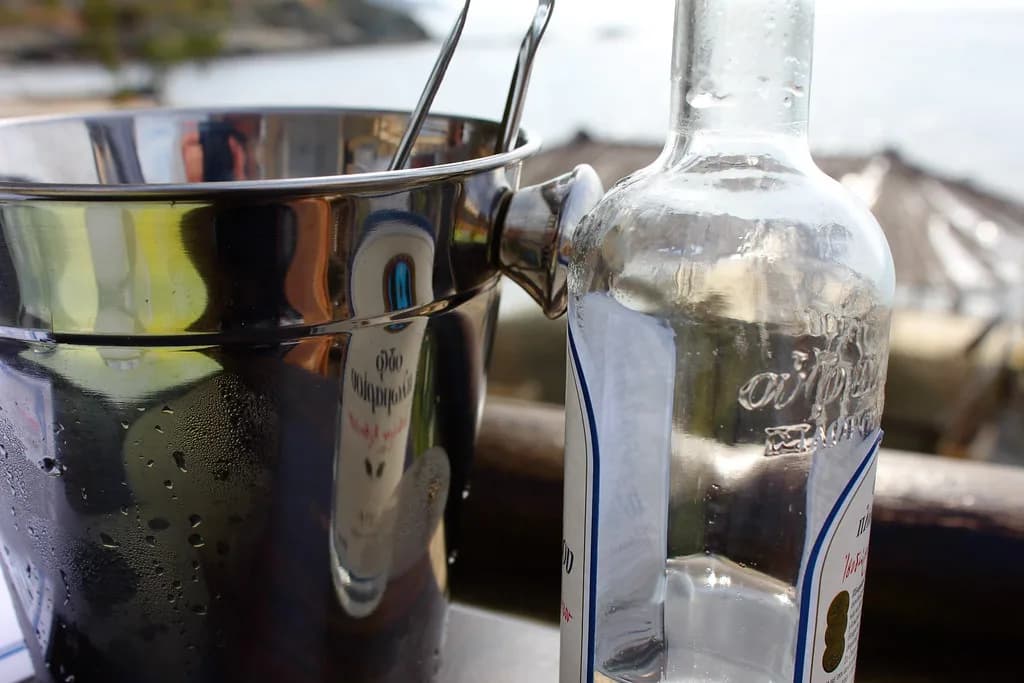
If you want to carry a bottle home, buy from a shop that sells regional producers rather than an airport gift section. Look at the label for the word sketo if you want plain and glykaniso if you want the aniseed version, check the alcohol percentage, and note where it was distilled: a small regional distillery is a more interesting souvenir than an international brand. A wine shop or a delicatessen that stocks Greek spirits will usually open a bottle for tasting if you ask.
Packing matters more than provenance for the trip home. Wrap the bottle in clothing inside the checked bag, keep it away from the sides of the case, and respect the alcohol allowance of your destination country. The catalogue listing at Greek Flavours shows the range of commercially exported bottles and is a useful reference for names to look for, although stock and shipping terms change.
Common Mistakes to Avoid
The first mistake is treating tsipouro as a shot. It is meant to be sipped slowly over food, and drinking it fast is how an enjoyable afternoon ends early. The second is ordering it as a cocktail base: it belongs neat or with a splash of water, and mixers will bury what you came for.
The third is ordering without food. A tsipouradiko expects you to eat, and a glass on an empty table is the wrong setting. The fourth is assuming every tsipouro is plain: if you dislike liquorice, say sketo clearly, or you may be poured the aniseed style by default. Finally, drink responsibly and sort out your journey home before the first glass rather than after the last.
Plan Your Visit
The short version for planning: decide whether you want a drink-led session at a tsipouradiko or a normal meal with a small carafe alongside, then order plain or aniseed accordingly. On Crete, ask for tsikoudia and expect the same ritual under a different name, and save rakomelo for a cool evening. Carry a bottle home from a regional producer if you want a souvenir that improves with explanation. If your trip puts you in Crete's capital, pair the ritual with the Things to Do in Heraklion: Knossos, Old Town & Where to Eat guide to plan a day around it.
Explore more Greece sauna guides
Frequently Asked Questions
What is tsipouro made from?
Tsipouro is distilled from grape pomace, the skins, pulp and seeds left after grapes are pressed for wine. The pomace is fermented, then distilled in copper stills and rested before bottling, which gives a clear spirit with a grape-led, slightly earthy character rather than a wine taste.
Is tsipouro the same as raki or tsikoudia?
They belong to the same family of grape-pomace spirits, but raki and tsikoudia are the Cretan names. It is not the anise-flavoured raki of Turkey, which is a different drink. If you want to be precise on Crete, ask for tsikoudia.
What is the difference between tsipouro and ouzo?
Ouzo is the Greek anise-flavoured aperitif, usually diluted with water and turning cloudy. Tsipouro is the grape-pomace spirit and comes in both plain and anise-flavoured versions. Plain tsipouro tastes of grapes rather than liquorice, while the aniseed style is closer to ouzo.
How strong is tsipouro?
It is typically around 40% to 45% alcohol by volume, though this varies by producer, so check the label on a bottle or ask at the table. It is served in small glasses, often with a splash of water, and is meant to be sipped slowly with food rather than drunk quickly.
Do you drink tsipouro with water?
A splash of water is common and acceptable but not required; plain tsipouro is usually served neat in a small glass. Unlike ouzo, it does not depend on dilution to be drinkable, so add water to taste rather than by habit.
What is a tsipouradiko?
A tsipouradiko is a taverna built around tsipouro, where small plates of meze arrive with the drink rather than being ordered as a full meal. The rhythm is slow and shared, and the table usually fills with many small dishes over an hour or two.
What food goes with tsipouro?
Salty, savoury and acidic plates work best: olives, tzatziki, dolmadakia, grilled octopus, fried calamari, sardines, grilled meats, hard cheeses such as kefalotyri and graviera, cured meats such as louza and pastourma, and savoury pies.
What is rakomelo?
Rakomelo is raki or tsipouro warmed with honey and usually spiced with cinnamon or clove, served in a small glass. It is a cool-evening drink in mountain villages and island tavernas, and it is better after the food than alongside a full meze spread.
Sources
Notes for eating well in Greece
Optional updates to our guides.
You might also like

Continue reading
More guides you'll find useful