Things to Do in Heraklion: Knossos, Old Town & Where to Eat
Plan your days in Heraklion by area: Knossos, the Archaeological Museum, the Venetian harbour and walls, the market streets, plus what to order.
On this page
Heraklion sits on Crete's northern coast and is the capital of the island's largest regional unit, which makes it both an arrival point and a workable base for the centre of the island. The practical consequence for planning is that the sights cluster in three zones: the Minoan palace at Knossos just outside the city, the Venetian and Ottoman Old Town that runs down to the old harbour, and the wider region of villages, beaches and mountain drives. Grouping your days this way saves more time than any list of individual stops.
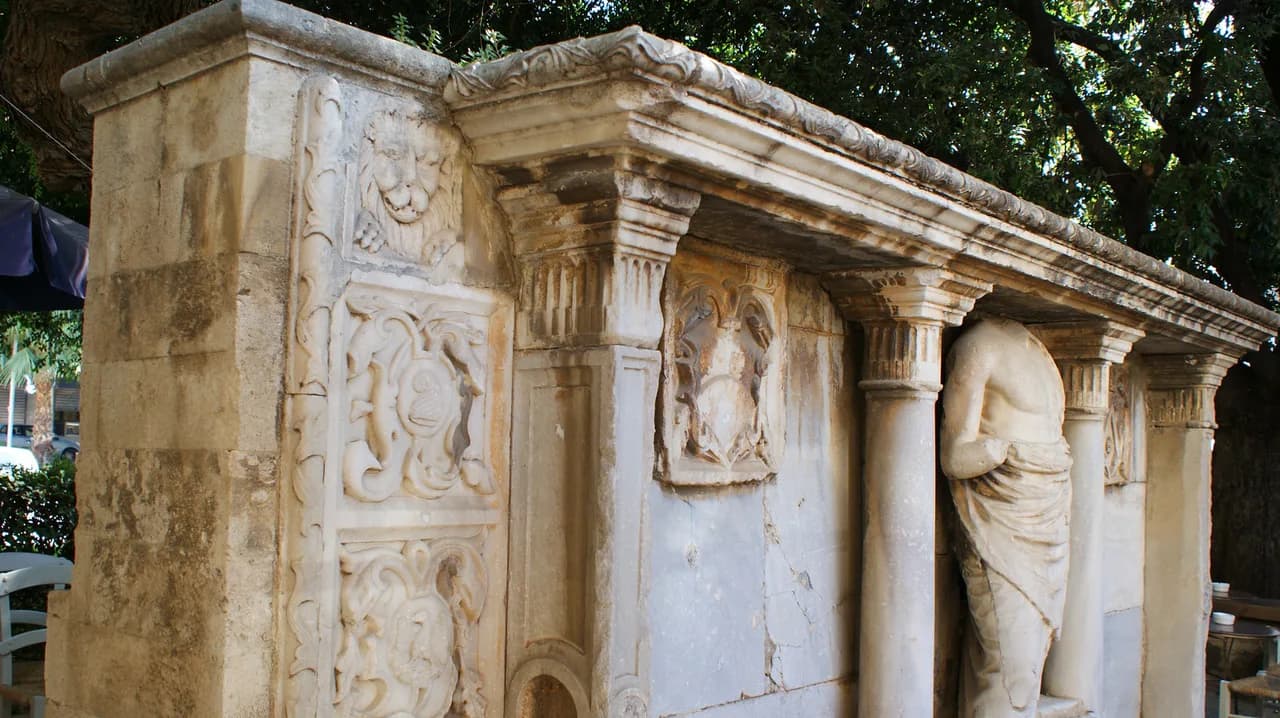
The city's historic core is compact enough to cover on foot, with the Morosini Fountain as the usual meeting point and 25th August Street running from there towards the sea. Most first-time visitors underestimate how much of the day disappears into Knossos and the archaeological museum, so budget those as one block rather than two separate outings. Everything else in the centre fits around that block.
Quick Orientation: How Heraklion's Sights Group Into Three Zones
The first zone is Knossos, roughly 5 km south of the city centre according to travel coverage of the site, and best treated as a morning. The second is the Old Town: Morosini Fountain, the Venetian Loggia, Saint Titus Church, the market streets and the harbour front, all linked by pedestrian lanes. The third is the countryside and coast beyond the city walls, where you need wheels or a tour to make progress.
Because the airport sits only around 10 to 15 minutes from the centre, Heraklion also works as a short-break city rather than a pure transit stop. That proximity makes an early arrival viable: you can land, drop bags and still reach the Old Town for a late lunch and a harbour walk. The trade-off is that the city itself is busier and less immediately picturesque than Chania, so plan around its specific assets rather than expecting a pretty port to carry the trip. If a gentler harbour town appeals more, the things to do in Chania make a useful comparison for a west-coast base.
How Long You Need: One Day Versus Two or Three
One day in Heraklion realistically covers Knossos in the morning and a compressed Old Town walk in the afternoon, with the harbour at sunset. That leaves no room for the archaeological museum, which is the piece most likely to be cut and the piece most worth keeping. Two days fixes this: palace first, museum second, with the fresco originals from Knossos displayed in the museum rather than at the site.
Three days lets you add either a beach afternoon at Ammoudara or a village lunch, and still keep an evening free for a proper taverna dinner. Beyond that, Heraklion becomes a base rather than a destination, which is when a car starts to pay off for the Lasithi plateau, the south coast or the eastern resorts. If your whole Crete trip is four or five days, consider staying in one region and visiting Heraklion as a day trip instead of splitting your base twice.
Knossos Palace: The Minoan Site 5 km From the Centre
Knossos is a UNESCO World Heritage Site and the most visited archaeological monument on Crete, a vast complex of courtyards, storerooms and reception halls spread over more than 20,000 square metres. The highlights most visitors target are the Throne Room, the Corridor of Procession and the reconstructed frescoes, with the bull motifs that recur across the site. Because the ground is exposed and the site is popular, an early start changes the experience far more than any route through the ruins.
Buses to Knossos run from the Old Town roughly every 15 to 20 minutes in summer on line 2, and the drive from the centre is short. Opening times shift between the summer and winter seasons, so confirm the current schedule on the official site before you commit to a slot. A licensed guide or an audio guide is a genuine trade-off: it costs more and slows you down, but the palace's function as an administrative centre is opaque without explanation.
Heraklion Archaeological Museum: The Other Half of the Knossos Visit
The museum at Chatzidaki 1 holds a collection of over 5,000 objects across 27 rooms and is arranged so that finds from small settlements lead up to the material from the palaces. The pieces people come for include the Snake Goddesses, the stone bull's head rhyton (a ritual vessel), the gold bee pendant, the Phaistos Disc and the bull-leaping fresco. Allow about an hour and a half at a minimum, and note that the museum is a natural companion to Knossos rather than a substitute for it.
Admission is free on the first Sunday of each month from 1 November to 31 March, as published by the museum, though times and ticket arrangements change with the season, so check the museum's own website before relying on it. If you only see one museum in Crete and you have already visited Knossos, this is the one that makes the site legible. Visitors with limited patience for museums should go straight to the fresco gallery and the Minoan pottery, then leave.
Old Town on Foot: Fountain, Loggia, Churches and 25th August Street
The Morosini Fountain, carved in 1628 and known locally as Lion Square, is the natural place to start, surrounded by cafes and shade. A few steps away stands the Venetian Loggia, a 17th-century building that now houses the town hall, and Saint Titus Church, which has served as Byzantine church, Catholic temple and mosque before becoming Greek Orthodox. Walking between them takes minutes, which is why the Old Town rewards aimless strolling rather than a strict itinerary.
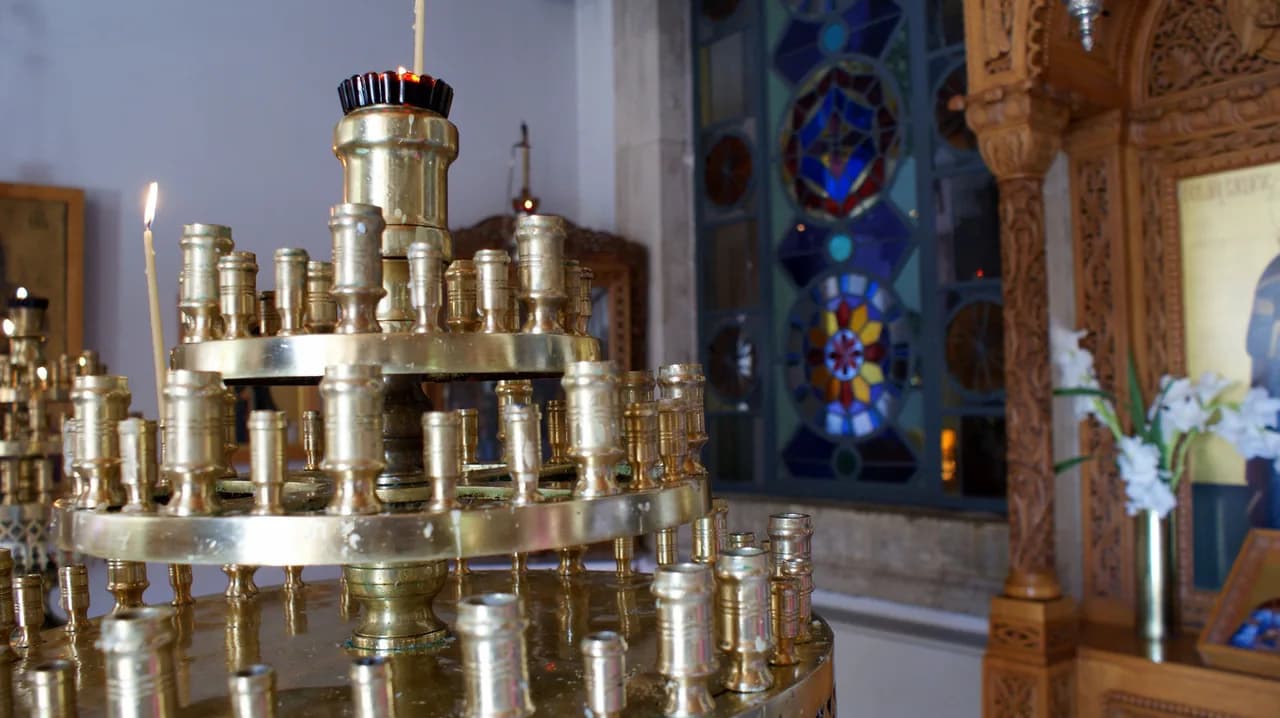
Churches are easy to overlook in a city marketed on Minoan history, but the centre holds several worth stepping into for the icons and quiet, and they make useful pauses between shopping streets. Saint Titus and the Agios Minas area near the Museum of Music are the practical anchors. Keep a light layer for this stretch, since the lanes are shaded and the harbour front is not.
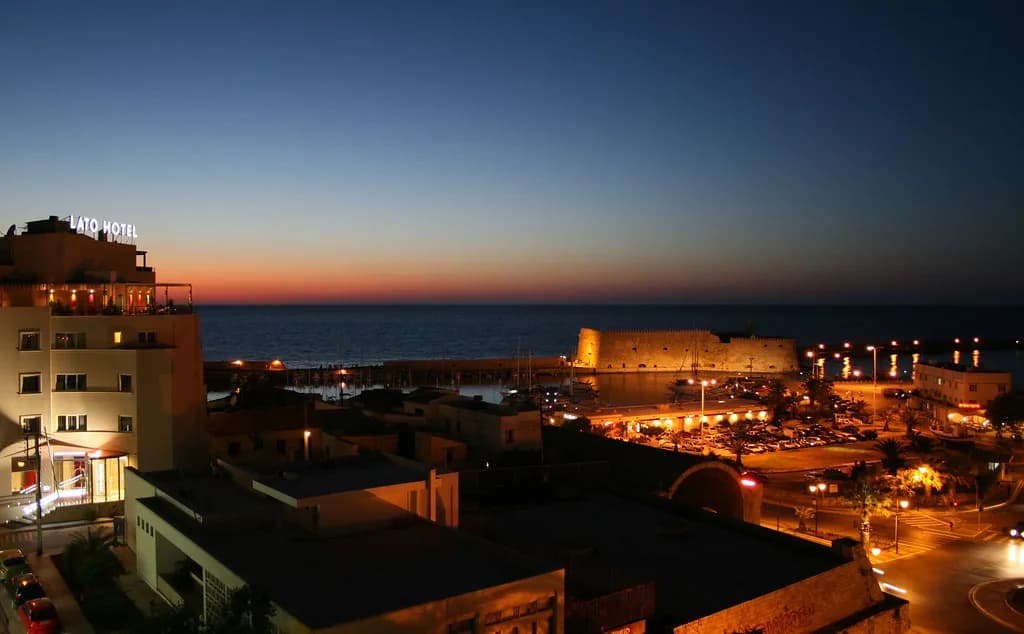
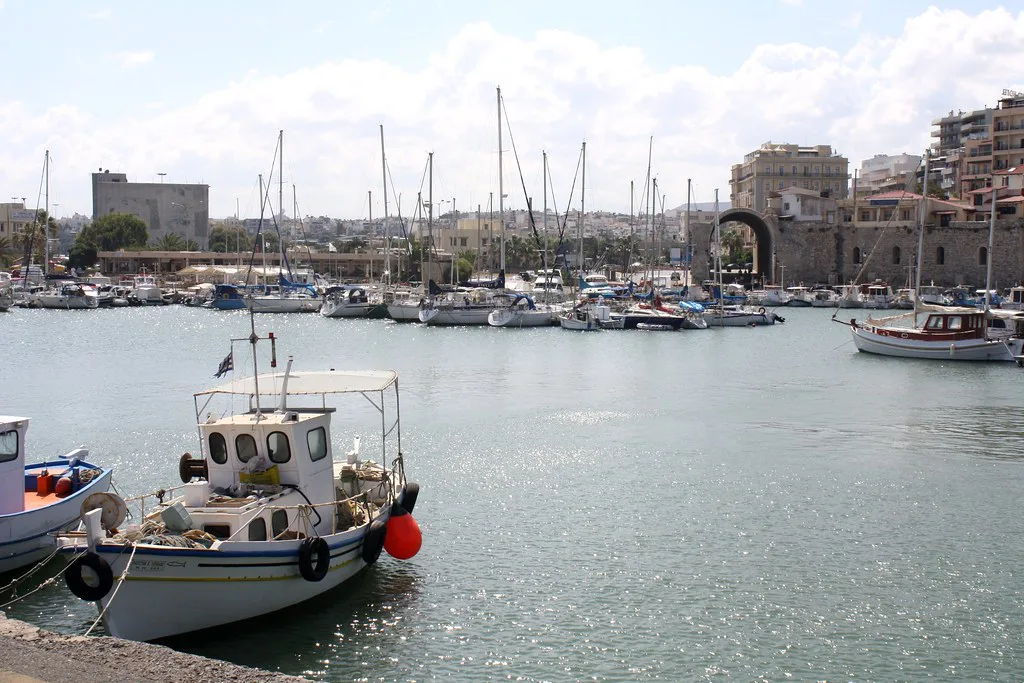
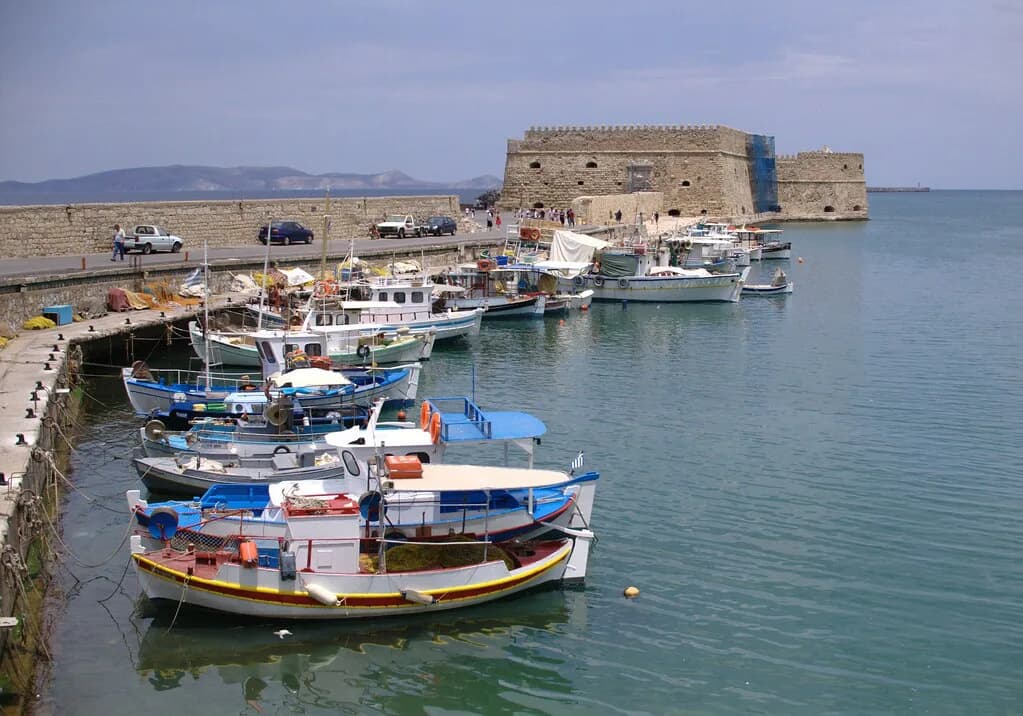
From the fountain, 25th August Street leads downhill to the old harbour, passing souvenir shops including olive-wood workshops along the way. At the bottom sits the Venetian fortress of Koules, guarding the port since the 15th century and functioning as the city's emblem. The street is the spine of any Old Town walk, so plan your loop to end here rather than starting at the water and climbing back up.
Koules Fortress and the Venetian Walls: The Sunset Walk Trade-off
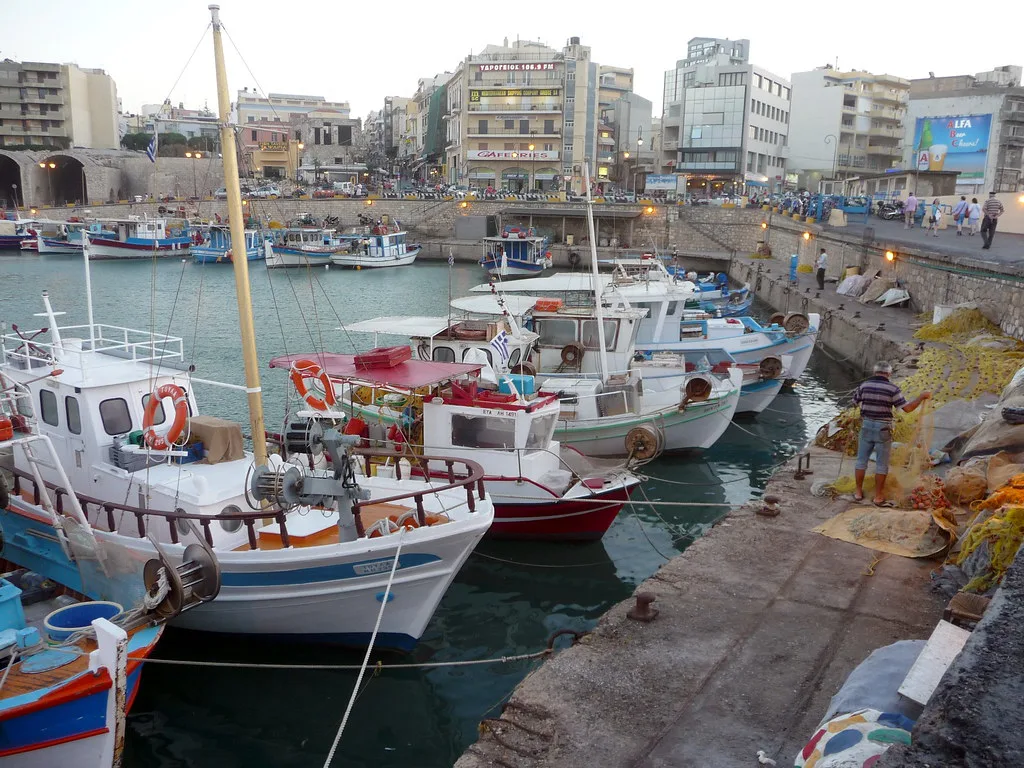
Koules marks the end of the harbour pier, and the exposed position means wind is the norm rather than the exception, which affects everything from what you wear to how long you linger. The reward is the light on the fortress and the city behind it, making this the obvious end point for a day in the centre. Walking or cycling the 16th-century Venetian walls gives a wider view over the city and out to sea, with the effort of a climb attached.
The trade-off here is simple: the harbour delivers the classic photograph and the easy stroll, while the walls deliver the vantage point and some exercise. If you have one evening, take the harbour and the fortress; if you have two, walk the walls before dinner on the second. Neither demands a ticket to enjoy from outside, and both are close enough to the Old Town to combine with a meal.
Central Market on 1866 Street: A Shopping Stop, Not a Meal
The Central Market on 1866 Street is the place to buy honey, olive oil, herbs and soap rather than to sit down and eat, which is the most common planning mistake visitors make with it. Treat it as a provisioning stop: pick up picnic supplies, edible souvenirs and gifts, then eat elsewhere. The lanes around it are also part of the Old Town's everyday shopping rather than a tourist set piece, which is part of the appeal.
If your itinerary is built around food shopping and local products rather than sightseeing, the market streets and the surrounding shops can absorb a couple of hours without effort. Combine them with the fountain square, which is a short walk away, and you have a rain-proof half-day when the weather turns. Bear in mind that market hours are not guaranteed year-round, so check before making a special trip.
Where to Eat in the Old Town: Four Different Briefs
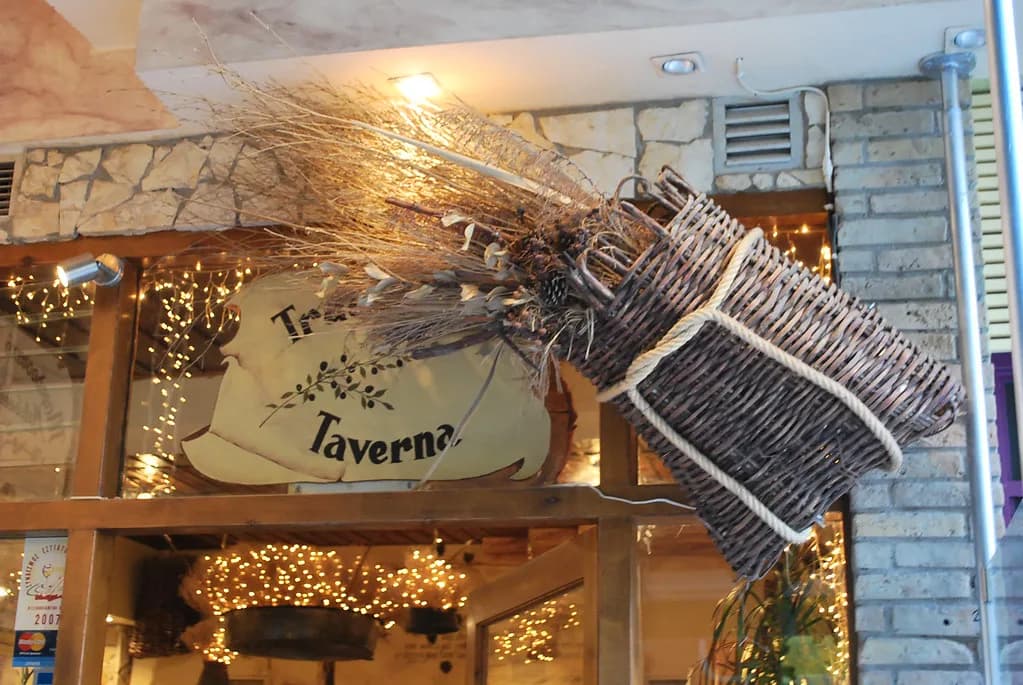
Peskesi, at 6-8 Capetan Charalampi Street in a restored mansion, cooks Cretan food from its own farm outside the city and is the obvious choice for a single special dinner in the centre. Ladokolla takes a more eclectic line on local flavours with a strong wine list, Athali suits cooler weather with hearty traditional plates such as pilaf with meat or snails, and A Little Wine, A Little Sea sits on the water serving large portions of seafood and meze. Each serves a different purpose, so pick by mood rather than by ranking.
Book ahead for dinner in the centre, especially in high season, because the well-known tables fill and the alternative is a longer walk than you planned. Prices vary by venue and season and are best checked on each restaurant's own listing rather than assumed. If you are eating late and travelling onward the next morning, choose somewhere within the Old Town so the return to your hotel stays simple.
What to Order and What the Names Mean
Bougatsa is a phyllo pastry filled with cream or cheese, eaten at breakfast but sold most of the day, and in Heraklion the sweet version arrives with cinnamon and sugar while the savoury one is built on feta. Meze means a spread of small plates rather than a single course, so order three or four between two people and add more if you are still hungry. Horta are wild greens, often served simply dressed, and tomato fritters are exactly what the name suggests.
Loukades are small fritters served with honey, the natural finish to a long lunch, and raki is the Cretan distilled spirit that often lands on the table unrequested at the end of a meal. Raki can be plain or flavoured with lemon, honey and spices, and the sweetened versions go down faster than their strength suggests. If you want to pace yourself, sip rather than finish, since it keeps arriving.
Breakfast and Sweet Stop: Kirkor on the Fountain Square
Kirkor, on the main fountain square, is the standard address for bougatsa in the centre, with both the cinnamon-and-sugar version and the feta-filled savoury one. Going early means fewer crowds and a better chance of a table outside before the square fills. It is a quick stop rather than a destination in itself, which makes it a sensible way to start a walking day.
Pair it with coffee on the square and you have the local pattern: a slow morning watching the fountain before the day's sightseeing. Coffee culture here is serious, and the freddo espresso is the usual order. From the square you can walk to the Loggia, Saint Titus and the market without needing transport.
Beyond the City: Ammoudara, Archanes and Thrapsano
Ammoudara is the nearest beach to the city at about 5 km, a long sandy strip with water sports that gets very busy in high season; Ligaria and Agia Pelagia are the other commonly recommended alternatives. Inland, Archanes is around 20 minutes from the city and under 10 km from Knossos, a restored village of narrow lanes surrounded by vineyards that works well as a lunch stop after the palace. The tavernas around the village square serve home-cooked Cretan dishes, including the meze spread of tomato fritters, wild greens pies and fava that defines the local table.
Thrapsano, about 30 km from Heraklion, has been Crete's pottery centre for centuries and still has workshops making the giant jars seen in the museum, with some potteries letting visitors try the wheel. Winemaking sits alongside it and the local winery is just a few minutes down the road from the pottery. Both are best done with a car, since public transport to small villages is limited and slow.
Day-Trip Trade-Offs: Zeus Cave, Spinalonga and Agios Nikolaos
The Diktaion Andron, or Zeus Cave, near the village of Psychro is about an hour and a half's drive from the city, and the final approach involves a steep 250 m path with an unpaved section, so footwear with grip matters. The cave itself is entered by steps with handrails, and the plateau views at the entrance are part of the reason to go. If the climb sounds like too much, the Lasithi plateau drive alone is still worthwhile.
Spinalonga lies off Elounda in Lasithi, reached by a short boat crossing, and takes roughly two hours to walk around; a guide adds the history that the ruins alone do not convey. Agios Nikolaos, about 15 km further along the coast, has Lake Voulismeni ringed by shops and bars and makes a natural lunch stop, and our Agios Nikolaos Attractions: 6 Visitor Guides picks up the rest of that town. Organised day trips combining the two are widely sold, with platform prices that change by season and operator, so compare inclusions rather than headline figures.
Rainy Days and Family Options Near Gournes
Cretaquarium, about 20 minutes from the city, focuses on Mediterranean species and works as a half-day when the weather rules out ruins. Nearby at Gournes, Dinosauria Park has life-size models and a small cinema, and Planet Crete next door runs planetarium shows in Greek and English. Taken together they make a practical bad-weather or family block east of the city.
Boat trips to Dia Island, the uninhabited islet visible offshore in clear weather, are the other dependable option when you want to be out but not walking. Sailing and catamaran departures appear on booking platforms with widely varying prices and inclusions, so check what lunch and transfers actually cover before choosing. These fill up in summer, so reserve a day or two ahead.
Getting Around: On Foot Versus Renting a Car
Within the city you do not need a car: the Old Town is walkable, the airport is minutes away and buses reach Knossos. Renting a car pays off for Archanes, Thrapsano, the Lasithi plateau and the beaches beyond Ammoudara, where timetables thin out and the drives are the point. Driving is on the right in Greece, and an international driving permit is worth carrying alongside your licence.
If you are only in Heraklion for a couple of days, skip the rental and use tours for the far-flung sights, which avoids parking in the centre. Staying outside the city, as many resort guests do, effectively requires a car or reliance on transfers, since the distance to the centre is a real taxi ride. Decide this before booking accommodation rather than after.
When to Visit and Seasonal Notes
May to early October is the conventional window, with July and August the hottest and busiest and late September the usual compromise between warm sea and thinner crowds. Winter is mild and quiet, which suits museum-focused trips but means checking which restaurants and seasonal businesses are actually open. Across the Greek islands, many seasonal kitchens close roughly from November to April, so check individual places directly before you plan a meal around them.
Shoulder season also brings harvest activity in the wine areas around Archanes and lower prices on accommodation, at the cost of some beach days. Beyond that, opening times for sites and tavernas vary enough that a quick check before each day is the reliable habit.
Where to Stay: Old Town Walkability Versus Resort Comfort
For a first visit, staying inside Heraklion puts the fountain, the museum, the market and the harbour within walking distance, which is worth more than room size on a short trip. Olive Green Hotel, in the centre, is the practical mid-range example with easy access to shops and museums. Resorts outside the city, such as King Minos Retreat Resort and Spa a 30-minute drive from the centre and 20 minutes from the airport, trade walkability for pools and quiet.
The honest trade-off is that a resort base turns every dinner in the Old Town into a drive or taxi ride, and late evenings become logistical. A city base, by contrast, means accepting street noise and less space. If you plan two city days and two beach days, consider splitting the stay rather than compromising on both.
Plan Your Visit
Build the trip around one Knossos morning, one museum visit and one Old Town walk that ends at the harbour, then decide whether the remaining days go to villages, beaches or the eastern coast. That structure matches how the city's sights actually group, and it prevents the common mistake of spending a whole day in transit between distant stops.
Eat in the Old Town at least once, buy your picnic and gifts at the Central Market rather than treating it as a restaurant, and confirm seasonal hours and any ticket arrangements before you go. If you are comparing bases across the island, it is worth weighing Heraklion against the alternatives before committing your nights.
Explore more Heraklion sauna guides
Frequently Asked Questions
What can you do in Heraklion in one day?
A workable one-day plan is Knossos in the morning, then a walk through the Old Town from Morosini Fountain past the Venetian Loggia and Saint Titus Church down 25th August Street to the harbour and Koules Fortress at sunset. That leaves out the archaeological museum, so if Minoan finds matter to you, cut the afternoon walk short and go there instead.
Is Heraklion a walkable city?
The historic centre is, with the fountain, the main churches, the market streets and the harbour connected by pedestrian lanes. Knossos is about 5 km outside and reached by bus line 2 from the Old Town in summer, so it is not a walk. Beaches and villages require transport.
How far is Knossos Palace from Heraklion city centre?
Knossos sits roughly 5 km south of the centre, with buses running every 15 to 20 minutes in summer from the Old Town on line 2, and a short drive otherwise. Opening times change seasonally, so confirm before setting out.
Should you visit Knossos or the Archaeological Museum first?
See Knossos first and the museum second. The palace frescoes you see on site are reconstructions, with the originals held in the museum, so the visit makes more sense in that order. Allow about an hour and a half for the museum at minimum.
What food should you try in Heraklion?
Start with bougatsa for breakfast, either the sweet cream version with cinnamon or the savoury feta one. For a main meal, order meze to share, horta, tomato fritters and a slow-cooked Cretan dish, then finish with loukades and raki.
What is bougatsa and when do you eat it?
Bougatsa is a phyllo pastry filled with cream or cheese, traditionally eaten at breakfast but sold through much of the day. Kirkor on the fountain square is the standard central address for it.
Do you need a car in Heraklion?
No for the city itself, where walking and buses cover the main sights. A car pays off for Archanes, Thrapsano, the Lasithi plateau and beaches beyond Ammoudara, and is close to essential if you stay outside the city.
Is Heraklion a good base for day trips in Crete?
Yes for the centre and east: the Zeus Cave and Lasithi plateau, Spinalonga via Elounda, Agios Nikolaos and the south coast are all reachable. Chania is about two and a half hours each way, so it is better as an overnight than a day trip.
Sources
Notes for eating well in Greece
Optional updates to our guides.
You might also like
Continue reading
More guides you'll find useful