Is Greece Expensive? Real Trip Costs by Island and City
Is Greece expensive? A practical breakdown of food, room, ferry and sightseeing costs, with cited ranges and where budgets stretch or break.
On this page
Greece is neither a bargain destination nor a costly one by Western European standards. The honest answer to whether it is expensive depends on three choices you make early: how you eat, where you sleep, and which islands you pick. The cited figures below show the same country costing wildly different amounts per day, and almost all of that gap comes down to those three levers.
Published averages disagree because they describe different travellers. One budget guide puts a week in Greece at roughly $1,400 to $3,700 per person before flights, a figure that spans backpacker and mid-range habits. A separate cost-tracking site reports budget travellers spending about $98 (€86) per person per day against $243 (€216) for a typical traveller. Neither number is wrong; read them as opposite ends of the same scale.
What the Cited Numbers Actually Say
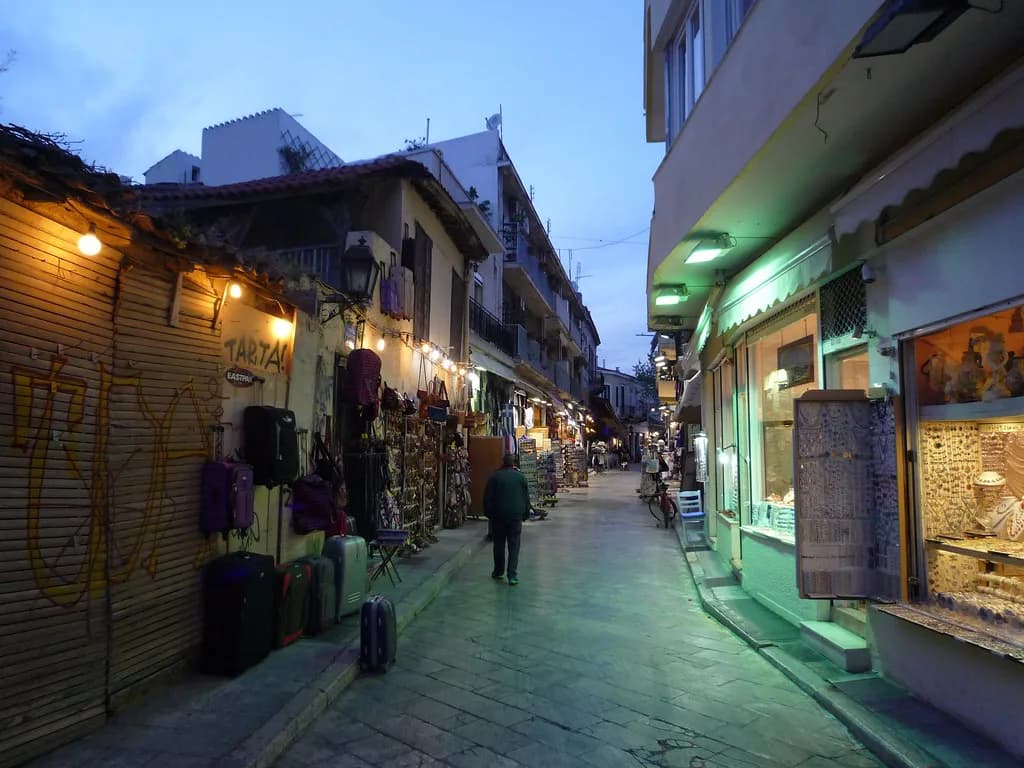
Start with the two headline figures and treat them as a range, not a verdict. The budget guide's week-long estimate of $1,400 to $3,700 per person excludes airfare, while the tracking site's $243 daily figure for a typical traveller covers accommodation, food and local transport in one number. The difference between them is style of travel, season and island choice, not a contradiction. For a fuller walk-through of the same figures, see what a trip to Greece costs. The cheapest credible daily claim in the sources is a $50-a-day figure, and it comes with conditions attached. That budget assumes hostel beds, street food and bakery meals, public buses and trains, and free sights such as the streets of Plaka and Anafiotika in Athens. Drop any one of those assumptions and the number climbs.
Is Greece expensive compared with the rest of Western Europe? The cited figures put Greece in the middle of the range rather than at the top. A day built on bakeries, street food, public transport and free sights is inexpensive by Western European standards, while caldera-view rooms and view-facing restaurant tables carry a premium closer to big-city prices.
How much does a week in Greece cost for one person? Published estimates for a week before flights vary widely because they describe different travel styles, from hostel-and-street-food days to mid-range hotels and taverna meals. A cost-tracking site publishes its own daily figures for budget and typical travellers.
Can you visit Greece on a small daily budget? The leanest daily claims in the sources assume hostel beds, bakery and street food meals, public buses and trains, and free sights such as the streets of Plaka and Anafiotika in Athens. Drop any one of those and the daily total rises.
A 2019 Tripadvisor forum thread offers a much lower meal benchmark, suggesting you can eat for as little as €15 to €20 each in places. Treat that as an older, anecdotal data point rather than a current national average; menus give the prices that actually apply to your trip.
Food and Drink: The Biggest Lever You Control
The cited food figures split into two very different habits. A day built from bakeries, street food and small shops runs about €25 to €35 per person, according to the budget guide's food section. A single sit-down taverna meal is put at €45 to €70 per person, which means one restaurant dinner can cost more than two whole self-catered days.
Knowing the vocabulary helps you order without overspending. Meze are small shared plates, souvlaki is grilled meat skewers usually served in a pita or on a plate, and a taverna's house wine is ordered as krasi, typically served in a carafe rather than by the bottle. The sources name no specific tavernas, so choose by menu and neighbourhood rather than by reputation.
The practical trade-off is view versus value. A table with a caldera or harbour view in a busy village carries a premium that has nothing to do with the food, and the same kitchen standard usually costs less one street back. If a sunset table matters, book it in advance and treat it as the splurge meal of the trip; if it does not, eat inland and spend the difference on a ferry ticket.
Accommodation: Same Price, Very Different Rooms
Nightly bands vary more by location than by star rating. Those are its figures, not a national rate card, so treat them as orientation rather than a booking target.
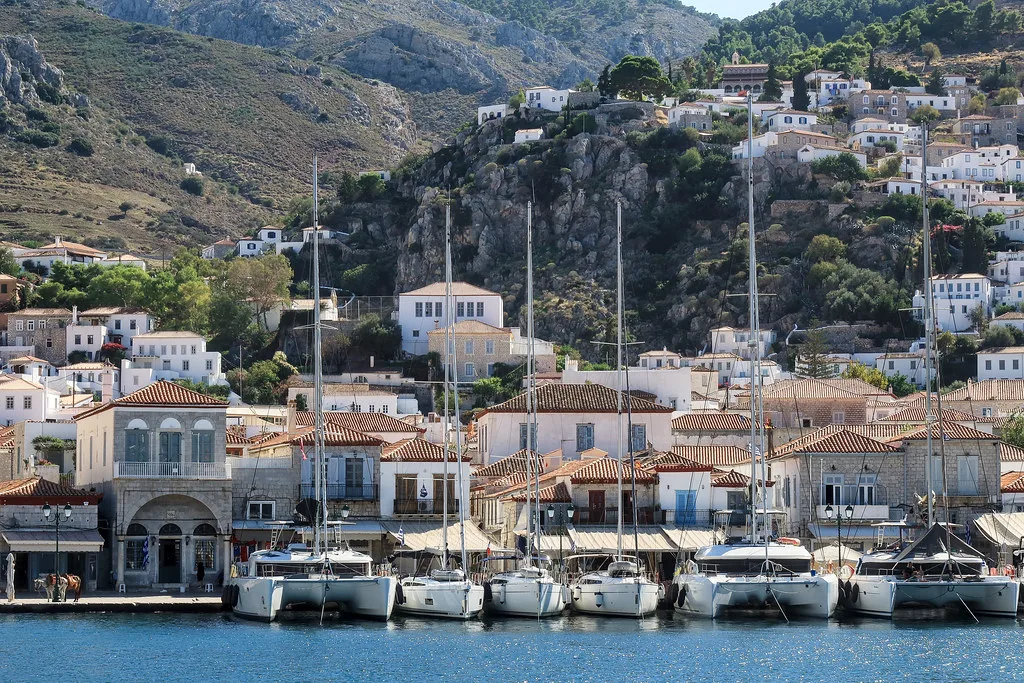
The same nightly spend buys a generous room with a balcony in a city neighbourhood and a cramped studio with a partial sea view on a famous island. Athens is generally the cheaper base, and the sources point to Plaka and Anafiotika as free-to-wander areas that let you stay central without paying for a view. Island villages with caldera or harbour frontage are where the same money buys least.
Book early for peak summer and for any room whose main selling point is a view. Rooms with sunset-facing terraces are the first to go for June to August dates, and late booking tends to push you either up in price or back from the water.
Getting Around: Transport and Ferries as Separate Lines
Local transport is a small line in the budget. Compare quoted daily figures for bus and metro passes against taxi, private transfer or rental car rates before you commit; on a city-based trip, public transport plus walking keeps your spend near the bottom of whatever range you find. Ferries are the line most people forget, and island-hopping multiplies it. Look up current ferry fares for each crossing, since a three-island trip can add several hundred dollars per person before you have paid for a single meal. Budget the crossings as a fixed cost and let them, not accommodation, decide how many islands you visit.
The trade-off is simple: fewer islands, better trips. Two bases with cheap crossings usually beat four rushed ones, and the money saved on ferry fares pays for the caldera table you actually wanted. Compare routes and operators when you book, since fares and schedules change by season.
Sights, Tours and Whether a Pass Pays
Major ancient sites are the main ticketed expense.
A multi-attraction pass only pays if you genuinely plan to enter several ticketed sites in the same area within a short window. If your trip is mostly beaches, villages and tavernas, the pass is money spent on things you will not use; put it toward a boat trip or a better dinner instead.
Free sightseeing is not a compromise in Greece. Walking the streets of Plaka and Anafiotika in Athens, the beaches at Nafplio or Elafonissi in Crete, and the national parks around Mount Olympus or Vikos Gorge costs nothing beyond getting there, and these appear in the sources as genuine alternatives to paid attractions.
Seasonality and the Cheapest Month Question
Peak season runs roughly June to August, when accommodation and tours cost most. The budget guide identifies April, May, September and October as shoulder months with lower prices and still-good weather, and early booking plus shoulder travel is its main advice for cutting a week's cost.
There is no single cheapest month that applies everywhere, because island pricing depends on when ferries and seasonal businesses run. The sources do note free museum Sundays from November to March, which lowers sightseeing costs in the low season, but that is one non-official source's claim rather than an official schedule; check current details with each site before relying on it.
On many islands, restaurants and hotels close for the winter months, so a very cheap January fare can land you in a village with little open. That pattern is general rather than confirmed for any named place, so check directly with the property or taverna you plan to visit before booking a low-season trip.
Island Choice: Where Budgets Are Won and Lost
The single biggest cost decision is which islands you choose. The budget guide explicitly suggests skipping Santorini and Mykonos in favour of Naxos, Paros and Milos for cheaper alternatives. What you give up is the caldera drama and the nightlife profile; what you gain is more room for the same money.
Dropping the two headline names works only if the substitutes still give you the holiday you wanted. Basing the choice on the cheapest greek islands means checking each one's ferry connections from Athens and the quieter evenings you may get instead, so compare crossing times before you commit to a chain of three.
If Santorini is the point of the trip, go in with clear eyes rather than skipping it. The costs concentrate around view-facing rooms, caldera tables and boat trips to Nea Kameni and Palea Kameni, and a short stay with one splurge night often costs less than a week of compromised choices. Our guide to the things to do in Santorini helps you plan that short stay around the splurges worth paying for.
Trip Lengths: Short, Week and Two-Person Totals
A five-day trip is cheapest when it stays in one place. A common recommendation is Athens plus a single nearby island day trip, because adding islands is what drives the total up. Flights from the US sit on top of any on-the-ground total, so price those separately in economy. Ten days allows Athens plus two or three islands, and every extra island adds a ferry fare and usually a wasted half-day in transit. For two people, a week on a budget costs less than a mid-range week, and the gap comes largely from accommodation. Two travellers share a room but not meals or ferry tickets, so the per-person saving comes mostly from the room rather than food. Check current listings for each leg rather than relying on a single published range.
Money on the Ground: Cards, Cash and Tipping
Cards are widely accepted at hotels, larger restaurants and tour operators, but the sources advise carrying cash for small purchases and warn that American Express is not always taken. Visa and Mastercard are the safer bets, and telling your bank you are travelling avoids a blocked card at the till.
Tipping is customary but not compulsory. The cited norm is 5% to 10% at restaurants, rounding up at cafes, bars and taxis, and small euro notes for hotel staff and guides. None of this appears in daily averages, so build a small cash buffer into your plan rather than treating it as an extra.
Is Greece Cheaper Than Italy?
Compare like with like rather than country with country. A bakery-and-bus day in Greece is cheap by any Western European measure, while a caldera-view dinner for two is priced like a good restaurant in Rome or Venice. The sources give no direct Greece-versus-Italy comparison, so any confident verdict would be guesswork.
The useful framing is that Greece rewards travellers who mix their days. Spend most of the trip on street food, public transport and free sights, then spend deliberately on the one view, boat trip or long lunch you came for. That pattern usually beats both a uniform budget and an all-inclusive mindset.
The Bottom Line on Greek Costs
Three budget shapes fit the cited evidence. A lean trip means hostels or small hotels, bakery and street food, public transport and free sights, landing near the $50-a-day claim. A mid-range trip uses taverna meals and occasionally a taxi, tracking closer to the $243 daily figure for a typical traveller. A comfortable trip adds view rooms and caldera tables, where the same country costs several times more.
The decisions that move you between those shapes are island choice, meal style and ferry count, in that order. Pick cheaper islands, eat most lunches from a bakery, and limit yourself to one or two crossings, and Greece stays affordable without feeling like a compromise.
Prices and schedules shift, so use the cited ranges to sketch a budget and then confirm the specific numbers with operators, hotels and site authorities as your dates approach. That one habit prevents most of the overspend that ruins an otherwise well-planned trip.
Explore more Greece sauna guides
Frequently Asked Questions
Is Greece expensive compared with the rest of Western Europe?
The cited figures put Greece in the middle of the range rather than at the top. A day built on bakeries, street food, public transport and free sights is inexpensive by Western European standards, while caldera-view rooms and view-facing restaurant tables carry a premium closer to big-city prices. Where your own trip lands depends on how often you choose each of those.
How much does a week in Greece cost for one person?
Published estimates for a week before flights vary widely because they describe different travel styles, from hostel-and-street-food days to mid-range hotels and taverna meals. A cost-tracking site publishes its own daily figures for budget and typical travellers. Treat any single number as orientation only.
Can you visit Greece on a small daily budget?
The leanest daily claims in the sources assume hostel beds, bakery and street food meals, public buses and trains, and free sights such as the streets of Plaka and Anafiotika in Athens. Drop any one of those and the daily total rises. Ferries between islands are the expense that most often breaks a lean budget.
When is the cheapest time to go to Greece?
The sources name April, May, September and October as shoulder months with lower prices and still-good weather, and early booking as the main way to cut a week's cost. There is no single cheapest month everywhere, because island businesses and ferry schedules vary. On many islands restaurants and hotels close for the winter, so confirm what is open before booking a low-season trip.
How much should you budget for food in Greece?
The cited figures split sharply by habit: a modest daily allowance for bakery, street food and small-shop meals, against a much higher figure for a single sit-down taverna meal per person. A 2019 forum thread mentions a lower benchmark in some places, but that is anecdotal and dated. Menus are the reliable place to see prices.
Are ferries a big part of a Greek island budget?
Yes, if you island-hop. One budget guide cites per-crossing ferry fares, so three crossings can add several hundred dollars per person before any food or lodging. Because fares and schedules change by season, compare routes and operators when you book, and let the crossings decide how many islands you visit.
Should you tip in Greece, and can you pay by card?
Tipping is customary but not compulsory; the cited norm is 5% to 10% at restaurants, rounding up at cafes, bars and taxis, and small euro notes for hotel staff and guides. Cards are widely accepted at hotels, larger restaurants and tour operators, but the sources advise carrying cash for small purchases and note that American Express is not always taken.
Sources
Notes for eating well in Greece
Optional updates to our guides.
You might also like
Continue reading
More guides you'll find useful