Ouzo in Greece: How to Drink It, What to Order With It
Ouzo explained for travelers: what the anise spirit is, how Greeks dilute it with water and ice, and what meze to order alongside it at an ouzeri.
On this page
Ouzo is the drink most associated with a slow Greek afternoon, but first-timers often meet it badly: a shot swallowed fast, or a glass sipped neat when it was meant to be stretched with water and ice. The result tastes harsh and puts people off a ritual that is really about food, conversation and taking your time. This guide covers what ouzo is, how the ouzeri works, what to order with it, and where the drink comes from.
It also sorts out the menu confusion between ouzo, tsipouro and raki, explains how to read a bill and handle tipping, and offers a short glossary of the words you will actually use when ordering. Nothing here requires you to be a spirits expert; the point is to walk into an ouzeri, order sensibly, and know what is going on at the table.
What Ouzo Actually Is
Ouzo is a clear Greek spirit flavoured mainly with anise, the seed that gives liquorice, fennel and arak their scent. It is drunk across Greece, usually diluted, and it belongs to the same family of anise drinks found around the eastern Mediterranean. It is strong stuff, so it is normally served in small measures and stretched rather than knocked back.
Is ouzo alcoholic? Yes. Ouzo is a distilled spirit flavoured mainly with anise, which is why it is normally served in small measures and diluted with water.
How do you drink ouzo properly? Order it neat with water on the side, or as a small carafe to share, then add water gradually until the liquid turns cloudy. Add ice early in warm weather if you want it.
What is the difference between ouzo and tsipouro? Ouzo is the anise-flavoured spirit; tsipouro is a grape distillate that may be plain or anise-flavoured depending on the producer. Raki is a related regional grape spirit, called different things on different islands.
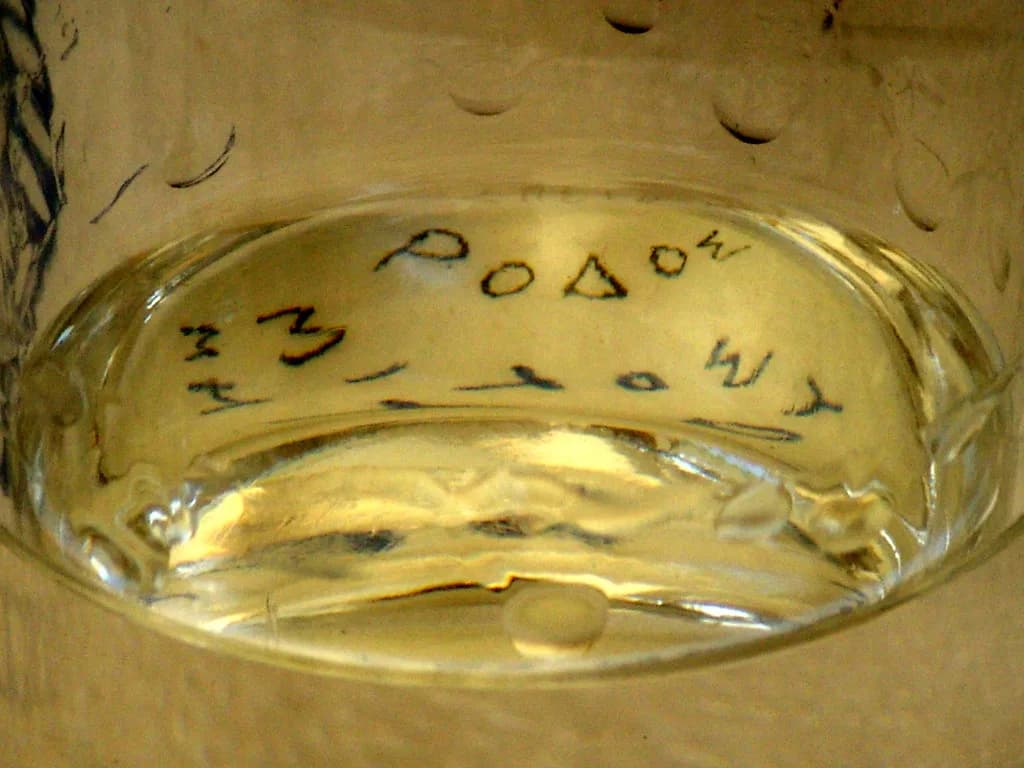
The clue to how it is meant to be drunk is what happens when you add water: the clear liquid turns milky. That cloudiness is called louche, and it is a normal reaction between the anise oils and water, not a sign of a bad bottle. Seeing a glass go cloudy is the visual cue that you have added enough water.
Think of ouzo as one part of a Greek table rather than a cocktail to be mixed with soft drinks. At its best it is a small pour alongside a spread of little dishes, and the food does as much work as the spirit. If you want a broader map of the dishes themselves before you go, traditional greek food is worth reading first.
The Ouzeri Explained
An ouzeri is the venue built around this drink: a taverna-style place where ouzo and small plates are served together, closer in spirit to a tapas bar than to a cocktail lounge. Greeks treat it as a place to eat, not just to drink, and the table tends to fill with several dishes at once. That is the practical difference from a bar where you might order one drink and leave.
A close relative is the mezedopouleio, a place specialising in mezedes, the small appetisers that go with drink. The distinction matters when you are choosing where to sit down: both formats put food first, and both expect you to order a handful of plates rather than a single main course. If you want to go deeper on the food side before picking a venue, greek meze explains the wider logic of these small plates.
Portions are small on purpose, so a table of two or three might share four to six plates and add more as the afternoon goes on. Ordering everything at once is the Greek habit: sources describe mezedes arriving together as a spread rather than in courses. That approach keeps the table busy and lets you pace the ouzo against the food instead of drinking on an empty table.
How to Order and Drink It
You can order ouzo neat, with water on the side, or already diluted, and the small carafe is the format to look for when you want to share. The carafe lets each person add water at their own pace and keeps the measure small. If you order it neat and find it too strong, ask for water rather than forcing your way through the glass.
Add water gradually and watch for the cloud. Ice is common in warm weather; add it early if you want it, because dropping ice into an already diluted glass changes the balance more than most people expect. Sipping slowly with food between drinks is both the Greek habit and the sensible one. If you are drinking anything else later in the day, alternate with water and keep the measures small; ouzo is a spirit, and nothing about the ritual requires finishing the carafe.
Ordering bread is not automatic in the way many visitors assume. In Greek tavernas bread is usually brought to the table and charged for without being requested, and the Greek source suggests saying ochi psomi parakalo, no bread please, at the start if you do not want it. At an ouzeri that is worth knowing when you are already ordering several plates.
What to Eat With Ouzo
The classic pairing is seafood, and octopus is the emblem: grilled with vinaigrette and eaten in small pieces, it appears on ouzeri menus everywhere. Fried small fish are the other staple. Gavros, anchovies, are eaten whole with lemon or vinegar, and the vinegar keeps them crisp where lemon softens the crust. Sardines are grilled, fried, or baked with tomato and oregano.
Among the dips, taramosalata, a creamy fish-roe spread, is the one to order where it is made in house rather than scooped from a tub; the source recommends ordering it by the sea for that reason. Feta and olives need no explanation, and a bowl of them plus bread is often all a first glass needs. For a fuller spread of fish dishes and what they cost, seafood in greece covers the wider menu.
Cold and vegetable plates do as much work as fish. Horiatiki salata, the familiar village salad of tomato, cucumber, onion, feta and olives, is the standard anchor, and it arrives differently from taverna to taverna. Gigantes plaki, giant beans baked in tomato sauce, and fava, a purée of yellow split peas with olive oil and lemon, are two of the cheapest ways to fill a table.
Shrimp saganaki, small shrimp in tomato sauce baked with feta, is the dish that anchors many ouzeri visits. Two practical notes help. Menus in Greece must indicate whether fish is fresh or frozen, so check for a mark such as kat next to a fish dish. And because shrimp is often frozen, the more reliable signals of a kitchen are the house dips, the vegetables and the grilled fish of the day.

Street Food Before the Ouzeri
Ouzeri tables are rarely the first food of the day, and lunch on the move often means street food: a wrapped pita with grilled meat, chips and tzatziki, or a slice of spanakopita from a bakery. The pita gyros is the standard quick option, and it is a different meal from the slow ouzeri spread rather than a substitute for it. If you want the full lay of the land, greek street food covers the formats worth knowing.
It helps to know that the meat for gyros is cooked on a vertical rotisserie, the tall turning spit you see in shop windows, and that the takeaway pita version is the cheap, fast format. Ordering a pita gyros at lunch leaves the evening free for a carafe and meze without doubling up on heavy food. Keep the two meals apart and the ouzeri stays a highlight rather than a repeat.
Lesvos and Plomari: Where Ouzo Comes From
Ouzo is made all over Greece, and the island of Lesvos, in the north-eastern Aegean, is the name most tied to it in travellers' minds. The town of Plomari on the island's south coast is the ouzo name that comes up repeatedly; if you are planning Lesvos as part of an island trip, Plomari is the obvious base for a distillery visit. Check distillery opening days with the producer or local tourist office before building a route around one, since small operations keep limited hours.
The food side of Lesvos is a reason to eat there beyond the ouzo. Sardines are eaten in a salted, briefly cured form on the island, and the local mackerel preparation gouna, split, dried with herbs and grilled, is associated with Lesvos. A taverna by the water in the north-east is the natural setting for both. The pairing to remember is a small pour of ouzo, a plate of cured or grilled fish and bread, nothing more complicated.
Where an ouzeri or taverna on the island shuts for the season is a practical question for late-autumn travel. Many island restaurants close for part of the winter, but the specific dates differ by business and year. Do not plan a meal around a single venue between November and April without checking directly; ask by phone or message, and have a backup in the main town.
Ouzo vs Tsipouro vs Raki
The distinction travellers notice is that ouzo is the anise-flavoured spirit, while tsipouro is a grape-distilled spirit that can be plain or, in some versions, also flavoured with anise. Raki, on Crete especially, is a grape distillate too, and what it is called depends on the region and the producer. On a menu the safest move is to ask whether the one you are considering is anise-flavoured, since that is what changes the taste most. The tsipouro side of the family is covered in tsipouro.
If you want to drink the Greek way across more than one occasion, rotate rather than order everything at once. Wine is the other everyday answer to a taverna table, with the house carafe the usual order; Assyrtiko, the mineral white from Santorini, is the bottle to try when you want to see what Greek wine can do. Beer is everywhere and craft breweries have grown. For the wine-and-beer side, greek beer gives the practical picture.

Bills, Prices and Tipping
Ouzo is generally the cheaper way to drink in an ouzeri, and the small carafe is where the value sits: it shares the cost across the table. Fish is where bills climb, because it is normally priced by weight and grilled whole. Travellers' guides describe some species, such as red mullet, as expensive per kilo, while sardines, anchovies and mackerel are the inexpensive end. Ask the price per kilo before the fish is cooked, and confirm whether it will be weighed before or after grilling.
Tipping in Greece is not mandatory but is appreciated. The usual guidance is rounding up, or roughly 5 to 10 percent of the bill in an everyday restaurant, and more in upscale places. Cash makes rounding easy, and staff will often show the card machine with a percentage option. The fuller conventions are in tipping in greece.
Hospitality work in Greece is heavily seasonal, and in tourist-heavy island areas tourism supports a large share of jobs. Many people work long summer weeks and depend on the winter quiet, which is part of why tips are valued. That is a reason to tip for service you were happy with rather than out of obligation. It is also a reason to be patient about the pace of a busy ouzeri in high season.
A Short Glossary for the Ouzeri
A few words carry most of an ouzeri order. Mezedes are the small dishes, and a meze is the spread of them; an ouzeri or mezedopouleio is the place that serves them. Ouzo with water is usually understood, so you rarely need a phrase for it. Louche describes the cloudiness when water goes in and is worth knowing so it does not look like a problem.
Meze words to recognise on a menu: taramosalata is the fish-roe dip, fava is the yellow split pea purée, and tirokafteri is a spicy feta and yogurt dip. Gavros and marida are small fried fish, octopus appears as chtapodi, and kritharaki is the rice-shaped pasta often served as a side. Add a plate of feta, some bread and an order of gigantes and you have a workable ouzeri table.
Keep the ordering simple and ask about two things when unsure: whether a dish is fresh or frozen, and how the fish is priced by weight. Those two answers prevent most surprises at the end of the meal. If you want a dessert after the plates, look to greek desserts for what follows the ouzo.
Plan Your Ouzo Table
The ouzeri rewards a light touch: one small carafe shared, a handful of meze ordered together, water added until the glass clouds, and the pace set by conversation rather than by a shot clock. Start with octopus or fried small fish, add a dip and a vegetable plate, and only then decide whether the table needs more. That routine works in Athens and equally on Lesvos or any island square. If your trip takes you to the Cyclades, you can apply the same approach to where to eat in Mykonos.
Before you go, settle two practical points: check the fish price per kilo before ordering, and confirm that the venue you have in mind is open if you are visiting between November and April. Then leave room in the budget for a tip when service earns it, and keep the measures small so the afternoon can run long.
For the food side of the trip beyond ouzo, the site's guides to traditional greek food sit alongside similar pieces on street food, meze, cheese and seafood. Read one or two before you travel and you will spend less time decoding menu names and more time eating.
Explore more Greece sauna guides
Frequently Asked Questions
Is ouzo alcoholic?
Yes. Ouzo is a distilled spirit flavoured mainly with anise, which is why it is normally served in small measures and diluted with water. Treat it as a strong drink: sip it slowly, add water or ice as you prefer, and leave room between glasses.
How do you drink ouzo properly?
Order it neat with water on the side, or as a small carafe to share, then add water gradually until the liquid turns cloudy. Add ice early in warm weather if you want it. Sip it slowly alongside several small plates rather than drinking it quickly.
What is the difference between ouzo and tsipouro?
Ouzo is the anise-flavoured spirit; tsipouro is a grape distillate that may be plain or anise-flavoured depending on the producer. Raki is a related regional grape spirit, called different things on different islands. When ordering, ask whether the bottle you are considering contains anise, since that is what changes the flavour most.
What food goes with ouzo?
Grilled octopus, fried small fish such as anchovies and sardines, taramosalata, feta and olives are the classic set. Add a village salad or a bean dish to round out the table. Fish is often priced by weight, so ask before it is cooked, and check whether fish dishes are marked as fresh or frozen.
Where is ouzo made?
Ouzo is produced throughout Greece, but Lesvos in the north-eastern Aegean, and in particular the town of Plomari, is the name most associated with it in travel. If you plan a distillery visit, confirm opening days directly with the producer or the local tourist office, as small operations keep limited hours.
How much should you tip at an ouzeri?
Tipping is not mandatory but is appreciated. A common approach is to round up the bill or leave roughly 5 to 10 percent in an everyday restaurant, with more in upscale places. Paying the balance in cash makes rounding easy, and card machines usually offer a percentage option.
Sources
Notes for eating well in Greece
Optional updates to our guides.
You might also like


Continue reading
More guides you'll find useful