Currency in Greece: How to Decide on Euros, Cards and Cash
Greece uses the euro, not the drachma. Here is how cards, cash, ATMs and exchange desks work for travelers, and when small tavernas and island shops need cash.
On this page
Greece uses the euro, and that simplifies the arithmetic of a meal: the price on a taverna menu is the price you pay, with no second conversion to work out at the table. The decisions that actually matter are practical ones, such as whether the bakery on the corner takes a card and where the nearest working cash machine is on a small island.
This guide walks through what the currency change meant, when cards are the easy choice and when folded notes are, how Greek ATM screens can quietly add a conversion charge, and how to plan a cash float before you fly. It is written for people whose main spending will be food, ferries, buses and museum tickets rather than business travel.
The quick answer: Greece uses the euro
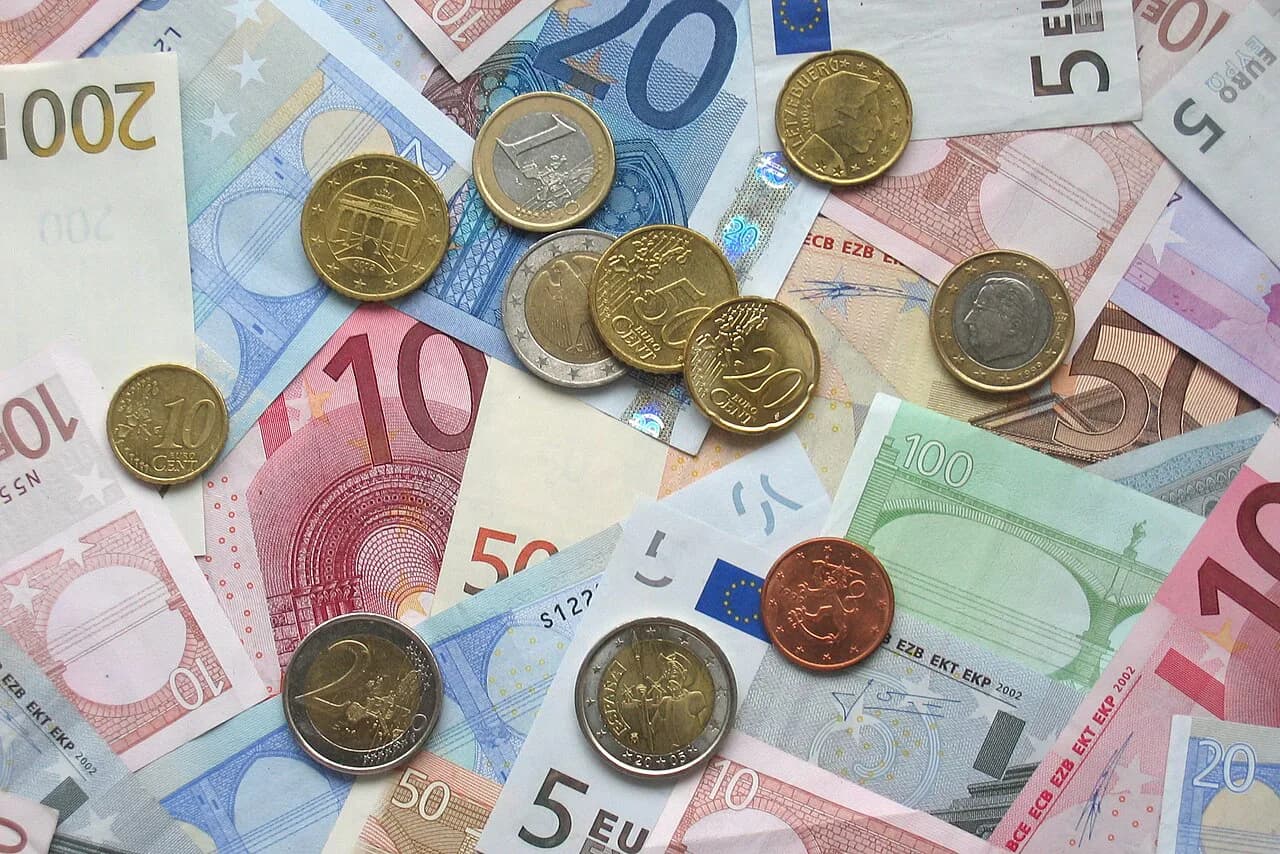
Greece's currency is the euro, written EUR or with the € symbol, and it has been the country's money since the cash changeover in 2002. That means prices in Athens, Thessaloniki and the islands are already in the same currency in your pocket if you arrived from another eurozone country.
What currency do they accept in Greece? Greece uses the euro, shown as EUR or the € symbol. Prices in Athens, Thessaloniki, Crete and the islands are all quoted in euros, and other currencies are not normally accepted in shops or tavernas, so arrive with euros or withdraw them from an ATM.
What was old Greek money called? The drachma was Greece's currency before the euro, and it was replaced in everyday use at the start of 2002. The fixed conversion rate was 340.750 drachmas to one euro, but that is a historical figure rather than a current exchange rate.
Can I still exchange Greek drachma banknotes? No. The European Central Bank states that drachma banknotes could not be exchanged after 1 March 2012.
Before the euro, Greece used the drachma, which was locked to the single currency at a fixed rate of 340.750 drachmas to one euro. That figure is history rather than a live exchange rate, so treat any drachma price you see in an old guidebook as a curiosity, not a budget line.
Because there is no local currency to buy on arrival, the classic airport currency-counter detour disappears for most visitors. What remains is the choice between paying by card and paying in cash, which varies by the type of business rather than by region.
Why you still need small notes even in a euro country
A euro country is not a cashless country. Small family-run tavernas, kiosks selling water and bus tickets, open-air markets and many taxis still work most comfortably in notes, and a large note for a small purchase can be awkward for everyone, so it pays to keep lower denominations in your pocket.
The practical habit is to break large notes early. Pay for a coffee, a spanakopita (spinach and filo pie) or a bottle of water with a bigger note on your first morning, and keep the smaller notes you get back for the rest of the day.
If a bakery or taverna bill is small and you want to pay by card, ask before ordering rather than after; some very small places have a card terminal but prefer not to run it for tiny amounts. That is a courtesy question, and the answer varies from counter to counter.
Cash or card, situation by situation
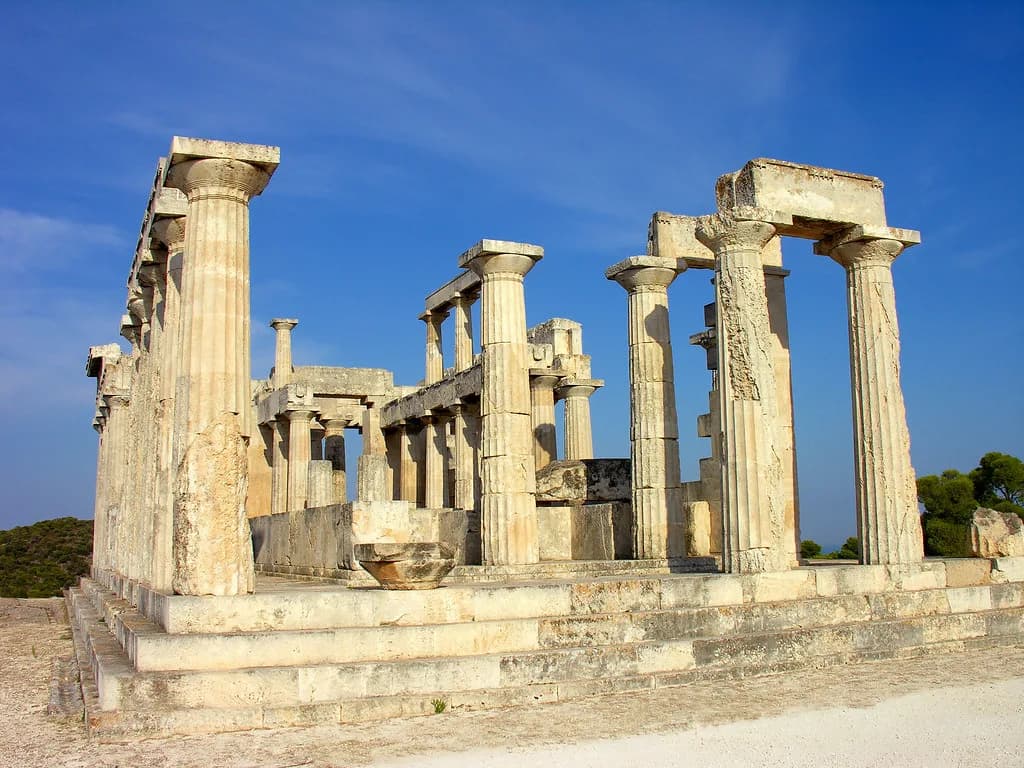
Cards work smoothly in the places built for volume: hotels, larger restaurants in city centres, museum and archaeological-site ticket desks, and airport transport. If your day is a museum ticket, a booked ferry and a sit-down dinner, you can comfortably leave the wallet in your bag. If those ticket desks lead you to the country's headline ruins, our guide to the ancient sites in greece covers what each one costs and how to plan a day around them, and you can budget the same way for what to eat in Greece.
Cash remains the practical option for small tavernas away from the tourist core, kiosks, street food counters, local buses outside Athens and many taxis. A mixed approach, one card plus a modest note float, covers both without forcing a decision at the table.
Visa and Mastercard are the most widely accepted card networks, with American Express and other cards appearing less often. If your card is a less common network, plan on cash as the fallback instead of expecting the terminal to recognise it.
ATMs in Greece: which machines and how to avoid paying twice
Cash machines are plentiful in cities, at airports and in tourist areas, and many accept foreign Visa, Mastercard, Maestro, Cirrus and Plus cards. National Bank of Greece machines are the ones most often recommended for foreign cards, while Alpha Bank, Eurobank, Piraeus Bank and CrediaBank also operate ATM networks.
The trap is Dynamic Currency Conversion. The machine may offer to charge you in your home currency, which converts your withdrawal at its own rate on top of any fee; choose to be charged in euros instead and let your own bank handle the conversion.
Withdrawals can carry two costs, the Greek operator's fee and your own bank's foreign-transaction charge, so a single larger withdrawal is usually cheaper than several small ones. Check your bank's fee schedule before you leave rather than discovering the charge on your statement.
Exchanging money: bank branches, exchange desks and airport counters
If you arrive with dollars or pounds, you will find exchange offices in the obvious visitor areas: around Syntagma Square, Monastiraki and Omonia in Athens, along Egnatia and Tsimiski streets in Thessaloniki, and in the central and port areas of Mykonos, Santorini and Crete's main towns.
Bank branches generally open on weekday mornings and close at weekends, so a Sunday arrival is not the moment to rely on a bank counter. Airport and hotel exchange desks are convenient but usually offer weaker rates than city-centre offices, which is the trade-off to weigh against the time and taxi fare of going into town.
Read the posted rate and any commission before handing over notes, and count your money at the counter. For most travellers from outside the eurozone, though, a small euro float brought from home plus an ATM withdrawal in Greece is simpler than hunting for a good exchange rate.
Paying at tavernas and bakeries
At a sit-down taverna, the bill usually arrives as a handwritten slip or a printed receipt, and a card is normally fine where terminals exist. Where you are splitting a bill across several cards, say so at the start; small kitchens often run one terminal and prefer to settle in one go.
Bakeries and kiosks are the classic small-note venues. A tiropita (cheese pie) or a freddo espresso is often a small transaction at the counter, so paying with a modest note keeps the queue moving; if a shop has a minimum for cards, the staff will tell you.
Tipping is usually left in cash on the tray or added to the total when you pay, and it is normal to round up rather than calculate a percentage. Carry a few coins and small notes specifically for this, so the tip does not depend on whether the card machine has a gratuity screen.
Islands and smaller towns: plan around one cash machine
On smaller islands, the number of ATMs is limited, and machines can run low on cash during peak summer weeks when everyone arrives at once. The sensible habit is to withdraw on the day you arrive, in the port town, instead of relying on the machine near your accommodation being stocked when you need it.
Keep enough euro notes to cover a ferry ticket, a taxi and a meal or two in case a terminal is down or a machine is empty. This is a buffer against inconvenience, not a reason to carry large sums, and a card remains the safer place for the bulk of your spending money.
If you are hopping between islands, top up your cash in the larger port towns before moving on. Athens and Thessaloniki have the deepest supply of machines and exchange options, so arriving on a small island already holding notes removes a recurring worry. The same small-island planning carries over to the Cyclades: our guide to Things to Do in Santorini: Where to Go and When covers where to eat and what to book once you are there.
Carrying cash: habits worth adopting
Split your notes between a money belt, an inside pocket and a day bag, and avoid counting a full withdrawal at the machine. Paying with a card where possible keeps large sums out of your pocket, and settling small purchases in cash keeps the float topped up with usable denominations.
At outdoor taverna tables, keep bags on your lap or between your feet rather than hooked over the chair back. These are ordinary city habits rather than a comment on safety in Greece, and they cost nothing to adopt.
A plug adapter can matter as much as your wallet, since charging a phone that holds your banking app depends on the right socket. Check the greece plug type before you pack, and keep a charged power bank for days spent moving between islands.
Old Greek money: what the drachma was and why it is gone
The drachma was Greece's currency for most of the modern state's history, and the euro replaced it in everyday use at the start of 2002. The old notes and coins are now collectors' items rather than spending money.
Drachma banknotes stopped being exchangeable after 1 March 2012, so a note found in a drawer cannot be converted at a bank today. If you inherit old drachma notes, treat them as souvenirs and check with a numismatic dealer rather than a currency counter.
A pre-flight checklist for money in Greece
Before you fly, tell your bank you are travelling so a first card payment in Athens does not trigger a block, and check its foreign-transaction fee and daily withdrawal limit. Note the number for reporting a lost card somewhere you can reach without a working phone.
Pack a small euro float if you are coming from outside the eurozone: enough for a bus, a coffee and a tip on arrival day. Add a second card kept separately from the first, since a single lost wallet should not leave you without a payment method for the rest of the trip.
If you plan to use your phone for maps, ferry apps and banking, sort out mobile data before you go. An esim greece setup activated at home avoids hunting for a shop on arrival, and a Vodafone Greece counter at the airport is the alternative if you prefer a local number.
Plan Your Money Before You Go
Greece's use of the euro removes the exchange-rate guesswork from your taverna bill, but it does not remove the need to think about method. Keep a modest float of smaller euro notes for bakeries, kiosks and taxis, leave the larger bills for hotels and museums, and decline the offer to be charged in your home currency at the ATM.
On the islands, withdraw when you reach a port town rather than waiting for the single machine near your room, and keep enough cash for a ferry and a meal in reserve. Bank fees, card surcharges and individual businesses' payment habits change, so confirm the details with your own bank and with the venue before you rely on them.
Explore more Greece sauna guides
Frequently Asked Questions
What currency do they accept in Greece?
Greece uses the euro, shown as EUR or the € symbol. Prices in Athens, Thessaloniki, Crete and the islands are all quoted in euros, and other currencies are not normally accepted in shops or tavernas, so arrive with euros or withdraw them from an ATM.
What was old Greek money called?
The drachma was Greece's currency before the euro, and it was replaced in everyday use at the start of 2002. The fixed conversion rate was 340.750 drachmas to one euro, but that is a historical figure rather than a current exchange rate.
Can I still exchange Greek drachma banknotes?
No. The European Central Bank states that drachma banknotes could not be exchanged after 1 March 2012. Old notes are now collectors' items, so treat them as souvenirs rather than spending money.
Can I use my credit card everywhere in Greece?
Cards work well in hotels, larger restaurants, museums and airport transport, and Visa and Mastercard are the most widely accepted networks. Small tavernas, kiosks, markets, local buses and many taxis still work more comfortably in cash, so carry a modest float of euro notes.
Should I exchange money before travelling to Greece?
Travellers from other eurozone countries do not need to exchange anything. If you are coming from outside the eurozone, a small euro float for arrival-day expenses is useful, and further cash can come from a Greek ATM or a city-centre exchange office rather than an airport counter.
Where can I withdraw euros in Greece?
ATMs are widespread in cities, at airports and in tourist areas, and National Bank of Greece machines are often recommended for foreign cards. Alpha Bank, Eurobank, Piraeus Bank and CrediaBank also run networks, and you should choose to be charged in euros rather than your home currency.
Are ATMs easy to find on the Greek islands?
Larger islands and port towns have cash machines, but smaller islands have few, and machines can run low during peak summer weeks. Withdraw when you arrive in a port town and keep enough notes for a ferry, a taxi and a meal in reserve.
Do I need cash for tavernas in Greece?
Many tavernas accept cards, but small family-run places, bakeries and kiosks handle tiny bills more easily in cash. Carry a few smaller euro notes for small purchases and keep some coins for tips, which are usually left in cash.
Sources
Notes for eating well in Greece
Optional updates to our guides.
You might also like
Continue reading
More guides you'll find useful