Things to Do in Naxos: Beaches, Mountain Villages & Portara
Plan Naxos days around beaches, marble mountain villages, Portara at sunrise and Mt Zas, with honest trade-offs on timing, transport and food stops.
On this page
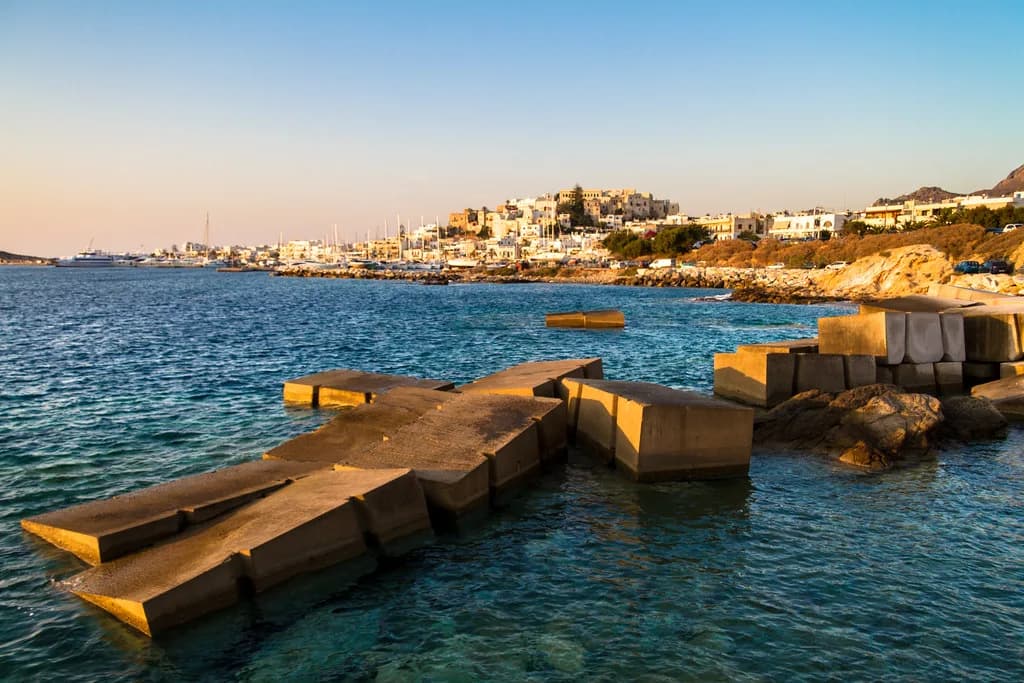
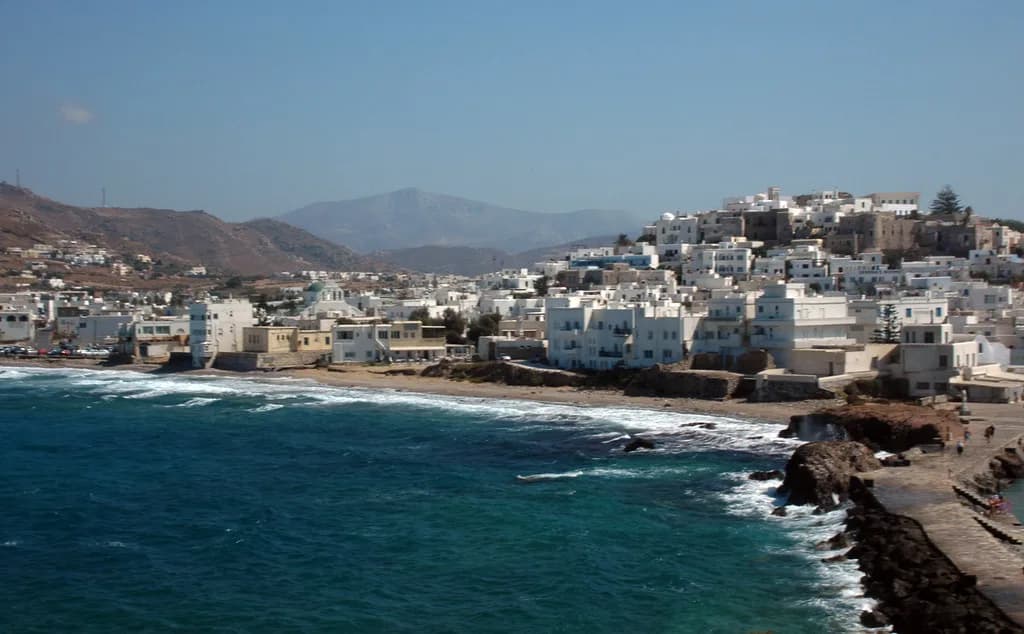
Naxos is the largest island in the Cyclades, so distance decides your days here more than any single sight. Chora, also called Naxos Town or Hora, holds the harbour, the Venetian Castle quarter and the Portara gate, while the long beaches of the west coast and the marble villages inland sit a drive away. Treat the island as several separate days rather than one list of stops.
The common mistake is to book a beach base and then discover the mountain villages deserve a full day of their own. Conversely, a Chora base makes ferries, tavernas and the Portara easy on foot but puts Plaka and the villages behind a bus timetable or a car. Deciding this trade-off first shapes everything that follows. The same harbour-versus-beach question comes up in Crete, where the things to do in chania centre on a Venetian harbour and old town within walking distance.
Why Naxos Rewards a Plan
Naxos is consistently described as the most underestimated of the Cyclades, with the southwest beaches rated among the best in Greece and the inland villages retaining a working, unhurried character. That is also why the island does not organise itself around a short visit: its highlights spread from the harbour to mountain squares and remote coves. A plan that groups nearby places saves hours of driving.
The reliable way to divide the island is into three blocks: Chora and the ancient sites around it, the west-coast beach strip from Agios Prokopios through Plaka, and the northern and inland village circuit. Each block can absorb a day without rushing. Read the island's food culture alongside this planning, since what to eat in Naxos explains the dishes and products that give the village stops their purpose.
For the sights themselves, a compact set of visitor guides covers the main ancient and museum stops, which is useful when you are deciding how much time to give the castle quarter or the kouros statues. The Naxos Attractions: 4 Visitor Guides hub is the place to compare them before fixing your day order.
Where to Base Yourself: Chora vs the West-Coast Beaches
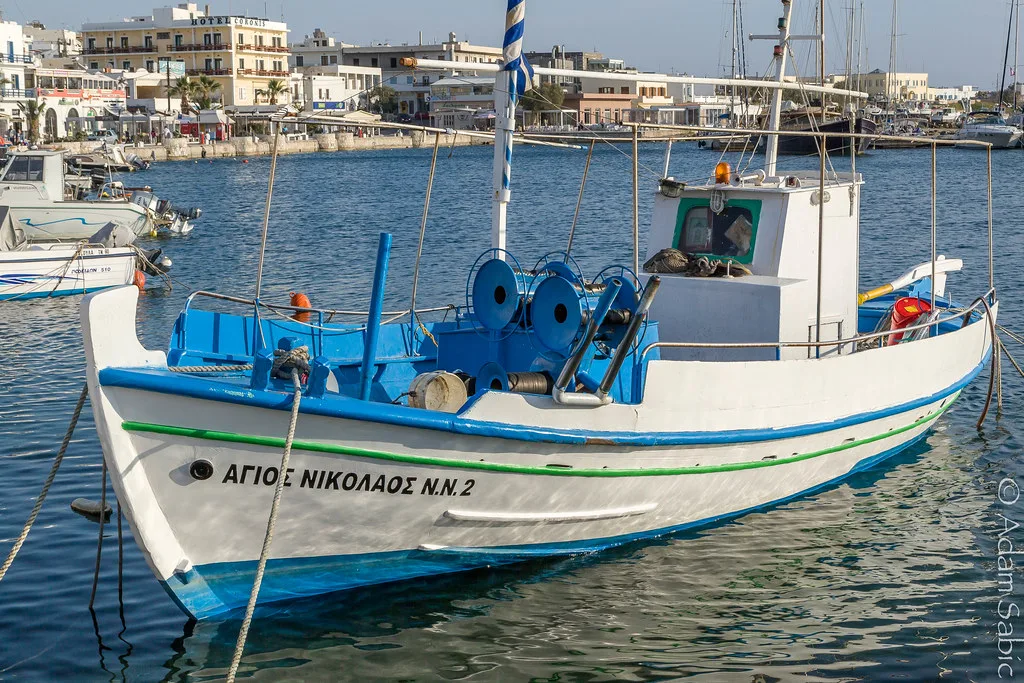
Basing in Chora puts the old town, the harbour, the Portara causeway and the ferry port within walking distance, and the old market runs through the town with ceramics, local products and the island's oldest market store. The trade-off is that you will bus or drive to the beach every morning and to the villages on your inland day.
Basing at Agios Prokopios or Plaka reverses that: the sea is at the door, but evenings in Chora mean a return trip, and reaching mountain villages takes longer. Plaka suits travellers who want a long, dune-backed beach and relaxed beach bars; Agios Prokopios is the busier, more developed strip. For dinner planning in the capital, the best restaurants in naxos town are concentrated around the old town and harbour rather than the beach strip.
A practical compromise is to split the stay: two or three nights in Chora for the town and Portara, then move to the beach for the remainder. This costs a little packing time and usually a second booking, but it removes the daily commute in both directions.
Chora Highlights: Castle Quarter, Old Market and Harbour
The old town is a deliberate labyrinth of narrow lanes and arches built to confuse pirates, and it still works on visitors, so leave the map in your pocket and wander. Above it sits the Venetian Castle, built in 1207 and inhabited ever since, with covered passages, churches and harbour views for anyone willing to climb. Much of the old town closes for siesta in mid-summer heat, so come early or after 5 pm.
The harbour is unusually pleasant for a working Greek port, filling up towards sunset with the castle behind it. In the old market, Kiriakos Tziblakis Local Products is described as the oldest market store on the island, selling nuts, dried fruit, honey, olive oil and Naxian cheeses. For loukoumades, the crisp fried dough balls served with local honey, Padelis Coffee Shop in Chora is the spot named in published accounts.
Cheese is worth a dedicated stop: Koufopoulos in Chora makes cheese from local cow, sheep and goat milk and has been doing so since 1990, with a cheese counter and tastings. Graviera is a firm, lightly sweet cheese used for grating and eating, and xinomizithra is a tart whey cheese; both appear in Naxian cooking, and a picnic of bread, cheese and tomatoes is an easy lunch. Verify shop hours and tasting availability directly, as these change with the season.
Portara on the Palatia Islet: Sunset Crowd vs Sunrise Calm
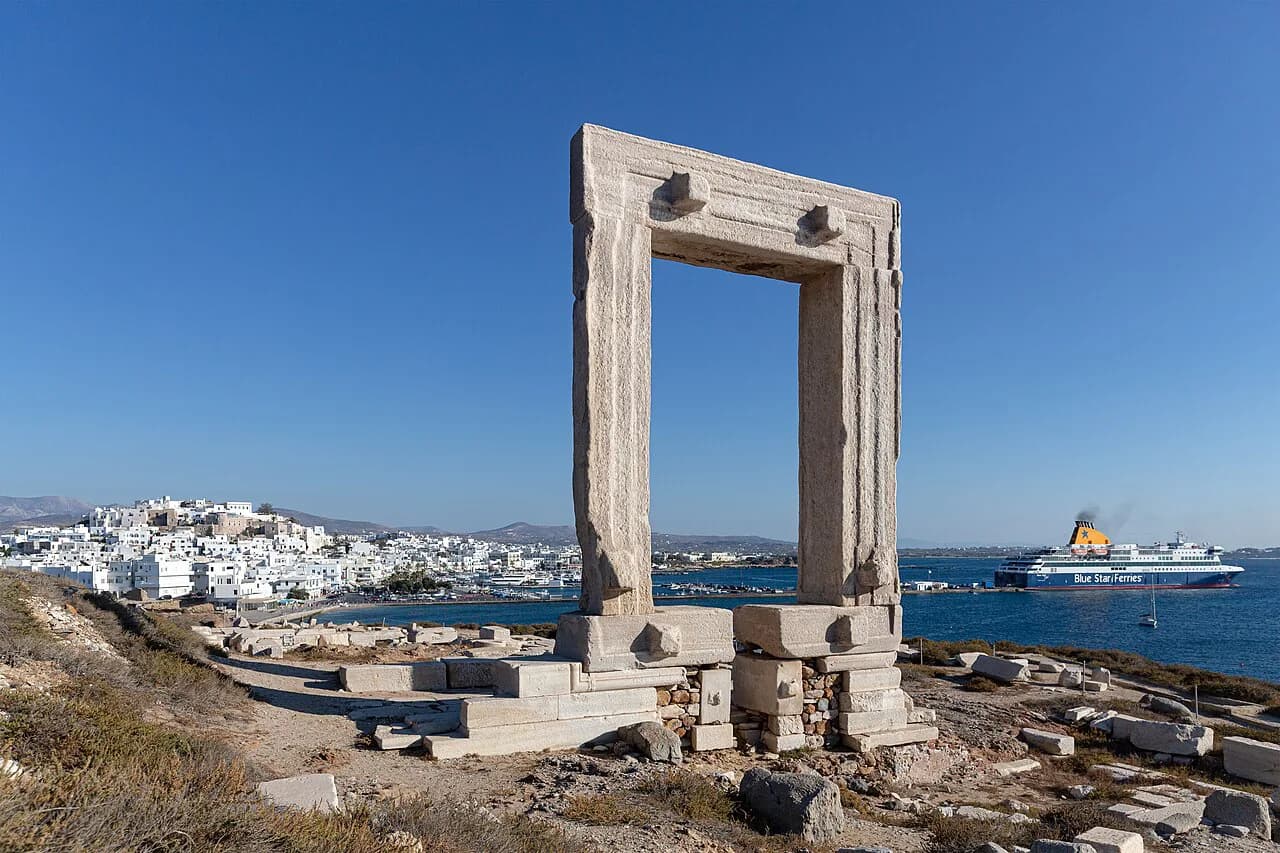
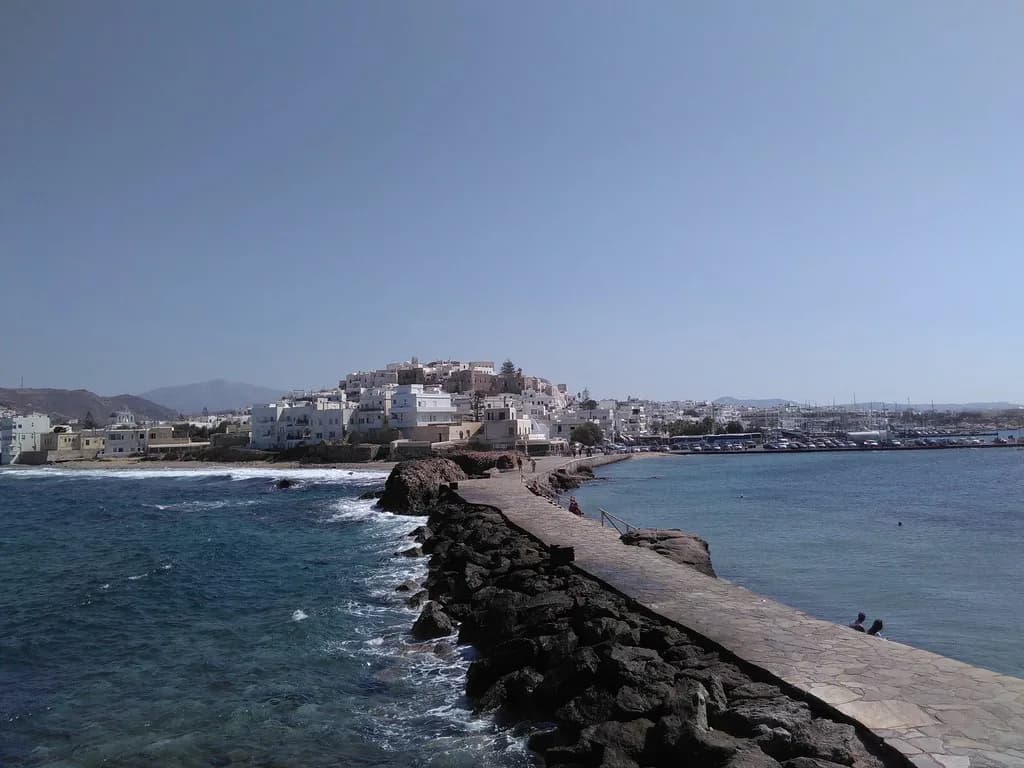
The Portara is the surviving marble gate of an unfinished temple to Apollo, commissioned in the 6th century BC and abandoned when war interrupted the build. It stands on the tiny islet of Palatia just offshore, reached by a causeway that takes about five minutes to walk from the harbour. In peak season the sunset crowd brings drones, photoshoots and hundreds of people competing for the same view.
The alternative is sunrise, when the site is nearly empty and the light is arguably better, at the cost of missing the sun setting through the frame. Decide which you value more rather than trying to have both. This is a timing decision, not a sightseeing one, and the choice shapes your evening or your alarm.
Beach by Beach: Plaka, Agios Prokopios, Agia Anna, Hawaii and Mikri Vigla
Plaka is the anchor of the west coast: a long stretch of soft white sand backed by dunes, with relaxed beach bars and clear water, and a southern stretch where turtles are sometimes seen in the morning. Agios Prokopios is the most popular beach on the island, with turquoise water, beach clubs and watersports, and Agia Anna next door suits families. All three sit within a short drive of each other south of Chora.
Hawaii Beach is the opposite proposition: a rugged shoreline below burnt-orange cliffs in a cedar forest, completely undeveloped and with no facilities, about 30 minutes from Chora by car. Bring water, shade and everything you need, and accept that it is a half-day commitment rather than a quick swim. Mikri Vigla, further south, pairs big windsurfing conditions with quieter swimming depending on the day.
For a structured beach-and-club afternoon, Tortuga Beach Club at Plaka is the established choice, while Agios Georgios near Chora is the base for learning watersports at Flisvos Sports Club. The Naxos Attractions: 4 Visitor Guides page is a sensible cross-check if you want to pair a beach with a nearby site.
The Meltemi Wind: Which Beaches Suit Windsurfers and Which Suit Swimmers
The meltemi is a strong northern wind that peaks in July and August across the Cyclades. On Naxos it makes Agios Georgios and Mikri Vigla world-class windsurfing venues and, at the same time, less comfortable for calm swimming and sunbathing. The published advice is to pick your beach by the day's wind rather than by reputation.
Sheltered, less windy swimming is generally found on the eastern side of the island, but that can be a long drive if you are staying near Chora or Plaka. The honest trade-off is convenience against calm water: stay west for easy access and accept some wind, or drive east on blowy days. Ask your hotel for the Hoteliers Association beach map, which marks windsurfing beaches and gives distance keys.
Mountain Villages Loop by Car
A worked route north and inland from Chora begins at Melanes, where the ancient kouros statues lie unfinished in the olive groves. Kouros means a free-standing statue, usually of a naked young man; these were roughed out at the quarry and finished on site, and this one was abandoned after breaking in transit, which is why it still lies where it fell. From Melanes the road climbs towards Kinidaros and Koronas.
Koronas is the sleepiest stop, almost unaccustomed to visitors, with narrow lanes, a leafy square and dramatic views north over the Aegean. Martina and Stavros' Taverna on the square serves whatever is cooking that day with no menu; ask locally whether it is open, so treat lunch there as a bonus rather than a fixed plan. The scenic drive on to Apeiranthos, with Mt Zas in the distance, is often described as the most beautiful stretch on the island.
Apeiranthos is built largely of marble, with archways, defence towers and a Venetian-era layout, plus an archaeological museum with more than 2,000 exhibits. Taverna Platanos is the named stop for traditional food at reasonable prices overlooking the hills towards Mt Zas. Continue through Filoti, where Ambrosia on the main square is one of the better restaurants, and finish in Halki before returning to Chora or Plaka.
Keep a separate guide to Naxos town for your harbour and old-town evenings, since the village circuit fills a whole day. If you would rather cook than eat out, a Naxos Cooking Class Guide can slot into a rest day between drives.
Eating on the Village Circuit: Dishes and Timing
Village lunches run on local time. Restaurants in the mountain villages tend to close in the afternoon, and the midday heat in summer is relentless, so aim to arrive early or after 5 pm rather than at 1 pm in August. This is a scheduling constraint, not a tip: turning up at the wrong hour in Apeiranthos or Halki means finding the kitchen shut.
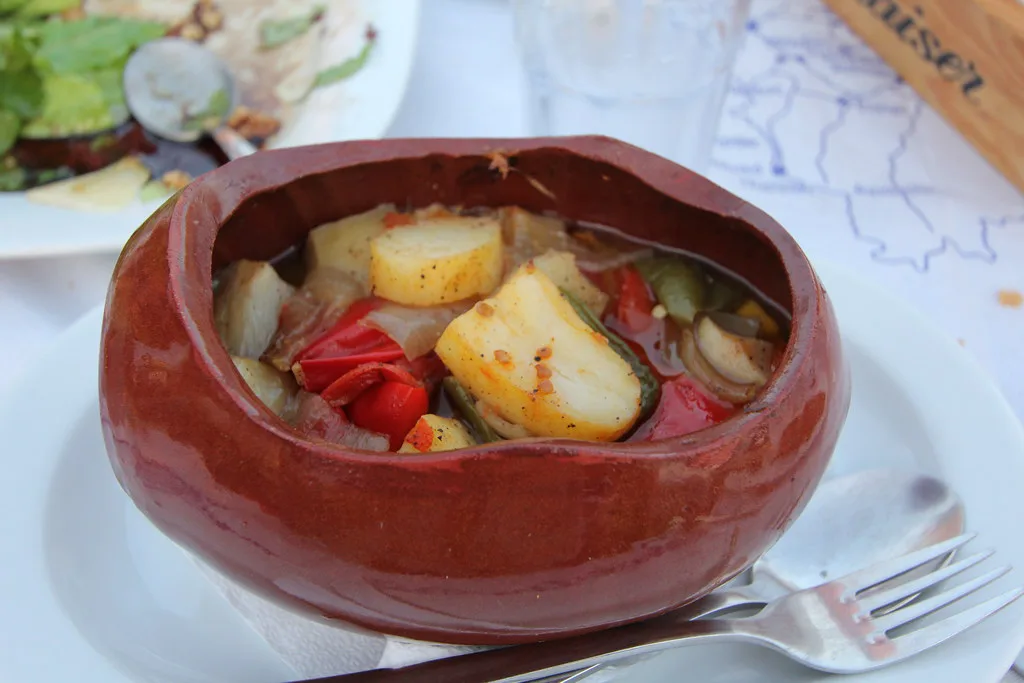
Order what the villages do well: moussaka, the layered aubergine and minced meat bake, appears across Naxos and is the dish singled out at Taverna Platanos. Village tavernas often bring a jug of local red wine without being asked, and the bill is typically modest. The broader picture of Naxian dishes and products sits in the what to eat guide, which is worth reading before you order.
Halki adds a specific stop: the Vallindras Kitron Distillery, where kitron is made from the leaves of the citron tree, a practice dating back to the 17th century and run by the same family since 1896. Kitron is a clear liqueur sold in white, yellow and green versions that differ in sugar and strength. The Naxos Kitron guide explains the styles and how to taste them.
Mt Zas Summit Hike
Mt Zas, at 1,003 metres the highest peak in the Cyclades, is climbed most directly from the Agia Marina chapel trailhead. The path starts on a forested hillside, steepens through a rocky valley and emerges on a plateau with 360-degree views across the islands. Allow roughly four hours for the return, according to published accounts, and treat that as a planning figure rather than an official time.
The summit section is loose rock, so wear proper shoes rather than sandals. Bring at least two litres of water, sun protection and a torch for the descent, because the last section is easy to navigate in near-darkness if you stay for sunset. The trailhead near Filoti is also the start for Zas Cave and the Aria spring.
Check the day's wind and cloud before committing, since the meltemi and afternoon build-up change the experience on an exposed ridge. If the summit is beyond your comfort, the lower path to the cave and spring gives a shorter outing from the same trailhead.
Food Stops Worth Building a Day Around
Two food stops justify shaping a day around them. Koufopoulos in Chora is a working cheese producer with a shop and tasting counter, and Vallindras in Halki is a small historic distillery that takes little time to tour but gives the village circuit a focus. Pair either with the old market in Chora, where Kiriakos Tziblakis sells local products and cheeses.
For a quicker fix, the best gyros in naxos are found along Protopapadaki Street in Chora, where the queue moves fast and the price is low. Gyros is pita wrapped around shaved meat, tomato, onion and tzatziki, and it is the practical lunch between ferry and beach. Keep expectations set for counter service rather than a sit-down meal.

Getting Around: Car, Bus or Scooter
A car is the only way to do the village circuit comfortably and to reach beaches like Hawaii, and it is worth hiring for at least a few days even if you base in Chora. Buses are reliable for Chora, the main west-coast beaches and larger villages but do not serve the remote stops well. Scooters and ATVs work for short coastal hops but are exposed on the mountain roads.
Ferries from Athens arrive daily at Chora's port, and arriving by sea with the Portara in view is the standard introduction to the island. Book summer sailings early, directly with the ferry company or through FerryHopper, since peak-season crossings fill quickly. Naxos also has an airport with limited flights.
How Many Days: A Two-Day Minimum and a Seven-Day Shape
Two days covers Chora, the Portara and one beach, which is the realistic minimum for a first visit. Seven days is the sweet spot: a day for Chora and the castle, a beach day, a village-circuit day, a sailing or watersports day, the Mt Zas hike and a slow village lunch, with one day left empty on purpose. The empty day is the point, not a failure of planning.
If you have three or four days, drop either the sailing day or the hike and keep the village circuit, since the inland villages are what most distinguishes Naxos from other Cyclades islands. Base in Chora for the first half and move to Plaka or Agios Prokopios for the rest to avoid daily transfers.
Best Time to Visit
May and September are the sweet spots: warm sea, manageable crowds and lower prices across the board. June and early July are also good before the meltemi peaks. July and August bring heat, crowds and the strongest winds, which suits windsurfers but not swimmers.
April can be cool enough to need a jacket, and hiking is more comfortable than swimming then. Autumn keeps the sea warm into September and October, which suits a beach-and-village mix. Whatever the season, avoid scheduling village lunches at midday in summer and keep one plan flexible for wind.
Practical Notes and Current Details
Opening hours for shops, tavernas and small museums on Naxos shift with the season, and some village restaurants and beach clubs close out of season. Confirm directly with the business or through your accommodation before building a day around one. The same applies to any tasting or tour, which may run only in high season.
The Archaeological Museum of Naxos, housed in a 17th-century former Jesuit school, is worth about an hour and published accounts describe entry as free; the ticket desk can confirm on the day. Keep cash for small village tavernas and the old market, and carry a torch if you plan a sunset hike.
Plan Your Visit
The working plan for Naxos is simple: base in Chora for the town and Portara, move to the west-coast beaches for the sea, and give the mountain villages a full day with a car. Decide Portara at sunrise or sunset and accept the trade-off, and treat Mt Zas as a half-day with proper shoes, water and a torch.
Before you book, check current ferry routes and timings with the ferry companies, check opening hours for the specific tavernas and shops you plan around, and check the wind forecast for beach days. Food is a reliable way to organise the island: a gyros in Chora, a cheese tasting at Koufopoulos, a kitron tasting in Halki and a village lunch when the kitchen is open.
Explore more Naxos sauna guides
- Best Restaurants in Naxos by Area
- Naxos Cooking Class Guide
- What to Eat in Naxos
- Best Gyros in Naxos
- Best Restaurants in Naxos Town
- Naxos Bakery Guide
- Naxos Food Tour
- Naxos Kitron
- Naxos Olive Oil Tasting
- Shopping in Naxos
- Is Naxos Expensive? A Practical Guide to Costs on the Island
- Planning a Wedding in Naxos
- Naxos History
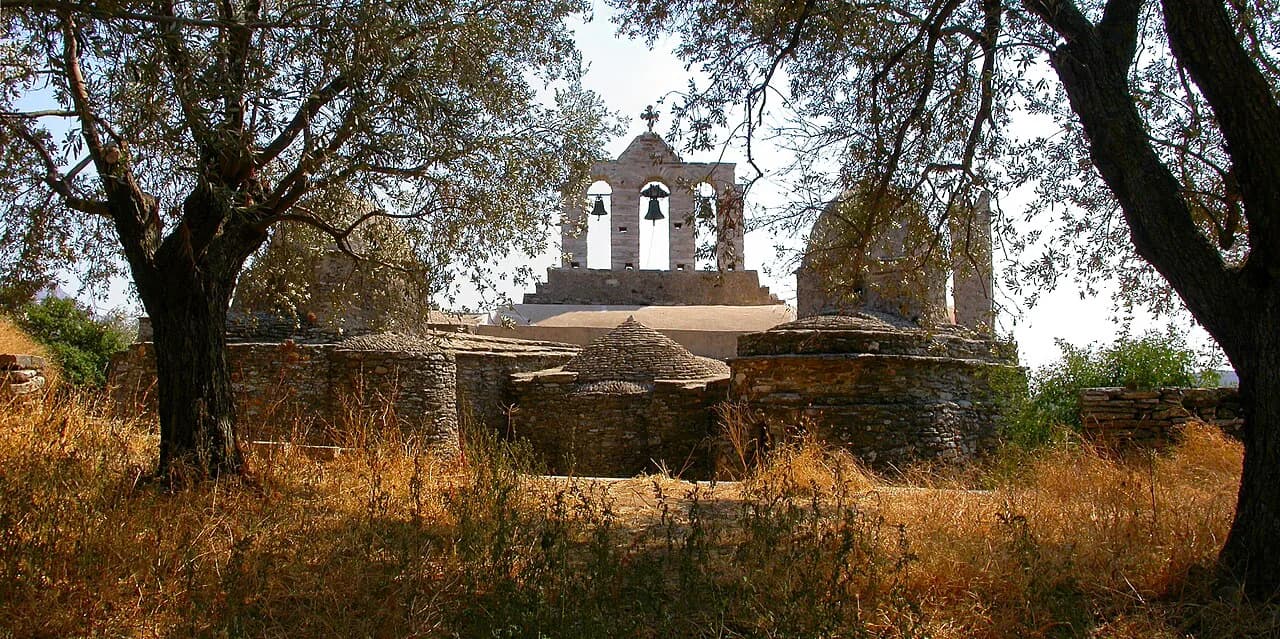
- Naxos Churches
- Where to Watch the Sunset in Naxos
Frequently Asked Questions
What should you not miss on Naxos?
The Portara gate and the Venetian Castle in Chora, the beaches at Plaka and Agios Prokopios, the marble village of Apeiranthos and the mountain-village circuit. The Mt Zas hike and the Vallindras distillery in Halki are the other standout stops. Most of these sit in different parts of the island, so plan them across separate days.
What is Naxos most known for?
Naxos is best known for being the largest and most fertile island in the Cyclades, with long west-coast beaches, marble mountain villages, the unfinished Portara temple gate, and a food culture built on local cheese, potatoes and citron liqueur. It is also the highest island in the Cyclades, thanks to Mt Zas.
How many days do you need on Naxos?
Two days is the realistic minimum for Chora, the Portara and one beach. Seven days lets you add the village circuit, a sailing or watersports day, the Mt Zas hike and a slow village lunch without rushing. Anything between three and five days works if you drop either the hike or the sailing.
Is Naxos better than Paros?
They suit different trips. Naxos is larger, with more mountain villages and longer beaches, and rewards having a car. Paros is smaller and is considered the country's windsurfing hub. Choose Naxos for variety and inland villages, and Paros for a compact base with strong windsurfing.
Can you do Naxos without a car?
Yes, but with limits. Buses connect Chora, the main west-coast beaches and larger villages reliably. The remote beaches and the northern village circuit are hard without a car, so hire one for a few days if those matter to you.
Is Portara better at sunset or sunrise?
Sunset gives the classic view of the sun dropping through the gate, but peak season brings drones and crowds. Sunrise is nearly empty, with arguably better light. Choose based on whether you want the photograph or the quiet.
How hard is the Mt Zas hike?
It is a steep but manageable walk on a marked trail, with a loose rocky summit section and roughly four hours for the return. Wear proper shoes and carry at least two litres of water, sun protection and a torch for the descent. Check wind and cloud before setting out.
What food is Naxos known for?
Naxos is known for its cheeses, especially graviera and xinomizithra, for local potatoes, and for kitron, a citron-leaf liqueur made at the Vallindras distillery in Halki. Loukoumades with honey are the classic sweet, and village tavernas serve dishes like moussaka with local red wine.
Sources
Notes for eating well in Greece
Optional updates to our guides.
You might also like
Continue reading
More guides you'll find useful