Things to Do in Rhodes: Town, Beaches & Villages
Plan your days in Rhodes with a practical guide to Rhodes Town sights, Mandraki Harbour, Elli Beach, Lindos, mountain villages and where to eat along the way.
On this page
Rhodes is the largest of the Dodecanese islands by the account of one travel guide, and its range is the problem as much as the appeal: a walled medieval city, a modern waterfront quarter, beach resorts strung along the east coast and vineyard villages up in the hills. Trying to cover them in a single day means spending most of it in a car. The practical approach is to divide the island into three plans: Rhodes Town on foot, the east-coast beach run, and the inland mountain villages.
Each plan has its own transport logic. The New Town sights cluster around Mandraki Harbour and the cape, so they need only walking. Lindos and the beaches south of it need a bus or car. The mountain villages, castles and archaeological sites on the west side essentially require a rental car, which one travel blog recommends as the simplest way to reach the island's spread-out highlights.
Rhodes Town Orientation: Inside the Walls vs the Waterfront
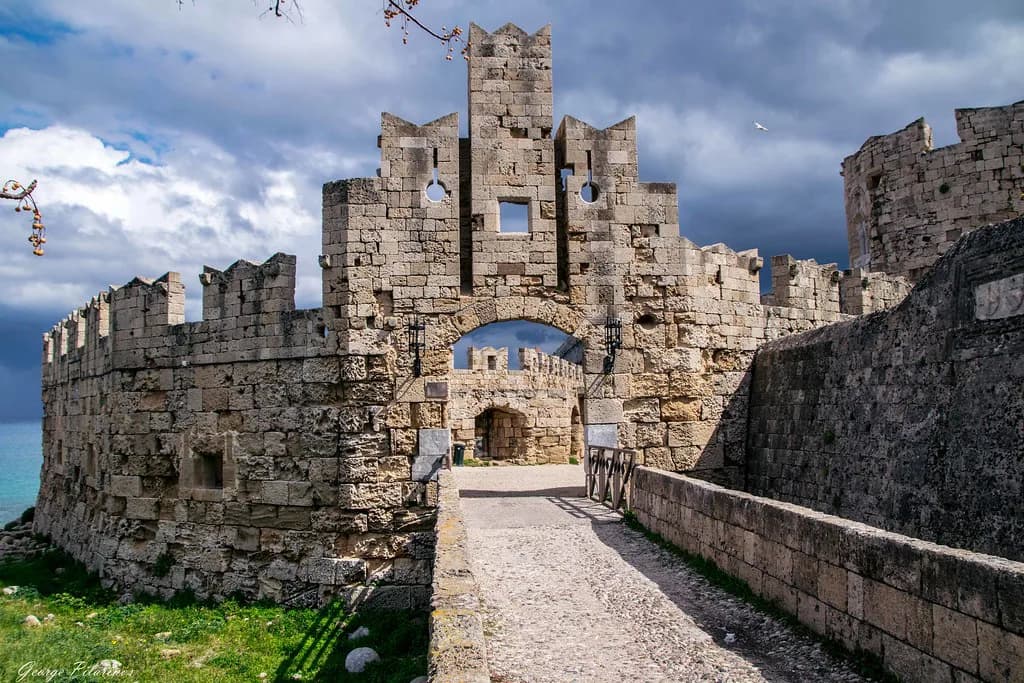
Rhodes Town divides into two quarters that sit side by side but feel like different centuries. The Old Town is the walled medieval city, a UNESCO World Heritage Site with the Street of the Knights, the Palace of the Grand Master and the Archaeological Museum among its set pieces. The New Town is the waterfront quarter built largely outside the walls, where the harbour buildings, broad promenades and the main town beach are found.
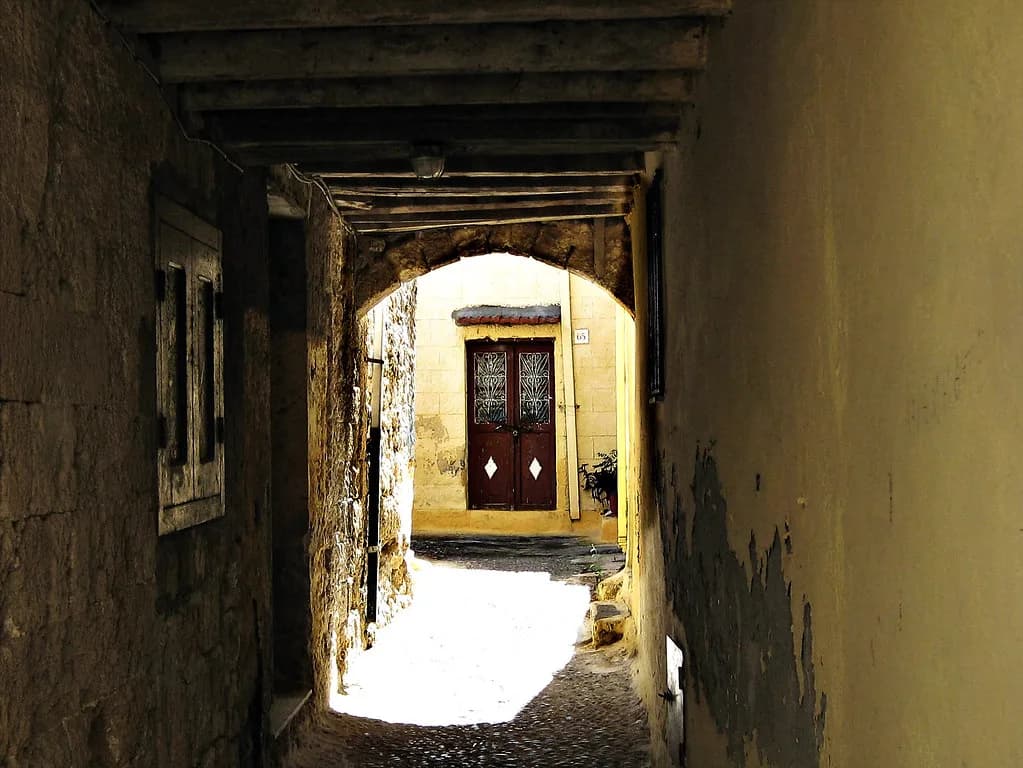
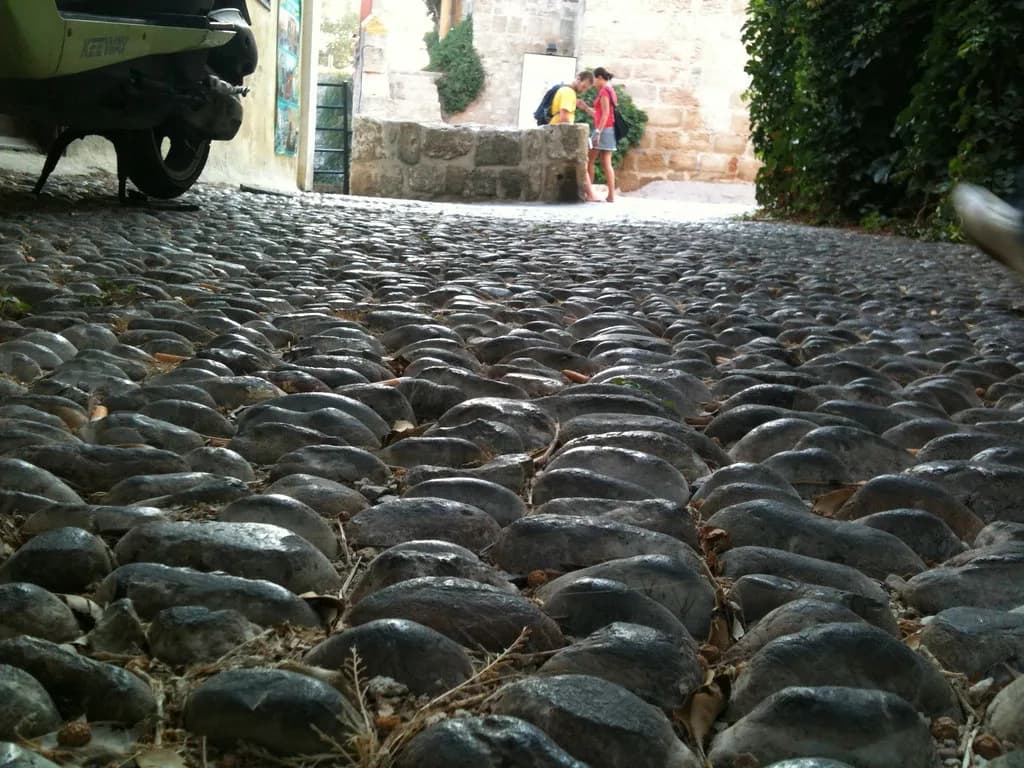
The two connect easily on foot: the walls edge the New Town, and it is a short walk from the harbour area through a gate into the medieval streets. A sensible split is Old Town in the morning before the day-trip crowds build, New Town waterfront in the afternoon and evening, when locals come out to stroll. Rickety lanes with no cars thread through parts of the New Town as well, quieter than the harbour front and worth an hour of wandering.
Rhodes New Town on Foot: Mandraki Harbour and the Windmills
Mandraki Harbour is the anchor of the New Town walk and the place to start. The municipal buildings from the Italian period line the waterfront, including the Town Hall, the National Theatre and the post office, and the harbour is a popular evening promenade for locals and visitors alike. At the harbour entrance stand two landmarks: the Agios Nikolaos Fort and the Platoni columns, each topped with a bronze statue of a deer.
Three medieval windmills survive on the harbour breakwater, the remnant of an original set of thirteen. They are the most photographed sight in the New Town and take only minutes to see, so treat them as part of the harbour circuit rather than a destination in themselves. Allow roughly an hour and a half for the harbour, the windmills and the waterfront buildings at an unhurried pace.
Monte Smith Hill and the Acropolis of Rhodes
Monte Smith hill, also called the Hill of Agios Stefanos, sits about 2 km outside the town centre and holds the site of the ancient Hellenistic city, now known as the Acropolis of Rhodes. The climb is on a steep, curving road, so it suits a taxi, a car or a willing pair of legs rather than a casual stroll in midday heat.
At the top, the ruins of the Temple of Apollo amount to a handful of columns, and a recreated ancient amphitheatre and the Stadium of Diagoras sit close by. The reward is the view over the coastline rather than monumental masonry, so set expectations accordingly and go for late afternoon light. Combine the hill with the waterfront on the same day, since both sit on the town's western edge.
Elli Beach and the Cape by the Aquarium
Elli Beach is the main town beach, roughly 400 metres of sand in front of the casino, with the clear water and beach bars that come with a city shoreline. It is also the busiest, reportedly packed with local young people at weekends, so the trade-off is convenience against crowds. A large concrete diving platform sits offshore and is a physical choice rather than a swim for everyone.
For a quieter version of the same coast, walk to the tip of the cape by the Aquarium, where rocky ground replaces the organised beach and the crowd thins out. The Aquarium itself occupies a 1930s art deco building raised by the Italians as a biological research station, now housing a small aquarium, a museum and a research centre on Aegean and eastern Mediterranean marine life. It is a reasonable hot-midday stop: shady, indoors and close to the beach.
If you are arriving by cruise ship, Elli Beach is walkable from the terminal on a waterside stroll of roughly half an hour, with the Old Town as a detour along the way. Ask at the terminal about shuttle options if the heat or luggage makes the walk unappealing.
Nea Agora: The New Market Arcade
Nea Agora, the New Market, is a Moorish-arched building from the Italian period with an inner courtyard lined by small shops and inexpensive cafes. It sells traditional Rhodian and Greek products and works as a one-stop browse for honey, olive oil and spirits if you would rather not hunt across the island. Prices vary by stall, so compare before buying and treat it as a convenience stop rather than the cheapest source.
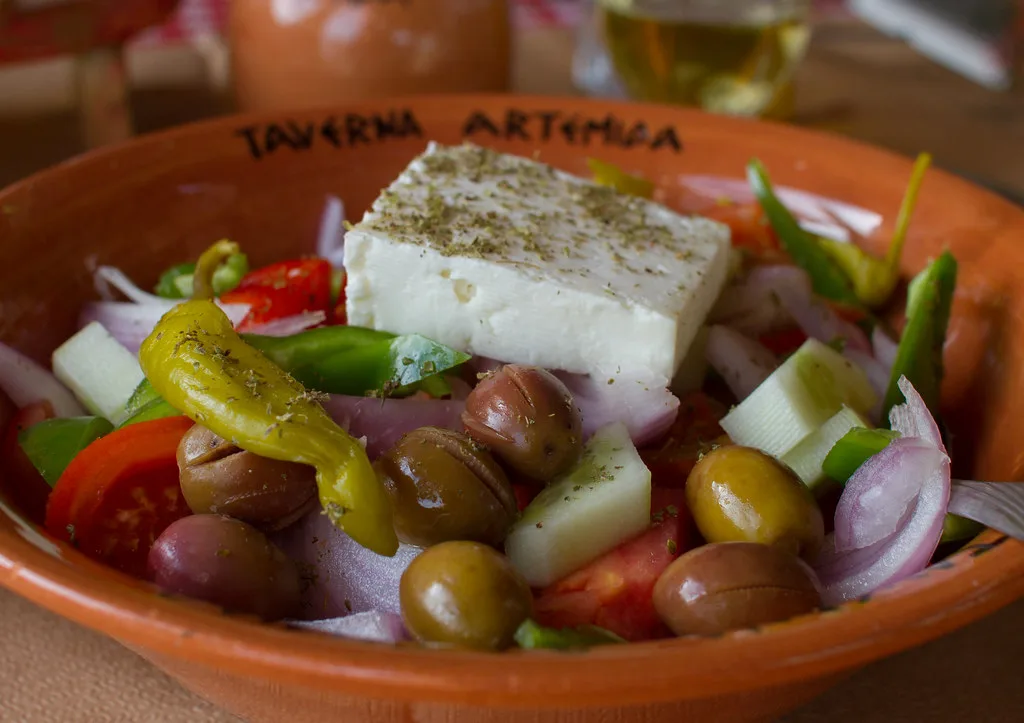
Its central position makes it a natural lunch pause between the harbour and the Old Town gates. For a fuller picture of what to order beyond the market shelves, from seafood to island sweets, see this guide to Rhodes food before you sit down anywhere.
Where to Eat in Rhodes Town: Harbour Front vs Back Streets
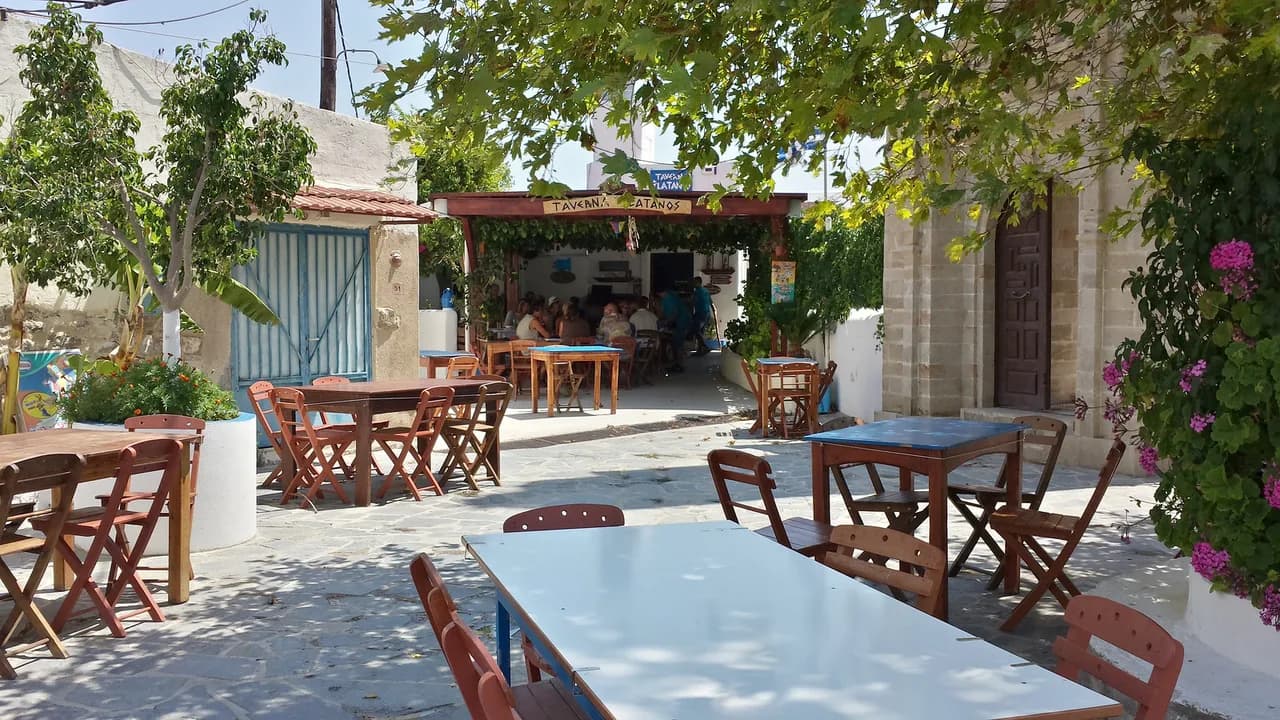
Most of the town's seafood tavernas sit outside the Old Town walls, in the New Town streets near the water. One travel blog singles out Nikos Fish, a short walk outside the walls, for its seafood and names feta-stuffed squid and shrimp giouvetsi as dishes to order; giouvetsi is a baked Greek dish of meat or seafood with orzo pasta, here made with shrimp. Elsewhere on menus, look for grilled octopus and squid, which appear widely in local tavernas.
The trade-off is straightforward. Harbour-front tables buy you the view and the passing crowd, often at a premium and with a menu pitched at visitors; a block or two back you tend to get shorter menus, more local diners and better value. For a shortlist organised by area and price bracket, use this guide to the best restaurants in Rhodes and book anything with a water view ahead in high season.
Rhodes Old Town Essentials
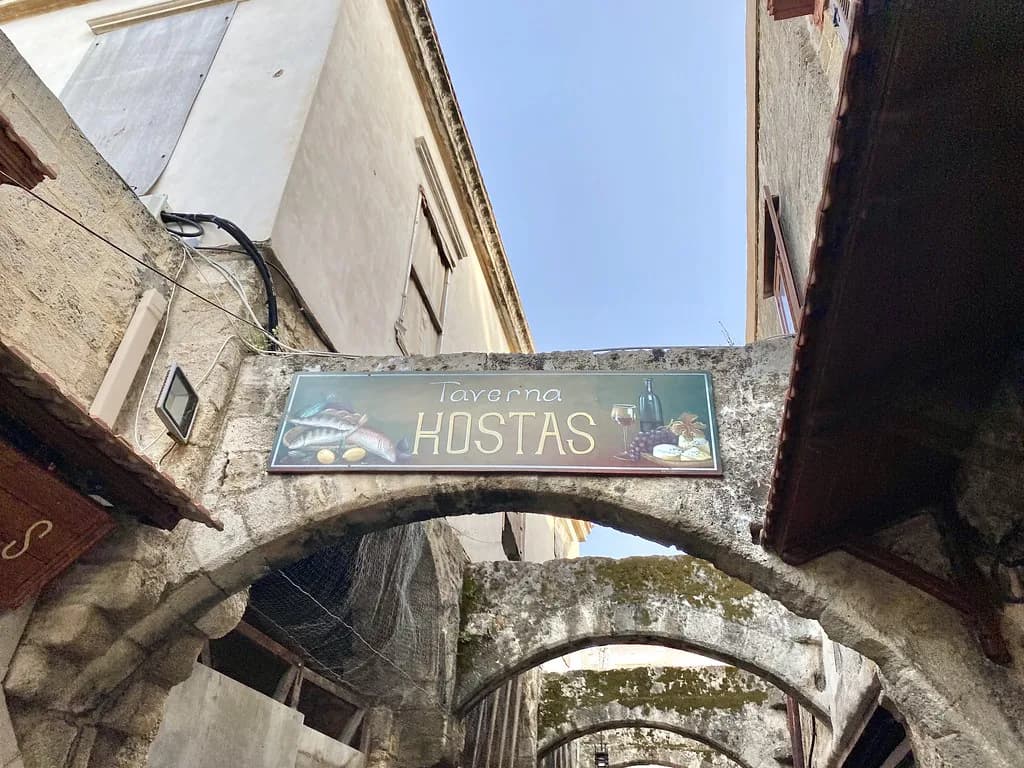
Inside the walls, the Street of the Knights, the Palace of the Grand Master and the Archaeological Museum form the core circuit, all within walking distance of each other. Rhodes is described as home to the oldest inhabited medieval city in Europe, and the density of the place rewards slow walking rather than a checklist. Start early, because the narrow lanes fill quickly once tour groups arrive.
The walk on top of the medieval city walls gives a view down over the rooftops that the streets themselves cannot. A travel blog reports that the wall walk has been possible on weekdays, but schedules change with restoration work and staffing, so confirm on arrival at the ticket office rather than planning a day around it. Hippocrates Square, with its bar steps and constant traffic, is the natural place to end an Old Town afternoon.
Lindos: Acropolis, Bays and Sea Caves
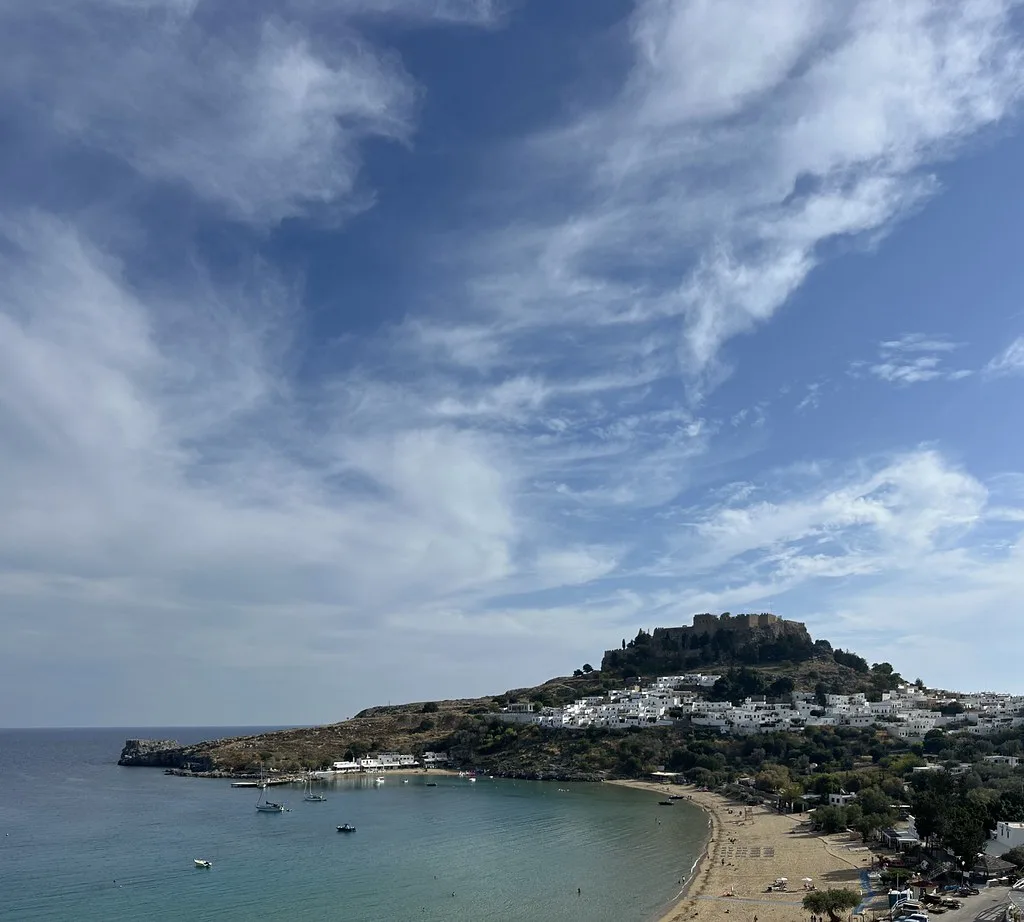
Lindos is the island's other must-see, a village under a rocky acropolis with one of the most important archaeological sites on Rhodes. The climb up to the Acropolis of Lindos is the main event, and going at opening time is the only reliable way to see the ruins before the day-trip buses arrive. From the top, the view takes in the Lindos beaches and the coastline.
Below the village, St Paul's Bay and the Lindos beaches are the swimming stops, and around the corner from Pallas Beach a rock passage leads to sea caves that can be entered by swimming. That is a physical choice in open water with no supervision implied, so judge conditions and your own confidence. Lindos is a long day trip from Rhodes Town rather than a stroll, which is why an early start matters: you want the acropolis before the heat and the crowds, and the afternoon free for the water.
Inland Rhodes: Siana, Embonas and Monolithos
The mountain villages give you the island's produce side. Siana, a few minutes from Monolithos, is known for honey and for souma, a strong clear spirit distilled from grapes and roughly comparable to ouzo or grappa. You can taste local products at shops such as the Ladomilos Olive Oil Factory in town. Embonas, further north among the vineyards, is where restaurants serve wines produced on Rhodes, often with snacks alongside a tasting.
Monolithos ends the day with a castle: a fifteenth-century fortification set on a rock, reached by a short steep climb with some loose stone, and a classic sunset position. If the path feels uncertain underfoot, pull-offs by the road below give the same view of the sun going down over the island. The drive back to Rhodes Town is long after dark, so decide in advance whether you are staying west or returning.
Coast and Nature Stops: Springs, Caves and Butterflies
Several stops fill out a car day. Kallithea Springs, a short drive from the Old Town, is a former thermal spa complex turned swimming spot, with the Rotonda and history boards worth a look before you swim. Anthony Quinn Bay and Traganou Beach, with its caves, are the well-known pebbly swim stops, while at Seven Springs a tunnel of roughly 186 metres, built in 1931, leads through to a lake; it is narrow and dark, so skip it if enclosed spaces bother you.
The Valley of the Butterflies is seasonal by nature: one travel blog puts the peak at late June to mid-August, when the forest walk over bridges and streams fills with butterflies. Outside that window, plan it as a shaded nature walk rather than a spectacle. Check current opening hours and entry arrangements with the valley before driving out, since a quiet valley is not worth a long detour.
Prasonisi and Apolakkia: The Southern Tip
Prasonisi, at the island's southern tip, is the kitesurfing beach, where the wind keeps a steady crowd of riders in the air and on the water. Watching costs nothing and is the reason to drive that far south; participating requires your own equipment or a school. The road down is long, so pair it with a stop at Apolakkia lake on the way back.
At Apolakkia Dam, a flooded valley left a sunken church visible when water levels drop, and the Rhodescape activity park by the lake rents paddleboards and runs guided horseback rides around the shore. Water levels fluctuate with the season, so the church is not guaranteed to be visible; ask locally before building a day around it.
Ancient Kamiros and Kritinia Castle on the West Side
The west side pairs an ancient city with a castle. Ancient Kamiros, the smallest of Rhodes' three ancient cities, has ruins dating back to the fifth century BC and gives a clearer sense of town planning than the scraps on Monte Smith. Kritinia Castle, a sixteenth-century Venetian fortification built high above the village, was positioned to spot raiders, and on a clear day you can see the island of Halki from the walls.
Both sit on the western circuit with Monolithos, so they combine naturally into one long driving day rather than separate outings. They involve uneven ground and some climbing in the heat, so carry water and start early. For broader context on the island's archaeological sites, the Rhodes Attractions hub groups the main ones.
Getting Around Rhodes: Car, Bus or Boat
Rhodes Town is a walking city, and the New Town sights run in a line from Mandraki Harbour to the cape. For anything beyond it, public buses reach the main coastal towns, but one travel guide's assessment is that a rental car is the best way to reach the island's scattered highlights, especially the mountain villages and west-coast castles. The trade-off is parking in town and long drives after dark; the alternative is organised tours and boat trips. If Rhodes Town's harbour and old quarter leave you wanting another walled Greek port, the things to do in Chania follow a similar harbour-and-lanes logic.
Boat trips leave from Rhodes city and from coastal towns such as Faliraki for the beaches and bays, and ferries run to neighbouring islands including Symi and Halki. Whether services to Turkey are operating varies with Greek and Turkish border arrangements, so ask the ferry companies sailing from Mandraki Harbour and Kolona directly about crossings. Book boat trips and ferries ahead in high season, when the popular routes fill.
When to Go and How to Pace Two or Four Days
July and August are the busiest months, and heat makes midday sightseeing hard going; a travel guide recommends May and September as the better shoulder months for the same trip with fewer people and milder temperatures. November is quiet and can still be pleasant for walking and town sightseeing, but beach days and boat trips become a gamble, so plan around the town and villages. On Rhodes, as across Greece, some seasonal places scale back out of season; check directly whether a specific restaurant or site is open before you drive to it.
A two-day plan fits one full day on foot in Rhodes Town, from Monte Smith in the late afternoon down through Mandraki and the Old Town, and one long day out to Lindos with an early acropolis climb and an afternoon swim. With four days, add a car day for Siana, Embonas and Monolithos with the castle at sunset, and a second driving day for the west-coast sites or the southern tip. If you want a hands-on food element, a Rhodes cooking class slots into a town day without eating a whole afternoon.
Plan Your Rhodes Days
The mistake most visitors make is treating Rhodes as one list. Build your trip around the three plans instead: a walking day in Rhodes Town, a beach and ancient-site day to the south around Lindos, and a car day in the mountain villages. That structure keeps driving time down and leaves room for the long lunches and harbour evenings that make the island worth the trip.
Check the two things that change most often before you commit a day to them: ferry and boat schedules, and whether the city walls and out-of-town sites are open when you plan to go. Everything else, from the harbour windmills to the Old Town lanes, is walkable and open enough to improvise around.
Explore more Rhodes sauna guides
Frequently Asked Questions
What are the must-see sights in Rhodes New Town?
Mandraki Harbour is the centre of it, with the Agios Nikolaos Fort, the Platoni deer statues and the three surviving medieval windmills on the breakwater. The Italian-period municipal buildings line the waterfront, and Nea Agora, the New Market, has a courtyard of small shops and cafes. Elli Beach and the Aquarium at the tip of the cape complete the walkable circuit.
Is Elli Beach walkable from the cruise terminal?
Yes, it is a waterside walk of roughly half an hour from the cruise terminal, and the Old Town can be included as a detour. If heat or limited time makes that unappealing, ask at the terminal about shuttle options before setting off on foot.
How far is Monte Smith hill from Rhodes Town centre?
The Acropolis of Rhodes on Monte Smith hill is about 2 km from the town centre on a steep, curving road. That makes it a taxi, bus or car trip for most visitors, or a climb for walkers comfortable with the gradient. Go late in the day for the view and cooler air.
Do you need a car to see Rhodes?
Not for Rhodes Town, which is best seen on foot, and buses reach the main coastal towns including Lindos. A rental car is the practical way to reach the mountain villages, the west-coast castles and the southern tip in a single day, at the cost of parking and long drives back after dark.
What is souma and where can you try it?
Souma is a strong clear spirit distilled from grapes, roughly comparable to ouzo or grappa. In Rhodes it is associated with Siana, a small town near Monolithos known for honey as well as souma, where shops sell and offer tastings of local products.
When is the best time to visit the Valley of the Butterflies?
The butterfly season is reported to run from late June to mid-August, when the forest walk over bridges and streams fills with them. Outside those weeks, expect a shaded nature walk rather than a spectacle, and check locally before making the drive.
Can you walk the walls of Rhodes Old Town?
The wall walk gives a view over the rooftops that the streets cannot, and one travel blog reports it has been possible on weekdays. Schedules change with restoration work, so confirm at the ticket office on arrival instead of planning a day around it.
Is Lindos worth a day trip from Rhodes Town?
Yes, if you start early enough to climb to the Acropolis of Lindos before the day-trip buses arrive, then swim at St Paul's Bay or the Lindos beaches in the afternoon. It is a full day rather than a short excursion, and the heat makes a midday climb unpleasant.
Sources
Notes for eating well in Greece
Optional updates to our guides.
You might also like
Continue reading
More guides you'll find useful