Greek Street Food Guide: What to Order in Greece
A practical guide to Greek street food: what souvlaki, gyros, koulouri, tiropita and loukoumades are, how they are served, and how to order them in Greece.
On this page
Street food in Greece is mostly a stand-up, walk-away meal: a counter or cart, a paper wrap, and no table service. That makes it different in kind from a taverna meal rather than just cheaper, and it changes how you plan a day. Knowing which dishes belong to the morning and which to the evening is the single most useful thing to sort out before you set off.
The vocabulary trips people up because the same words appear on menus in different forms. Tzatziki is a yogurt and garlic dip, pita is the flatbread that wraps the meat, and phyllo is the thin pastry layered into pies. This guide explains each name the first time it appears so the counter conversation stays short.
What Counts as Greek Street Food
The category covers grilled meat wraps, sesame ring bread, cheese pies and fried dough sweets, sold from small shops, kiosks and carts. It is eaten standing up or walking, often in a few minutes, which is why portions are built around one hand. A sit-down taverna with a printed menu and waiters is a different experience and usually a different price bracket.
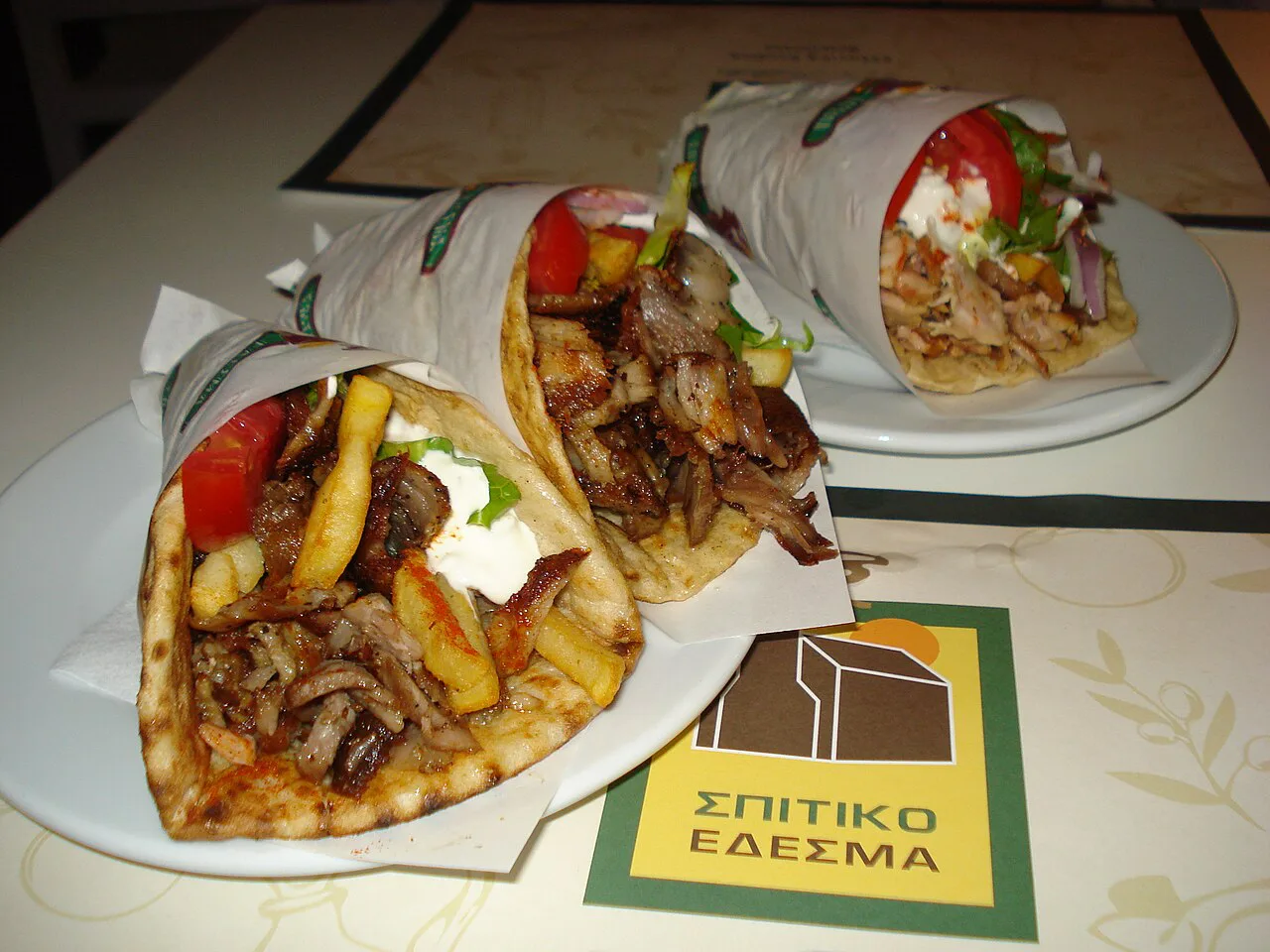
What is the difference between souvlaki and gyros? Souvlaki is chunks of pork or chicken grilled on a skewer, served either on the stick or wrapped in pita with tzatziki, tomato, onion and fries. Gyros is meat roasted on a vertical rotisserie and shaved off in strips, served in pita with the same toppings.
What is koulouri made of? Koulouri is a ring-shaped bread roll covered in sesame seeds, sold fresh in the morning from carts and bakeries. It is the standard Greek breakfast eaten on the move.
Is tiropita eaten for breakfast? It can be. Tiropita is a phyllo pie filled with feta, egg and olive oil, often folded into a triangular shape for eating by hand.
For a wider picture of what Greeks eat beyond the street counter, from salads to seafood, the main dishes deserve their own reading. Horiatiki salata, the village salad of tomato, cucumber, onion, feta and olives, shows up on taverna tables rather than in wraps, and it anchors a different kind of meal. Treat street food as one layer of Greek eating, not the whole of it.
Souvlaki: Skewer or Wrap?
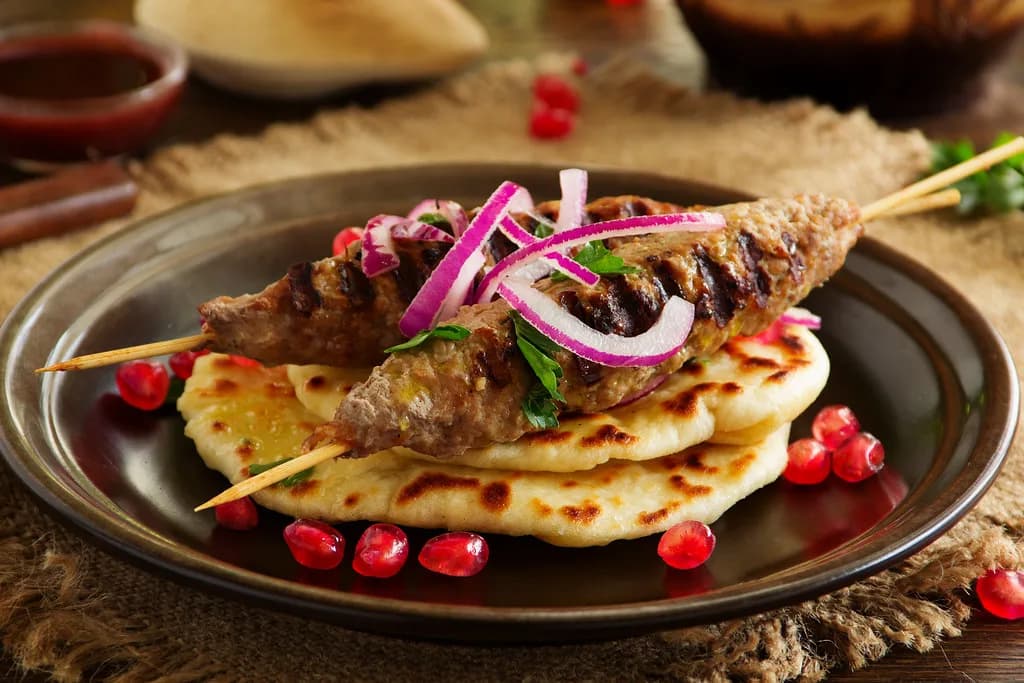
Souvlaki means chunks of meat, usually pork or chicken, flame-grilled and served hot. The same word covers two formats: small pieces on a wooden skewer, or the meat folded into warm pita with tzatziki, tomato, onion and fries. The skewer is the lighter, cheaper-looking option; the wrap is a full meal in one hand.
Ordering is where travellers lose time, because a shop may sell pita wraps, plate portions or both. If you want the wrapped version, ask for it in pita; if you want the meat on a plate with the same toppings on the side, say plate. When the board is Greek-only, pointing works, but saying pita or merida, the word for a portion, gets you the format you actually wanted.
Toppings can be adjusted without drama. Asking for no onion or extra tzatziki is normal, and most counters assemble the wrap in front of you, so you can see what is going in. If you are sharing, check the size before ordering two wraps each, since shop portions vary noticeably from one counter to the next.
Gyros: Vertically Roasted Meat in Pita
Gyros is meat seasoned and stacked on a vertical rotisserie, roasted as the cone turns and shaved off in thin strips to order. It goes into pita with tomato, onion and tzatziki, the same topping set as a souvlaki wrap. The result is softer and richer than grilled chunks, and it is the dish most often compared to Turkish doner.
The practical difference between souvlaki and gyros is texture and cooking method, not topping: grilled chunks versus shaved rotisserie meat. If you only have one meal slot, gyros is the faster order because the meat is already cooked and waiting. Souvlaki can mean a short wait while the skewers come off the grill.
Koulouri: The Morning Ring
Koulouri is a ring-shaped bread roll covered in sesame seeds, the standard Greek breakfast eaten on the move. Carts and bakeries sell it in the morning, and it is the cheapest way to start a day without sitting down. Look for a full, even ring with seeds that still cling to the crust rather than showering off into the bag.
It pairs naturally with coffee, and the Greek-style coffee culture is worth a short detour of its own if you plan to eat breakfast out rather than grab and go. A koulouri plus a small coffee is a complete morning stop that costs little and takes minutes. If you want a sit-down morning instead, the breakfast table is a different, slower proposition.
Tiropita: The Cheese Pie
Tiropita is a phyllo pie filled with feta, egg and olive oil, often folded into a triangular sail shape so it can be eaten by hand. It works as a morning snack or a light lunch, which is why bakeries sell it alongside koulouri rather than only at meal times. The pastry should look crisp and layered, not soft and steamed, if it has been sitting in a tray.
The filling is a cheese story, and Greece has a wide range beyond the familiar blocks. If feta and its relatives interest you, the regional cheeses and how they are used are worth reading before you order a pie you cannot identify. Ask what is inside if the label is unclear, since spinach, cheese and minced meat pies can look similar behind glass.
Loukoumades: Fried Dough for Later in the Day
Loukoumades are small deep-fried dough balls, crisp outside and soft inside, drizzled with honey and dusted with cinnamon and crushed almonds. They belong to the sweet end of the day rather than breakfast, and a portion is usually shared. Because they are fried to order in many shops, a short wait is normal and worth it.
If honey-soaked dough is the start of a sweets habit, the wider repertoire of Greek desserts, including filo pastry and syrup-based cakes, is the natural next stop. Greek coffee, served strong and small, is the usual counterweight to that sweetness. Order it after the loukoumades rather than before, so the dough is still hot.
How to Order at the Counter
Decide your format first, because that is the question the person behind the counter will ask. Pita means the wrapped version; a portion on a plate is the sit-down format and is priced differently. If you want the skewer only, say so, since some shops serve it as a separate item from the wrap.
Customisation is routine: no onion, no tomato, extra tzatziki, or a second pita. Say it plainly in short phrases rather than a full sentence, and point at the tray if the word fails you. Most counter staff in busy city spots handle tourists daily, but a Greek-only board is common enough that knowing the two or three key words helps.
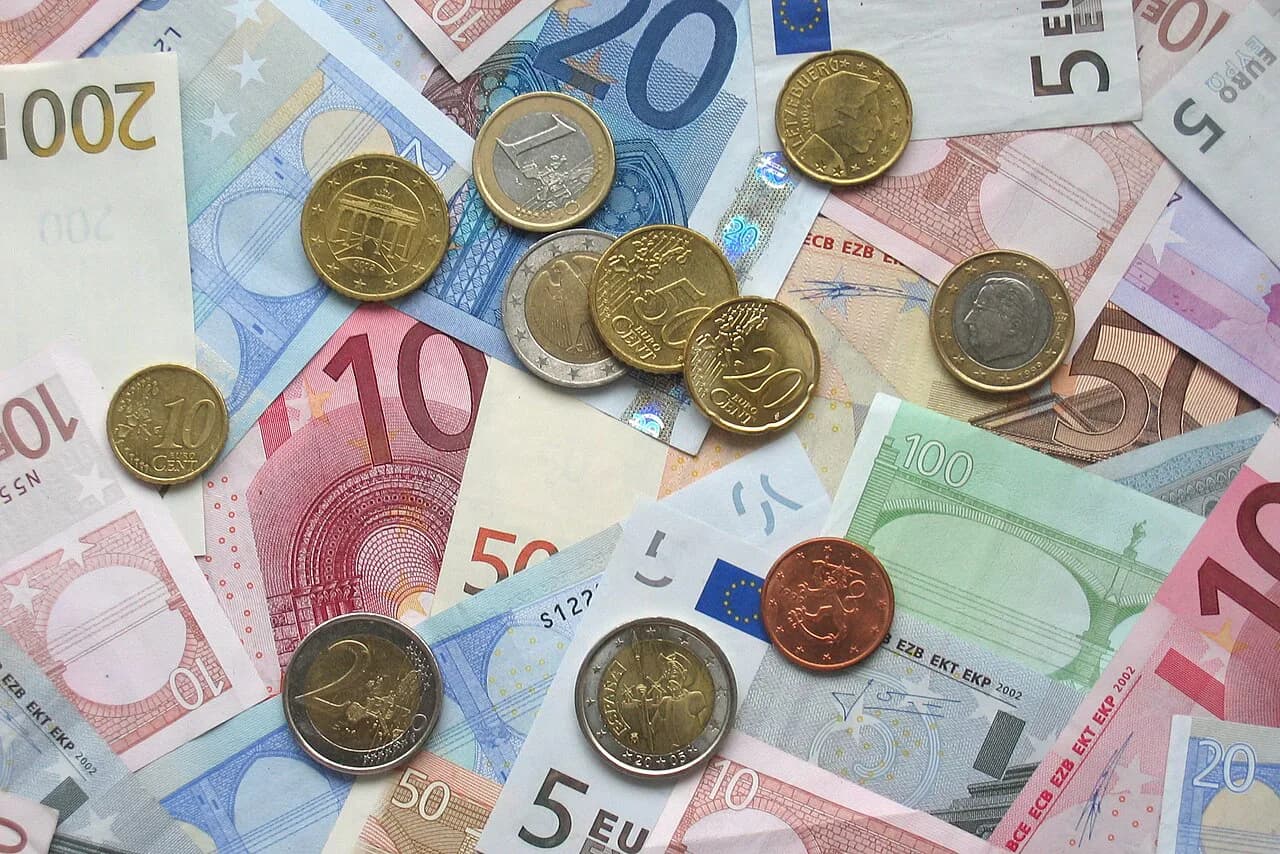
One practical reminder on money: prices are posted on the board or above the counter in most shops, and they vary by city, neighbourhood and format. Check the board before ordering and pay attention to whether the quoted figure covers the wrap or the plate. Do not assume one shop's price carries to the next.
Where to Find It in a Greek City
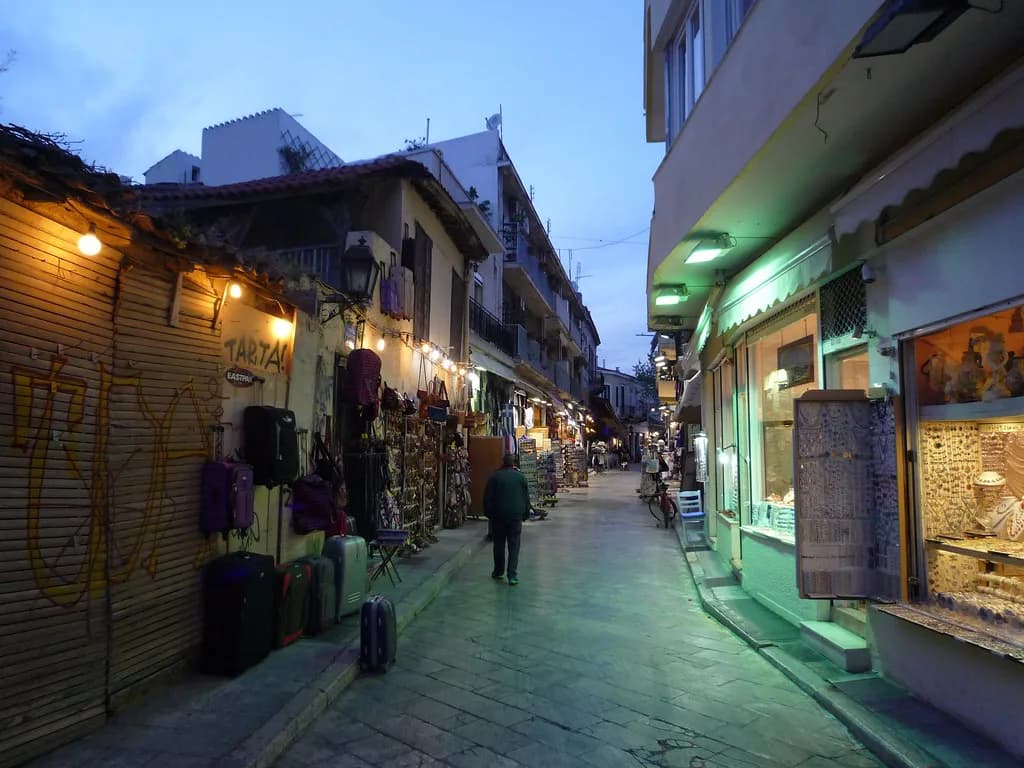
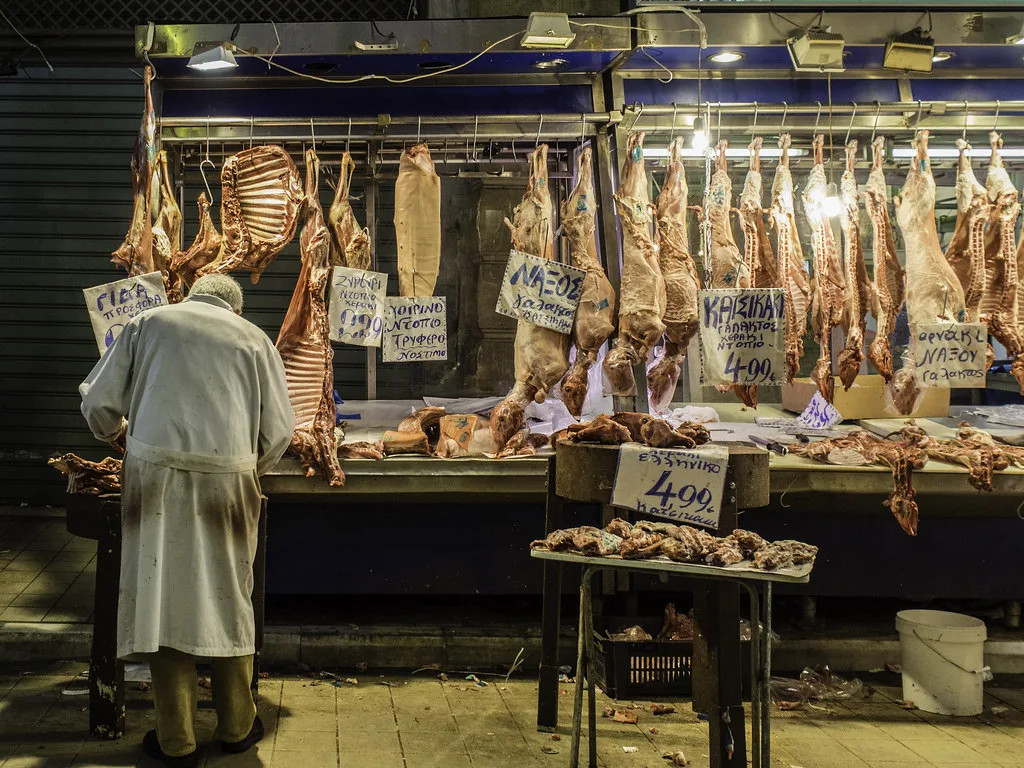
Street food concentrates in three kinds of place: busy central squares with high foot traffic, market streets where workers eat quickly, and neighbourhood souvlaki shops that serve the same regulars every week. The centre is convenient but often the most expensive per portion. A neighbourhood counter a few streets off the main drag usually gives better value and a shorter queue.
The view versus value trade-off applies here too: a counter facing a harbour or a famous square charges for location, while a back-street shop competes on portion and price. If your priority is the food rather than the setting, walk ten minutes away from the obvious spots. If your priority is the setting, accept the markup knowingly rather than by accident. The same trade-off shapes where to eat in Thessaloniki, where the seafront and central squares sit alongside quieter neighbourhood tavernas and grills.
Price and Portion Logic
Street food sits at the cheap end of Greek eating, but portions and prices vary by shop, city and format, so treat any figure you hear as a range rather than a rule. The reliable method is to read the board at the counter, compare the wrap price with the plate price, and watch what comes out to the next customer. Published prices from a shop in another country tell you nothing about Greek pricing.
A common mistake is ordering two wraps per person before seeing the size, then leaving food or feeling overfull. Order one first, and add a second only after it arrives. That habit also keeps the total down if you plan to eat again later in the day, which is easy to do in a city with a bakery on every other corner.
Drinks With Street Food
The simplest pairing is water or a soft drink from the fridge by the counter, which is how most people eat a wrap standing up. If you want something stronger with a sit-down plate, ouzo is the aniseed spirit usually served with ice and water, and it is sipped slowly rather than knocked back. It belongs to a meze table more than to a paper wrap.
Beer is the other obvious choice with grilled meat, and Greece has its own labels alongside imported ones. Tsipouro, a grape-based spirit closer to a strong brandy than to ouzo, is a different route and usually a slower one. For a quick street meal, keep it simple; save the spirits for a proper table with meze.
Morning Track Versus Evening Track
The bakery track runs in the morning: koulouri and tiropita from carts and bakeries, eaten on the way somewhere. The grill track runs from late morning into the night: souvlaki and gyros from shops with a rotisserie or a grill visible from the street. Planning around these two tracks avoids the disappointment of wanting a wrap at a bakery counter that only sells pies.
Loukoumades sit outside both, available at sweets shops and often in the evening. If you want a single walking route through a city's street food, start with koulouri, add a tiropita mid-morning, eat a wrap at lunch, and finish with loukoumades later. That sequence also spreads the spending across the day instead of in one large meal.
Small Pitfalls Worth Avoiding
Do not treat a taverna as a street counter: the former comes with service, seating and higher prices, and the latter is built for speed. Menus in English are common in tourist areas but not guaranteed, so learn the key words or rely on pointing. If you are avoiding gluten, pita and phyllo are both wheat-based, and check the gluten free options in Greece dish by dish before you order.
Standing to eat is normal at a busy counter, and nobody will move you along quickly, but seats are limited by design. If you want a table, a plate portion at a sit-down shop is the route, and the price reflects it. Deciding this before you join a queue saves a second order.
Meze, Snacks and the Wider Table
Street food is snack-scale, but Greece also has a whole culture of small plates meant for sharing, which is where stuffed peppers and Kalamata olives come in. That format sits between a wrap and a full taverna dinner and is worth knowing if you want to eat slowly without committing to three courses. It is also where the drinks list opens up.
If you plan to mix street counters with proper meals, leave a note in your phone about how tipping works, since it differs from the counter to the taverna table. The small change you leave at a souvlaki shop is a different gesture from what you leave after a seated dinner. Neither is compulsory, and neither needs to be a stress point.
Plan Your Visit
Start with koulouri and a tiropita in the morning, eat a souvlaki or gyros wrap at midday, and save loukoumades for later. That order matches how the shops actually operate and keeps each stop short. Check the board at each counter rather than carrying a price in your head from somewhere else.
Beyond the wrap, the sit-down side of Greek eating, from salads and seafood to small plates and desserts, is worth planning into the same trip. Shrimp saganaki, a baked shrimp dish with tomato and cheese, is taverna food rather than street food, and it shows what the other half of the menu looks like. Build a day that uses both.
Explore more Greece sauna guides
Frequently Asked Questions
What is the difference between souvlaki and gyros?
Souvlaki is chunks of pork or chicken grilled on a skewer, served either on the stick or wrapped in pita with tzatziki, tomato, onion and fries. Gyros is meat roasted on a vertical rotisserie and shaved off in strips, served in pita with the same toppings. The difference is the cooking method and texture, not the topping set.
What is koulouri made of?
Koulouri is a ring-shaped bread roll covered in sesame seeds, sold fresh in the morning from carts and bakeries. It is the standard Greek breakfast eaten on the move. Pick one with seeds that still cling to the crust rather than falling off in the bag.
Is tiropita eaten for breakfast?
It can be. Tiropita is a phyllo pie filled with feta, egg and olive oil, often folded into a triangular shape for eating by hand. Bakeries sell it alongside koulouri in the morning, and it also works as a light lunch.
What are loukoumades topped with?
Loukoumades are small deep-fried dough balls drizzled with honey and dusted with cinnamon and crushed almonds. They are crisp outside and soft inside and are usually shared. They belong to the sweet end of the day rather than breakfast.
How do you order street food in Greece?
Decide the format first: pita means the wrapped version, and a portion on a plate is a different, usually pricier option. Ask for no onion or extra tzatziki if you want changes; both are routine. Read the board at the counter, since prices and portion sizes vary by shop and city.
Where do you find street food in a Greek city?
Look for busy central squares, market streets where workers eat quickly, and neighbourhood souvlaki shops. Central spots are convenient but often the most expensive per portion. A counter a few streets off the main drag usually gives better value and a shorter queue.
What drinks go with Greek street food?
Water or a soft drink from the counter fridge is the usual pairing for a wrap eaten standing up. Beer suits grilled meat, and ouzo, an aniseed spirit served with ice and water, belongs more to a slow meze table than to a paper wrap.
Sources
Notes for eating well in Greece
Optional updates to our guides.
You might also like
Continue reading
More guides you'll find useful