Rethymno Old Town: What to See, Where to Eat, and How to Plan a Day
Plan a day in Rethymno Old Town: the Fortezza, Rimondi Fountain and Neratze Mosque, plus how to eat through the lanes and where to think about parking.
On this page
Rethymno sits on Crete's north coast between Heraklion and Chania, and its old town is one of the best-preserved in Crete, with buildings from the 16th century giving the quarter its aristocratic stamp. The historic core occupies the Palaiokastro headland, a small cape jutting into the sea, while the modern town of more than 30,000 people spreads around it. That geography matters for planning: you can walk the lanes, reach the Venetian harbour and still be back on a beach the same afternoon.
What Rethymno Old Town Is and Where It Sits
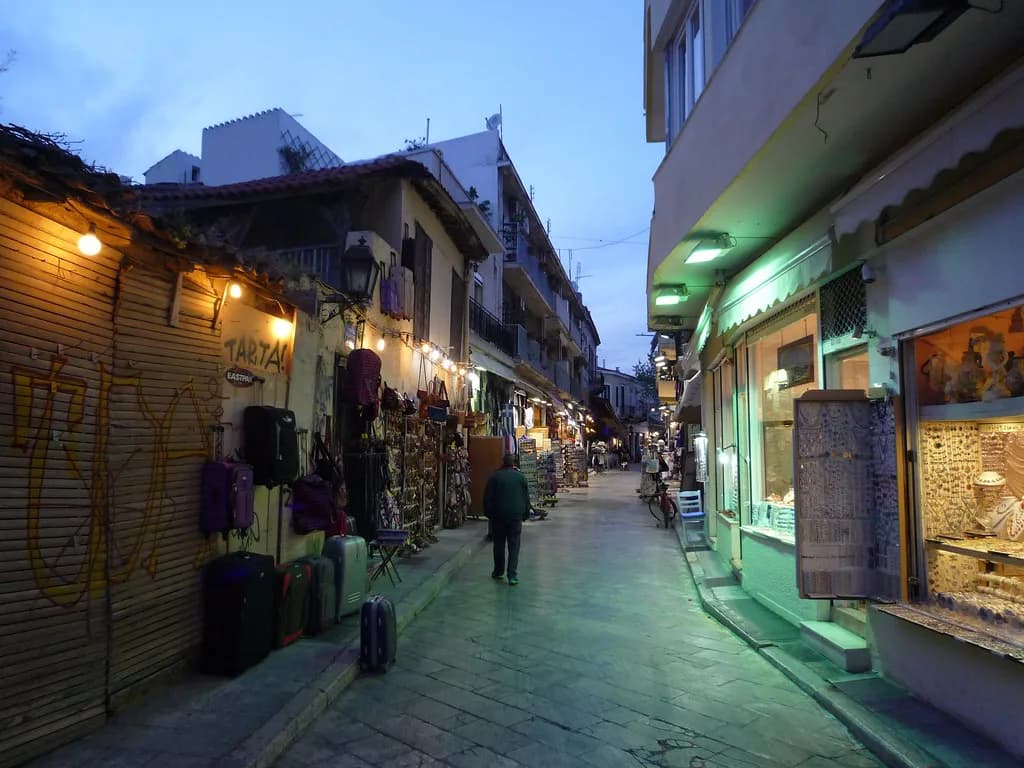
Think of Rethymno as two towns stacked together: the walled, pedestrian-heavy historic quarter on the headland and the working modern city around it. The old town rewards slow walking rather than a checklist, because its pleasures are the pebble-paved lanes, the stone doorways and the small squares where cafes spill outdoors. If you have read about the layered history of other Greek old towns, the pattern will feel familiar, but Rethymno's mix of Venetian and Ottoman buildings gives it a character of its own.
What are the must-see sights in Rethymno Old Town? The Fortezza on the north edge is the headline, followed by the Rimondi Fountain, the Loggia, the Neratze Mosque and the Venetian harbour with its lighthouse. All sit within a compact area of the old town, so you can see them in one unhurried half day.
How long does it take to walk around Rethymno Old Town? The core is small enough to cross on foot in a couple of hours at a gentle pace, including the main sights. Allow a full morning if you want to walk the Fortezza properly and stop for coffee, and keep in mind that the lanes are stone-paved and uneven.
Where do you park for Rethymno Old Town? Parking sits outside the pedestrian core, and the nearest spaces fill quickly in high season, so arrive early. Check with your accommodation or locally before driving in, because layouts and restrictions can change.
The beach lies a short walk east of the historic core, which is what makes Rethymno unusual among Crete's old towns: you can pair a morning of sightseeing with an afternoon swim without moving the car. Verify the exact walking route to the sand on arrival, since the shoreline and access points change with development and season, but plan on the swim as part of the day rather than a separate excursion. If your trip continues elsewhere in Greece, our guide to what to eat in Greece helps you plan the meals that fill the hours between swims.
Orientation: The Main Lane and How the Quarter Fans Out
Most visitors enter the old town from the modern town side, and the sensible spine for a walk runs from the Rimondi Fountain area down toward the Venetian harbour. From that main artery, lanes fan out in every direction, and getting slightly lost is part of the experience, since the quarter is small enough that you will always hit either the sea or a familiar square.
Practical navigation tip: pick two anchors, the fountain and the harbour, and treat everything between them as fair game. Shops, cafes and tavernas line these small streets, so there is always somewhere to pause. If you want a paper map, ask at your accommodation before setting out, because signage inside the lanes is patchy and phone signal can be unreliable between the thick stone walls.
The Headline Sights, Each in Its Corner of the Old Town
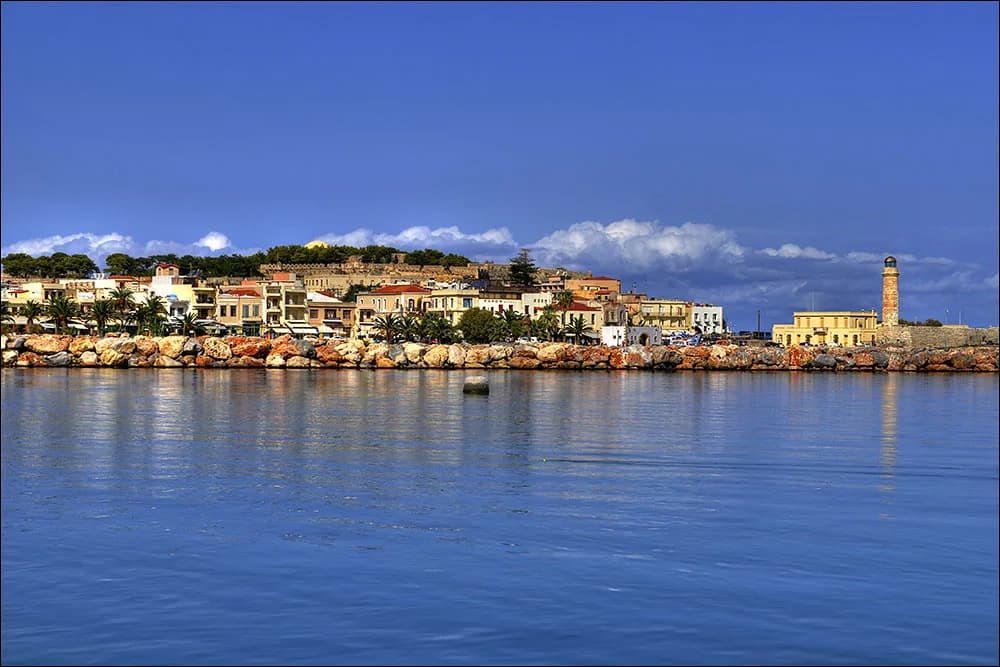
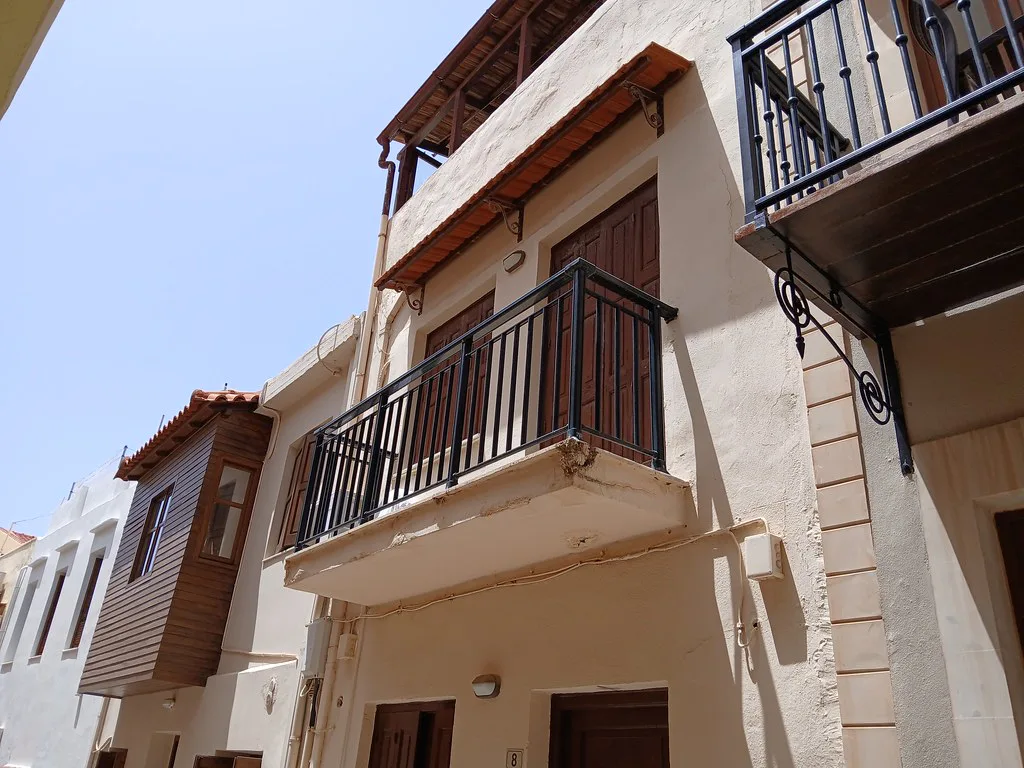
The Fortezza, the great Venetian citadel, dominates the north edge of the old town and is the one sight worth building your morning around. Below and south of it, the Rimondi Fountain, the Loggia and the Neratze Mosque sit within easy strolling distance of each other in the heart of the quarter, each a surviving piece of the Venetian and Ottoman layers. The Venetian harbour and its lighthouse form the western edge of the walk, and the waterfront is where the view tables cluster.
Treat these as a sequence rather than a list: citadel, then the civic heart around the fountain and Loggia, then the mosque, then the harbour. Each stop is close enough that you can see all four in a couple of hours at an unhurried pace, though the Fortezza alone can absorb much longer if you walk its walls and courtyards. For context on how such sites fit into a wider trip, our guide to ancient sites in greece is a useful companion.
A Realistic Half-Day Walking Order
Start at the Venetian harbour early, while the light is soft and the waterfront is quiet, then climb through the lanes to the Rimondi Fountain and the Loggia. Continue to the Neratze Mosque, and finish at the Fortezza on the north edge before the midday heat sets in. The distances between these points are short, on the order of minutes rather than kilometres, and the climb to the citadel is the only sustained uphill stretch, so wear shoes that handle uneven stone.
Build in a coffee stop halfway rather than treating the walk as a route march, because the old town's charm is in the pauses. If you are also planning time in western Crete, our Santorini History for Visitors piece shows how a single island's past can be read through its streets and ruins, and the same approach works here.
Eating in the Old Town: Harbour Views vs Back-Lane Value
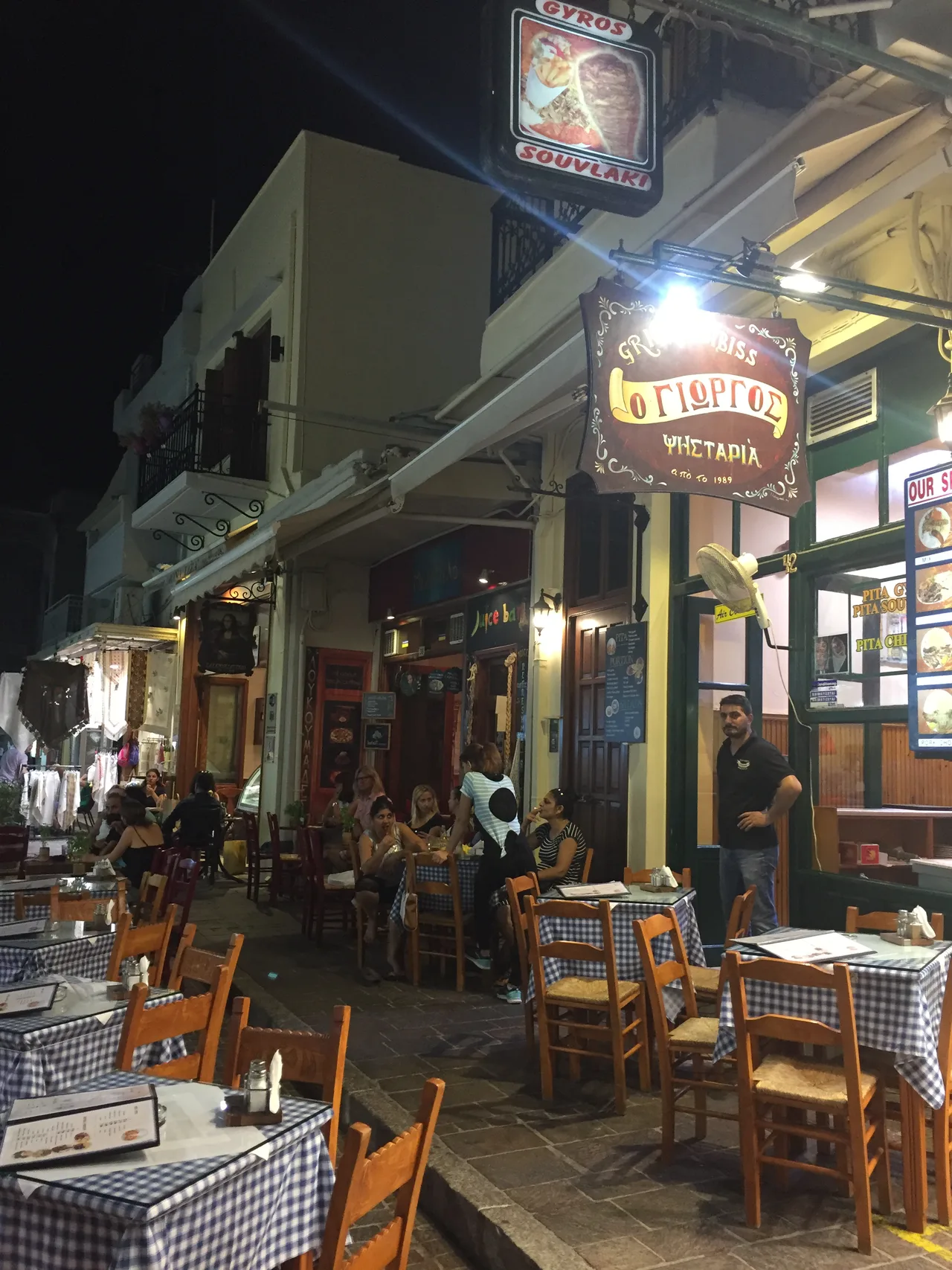
The real restaurant decision in Rethymno is table position. Waterfront tables on the Venetian harbour sell the view, and you pay for it in both prices and sometimes in distracted cooking; a few streets inland, tavernas without a sea vista tend to offer better value and more attention on the plate. If you want to know which dishes are worth ordering once you sit down, our guide to what to eat in Greece covers them dish by dish. Neither choice is wrong, but decide deliberately rather than drifting into the first menu you see.
Menus across the old town lean on mezedes, the small plates Greeks order in clusters to share, plus grilled fish and Cretan specialities. Use the menus themselves as your filter: a short, handwritten list usually signals a kitchen cooking what it does well, while a laminated book spanning three cuisines is a warning. If you want the wider picture before you order, our guide to what to eat in Greece sets out the dishes to look for.
What to Order: Cretan Pies, Dakos, Fish and Raki
Start with dakos, a Cretan rusk topped with tomato, cheese and herbs that functions as both bread and appetiser, and add kaltsounia, small Cretan pies that may come filled with greens, cheese or sweet ingredients depending on the kitchen. These are the dishes that tell you most about where you are. For a broader dish-by-dish primer before you travel, see what to eat in Greece.
Fish is the trap and the treat. Greek tavernas commonly price fish by the kilo, and expensive species can push a bill far beyond expectations, so ask the price per kilo and the weight of the fish before it is cooked. A knowledgeable host will take you to see the catch; smaller, cheaper species such as sardines and anchovies are grilled or fried and are just as satisfying as the trophy fish. Menus must indicate whether fish is fresh or frozen, so read the small print.
To drink, expect raki or tsikoudia, the Cretan grape spirit usually offered after the meal, served in small glasses and often on the house in traditional tavernas. House wine by the carafe is the everyday pairing with mezedes, and local white varieties are worth asking about if the list is short.
Coffee and Pastry Stops
A freddo espresso is Greece's default hot-weather coffee: espresso shaken with ice into a cold, foamy drink, ordered sweet, medium or unsweetened. A bougatsa is a phyllo pastry, in Crete often filled with sweet cream and dusted with sugar and cinnamon, and it makes a substantial mid-morning stop. Bakeries are busiest early, when locals buy bread and pastries before work, so a mid-morning visit tends to be calmer.
Parking and Arriving Without Stress
The historic core is effectively pedestrian, so you park outside it and walk in. Parking sits outside the old town, and spaces near the entrances fill quickly in high season, so arrive earlier than you think you need to. Confirm current parking arrangements locally or with your accommodation before driving in, since layouts and restrictions change and the town's official information is patchier than the lanes are charming.
Best Time of Day for the Lanes and the Harbour
Mornings are for the Fortezza and the lanes, before the heat builds and tour groups arrive. Late afternoon and early evening belong to the harbour, when the light softens and the waterfront tables fill, so if you want a view seat, book ahead or arrive before the dinner rush. Midday is best spent indoors, over a long lunch, or on the beach.
Old Town, Beach or Modern Town: Choosing a Base
Sleeping inside the old town buys atmosphere and walkability at the cost of quiet, parking hassle and, in some lanes, noise from bars until late. A base near the beach trades character for space and easier parking, while the modern town is the value option, functional rather than romantic. Whichever base you pick, sort out your money before arrival: if you are weighing up the same everyday cash-versus-card decision, our guide to currency in greece explains how to decide on euros, cards and cash. Decide which of those three you are actually optimising for before booking.
Common Mistakes to Avoid
The most common error is treating Rethymno Old Town as a one-hour photo stop and missing the Fortezza's scale or the pleasure of the back lanes. Ordering fish without asking the per-kilo price is the fastest way to an unpleasant surprise at the till. Finally, do not schedule the citadel for the hottest part of the day; save the climb for the morning and leave the shadier lanes and church interiors for the afternoon.
Pairing the Old Town With the Rest of the Region
Rethymno works well as a base for a second day in the surrounding region, since it sits between Heraklion and Chania and the road network along the north coast is straightforward. If your wider trip includes the Cyclades, the story of Ancient Thera on Santorini offers a useful comparison for how Greek sites layer different eras. Plan one day here and one day outward, rather than trying to do both at once.
Plan Your Visit
Rethymno Old Town suits travellers who want a compact, walkable historic quarter with a real beach at the edge and honest tavernas a few streets back from the view. Build your day around the Fortezza in the morning, the fountain, Loggia and mosque in the middle, and the harbour in the evening. Pair this with one more day in the region, and the town stops being a photogenic stopover and starts being the reason you came.
Before you travel, confirm any ticket arrangements and opening times for the Fortezza and museums directly, since published schedules vary by season. For spending, note that Greece uses the euro, and carry some cash for small tavernas; our currency guide covers the practicalities.
Explore more Greece sauna guides
Frequently Asked Questions
What are the must-see sights in Rethymno Old Town?
The Fortezza on the north edge is the headline, followed by the Rimondi Fountain, the Loggia, the Neratze Mosque and the Venetian harbour with its lighthouse. All sit within a compact area of the old town, so you can see them in one unhurried half day.
How long does it take to walk around Rethymno Old Town?
The core is small enough to cross on foot in a couple of hours at a gentle pace, including the main sights. Allow a full morning if you want to walk the Fortezza properly and stop for coffee, and keep in mind that the lanes are stone-paved and uneven.
Where do you park for Rethymno Old Town?
Parking sits outside the pedestrian core, and the nearest spaces fill quickly in high season, so arrive early. Check with your accommodation or locally before driving in, because layouts and restrictions can change.
Are there good restaurants in Rethymno Old Town?
Yes, though the key decision is position. Waterfront tables on the Venetian harbour sell the view, while tavernas a few streets inland tend to offer better value and more focused cooking. Look for short, handwritten menus and ask about dishes you do not recognise.
Is Rethymno Old Town worth visiting compared with Chania?
It is a different trade-off rather than a contest. Rethymno is compact, sits beside a beach and covers Venetian and Ottoman layers in a small area; Chania has a larger harbour and more extensive shopping and dining. Choose based on how much time you have and whether you want a beach within walking distance.
How far is Rethymno beach from the old town?
The beach lies a short walk east of the historic core, which is one of the town's practical advantages. Confirm the exact route and access points on arrival, since the shoreline and development change over time.
What food should you try in Rethymno?
Start with dakos, the Cretan rusk topped with tomato and cheese, and kaltsounia, small Cretan pies. Order mezedes to share, ask the per-kilo price before choosing fish, and finish with raki or tsikoudia, the local grape spirit often offered after the meal.
Is Rethymno Old Town crowded, and when is it quietest?
Mornings are calmest, which is also the best time to climb to the Fortezza. The harbour fills toward evening, so book or arrive early if you want a waterfront table. Midday crowds disperse into restaurants and onto the beach.
Sources
Notes for eating well in Greece
Optional updates to our guides.
You might also like

Continue reading
More guides you'll find useful