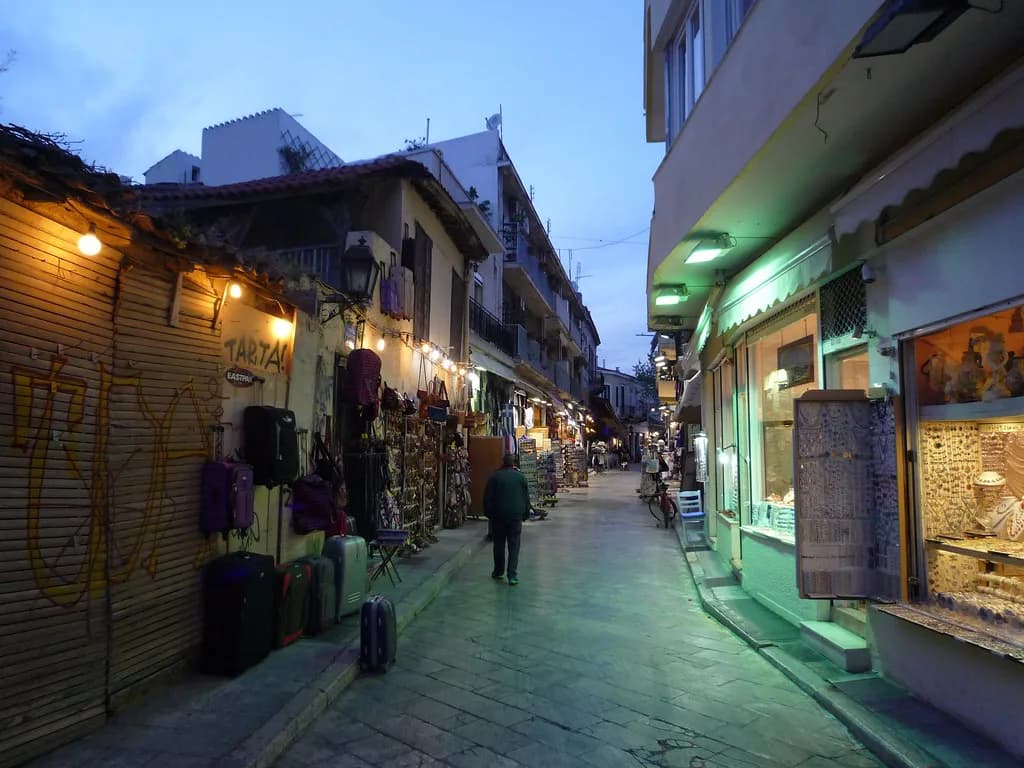
Greek Hospitality in Greece: Xenia and Philoxenia Explained
Greek hospitality rests on xenia, the ancient guest-friendship custom, and philoxenia, the love of strangers. Learn what it means for visitors and how to respond.
On this page
Greek hospitality is not simply a reputation for friendliness. It rests on xenia, an ancient custom of guest-friendship that placed obligations on both the host and the guest, which is why the welcome can feel formal as well as warm. Understanding that two-way bargain makes travel in Greece easier to read, from a complimentary plate at a taverna to the way a shopkeeper insists you sit down.
Two words come up repeatedly. Xenia is the relationship itself, sometimes translated as ritualised friendship between host and stranger, while philoxenia literally means being a friend to the stranger and is the word most often used for hospitality in general. Knowing which is which helps when you read museum labels, menus or guidebook introductions that use the terms loosely.
What Xenia and Philoxenia Actually Mean
Xenia describes a reciprocal arrangement: the host offers food, drink and shelter before asking who the visitor is, and the guest accepts graciously and does not abuse the welcome. Sources on the concept describe it as guest-friendship, close to a ritualised bond rather than a casual act of kindness. That framing matters for travellers because it explains why the offer of a chair, a glass of water or a small sweet is treated as a gesture with weight behind it.
What is the difference between xenia and philoxenia? Xenia is the reciprocal guest-host relationship, often translated as guest-friendship. Philoxenia is the wider virtue of welcoming strangers, literally friend to the stranger, and it is the word modern tourism and food writing usually borrows.
Why are Greeks considered so hospitable? The most common explanation is ancient: a stranger could be a god in disguise, so welcoming an unknown visitor was a test of virtue. Deities such as Zeus, Athena Xenia and the Dioscuri were said to watch over guests.
Did Odysseus violate xenia? He is a complicated case. The suitors occupying his hall are usually read as guests who break xenia by consuming his stores and refusing to leave.
Philoxenia is the broader virtue, the disposition to welcome outsiders, and it is the word modern Greek tourism and food writing tend to use. When a source says Greeks treat visitors as special guests and welcome them with open hands, that is philoxenia being described in everyday terms rather than the older contractual language of xenia.
Practically, the two terms let you separate marketing from custom. A hotel advertising philoxenia is borrowing a cultural idea; a family-run taverna offering something unrequested is closer to the older xenia instinct. Neither obliges you to do anything unusual, but recognising the difference keeps you from treating generosity as a service you paid for.
Why Greeks Are Seen as Hospitable: The Guest Who Might Be a God
The explanation most often given is religious in origin. In ancient belief a stranger could be a god in disguise, so how a household treated an unknown visitor was a test of character rather than a matter of convenience. The cited source describes Zeus appearing at villagers' doors in plain clothing to see who would take him in, with punishment for those who refused.
Other deities were said to watch over strangers, including Athena under the name Athena Xenia and the twin Dioscuri, Castor and Pollux. Whether or not you share the belief, it explains why hospitality was framed as a virtue and an honour rather than a trade. A host who fed a stranger well was acting properly, not merely being nice.
The same custom sits behind a great deal of later Greek storytelling, which is one reason the vocabulary survives in modern speech. If you are curious about the broader set of social habits that grew around it, the guide to greek customs covers greetings, name days and table manners in more depth.
Xenia in the Odyssey: Who Keeps the Bargain and Who Breaks It
The Odyssey is the text most often used to teach xenia, because it repeatedly tests both halves of the contract. Good hosts offer a guest a seat, washing water, food and drink before any questions, while bad hosts and bad guests are punished by the story's logic; using the ancient sites in greece as a companion shows how those palace and sanctuary settings looked in practice. Reading the poem this way turns a school set text into a practical guide to the etiquette you will meet in a village square, and pairing it with the guide to what to eat in Greece makes the feasting scenes concrete.
Odysseus's own household is the hardest case. While he is away, suitors occupy his hall, eat his stores and refuse to leave, which readers commonly treat as a violation of xenia by guests rather than hosts. Odysseus is also a demanding guest in other houses, so the poem does not offer a single blameless model. The useful takeaway for travellers is the sequence: be welcomed first, explain yourself later, and do not overstay the welcome.
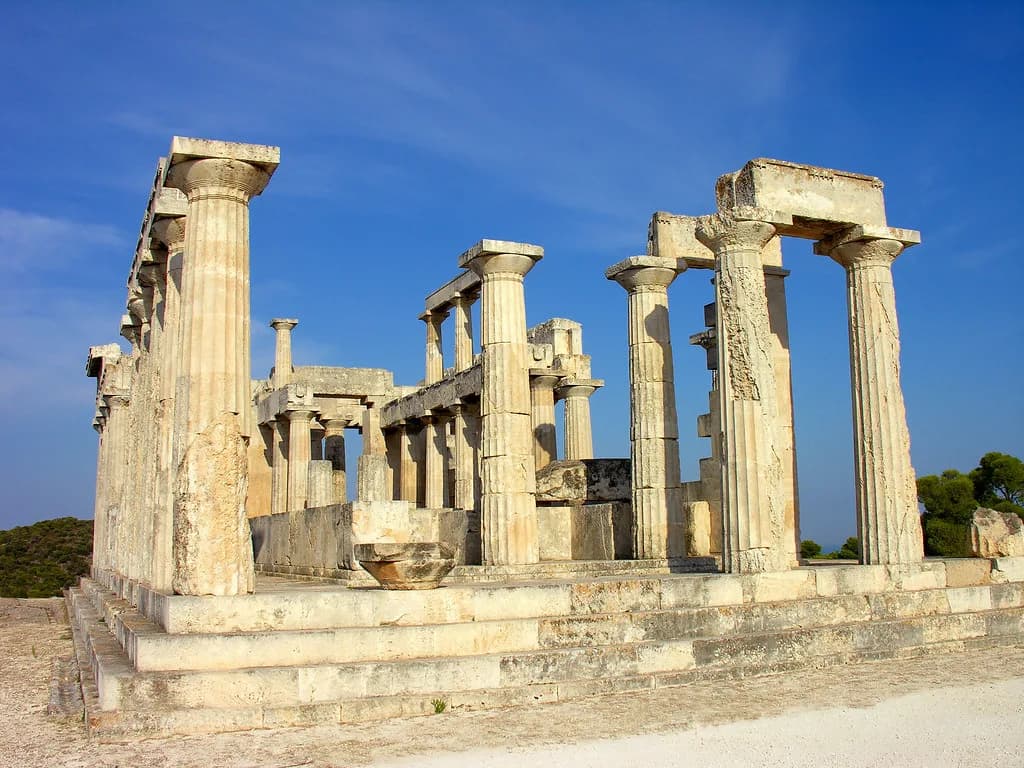
If you are visiting archaeological sites alongside the reading, the guide to ancient sites in greece puts the palaces, sanctuaries and city sites into a practical order, including the Acropolis of Athens. It helps to know the landscape before the poem's household scenes make full sense.
The Two Sides of the Bargain: Host Duties and Guest Duties
On the host's side, the classic obligations are provision and protection: offer what you have, ask names only after the guest has been fed, and see them safely on their way. The source on hospitality notes this order clearly, with food, drink and a place to sleep offered before any real conversation begins. Modern versions include pointing you to the right bus stop, walking you to a table or refusing to let you pay for the first round.
On the guest's side, the obligations are acceptance, restraint and eventual reciprocation. Accept something small instead of refusing everything, treat generosity as finite, and return the gesture in whatever form you can, whether that is a tip, a return invitation, a purchase or a genuine thank you. Even the phrase for thanks has a little weight, so it is worth learning how to say thank you in greek properly rather than mumbling it.
This is where visitors misread the situation: xenia is not a free upgrade scheme, and the host's generosity does not cancel your bill. In commercial settings, the complimentary item is a gesture layered on top of a normal transaction, so treat the bill as the bill and the gesture as separate. Keeping that line clear protects both sides of the relationship.
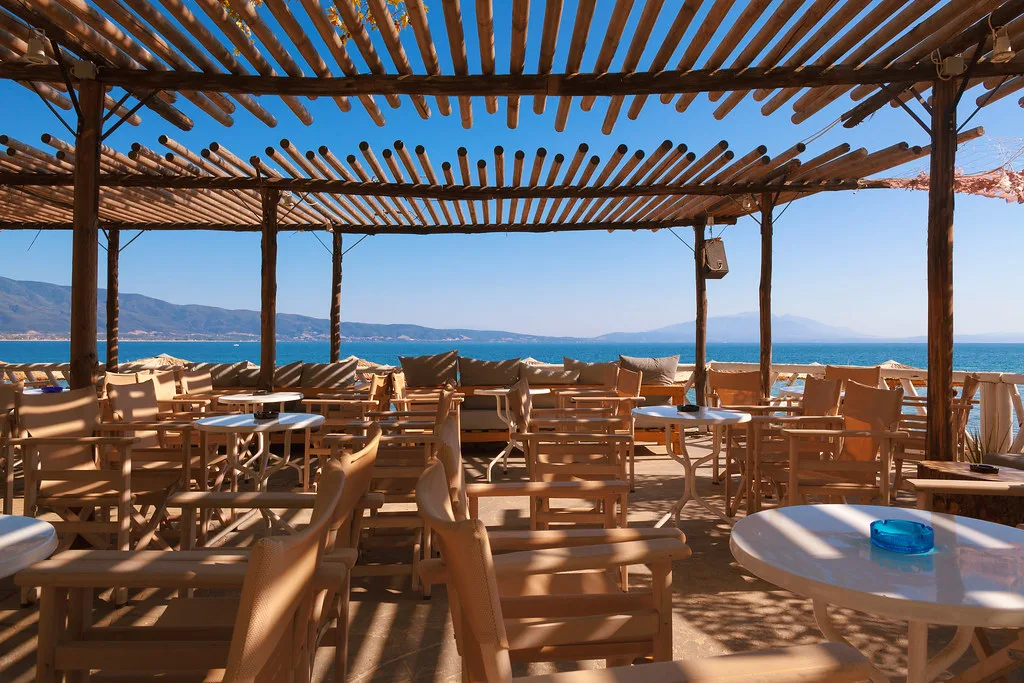
How Hospitality Shows Up Today
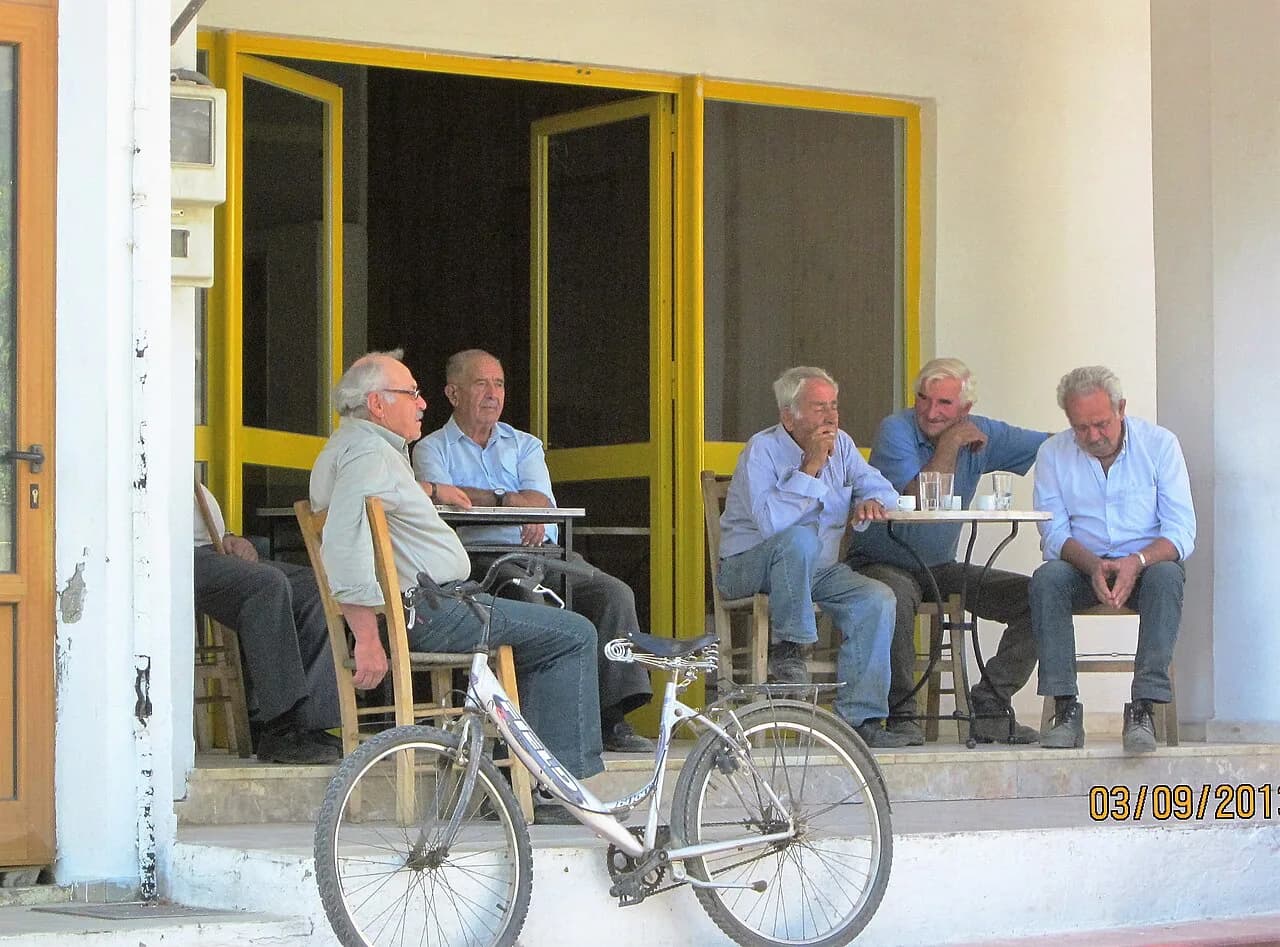
In everyday life the custom appears as small, unglamorous acts: a bag of tomatoes taken to a neighbour, help for someone in difficulty, or a shopkeeper who will not let a customer leave without something for the road. The source on Greek hospitality describes exactly this pattern of minor giving rather than grand entertaining, which is why it can be easy to miss if you are watching for something theatrical.
At the table, the ritual is the meal itself. Plates are ordered to be shared, glasses are filled before yours is empty, and the pace is set by conversation rather than by the next booking. Knowing what the dishes actually are makes you a better guest, and the dish-by-dish guide to what to eat in Greece is a sensible primer before you sit down. If your travels take you to the Peloponnese, the guide to things to do in Nafplio also points you toward the tavernas where this shared-table style of eating plays out.
Toasts are part of the same ritual. A short word before drinking is normal and appreciated, and the common toast has its own small etiquette about eye contact and glass height, covered in the piece on yamas meaning. You are not expected to make a speech; you are expected to join in.
Few words carry as much of the social atmosphere as the exclamation that accompanies music, a spill or a plate being broken. If you have wondered when to use it, the explanation of opa meaning sets out the contexts without turning it into a party trick. Used sparingly, it lands better than repeated for effect.
Etiquette for Accepting, Declining and Reciprocating
When something is offered, the simplest safe response is to accept a small amount with a clear thank you. If you genuinely cannot, decline once politely and give a plain reason, then offer something back: you might ask for the bill instead, or say you will come back tomorrow. What tends to cause awkwardness is not refusal itself but repeated back-and-forth that turns the moment into a negotiation.
A few words of Greek transform these exchanges. Greetings change by time of day, and getting them roughly right signals effort even if your accent is poor; the explanation of kalimera meaning covers morning, afternoon and evening versions. Keep a handful of basic greek phrases available for the moments when the offering arrives and you need a second to think.
If you want to give something back, do it in kind rather than in cash. Buying an extra coffee for the table, bringing a small sweet from a bakery, or leaving a proper tip on a paid bill all read as reciprocation. Handing money to a host who has offered you something unprompted can imply the gesture had a price, which is exactly what xenia avoids.
At the Taverna Table: Do's and Don'ts
Do wait to be seated if someone gestures you to a particular table, and do accept the water that arrives without asking; it is part of setting up the table, not an upsell. Don't rearrange the setting or ask for a different table without reason if the place is small and busy. The first minute of any meal is where you show whether you understand the arrangement.
Do expect dishes to arrive as they are ready rather than all at once, and don't treat a late plate as a mistake. Do share from the middle of the table unless the menu clearly says otherwise. If you want the bill, ask directly; lingering is normal and no one will hurry you out, but waving for attention repeatedly reads as impatience.
Do ask what a dish is if the name is unfamiliar; staff are used to explaining, and it is a better opener than guessing. Don't photograph other diners or staff at close range without a word or a gesture. Small courtesies like these matter more in a family-run room than in a hotel restaurant, where the transaction is more anonymous.
Hospitality and Tourism: Busy Islands versus Quieter Mainland Towns
On heavily visited islands, hospitality is partly a professional performance. That is not dishonesty, but the ratio of visitors to residents means service is faster and more standardised, and the room may turn tables several times an evening. Expect efficient welcomes rather than long conversations, and do not read speed as coldness.
In smaller mainland towns and villages, the same customs operate with more time attached. A shopkeeper may ask where you are from and how long you are staying before completing the sale, and a taverna owner may sit down for a minute. The trade-off is real: you get more of the older pattern of welcome, but fewer English menus, thinner public transport and shorter seasons. Where a business has not published opening dates for a specific place, call or message the taverna or shop and check current hours before travelling out, as seasonal schedules shift.
This is the point where the ancient idea meets modern marketing. A hotel can advertise philoxenia without offering anything beyond its star rating, and an island restaurant can be genuinely welcoming while still charging full price. Judge the place by the small acts, not the signage.

Common Misconceptions, Including the Five Fingers Gesture
The first misconception is that xenia means Greeks will always give you things for free. In practice it describes an ideal of conduct, and how much of it you meet varies by place, generation and situation; some households and businesses extend very little beyond ordinary courtesy. The second is that refusing an offer is rude. A single clear, friendly refusal is usually fine; what causes friction is a long contest over the plate.
The third is the five fingers question. Search results often bundle a hand gesture into hospitality queries, but a gesture is a separate topic from xenia and the sources here do not establish a single reliable meaning for it. Do not build a plan around it; if you want to understand Greek gesture and folk belief more safely, the guide to greek superstitions covers the ftou ftou ftou spitting custom and similar practices that are properly documented.
A fourth is that hospitality is a performance put on for tourists. The sources describe the custom as inherited and general, applied to neighbours and strangers alike, which is why it appears in ordinary settings like queueing at a bakery. It also means you should not expect a scripted welcome; the form is improvised around the same basic courtesies.
Quick Glossary: Xenia, Philoxenia and Neighbouring Words
Xenia is the guest-host relationship, often rendered as guest-friendship or ritualised friendship. Philoxenia is the disposition behind it, literally friend to the stranger, and is the standard word for hospitality in modern usage. Keep the pair straight and the rest of the vocabulary tends to fall into place.
Around these sit words you will meet socially rather than in a museum case: a greeting for good morning, a toast, an exclamation, a saint's day that functions like a birthday, and the dance that follows the music. Each has its own article, and together they form a working vocabulary for the welcome itself. If your trip coincides with a celebration, the explanation of greek name days is worth reading so a neighbour's invitation makes sense.
Music and dance belong to the same setting. A long evening often ends with a circle of dancers, and knowing the shape of it helps you decide whether to join; the piece on greek dancing sets out the regional forms without pretending everyone can do them. Watching closely for a round before stepping in is perfectly acceptable.
Plan Your Visit
Greek hospitality is easiest to handle if you think of it as a two-way arrangement rather than a national personality trait. Accept what is offered with a clear thank you, reciprocate in kind where you can, and treat any bill as a separate matter from the gesture that came with it. That combination covers most of what xenia and philoxenia ask of a visitor.
Where you are matters. Busy island rooms run on speed and volume, quieter mainland towns run on time, and the same courtesies appear in both. Check a specific venue's season and opening arrangements with the business itself before planning around it, since published information is often out of date outside the summer months.
Explore more Greece sauna guides
Frequently Asked Questions
What is the difference between xenia and philoxenia?
Xenia is the reciprocal guest-host relationship, often translated as guest-friendship. Philoxenia is the wider virtue of welcoming strangers, literally friend to the stranger, and it is the word modern tourism and food writing usually borrows. Think of xenia as the arrangement and philoxenia as the attitude behind it.
Why are Greeks considered so hospitable?
The most common explanation is ancient: a stranger could be a god in disguise, so welcoming an unknown visitor was a test of virtue. Deities such as Zeus, Athena Xenia and the Dioscuri were said to watch over guests. The custom was passed down socially rather than enforced by any modern rule, which is why its strength varies by place and household.
Did Odysseus violate xenia?
He is a complicated case. The suitors occupying his hall are usually read as guests who break xenia by consuming his stores and refusing to leave. Odysseus himself is a demanding guest in other houses, so the poem tests both sides of the bargain rather than presenting one spotless model.
How should I respond to offered food or drink in Greece?
Accept a small amount with a clear thank you. If you really cannot, decline once politely, give a plain reason and offer something in return, such as asking for the bill or promising to return. Avoid a long back-and-forth, which turns a gesture into a negotiation.
Is it rude to refuse an offer?
A single friendly refusal is generally fine, especially with a short explanation. What reads badly is repeatedly pressing the refusal while the plate or glass stays on the table. Taking a token amount is often the smoother route if you are unsure.
Do Greeks expect visitors to pay for complimentary items?
No. When something arrives unrequested in a taverna it is a gesture layered on a normal transaction, not a discount on the bill. Pay the bill as presented and treat the extra item as separate. Handing cash directly to a host who offered something unprompted can imply the gesture had a price.
What does the five fingers gesture mean in Greece?
It is a separate topic from hospitality, and the sources here do not establish one reliable meaning for it. Treat claims that appear in search results with caution and do not plan a hand signal around them. For documented folk customs, look at material on Greek superstitions instead.
Do I need to speak Greek to be a good guest?
No, but a few words go a long way. A time-appropriate greeting, a clear thank you and a word for the toast cover most exchanges, and effort is noticed even with poor pronunciation. Staff in busy tourist areas usually speak English, while smaller mainland places may not.
Sources
Notes for eating well in Greece
Optional updates to our guides.
You might also like

Continue reading
More guides you'll find useful