Greece on a Budget: Where Your Money Goes Furthest
Plan Greece on a budget with cheaper islands, off-season timing, ferry and room trade-offs, and everyday taverna food that keeps daily costs low.
On this page
Greece can absorb a lot of money or very little, and the difference usually comes down to a handful of decisions made before you book: when you travel, which island you sleep on, and how often you move. Ferry tickets and August beds are largely fixed once you commit, while food, base choice and timing stay in your hands. This guide separates those two kinds of cost so you know where effort actually pays off.
The advice here avoids invented figures. Taverna prices, room rates and ferry fares move with the season and the route, so instead of quoting numbers you cannot rely on, it explains what to watch and where. For a fuller breakdown of real trip costs, the linked guides go deeper.
What Budget Actually Means in Greece
Some costs in Greece are close to fixed once your dates are set: inter-island ferry tickets, beds on a popular island in high summer, and transport to and from the airport or port. Others you control day to day, including what you eat, whether you order at a counter or a seafront table, and how many islands you string together. Treating the two groups differently is the core of a working budget.
Is Greece a cheap place to go? It can be, but it depends on when and where you go. Peak months bring high hotel rates and crowded restaurants, while shoulder dates and smaller islands like Naxos, Paros, Milos and Ikaria tend to stretch a budget further.
Which Greek islands are cheapest? Budget guides most often name Naxos, Paros, Milos and Ikaria as affordable island alternatives to Mykonos and Santorini, citing family-run tavernas and simple rooms. Room rates and ferry fares move with the season, so check current prices for your dates.
What month is the cheapest time to visit Greece? Greece is busiest from June to August, when rates are highest, so shoulder and winter months generally cost less. The trade-off is that some island restaurants and rooms close out of season, so check opening before booking around a specific place.
The biggest lever is the number of moves. Every ferry crossing costs money and half a day, so a trip built around one base with short day trips usually beats a four-island itinerary on both counts. If you want the arithmetic of a week laid out, see the cost of trip to greece breakdown before you lock in dates.
One reliable rule from the travel press: Greece runs at peak capacity from June to August, which means overflowing crowds, high hotel rates and packed restaurants and attractions. That is a demand pattern, not a price list, so look up rates for your own dates rather than treating any month as cheap by default.
Timing: The Peak-Season Trade-Off
June to August is when Greece is busiest and accommodation is dearest, according to the same seasonal pattern reported for the country's high season. Shifting to late spring or early autumn usually eases both crowds and room rates, though you should confirm availability rather than assume it. The trade-off is real in both directions: cheaper shoulder dates can mean thinner ferry schedules and some seasonal businesses not yet open or already winding down.
Out of season, the honest caveat is closures. Many island restaurants and rooms operate seasonally, and no source here gives exact opening and closing dates for any named place, so treat any specific taverna's winter hours as unknown until its own listings or a phone call settle the question. A general rule worth following: look up seasonal openings for the places you most want to eat before booking a shoulder-month trip around them.
For a fuller picture of how month choice shifts the total, the cost of a trip to greece guide compares timing against other variables. Keeping your dates flexible by a week or two is often worth more than any single money-saving trick.
Cheaper Islands: Naxos, Paros, Milos and Ikaria
Budget travel writing consistently points to Naxos, Paros, Milos and Ikaria as the islands where a euro stretches further, citing soft beaches, family-run restaurants and affordable prices across the year. All four sit in the Aegean, with Naxos, Paros and Milos in the Cyclades and Ikaria in the eastern Aegean just north of them, so you are trading headline glamour for quieter harbours and pastel hill towns.
The logic is simple: Mykonos and Santorini carry a premium for their name, while these alternatives offer comparable swimming and village life at lower cost. If you are weighing the headline islands against the value ones, the cheapest greek islands guide sets them side by side. Neither island type is better in absolute terms; the trade-off is atmosphere and convenience against spend.
Santorini is the sharpest example of the view-versus-value trade-off: caldera tables and cliffside rooms cost more, and travellers on a tight budget often sleep inland or in a cheaper village and visit the caldera for sunset. The is santorini expensive guide unpacks where the money actually goes, and santorini on a budget shows how to see the island without paying for the postcard every night.
Athens as a Cheap Base
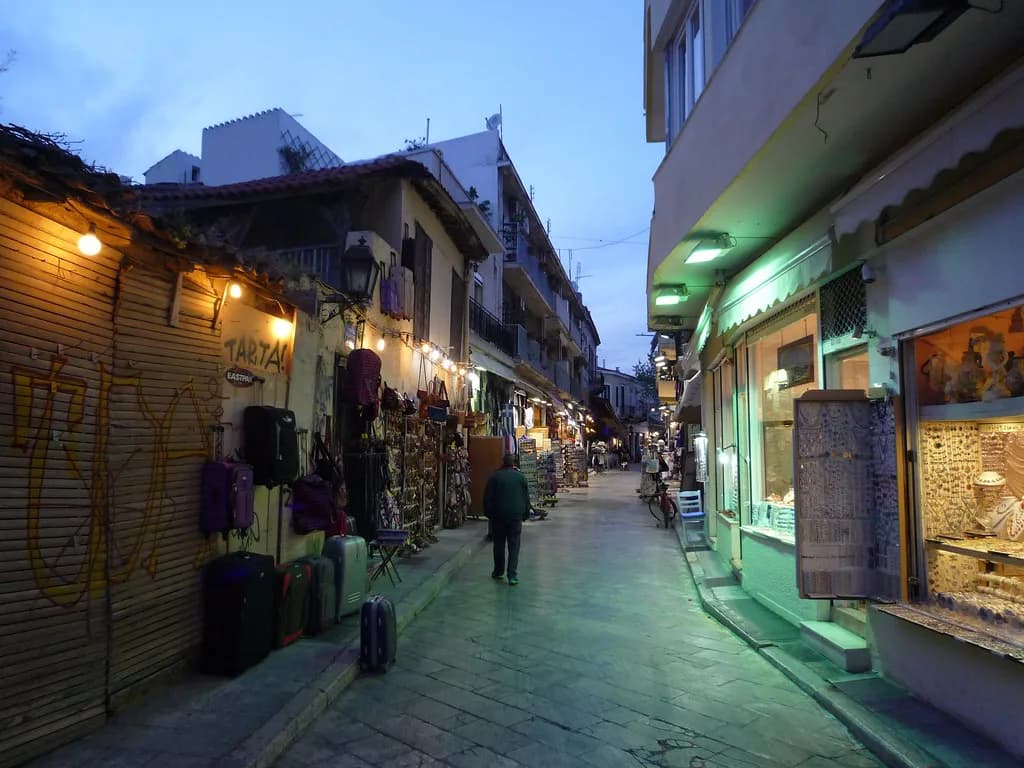
Athens is often the cheapest place to sleep, eat and move around before or after island time, with open-air markets, bakeries and neighbourhood tavernas doing the budget work. In smaller island towns, the same logic applies at street level: markets, bakeries and informal waterfront restaurants serve substantial food at low prices with far less ceremony than a view table. That is a general pattern, not a promise about any single address.
If ruins are on your list, build them around free or low-cost outdoor time rather than paying for every ticketed site. The ancient sites in greece guide helps you prioritise, and a walk past the Acropolis of Athens costs nothing if you simply want the view from below. For a cheap break from the marble, the what to eat in Greece guide pairs well with any ruin-hopping day.
Food Budget in Practice
The cheapest way to eat well in Greece is to know a few dishes by name. Tiropita is a flaky filo pie filled with cheese, sold warm at bakeries and eaten on the go; souvlaki are grilled meat skewers, often wrapped in pita with tomato, onion and tzatziki (a yogurt, cucumber and garlic dip); horiatiki is the village salad of tomato, cucumber, onion, olives and a slab of feta, with no lettuce. Ordering these keeps a meal simple and inexpensive.
Where you sit matters as much as what you order. A counter or a back-street taverna usually costs less than a seafront table with a view, and the food can come from the same kitchen tradition. For a dish-by-dish overview of the cuisine, the Traditional Greek Food guide is a useful companion before you order.
No reliable price ranges for individual dishes appear in the sources here, so rather than quote figures, read the menu board before you sit and compare a back-street spot with a harbour-front one on the same afternoon. That habit, repeated across a trip, tends to save more than any single tactic.
Drink Budget: Coffee, Wine and Where You Sit
Drinks follow the same split as food. Greek coffee, served strong and unfiltered in a small cup, and house wine, usually the cheapest wine on any list, are the everyday options, and a counter or standing spot typically costs less than a seafront table with a view. Ordering a glass of house wine with a shared salad is a cheap way to slow down an afternoon.
The pattern reported for value travel holds here too: informal, family-run places with home-style cooking are where budgets survive, while harbour views carry a premium. That is a trade-off to choose consciously rather than a rule against ever paying for a view.
Ferries versus Flights: Time Against Money
Slower conventional ferries and local buses are the budget route between regions, the cheaper alternative to costly taxis and private transfers, and this is the pattern budget guides recommend. The cost is time: a slow ferry eats hours that a flight would save, so the trade-off is money against hours on the deck.
Ferry schedules and fares change by season and route and no reliable figures sit in these sources, so check the ferry company's own site for your dates and route rather than relying on a remembered fare. Book ahead for summer crossings, when popular routes fill, and keep one buffer day so a delay does not wreck a tight itinerary.
Rooms: Guesthouses, Kitchenettes and Views
Family-run hotels and guesthouses with their own kitchenettes, patios or harbour views are the affordable mainstay for budget travellers, and self-catering with a kitchenette cuts food costs on longer stays. The trade-off is explicit: a harbour-view room costs more than an inland one, and a kitchenette buys you cheaper breakfasts and picnics in exchange for a little cooking.
Staying on one base and taking day trips is another way to cut both ferry spend and the friction of constant packing, and many smaller islands have quiet neighbourhoods near beaches, markets and cafes. If you are comparing a specific island's room costs, the is rhodes expensive and kos prices guides show how the same decisions play out in the Dodecanese.
Check whether a quoted rate includes breakfast and taxes before comparing two rooms, and confirm seasonal opening for smaller guesthouses, since many close out of season. A phone call or a look at the property's own site settles both questions faster than a booking platform's summary.
Free and Low-Cost Days
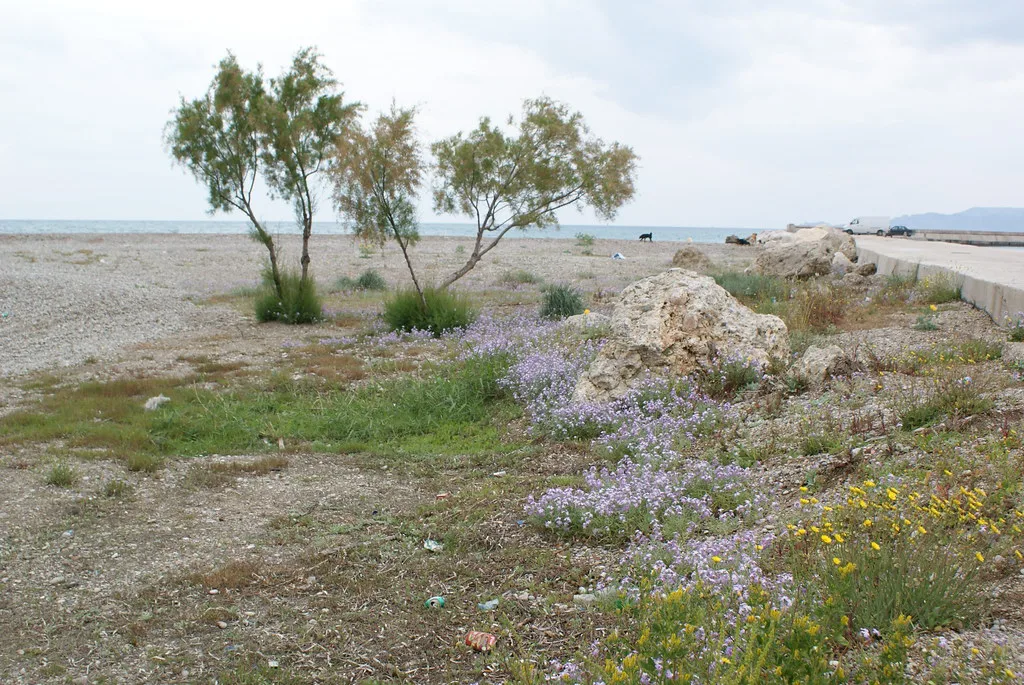
Much of the best scenery in Greece is free: beaches, village walks, coastal promenades and open-air markets cost nothing but time, and the sources consistently frame these as the backbone of a low-cost trip. Add a picnic from a bakery and a village walk becomes a full day at almost no spend.
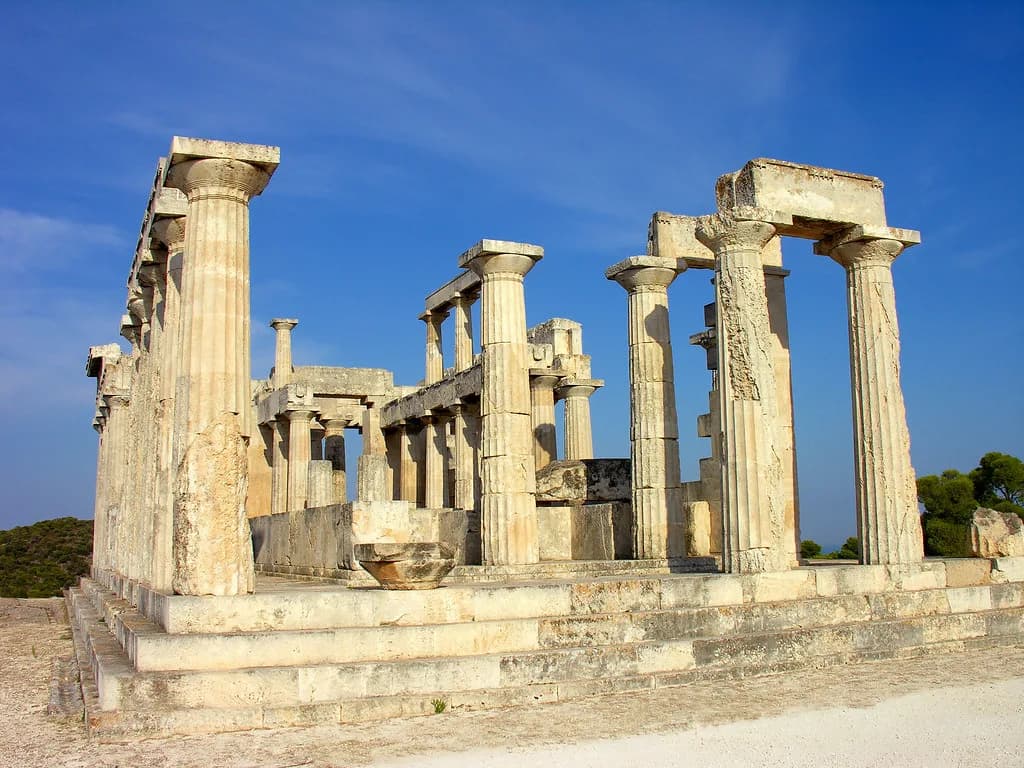
On a longer trip, free open-access archaeological sites, Byzantine churches and seaside boardwalks at sunset fill days without tickets. The ancient sites guide flags which ticketed visits are worth prioritising so your paid choices go further; the Acropolis of Athens guide covers the capital's headline site. If you're planning a loop beyond the capital, the ancient sites in greece guide also maps out the main ruins so you can group free stops with the paid ones.
Building a Week's Budget
Fix the costs you can plan in advance, such as ferry tickets, the first and last nights' rooms and any must-do ticketed sights, and leave the rest flexible. A day built on a bakery breakfast, a beach and a taverna dinner costs far less than one built on a paid excursion and a harbour-front lunch, and flexibility lets you follow the cheap option when you see it.
For the deeper arithmetic, the Is Greece Expensive? What a Trip to Greece Actually Costs guide lays out real trip costs by island and city, which is the right starting point before you commit to a week's plan.
Common Budget Mistakes in Greece
The usual errors are mechanical rather than mysterious: too many islands, booking August beds late, and defaulting to the view table every night. Each one is easily avoided with a little planning, and each one is the difference between a trip that fits your budget and one that does not.
A quieter mistake is trusting commercial tour pricing as a benchmark for independent travel, since package inclusions and promotions do not reflect what a self-booked trip costs. Build your own estimate from the fixed costs you have confirmed and keep a flexible margin for the rest.
Plan Your Visit
The pattern that holds across every destination covered here is to control what you can and confirm what you cannot. Choose a base, pick a shoulder date, eat where locals eat, and book ferries early; then spend the leftover on the one view or excursion that matters to you. The same street-level approach to markets, bakeries and tavernas is what shapes our Heraklion food guide, where eating well stays cheap.
Frequently Asked Questions
Is Greece a cheap place to go?
It can be, but it depends on when and where you go. Peak months bring high hotel rates and crowded restaurants, while shoulder dates and smaller islands like Naxos, Paros, Milos and Ikaria tend to stretch a budget further. Food is usually the easiest cost to control.
Which Greek islands are cheapest?
Budget guides most often name Naxos, Paros, Milos and Ikaria as affordable island alternatives to Mykonos and Santorini, citing family-run tavernas and simple rooms. Room rates and ferry fares move with the season, so check current prices for your dates.
What month is the cheapest time to visit Greece?
Greece is busiest from June to August, when rates are highest, so shoulder and winter months generally cost less. The trade-off is that some island restaurants and rooms close out of season, so check opening before booking around a specific place.
Is Greece expensive for food and drink?
Everyday food like bakery pies, souvlaki and village salad is easy to find at modest cost, and house wine and Greek coffee are the cheap drink choices. A counter or back-street taverna usually costs less than a seafront table with a view, so where you sit matters.
How much does a week in Greece cost?
There is no single figure, because it depends on dates, islands, ferry routes and how many beds you change. Build an estimate from confirmed ferry tickets, room rates for your dates and the sights you want to pay for, then keep a flexible margin.
Are ferries in Greece expensive?
Slower conventional ferries are the budget route between islands compared with flights and private transfers, but fares and schedules change by season and operator. Check the operator's own site for your route and book ahead for summer crossings.
Sources
Notes for eating well in Greece
Optional updates to our guides.
You might also like
Continue reading
More guides you'll find useful