Cost of a Trip to Greece: Daily Budgets, Flights and Ferries
Plan a Greece trip budget with daily ranges by travel style, plus what food, ferries, flights and sightseeing add, and how season and island choice change the total.
On this page
Greece can absorb a shoestring budget or a generous one, and the gap between them is wider than most travellers expect. Published cost guides put budget travellers at roughly 40 to 80 euros a day, mid-range travellers at 80 to 180 euros and luxury travellers at 200 euros or more, with flights and long ferry hops often counted separately. If you are still deciding whether the country fits your wallet, start with the wider question: is greece expensive, or can it be done cheaply with the right choices?
Read every figure below as a per-person, per-day range unless it says otherwise, and treat it as a planning estimate rather than a quote. Accommodation, food and transport are the three lines that move most, and two of them can be adjusted in advance: where you sleep and how many islands you visit. These ranges come from a published Greece cost guide and are a fair starting point, but they are not official Greek tourism figures, so your actual spend will depend on where you go.
Quick Summary: Daily Cost by Travel Style
In broad terms, a backpacker staying in hostels or guesthouses, eating at cheap tavernas and taking public transport should count on 40 to 80 euros a day. A mid-range traveller in a comfortable hotel, eating out once or twice a day and adding a paid excursion now and then lands around 80 to 180 euros. A luxury traveller in sea-view rooms, fine dining and private transfers should expect 200 euros a day or more.
How much does a week in Greece cost? It depends on your travel style, season and islands, so no single figure holds. Start with the published daily range that matches how you plan to travel, multiply by seven, then add flights, ferry crossings and any paid sights.
What is a realistic daily budget for Greece? Published guides sort travellers into three bands: backpacker, comfortable mid-range and luxury, each with its own daily range for accommodation, food and local transport. Use the band that matches your plans as a starting point and add flights and long ferry crossings on top.
Is Greece expensive for tourists? It can be as cheap or expensive as your choices allow. The main levers are season, island choice and how you eat; travelling in shoulder season and eating casual taverna meals keeps costs much lower than peak-summer sea-view stays.
These bands cover on-the-ground spending, not the flight to Greece, which is the single biggest item for many visitors from outside Europe. They also assume you are not moving islands every day, since ferry fares stack up fast. The daily figures quoted in a general cost guide are a useful baseline, but the wider budget picture is broken down further in our guide to Is Greece Expensive? What a Trip to Greece Actually Costs.
Where the Money Goes
Accommodation is nearly always the largest line in a Greek budget, and it is also the most flexible. A published breakdown puts budget hostels and guesthouses at roughly 25 to 70 euros a night, mid-range hotels at 80 to 180 euros, and luxury hotels or villas at 200 euros and well beyond. A typical comfortable hotel in a tourist-friendly area falls in the 70 to 150 euro band.
Food is the second big variable, and it splits neatly into three tiers: street food, casual restaurants and fine dining. Transport is the third; local buses and metro rides are cheap, but inter-island ferries and domestic flights can rival a night's hotel bill if you island-hop aggressively. Site tickets, museum entries and the odd boat tour round out the budget and are the easiest things to trim by choosing fewer paid attractions per day.
Accommodation Costs by Tier, and Why Sea Views Cost More
A room with a caldera or sea view is the classic Greek splurge, and it can multiply the nightly rate of the same standard of room inland or a street back from the water. On the most photographed islands, this premium is steepest; Santorini is the clearest example, where rooms with a view command far more than equivalent rooms without one. Our separate look at is santorini expensive explains where that money actually goes.
The trade-off is straightforward: pay for the view, or save by staying one village back and walking to the viewpoint. The savings can fund several meals, ferry tickets or a boat tour. On larger islands such as Crete, Rhodes and Corfu, the choice is usually between a beachfront room and a cheaper inland one within a short drive, which can be better value than a premium view room.
Food and Drink: Street Food Versus Tavernas Versus Fine Dining
Street food is the cheapest way to eat well in Greece. Gyros is meat roasted on a vertical spit and served in a pita wrap with tomato, onion and tzatziki, while souvlaki is skewered grilled meat, often also wrapped or served with bread. Both typically cost a few euros, making them a solid lunch option. Souvlaki and the wider menu of Greek dishes are covered dish by dish in our guide to what to eat in Greece.
A taverna is a simple, family-style restaurant with a short menu of grilled meats, stews, salads and local wine, and a casual meal there is a step up in price from a gyros. Fine dining, usually in the cities and resort areas, costs noticeably more again. Street food such as gyros and souvlaki is the cheapest way to eat, a casual restaurant meal sits comfortably in the middle, and fine dining is the most expensive of the three. The practical trade-off is to eat your main restaurant meal at lunch, when tavernas are quieter and often better value, and pick up bread, cheese, olives and fruit from a bakery or market for other meals. A mid-range traveller eating two casual meals a day plus a coffee and a drink should plan for a daily budget that covers both food and accommodation, and should compare current prices when booking.
Sightseeing: Site Tickets, Museums and Boat Tours
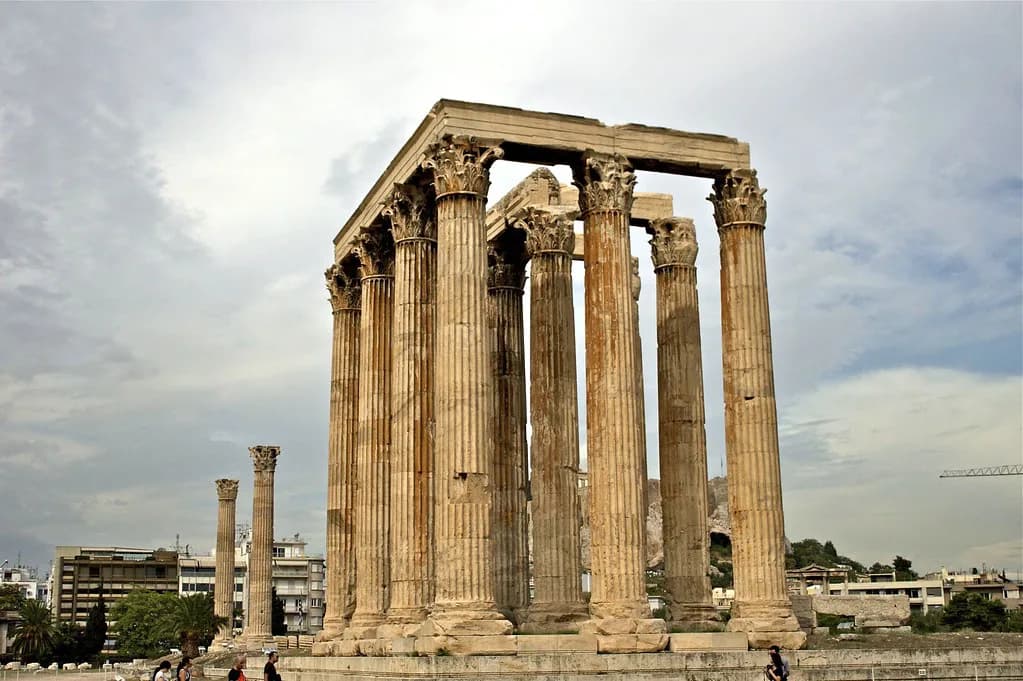
Many of Greece's headline ruins and museums are modestly priced individually, and the cost adds up if you visit several in a week. Bundled tickets covering several sites can bring the per-site cost down if you plan to see a lot, and our practical guide to ancient sites in greece explains how those combo tickets work.
For travellers focused on archaeology, the cost of site tickets is worth budgeting as a category of its own. Our guide to ancient sites in greece sets out which ruins are worth the entry fee on a short trip, so you can decide where to spend rather than paying at every gate. A single boat tour or guided day trip can easily match a whole day of meals, so pick one strategically instead of adding several.
Getting Around: Local Transport, Flights, Cars and Ferries
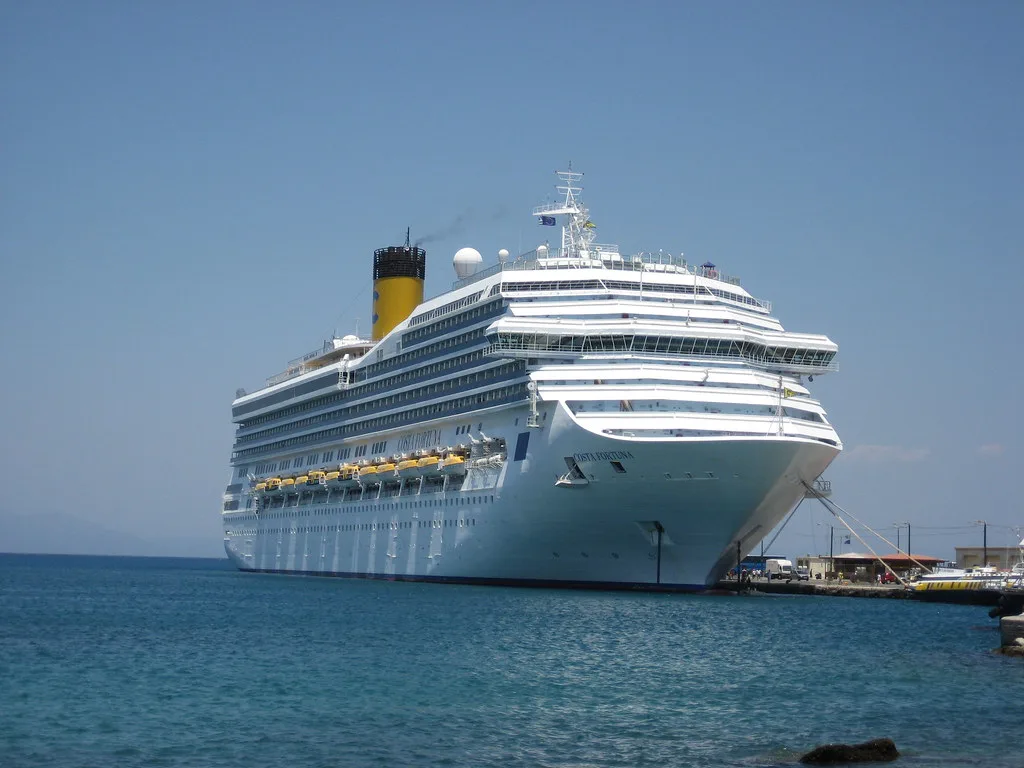
On the mainland and within cities, local transport is the cheapest way to move. Buses and metro rides are inexpensive, domestic flights cost more, car rental is priced by the day and inter-island ferries are charged per crossing. On islands with thin bus networks, a rental car for two or three days can be cheaper than daily taxis and gives you access to beaches away from the port. Every ferry crossing you add costs money as well as time, often the better part of a day in each direction. Two islands on a week-long trip is usually comfortable; four or more often means you spend more time in ports than on beaches. Compare current ferry and rental prices as a planning figure, and remember that longer routes and peak-season sailings cost more.
Season Is the Biggest Lever
Greek prices are highly seasonal, and the same room or ferry crossing can cost noticeably more in July and August than in April or October. A published guide describes peak season from June to August as the most crowded and most expensive, shoulder season in April to May and September to October as a middle ground, and the November to March off-season as the cheapest but with limited services on many islands. If your dates are flexible, shifting a trip by a few weeks in either direction is often the single biggest saving available.
The catch is that off-season savings come with trade-offs: some island restaurants and hotels close for the winter, ferry schedules thin out, and beach weather is unreliable. For a city-focused trip, Athens works well in winter and stays cheaper than the islands in summer. Plan around the general pattern, then check your specific accommodation and ferry route for your dates before booking, since individual businesses set their own seasons.
How Island Choice Changes the Total
Santorini and Mykonos are the most expensive islands in the published cost guides, driven by sea-view accommodation and peak-season demand. Crete, Rhodes and Corfu tend to offer better value for longer stays, with a wider spread of accommodation and more budget restaurant options. Naxos sits in the same better-value bracket, and our guide to things to do in Naxos pairs its lower-cost stays with beaches and mountain villages. Our round-up of the cheapest greek islands compares destinations where your daily spend stretches further.
On the cheaper islands, the savings usually come from staying outside the main port town and eating where locals eat, rather than at waterfront tables. On Rhodes, for example, the old town and Lindos are the premium areas, while inland villages and less famous beaches cost less. Our guide to is rhodes expensive breaks that down by food, buses and sights.
Flights to Greece
Fares swing widely by origin and season, and the source figures are indicative only. Fares like these are typically lowest outside July and August and when booked well ahead.
Package providers bundle flights and hotels and can look competitive on headline price, but the inclusions vary enormously. American Airlines Vacations sells flight-and-hotel packages for Greece and lets you compare stays, while a package sample from another operator quotes per-person prices for multi-night trips, so read what each covers before comparing. Neither replaces a line-by-line budget, which is where the real total shows up.
Worked Totals for 7 and 10 Days
Using the daily bands, a 7-day trip at 40 to 80 euros a day comes to roughly 280 to 560 euros on the ground per person, before flights. At 80 to 180 euros a day the same week runs about 560 to 1,260 euros, and at 200 euros and up it starts at 1,400 euros. Stretch those to 10 days and the budget band reaches roughly 400 to 800 euros, mid-range about 800 to 1,800 euros, and luxury 2,000 euros and up. Published total-trip figures vary widely, and it is worth knowing why. One guide puts a 7 to 10 day budget trip at roughly 500 to 900 euros per person, a mid-range trip at 1,000 to 2,000 euros and a luxury trip at 2,500 euros and up, though these figures use different currencies in different sections and mix per-person and per-group logic. Treat them as rough anchors, not quotes, and build your own total from the categories above.

Money-Saving Choices and Their Trade-offs
Fewer islands, shoulder-season dates, tavernas over fine dining and public transport over taxis are the four levers that move a Greece budget the most. Each has a cost: fewer islands means less variety, shoulder season brings unpredictable weather and some closures, and skipping a rental car limits which beaches you can reach. Pick the trade-offs that matter least to you.
If you want a fully worked cheap-trip strategy, our greece on a budget guide walks through the specific habits that keep daily costs down without cutting the trip short. The pattern is consistent across sources: the biggest savings come from travelling slightly off-peak and eating where locals eat, not from hunting down a single cheap hotel.
When to Book Flights, Stays and Ferries
A sensible sequence is to fix your dates and route first, then book flights, then accommodation, then ferries once the sailing season for your dates is confirmed. A published guide recommends booking flights and hotels roughly two to four months ahead, and flights three to four months ahead for the cheapest fares. Ferry timetables and ticket sales for a given season are published by the ferry companies themselves, so check sailings on the ferry company's site rather than relying on a cost guide.
For summer travel, locking in accommodation early matters more on Santorini and Mykonos than almost anywhere else, where the best-value view rooms sell out first. Book flexible rates where you can and check each operator's cancellation terms, since plans built around ferries can shift. Check current details closer to departure for the specific hotels and ferry routes you choose.
What the Sources Cover, and What to Re-Check
The published cost ranges above come from a single general Greece cost guide, which means they are indicative rather than official. They do not give prices for specific hotels, tavernas or attractions, and they do not publish ferry schedules, opening hours or firm booking deadlines. Any figure here that matters to your decision should be checked against the operator, hotel or official site for your exact dates.
One cost check closer to departure is enough for most trips. Re-confirm your flight fare, your hotel rate and your ferry ticket, then leave the rest to the daily band you have chosen. The range, not the headline total, is what keeps a Greece budget realistic.
Plan Your Trip Around a Range, Not a Headline
Start with the daily band that matches how you want to travel, add your flights, then add ferry crossings and paid sights. That structure keeps the total honest whether you are travelling on a tight budget or in comfort. Then choose your dates and islands to hit the middle of your budget rather than the top of it.
Explore more Greece sauna guides
Frequently Asked Questions
How much does a week in Greece cost?
It depends on your travel style, season and islands, so no single figure holds. Start with the published daily range that matches how you plan to travel, multiply by seven, then add flights, ferry crossings and any paid sights. Build the total from accommodation, food, transport and sightseeing rather than trusting a headline number.
What is a realistic daily budget for Greece?
Published guides sort travellers into three bands: backpacker, comfortable mid-range and luxury, each with its own daily range for accommodation, food and local transport. Use the band that matches your plans as a starting point and add flights and long ferry crossings on top. The wider cost picture by city and island is covered in our main budget guide.
Is Greece expensive for tourists?
It can be as cheap or expensive as your choices allow. The main levers are season, island choice and how you eat; travelling in shoulder season and eating casual taverna meals keeps costs much lower than peak-summer sea-view stays.
How much does island hopping add to a Greece trip?
Inter-island ferry fares are a separate cost for every crossing, and published ranges for them are wide because route length and season both matter. Check the current price on the ferry operator's own booking page for your dates rather than relying on a guide figure. Every crossing also costs time, so two islands on a week-long trip is often better value than four.
How much is food per day in Greece?
Street food such as a gyros or souvlaki is the cheapest option, casual restaurants sit a step up, and fine dining costs the most. Eating a main meal at lunch and picking up bakery items for other meals keeps the daily food figure down.
What is the cheapest month to fly to Greece?
Published fare guides describe the November to March off-season as the cheapest, with shoulder months in spring and autumn in the middle. Fares also depend on origin and how far ahead you book, so compare your actual dates rather than relying on a general rule.
Sources
Notes for eating well in Greece
Optional updates to our guides.
You might also like
Continue reading
More guides you'll find useful