Kos Prices: What Meals, Rooms, Drinks and Transport Cost
What things cost on Kos: cited ranges for taverna meals, coffee, beer, gyros and sunbeds, plus hotel rates, vehicle hire and how to build a daily budget.
On this page
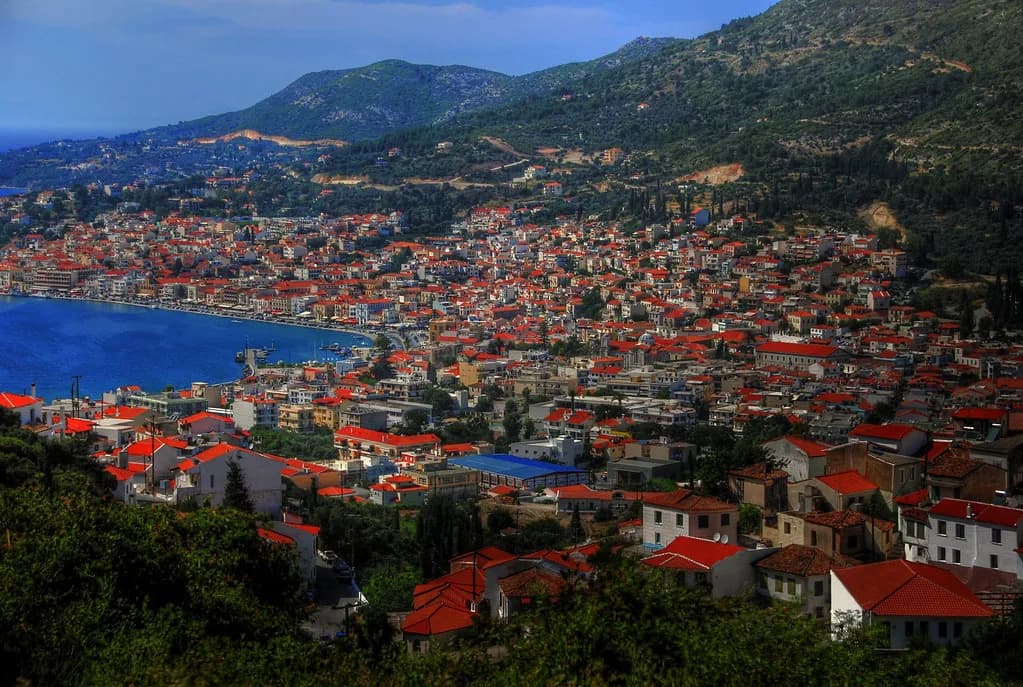
Kos is a large, busy Dodecanese island with a working harbour town, long sandy beaches and a hotel market that swings hard between winter and August. That combination makes budgeting simpler than on a small island, because there are cheap and expensive versions of almost everything within a short drive.
The figures below come from published estimates rather than live quotes, so treat them as planning ranges and confirm before you commit. If you want the wider national picture first, the guide to whether is greece expensive sets Kos beside the Cyclades, Athens and the mainland.
Quick Answer: What a Day on Kos Costs
A lean day on Kos means a bakery breakfast, a gyros pita at lunch, one paid sunbed set shared, a simple taverna dinner and a bus or bicycle instead of a car. A comfortable day adds a proper sit-down lunch, several coffees and drinks at a beach bar, a rental car and a fuller evening meal. The sections below build both versions from cited figures rather than guesswork.
Is Kos expensive to visit? Kos sits in the middle of the Greek island range. Food and drink are modest if you eat gyros pita and kafeneio coffee, while accommodation in August is where costs climb sharply.
How much does a day on Kos cost? A lean day of bakery breakfast, gyros lunch, shared sunbed and simple dinner costs far less than a day with beach-bar drinks, a hire car and a multi-course dinner. The gap comes mostly from accommodation, transport and how many drinks you order at serviced beaches.
How much is a meal for two in Kos? A multi-course dinner with mains, salad, appetisers and drinks sits at the top of the island's food spending, while simple lunches cost a fraction of that. The local tourist guide publishes the current band for a dinner for two, so check it before you budget.
The single biggest variable is not food but accommodation: aggregator data collected in October 2026 puts the average Kos hotel night near the top of the range and the cheapest month far below the most expensive one. Budgeting for the shoulder season changes the total more than skipping desserts ever will.
For a couple travelling in July or August, rooms and dinner for two will dominate; for a solo traveller in May or October, food and transport are the only lines that matter much. The sample three-day budget further down shows how the lines stack up.
How to Read These Prices
Island prices are published as ranges because the same coffee costs different amounts at a harbour cafe, a beach bar and a village kafeneio. Kos Guide's budget overview gives bands for drinks, snacks, meals and vehicle hire, and those bands are wide by design: the low end assumes simple places, the high end assumes sea-view terraces.
Seasonality compounds the spread. Hotel data shows January as the cheapest month and August as by far the most expensive, and the same logic applies to taverna menus in resort areas during peak weeks. A useful rule is to plan with mid-season numbers and treat August as a premium month rather than the baseline.
Anything that changes yearly, such as sunbed concessions, site tickets and hire fleet rates, is best taken from the official site or the local tourism office rather than trusted from an old blog post. That is the point in this guide where checking locally matters more than planning ahead.
Coffee, Beer and Beach-Bar Drinks
Cafe prices on Kos are quoted at roughly 3 to 6 euros for coffee, 3 to 5 euros for soft drinks, 4 to 7 euros for a cold beer and 7 to 12 euros for a cocktail, with granita, a Sicilian-style crushed-ice drink that is popular on the island, around 5 euros. Snacks at the same venues run from about 3.50 to 12 euros.
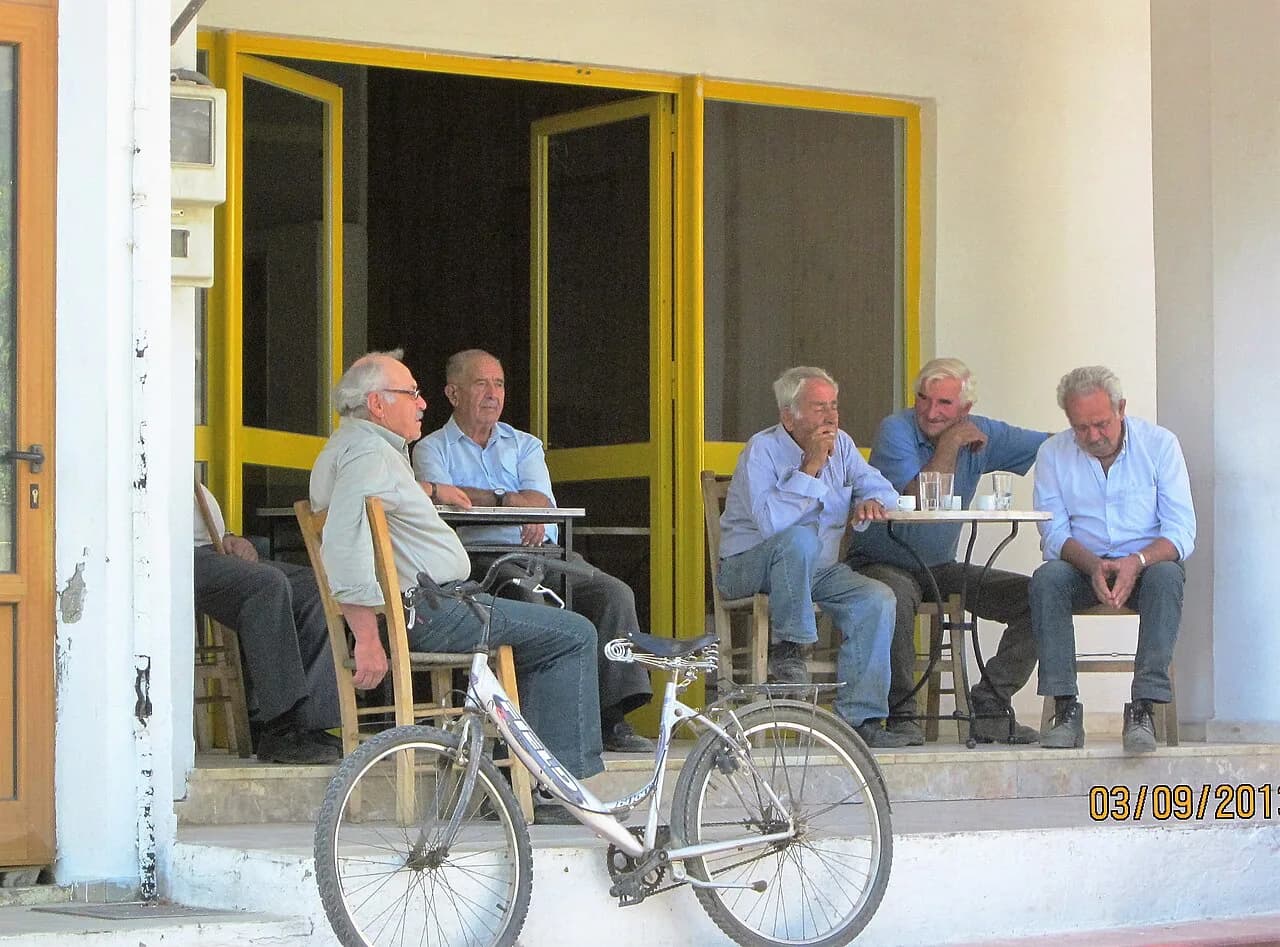
The trade-off is straightforward: a back-street kafeneio in Kos Town will usually sit at the bottom of the coffee band, while a beach bar with sunbeds and waiter service sits at the top and expects you to order. Two coffees, two beers and a shared snack can therefore cost less than a single round at a seafront venue.
Evening drinks follow the same pattern. Cocktails at bars run about 8 to 15 euros depending on the venue, and other beverages around 7 to 8 euros, which means a night out can rival the cost of dinner if you settle into a harbour-front bar.
Lunch, Snacks and Gyros Pita
Lunch is where Kos stays affordable. A gyros pita, meaning pork or chicken shaved from a vertical spit and wrapped in flatbread with tomato, onion, chips and tzatziki, is quoted at roughly 3.80 to 4.50 euros, while main dishes sit around 8 to 10 euros and salads 6 to 10 euros. Snack-style lunches such as club sandwiches, burgers and pizza are listed at about 5 to 12 euros, so a family can eat simply at midday and save the sit-down meal for the evening. Ice cream starts near 2 euros and crepes or waffles near 3 euros, which makes an afternoon stop cheap.
If you want a broader vocabulary before you order, the dish-by-dish guide to what to eat in Greece explains mezze, horiatiki and the rest in plain English, which helps you judge whether a menu price is fair.
Dinner for Two: Where the Money Goes
The appetiser line is the one to watch: ordering four small plates instead of two pushes the bill toward the top of the range.
For a cheaper benchmark, cost-of-living data lists a basic meal with a drink at an inexpensive restaurant in Kos at about 12.46 euros, which is a useful sanity check when a menu looks inflated.
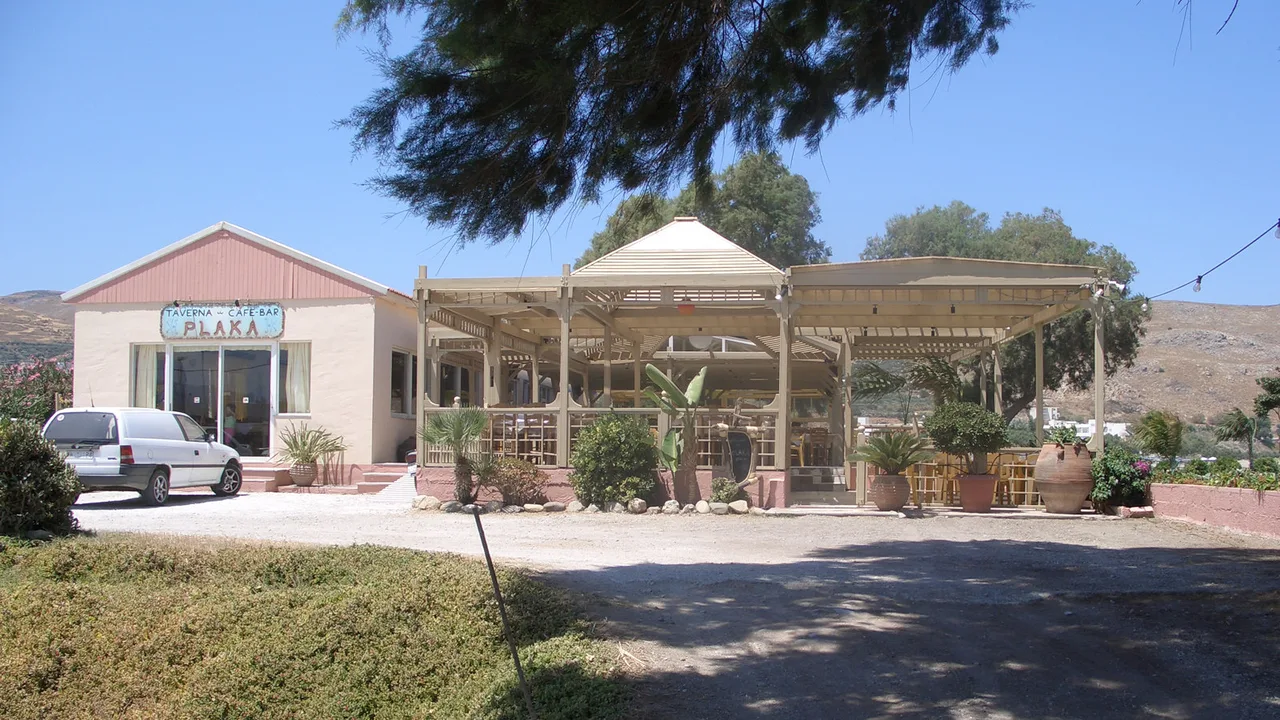
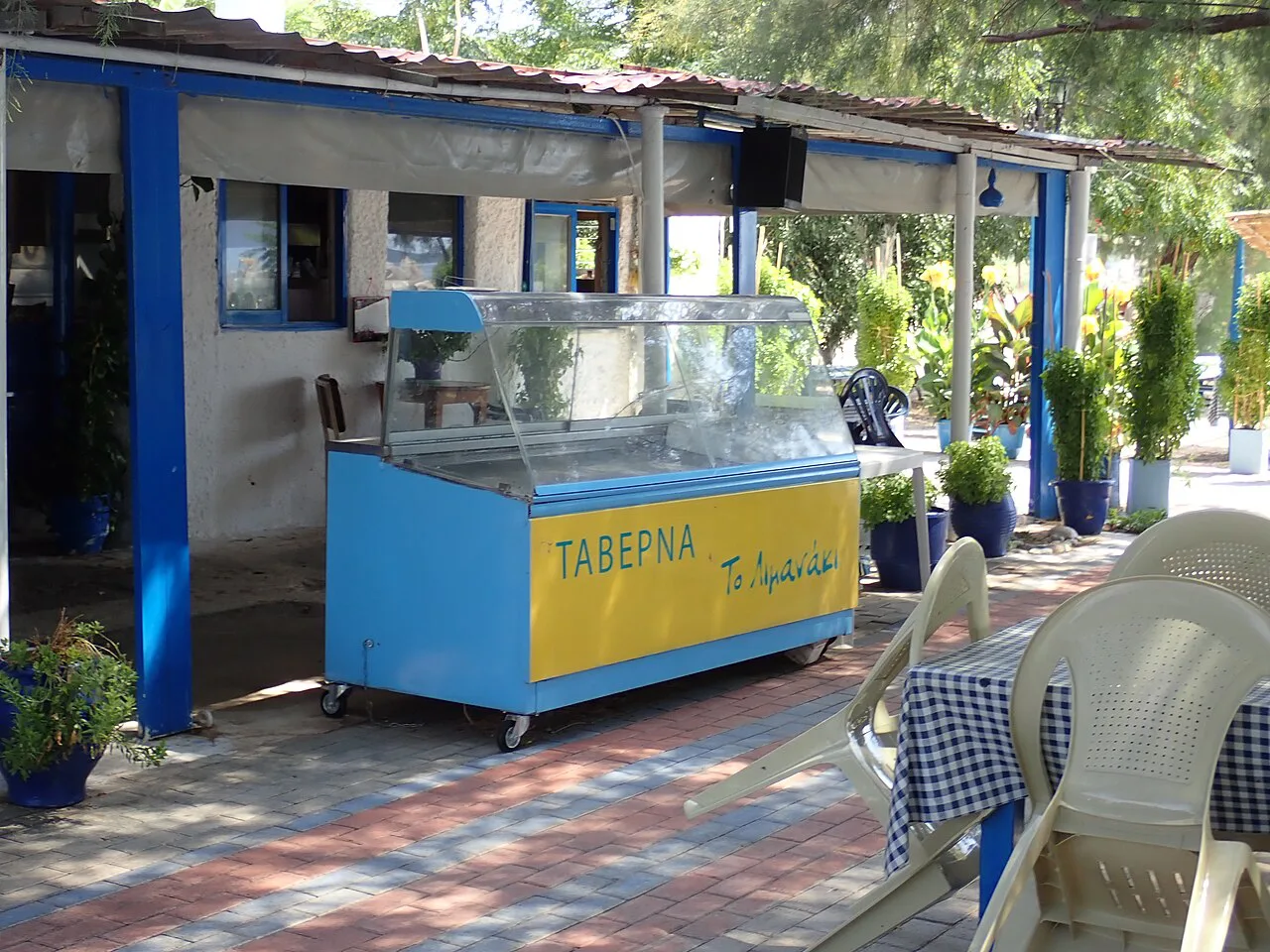
Where you sit matters as much as what you order. HotelsCombined notes tavernas and cafes along the Kos Town harbour and names Elia and Nick the Fisherman for seafood in Kos Town, both of which sit in the view-and-convenience bracket rather than the value bracket.
Self-Catering and Bakery Breakfasts
Grocery data for Kos suggests bread around 1.43 euros a loaf, local cheese near 4.98 euros for 500 grams, eggs about 3.59 euros a dozen, milk near 2.09 euros a litre and tomatoes at roughly 1 euro a kilo. Those figures come from crowd-sourced cost-of-living entries rather than shop receipts, so use them as a rough guide.
A bakery breakfast of bread, cheese, tomatoes and fruit therefore costs a fraction of a cafe breakfast for two, and it frees budget for a proper lunch. If you are cooking in an apartment, buying produce at a market or greengrocer in Kos Town is usually cheaper than a resort mini-market, and the dish-by-dish guide to what to eat in Greece helps you turn those ingredients into a proper meal.
Beach Costs: Sand, Sunbeds and Service
That distinction is the difference between a cheap beach day and a spendy one, and it is usually visible before you sit down.
Add the drinks you order to the sunbed figure and a beach day at a serviced club can easily reach the price of a taverna lunch; on free sand, the same hours cost only what you carry in. South-coast beaches near Kefalos and Kardamena are named among the island's main stretches, and resort beaches tend to be the organised ones.
Accommodation: Rates, Seasons and Booking Windows
Kos hotel data updated in October 2026 shows an average nightly rate near 197 dollars across 718 properties, with the cheapest listings from about 26 dollars and top-rated resorts well above 250 dollars. These are aggregator averages for the dates searched, not fixed prices, so the same room can move a lot week to week.
The monthly spread is the argument for shoulder-season travel: January averages about 34 dollars a night and August about 509 dollars, according to the same dataset. May, June, September and October usually give warm sea and open restaurants without August pricing.
On booking timing, the aggregator's data points to reserving roughly 73 days ahead for better rates, with the lowest sampled price at that window around 120 dollars a night. For August and for family rooms, earlier is safer; for May and October, a shorter lead time is usually fine.
Getting Around: Hire Cars, Scooters and Bicycles
These are entry rates and rise with model, season and rental company.
The trade-off is range versus hassle. A bicycle covers Kos Town and Lambi cheaply, a scooter handles nearby beaches but not long runs to Kefalos in comfort, and a car makes sense for two or more people heading to the Asklepieion or the south coast. Rental cars are also available at Kos International Airport, which saves a taxi transfer if you arrive late.
For a rough taxi benchmark, cost-of-living data lists a downtown trip of about 8 kilometres at roughly 17.94 euros, though metered fares vary and should be confirmed with the driver. A monthly transit pass is listed near 44.85 euros, which matters only if you are staying long enough to use the bus network daily.
Ancient Sites and Paid Attractions
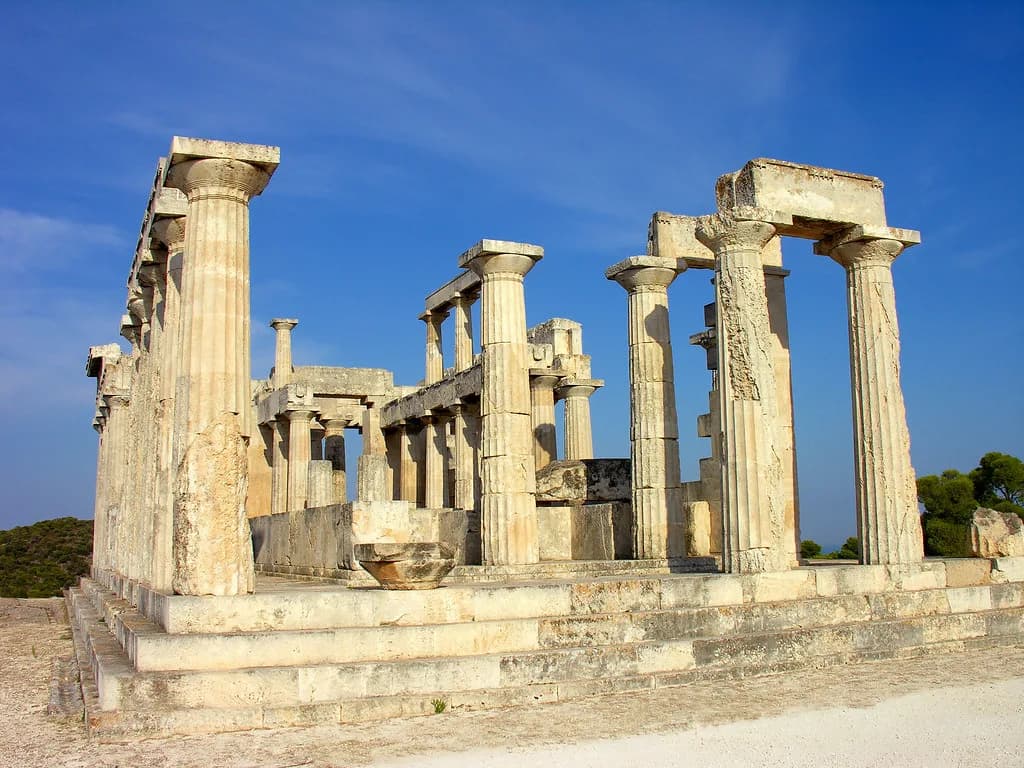
The Asklepieion of Kos, the ancient healing sanctuary inland from Kos Town, is the island's headline archaeological site, and Kos Town itself holds the 15th-century Neratzia Castle at the harbour entrance, the Ancient Agora and the plane tree at Plateia Platanou. Family outings such as Lido Water Park and the Natural Park of Zia sit in a different price bracket and should be checked directly. If you want to compare it with the mainland's headline ruins, a guide to the Acropolis of Athens and other ancient sites in greece sets out what each entry fee buys.
Kos Guide describes the island's paid attractions as usually budget-friendly, which means entry tickets are rarely the line that breaks a budget. Cutting sightseeing is a poor way to save money on Kos compared with adjusting where you sleep and eat.
If archaeology is the reason for the trip, the wider guide to ancient sites in greece covers how ticketing works across the country so you can plan which sites justify an entry fee.
Kos Town versus the Resorts
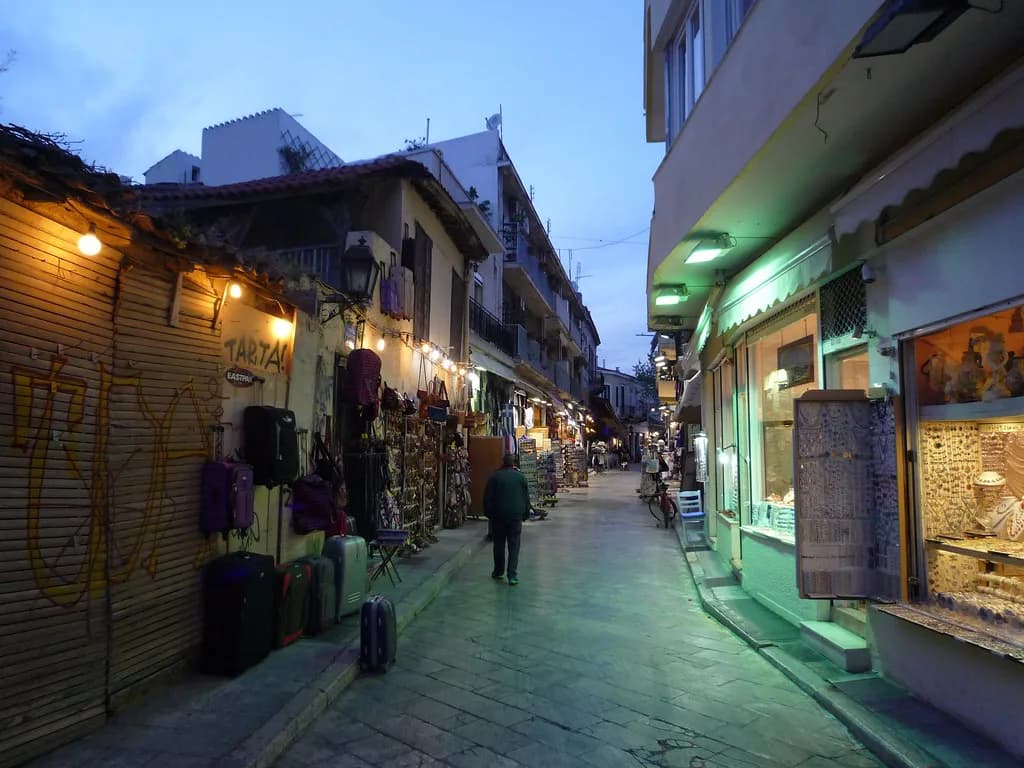
Kos Town concentrates the harbour-front restaurants, the bazaars and the affordable back streets within a few hundred metres, so you can trade view for value by walking one block inland. Resort areas such as Marmari, Psalidi, Lambi and Tigaki put you near the beach but narrow your choice to hotel restaurants and beach bars.
A practical pattern is to sleep in the resorts for the beach and eat in Kos Town or village tavernas for value, using a car or scooter to close the gap. If you are comparing islands rather than neighbourhoods, the cheapest greek islands guide shows where Kos sits against alternatives in the same archipelago.
Sample Three-Day Budget for a Couple
A lean three-day version: bakery breakfasts, gyros pita lunches, one shared sunbed set, simple taverna dinners and bicycles comes to a modest food and beach total, with accommodation chosen from the lower end of the October 2026 data.
Add a hire car for one of the three days at the quoted starting rate and the transport line stays below the cost of one dinner, which is why many couples rent for a single day rather than the whole stay. For a national comparison of these totals, see what a trip to greece costs.
Money-Saving Trade-offs and Common Mistakes
The most common budgeting error is treating August as the default month: hotel data shows the spread between January and August is enormous, and shoulder-season travel saves more than any restaurant choice. The second is paying for a sunbed set without realising drinks are extra on top.
Other reliable savings: drink coffee at a kafeneio rather than a beach bar, order gyros pita at lunch and save sit-down meals for evening, buy picnic supplies from shops rather than resort mini-markets, and hire a scooter for two people only if you are comfortable riding. Renting a car for a single day covers the far sights without paying for parking all week.
Plan Your Visit
Kos rewards planning more than penny-pinching: the biggest lever is when you go, the second is where you sleep and eat relative to the beach, and the smallest line is usually the archaeological tickets. Price out a shoulder-season trip, budget the middle of the quoted food ranges, and keep one paid beach day as a treat rather than the routine.
Before you book, check current prices directly with your accommodation, the hire company and the official site for any paid attraction, since the figures here are published estimates from October 2026 and move with the season.
Explore more Greece sauna guides
Frequently Asked Questions
Is Kos expensive to visit?
Kos sits in the middle of the Greek island range. Food and drink are modest if you eat gyros pita and kafeneio coffee, while accommodation in August is where costs climb sharply. Booking in shoulder months keeps the total well below peak summer.
How much does a day on Kos cost?
A lean day of bakery breakfast, gyros lunch, shared sunbed and simple dinner costs far less than a day with beach-bar drinks, a hire car and a multi-course dinner. The gap comes mostly from accommodation, transport and how many drinks you order at serviced beaches.
How much is a meal for two in Kos?
A multi-course dinner with mains, salad, appetisers and drinks sits at the top of the island's food spending, while simple lunches cost a fraction of that. The local tourist guide publishes the current band for a dinner for two, so check it before you budget.
How much is a gyros pita in Kos?
Gyros pita is one of the cheapest meals on the island. It is pork or chicken carved from a spit and wrapped in flatbread with tomato, onion, chips and tzatziki. Kos Guide publishes the current range, and back-street shops charge less than beachfront ones.
Are sunbeds free on Kos beaches?
Some beaches offer free sunbeds provided you buy drinks and snacks, while organised beaches with rental and waiter service charge for the set. Check the price board before sitting down, since the charge is usually per set rather than per person.
How much is car hire in Kos per day?
Hire rates depend on the vehicle: cars, scooters, ATVs and buggies all start at different levels, and prices rise with model and season. The local tourist guide lists current starting rates, so compare a few companies before committing.
What is the cheapest month to stay in Kos?
Aggregator data points to January as the cheapest month and August as the most expensive by a wide margin. For swimming weather at reasonable prices, May, June, September and October are the practical compromise.
How far ahead should you book a hotel on Kos?
The aggregator data suggests booking roughly 73 days ahead for better rates. For August and for family rooms, book earlier; for shoulder season, a shorter lead time is usually manageable.
Sources
Notes for eating well in Greece
Optional updates to our guides.
You might also like
Continue reading
More guides you'll find useful