Getting Married in Greece: A Guide for Foreign Couples
How foreign couples can legally marry in Greece: civil versus religious ceremonies, documents, translation steps, and why a blessing alone is not binding.
On this page
Greece allows foreign couples to marry without living there, but the ceremony you book determines whether the marriage is legally recognised. A town hall civil ceremony and certain religious ceremonies carry legal weight, while a blessing or humanist ceremony on a terrace does not. Deciding which route you want before you shortlist venues prevents the common trap of booking a setting for a ceremony that has no legal status.
Quick answer: can you marry in Greece without living there?
Yes. U.S. citizens, for example, may marry in Greece in a civil ceremony, a religious ceremony, or both, and residency is not required, according to the U.S. Embassy. The same holds for other foreign nationals, though the paperwork varies by nationality and municipality.
Can US citizens legally get married in Greece? Yes. U.S.
Are you legally married if you get married in Greece? Only if you complete a legally recognised ceremony: a civil ceremony at the municipality or one of the recognised religious ceremonies. A blessing or humanist ceremony on its own is not legally binding, and couples who choose one must also complete an official civil ceremony, in Greece or at home.
What documents do foreigners need to marry in Greece? Typically full birth certificates for both partners, a certificate of no impediment or marriage licence, passports, and divorce, adoption or name-change certificates where relevant. Translations and certification such as an apostille are usually needed.
The practical distinction is between three routes: a civil ceremony, a legally binding religious ceremony, and a private blessing or humanist ceremony that carries no legal effect on its own. Only the first two produce a marriage that Greek authorities register. Couples who want a scenic, personalised ceremony often hold one of those and complete the legal step separately.
Civil ceremony in a Greek town hall
Civil ceremonies in Greece are typically performed by the mayor and take place at the town hall, the mayor's office or another municipal building. A couple's hotel or resort may also be an approved venue, but that approval comes from the municipality, not the hotel. Ask the local registry office directly whether your preferred setting is on its approved list.
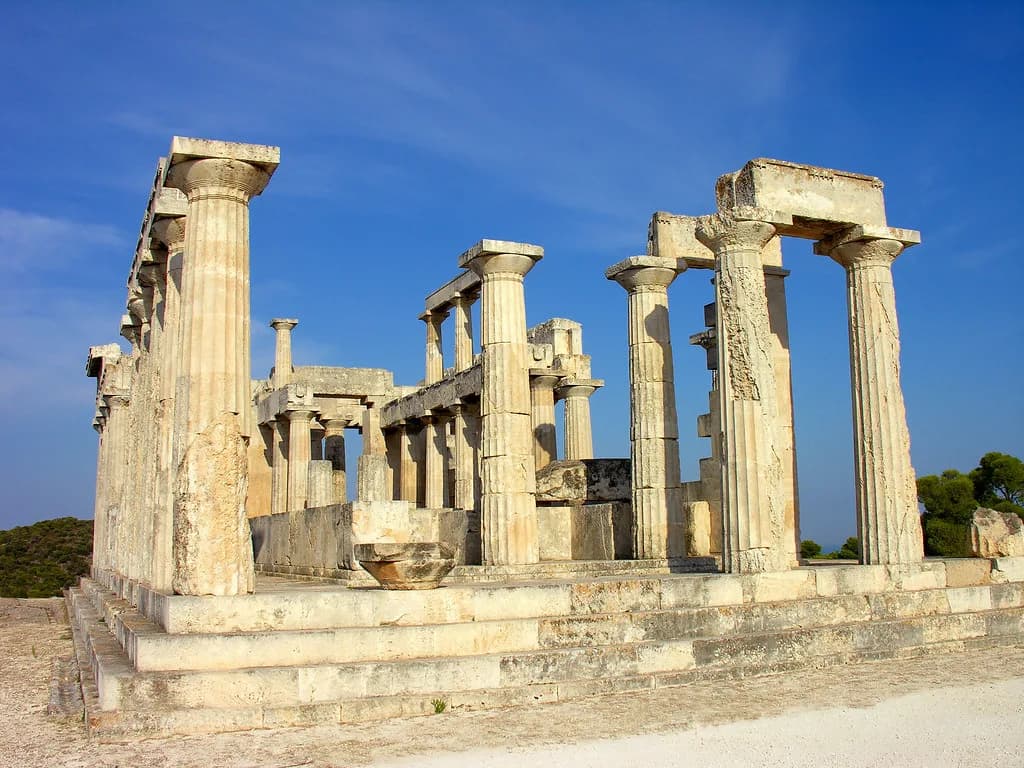
One firm constraint shapes venue choice: civil ceremonies cannot be held at archaeological sites. If you have pictured vows inside a ruin, plan the legal ceremony elsewhere and visit the site on another day. A guide to ancient sites in greece is useful for choosing which monuments to see separately from the ceremony itself, and it pairs naturally with planning what to eat in Greece around the rest of the trip.
Couples also need a wedding notice published in a local Greek-language newspaper before applying for the marriage licence. One wedding resource reports the notice must run at least eight days before the licence application; treat that as reported practice rather than a fixed national rule and confirm the exact window with the municipality handling your ceremony.
Religious ceremonies: which faiths are recognised
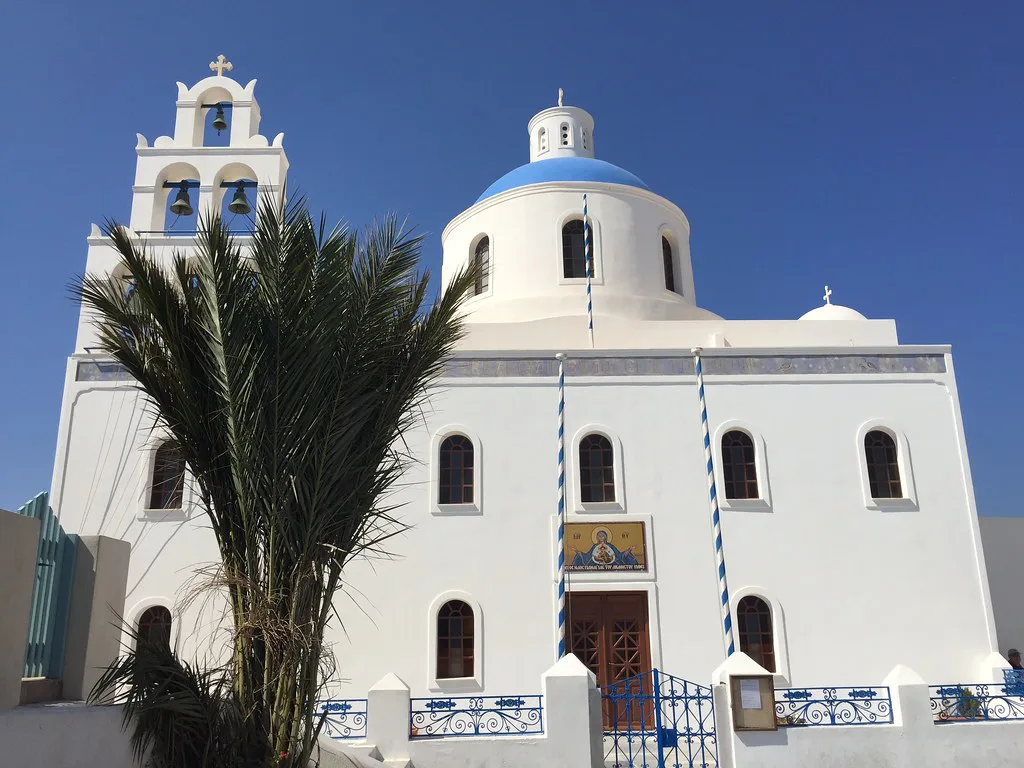
A religious ceremony is legally binding in Greece only within defined limits. Greek Orthodox ceremonies require at least one partner to be Greek Orthodox, Protestant ceremonies require a Protestant partner, and Catholic ceremonies require both partners to be Catholic with neither previously divorced. Jewish ceremonies are also recognised when both partners are Jewish. If your plans also include sightseeing around the ceremony, a guide to ancient sites in greece helps you pick which ruins to visit on a free day.
Greek law does not permit a religious marriage between a Christian and a non-Christian, which rules out a church wedding for some interfaith couples. If that applies to you, the civil route is the legal option, with a blessing added if you want a religious or personal tone. Confirm your own eligibility with the municipality and the relevant religious authority before paying any deposit.
Blessing or humanist ceremony: what it is and what it does not do
A wedding blessing or humanist ceremony is private and non-denominational, and it can be held almost anywhere: a restaurant, a private villa, a beach or an olive grove. There is no legal requirement for a licensed building or a set structure, so the couple and the celebrant shape the readings, music and vows. This flexibility is exactly why these ceremonies suit elopements and small destination weddings.
The trade-off is legal status. A blessing or humanist ceremony does not create a legally binding marriage in Greece; couples must also complete an official civil ceremony. Many do the legal step at home before travelling, then hold the ceremony in Greece. If that plan appeals, an elopement in Greece guide can help you weigh a small legal ceremony against a larger celebration.
Document checklist for foreign couples
Expect to supply full birth certificates for both partners, a certificate of no impediment to marriage or a marriage licence, and valid passports. Divorce, adoption or change-of-name certificates are also requested where they apply. Couples planning an Orthodox wedding should note that both parties normally need to be baptised Orthodox.
Requirements differ by nationality and by municipality, and they change. The U.S. Embassy in Athens is the authority for American citizens, and your own embassy publishes the current list for its nationals. Request the municipality's own checklist in writing rather than relying on a venue's summary, because the registry office is what accepts or rejects the file.
Translation and licence steps
Documents issued abroad generally need translation into Greek and, in many cases, formal certification such as an apostille or consular legalisation. Which documents need which treatment depends on the issuing country and the municipality. Ask the registry office which translations it accepts and whether it requires a specific translator or accreditation before you pay for anything.
The newspaper notice and the licence application are sequential, not simultaneous. Build the publication window into your timeline before you fix a ceremony date, because a notice that runs too late delays the licence and therefore the wedding. A wedding planner used by the venue can usually describe the local sequence, but the municipality remains the authority on timing.
Same-sex marriage in Greece
Same-sex civil marriage has been legal in Greece since 16 February 2024, as reported by a wedding planning resource. That makes the civil ceremony route open to same-sex couples on the same terms as any other civil marriage. Confirm the current position with the municipality that will handle your file, since local procedures and document lists are set at that level.
For couples marrying abroad, planning often starts with the setting. Santorini is the obvious draw for caldera views, and a Santorini Wedding Guide covers the practical side of ceremony planning on the island. Consider whether a cliffside setting matters more than easy access for guests, since caldera villages involve steps and steep paths.
Costs and packages: what the figures cover
Published package prices vary widely and rarely describe a complete wedding. One UK operator advertises Greece wedding packages from a low headline figure, but that number shifts with destination, guest count and what the package includes; flagship locations such as Santorini and Halkidiki tend to cost more.
Municipal fees, translations, certified copies of documents, celebrant charges and travel are usually separate from any package price. The packet does not establish current document or translation fees, so ask the municipality and your translator for quotes rather than budgeting from a blog figure. Get the inclusions in writing before comparing two packages side by side.
Timing around Greek seasons and public holidays
Municipal offices and translators keep Greek public holiday hours, and two dates catch people out: Greek Independence Day on 25 March and Ochi Day on 28 October. Labour Day on 1 May and the standard religious holidays also close offices. If your licence application falls near one of these, allow extra working days.
April to November is often described as the good time to go for weather, but that is a travel guideline, not a statement about venue availability or municipal opening hours. Wedding venues may keep their own seasonal calendars, so ask each venue directly about your dates. For the wider planning picture, from ceremony style to the reception table, see the wedding in greece hub.
Common mistakes that stall an application
The most frequent problems are a blessing ceremony mistaken for a legal marriage, missing certified translations, and a newspaper notice published too close to the ceremony date. Another is assuming a hotel or winery is approved for civil ceremonies without checking with the municipality. Each of these is fixed by asking the registry office early.
Couples also underestimate how much the setting shapes the day. Island ceremonies often mean guests travel by ferry and stay several nights, so a compact plan with one venue for both ceremony and meal usually works better than moving between locations. If your plans point to the Ionian, a Corfu Wedding Guide covers that island's options, while a Rhodes Wedding Guide does the same for the Dodecanese. For the days around the wedding, our guide to Things to Do in Corfu: Town Sights, Coasts and Food helps guests plan their stay.
Check Current Details Before You Commit
Requirements for marrying in Greece are set by nationality and by municipality. Before paying a venue deposit, get the document list and the licence timeline in writing from the registry office that will handle your file, and cross-check with your embassy. Then fix the ceremony date around the notice period, not the other way round.
Once the legal side is settled, the planning gets more enjoyable. A Santorini Elopement Guide is a sensible next read for small ceremonies on the caldera, and the food side of the trip deserves attention too: what to eat in Greece covers the dishes worth building a wedding meal around.
Frequently Asked Questions
Can US citizens legally get married in Greece?
Yes. U.S. citizens may marry in Greece in a civil ceremony, a religious ceremony, or both, and do not need to reside there. The U.S. Embassy in Athens publishes the current document requirements, and the municipality handling the ceremony confirms what it will accept.
Are you legally married if you get married in Greece?
Only if you complete a legally recognised ceremony: a civil ceremony at the municipality or one of the recognised religious ceremonies. A blessing or humanist ceremony on its own is not legally binding, and couples who choose one must also complete an official civil ceremony, in Greece or at home.
What documents do foreigners need to marry in Greece?
Typically full birth certificates for both partners, a certificate of no impediment or marriage licence, passports, and divorce, adoption or name-change certificates where relevant. Translations and certification such as an apostille are usually needed. The municipality's own checklist is the one that counts.
Do you have to live in Greece to get married there?
No. Foreign nationals can marry in Greece without residency. Non-citizens who do live in Greece need a residence permit for the process, according to a wedding planning resource, so confirm your status with the municipality before applying.
Is a humanist or blessing ceremony in Greece legally binding?
No. A blessing or humanist ceremony is private and non-denominational and can be held almost anywhere, but it does not create a legal marriage. Couples hold it alongside, not instead of, a civil ceremony.
How far in advance must a wedding notice be published in Greece?
A wedding resource reports that the notice must appear in a local Greek-language newspaper at least eight days before applying for the marriage licence. Treat that as reported practice and confirm the exact window with your municipality, since it affects your ceremony date.
Can same-sex couples marry in Greece?
Same-sex civil marriage has been legal in Greece since 16 February 2024. Local document requirements apply, so check the procedure with the municipality handling your file.
Do we need to book a venue before the legal paperwork?
Check the municipality first. Ask whether your chosen venue is approved for civil ceremonies, what documents are required and how long the licence takes. Booking a venue before confirming the legal route risks paying for a setting where the ceremony cannot legally take place.
Sources
Notes for eating well in Greece
Optional updates to our guides.
You might also like

Continue reading
More guides you'll find useful