Corfu Churches: Which of Greece's Iconic Churches to Visit
Plan a visit to Corfu's churches, from Saint Spyridon in Corfu Town to hilltop monasteries, with walking times and respectful visiting advice.
On this page
Corfu's churches fall into two useful groups for planning: the town churches you can reach on foot in Corfu Town, and the monasteries that need a car or bus and pair naturally with a beach or a viewpoint. This guide sorts the best-known ones by area, explains what each suits, and keeps the practical detail honest where organisers have not published firm information.
The island's churches are active places of worship first and sightseeing stops second, so the advice below covers dress, quiet and photography alongside distances and timing. Where opening hours, entry rules or feast-day arrangements matter, the reliable move is to ask at the church itself or your accommodation shortly before you go rather than trust a cached listing.
Saint Spyridon Church: Corfu Town's Most Visited Church
Saint Spyridon is the church most visitors associate with Corfu, and it sits in Corfu Town, which makes it the easiest to fold into a town walk. It is also the one sightseeing stop in the old town that draws a steady stream of visitors rather than only congregants, so expect company rather than solitude. Treat it as a short, quiet stop of fifteen to twenty minutes and build the rest of your walk around it; if you prefer ruins to relics, the guide to ancient sites in greece covers the mainland alternative.
Is Saint Spyridon Church worth visiting in Corfu? It is the church most visitors to Corfu Town put first, and it sits within easy walking distance of the central bus station. Treat it as a short, respectful stop of fifteen to twenty minutes and pair it with other old-town churches and a meal nearby.
How far is Saint Spyridon Church from the Corfu Town bus station? It is described as an 8-minute walk from the central bus station and an 11-minute walk from a nearby parking lot, so it makes a sensible first stop if you arrive by bus.
Which churches should I visit in Corfu with one day? Keep it to two or three old-town stops such as Saint Spyridon and Ypapanti in the morning, then a sit-down lunch. Add Paleokastritsa or Pantokrator only if you have a car and a separate half-day.
Getting there on foot is straightforward: the church is described as an 8-minute walk from the central bus station and an 11-minute walk from a nearby parking lot. If you arrive by bus from elsewhere on the island, that timing makes Saint Spyridon a sensible first stop before the old town lanes pull you away.
The sources here do not publish interior details, opening hours or any rules about the relics, so plan to learn the specifics on site or from the church itself. What you can rely on is the location and the impressive, icon-heavy interior typical of Ionian town churches; go in with curiosity rather than a checklist. If you want a deeper run of religious and museum stops across the country, the broader guide to museums in greece is a useful companion.
Timing a Visit to Saint Spyridon
Morning is the practical window in Corfu Town: the light is cooler, the lanes are quieter before the day-trippers arrive, and you can combine the church with a market or bakery stop afterwards. Midday heat in summer makes an unshaded old-town walk uncomfortable, so a short church visit fits best either early or in the late afternoon.
Because no source here confirms afternoon closing or midday breaks for this church, do not build a tight itinerary around an assumed schedule. Check the notice on the door when you pass, or ask your host, and keep the visit flexible enough to shift by an hour or two. That applies across the island too, where many churches keep shorter hours outside the main season.
Corfu Town's Other Churches on a Walking Route
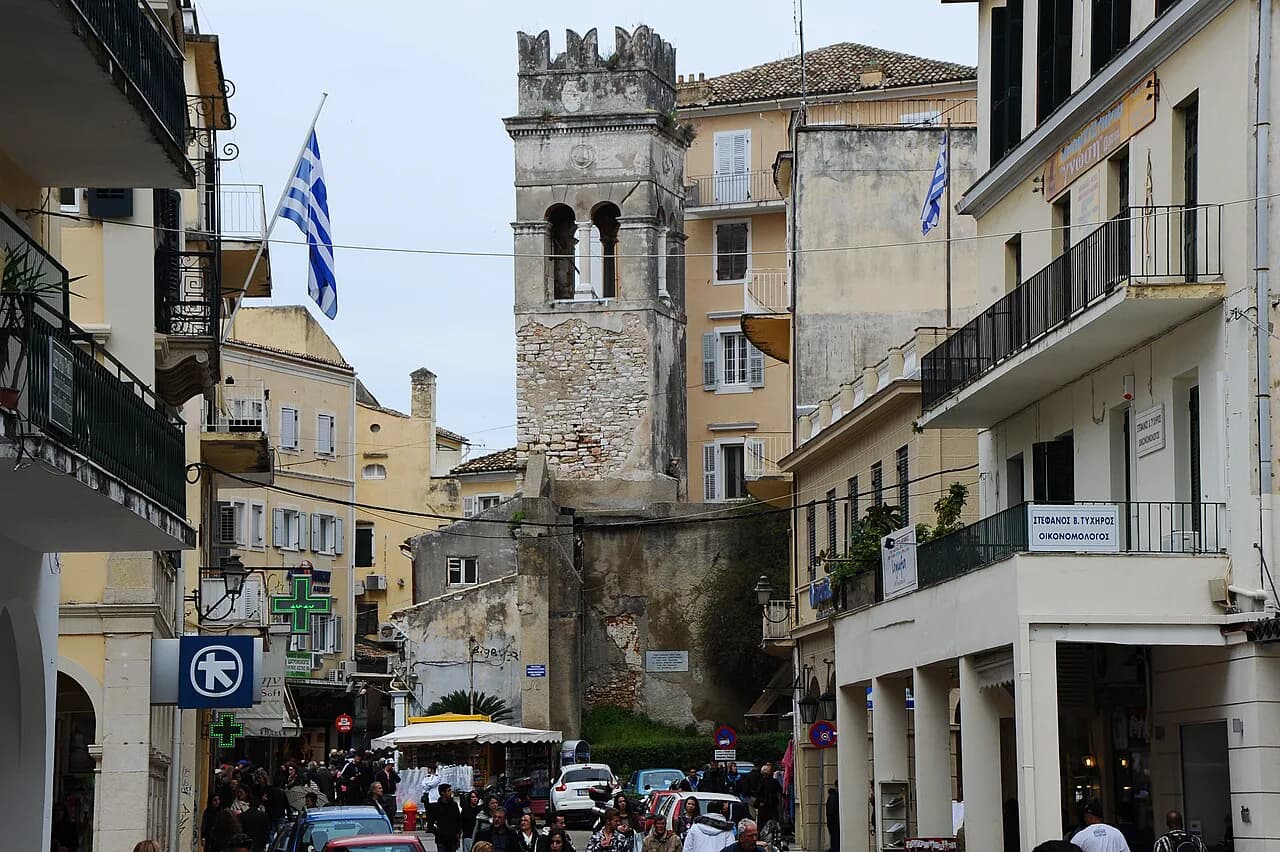
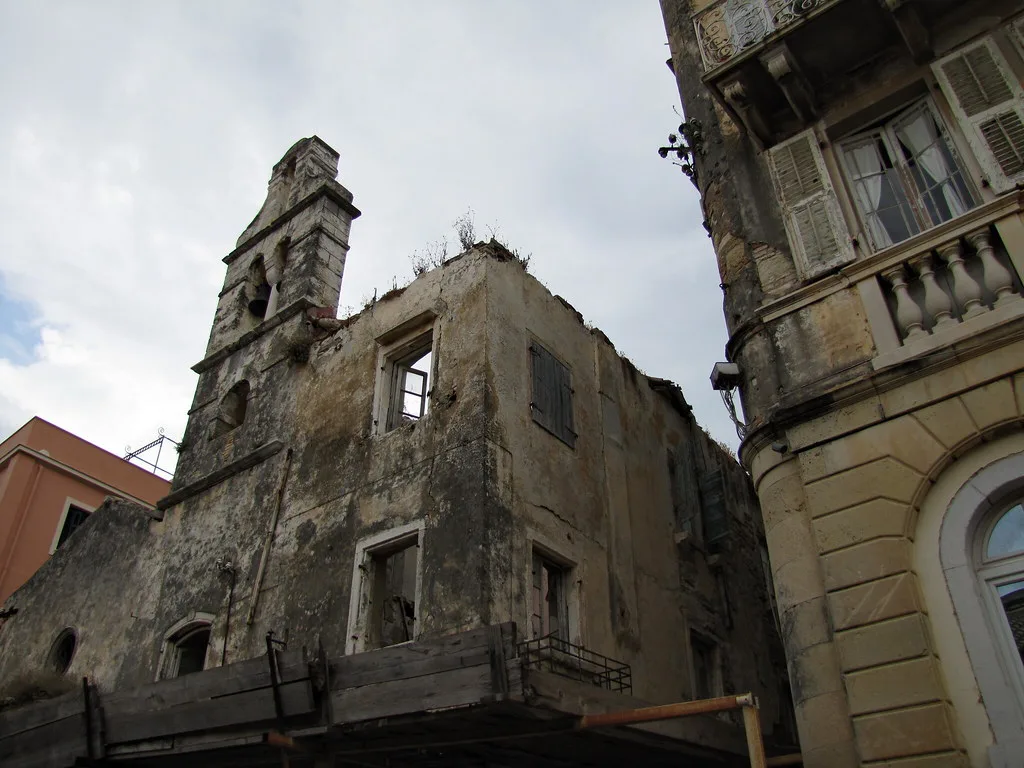
Beyond Saint Spyridon, the town has several churches worth threading into a single loop, including Ypapanti, which appears in listings of Corfu's churches and cathedrals. Rather than chasing every one, pick two or three close together and walk between them, treating each as a five- to ten-minute pause. The old town's scale makes this easy; distances are short and the lanes themselves are the attraction.
A workable route starts at Saint Spyridon, moves through the old town lanes, and ends near a café or bakery for a sit-down. The trade-off is depth versus breadth: three churches seen slowly beat eight seen from the doorway. If you are building a longer church-focused itinerary across the islands, see the parallel guides to santorini churches and to rhodes churches for how island towns handle their religious architecture.
Paleokastritsa Monastery: The West-Coast Anchor
Paleokastritsa Monastery is the island's best-known monastery and the natural anchor for a west-coast day. It sits above the Paleokastritsa bay area, so you can pair a morning visit with a beach afternoon in the same trip. The drive from Corfu Town takes roughly half an hour by car, longer by bus, so give it a proper half-day rather than a rushed detour.
The monastery's position is the point: elevated, green and overlooking the water, it rewards the climb with views rather than a long interior circuit. Wear shoes that handle steps and uneven paving, and keep shoulders and knees covered as you would in any working religious site. Entry arrangements and any suggested donation are not fixed in what is published here, so check at the gate rather than budgeting a specific figure.
Paleokastritsa pairs neatly with a beach and a taverna lunch, which makes it the most family-friendly of the island's monastery stops. If you would rather spend the day on ancient and archaeological sights, see the guide to ancient sites in greece for mainland alternatives.
Monastery of Pantokrator: The Hilltop Trade-Off
The Monastery of Pantokrator sits high on the island's northern massif and is the option for travellers who want the view more than the building. The trade-off is real: the drive up is winding and slow, and the reward is a panorama over the island and, on a clear day, toward the mainland. If anyone in your group is prone to carsickness, take the ascent gently and skip it on a hazy day.
Budget more time for the road than the visit; the monastery stop itself is short, and the drive is the bulk of the outing. Combine it with a northern-coast beach or a village lunch rather than making a special trip only for the summit. As with the coastal sites, do not assume a fixed daily schedule; confirm at your accommodation before setting out.
Holy Trinity Corfu: The Island's Anglican Church
Holy Trinity Corfu is the island's Anglican church, part of the Church of England's Diocese in Europe, and it welcomes Christians of all denominations and visitors curious about the faith. Its resident congregation is international, and in summer it hosts weekday events in Cafe Logos and the library alongside Sunday worship. For English-speaking travellers, it is the most predictable stop if you want to attend a service in your own language.
The summer pattern is the key planning detail: visitor numbers rise in the warmer months, and the chaplaincy's programme shifts with that rhythm. Check the church's own website for service times and event dates before you go, since those change seasonally and are not fixed here. If you are exploring the island's religious landscape more broadly, the guide to oia churches shows how another island handles its chapel-and-view combination.
Vlacherna Monastery and Mouse Island
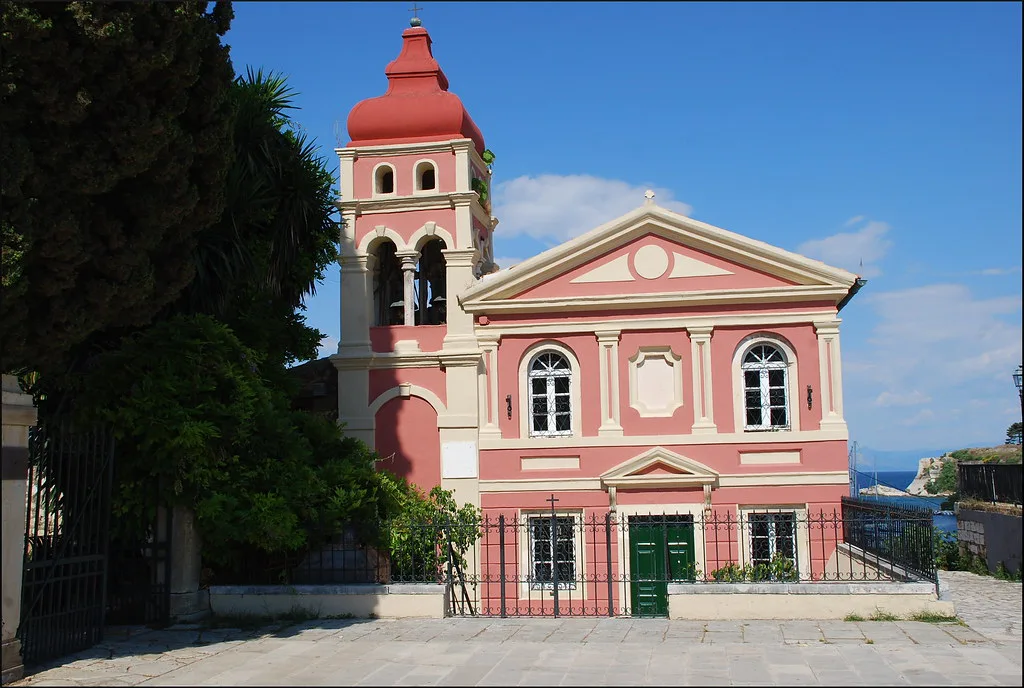
Vlacherna Monastery and the Mouse Island area near Corfu Town provide the postcard shot that appears on most visitors' cameras: a small white chapel on its own islet, reached by a short causeway. The visit is short, more a photo stop than a long exploration, and that is the honest expectation to set. It works best as a twenty-minute pause on the way to or from the airport side of the island.
The area is popular, so early morning or late afternoon gives you a calmer frame and better light than the midday rush. Confirm locally whether the chapel itself is open when you arrive; the causeway view is available regardless, which makes it a low-risk stop. Pair it with Corfu Town rather than a separate trip.
Dress, Behaviour and Photography Inside Churches
In Corfu's working churches, dress modestly out of respect: covered shoulders and knees are the safe rule, and a light scarf or shirt in your bag solves the problem in summer heat. Keep voices low, step aside from anyone praying, and avoid flash photography or photographing worshippers. If a service is underway, wait or return later rather than walking through.
These are active places of worship, not museums with fixed visitor routes, so behaviour matters more than any ticket. If you want a model for how Greek religious sites handle visitors, the guide to museums in greece covers the museum side of that etiquette.
Pairing Churches With Food and Beaches
The best church days in Corfu combine a town stop with a meal. After Saint Spyridon, walk into the old town lanes for a taverna lunch or a bakery stop, and use the opportunity to try local dishes such as pastitsada, a spiced braised-meat pasta, or bourdeto, a tomato-and-onion fish stew from the Ionian islands. If you want a wider menu, the guide to what to eat in Greece explains the dishes in plain terms.
On the west coast, the Paleokastritsa monastery visit slots neatly into a beach day, with lunch at one of the bay's tavernas. For a change of pace, the museums in santorini guide shows how another island combines beach and sightseeing days. Reserve the sit-down meal for after the monastery rather than before, so the walking is done first.
Common Planning Mistakes
The most common error is assuming every church is open all day. Island churches keep shorter seasonal hours, and many close for part of the afternoon, so treat any single online listing as a hint rather than a guarantee. The second mistake is overloading a single day with too many stops; two churches and one monastery is a full programme.
A third mistake is treating the monasteries as free add-ons to a beach trip without allowing for the drive. Ask your accommodation or the monastery itself about current details before committing to a route, and leave slack in the day. If you are extending the trip to Rhodes or Santorini, the same rules apply, and the corresponding island guides are worth a read before you go. Planning a mainland leg around ruins rather than churches? The guide to ancient sites is the place to start.
Plan Your Corfu Church Day
Start with Saint Spyridon in Corfu Town, add one or two old-town churches on foot, and reserve a separate day for Paleokastritsa or Pantokrator if the views appeal. Dress modestly, keep visits short and quiet, and confirm opening arrangements locally rather than relying on a listing. That balance of planning and flexibility makes for a better day than a packed checklist.
Food fits naturally around the churches: a town lunch after Saint Spyridon, a bay-side taverna after Paleokastritsa. Where hours, prices or feast-day events matter, check with the church or your host, since those details change seasonally and are not fixed in published sources.
Explore more Greece sauna guides
Frequently Asked Questions
Is Saint Spyridon Church worth visiting in Corfu?
It is the church most visitors to Corfu Town put first, and it sits within easy walking distance of the central bus station. Treat it as a short, respectful stop of fifteen to twenty minutes and pair it with other old-town churches and a meal nearby.
How far is Saint Spyridon Church from the Corfu Town bus station?
It is described as an 8-minute walk from the central bus station and an 11-minute walk from a nearby parking lot, so it makes a sensible first stop if you arrive by bus.
Which churches should I visit in Corfu with one day?
Keep it to two or three old-town stops such as Saint Spyridon and Ypapanti in the morning, then a sit-down lunch. Add Paleokastritsa or Pantokrator only if you have a car and a separate half-day.
What should I wear when visiting churches in Corfu?
Cover your shoulders and knees, and carry a light scarf or shirt in summer. Dress is about respect for a working place of worship, not a formal rule printed at the door.
Are Corfu churches open in the afternoon?
Some are, some are not, and the pattern changes seasonally. There is no reliable published schedule for every church, so check the notice on the door or ask your accommodation on the day.
Where is the Anglican church in Corfu?
Holy Trinity Corfu is the island's Anglican chaplaincy and welcomes visitors of all denominations. Check its own website for current service times and summer events.
Sources
Notes for eating well in Greece
Optional updates to our guides.
You might also like

Continue reading
More guides you'll find useful