Can You Drink Tap Water in Greece? Island and City Guide
Tap water in Greece is generally drinkable, but taste and salt vary by island and city. Here is how to judge it, refill a bottle, and order water at meals.
On this page
The tap water question splits travelers into two camps, and both are partly right. The general answer for Greece is that the water is drinkable, but taste varies enough from one place to the next that a single verdict does not help much when you are standing at a kitchen tap on day three of an island stay.
This guide separates the safety question from the taste question, because that is where most of the confusion starts. It covers what published sources say about Athens and the mainland, the places cited as having especially good water, the island exception of saltier supplies, and the practical side: community taps, refilling bottles, and how water works when you sit down at a taverna.
Quick Answer: Is Greek Tap Water Drinkable?
Published guidance on Greek tap water leans clearly toward yes. One long-running Greece travel resource states plainly that the water is fine to drink and that the idea it is dangerous is a myth, which matches the general experience of visitors who fill a bottle from the tap without incident.
Is Greek tap water safe to drink? For most of the country, published guidance treats the public supply as drinkable, and Athens in particular is described as having a reliable, safe system. The bigger variable is taste.
Do Greek people drink their tap water? Many do, and the practical rule that circulates among residents and repeat visitors is simple: if the water tastes fine, drink it, and if it does not, buy bottled. On islands where the supply is noticeably salty, locals buy bottled water for drinking too, so following local habits is a good guide.
Why does tap water taste salty on some Greek islands? Small islands often rely on boreholes or desalination rather than mountain springs, and some supplies carry enough salt to be unpleasant even where the water is otherwise fine. Koufonissi is a commonly named example.
The useful distinction is between drinkable and pleasant. A supply can be perfectly safe and still taste of chlorine, minerals or, on a few islands, salt, and that is the variable that decides whether you happily refill or reach for a bottle. Treat the safety answer as settled for most of the country and spend your attention on the local taste instead.
That also explains why online threads on the subject run for pages without agreeing. Older forum discussions about drinking water in Greece mix questions of safety with complaints about flavour, and the two get answered as if they were the same thing.
Why Water Tastes Different From Place to Place
Greek water comes from different sources depending on where you are: mountain springs and reservoirs on the mainland, boreholes and desalination on smaller islands, and a mix in coastal towns. Each source leaves its own signature, so the glass in Athens and the glass on a small Cycladic island can be quite different drinks even though both come out of a tap.
Salt is the exception worth knowing about before you arrive. The same source that describes Greek tap water as generally fine notes that some islands have noticeably salty water and names Koufonissi as an example, where buying bottled water makes sense.
Plumbing matters too. A building with old pipes or a storage tank on the roof can affect taste in ways the town supply does not, which is one reason two hotels on the same street can get different verdicts from guests. If the water in your room tastes off but the tap in a café down the road is fine, the building is the more likely culprit than the island.
Athens and the Mainland: What the Sources Say
Athens gets its water from a public supply that is described as reliable and safe to drink, so there is no reason to plan around bottled water in the capital. That holds for restaurants and hotel taps as much as for public fountains.
The mainland more broadly follows the same pattern, with quality varying by region rather than by any national rule. Mountain areas fed by springs are often praised for the taste, while low-lying coastal towns drawing on different sources can be more ordinary. None of this changes the basic answer, but it sets expectations for what the glass will actually be like.
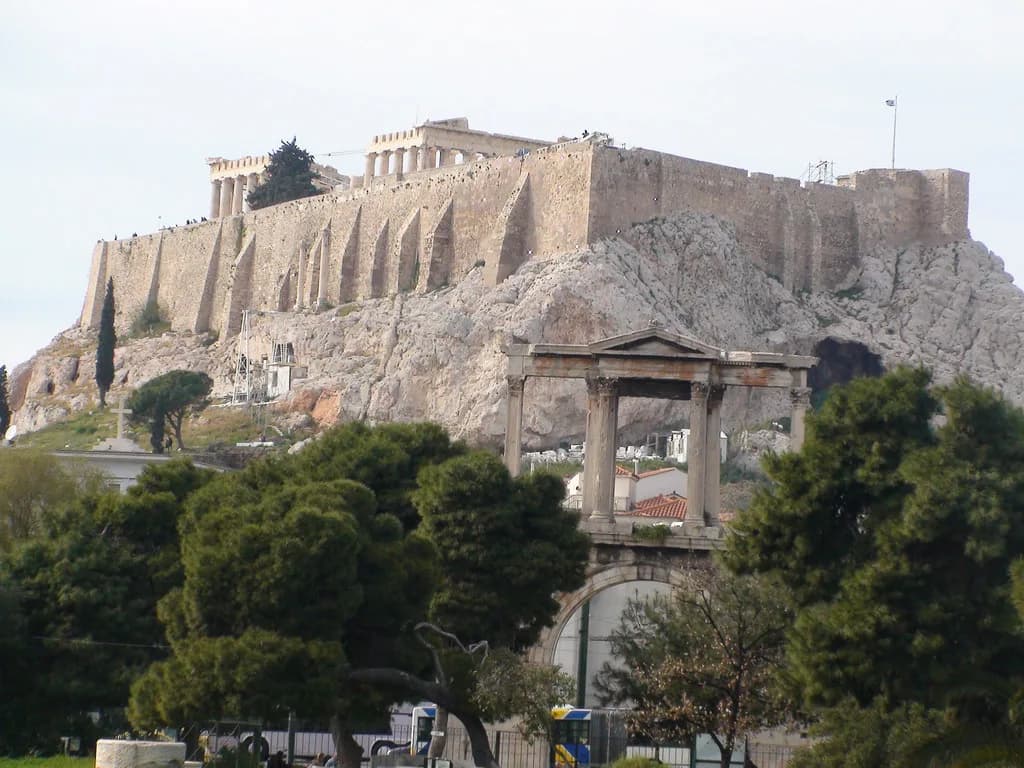
One practical consequence for a city day: you can carry a single bottle and top it up rather than buying water at every stop between sights. If you are mapping a walking route past the Acropolis of Athens or through the central market, plan a refill point instead of relying on a kiosk turning up when you need one.
Crete and Ikaria: Where Tap Water Is Praised
Crete and Ikaria are held up as examples of places where the tap water is not just acceptable but better than what you can buy in a bottle. The reason given is taste, with local supplies described as comparing well against packaged water.
For a traveler, that is a useful signal about how to spend money on a Cretan or Ikarian trip. It suggests you can drink from the tap at your room and carry a refilled bottle on walks and beach days, saving both the cost and the weight of shop-bought bottles. It does not mean every building on either island is the same, so let your own taste decide once you are there.
Crete also illustrates how much local variation exists within one island, since mountain villages and coastal resorts draw on different sources. The village square with a spring-fed tap and the beachfront apartment may not deliver the same glass, which is why the taste test below is worth using even in places with a good reputation.
Islands With Saltier or Less Pleasant Water
Where the water is salty, the fix is simple and cheap: buy bottled water for drinking and use the tap for everything else. The source that praises Cretan and Ikarian water singles out Koufonissi as an island where the salt content is high enough that buying water is the sensible choice.
Do not extend that verdict to every small island. Koufonissi is the named example of a saltier supply, while other islands, including the popular Cycladic destinations many travelers search for, are not covered by the published guidance. If you are heading somewhere not described, ask at your accommodation on arrival rather than packing a case of bottles from the mainland. The same holds for Santorini, where the supply varies by building, so it is worth seeing where to eat in Santorini and asking your host about the tap.
On islands that rely on desalination, the taste can also vary through the season as demand changes, so a report from July may not match October. That is another argument for judging the tap yourself within a day of arriving instead of relying on a review from a different year.
Community Taps and Wells: The Refill Option Travelers Miss
Public water taps and village wells are common in many parts of Greece, and they are the refill option most visitors never plan for. The same source recommends filling a bottle from them and notes that the water in these wells often tastes better than bottled water, with the example of a tap in Spili on Crete.
They are also easy to find if you ask. Locals know where the nearest community tap or well is, and a quick question at a kafeneio or your hotel usually gets you pointed in the right direction. On a hot walking day this is more useful than carrying several litres from a shop.
Two practical notes: not every tap marked on a map is drinking water, so check before filling, and village springs can slow to a trickle late in a dry summer. Carry a bottle with a wide mouth, since filling from a well or a low tap is easier than from a narrow-necked design.
Ordering Water in Tavernas: Bottled, Tap or Both
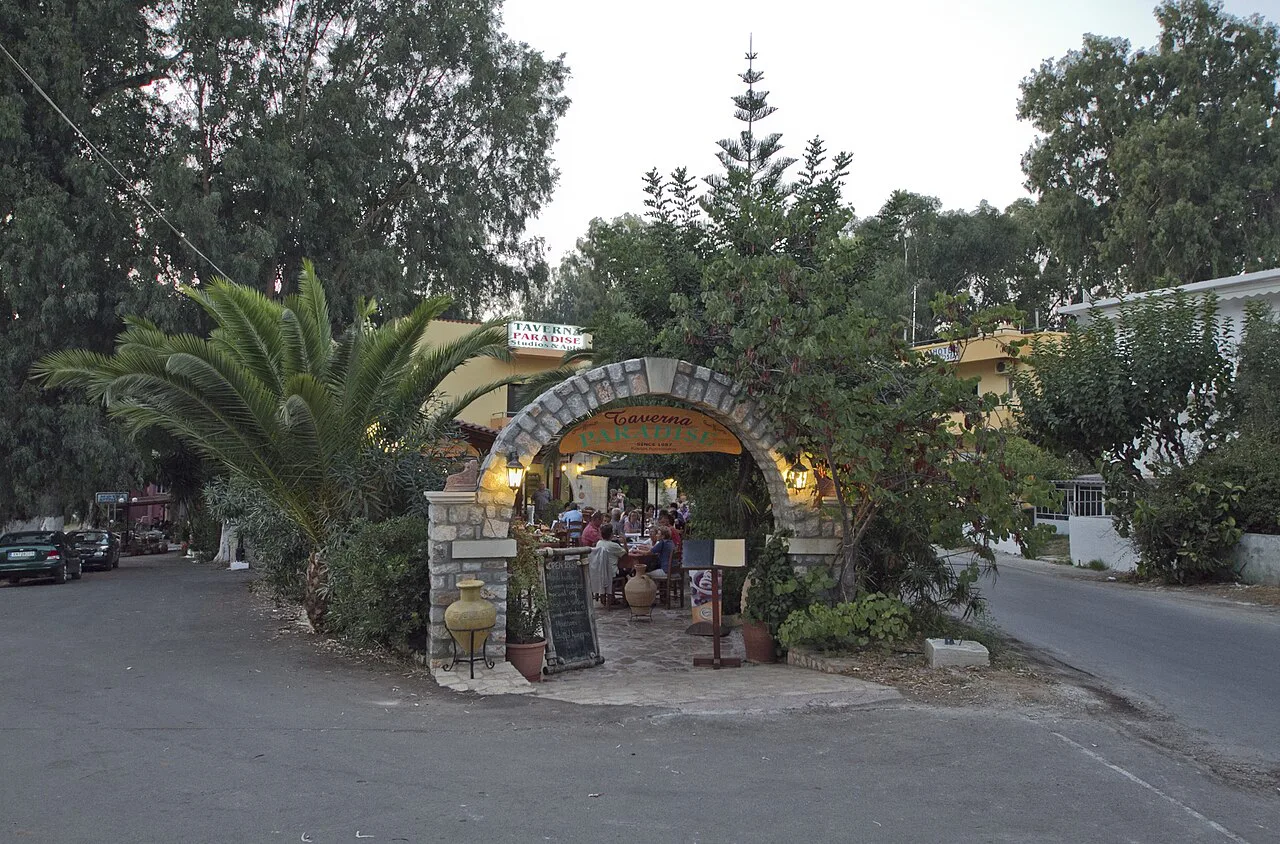
In a Greek taverna, water usually arrives as a sealed bottle, often placed on the table without your asking, and it appears on the bill as a charged item. If you would rather drink tap water with the meal, say so when you order, since the default assumption is often bottled.
Whether it is acceptable to ask for tap water is a common worry, and the honest answer is that it depends on the establishment. In cities with good public supply, such as Athens, asking for a carafe of tap water is a normal request; on an island where the supply is salty, the staff may tell you bottled is the better choice, and they are usually right.
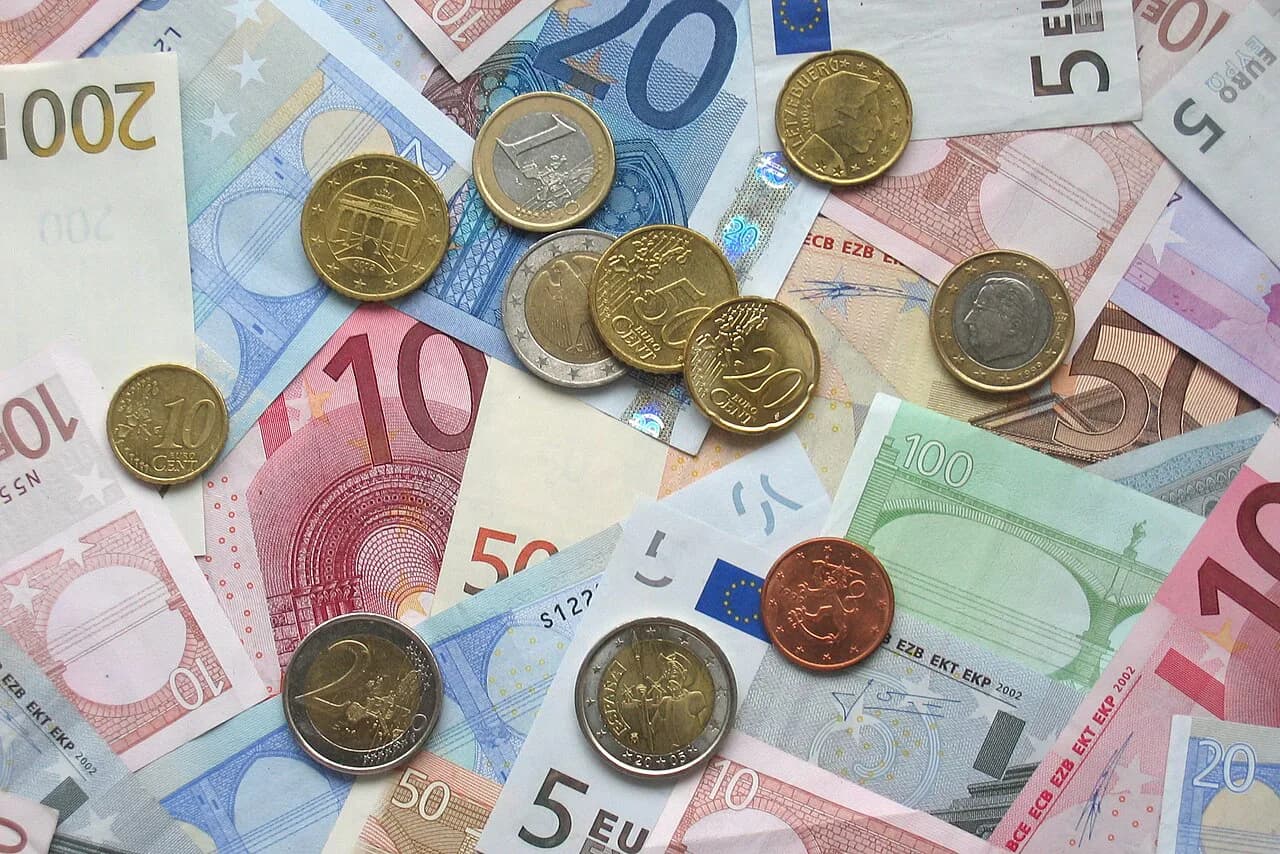
Keep the bill in mind rather than the etiquette. Water is a small line item, but it recurs at every meal, and if you are also working out how card payments and cash work on the trip, it is one more thing to track. Familiarising yourself with the currency is part of that: see this guide to the currency in greece for notes, coins and card habits.
One ordering tactic that works well: ask for one bottled water for the table and a jug of tap water alongside it, so the table has cold water without paying for several bottles. This is common enough that it rarely needs explaining, and it keeps the table from running dry in the middle of a long lunch.
Refilling a Bottle: Habits, Waste and Recycling
Carrying one bottle and refilling it is the habit most repeat visitors to Greece settle into, and there is a practical reason beyond cost. The source on Greek water notes that it stopped buying bottled water partly because bottles are heavy to carry and partly because of the volume of plastic waste, describing the recycling situation in Greece as poor, with bottles ending up in landfill, the sea or the landscape.
That does not mean refusing bottled water where it is genuinely needed, such as a salty island supply. It means treating a bottle as something you refill rather than something you buy several times a day, which also saves you a stop at a mini-market on every outing.
For trips built around food and long walks between meals, a refilled bottle is simply more convenient than a shop run. If you are planning days around what to eat in Greece, with a long taverna lunch in the middle, you will drink more water than you expect between courses.
Renting a Place or Staying Long-Term
If you are renting an apartment or staying somewhere for a few weeks, ask the owner or agency two questions before you rely on the tap: whether the building draws directly from the town supply or from a storage tank, and whether previous guests have commented on the taste. Tank-fed buildings are where most complaints originate.
It also helps to know how the flat is equipped. A rental with a kettle or filter jug is easier to manage than one without, and in older buildings the kitchen tap may be fine while the bathroom tap is not what you would choose for drinking. Test both on the first day and decide from there.
Longer stays make the small costs add up, so it is worth understanding how payments work before you start buying bottled water weekly, which is covered in the guide to the currency in greece. The same logic applies to plug adapters and appliances: a european plug type is what Greek sockets take, so check what you need to bring before you settle in for a month.
When to Just Buy Bottled Water
There are three clear cases for buying bottled water without overthinking it. The first is a salty island supply, as on Koufonissi, which the published guidance names as an island where bottled water is the reasonable choice. The second is a building where the tap tastes off even after running the cold water for a minute. The third is any day when you cannot find a refill point and the alternative is going without.
The published rule of thumb is worth adopting because it is simple: if the tap water tastes good, drink it; if it does not, do not. That removes the need to research every island before you go and replaces it with a test you can run in ten seconds at the kitchen sink.
Buying bottled water is also a reasonable choice in the middle of a long, hot day when you have run out and the nearest tap is not obvious. Treat it as a backup rather than a default and you will spend less and carry less over the course of a trip.
What This Means for Your Food Days
Water decisions shape how a day of eating works in practice. A long lunch with a table of small plates, a plate of grilled fish, and a slow afternoon is a different proposition if you have to buy water at every stop, so plan a refill in the morning and again before the evening meal.
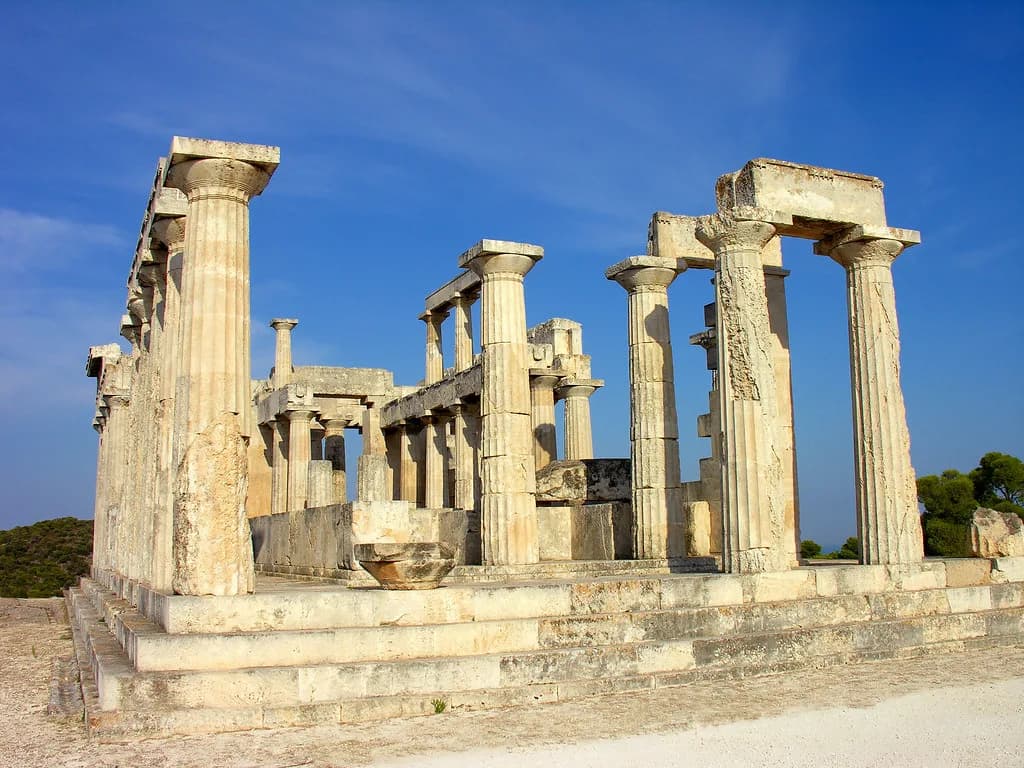
If your day includes a taverna lunch and then a walk through ancient sites in the afternoon, carry water instead of counting on finding a kiosk. On routes around the ancient sites in greece, shade and taps vary, so a refilled bottle is the simplest insurance against a dry stretch. The same planning applies whether you are comparing ancient sites or working out what to eat in Greece between stops.
Ordering a jug of tap water alongside a bottle also changes the rhythm of a meal: it keeps the table hydrated without adding repeated charges, and it leaves room on the bill for the things you actually came for. In a city with a good public supply, there is no reason not to use it.
Two Details to Check Locally
First, check the supply where you are staying rather than assuming the whole island matches a single verdict. Ask your host or hotel whether the building is on the town supply or a tank, and taste the cold tap on arrival. This is the single question that resolves most tap-versus-bottle debates.
Second, check the water before you rely on a refill point, especially at public taps and wells, and ask locally if you are unsure whether one is drinking water. Water has nothing to do with the greece plug type, but knowing your adapters means you can keep a phone charged for maps and translator apps while you hunt for a tap.
Plan Your Water Before You Go
The working answer is that Greek tap water is generally drinkable, with taste as the real variable and salt as the exception on a few islands. Carry one bottle, taste the tap where you sleep, and refill at community taps when you find them, especially in places such as Crete and Ikaria where the local supply is well regarded.
In tavernas, ask for what you want rather than accepting the default, and remember that a jug of tap water alongside one bottle is a normal request in cities with good public supply. If you are working out the practical side of a trip, the guide to the currency in greece covers cash, cards and small daily costs like this one.
Finally, leave yourself room to change your mind: a supply that tastes fine in one building may not in the next, and a village well may be better than anything you buy. Test early, ask locally, and spend your attention on the meal rather than the water.
Explore more Greece sauna guides
Frequently Asked Questions
Is Greek tap water safe to drink?
For most of the country, published guidance treats the public supply as drinkable, and Athens in particular is described as having a reliable, safe system. The bigger variable is taste. Treat safety as the settled part of the question and judge the glass in front of you, especially in older buildings and on islands with saltier supplies.
Do Greek people drink their tap water?
Many do, and the practical rule that circulates among residents and repeat visitors is simple: if the water tastes fine, drink it, and if it does not, buy bottled. On islands where the supply is noticeably salty, locals buy bottled water for drinking too, so following local habits is a good guide.
Why does tap water taste salty on some Greek islands?
Small islands often rely on boreholes or desalination rather than mountain springs, and some supplies carry enough salt to be unpleasant even where the water is otherwise fine. Koufonissi is a commonly named example. Ask at your accommodation whether the building is on the town supply or a tank before you decide.
Is it rude to ask for tap water in a Greek restaurant?
It is a normal request in cities with a good public supply, though many tavernas default to placing a sealed bottle on the table and charging for it. Asking for a jug of tap water alongside one bottle is a workable middle ground, and on islands with salty water the staff may steer you toward bottled instead.
Where can I refill a water bottle in Greece?
Public taps and village wells are common in many areas, and locals can usually point you to the nearest one; a well-known example is the tap at Spili in Crete. Tap water in your room is the other obvious refill. Not every outdoor tap is drinking water, so ask if you are unsure.
When should I just buy bottled water in Greece?
Buy it on islands where the supply is salty, in a building where the tap tastes off even after running the cold water, and on days when no refill point is within reach. Otherwise a single refilled bottle covers most sightseeing and meal days, which is cheaper and lighter to carry.
Sources
Notes for eating well in Greece
Optional updates to our guides.
You might also like

Continue reading
More guides you'll find useful