eSIM for Greece: Data, Calls and Coverage for Island Travel
How eSIMs for Greece work, what data-only plans mean for calls and booking, and when a local Greek SIM card is the better buy for island hopping.
On this page
An eSIM for Greece is a digital SIM profile that you install by scanning a QR code or following an app, with no plastic card to remove from your phone. That single difference shapes most of what follows: you keep your home SIM in the slot for calls and texts while the eSIM handles data, which matters if your bank, accommodation or a taverna needs to reach you by SMS.
Most plans sold for Greece are data-only, so WhatsApp calls and web booking work but ordinary voice calls and SMS do not, and that is the first thing to decide rather than the headline gigabyte count. Plan length and whether you cross into another country come next, because a Greece-only profile stops at the border. This guide sticks to what providers publish and flags where you should confirm details yourself.
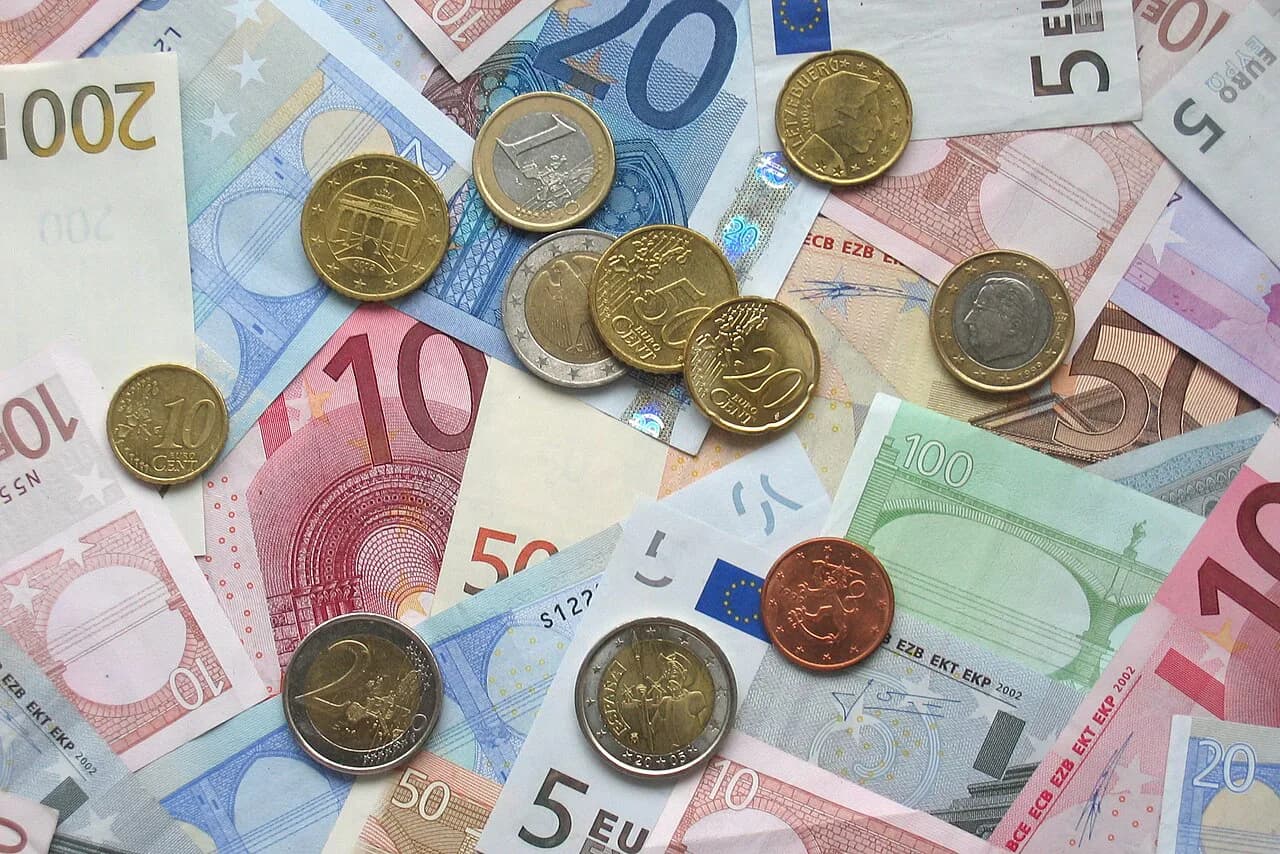
Before you buy anything, check that your phone is unlocked and eSIM-capable, and keep your spending plan alongside the practicalities of paying your way, from the currency in greece to whether you need a greece plug type adapter in your bag.
What a Greek eSIM Is and How It Gets Installed
The process is the same across providers: you pick a destination and plan, receive an eSIM by QR code or through an app, and install it while you are still on reliable Wi-Fi. SimOptions describes precisely that sequence, sending the eSIM by email as a QR code and then asking you to turn it on in your phone settings.
Which is the best eSIM for Greece? There is no single answer, only the plan that matches your trip. Reviews from Cybernews name Saily as its overall pick, while GoMoWorld and SimOptions sell several Greek and Europe-wide options with different allowances and validity windows.
Is there a downside to an eSIM? Yes. Data-only plans give you no local phone number, so ordinary calls and SMS codes do not work unless your home line is active.
How much is a Cosmote SIM card in Greece? No reliable figure is available here, and prices vary by shop, package and whether you buy at an airport. Ask at a Cosmote, Vodafone Greece or Nova counter for the current prepaid options, and compare the data allowance and validity against an eSIM plan you can price before you fly.
Installation is worth doing at home rather than in an arrivals hall, because you need a stable connection to complete it and a quiet moment to name the profile correctly. Deleting the profile later means asking the provider for a new one, so label it something obvious and leave it in place. Your physical SIM stays where it is; the eSIM lives alongside it as a second line for data.
Compatibility is the step people skip. Dial *#06# and look for an EID code, which SimOptions lists as the simple test for whether a handset can hold an eSIM at all. A phone bought on a carrier contract may also be network-locked, which no plan can fix; your own carrier can confirm that before you spend anything.
Decision One: Data-Only vs a Plan With a Phone Number
Data-only is the default for short trips. GoMoWorld sells data-only plans for Greece and states plainly that you keep your current number for calls and SMS while the eSIM handles data, with the free trial being a 50MB one-day allowance. That setup suits a traveller who books tavernas through WhatsApp or a booking app rather than by voice call.
A number changes the equation. SimOptions lists several Europe-wide profiles that come with a French number and include calls and SMS within Europe, which is useful if you want a reachable line for accommodation, taxi firms or ferry companies without paying your home carrier's roaming rates. Those plans cost more than the data-only Greek options, so decide whether the number is genuinely needed.
WhatsApp is unaffected by any of this: it runs over data, so a data-only eSIM keeps messages and calls working as long as you have signal. The gap is ordinary SMS, which many banks use to confirm card payments. If you pay by card in Greece, keeping your home SIM active for those texts is the safer arrangement, and the same logic applies when you check the currency in greece and set up how you will pay.
Decision Two: Greece-Only or Europe-Wide
A Greece-only plan is the cheaper shape if the whole trip stays inside the country. SimOptions lists its single-country Greece profiles separately from its Europe-wide ones, and the multi-country options cover dozens of countries including Greece, which matters if you fly home via Italy or take a side trip.
The trade-off is duration against flexibility. Single-country plans often come with short validity windows, such as a few days or a week on the smaller allowances, while the Europe-wide profiles tend to run longer. If your itinerary is a two-week island hop that ends in Athens, a Greece-only plan bought for that window is simpler than a broad European one you barely use.
If you are travelling on from Greece, read the country list on the plan rather than assuming. Some Europe-wide eSIMs name a specific country's network and include a foreign phone number, which can be fine for data but confusing if you expect a Greek line for local calls.
Named Providers and What Their Listings Actually Promise
GoMoWorld sells Greece as one destination among many and describes its offer as data-only, activated whenever you choose, with plans that do not expire until activated and a refund if activation fails. Its own page lists sample allowances and prices, from a small seven-day plan up to large thirty-day plans, but those figures change, so read the checkout page rather than a review.
SimOptions works as a marketplace, listing many Greece plans side by side with data, validity, price and whether calls and SMS are included. Its listings run from a small allowance over a few days up to very large thirty- or ninety-day packages, and it states that its Greek service runs on Cosmote and Vodafone Greece. Treat the price column as a snapshot and check the terms at purchase.
Independent reviews exist too: Cybernews publishes a comparison of eSIM providers for Greece that names Saily as its overall pick and quotes a starting price for a one-gigabyte plan. That is one reviewer's ranking, not a market verdict, and the price should be verified on the provider page before you rely on it.

Choosing a Plan Size by Trip Length
Validity windows are a better sorting tool than gigabytes. SimOptions suggests three to five days suits one to five gigabytes, seven to fifteen days suits ten to twenty gigabytes, and stays of fifteen to thirty days suit twenty to fifty gigabytes. That is the vendor's own rule of thumb, but it is a sensible starting point for matching a plan to an itinerary.
The trap is buying too much validity for a short trip or too little data for a long one. A five-day city break with maps and messaging needs far less than two weeks of ferry timetables, photo uploads and video calls home. Work out which of those your days actually look like before comparing allowances, and remember that plans activate on arrival at the destination rather than at purchase.
Calls, WhatsApp and Keeping Your Home Number
Keeping your home SIM active is the point of the dual-SIM arrangement, and both providers describe it as the normal way to use their plans. You route data through the eSIM and leave your own line available for incoming calls and verification texts, though you should switch off data roaming on the home line to avoid charges.
For taverna and accommodation contact, WhatsApp over data covers most situations, and many small places in Greece prefer it to a voice call anyway. The exception is anything that requires an SMS code, such as confirming a card payment or logging into a bank. Before you fly, check which of your apps depend on SMS and whether your bank offers an in-app alternative.
Coverage on the Mainland, at Ports and Between Islands
SimOptions says its Greek plans run on Cosmote and Vodafone Greece, and describes coverage as full national coverage from Athens to the mainland, with solid signal near coastlines and at major ports. That is a provider's own claim, so read it as marketing rather than a survey of every bay.
The honest picture for island hopping is that ports and coastal areas are described as well covered while open water between islands is where signal becomes patchy. Download offline maps, ferry tickets and bookings before each crossing. On Santorini, Mykonos or Naxos, the realistic use is checking schedules and booking a table while you are in town, not streaming video mid-Aegean. If Naxos is on your route, our guide to things to do in Naxos covers the beaches and mountain villages where that town-level signal matters.
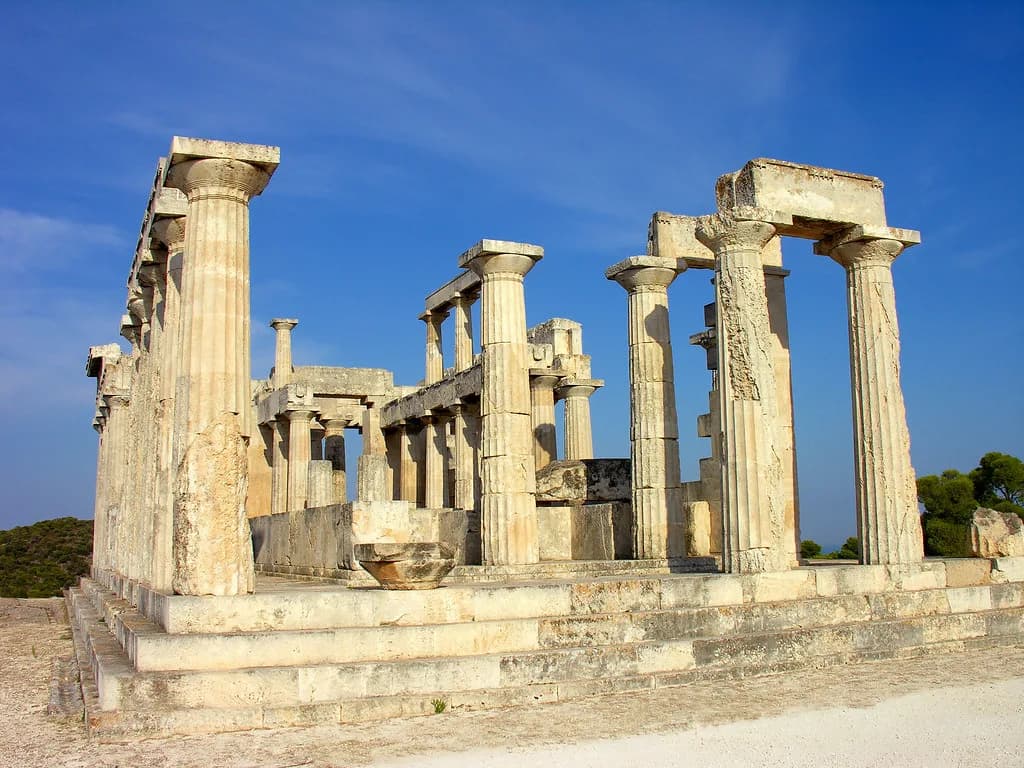
If your days involve ancient sites in greece well away from a town, plan for gaps in the same way, since a provider's coverage claim is not a promise for every hillside. Cached maps and screenshots cost nothing and cover the gaps.
When a Local Greek SIM Beats an eSIM
A local SIM still makes sense for longer stays, for anyone who needs a Greek number for deliveries or a rental contract, or for heavy data use where a local prepaid allowance is easier to top up. The Greek networks named in the comparisons are Cosmote, Vodafone Greece and Nova, and a shop can tell you what is currently on offer for prepaid data and calls.
The evidence here does not support a figure for a Cosmote SIM at an airport or in town, so treat any quoted number you see elsewhere with suspicion and ask at the counter. Buying at Athens International Airport in a hurry is the classic mistake: queues and tourist pricing are exactly what a pre-installed eSIM avoids.
For a two-week holiday, an eSIM bought before departure is usually the lower-effort option. For a month or more in one place, the balance shifts toward a local number you can hand to a landlord or a delivery driver.

Installing Before You Fly vs on Arrival
Install at home, activate on landing. Both providers describe plans that begin when you reach the destination rather than when you buy, which means you can set everything up days in advance without losing validity. That also gives you time to fix compatibility problems while you still have Wi-Fi.
Arrival is the worst moment to troubleshoot a QR code, with luggage in hand and a queue behind you. Do the install before you leave, confirm the eSIM shows in your settings, and only then pack. If you are flying through Athens, the last thing you want is to be hunting for Wi-Fi in the terminal to finish a setup.
Common Mistakes and What to Check Before Buying
The mistakes repeat: an eSIM on a network-locked phone, a profile deleted during tidying, or a plan bought for the wrong country. Check the EID code, confirm the handset is unlocked, keep the profile named clearly, and match the plan to the countries you will actually be in. SimOptions states that its single-country plans activate automatically on arrival in Greece.
Before paying, read the plan page for expiry after purchase, whether top-ups are offered, and whether hotspot use is allowed, since these details vary by product rather than by provider. Also check that your phone will physically fit your routine: a power bank for long ferry days matters as much as the plan itself, and a greece plug type adapter keeps the phone charged overnight.
Plan Your Data Before You Island Hop
Start with two questions: do you need a phone number, and will you leave Greece? A data-only Greek plan keeps WhatsApp working over the eSIM, while a Europe-wide plan may be the cleaner choice if your route ends elsewhere. Either way, install it before you fly and check the plan page at purchase, because prices and validity windows change more often than the phone in your pocket.
Once the data question is settled, the rest of the trip gets easier to plan, from the dishes worth ordering to the ancient sites in greece that sit outside town. Sort the connection first and the taverna bookings follow, and if you want to plan meals ahead, our guide to what to eat in Greece pairs well with this one.
Explore more Greece sauna guides
Frequently Asked Questions
Which is the best eSIM for Greece?
There is no single answer, only the plan that matches your trip. Reviews from Cybernews name Saily as its overall pick, while GoMoWorld and SimOptions sell several Greek and Europe-wide options with different allowances and validity windows. Compare whether calls and SMS are included, how long the plan lasts, and which countries it covers, then buy on the provider page rather than on a ranking alone.
Is there a downside to an eSIM?
Yes. Data-only plans give you no local phone number, so ordinary calls and SMS codes do not work unless your home line is active. Installing needs a stable connection and an eSIM-capable, unlocked handset, and deleting the profile means asking the provider for a replacement. Signal in open water between islands is also less reliable than on land.
How much is a Cosmote SIM card in Greece?
No reliable figure is available here, and prices vary by shop, package and whether you buy at an airport. Ask at a Cosmote, Vodafone Greece or Nova counter for the current prepaid options, and compare the data allowance and validity against an eSIM plan you can price before you fly.
Can I still use WhatsApp with an eSIM?
Yes. WhatsApp runs over data, so a data-only Greek eSIM keeps messages and calls working once the eSIM is active and data routing is switched to it. You do not need a local phone number for WhatsApp, but keep your home SIM active if a bank or booking service sends verification texts by SMS.
Does a Greece eSIM work on ferries between islands?
Coverage is described as solid at ports and along coastlines, but open water between islands is where signal drops. Download ferry tickets, schedules and offline maps before each crossing, and treat the eSIM as useful for planning on land rather than for streaming mid-Aegean.
Should I buy an eSIM before or after landing in Greece?
Buy and install before you fly. Providers describe activation as starting on arrival, so setting it up at home costs you no validity and avoids troubleshooting a QR code in a crowded terminal. You also get time to check compatibility and whether your phone is locked before you leave.
Sources
Notes for eating well in Greece
Optional updates to our guides.
You might also like
Continue reading
More guides you'll find useful