Museums in Thessaloniki: Which Ones to Visit
Plan museum time in Thessaloniki: what the Archaeological and Byzantine museums cover, where they sit, and how to group them into a realistic day.
On this page
Thessaloniki rewards travellers who treat its museums as a set of neighbourhood clusters rather than a ranked checklist. The Archaeological Museum and the Museum of Byzantine Culture sit close together on the same east-side axis, while the White Tower and the port warehouses pull you toward the waterfront. Deciding which cluster you want first is more useful than trying to see everything.
This guide sticks to what the museums themselves publish about their collections, addresses and practical arrangements, and flags the points to double-check on the day. Where a museum's own site has not published a detail, such as a price or a seasonal schedule, the guide says so instead of guessing.
Why Thessaloniki's Museums Reward a Plan Rather Than a Checklist
The city's own directory lists more than twenty museums, from the Archaeological Museum to the Railway Museum and the Water Supply Museum, and no realistic trip covers them all. The useful split is between the big state collections with eight or more permanent exhibition units and the small subject museums that take under an hour. Reading the municipality's own directory before booking anything shows you how widely they are spread across the centre, Ano Poli and the outer districts.
A workable plan gives one morning or afternoon to a single large museum, then adds smaller places only when they sit on the same route. Trying to link the Archaeological Museum with the Railway Museum on N. Monastiriou Street in one push means a lot of walking for little reward. Group by area first, then by interest.
If you are building a wider trip, the same logic applies across the country, and our guide to museums in Greece sets out how the major national collections differ in scale and scope. In Thessaloniki the benefit is sharper because so much sits within two walkable bands.
The Archaeological Museum of Thessaloniki on Manoli Andronikou Street
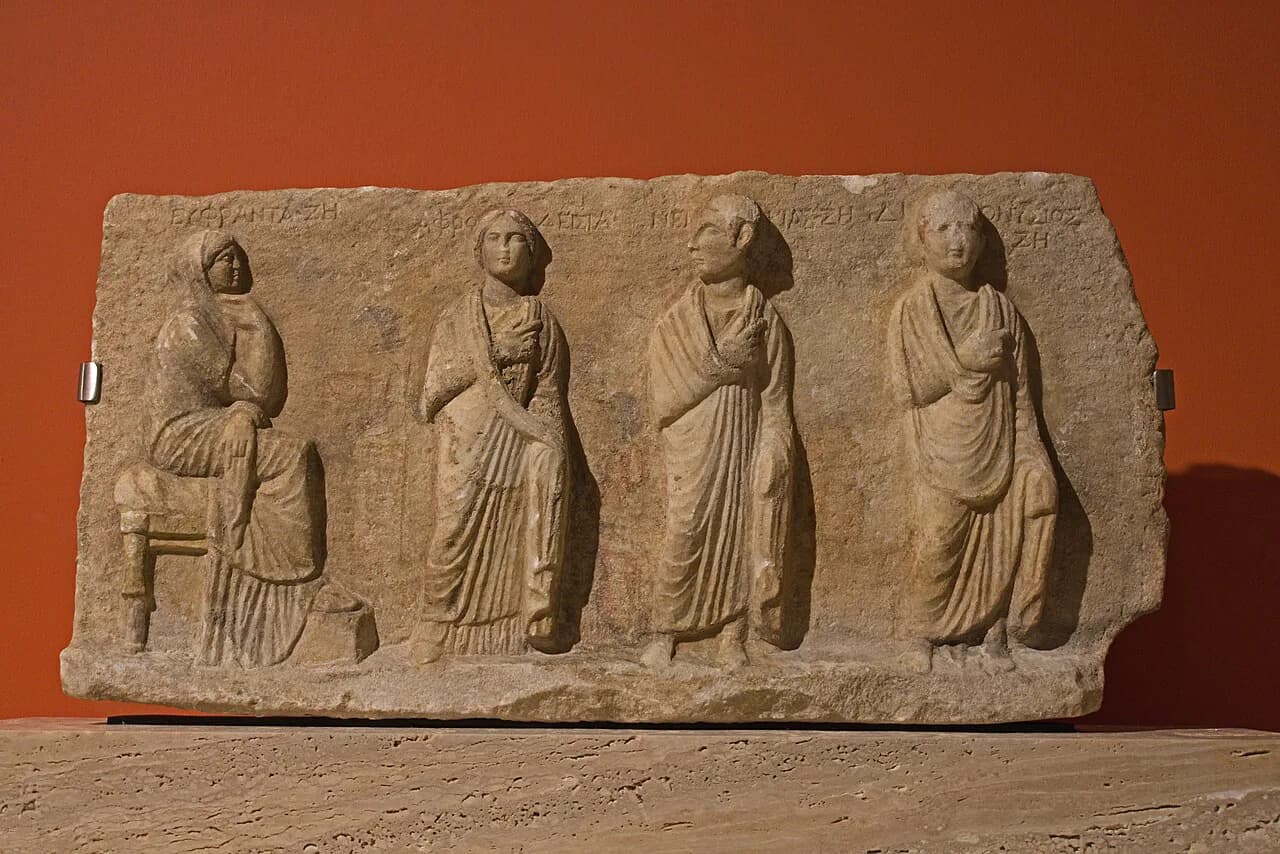
The Archaeological Museum of Thessaloniki is the central museum of northern Greece and the obvious first stop for anyone interested in the region's ancient past. Its eight permanent exhibition units are organised thematically rather than as a single march through time, covering private and public life in antiquity, prehistoric Macedonia, the kingdom of Macedonia, the city as metropolis, the Gold of Macedon, and cemetery and funerary material.
The building sits at 6 Manoli Andronikou Street, a short walk from the waterfront east of the city centre and roughly beside the Museum of Byzantine Culture. That proximity is the single most useful fact for planning: you can treat the two as one outing and split the day between them.
The museum's own site publishes a general admission fee of 10 euros with a reduced rate of 5 euros, opening hours of 9:00 to 17:00 daily, and closures on 25 and 26 December, 1 January, 25 March, 1 May and Easter Sunday. Treat these as the current published position rather than a guarantee for your date, since special exhibitions and holiday periods can change both hours and pricing.
Allow two to three hours if you want to read labels in the Gold of Macedon and the Thessaloniki galleries. Anyone with a general rather than specialist interest can see the highlights in ninety minutes, which leaves room for a second museum the same day.
The Museum of Byzantine Culture on Leoforos Stratou Avenue
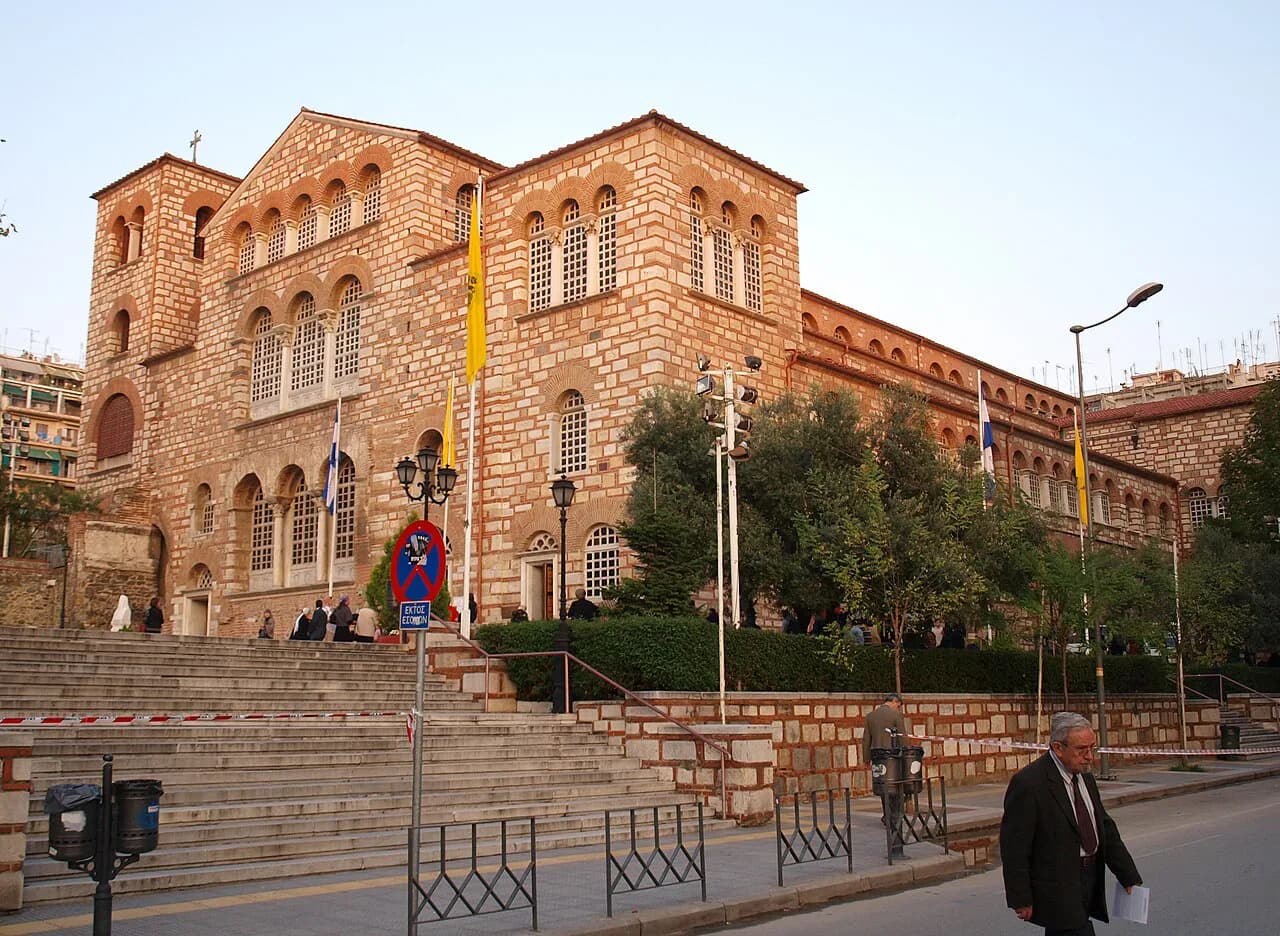
The Museum of Byzantine Culture at 2 Leoforos Stratou Avenue presents art, ideology, social structure and religion across the Byzantine and post-Byzantine periods, and it traces how political change filtered into everyday life. It won the Council of Europe Museum Prize in 2005, a useful signal of how the collection is displayed rather than of size.
Pairing it with the Archaeological Museum works because the two cover consecutive worlds without much overlap: ancient Macedonia and the Roman city in one building, the Christian centuries and their afterlife in the other. Walking between them takes only a few minutes, so a double visit costs you time rather than transport.
If you want the historical background before you walk in, our Thessaloniki history overview covers the Roman, Byzantine and Ottoman layers that the galleries assume you already know. Fifteen of the city's early Christian and Byzantine monuments are on the UNESCO World Heritage List, which gives the museum's subject matter a visible setting across town.
The White Tower as a Museum: The City-History Exhibition Inside the Landmark
The White Tower is usually photographed and skipped, but the municipality lists it as a museum with a permanent exhibition devoted to the city of Thessaloniki and organised by the Museum of Byzantine Culture. The displays summarise aspects of the city's history across time, which makes the tower a compact orientation stop early in a trip.
Because it sits on the waterfront, the tower fits naturally between the centre and the eastern museum pair, and the climb rewards you with a view over the Thermaikos Gulf. Give it forty-five minutes to an hour rather than treating it as a two-minute photo stop.
The waterfront itself is where the city suggests walking or cycling, so a tower visit slots into a longer promenade rather than a separate excursion. Check the tower's own site for the current exhibition arrangements, since displays inside a monument of this size change more often than those in a purpose-built museum.
The Jewish Museum of Thessaloniki on Agiou Mina Street
The Jewish Museum of Thessaloniki at 13 Agiou Mina Street displays photographs and artefacts covering the Jewish presence in the city from its foundation to the Second World War. Its library functions as a documentation centre for the history, traditions and language of the Sephardic Jews, so it is as much a research resource as an exhibition space.
The museum is central and small enough to fit into a morning alongside the Modiano Market area, which lies within the same commercial quarter. Note that it is a single-subject museum with a serious tone; it is not a place to slot in between two taverna meals without allowing time to read.
Smaller and Niche Museums: Ataturk's House, the Macedonian Struggle, Cinema, Photography and the Science Center
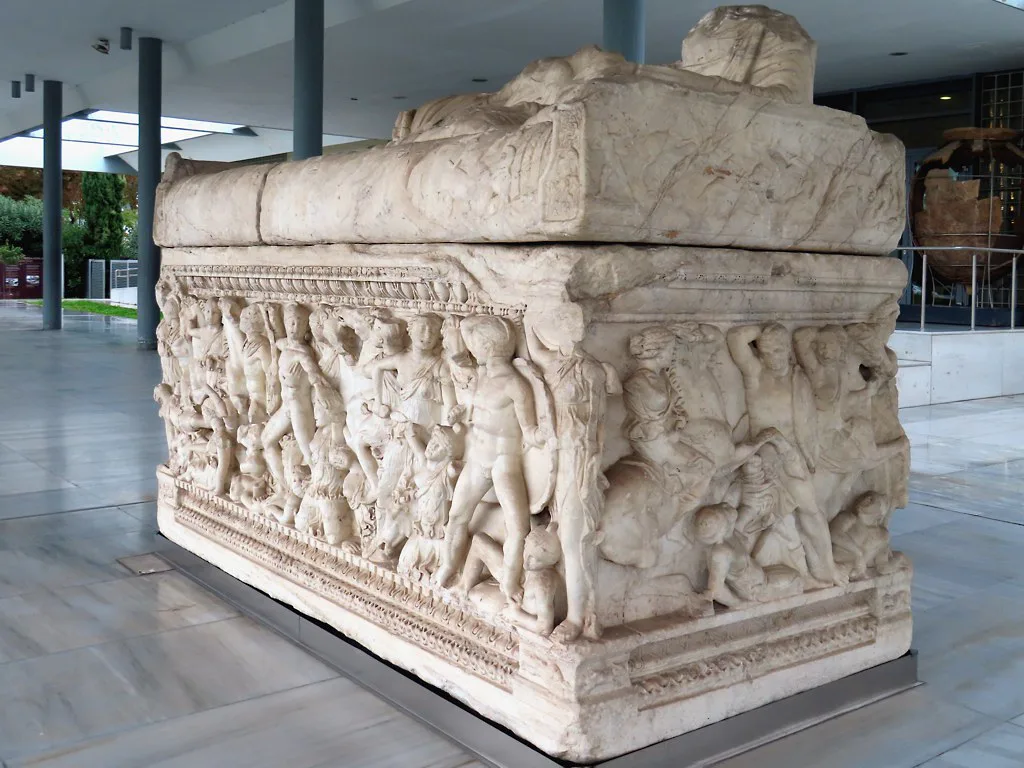
Ataturk's House at 151 Agiou Dimitriou Street occupies the building where Mustafa Kemal Ataturk was born in 1881 and spent part of his youth; it opened as a museum in 1953 after Greece presented the house to Turkey in 1937. The Foundation of the Museum for the Macedonian Struggle at 23 Proxenou Koromila Street covers the modern and contemporary history of Greek Macedonia across the nineteenth and twentieth centuries.
The port area holds two warehouse museums: the Thessaloniki Cinema Museum in Port Warehouse A, which also houses the country's largest cinema library with around 6,500 titles, and the Museum of Photography on the first floor of Warehouse A on Navarchou Votsi Street, with a collection and archive of more than 100,000 photographic objects. Both suit a rainy afternoon and sit within a few minutes of each other.
Further out, the Railway Museum of Thessaloniki at 7B N. Monastiriou Street occupies the 1891 military station building and holds original rolling stock, including restaurant and sleeping cars associated with the Orient Express. NOESIS, the science centre and technology museum, is on the sixth kilometre of the Thessaloniki to Thermi road and needs a bus or taxi rather than a walk.
For contemporary art, the State Museum of Contemporary Art is at Moni Lazariston in Stavroupoli, based on the George Costakis collection of Russian avant-garde work, while its offshoot the Contemporary Art Centre occupies Warehouse B1 at the port. The Macedonian Museum of Contemporary Art at 154 Egnatia Street is a citizen-founded collection with a strong education programme.
Grouping Museums by Area: The City-Centre Pair, the Waterfront and the Port Warehouses
The most efficient grouping is the eastern pair: Archaeological Museum and Museum of Byzantine Culture, both on the same block-and-a-half stretch near the waterfront. Add the White Tower on the walk back into the centre and you have a full day without a single bus.
The second cluster is the port and waterfront: White Tower, Cinema Museum, Museum of Photography and the Contemporary Art Centre at Warehouse B1. All sit along the same shore, and the city itself describes the waterfront as a place for walking and cycling.
The third is the commercial centre: Jewish Museum on Agiou Mina, the Macedonian Struggle foundation on Proxenou Koromila, Ataturk's House on Agiou Dimitriou, and Modiano Market between them. This cluster is best done on foot in a half day, with a coffee stop built in.
Spreading across the city, our Thessaloniki attractions hub collects the neighbourhood and monument guides that pair with each cluster, including the old town up the hill. If your interests run to religious architecture, the guide to Thessaloniki churches covers the Byzantine monuments that give the Museum of Byzantine Culture its context.
How Much Time to Give Each Museum and How to Sequence Two in One Day
Give the Archaeological Museum two to three hours, the Museum of Byzantine Culture about two, the White Tower under an hour, and the Jewish Museum around an hour. Smaller subject museums such as Ataturk's House or the Macedonian Struggle take forty-five minutes to an hour each.
A clean two-museum day runs: Archaeological Museum from opening, a long lunch, then the Museum of Byzantine Culture in the afternoon. Reverse the order if you prefer the Christian galleries fresh and the ancient collections after food.
If you have only a half day, pick one large museum plus one small one in the same area rather than two large ones. Trying to compress both state museums into three hours leaves you reading labels at speed and remembering neither.
Ticket, Opening-Hour and Closure Checks to Make Before You Go
The Archaeological Museum publishes 9:00 to 17:00 daily, with the general admission and reduced rate shown on its site, and closures on major public holidays including Easter Sunday. Always re-check the museum's own page before you travel, since temporary exhibitions and holiday schedules can override the standard pattern.
Do not assume any museum in the city is free; none of the published sources here say so, and several small museums operate by appointment or only during specific periods. The Radio Museum, for example, stays open during the annual international trade fair and otherwise receives visitors by arrangement.
Popularity rankings on travel review sites are a signal of visitor traffic, not an editorial judgment, so use them to gauge crowding rather than quality. The Tripadvisor museum list places the Archaeological Museum and Museum of Byzantine Culture near the top, which mainly tells you to arrive early in high season.
Pairing Museums With Food: Modiano Market and the Waterfront as Between-Museum Stops
Modiano Market, built between 1922 and 1930 to a design by Eli Modiano, is the natural lunch stop for the commercial-centre cluster, with stalls selling spices, olives, fish, meat, cheese and sweets alongside snack bars. It also puts you within a few minutes of the Jewish Museum and the Macedonian Struggle foundation.
For the eastern pair, the waterfront between the White Tower and the museum quarter gives you a string of cafes for a between-museum break. If you want a structured plan for the eating side of the trip, our best restaurants in Thessaloniki guide groups places by area so you can match a meal to whichever cluster you are in.
Morning museum-goers in the commercial centre can start with a slice of bougatsa, the phyllo pastry sold in sweet custard and savoury cheese or mince versions, before the Jewish Museum opens. Our guide to bougatsa in Thessaloniki explains the difference between the two styles and where each is typically sold.
If you would rather have the city's food explained in one sweep, the Thessaloniki Food Guide covers what to eat and where to try it, from market produce to the sweets shops around the centre. That gives you a menu vocabulary before you sit down, which is useful after a morning of gallery labels.
Practical Trade-offs: Depth Versus Breadth, Big Collections Versus One-Room Museums
The honest trade-off is depth against breadth. Two hours in the Archaeological Museum shows you the highlights properly; four one-room museums in the same time give you variety but almost no coherent story. For most travellers the large museums deliver more per hour.
The reverse applies if you have a specific interest. The Railway Museum's Orient Express carriages or the Photography Museum's archive of more than 100,000 objects offer more than a general collection can for those subjects.
Finally, weigh view against content. The White Tower gives you a skyline and a compact city history in one stop, while the Museum of Byzantine Culture gives you far more content with no view at all. Both are worth their hour, but for different reasons.
Plan Your Museum Time Around the Map, Not a Ranking
Start with the eastern pair of the Archaeological Museum and the Museum of Byzantine Culture, then add the White Tower on the waterfront walk back, and treat the commercial-centre museums as a separate half day. That structure keeps transport time low and leaves room for lunch at Modiano Market.
Before you travel, confirm opening hours and admission on each museum's own website, and check whether any special exhibition or public holiday affects your date. Where a detail is not published, plan around it rather than assuming.
If the trip widens beyond Thessaloniki, the guide to museums in Heraklion covers the Cretan counterpart to the Archaeological Museum, and the wider attractions hub links the neighbourhoods and monuments that fill the rest of your days.
Explore more Thessaloniki sauna guides
Frequently Asked Questions
Which museums in Thessaloniki are worth visiting?
For most visitors the priority is the Archaeological Museum of Thessaloniki and the Museum of Byzantine Culture, which sit within a few minutes of each other on the eastern side of the centre. Add the White Tower for a compact city-history exhibition on the waterfront, and the Jewish Museum on Agiou Mina Street if you want Sephardic history. Everything else depends on your interest.
How far apart are the Archaeological Museum and the Museum of Byzantine Culture?
They are neighbours on the same east-side axis: the Archaeological Museum is at 6 Manoli Andronikou Street and the Museum of Byzantine Culture at 2 Leoforos Stratou Avenue. The walk between them takes only a few minutes, which is why they are the easiest pair to combine in one day.
Is the White Tower a museum?
Yes. The municipality lists the White Tower as a museum with a permanent exhibition devoted to the history of Thessaloniki, organised by the Museum of Byzantine Culture. It is not just a viewing platform, so budget forty-five minutes to an hour if you want to read the displays.
How long does the Archaeological Museum of Thessaloniki take?
Allow two to three hours if you read the labels in the Gold of Macedon and Thessaloniki galleries, and about ninety minutes for a highlights-only visit. The eight permanent units are thematic, so you can move through the ones that interest you without following a strict route.
Are there free museums in Thessaloniki?
No published source confirms free entry at the city's main museums; the Archaeological Museum publishes a general admission fee and a reduced rate on its own site. Check each museum's page for reduced categories and any free-admission days before relying on one.
What can you see at the Jewish Museum of Thessaloniki?
The museum at 13 Agiou Mina Street displays photographs and artefacts covering the Jewish presence in Thessaloniki from the city's foundation to the Second World War. It also holds a library that serves as a documentation centre for the history, traditions and language of the Sephardic Jews.
Which Thessaloniki museums are best for a rainy day?
The big collections handle rain best: the Archaeological Museum and the Museum of Byzantine Culture both hold several exhibition units and take two hours or more. In the port area, the Cinema Museum and the Museum of Photography in Warehouse A are close together and easy to combine when the weather turns.
Sources
Notes for eating well in Greece
Optional updates to our guides.
You might also like
Continue reading
More guides you'll find useful