Thessaloniki Old Town Guide: Walls, Walks & Where to Eat
Ano Poli is Thessaloniki's old town: Byzantine walls, the Trigonion Tower and Vlatadon Monastery, plus how to walk up and where to eat on the way.
On this page
Search for Thessaloniki's old town and you will land on Ano Poli, the upper town that climbs the hillside above the modern centre. It is not a walled-off historic quarter with an entrance gate; it is a living neighbourhood of stone lanes, old houses and Byzantine monuments, and you reach it on foot or by taxi from the lower city.
The reason it looks so different from the grid below is simple: this is the part of the city the Great Fire of 1917 spared, which is why the Ottoman-era street pattern and timber-framed houses survive here and not elsewhere. Plan it as a half-day of walking with a meal attached rather than a single sight to tick off, and set your expectations around slopes, cobbles and a viewpoint rather than a museum.
What 'Old Town' Means in Thessaloniki
Unlike Rhodes or Corfu, Thessaloniki has no separate old town at the waterfront. Ano Poli, literally the upper town, sits on the slope north of the centre and holds most of what visitors mean by the phrase: the Byzantine walls, the churches, the monasteries and the lanes of old houses.
The area escaped the 1917 fire that destroyed much of the lower city, so its street layout and architecture read as Ottoman-era rather than 20th-century. Locals describe a walk here as stepping back in time, and the contrast with the rebuilt centre below is the main reason to come.
Treat Ano Poli as a district with several monuments scattered through it, not a ticketed site with one entrance. That framing matters: you will cover ground between stops, and the walking itself, past churches, walls and neighbourhood squares, is the attraction.
Where Ano Poli Sits and How to Get Up There
The climb starts around Aristotle Square and the centre, where guided routes commonly begin before heading uphill to the Yeni Hamam and the upper monuments. Walking up is the most straightforward approach and lets you pause at churches on the way; a taxi for the steepest stretch is a sensible option if the heat or the gradient is against you.
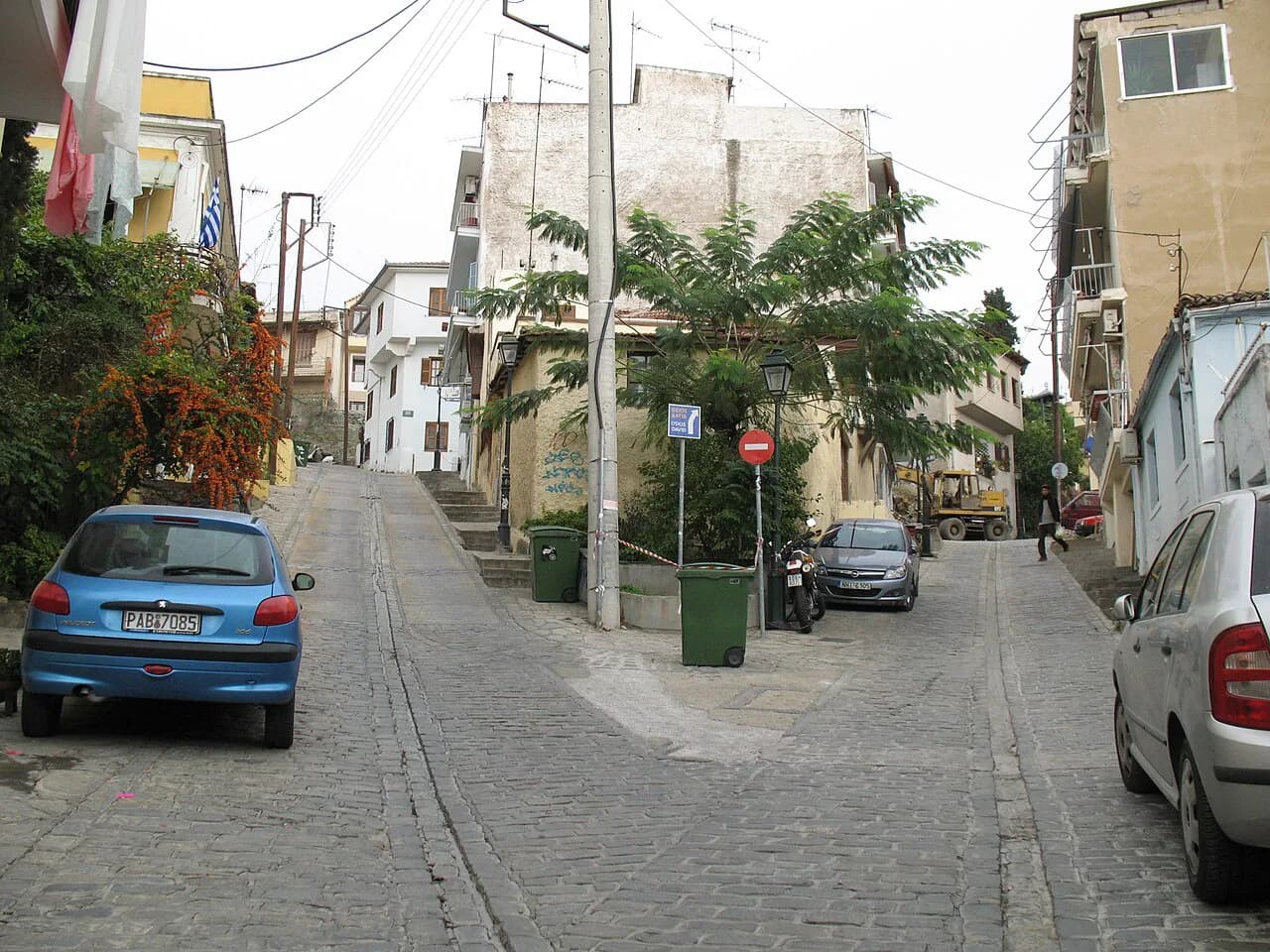
Distances are short in absolute terms but the terrain is relentless: lanes are stone-paved and often stepped, and the walls stand on the highest ground. Wear shoes with grip and leave the smooth soles at the hotel, especially if you plan to descend on foot after rain.
If you would rather not navigate, private guided walks of the old town exist, and one operator lists a route meeting at Aristotle Square and lasting about three and a half hours, covering Saint David, Vlatadon Monastery, the Eptapyrgion and Saint Nicholas. That duration is specific to that tour, not a minimum for seeing Ano Poli; self-guiding at your own pace is entirely feasible.
A Walking Route Through the Monuments
A practical sequence runs uphill through the district's main sights: Yeni Hamam, the Byzantine Church of Saint David, Vlatadon Monastery, the Eptapyrgion fortress and the Church of Saint Nicholas, finishing at the walls and the Trigonion Tower. Following this order keeps you climbing gradually rather than zigzagging, and leaves the best viewpoints for the end.
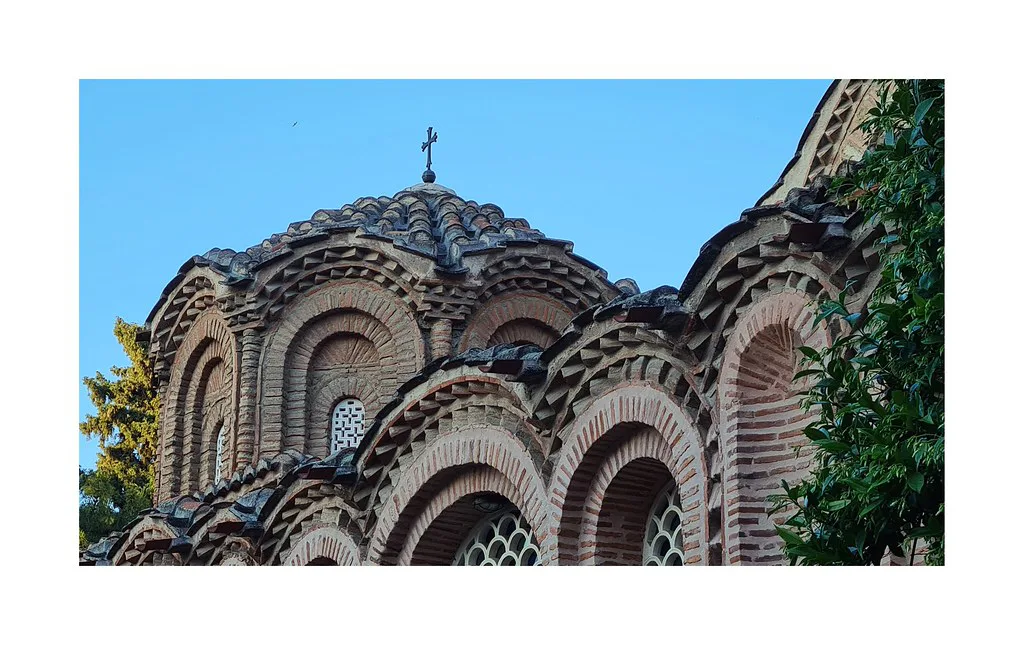
Several of these monuments belong to the city's UNESCO-listed Byzantine heritage, which is worth knowing before you arrive so the churches register as more than photogenic stops. The Church of Saint Nicholas and Vlatadon Monastery are both described as 14th-century buildings, among the oldest structures in the upper town.
Allow time between stops for the lanes themselves; the neighbourhood's old houses, small shops and cafe fronts are part of the walk. Walking-tour listings describe the streets as lively year-round with residents going about daily life, which is a reminder to keep your voice down in residential stretches and not treat doorways as backdrops.
The Byzantine Walls and the Trigonion Tower
The fortifications are the reason many people come up: roughly four miles of defensive walls, up to 10 metres high and about five metres thick in places, first begun around two thousand years ago and much altered under Ottoman rule. The Tower of Trigonion, a former armoury on the highest part of the walls, overlooks the city and gives the broadest panoramic view.
Large sections of the original walls were demolished during the Ottoman period, so what you see is a patchwork rather than an intact circuit. Read it that way and the walk becomes more interesting: you are tracing repairs, gaps and surviving towers rather than a single ancient build.
Access arrangements at the tower and along the wall sections are not something to assume, so confirm on site what is open to walkers on the day you visit. The view from the upper lanes needs no ticket, which makes the climb worthwhile even if a particular gate or stair is shut.
Churches and Monasteries: What You Are Looking At
Vlatadon Monastery and the Church of Saint Nicholas are active religious sites, not ruins, and both date to the 14th century according to descriptions of the area. Dress modestly, keep phone calls outside, and check whether photography is permitted before raising a camera in a church interior.
The Eptapyrgion, the fortress complex at the top, is another landmark on the standard circuit, and the Church of Saint David sits on the way up from the lower town. Between them you get a compact lesson in Byzantine church architecture and military building without leaving the neighbourhood.
Opening hours at individual churches vary and are not published consistently, so build flexibility into the route and treat any interior visit as a bonus rather than the fixed point of the day. The lanes and walls are outdoors and always part of the plan.
Stone Lanes, Old Houses and Everyday Life
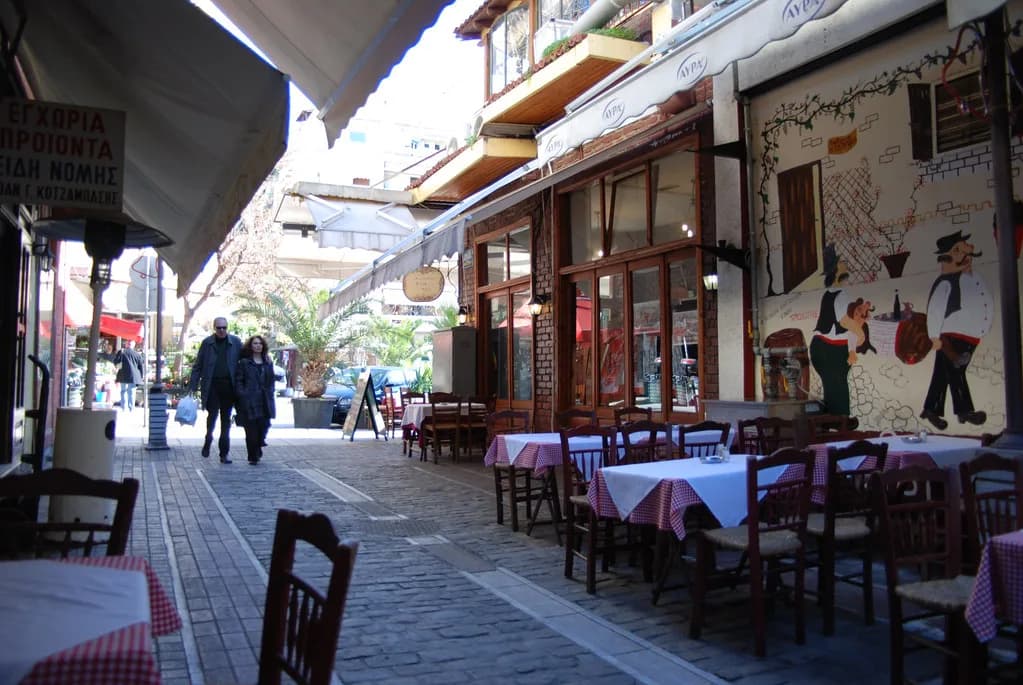
Beyond the monuments, Ano Poli is where people live: children play in the streets, neighbours tend their properties, and students gather in the small squares. That everyday texture is the reason the district feels different from the polished waterfront, and it is best experienced slowly on the back lanes away from the main route.
Look at the houses rather than only the churches: old mansions and timber-framed buildings line the stone-paved alleys, and the architecture shifts block by block as you climb. A self-guided walk with a list of monuments and no fixed schedule is often the most rewarding way to see this.
Eating in Ano Poli: View Versus Value
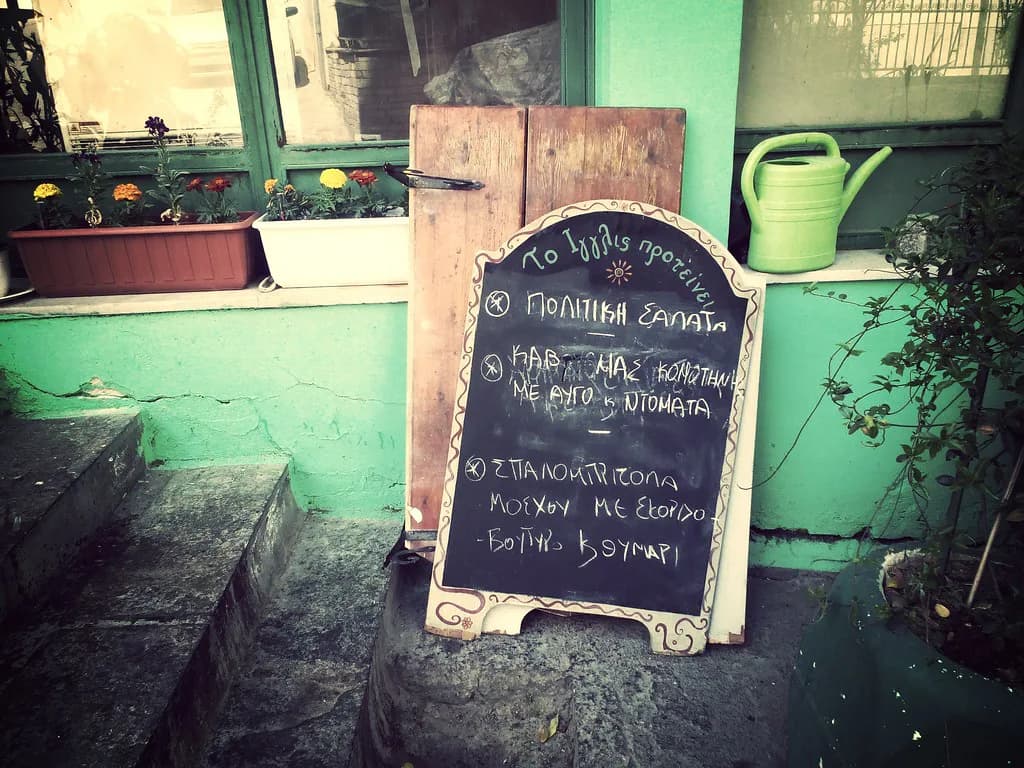
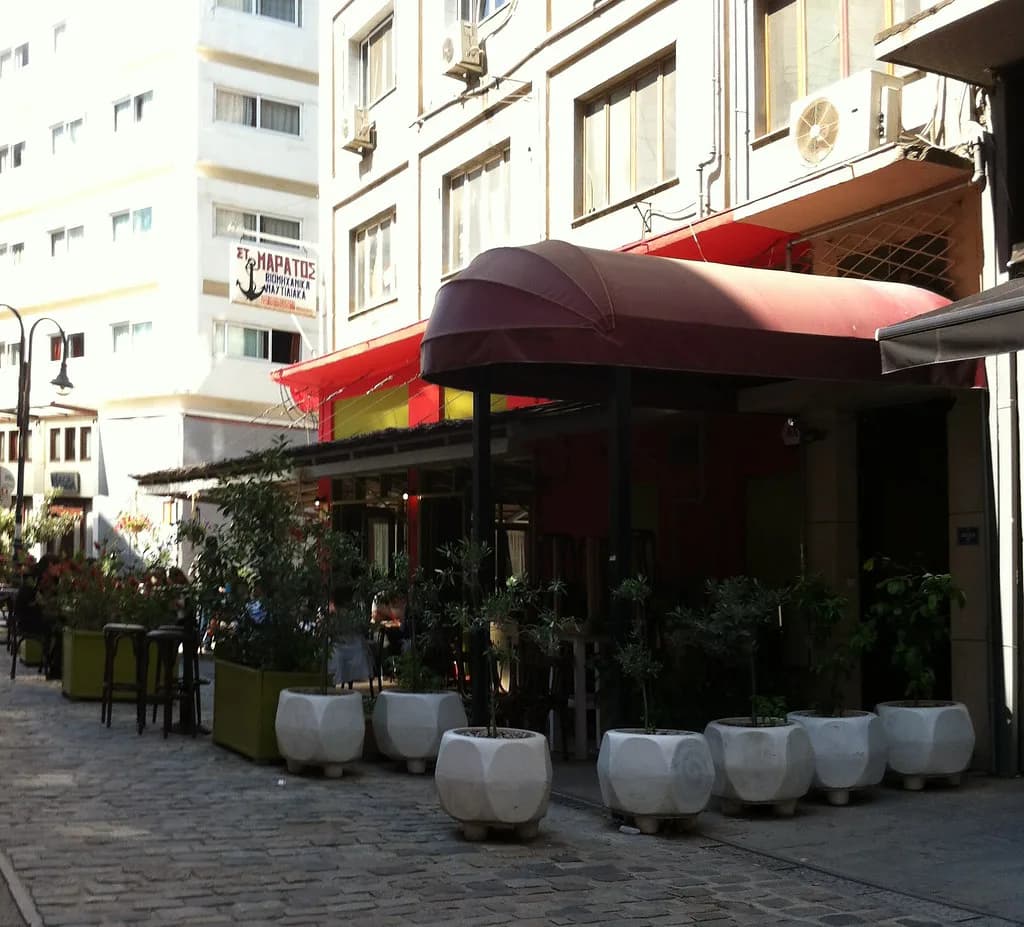
Dining up here splits roughly into two experiences. Tables near the walls and the upper viewpoints trade on the panorama, which is why they suit a slow drink or a light lunch with a view; the lanes lower down and around the neighbourhood squares are where you are more likely to find everyday cooking at everyday prices.
Neither is automatically better. A view table is worth it once, ideally at the end of the walk when the light softens; for a second meal, walk back down towards the centre and eat where the customers are locals rather than where the terrace faces the sunset.
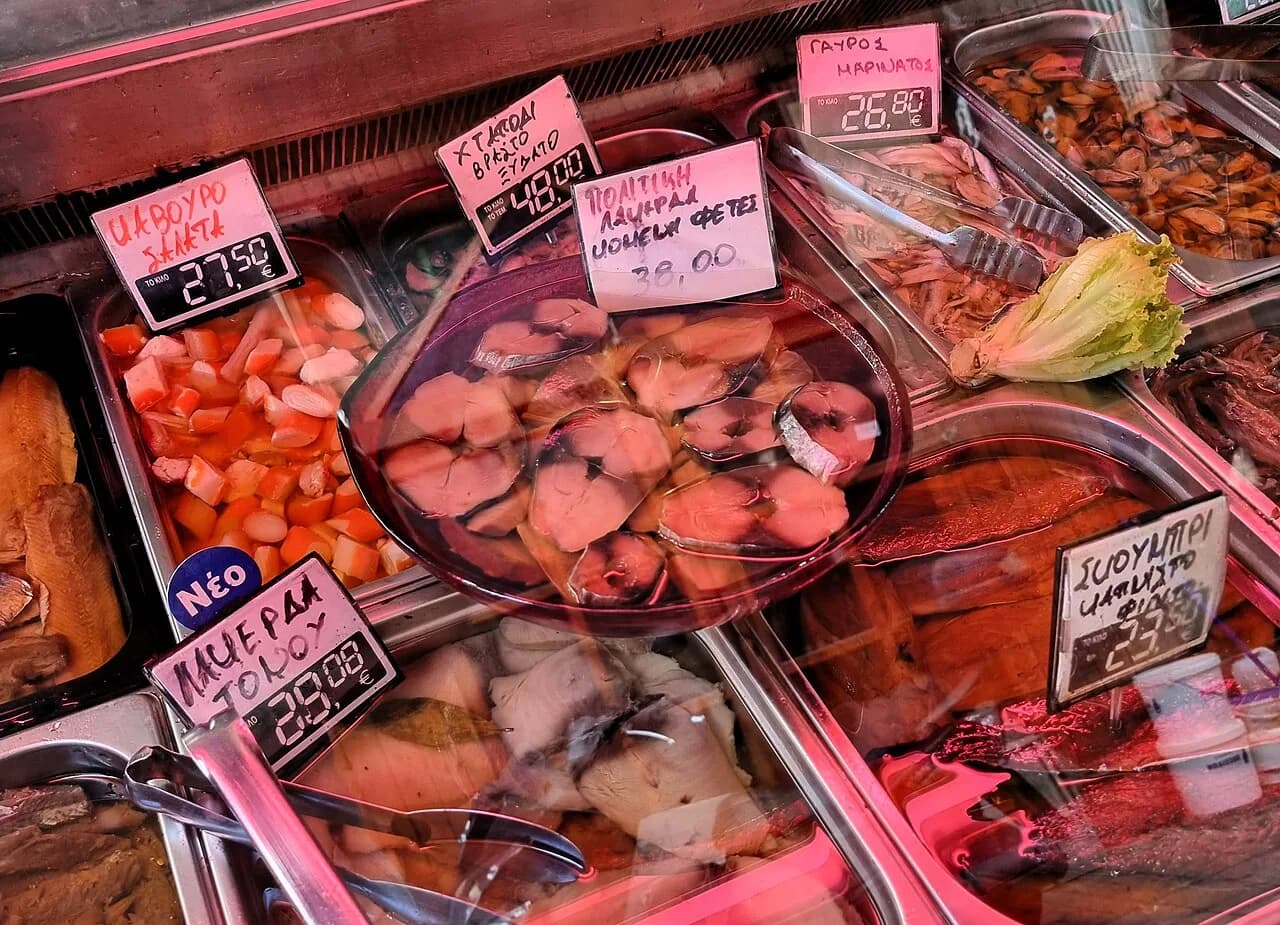
Menus are not standardised across the district and no reliable published price list exists for individual Ano Poli kitchens, so read the posted menu and ask what a plate costs before sitting down. If a place has no written prices, that is your cue to ask directly rather than guess.
Greek Menu Terms Decoded
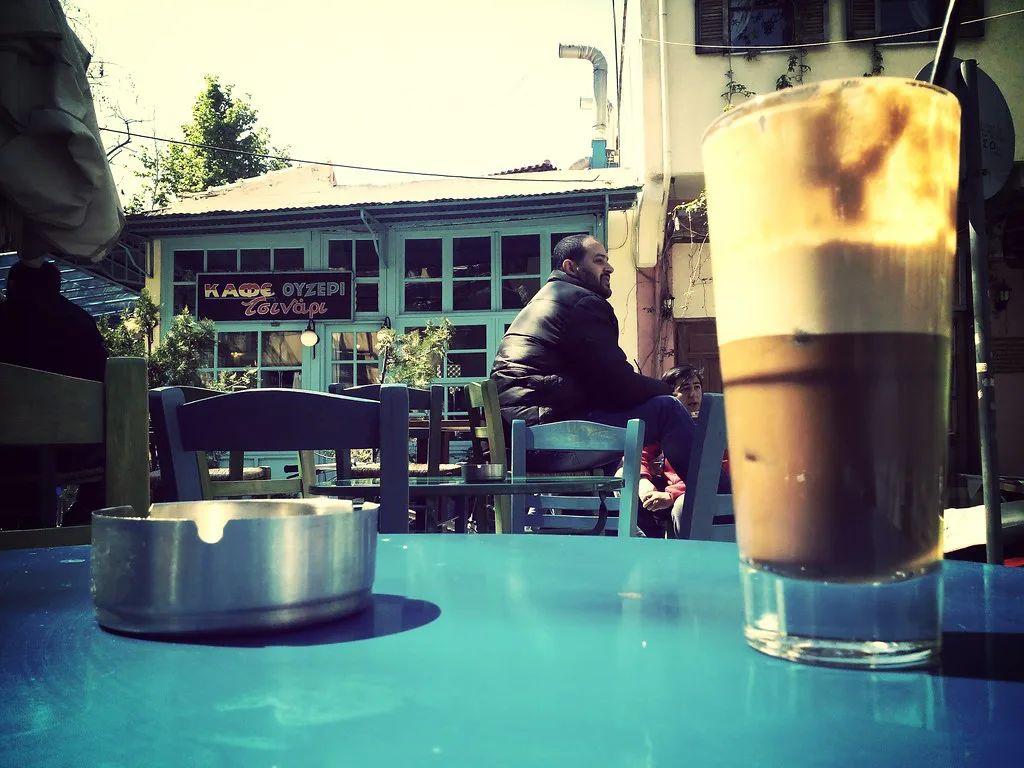
A meze is a small plate meant to be shared, and a mezedopoleio is a house that builds its menu around them; an ouzeri is a drink-led bar where small plates come alongside ouzo or tsipouro. A taverna serves family-style cooked dishes in larger portions, and a kafeneio is a coffee house, often with a short food menu or none at all.
Reading those four words correctly tells you how to order before you sit down: at an ouzeri you order several small plates across the table, at a taverna you might share two or three mains, and at a kafeneio you are mainly there for coffee. It also tells you what the bill will look like, since small-plate houses add up differently from a single main course.
If you want a structured introduction to the city's dishes before you climb, a food tour in the lower city can cover the basics early in the trip. Use the upper town for the view meal and the centre or Ladadika for a wider choice of kitchens.
Timing the Climb and the Meal
Mornings and late afternoons are the sensible windows for the uphill walk: the stone lanes hold heat, and the exposed sections along the walls offer little shade at midday in summer. Going up early also puts you at the Trigonion Tower before the light flattens and before lunch tables near the view fill.
Late afternoon into evening is the other good slot, finishing at the walls as the city lights come on and then eating in the upper lanes or walking back down. Sunset tables at the most panoramic spots are limited, so if a particular terrace matters to you, ask about reserving when you arrive rather than expecting to walk in.
Restaurant hours in Ano Poli are set by each business rather than by the district, so check the door or call ahead for the place you have in mind, particularly outside the main season. This is one area where a five-minute phone call saves a wasted climb.
Combining Ano Poli With the Lower City
With a full day, Ano Poli in the morning and the centre in the afternoon works well: the climb, the monuments and a view lunch take a solid half-day, and the lower city's Roman and Byzantine sights fill the rest. Walking down rather than taking a taxi also drops you near the market and the shopping streets.
With only half a day, choose one: either the monuments and walls with a quick meal, or the lower city's sights with a proper lunch. Trying to do both produces a rushed climb and a distracted afternoon, and the upper town in particular rewards unhurried walking.
If pastry is the priority, note that the city's sweet and savoury specialities are mostly found in the centre rather than up in Ano Poli, so plan a stop on the way down. Knowing what to eat and where the classics live helps you avoid spending your upper-town time hunting for things that are not there.
Common Mistakes to Avoid
The most common error is expecting a compact old-town core: Ano Poli is a spread-out neighbourhood on a hill, and the walking between monuments is the visit. Budget your legs accordingly and do not schedule a tight appointment immediately after.
Smooth-soled shoes on stone lanes are a real hazard, particularly on the stepped descents and after rain, and the gradient makes the difference between a pleasant hour and an uncomfortable one. Carry water and wear something with grip.
Finally, do not assume the upper town keeps centre hours; kitchens and shops here are small and independent, so an early or late arrival can mean closed doors. Plan lunch within normal midday service and confirm evening openings directly with the place you want.
Plan Your Visit
Ano Poli rewards a simple plan: walk up from the centre in the morning or late afternoon, follow the monuments in sequence, finish at the walls and the Trigonion Tower, and choose whether your meal is about the view or the value. The neighbourhood is the sight, so leave room for the lanes between the stops.
When you want the wider picture of where to eat across the city, start with the best restaurants in Thessaloniki by area, then come back up the hill with your table already chosen.
Explore more Thessaloniki sauna guides
Frequently Asked Questions
Is Thessaloniki's old town worth visiting?
Yes, if you want Byzantine walls, old houses and a viewpoint over the city rather than a museum. Ano Poli is the part of Thessaloniki that the 1917 fire spared, so its lanes and monuments look different from the rebuilt centre. It suits travellers willing to walk on sloping, cobbled ground for a couple of hours.
Is Ano Poli the same as the city centre?
No. Ano Poli is the upper town, on the hillside above the centre, and you reach it by walking up, usually starting near Aristotle Square, or by taking a taxi for the steepest section. The centre below holds the waterfront, the market and most of the city's hotel stock.
Where does the walk up to Ano Poli start?
Most routes begin around Aristotle Square in the centre and head uphill towards the Yeni Hamam and the Byzantine churches. Guided options exist, and one private tour lists a meeting point at Aristotle Square with a route covering Saint David, Vlatadon Monastery and the Eptapyrgion; self-guiding the same sequence is straightforward.
What is there to see at the Trigonion Tower?
The tower is a former armoury on the highest part of the Byzantine walls, and it overlooks the city with a wide panorama. The walls it sits on run for roughly four miles, are up to 10 metres high and about five metres thick. Access to specific wall sections can change, so confirm on site what is open.
How long does it take to walk around Ano Poli?
Allow a half-day for the monuments, the walls and a meal, and more if you stop often. A listed private tour runs about three and a half hours, but that is the schedule of one operator, not a minimum. Walking between the sights, rather than the sights themselves, is what takes the time.
Are there restaurants in Thessaloniki's old town?
Yes, tables are spread through Ano Poli, with view-oriented places near the walls and simpler cooking in the lower lanes and squares. Menus and prices vary by business and are not centrally published, so read the posted menu and ask what a plate costs before sitting down.
What should I wear for the walk up to Ano Poli?
Shoes with grip. The lanes are stone-paved, stepped and sloping, and smooth soles are a genuine hazard on the descents. Carry water in summer, since the sections along the walls offer little shade in the middle of the day.
Can I combine Ano Poli with the rest of Thessaloniki in one day?
Yes with a full day: the upper town in the morning, then the centre in the afternoon after walking down. With only half a day, pick one, since splitting your time between the climb and the lower city leaves both rushed.
Sources
Notes for eating well in Greece
Optional updates to our guides.
You might also like
Continue reading
More guides you'll find useful