Museums in Heraklion: Which to Visit and Why
Plan Heraklion's museums with this practical guide to the Archaeological Museum's Minoan finds, the Historical and Natural History museums and Knossos.
On this page
Heraklion's museums are easy to underestimate on a map, because the historic centre is small enough to cross in half an hour. What the city holds is unusually concentrated: a Minoan collection whose finds come from palaces across Crete, a museum covering Venetian and Ottoman centuries, and a natural history museum built around the island's wildlife and geology. Deciding between them matters most when Knossos is also on the list, because the site and the main museum are complementary rather than interchangeable.
The order you visit in is the single biggest planning decision. Visiting the Archaeological Museum before Knossos gives context to the ruins outside the city; visiting Knossos first makes the objects in the museum feel like the payoff. Either works, but the choice shapes how long you want in each place. The broader things to do in heraklion guide covers the rest of the city for travellers building a full day.
What Heraklion's Main Museums Cover and Where They Sit
The Archaeological Museum sits at Chatzidaki 1 on the eastern edge of the old town, within a short walk of Eleftherias Square and the bus stops on the waterfront side. The Historical Museum of Crete stands on Sofokli Venizelou, the main road running along the modern city toward the port, so it slots naturally into a walk between the centre and the water. The Natural History Museum of Crete is northwest of the historic centre, right by the sea, which makes it a separate stop rather than part of an old-town loop.
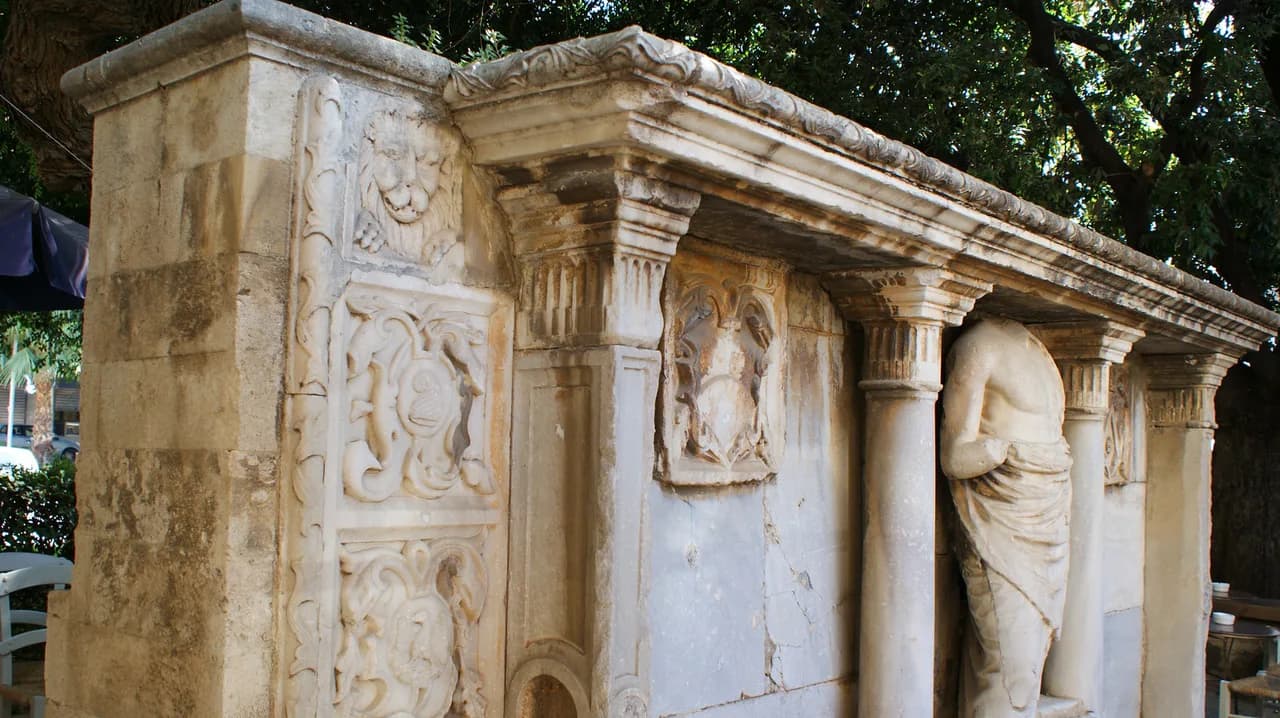
That layout has a practical consequence: the Archaeological Museum, the Venetian Loggia, Saint Titus church and the Morosini Fountain can be seen on one continuous stroll, while the Natural History Museum suits a morning or afternoon on its own with a walk along the waterfront. If your hotel is near the old harbour, most of the central museums are reachable on foot, but a taxi or city bus saves time if you are moving between the port area and the museum cluster with children.
The Archaeological Museum: Crete's Minoan Finds Under One Roof
This is the museum most visitors come for, and its collection is drawn entirely from excavations on Crete, organised chronologically rather than by site. The building holds more than 5,000 artefacts, beginning with material from small settlements and building toward finds from palaces, towns and major centres. Because the objects come from Knossos, Phaistos, Malia and elsewhere, a visit here also functions as a primer on the whole island rather than a single site.
The museum's own highlights pages are the most reliable way to confirm which pieces are on display before you travel. Plan around named works such as the Snake Goddesses figurines, the stone bull's-head rhyton, the gold bee pendant, the Phaistos Disc and the bull-leaping fresco, but check the current presentation once you have dates. A monument such as Knossos Palace is outside the city and needs its own half-day, so the museum and the site reward separate slots rather than a rushed pairing.
Which Highlights to Look For
Work from a short list rather than trying to absorb every case. The Phaistos Disc is a fired clay tablet stamped with spiral symbols whose meaning remains undeciphered, and it draws the biggest crowds, so go to it early or late in a visit. The bull's-head rhyton is a carved stone vessel shaped as a bull, and the bull-leaping fresco shows figures vaulting over an animal, both direct links to Minoan ritual imagery.
The smaller objects often carry more of the human story: decorated pottery, cooking utensils, jugs, cups and Minoan jewellery occupy cases that are easy to walk past. Some of the most famous painted panels from Knossos are displayed here rather than at the site. If you are travelling with children, giving them two or three named targets makes the visit manageable.
How Long the Archaeological Museum Takes
Budget roughly ninety minutes for a focused visit that covers the main highlights and a couple of galleries in sequence. A fuller pass, reading labels and following the chronological arrangement, comfortably runs to two hours or more.
Pacing works best by choosing a direction and sticking to it rather than wandering between wings. Start with the earliest material to follow the timeline, or head straight for the famous pieces and work backwards if you have limited time. After a morning at Knossos in the heat, an air-conditioned hour here is a sensible reset before the old town; after the museum, walking out into the Venetian streets gives the objects a setting.
Tickets, Free Admission and Knossos Combinations
Ticket terms change with the season, so check prices and opening days on the museum's official site rather than relying on older guides. One published pattern worth knowing is that admission has been free on the first Sunday of the month between November and March, a detail to weigh against the season you are visiting. Combined tickets covering Knossos and the museum are also worth asking about at the desk.
At Knossos, expect a large excavated complex of more than 1,300 rooms spread over four wings around a central courtyard, with some reconstructed elements that shape how the ruins read today. Going early in the day reduces time in queues and heat, and a guide or audio guide helps make sense of the layout. The site's own channels carry the day's opening arrangements, and tour operators list their own inclusions separately.
Getting to Knossos and the Old Town on Foot or by Bus
Knossos lies roughly five kilometres south of the city centre, a short drive or a city bus ride from the old town. Local bus line 2 runs from the old town, and you can check the current timetable when you arrive. Once back in town, the Archaeological Museum, Loggia and fountain form a compact pedestrian circuit.
For the broader city sights between museum stops, the Venetian Loggia houses the town hall and sits near Saint Titus and the Morosini Fountain, making a natural break between gallery visits. The best restaurants in heraklion are concentrated in the same old-town lanes, which lets you split a museum day with a proper lunch rather than a rushed snack. Allow extra time on cruise-ship days, when the main pedestrian street fills up.
The Historical Museum of Crete
The Historical Museum of Crete on Sofokli Venizelou fills the gap the archaeological collection leaves open, covering the Venetian, Ottoman and modern Greek periods rather than the prehistoric world. Exhibits include weapons and musical instruments such as the Cretan lyre, and the museum's displays give context to the city's surviving fortifications and churches. It is the right stop if you want to understand how Heraklion was shaped after antiquity.
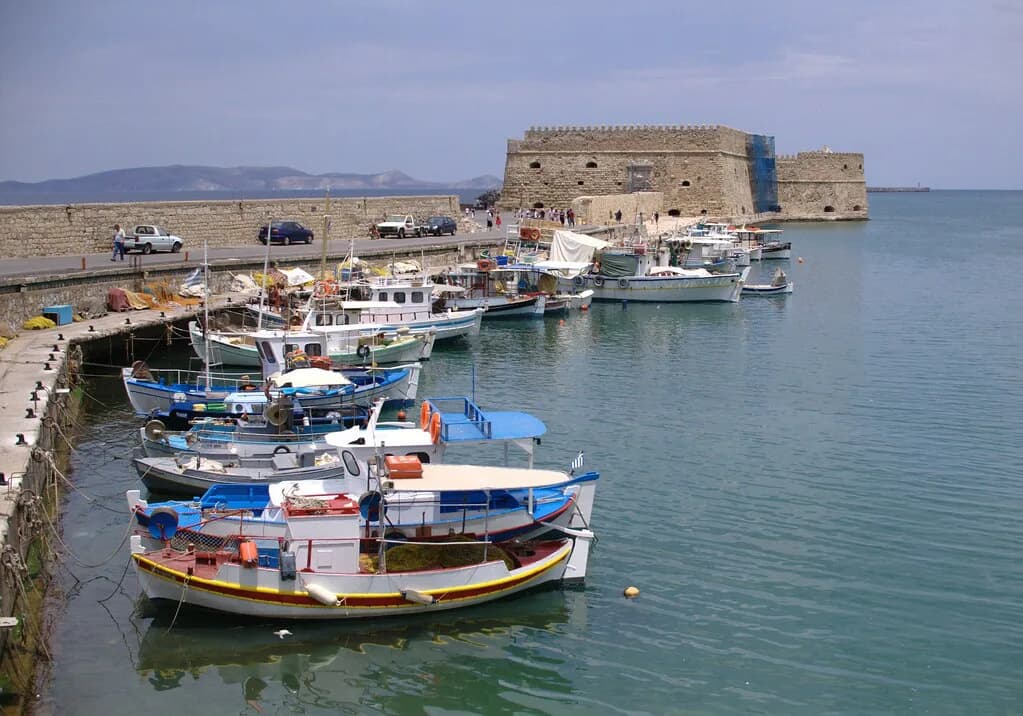
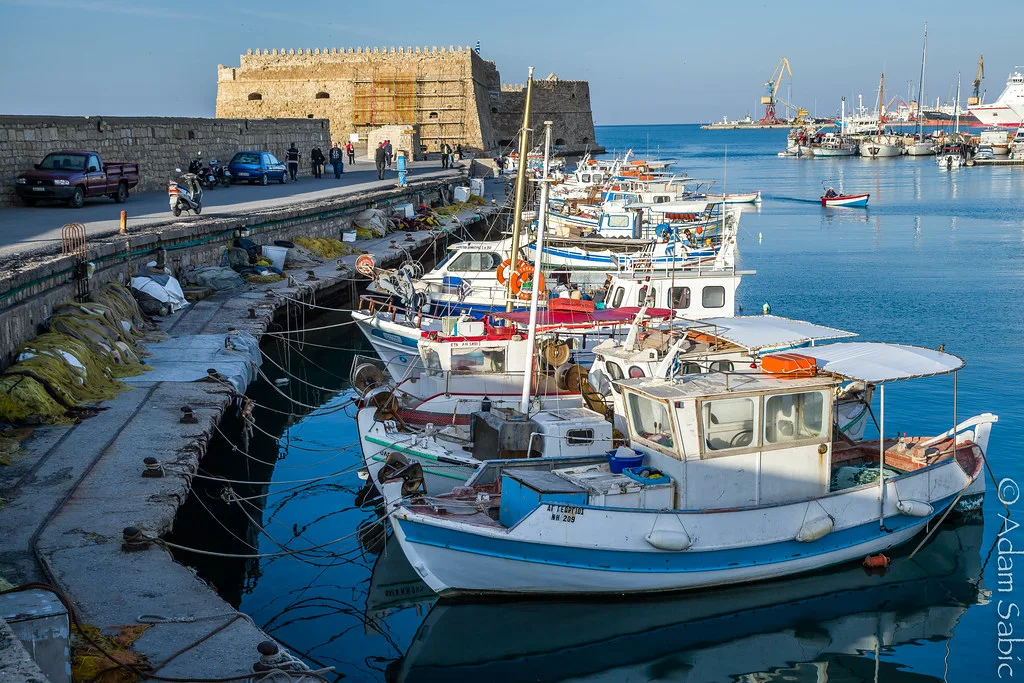
Because it sits on a main road between the centre and the port, it works well as a shorter second visit on the same day as the Archaeological Museum, or as a rainy-day alternative to a beach. If your interests lean toward heraklion churches and the Venetian legacy in stone, this collection supports what you see on the streets. Pair it with a walk to the Koules Fortress at the old harbour to finish the arc.
The Natural History Museum of Crete: Dinosaurs and the Earthquake Simulator
The Natural History Museum of Crete, northwest of the historic centre by the sea, spreads its exhibits over four floors covering the habitats of Greece and the Mediterranean. It is the most child-friendly of the city's museums, with interactive displays and videos alongside the specimens, and life-size dinosaur models. The earthquake simulator, which reproduces seismic movement in stages, is the highlight most visitors remember.
This is the museum to choose when travelling with children or when the weather makes an indoor afternoon sensible, and the adjoining cafe with a sea view gives you somewhere to pause. Unlike the Archaeological Museum, it does not require advance subject knowledge to enjoy. Combine it with a waterfront walk rather than trying to fit it between old-town sights.
Smaller Museums: Ancient Technology and Music
The Museum of Ancient Greek Technology, near the Venetian port, displays working replicas of inventions from antiquity, which makes it a short, engaging stop for visitors who want something other than pottery and frescoes. The Museum of Music, operated by Thirathen opposite the Church of Agios Minas, opened in Heraklion in December 2023 and covers traditional Greek music. Both suit a mixed itinerary where one large museum is enough for the day.
These smaller collections are best treated as add-ons of an hour or less rather than destinations in their own right. Their opening arrangements are less widely published than the big three, so confirm before making a special trip. If you are comparing options across the island, the museums in chania offer a useful contrast with a smaller archaeological collection.
Pairing Knossos with the Museum: Which Order Works
Visit the museum first if you want the palace to make sense when you arrive, since the objects, frescoes and plans explain how the complex functioned. Visit Knossos first if you prefer to see the site while it is cool and quiet, then use the museum to fill in what the ruins leave out such as the original painted panels and everyday objects. Either order needs a break between the two, because both involve a lot of standing and walking.
The ruins themselves cover an extensive area and include a throne room, processional corridors and storage magazines, with some sections reconstructed in cement by early excavators, a technique that is today criticised as arbitrary and aggravating for the Minoan edifice. That reconstruction is why the site reads more clearly than a bare ruin, and why some visitors find the museum more satisfying. Budget the site and the museum as a full day together, not a half-day.
Trade-Offs: One Deep Museum Day or Several Short Visits
One deep day in the Archaeological Museum plus Knossos gives a coherent Minoan experience and leaves no time for much else in the city. Three or four shorter visits, by contrast, cover Minoan, Venetian, modern and natural history but leave impressions that are thinner. Travellers with a single day in Heraklion should choose the archaeological pairing; those with two or three days can spread the museums out.
For orientation across the wider island, the museums in greece guide shows how Heraklion's collection compares with institutions elsewhere, including the Acropolis Museum in Athens. That comparison is useful if you are deciding where to spend limited museum time on a multi-stop trip.
Rainy Days and Shoulder-Season Timing
October is a popular shoulder-season month in Heraklion, with fewer crowds than high summer and a mix of warm days and wet ones, which makes an indoor museum plan worth keeping in reserve. Crete is the largest and most southerly Greek island, and Heraklion sits centrally on its northern coast, so weather can shift quickly between the mountains and the sea. A flexible itinerary that swaps a beach day for the Natural History Museum is easier than trying to book everything in advance.
In the quieter months, check opening days before setting out, because some museums run reduced schedules outside the main season. Build one museum-heavy day into your plan so you are not trying to slot visits in spontaneously.
Where to Eat Near the Museums
Peskesi, in a restored mansion at 6-8 Capetan Charalampi Street in the old town, cooks Cretan dishes with produce from its own farm outside the city and is a sensible dinner stop after a museum afternoon. The old town's central lanes put you within a short walk of the Archaeological Museum and the fountain square, so you can eat without a taxi. For lighter stops, the cafes around Lions Square work between visits.
If you want to combine food shopping with a museum day, the Heraklion Central Market along Odos 1866 has cheese, herb and coffee shops, including traditional roasters and a cheese shop, and sits a short walk south of the Morosini Fountain. That makes a natural loop with the old-town museums. For more on the city's shops, see the shopping in heraklion guide.
Plan Your Museum Day
Start by choosing the pair that matches your interests: the Archaeological Museum with Knossos for Minoan depth, or the Archaeological with the Historical Museum for a compact city day with less travel. Add the Natural History Museum when children are in the group or the weather turns. Confirm current ticket terms and opening days before you go, then fix the order so you are not doubling back across town.
Leave room in the plan for the streets between the museums, since the Loggia, Saint Titus and the fountain sit along the same walk and cost nothing. A relaxed lunch in the old town between two visits is a better use of an hour than squeezing in a third collection.
Frequently Asked Questions
Should I visit Knossos or the Archaeological Museum first?
Either order works, but the museum first gives you context for the palace and the palace first makes the museum's objects feel like the conclusion. If you want cooler conditions at the site, go to Knossos early and use the museum afterwards. Allow a break between the two, because both involve a lot of walking and standing.
How long does the Heraklion Archaeological Museum take?
Allow about ninety minutes for a focused visit covering the famous pieces, and two hours or more to work through all 27 rooms at a reading pace. The galleries are arranged chronologically, so choosing a direction at the start saves time. Check the museum's official pages for current gallery access before you travel.
Is the Heraklion Archaeological Museum worth visiting after Knossos?
It is, because the palace's original frescoes and many of its finest objects are displayed indoors for protection, and the collection explains the wider Minoan world beyond one site. Some visitors find the museum easier to read than the partly reconstructed ruins. Pairing the two gives a fuller picture than either alone.
Do I need to book Heraklion museum tickets in advance?
For the Archaeological Museum, advance booking is not usually essential outside peak periods, but checking the official site first is sensible because ticket arrangements and opening days change by season. Guided tours and combined Knossos tickets are sold separately by operators, with their own terms. Confirm what each ticket includes before paying.
Which Heraklion museum is best for children?
The Natural History Museum of Crete, northwest of the historic centre by the sea, is built for families with interactive displays, dinosaur models and an earthquake simulator. It needs less background knowledge than the archaeological collection. The adjoining cafe gives you a place to pause afterwards.
What can I see at the Historical Museum of Crete?
It covers the Venetian, Ottoman and modern periods rather than prehistory, with weapons, musical instruments such as the Cretan lyre, and displays that explain the city's later layers. It sits on Sofokli Venizelou between the centre and the port, so it fits a walk toward the old harbour. It pairs well with a shorter second visit on the same day as the Archaeological Museum.
How do I get from Heraklion centre to Knossos?
Knossos is about five kilometres south of the centre, reachable by a short drive or by local bus; line 2 has run from the old town in summer at roughly fifteen to twenty-minute intervals. Confirm the current timetable locally, since frequencies vary by season. Going early avoids the busiest period at the site.
Are Heraklion's museums open in October?
October is a shoulder-season month with fewer visitors and changeable weather, and museums generally keep regular hours, though schedules can shift outside high season. Confirm opening days on each museum's official site before you set out. Keep one indoor day in reserve in case a beach plan is rained off.
Sources
- The best things to do in Heraklion Crete
- Things To Do In Heraklion 2026 - Activities & Attractions | Travelocity
- Heraklion Crete • The 11 most beautiful sights of the city
- Everything You Need to Know About Knossos Palace
- Highlights - Heraklion Archaeological Museum
- Collections - Heraklion Archaeological Museum
Notes for eating well in Greece
Optional updates to our guides.
You might also like
Continue reading
More guides you'll find useful