Thessaloniki History: Roman, Byzantine & Ottoman
Thessaloniki's Roman, Byzantine, Ottoman and Jewish layers explained, with the museums, monuments and neighbourhoods where each period is easiest to read.
On this page
Most visitors arrive in Thessaloniki knowing two things: it is Greece's second city and it has a long waterfront. Neither prepares you for how much of the past is still standing in ordinary streets. A Roman forum, Byzantine churches still in daily use, an Ottoman covered market and a Jewish museum sit within a few minutes of each other.
The trick is to sort the city by layer rather than by monument. Once you can tell a Byzantine brick church from an Ottoman bathhouse, a walk through the centre becomes a timeline. This guide pairs each period with the museum or neighbourhood that explains it, so the monuments stop looking like anonymous old buildings.
Why Thessaloniki Reads as a Layered City
Thessaloniki was founded around 315 BC, and the city has been continuously occupied since, which is why periods overlap rather than sit side by side. A single block in the centre can hold a Roman ruin, a Byzantine church and a 20th-century apartment building. That density is the pleasure of the place and also the reason it confuses first-time visitors. The city's own museum listing describes the walled old town and its monuments as effectively an open museum. If you enjoy reading a city by its layers, Corfu history offers a comparable walk through Venetian, French and British periods.
Layer by layer, the sequence runs from the Roman city through nearly a millennium as a major centre of the Eastern Roman Empire, then Ottoman rule, the 1912 annexation to the Greek state, and the modern Greek city. For a visitor, the practical consequence is that you can see four or five periods in one afternoon if you know which streets to walk.
A Short Timeline to Hold Onto
Keep three anchors in mind. First, the founding around 315 BC by Cassander of Macedon, who named the city after Alexander the Great's sister. Second, the Byzantine centuries, when Thessaloniki functioned as the empire's second city. Third, 1912, when the city was annexed to the Greek state after the Ottoman period.
Two dates help orient the monuments themselves. Fifteen Early Christian and Byzantine monuments were inscribed on the UNESCO World Heritage List in 1988, which is why so many churches in the centre carry UNESCO markers. Modiano Market, often mistaken for an older structure, was built between 1922 and 1930 to designs by the architect Eli Modiano.
Roman Thessaloniki: What Survives and Where to Make Sense of It
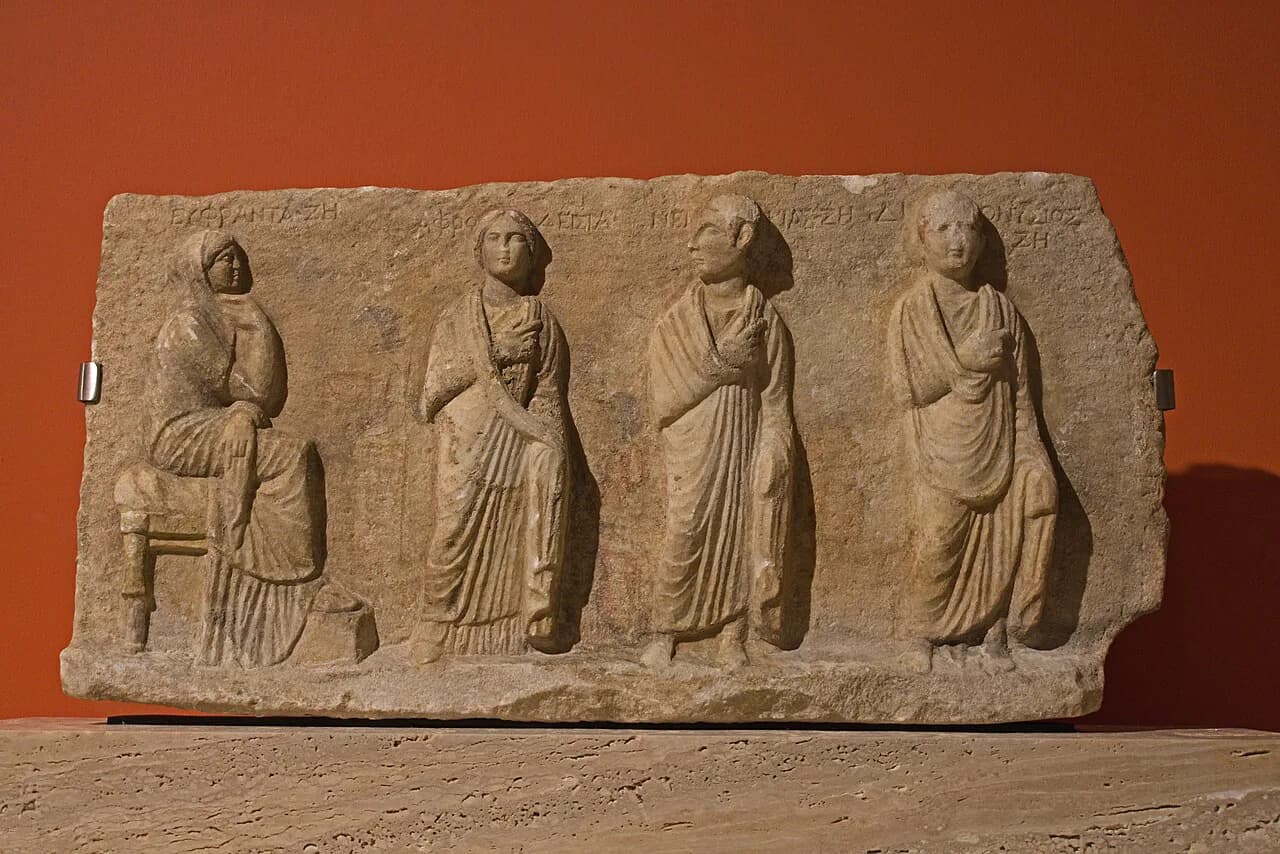
Roman remains in Thessaloniki are scattered and often fragmentary, which is exactly why a museum stop first pays off. The Archaeological Museum of Thessaloniki at 6 M. Andronikou St. holds finds from the city and the wider region of northern Greece, arranged in eight permanent thematic units covering public and private life in antiquity. See the collection before walking the ruins and the fragments in the streets suddenly have context.
The city's published museum listing gives the address and a telephone contact, so confirm opening hours and ticket prices on the museum's own site or by phone before you build a day around it. Allow more time than you expect here if you plan to visit other archaeological sites in northern Greece afterwards, because the collection is organised to explain the region, not just the city.
Byzantine Thessaloniki: Monuments in the Street
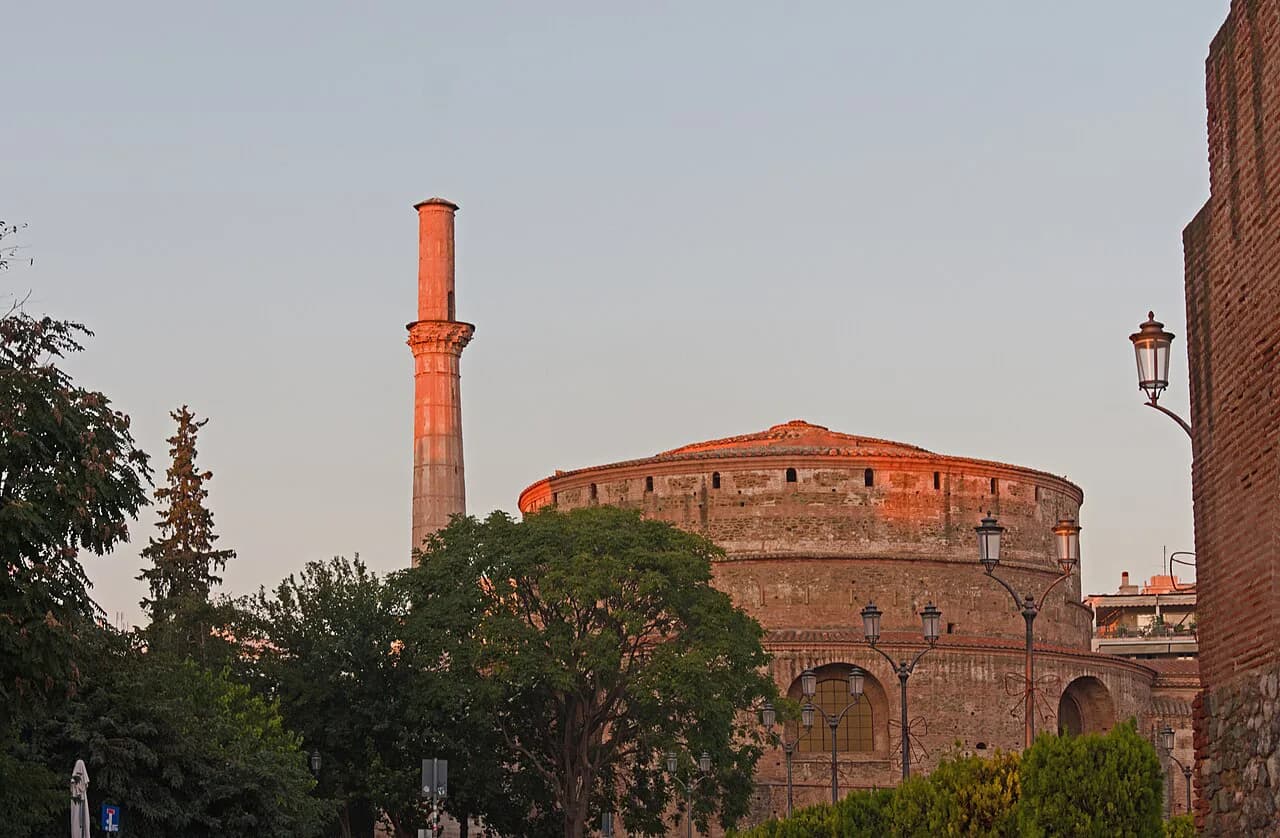
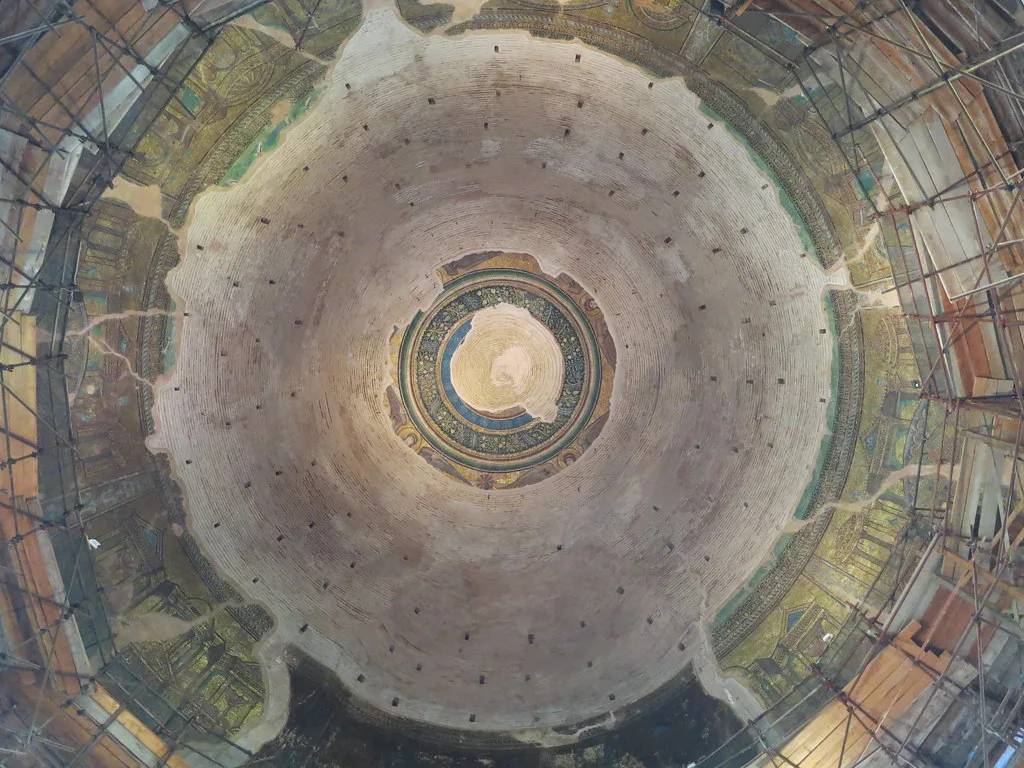
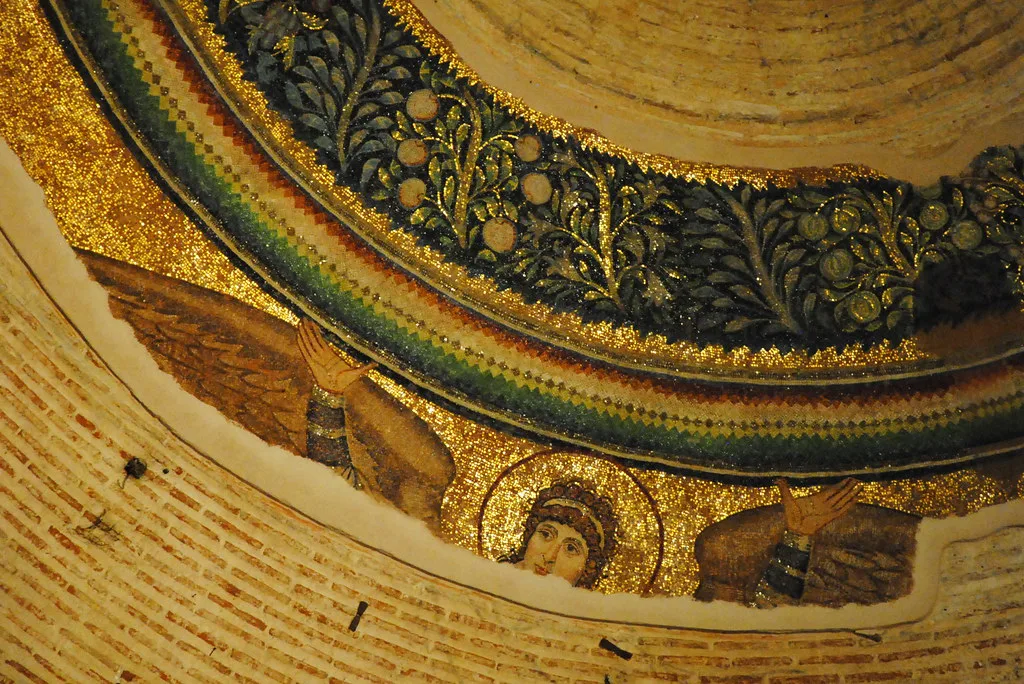
The Byzantine layer is the one you will meet without trying. The city's Early Christian and Byzantine churches are working monuments rather than museum pieces, which means you may be visiting during a service. Dress modestly and hang back if a liturgy is underway. Fifteen of these monuments carry UNESCO status, and they are concentrated in the historic centre, so a single morning's walk will pass several.
The reward of walking them is architectural: brick banding, domes and mosaic interiors that are hard to appreciate in photographs. The trade-off is that signage is uneven, and without background you may pass a significant church thinking it is a later rebuild. Reading a short summary of the period before you leave the hotel is worth more than any audio guide you might find on site.
The Museum of Byzantine Culture: The Companion to the Churches
The Museum of Byzantine Culture at 2 Leoforos Stratou Ave. covers art, ideology, social structure and religion across the Byzantine and post-Byzantine periods, and it explains how political change filtered into daily life. It was awarded the Council of Europe Museum Prize for 2005. Visiting it after the churches rather than before often works better, because the objects make sense once you have seen the buildings they came from.
Treat the museum as the explanation and the churches as the evidence. If your time is short, the museum alone will give you a working vocabulary for the rest of the city, including buildings you had planned to skip. Check the museum's own site before setting out, since its opening times by season are not listed in the city's museum pages.
The Jewish City: The Sephardic Story
For centuries Thessaloniki was a predominantly Sephardic Jewish city, a fact that surprises many visitors who know only the Greek and Byzantine narrative. The Jewish Museum of Thessaloniki at 13 Aghiou Mina St. displays photographs and artifacts tracing the Jewish presence from the city's foundation to the Second World War. It is the clearest place to understand why the city's culture, food and music sound different from the rest of Greece.
The museum's library functions as a documentation centre for Sephardic history, traditions, customs and language. Pair the visit with a slow walk through the market streets nearby, where the city's layered demography is easier to feel than to read on a plaque. It is a small museum by the standards of the archaeological collections, so an hour or so is realistic.
Ottoman Traces: Bathhouses, Mosques and the Bezesteni
Ottoman Thessaloniki left bathhouses, mosques and the Bezesteni, a covered market whose name comes from the Turkish word for a domed bazaar. The city's own history summary notes that these became the hubs of the city's new reality during the Ottoman period. Spotting them takes a little practice, because many were later adapted, renamed or absorbed into commercial buildings.
Look at the roof before the façade. Domes, lead cladding, low profiles and thick stone walls are better clues to an Ottoman building's origins than a street sign, which may date from a much later renaming. The common mistake is assuming anything with a Greek name and a modern shopfront is a modern building; many retain Ottoman masonry behind the signage.
Modiano and Kapani Markets as Living History
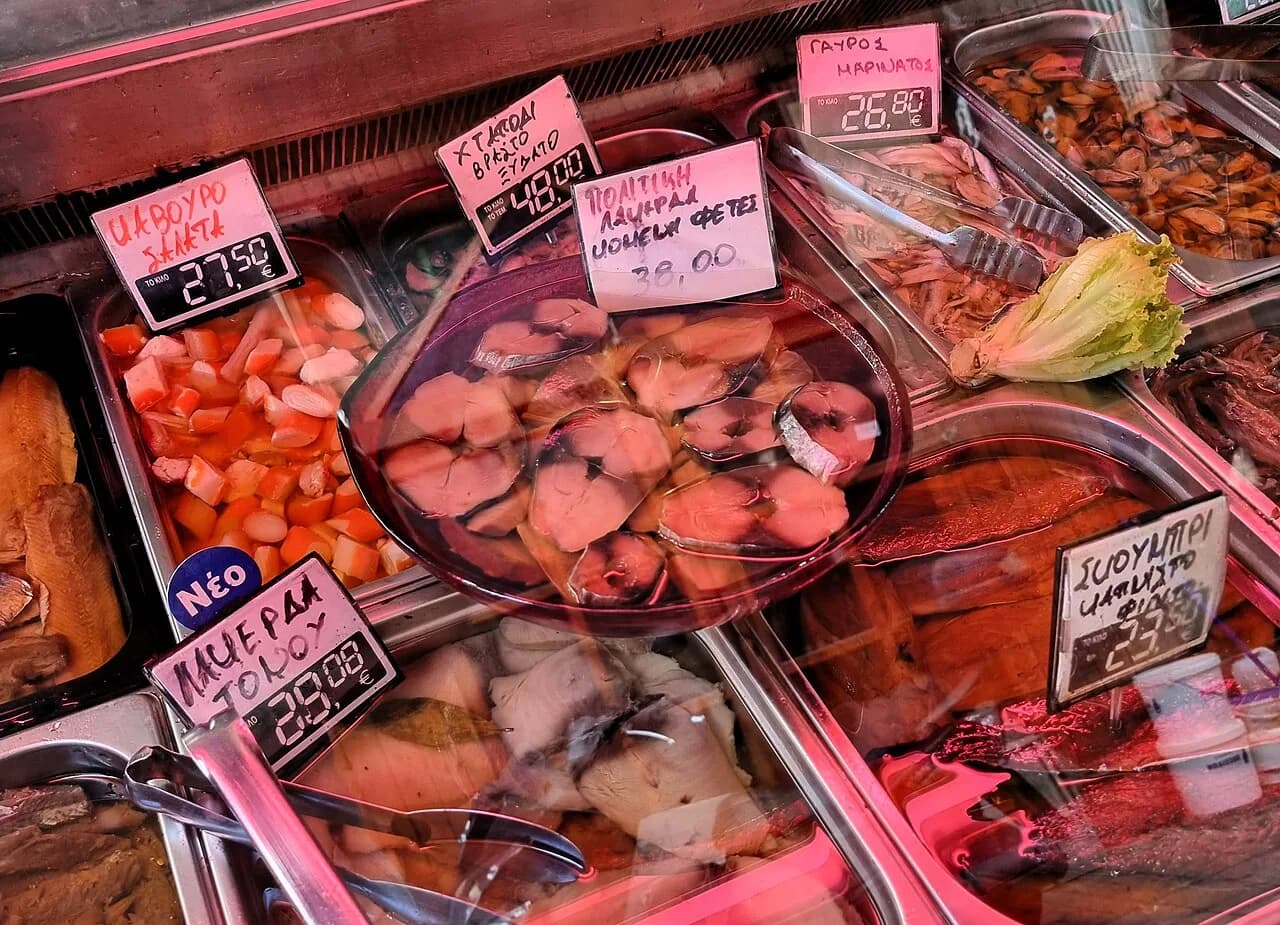
Modiano Market is the clearest example of the city using its historic fabric for daily life rather than display. Built between 1922 and 1930 by Eli Modiano, it sits near Aristotelous Square and remains a working market with food and drink stalls. Kapani Market, a covered market on Vlali, sells produce, meat, seafood and household goods in the same dense, noisy way it has for generations.
Walk both markets with the food-minded approach that does this city justice; our guide to what to eat in Thessaloniki explains which counters and bakeries are worth a stop. Go early for the full picture at Kapani, and remember that these are shopping streets for residents rather than attractions, so keep moving and keep your bag zipped.
The Waterfront and the White Tower
The waterfront is the modern city's face, and the White Tower is its emblem. The tower reopened with a new permanent exhibition organised by the Museum of Byzantine Culture that presents aspects of Thessaloniki's history across time, which makes it a useful orientation stop early in a trip. The city's museum pages list it alongside the major collections.
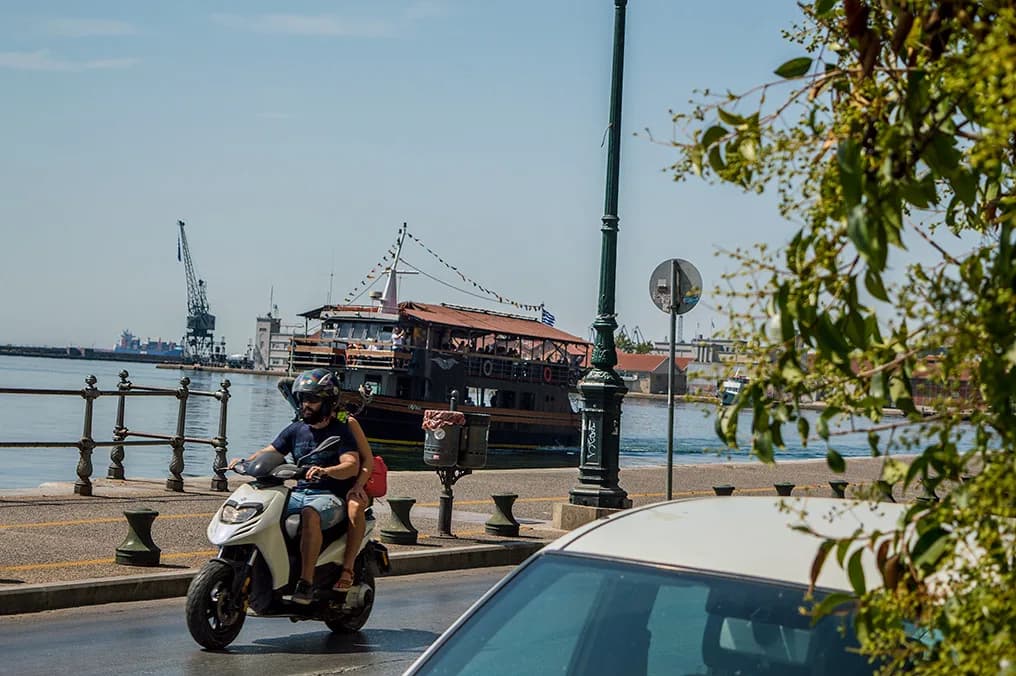
The waterfront also explains the city's geography: the Thermaikos Gulf gave Thessaloniki its strategic importance, and the harbour area now holds several museums, including the Museum of Photography in Warehouse A of the port. A waterfront walk links the tower, Aristotelous Square and the port museums without any need for transport.
Ano Poli and the Walls
Ano Poli, the upper town, is where the Byzantine walls and the oldest street pattern survive best. The city's own description notes that a different Thessaloniki emerges behind the dense apartment construction of the lower centre. The climb is uphill and hot in summer, so plan to walk up early and come down through the markets rather than the reverse.
The walls and monuments of the old town are described by the municipality as an open Byzantine museum, and several of the UNESCO-listed monuments sit within or near this quarter. Bring water, wear shoes that grip on uneven paving, and allow more time than the map suggests, because the lanes twist.
Museums That Fill the Gaps
The Museum for the Macedonian Struggle at 23 Proxenou Koromila St. covers the social, economic, political and military history of Hellenic Macedonia in the 19th and 20th centuries. The Railway Museum of Thessaloniki at 7B N. Monastiriou St. occupies an 1891 station building and holds locomotives, carriages and material connected to routes such as the Orient Express. The Museum of Photography, in the port's Warehouse A, holds more than 100,000 photographic objects and runs the PhotoBiennale festival.
Ataturk's House at 151 Agiou Dimitriou St., where the founder of the Turkish Republic was born in 1881, is presented as a gift from Greece to Turkey and opened as a museum in 1953. It is a short visit, but it adds an important dimension to the Ottoman and early 20th-century story. Check each museum's own site for current opening arrangements, as several operate reduced hours outside the main season.
One Day or Two: Two Ways to Route the City
A single day should stay central: start at the Archaeological Museum or the Museum of Byzantine Culture, walk the Roman and Byzantine remains in the centre, cross to the markets, and finish on the waterfront with the White Tower. That route is coherent but museum-heavy. If you prefer atmosphere, swap one museum for a slow walk through Ano Poli and the walls.
Two days allow a cleaner split. Give day one to the museums and the Byzantine churches, and day two to neighbourhoods: Ano Poli in the morning, the markets and Ladadika around lunch, and the waterfront in the late afternoon. This avoids the common mistake of treating Thessaloniki as an Athens stopover and squeezing four periods into two hours.
Where to Eat Between History Stops
The centre, Kapani and Ladadika each serve a different purpose on a history-heavy day. Kapani is for a quick, early stop among the market stalls; the centre around Aristotelous Square and P. Mela is convenient between museums; Ladadika, near the port, suits an evening after the waterfront walk. Our best restaurants in Thessaloniki guide arranges the options by area so you are not crossing town hungry.
If you want a snack tied to the city's Ottoman and refugee history rather than a sit-down meal, bougatsa is the obvious choice, and our bougatsa in Thessaloniki guide covers the sweet custard and savoury cheese versions and where to find them. Keep the meal short at midday so the museums stay feasible, then take a longer dinner after the sites close.
Plan Your Visit
Thessaloniki rewards a small amount of preparation more than most Greek cities. Read one short summary of the Byzantine period, note the addresses of the two main museums, and decide in advance whether you want a museum day or a neighbourhood day. Everything else in the centre is close enough to walk.
Before you travel, confirm hours and any closures on each museum's own website, since published schedules change with the season. Then plan your meals around the walking rather than the other way round, and the city's layers will fall into place without much effort.
Explore more Thessaloniki sauna guides
Frequently Asked Questions
What is Thessaloniki best known for historically?
It is best known as the Byzantine empire's second city, a role it held for centuries after the Roman period. That heritage is visible in the density of Early Christian and Byzantine churches in the centre, fifteen of which are on the UNESCO World Heritage List. The Ottoman and Sephardic Jewish layers sit beneath and alongside that Byzantine story, and the city's markets and museums are where those layers are easiest to read.
Why did Thessaloniki have so many Jews?
For centuries the city was a predominantly Sephardic Jewish centre, and that community shaped its food, music and street life. The Jewish Museum of Thessaloniki at 13 Aghiou Mina St. documents the Sephardic presence from the city's foundation to the Second World War, including traditions and language. Visit the museum before walking the nearby market streets, and the demographic history behind the city's distinctive culture becomes much clearer.
How many historical sites can I see in one day?
A realistic single day covers one major museum, a walk past several Byzantine churches in the centre, the markets, and the waterfront as far as the White Tower. Trying to add Ano Poli or a second museum usually makes the day rushed rather than fuller. With two days, split museums and churches on one day from neighbourhoods such as Ano Poli, the markets and Ladadika on the other.
Do I need to book museum tickets in advance?
The city's published museum listings give addresses and telephone contacts but not ticket prices or booking rules, so check each museum's own website before you go. Opening times shift with the season, and some smaller museums operate reduced arrangements outside the main period. Build your route around the hours a museum lists; check current details for seasonal changes.
What should I see first to understand the city?
Start with one museum that gives you a framework, then walk. The Museum of Byzantine Culture at 2 Leoforos Stratou Ave. explains the period that shaped most of the surviving monuments, while the Archaeological Museum at 6 M. Andronikou St. covers the earlier Roman and regional finds. Either one before a walking day makes the churches, walls and Ottoman structures legible rather than anonymous.
Sources
Notes for eating well in Greece
Optional updates to our guides.
You might also like
Continue reading
More guides you'll find useful