Elopement Greece: Choose Islands, Ceremony Types & Paperwork
Plan an elopement in Greece with clear trade-offs on islands, civil versus symbolic ceremonies, paperwork, timing and where to eat near the ceremony.
On this page
An elopement in Greece is rarely just a matter of picking a whitewashed backdrop. The legal route you choose determines which documents you need, how long you must be on the island and whether a planner or translator has to be involved before anything else is arranged.
This guide separates the three ceremony paths, compares the islands and mainland regions most often chosen, and treats travel time as a real constraint on a short trip. Prices are not quoted here because they vary by season, guest count and venue; confirm them directly with each supplier in writing.
What Eloping in Greece Actually Means: Three Paths
Couples use the word elopement for three quite different events. The first is a civil wedding in Greece, which is a legally registered marriage and brings with it document requirements. The second is a symbolic ceremony, where vows are exchanged without legal registration. The third is a vow renewal, which suits couples already married who want the setting without any paperwork.
Is it legal to elope in Greece? A civil wedding in Greece is a legally registered marriage, but document requirements vary by country of origin. A symbolic ceremony is not a legal marriage and is often paired with legal formalities completed at home.
What is the difference between a civil wedding and a symbolic ceremony in Greece? A civil wedding is registered with the local Greek authority and requires documents such as a passport, an Apostille-stamped birth certificate with a Greek translation, and proof of freedom to marry or an affidavit. A symbolic ceremony is a vow exchange without legal registration and can generally be arranged with less lead time and in more locations.
What paperwork do you need to get married in Greece? Published guides mention a valid passport, an Apostille stamp on the birth certificate, an official Greek translation of that stamp, and proof of freedom to marry or an affidavit. Requirements differ by nationality, and translations and filing responsibilities should be agreed in writing.
The distinction matters because it changes how many people must be present, which venues will accept the booking and how far in advance you need to start. A symbolic ceremony can generally be arranged with less lead time and can be held almost anywhere, while a civil wedding is tied to the local authority's procedures. Decide which path you want before you fall in love with a particular cliff edge.
The wider logistics of a Greek wedding, from guest numbers to reception planning, sit alongside these ceremony choices; the wedding in greece planning guide covers those pieces in more depth once your ceremony type is settled.
The Decision That Shapes Everything: Legal or Symbolic
A civil wedding in Greece requires paperwork that a symbolic ceremony does not. One guide lists a valid passport, an Apostille stamp on the birth certificate, an official Greek translation of that Apostille, and proof of freedom to marry or an affidavit among the documents couples have needed, and notes that requirements differ by country of origin.
That list is a starting point, not a definitive checklist. Confirm the current requirements for your nationality with the Greek consulate in your home country or with a licensed local planner, and ask who is responsible for translations and for filing documents once you arrive. Building in buffer days matters, because a missing translation can derail a tightly scheduled trip. The dedicated walkthrough of getting married in greece sets out the legal sequence in more detail.
The symbolic path trades legal recognition for flexibility. Couples often complete the legal formalities at home and hold the ceremony in Greece, which one source describes as cheaper and easier than doing the legalities abroad. If a religious ceremony matters to you, note that a Greek Orthodox Church wedding follows its own requirements and should be discussed with the parish and the local clergy well in advance.
Island and Mainland Shortlist: The Trade-Off for Each
Santorini is the most requested island for ceremonies, with caldera-edge villages such as Oia, the blue domes and bell towers, Skaros Rock and Amoudi Bay below the cliffs. The trade-off is logistics and cost: Oia and the caldera villages are crowded in high season and access to some viewpoints involves steps and narrow paths. A Santorini Wedding Guide helps narrow which village suits your ceremony size before you approach a venue.
If the ceremony is the whole trip, the Santorini Elopement Guide looks at the smaller-scale version of the island: two people, a photographer and a setting that does not need a guest list. Read it alongside the wedding guide if you are weighing a full celebration against a quieter day.
Beyond Santorini, one wedding company lists Ios, Skiathos, Skopelos, Naxos and Halkidiki among its package destinations. Each changes the character of the trip: Ios is known for beaches and nightlife, Skiathos for pine forest and beaches, Skopelos for green landscapes that attracted the Mamma Mia filmmakers, Naxos for long sandy beaches and Halkidiki for pine-backed coves and fishing villages. If Naxos is on your shortlist, our guide to Things to Do in Naxos: Beaches, Mountain Villages & Portara helps you plan the days around the ceremony.
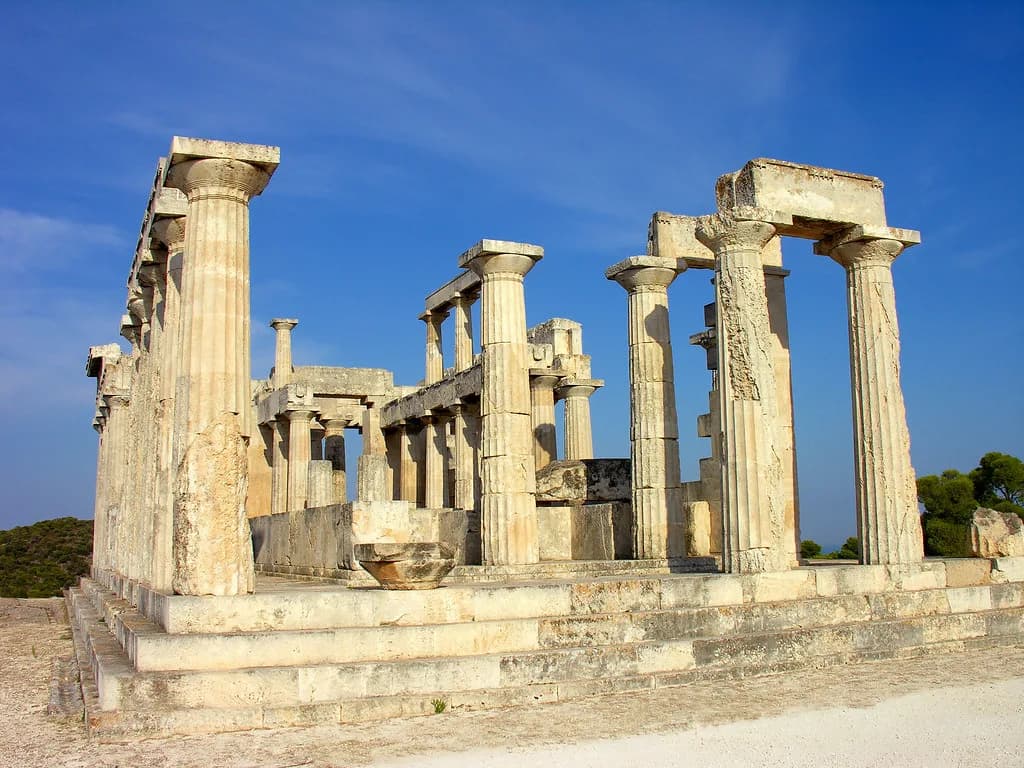
Mainland and Ionian options widen the field further. Zakynthos brings the Keri Caves and Navagio beach, Crete offers Chania, Heraklion and Agios Nikolaos as bases, the Peloponnese has the castle town of Monemvasia, and Pelion combines mountain villages with beaches such as Mylopotamos, Papa Nero and Damouchari. Falakro in the Drama region is the outlier, a mountain area rather than a beach one. If you plan to combine a Peloponnese ceremony with sightseeing, the guide to ancient sites in greece covers the main ruins nearby.
Getting There and Getting Around
Most itineraries start with a flight into Athens, then a domestic hop or a ferry. One guide puts the Athens to Santorini flight at around one hour, the ferry from Athens at roughly five to seven hours, the Athens to Zakynthos flight at about 55 minutes and the Athens to Heraklion flight at about 50 minutes. Treat all of these as approximate and check schedules for your dates, since seasonal timetables change.
Transfer time is where short elopements go wrong. A ceremony at a caldera-edge village may sit an hour or more from the airport once you add the drive and the walk to the venue, and a beach ceremony on Crete can be a long way from Heraklion. Sketch the whole door-to-door chain before you fix a ceremony time.
For Pelion, driving from Athens is the most flexible option, with one source estimating about 3.5 to 4.5 hours, and a train from Athens to Volos is also possible at roughly 4.5 to 5.5 hours. Cars give you access to beaches and village tavernas that sit off the bus routes, but someone must stay sober and parking in village centres is tight.
Timing: Spring and Autumn Versus Peak Summer
One Santorini-focused guide names April to May and September to October as the best window, with warmer weather and fewer visitors, and describes late May to August as crowded. It also notes that summer weddings should be booked well ahead. Those months are a sensible default for most of the country, but island weather varies and the shoulder weeks can be windy.
Winter is a genuine option for couples who do not need beach weather, with one source noting that hotels and activities can be negotiated down. The catch is that many island restaurants and tourism businesses operate seasonally and close for the winter months, so check that your chosen venue, taverna and photographer are actually working on your dates before you commit.
Choosing the Ceremony Location: What Each Type Costs You
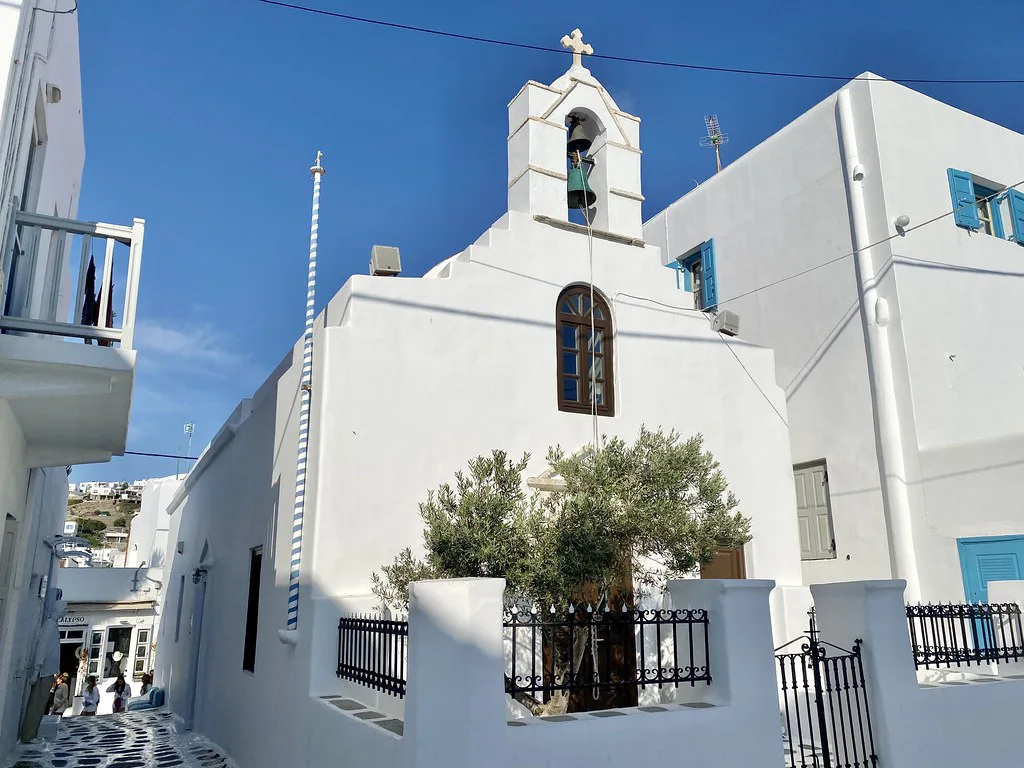
A caldera-edge terrace buys the view but brings wind, steps and other visitors in the frame. A beach ceremony is simpler to reach in some cases but sand, sun and tide times all affect the schedule, and some beaches are busy with day-trippers by mid-morning. A church or monastery gives shelter and a formal setting but usually requires advance permission and, for religious ceremonies, additional requirements.
A castle town or village square trades the iconic photograph for a shorter walk from the car and easier access for any guests. Monemvasia, on the southeastern Peloponnese, is one of Europe’s oldest continuously inhabited castle towns, with a fortified citadel linked to the mainland, which means a short walk with your bags rather than a cliff path. Decide which of these constraints you can live with on the day.
For a caldera setting, look at how the Santorini wedding venues handle guest numbers and timing before you compare prices. The Santorini Wedding Guide also flags the practical question of how guests reach a cliffside venue.
Ceremony-Day Logistics for Two People
Witnesses are the detail couples forget. A civil ceremony generally requires them, and a symbolic one may not, so ask the officiant or planner what is expected and whether they can supply witnesses if you are travelling alone. Put the answer in writing.
Translations and documents should travel in both paper and digital form, with copies held by someone at home. Build a weather contingency into the schedule: a cliff or beach ceremony needs an indoor or covered alternative, and a photographer needs a plan for a shifted start. Ask how the supplier handles a postponed ceremony before you pay a deposit.
Photographer timing deserves its own conversation. The light at a caldera sunset is the reason many couples choose Santorini, but the same hour is the busiest, so agree on meeting points and buffer time rather than assuming the photographer can move freely between viewpoints.
Where to Eat Around the Ceremony
Amoudi Bay, below Oia, is described as having seafood restaurants where a post-ceremony dinner can be arranged with a view of the cliffs and whitewashed buildings. Order grilled fish by the kilo, fava (a yellow split pea purée), and a horiatiki salad, and ask for the day's catch rather than choosing from a photo menu.
On Pelion, near Mylopotamos Beach, one source names Aggelike Fish Taverna, which serves mainly fish and also caters to vegans, and Cafe del Mare, whose terrace is suggested for morning coffee before the crowds arrive. Both sit close to the beach, which makes them workable for a small lunch after a morning ceremony.
Menus around the islands lean on the same building blocks: grilled octopus, fried kalamari, tomato keftedes (tomato fritters), and a glass of assyrtiko, the crisp white associated with Santorini. A broader list of what to eat in Greece is useful when you are planning meals across several islands and want to know what to order by name.
Budget Building Blocks to Confirm in Writing
Package pricing is usually structured around a base number of people. One company states that its packages are designed and priced for the couple plus up to eight guests, that the final price depends on the guest count and chosen services, and that the venue fee and Greek translation of documents are excluded.
Use those exclusions as a template for any quote. Ask each supplier to list what is not included: venue hire, document translation, officiant fees, transport between ceremony and dinner, and photographer hours beyond the ceremony. Get the total for your actual date and guest count rather than an indicative starting figure.
A comparison of Corfu Weddings is worth reading if you are weighing the Ionian against the Cyclades, since the island's Venetian-influenced towns and greener landscape change both the photographs and the transfer times. If you are also weighing a fuller itinerary of ruins nearby, the guide to ancient sites in greece pairs well with this planning.
Common Mistakes Couples Make
The first is booking a venue before confirming the legal route, which can force a rushed document process. The second is underestimating transfer time and scheduling a ceremony on the same day as a ferry or flight. The third is assuming a package covers the venue and translations when it may not.
Another common slip is choosing a date in peak season without checking accommodation and photographer availability at the same time. A fourth is planning a beach or cliff ceremony with no wet-weather alternative. Each of these is fixable with a short list of questions asked before any deposit is paid.
Plan Your Visit
Start with the ceremony type, then the island, then the date. That order keeps the paperwork, the venue shortlist and the budget aligned instead of forcing compromises later. Once those three are fixed, book the photographer and the meal, and confirm in writing what each supplier excludes.
Before you commit, confirm document requirements with the Greek consulate or a licensed planner, check that your chosen taverna and venue operate on your dates, and keep the ceremony-day plan flexible enough to absorb a ferry delay or a windy afternoon.
Explore more Greece sauna guides
Frequently Asked Questions
Is it legal to elope in Greece?
A civil wedding in Greece is a legally registered marriage, but document requirements vary by country of origin. A symbolic ceremony is not a legal marriage and is often paired with legal formalities completed at home. Check the current rules for your nationality with the Greek consulate or a licensed local planner.
What is the difference between a civil wedding and a symbolic ceremony in Greece?
A civil wedding is registered with the local Greek authority and requires documents such as a passport, an Apostille-stamped birth certificate with a Greek translation, and proof of freedom to marry or an affidavit. A symbolic ceremony is a vow exchange without legal registration and can generally be arranged with less lead time and in more locations. Choose the legal route first, because it determines the paperwork, the venue shortlist and how many days you need on the ground.
What paperwork do you need to get married in Greece?
Published guides mention a valid passport, an Apostille stamp on the birth certificate, an official Greek translation of that stamp, and proof of freedom to marry or an affidavit. Requirements differ by nationality, and translations and filing responsibilities should be agreed in writing. Ask the Greek consulate in your home country or a licensed planner to confirm your exact list before booking flights.
How much does an elopement in Greece cost?
Costs depend on the ceremony type, guest count, season and venue, so no single figure applies. One wedding company states that its packages are designed and priced for the couple plus up to eight guests, that the final price depends on guest numbers and chosen services, and that the venue fee and Greek translation of documents are excluded. Ask each supplier for a written total for your date and guest count rather than an indicative starting figure.
Which Greek island is best for an elopement?
Santorini suits couples who want caldera views and accept high-season crowds and steps, while Skiathos, Skopelos, Naxos and Ios offer greener or sandier settings with different logistics. Crete, Zakynthos, the Peloponnese and Pelion widen the field on the mainland and in the Ionian. Compare transfer time from the airport, guest access and whether your chosen venue operates on your dates before deciding.
When is the best time of year to elope in Greece?
April to May and September to October are commonly recommended for warmer weather and fewer visitors, while late May to August is crowded and needs earlier booking. Winter is possible and can bring lower hotel rates, but many island restaurants and tourism businesses close seasonally, so check that your venue, taverna and photographer are working on your dates.
Do you need witnesses for a civil wedding in Greece?
A civil ceremony generally requires witnesses, while a symbolic ceremony may not. Ask the officiant or planner what is expected for your specific ceremony and whether they can supply witnesses if you are travelling as a couple. Confirm the answer in writing so there is no surprise on the day.
How do you get to Santorini, Crete or Zakynthos from Athens?
Published guides give approximate times of around one hour by air from Athens to Santorini, roughly five to seven hours by ferry, about 50 minutes by air to Heraklion in Crete and about 55 minutes by air to Zakynthos. Treat these as estimates and check schedules for your travel dates, since seasonal timetables change. Allow buffer time between a flight or ferry and your ceremony.
Sources
Notes for eating well in Greece
Optional updates to our guides.
You might also like

Continue reading
More guides you'll find useful