
Archaeological Museum of Kos: A Practical Visitor Guide
The Archaeological Museum of Kos is a small, focused museum in Kos Town that holds finds from the island and the wider Dodecanese, rather than a national-scale collection. It suits travellers who want context for the ruins they walk past elsewhere on Kos, and it fits comfortably into a morning or afternoon in town.
This guide covers where the museum sits, how to reach it on foot, what to prioritise if time is short, and the practical details you should confirm before setting out. Ticket prices, opening hours and closure days are not fixed here, because the museum's own published notices are the only reliable source for those.
What the Archaeological Museum of Kos Is
The Archaeological Museum of Kos, or Αρχαιολογικό Μουσείο Κω, is an archaeological collection rather than an art gallery. Its purpose is to hold, study and display material excavated on Kos and nearby islands, which makes it a useful first stop before visiting open-air sites such as the ancient agora or the Asklepieion.
Expect a compact, traditional museum rather than an interactive experience. The value of a visit comes from seeing sculpture, pottery and inscriptions close up, with labels that tie them to specific sites you can then visit outdoors. If you prefer immersive displays, set your expectations accordingly and treat the museum as background research for the ruins.
The Building: An Interwar Structure of 1936
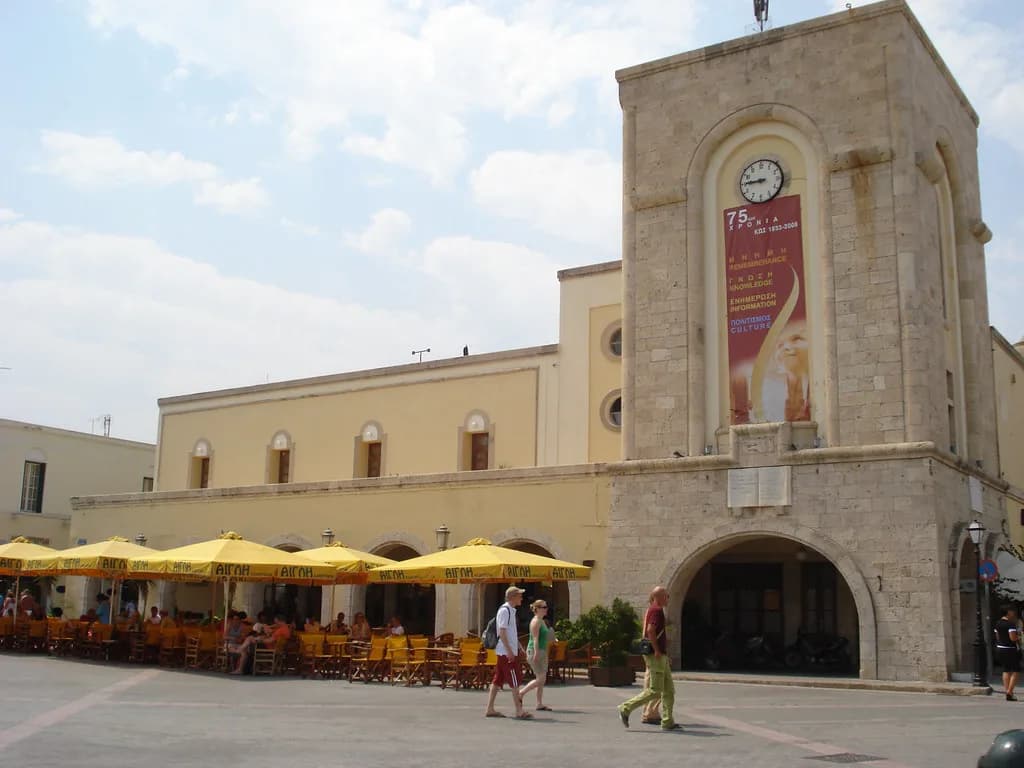
The museum is housed in an interwar building from 1936, and it reopened to the public on 18 September 2016 after a renovation. That date and the building's age come from the museum's own published history, so treat the renovated interiors as the current setting for the collection rather than a period room.
The architecture is part of the appeal for visitors interested in the Italian-era rebuilding of Kos Town. Because the building is modest in size, the collection is spread over a limited number of rooms, which means a visit does not require a full day.
Where It Is and How to Get There
The museum sits in central Kos Town, within walking distance of the harbour and the main square, so it fits naturally into a walking day rather than a separate excursion. If you arrive by ferry or cruise tender, walk inland from the port and use the central streets as your reference point rather than trying to drive.
Public buses from elsewhere on the island terminate in Kos Town, and from there the museum is reached on foot. For exact positioning, use a maps app with the museum's Greek name, Αρχαλογικό Μουσείο Κω, since English search results sometimes point to the wrong building.
What to See Inside
The collection is built around finds from Kos and the surrounding islands, with sculpture, ceramics, inscriptions and smaller objects that document life and burial practices over several periods. Because it functions as a storehouse for excavated material, some pieces are more instructive than beautiful, and reading the labels rewards slower browsing.
Highlights worth prioritising if you have limited time include the larger sculptural pieces and any displays tied to the Asklepieion sanctuary, since seeing those objects first makes the open-air site easier to interpret. Smaller objects, such as coins and everyday pottery, are easy to skim, but they give a clearer picture of daily life than the monumental sculpture alone.
If you plan to visit several archaeological sites on Kos, use the museum to build a mental timeline first. The labels often reference specific sites, so photograph the ones that interest you and then match them to the ruins you plan to see later in the day.
How Long to Allow
Allow roughly forty-five minutes to an hour for a focused visit covering the main sculpture and the Asklepieion-related displays. Add another half hour if you read most of the labels, which is worthwhile for anyone using the museum as preparation for the island's outdoor sites.
The trade-off is between a highlight visit and a collection-focused one. A short stop suits travellers fitting the museum between the harbour and the Tree of Hippocrates, while a longer visit suits those who want to understand the island's excavation history before moving on to the sites themselves.
Tickets, Opening Hours and Closures
Opening hours, ticket prices and closure days for the Archaeological Museum of Kos are not published in a stable form here, and they change with the season and with staffing. Check the Hellenic Ministry of Culture website, or the notice at the museum entrance, before you build a day around a visit.
Greek archaeological museums often run reduced winter hours and may close on public holidays, so a shoulder-season visit needs a quick check the day before. If you are in Kos Town for only a day, confirm the museum is open before walking over, and keep a backup plan such as the castle or the market in case it is shut.
Nearby Sights to Pair With the Museum
The Tree of Hippocrates and the plane tree square are a short walk away and make an easy pairing with the museum, since both sit in the central town area. The tree is a quick stop rather than a long visit, so combine it with a walk along the harbour rather than treating it as a separate outing.
Neratzia Castle, the fortress guarding the harbour entrance, is another natural pairing and rewards an hour or more for the walls and courtyards. Pair the museum with the castle for a half-day that covers both the collection and the town's medieval defences, and check castle hours separately since they differ from the museum's.
Other options in and around Kos Town include the Roman Odeon, the Ancient Agora and the Casa Romana, all of which are open-air or partially reconstructed sites that benefit from the museum's context. Further afield, the Asklepieion on its hillside terraces is the island's major sanctuary site and the obvious next stop for anyone following the archaeological thread.
If you are building a full day of sights, the Kos Attractions guide covers the main stops in and around town and helps you sequence them without backtracking. Two or three sights plus the museum is a realistic day; trying to add the island's western villages as well usually means rushing everything.
Timing a Visit Around Crowds
Cruise-ship arrivals shape the rhythm of Kos Town, and the museum is small enough that a group arriving at once can fill the rooms. Visiting early in the morning or in the later afternoon usually means a calmer experience, and midday is the time to be elsewhere if you want quiet.
Summer heat is the other factor: the museum is an indoor stop, which makes it a sensible midday break between outdoor sights. Plan the castle or the agora for the cooler hours and use the museum as the hot-weather interlude rather than starting there.
Where to Eat Afterwards in Kos Town
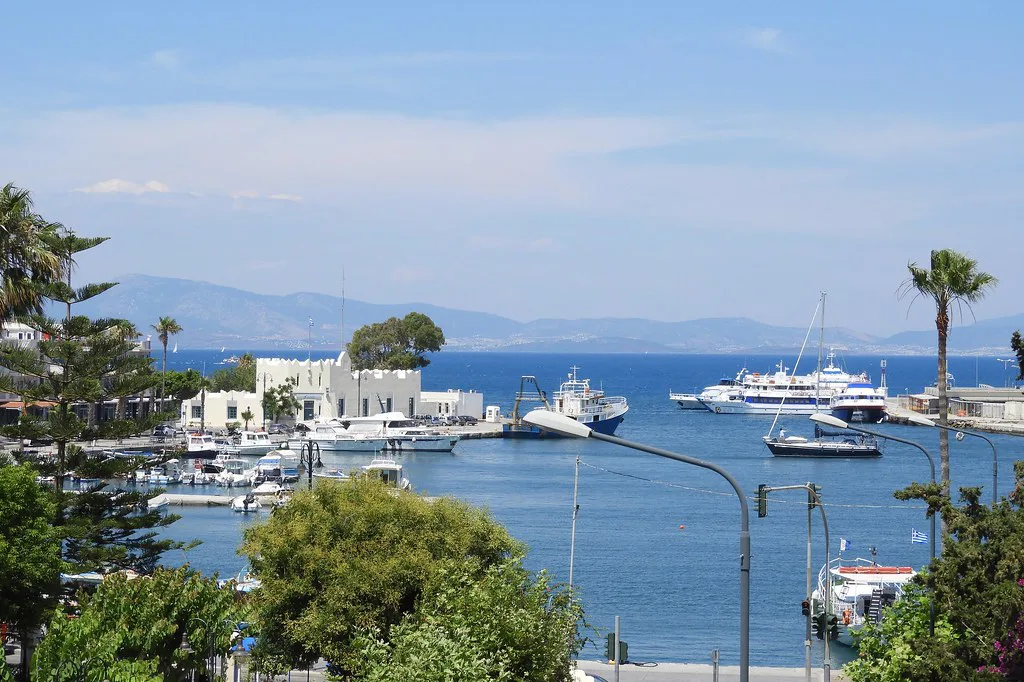
Kos Town's eating splits roughly between the harbour front and the back streets a few blocks inland. Harbour tables offer the view and the people-watching, while back-street tavernas tend to be quieter and often better value for the same Greek standards, such as moussaka, souvlaki and horiatiki, the village salad of tomato, cucumber, onion and feta.
For a museum-day lunch, walk a few streets away from the waterfront before choosing, then compare a couple of menus before sitting down. If budget matters, check the price of a typical plate before you commit; the Kos Prices guide explains what things generally cost on the island without quoting fixed figures.
Two other short stops that fit a museum day are the Municipal Market for local produce and the Defterdar Mosque for its Ottoman architecture, both in the central town area. Neither takes long, and both put you near the back-street eating options rather than the harbour.
Other Museums Worth Knowing About
Kos has several smaller collections beyond the archaeological museum, including the Hippocrates Garden Cultural Center, the Traditional House of Kefalos and the International Hippocratic Foundation of Kos. These sit outside central Kos Town and work better as separate outings than as add-ons to a museum morning.
Travellers who enjoy archaeological museums may also enjoy comparing Kos with the museums on neighbouring islands, such as the Archaeological Museum Rhodes or the Archaeological Museum Corfu, each with a different regional collection. Those are separate trips, but they help set expectations for the scale of the Kos museum.
Plan Your Visit
The Archaeological Museum of Kos is a compact, useful stop that gives context to the island's outdoor ruins without demanding a full day. Allow about an hour, pair it with the Tree of Hippocrates and the castle, and confirm the day's hours before you go.
Before setting out, check the museum's current opening hours and ticket price on the Hellenic Ministry of Culture site or at the entrance, since these are the details most likely to change between seasons. Build the rest of your day around the ruins and the harbour, and the museum becomes a natural hinge rather than a detour.
Frequently Asked Questions
Where is the Archaeological Museum of Kos located?
It is in central Kos Town, within walking distance of the harbour and the main square. Approach it on foot from the port area and search for the Greek name, Αρχαιολογικό Μουσείο Κω, if a maps app points you astray.
How long does it take to visit the Archaeological Museum of Kos?
Most visitors need about forty-five minutes to an hour for the main displays, and up to ninety minutes if they read most labels. The collection is compact, so it rarely requires a half day on its own.
What can you see at the Archaeological Museum of Kos?
The displays centre on finds from Kos and nearby islands, including sculpture, pottery and inscriptions. Some pieces relate to the Asklepieion sanctuary, which makes the museum a useful primer before visiting the outdoor site.
Is the Archaeological Museum of Kos worth visiting?
It is worth visiting if you plan to see the island's ruins and want context for them. Travellers looking for large-scale or interactive museums may find it modest, so set expectations for a traditional archaeological collection.
What are the opening hours and ticket prices?
Hours and prices vary by season and are set by the museum, so confirm them on the Hellenic Ministry of Culture website or at the entrance before your visit. Do not rely on outdated third-party listings for closure days.
What else is near the museum?
The Tree of Hippocrates, Neratzia Castle, the Roman Odeon, the Ancient Agora and the Casa Romana are all in or near central Kos Town and pair well with a museum visit. The Asklepieion lies outside town and needs separate transport.