
Asklepieion of Kos: How to Visit the Sanctuary of Asclepius
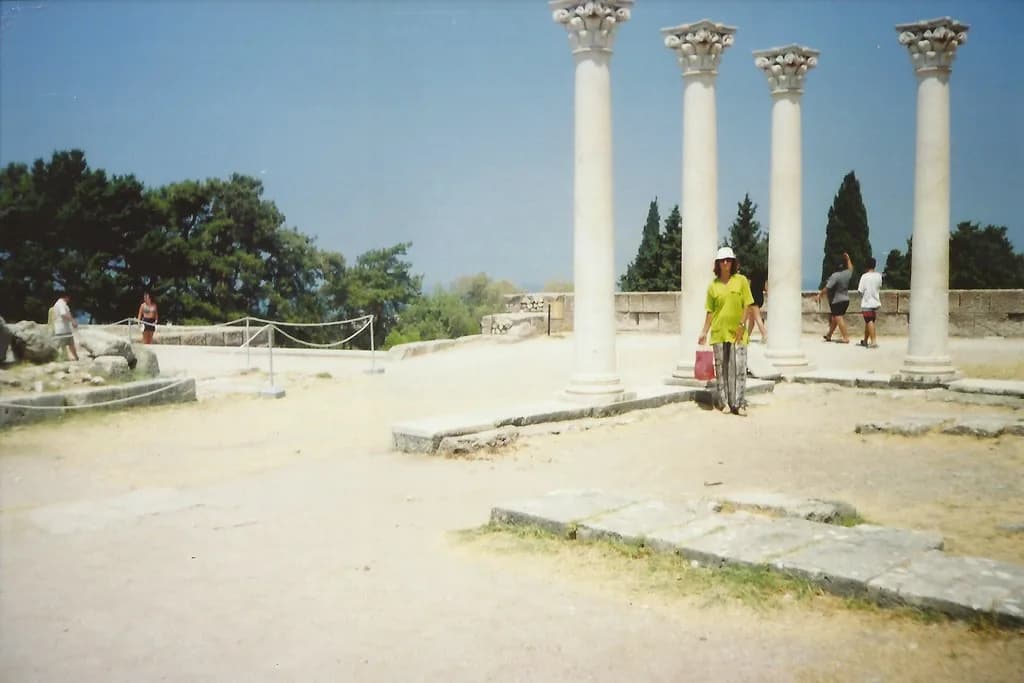
The Asklepieion of Kos is the sanctuary of Asclepius, the god of healing, and the most significant archaeological monument on the island. It sits on the slope of a low hill within easy reach of Kos Town, so it works equally well as a half-day outing or a single focused stop. Because the site climbs a hillside in terraces, the visit is more of a short walk than a museum circuit, and that shapes how you should plan it.
This guide covers the location and the road approach, the terraces and the view, the Hippocrates tradition attached to the site, realistic timing and the practical trade-offs. Ticket and hour figures appear only as published at the time of writing, with a note on where to confirm them.
What the Asklepieion of Kos Is
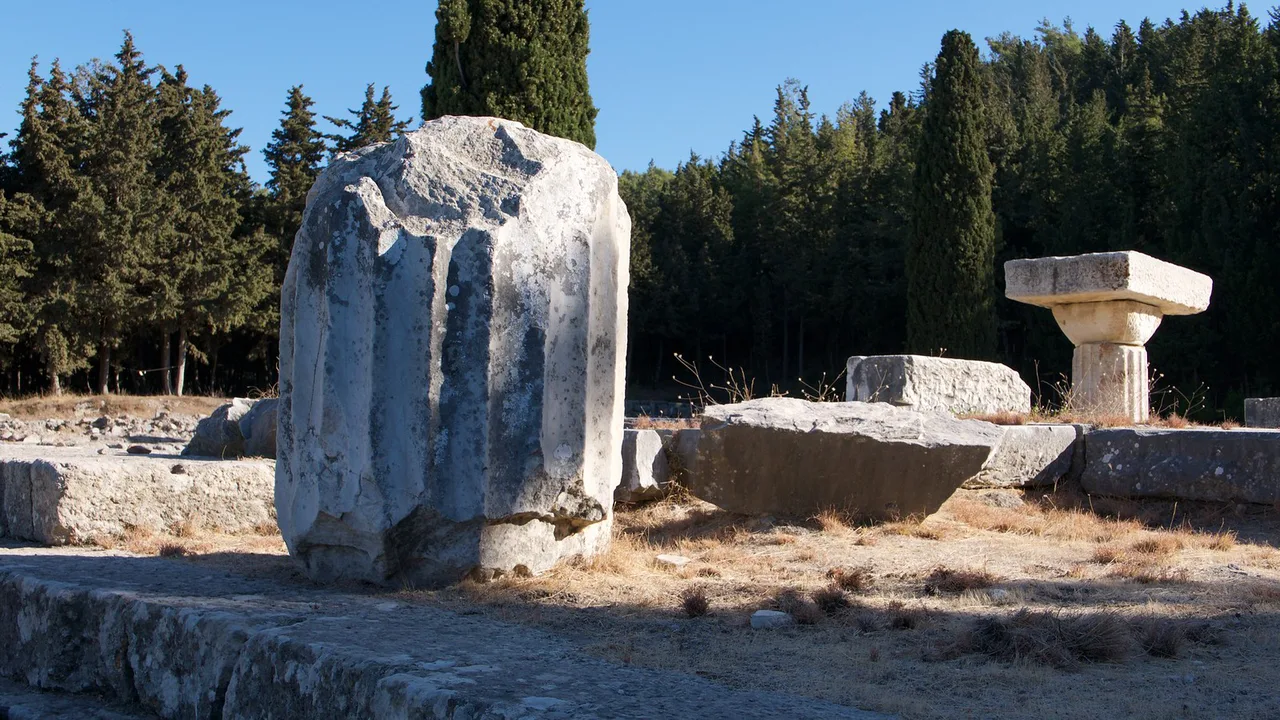
The Asklepieion was the ancient healing sanctuary of Asclepius, known in Greek as Asklipios, and it is described as one of the most famous Asklepieia of antiquity and the island's most significant archaeological monument. Sanctuaries of this type were religious sites dedicated to healing, which is why the site is discussed alongside the island's medical traditions rather than as a temple to an Olympian god. Expect ruins spread across levels rather than a single standing building.
The official ODAP leaflet on the Asklepieion calls it the most famous monument on Kos, which is a fair guide to how it ranks among the island's sights. If you have time for only one ancient site on Kos, this is the one most sources would point you to. To see how it fits alongside the rest of the island, browse the wider set of Kos Attractions guides before fixing your days.
Where the Asklepieion Sits and How Sources Describe the Distance
The sanctuary stands on the slopes of a low hill outside the ancient city, and the ODAP leaflet places it 3.5 km north-west of the ancient city while also noting the superb view from the hill. Local listings describe it differently: Kos Guide puts the site about 3.4 km southwest of Kos Town, reached by following Asklipiou Street and then Agiou Dimitriou Street. The two descriptions differ in direction, so treat the distance as a short trip of a few kilometres and rely on your map or signage rather than a single compass bearing.
The German-language reference entry on the Asklepieion likewise describes the sanctuary as lying just under 4 km from the town, which fits the general picture of a site on the edge of Kos Town rather than deep in the countryside. Whatever the bearing, the practical point is that you do not need a full day of travel to reach it from town.
Getting There: Road, Bicycle or on Foot
The approach described in the sources is by road: car, motorbike or bicycle along Asklipiou Street and then Agiou Dimitriou Street, with a free parking area at the site. No source in the material describes a public bus route, timetable or taxi fare, so if you plan to arrive without your own transport, ask at the Kos tourist office in Kos Town before setting out rather than assuming a connection exists. A bicycle is a reasonable middle option for confident riders on a short distance, and it avoids the parking question altogether.
Because the site is only a few kilometres from town, the choice is essentially between driving yourself for flexibility and joining whatever transport your accommodation can arrange. Parking is free, which removes one of the usual costs of driving to an attraction. Allow extra buffer if you are coming for the late afternoon, since the approach roads are the ordinary town roads rather than a dedicated visitor route.
Opening Hours, Last Entry and Ticket Price
As listed at the time of writing, the site opens daily from 08:00 to 20:00, with last entrance at 19:30 and an entrance fee of 8 euro, according to the Kos Guide listing. Treat those figures as a snapshot rather than a guarantee: hours and prices are the details most likely to change between seasons or years. Confirm current details on the official culture ministry site or by phone before a late-afternoon visit.
No source in this material addresses seasonal opening or winter closures at this specific site, so do not assume the long summer hours apply in every month. If you are travelling outside the main season, check the official listing first. Booking ahead is not described for this site in the available sources; the late-entry rule matters more, because arriving after the cut-off means no entry regardless of daylight.
What to See on the Terraces
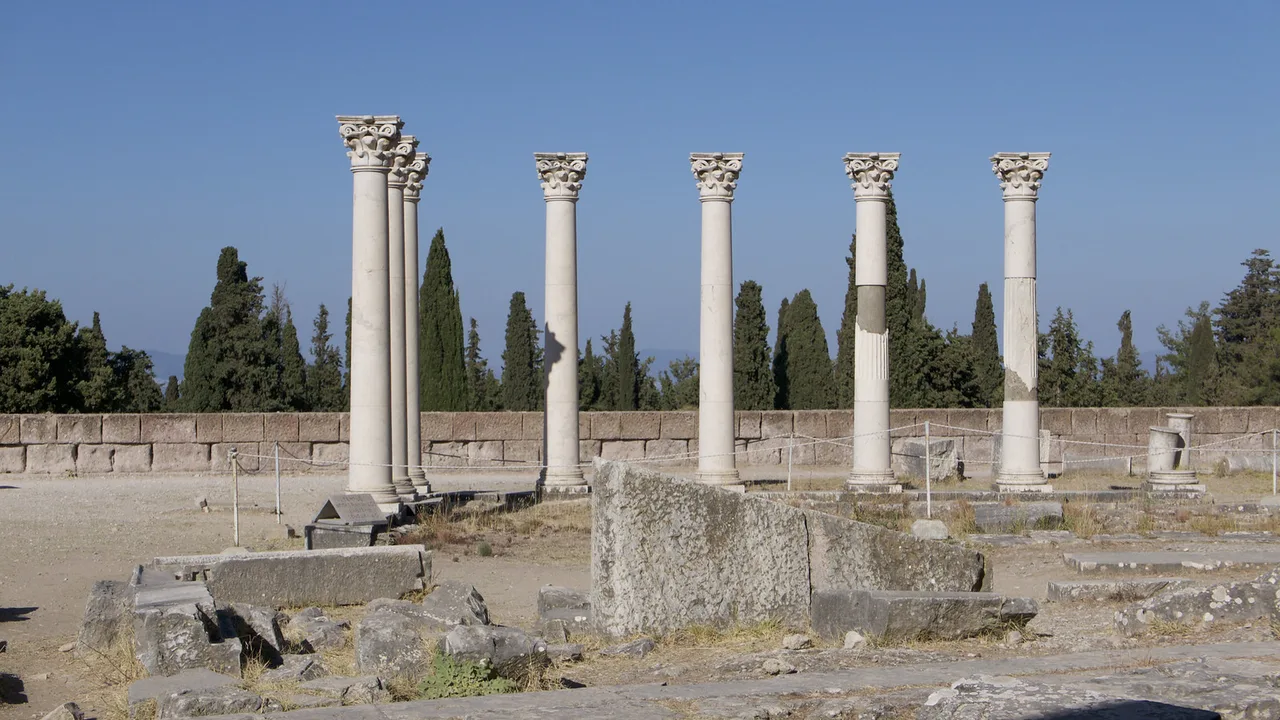
The defining feature of the Asklepieion is its multi-level layout cut into the hillside, with the sanctuary buildings arranged on terraces rising up the slope rather than spread on flat ground. That arrangement explains why the site is experienced as a climb: you move upward from level to level, and each stage gives a different perspective on the ruins and the ground below. Plan to walk through it slowly rather than treating it as a single viewpoint.
The hill's height is part of the design, and the ODAP leaflet highlights the superb view from the slopes. From the upper terraces, the outlook takes in the coast and the town of Kos, which is a good reason to leave time at the top instead of turning back at the first ruins. Because the site is exposed, that openness works in your favour only when the sun is not at full strength.
The Hippocrates Connection
Hippocrates, the figure traditionally called the father of modern medicine, is closely associated with Kos, and Kos Guide states that he founded his school of medicine here and taught at the site. That is the tradition as the source presents it: attribute the founding story to the local account rather than treating it as a documented fact about this exact sanctuary. Visitors should take the connection as cultural context, not as an established archaeological certainty.
The International Hippocratic Foundation is a separate site in the Kos Town area, listed by Kos Guide alongside the Asklepieion among nearby monuments, so do not conflate the two if the Hippocratic tradition is what draws you. The Tree of Hippocrates is another distinct stop in town with its own story, and it is worth checking the plan for the Tree of Hippocrates in Kos separately. Treat them as separate visits and check each one's opening arrangements individually.
How Much Time to Allow
The site is compact enough to see in roughly an hour to ninety minutes if you walk the terraces at an unhurried pace and stop at the top for the view. Add time if you like reading information or simply sitting on the upper level, which is the most rewarding part of the visit. A half-day plan that pairs the sanctuary with somewhere in Kos Town is a comfortable shape for most travellers. If you want to build that town time into a proper base, the Kos Neighborhoods guide covers the areas to stay and wander.
The main variable is heat and exposure. Because the sanctuary climbs a hill with limited shade, late afternoon is generally kinder than midday, and it fits neatly with a 19:30 last entry if that remains the published cut-off. Morning works too if you want softer light and fewer people. Build in a buffer for the walk up, since the ascent takes longer than the map suggests.
Trade-Offs: Standalone Stop or Part of a Kos Town Day
Treating the Asklepieion as a standalone stop is the simpler option if your days on Kos are short: drive or ride out, walk the terraces, and return to town. Pairing it with Kos Town gives better value for your time, because the distance is only a few kilometres and you can combine the sanctuary with the town's sights without a long transfer. The trade-off is that a combined day leaves less slack for heat, queues or a longer stay than planned.
If you build a town day around the sanctuary, the Neratzia Castle in Kos Town is a natural companion and a reminder that the island's monuments span very different periods. The castle's fortifications and the sanctuary's healing terraces are centuries apart, so seeing both in a day gives a broader picture of Kos than a single ruin would. Decide the order by the sun: the hillside first, then the town.
Nearby Sights in and Around Kos Town
Kos Guide lists the Ottoman Bath, also called the Salt Warehouse, near the Plane Tree, and the Loggia Mosque, also known as the Mosque of Defterdar, among the nearby monuments, both of which sit in the town rather than by the sanctuary. Neither is a substitute for the Asklepieion, but either fills a short slot before or after if you are already in the centre. Note that the Kos Guide listing marks these as closed at the time it was captured, so plan around opening hours if you want to go inside.
For a fuller view of the island's attractions and how they group geographically, the broader collection of guides is a sensible place to plan the rest of your days. Use it to see what pairs naturally with a sanctuary visit rather than to build a checklist. The Roman Odeon of Kos and the Ancient Agora of Kos are both town-centre options that suit a combined day if you want more ruins after the hillside.
Practical Checklist for the Hillside
Bring water, sun protection and shoes with grip, because the terraces and paths are uneven and exposed in a way a flat museum floor is not. A hat and a light layer for the wind at the top make the upper levels more comfortable. Remember the free parking if you drive, and carry the small entrance fee in mind rather than counting on card facilities being available.
Before any late-afternoon visit, confirm the current last entry time, since the difference between arriving at 19:00 and 19:45 decides whether you get in at all. Your accommodation in Kos Town or the official culture ministry listing are the fastest ways to check. Aim to arrive well ahead of the cut-off rather than exactly on it.
Plan Your Visit
The Asklepieion of Kos rewards a short, well-timed visit: a few kilometres from town, free parking, a climb through the terraces and a wide view at the top. Check the current hours and ticket price before you go, then decide whether to make it a standalone stop or pair it with the town's sights. Either way, go earlier or later in the day and let the hillside set your pace.
Explore more Kos sauna guides
Frequently Asked Questions
What is the Asklepieion of Kos?
It is the ancient sanctuary of Asclepius, the god of healing, and the island's most significant archaeological monument, set on the slopes of a low hill a few kilometres from Kos Town. It is known both for its terraced layout and for its association with Hippocrates.
How far is the Asklepieion from Kos Town?
It is a few kilometres from town. One local listing describes it as about 3.4 km southwest of Kos Town via Asklipiou Street and Agiou Dimitriou Street, while the official leaflet describes it as 3.5 km north-west of the ancient city. The distance is short either way, but the direction descriptions differ, so use a map.
How do you get to the Asklepieion?
The sources describe the approach by car, motorbike or bicycle, with a free parking area at the site. No public bus route, timetable or taxi fare is described in the available material, so check locally in Kos Town if you are relying on public transport.
What are the opening hours and ticket price?
The visitor listing gives daily opening hours, a last-entry cut-off and an entrance fee, but these change between seasons, so check current hours and prices on the official culture ministry listing before you go.
How much time should you allow?
Roughly an hour to ninety minutes covers the terraces at an unhurried pace, with extra time if you sit at the top for the view. Because the site climbs a hillside with limited shade, plan around the heat rather than trying to rush it.
Did Hippocrates teach at the Asklepieion?
Local accounts say Hippocrates founded his school of medicine on Kos and taught at the site. That is a tradition as reported, not a documented fact about this specific sanctuary, so treat it as cultural context for the visit.
Is the Asklepieion the same as the International Hippocratic Foundation?
No. The International Hippocratic Foundation is a separate site in the Kos Town area, and the Tree of Hippocrates is a third distinct stop in town. If the Hippocratic tradition is your reason for going, plan them as separate visits.
What else is near the Asklepieion?
The visitor listing names the Ottoman Bath and the Loggia Mosque among monuments in the town, and the International Hippocratic Foundation as a separate site. In town, the Neratzia Castle and the Tree of Hippocrates are also within easy reach of a combined day.