
Archaeological Museum of Corfu: What to See and How to Visit

The Archaeological Museum of Corfu is the island's main collection of finds from ancient Corfu, and it is arranged around a single extraordinary object: the stone pediment from the Temple of Artemis, carved with a snake-haired Medusa. Because the building is small and rarely crowded, it rewards an hour or two rather than a whole afternoon. This guide covers where it stands in Corfu Town, how to walk there, what to see on each floor, and which details you need to confirm before you go.
Quick Orientation: A Small Museum Built Around One Masterpiece
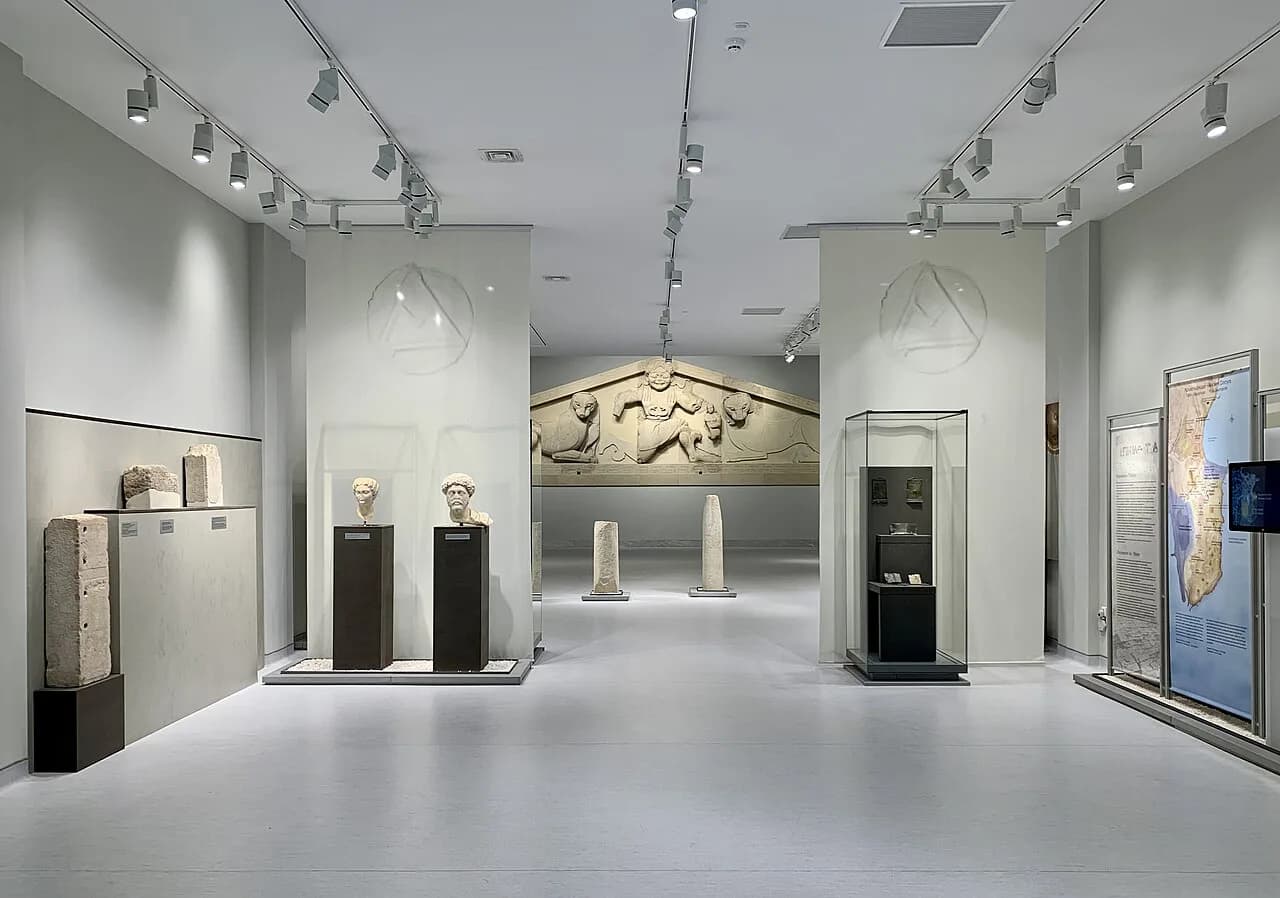
The museum was built in the 1960s specifically to house the pediment and other artefacts from the nearby Doric Temple of Artemis, and later extensions took in finds from across the island. The collection runs from Archaic material of the eighth and sixth centuries BCE through to Roman pieces of the second century CE, so the range is wider than the building suggests. Its scale is the point: two floors, light galleries and room to stand back from the cases.
If you have an hour spare in Corfu Town, this is a sensible way to spend it, and Artemis specialists could easily stretch to two. The trade-off is depth of interpretation: labels tend to name an object and stop there, so a little background reading on Archaic sculpture pays off. Pair it with the wider set of Corfu Attractions: 7 Visitor Guides if you are building a day around the town.
Where It Is: Democratias Avenue, Beside the Corfu Palace Hotel
The museum sits in Corfu Town on Democratias Avenue, next to the Corfu Palace Hotel, which makes it an easy landmark to navigate by. That puts it within walking distance of the centre wherever you start in town, so you do not need transport to reach it. Approach from the hotel side and look for the gated entrance; the signage at the railings is modest and easy to walk past if you are watching the traffic instead.
Getting There and Parking
Walking is the simplest option, and the museum is described as reachable on foot from anywhere in town. If you drive, expect the surrounding streets to be busy with parked cars, though spaces do turn over; drivers have reported finding a spot almost at the entrance outside school holidays. There is also a paid car park in the nearby square, which removes the circling.
Allow a few extra minutes for parking in high season, when the blocks around Democratias Avenue fill quickly. A car is more useful for the island's outlying sites than for this visit. If you are staying in the old town, simply walk; the lanes toward Spianada Square and the Liston put you well within range of the museum.
Opening Hours, Tickets and Combined Tickets
Ticket prices and opening times change, so check the museum's own website before travelling rather than relying on secondhand numbers. One travel service lists a single adult entry fee and a three-day multi-ticket covering this museum together with the Asian Art Museum, the Byzantine Museum and the Old Fortresses, which is worth pricing out if you plan to see several. Treat both as indicators until you confirm them at the door or online.
Reduced or free admission occasionally applies on heritage weekends, so ask at the museum desk whether any promotion is running during your dates. Families should do the arithmetic before committing, since a per-person fee multiplies quickly. Note also that this museum has a history of extended closure: an older visitor report from 2017 describes it shut with no reopening date, which is a reminder to look up its status before setting out.
The Gorgon Pediment: Medusa, Her Children and the Titan Battles
The centrepiece occupies a room of its own on the upper floor: the limestone pediment from the west side of the Temple of Artemis, made around 585 BCE and widely regarded as the oldest surviving stone temple pediment. Medusa stares out with a frightful face, snakes coiled in her hair and around her waist, flanked by her sons Chrysaor and Pegasus and by two mythical animals. The corners carry scenes from the battles of the Titans, and the carving was originally painted in bright colours.
The display is deliberately spare, which lets the triangular mass of the sculpture do the work and makes it the one exhibit almost every visitor remembers. Give it ten or fifteen minutes rather than a glance. If you have seen the archaeological museum in another Greek city, the contrast in presentation is part of the interest.
The Dionysos Pediment from Figaretto
In another hall hangs the left portion of a porous stone pediment from the Figaretto area, dated to about 500 BCE, showing a symposium, the reclining drinking party of elite Greek life. Two figures lie on a couch, one identified as the bearded Dionysos, with the lion of Menecrates below. The museum label is famously brief, giving little more than the subject and date, so read up on symposium iconography beforehand if you want the scene to open up.
The Lion of Menecrates
The Archaic lion known as the Lion of Menecrates, of the seventh century BCE, was found on a circular tomb bearing an inscription naming Menecrates, an ambassador of ancient Korkyra. Whether the lion actually stood on top of the tomb is a matter of debate rather than settled fact. Its friendly, almost relaxed face is a good reminder that funerary sculpture was made to guard a grave, not to comfort a viewer.
Garitsa Cemetery Finds, Mon Repos Material and the Artemis Votives
A large share of the collection comes from the ancient cemetery in the Garitsa area, and another important group derives from Mon Repos, where the temples of Hera and Apollo stood and where the ruins of ancient Corfu are thought to lie buried under the grounds. Because the museum was built around the Artemis material, votive figures and busts of the goddess form another substantial strand. Look too for the clay moulds from a workshop, used to mass-produce figures of deities in various poses, which are less common in Greek displays.
Mon Repos itself is worth a separate stop if the archaeology here interests you, since the estate connects directly to the finds on display. The museum's Mon Repos section makes better sense after you have seen the ground it came from.
Smaller Highlights: Pottery, Lamps, Grave Goods and Jewellery
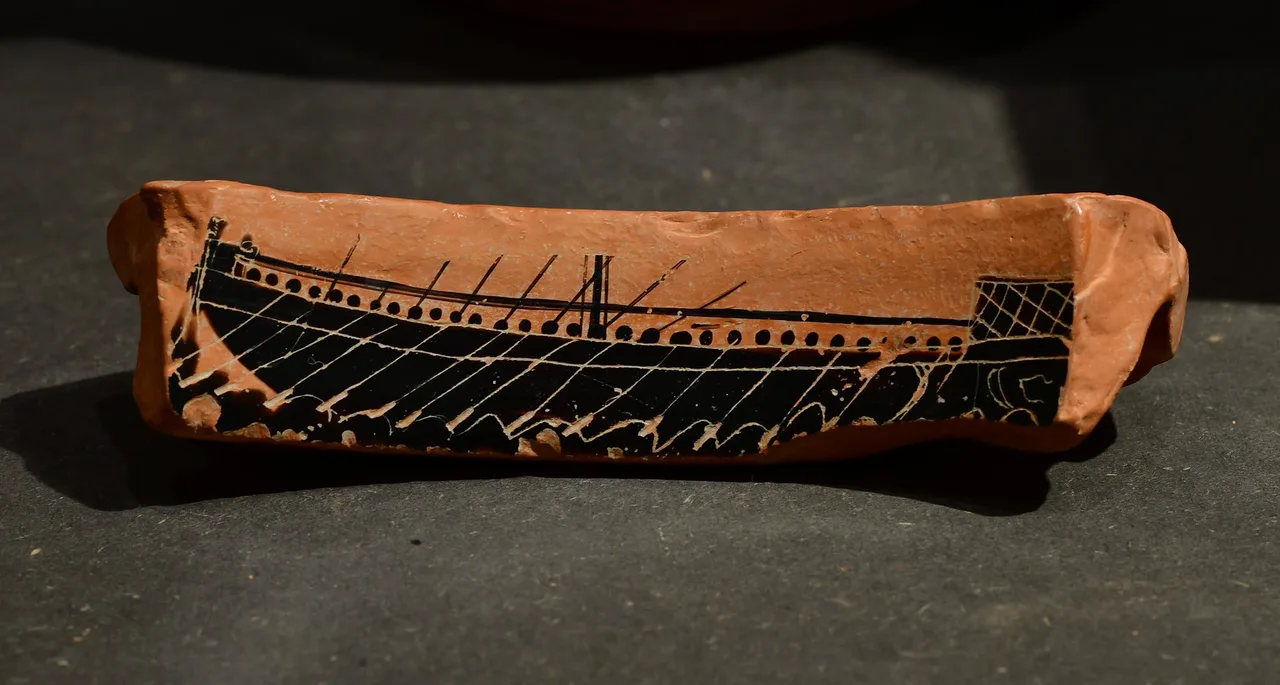
The ground floor eases you in with a modest set of exhibits, including fine Corinthian and locally influenced pottery of the late eighth to sixth centuries BCE. Upstairs, alongside the headline pediments, you will find oil lamps ranging from ordinary hand-held types to ritual examples, one showing Heracles with Cerberus on a chain. There is a Hellenistic bronze Heracles full of movement, and grave goods from children's burials that are quietly affecting.
Do not rush the cases of jewellery and inscriptions: fourth-century BCE earrings and a Medusa antefix reward a slower pass. The labels often give only a name, date and place of finding, so the objects raise more questions than the text answers. That is a limitation, but it also keeps the galleries quiet and unhurried, which suits anyone who prefers looking to reading.
Layout and Time to Allow
Plan on two floors: a light ground floor with a handful of introductory pieces, then the main exhibits above, where the Gorgon pediment occupies an entire room. Galleries are spacious with generous gaps between cases, so you can get a clear view without queueing behind a crowd. Budget roughly an hour for a focused visit and up to two if you read everything and linger over the sculpture.
View Versus Value: What You Trade for a Compact Collection
The advantage of a small museum is density without fatigue: you see a defined set of objects and leave without the glaze that sets in after three crowded halls. The cost is context, since the explanatory text is thin and the labels rarely address iconography or technique. Visitors weighing the fee against a bigger mainland collection should remember that the Gorgon pediment has no real equivalent elsewhere.
Practical Notes for the Visit
Mornings tend to be the calmest slot in Corfu Town, and this museum rarely feels busy at any hour. Wear shoes you can walk in, since the approach is on foot from the centre and parking may leave you a block or two away. Check the museum's own website for hours and admission before you set out, particularly off season, when island sites can shorten their days.
Nearby After Your Visit
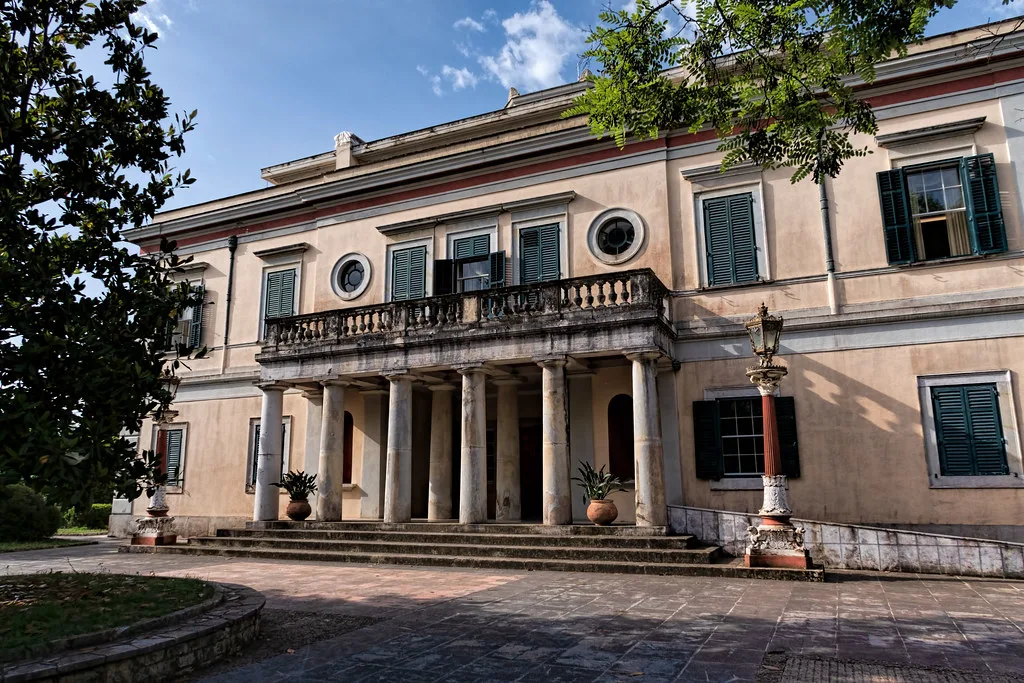
The Corfu Palace Hotel next door gives you a fixed reference point, and from there it is a short walk into the old town for coffee or a meal. Garitsa Bay is close by for a waterfront stroll, and the Old Fortress Corfu (Palaio Frourio) is a natural next stop if you have energy for more history. The Museum of Asian Art, housed in the Palace of St Michael and St George, is another short walk and appears on the same combined ticket.
If you would rather end the day with food and a wander, the lanes of the old town are the obvious choice, and the Church of Saint Spyridon, Corfu is a convenient landmark to steer by. Listings of things to do in Corfu can help you sequence the rest of the afternoon without doubling back.
Who This Museum Suits
Travellers devoted to Artemis, Archaic sculpture or the history of Greek temples will find this a highlight of their time in Corfu. Families should weigh the total ticket cost for the group against a visit of an hour, and anyone with a tight schedule can see the essential pieces in a single focused loop. If you want fewer labels and more looking, this is the museum for you; if you want interpretation and a large collection, save your time for a bigger institution.
Plan Your Visit
The Archaeological Museum of Corfu is a short, high-quality stop built around the oldest known stone temple pediment in the Greek world. Walk to Democratias Avenue, allow an hour or two, and go upstairs first if the Gorgon is your priority. Confirm current hours and admission on the museum's own site before you travel, and keep the rest of your Corfu day flexible enough to add Garitsa or the old town on foot.
Explore more Corfu sauna guides
Frequently Asked Questions
Where is the Archaeological Museum of Corfu and can I walk there?
It stands in Corfu Town on Democratias Avenue, beside the Corfu Palace Hotel, which serves as the easiest landmark when you approach on foot. The museum is described as within walking distance from anywhere in town, so most visitors staying centrally do not need a car or bus to reach it. The entrance sits behind gates with modest signage, so watch for the hotel rather than a large museum sign.
What is the Gorgon pediment and why is it the highlight?
It is the limestone pediment from the west side of the Temple of Artemis, made around 585 BCE and generally described as the oldest surviving stone temple pediment. Medusa appears at the centre with snakes in her hair and at her waist, alongside her sons Chrysaor and Pegasus, two mythical animals and scenes of the Titan battles in the corners. The sculpture occupies a hall of its own on the upper floor, and the original carving was brightly painted.
How much time should I allow for the museum?
The collection sits on two floors, with a small introductory ground floor and the main exhibits upstairs, so a focused visit takes roughly an hour. Allow up to two hours if you read the panels, look closely at the pottery and lamps, and spend time with the pediments. Because the galleries are spacious and seldom crowded, you rarely lose time waiting for a view of a case.
Are there combined tickets with other Corfu museums?
A travel service in Corfu lists a three-day multi-ticket that covers this museum along with the Asian Art Museum, the Byzantine Museum and the Old Fortresses, alongside a separate single-entry fee. Published figures differ between sources, so treat any number you see as an indicator and confirm the current options at the desk or on the museum's own website before you commit to a combined pass.
What else is worth seeing near the museum?
The Corfu Palace Hotel next door gives you a fixed point, and the old town is a short walk away for coffee or a meal. Garitsa Bay is close for a waterfront stroll, the Old Fortress Corfu (Palaio Frourio) makes a logical second history stop, and the Museum of Asian Art in the Palace of St Michael and St George is another short walk. Many finds displayed inside came from the Mon Repos estate, which is a separate visit if the archaeology interests you.