Shopping in Heraklion: What to Buy and Where
Plan a shopping day in Heraklion: the Central Market on 1866 Street, the main pedestrian streets, Cretan food gifts and a compact walking route.
On this page
Shopping in Heraklion works best as one loop through the centre rather than a series of separate trips. The food market, the fashion streets and the souvenir stretch to the old port are close enough to combine, but each serves a different errand, so deciding what you actually want to buy first saves a lot of backtracking.
This guide separates the two jobs: Cretan food gifts from the Central Market area, and clothing, jewellery and souvenirs from the pedestrian streets. It also covers the rotating neighbourhood laiki markets, which most short guides skip entirely.
What Shopping in Heraklion Is Actually Like
Heraklion is not a mall city. Its shopping is a compact centre mix of a busy food market on 1866 Street, pedestrian retail streets lined with both international chains and small boutiques, and a tourist-facing stretch near the old port selling crafts and gifts. If you want to compare how another island handles its retail scene, our guide to shopping in mykonos covers Matoyianni Street and Little Venice.
That compactness is the main advantage: you can cover the food market and the two main shopping streets in a half day without transport. The trade-off is that the most convenient streets near the port carry the most tourist-oriented stock, while the better food value sits in the market itself.
If you want to fold shopping into a wider day of sightseeing, our guide to things to do in heraklion shows how the centre, the port and the archaeological sites fit together.
Start at Heraklion Central Market on 1866 Street
1866 Street, often called Market Street, is the spine of food shopping in the city, and the Central Market sits on it. Stalls sell fresh produce, dried herbs and spices, olives, honey and Cretan cheeses, alongside souvenir stalls selling jewellery and small gifts.
Graviera is a firm Cretan cheese, usually made from sheep's milk, and it is the local cheese most often recommended as a take-home buy; ask vendors to vacuum-seal a piece if you plan to check it in. Thyme honey is the other Cretan staple worth knowing by name, and dried oregano and thyme are light, cheap to carry and easy to pack around.
Buy olive oil in small bottles rather than a large tin if you are travelling with hand luggage only, and ask whether a vendor can seal and wrap it. Honey counts as a liquid for security screening, so it belongs in checked baggage unless you buy it after security at the airport.
Reading Labels on Cretan Olive Oil and Honey
Cretan olive oil is the product most visitors want to bring home, and the label wording matters more than the packaging. Extra virgin means cold-pressed oil from the first pressing with low acidity; plain olive oil is a blended, more neutral product. For gifts, a small bottle of extra virgin with a harvest date on the label tells the recipient more than a decorative tin.
For honey, thyme honey is the variety Crete is known for, and it is worth checking whether the jar names a single floral source or is a blend. Small jars travel better than large ones in a suitcase, and a sealed jar wrapped in clothing survives the trip more reliably than a bottle.
1866 Street Beyond the Market: Souvenirs and Gifts
The market is not the whole of 1866 Street. Outside the food stalls, the same street carries souvenir shops, jewellery and gift stalls, so you can pick up small presents without leaving the block.
This is the efficient option if your list mixes food and gifts: buy cheese, herbs and honey inside the market, then work along the street for jewellery and ceramics. Expect the souvenir stock here to lean tourist-oriented rather than gallery-quality.
Dedalou Street: The Pedestrian Retail Spine
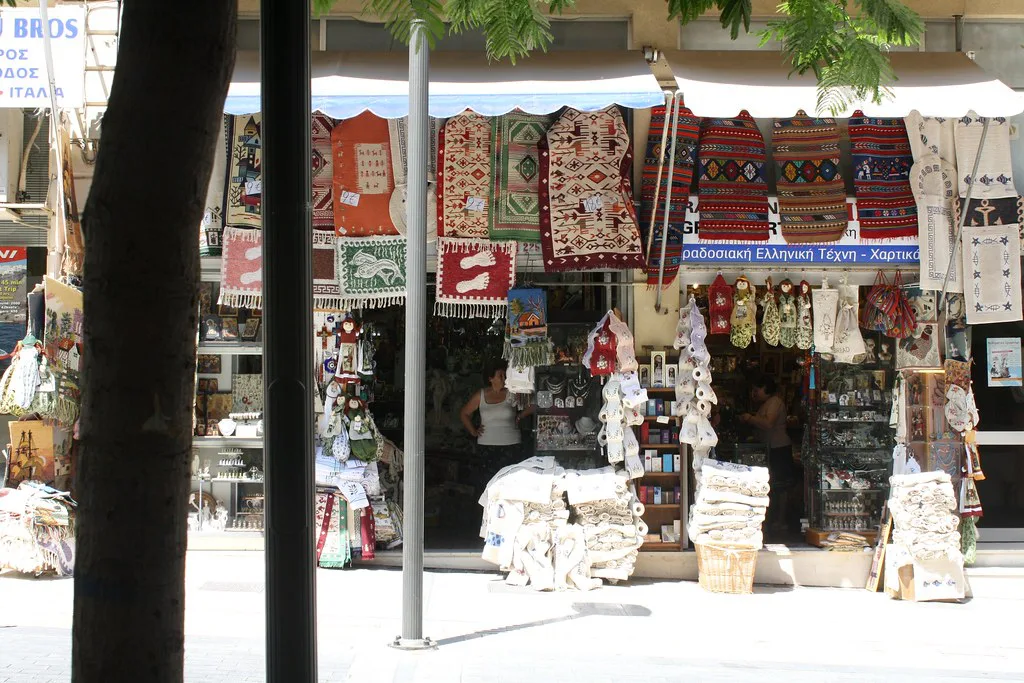
Dedalou Street is the most popular shopping street in the centre, pedestrianised and lined with international brands such as Zara and Marks & Spencer alongside smaller local boutiques. Clothing, shoes, books and souvenirs are all clustered here.
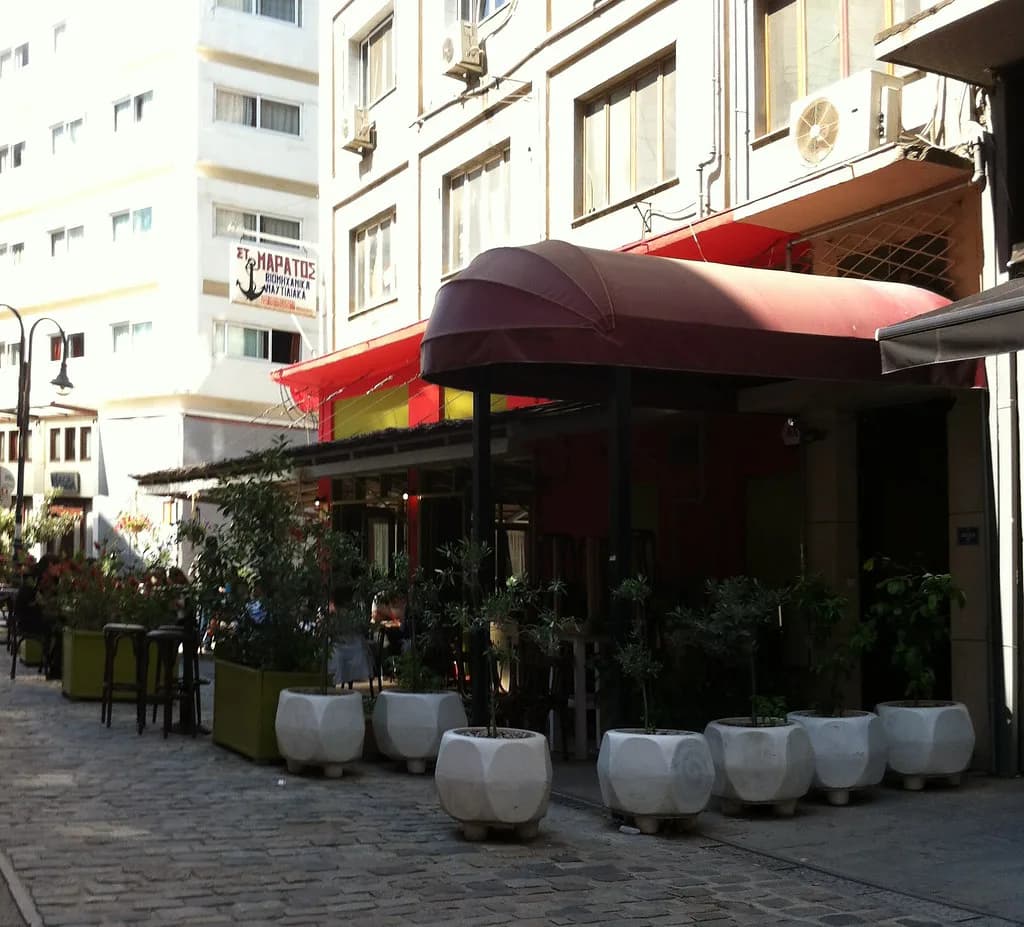
The side streets off Dedalou are worth a detour: they hold smaller shops and cafes where you can break up a shopping session. If clothing is your priority rather than food, start here and treat the market as a later stop.
Dikeosinis Street and Freedom Square
Dikeosinis Street sits near Eleftherias Square, also called Freedom Square, and has been pedestrianised. It mixes clothing stores, including chain brands, and works well as the starting point for a shopping loop because it leads directly into the other main retail areas.
Use it as your orientation point: from Freedom Square you can walk into the Dedalou area for fashion or cut across to 1866 Street for food. Neither leg is long, and the flat centre makes the loop manageable on foot.
25th August Street: Crafts on the Way to the Port
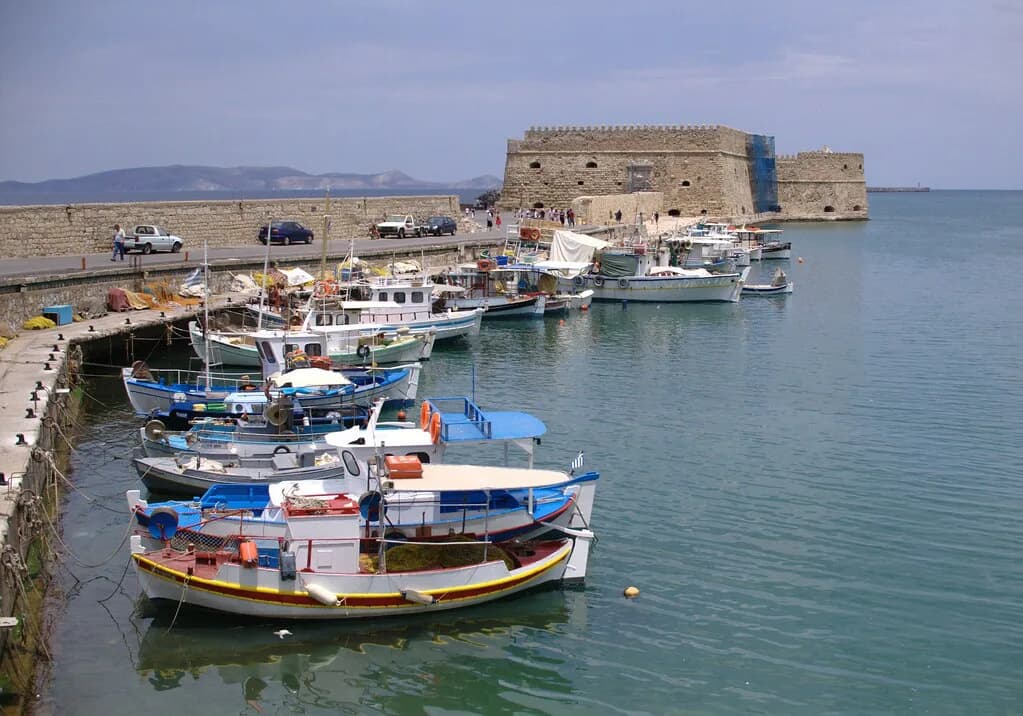
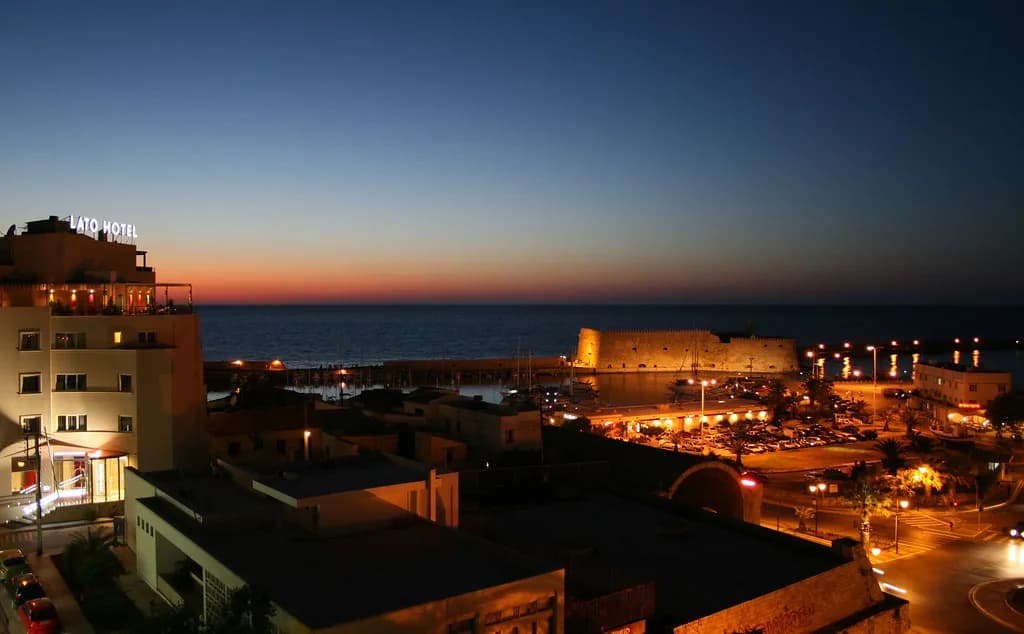
25th August Street runs from Lions Square down to the old port, which makes it the natural shopping street for anyone heading to Koules Fortress. It is lined with shops selling tourist items, clothes and local crafts, from handmade jewellery to Cretan olive oil.
The trade-off is convenience against value. This street is the easiest place to buy a gift on the way to the waterfront, but the market and the back streets tend to offer better food prices and less tourist-focused stock.
Laiki Weekly Neighbourhood Markets
Beyond the centre, Heraklion holds laiki markets, weekly open-air produce markets that rotate between neighbourhoods rather than sitting in one fixed spot. They are where locals shop for fruit and vegetables, and they are the cheapest way to buy produce in the city.
In summer, look for figs, melons and Cretan avocados, plus tsakistes, small cracked green olives that are a Cretan speciality, and artisanal graviera. Because the location changes by day, ask at your accommodation which neighbourhood market falls on your dates rather than guessing.
These markets are produce-driven rather than gift-driven, so treat them as a way to stock up for a picnic or a self-catering stay, not as a souvenir stop.
What to Buy in Heraklion
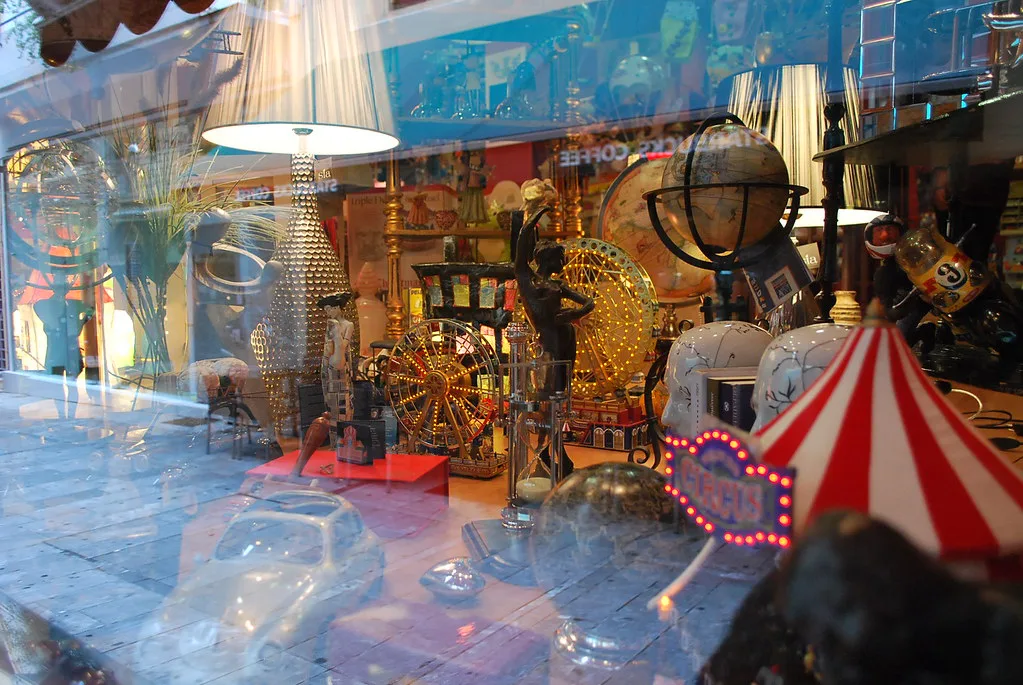
The take-home list is short and Cretan: olive oil, dried oregano and thyme or spice blends, graviera and other local cheeses, thyme honey, handmade jewellery often inspired by Minoan designs, handmade soaps, pottery and textiles.
Weigh the practicality of each item. Oil, honey and cheese are heavy and need protection; herbs, soaps and textiles are light and pack into gaps. Pottery is the fragile choice, so only buy it if you have room to wrap it properly.
A Practical Half-Day Walking Route
Start at the Central Market on 1866 Street while your bag is empty, buy food gifts first, then follow the street for souvenirs. Move on to the Dedalou and Dikeosinis area for clothing and shoes, and finish by walking down 25th August Street from Lions Square toward the port.
Doing the market first means you are not carrying oil and honey through clothing shops later. Ending at the port also leaves you near Koules Fortress and the waterfront for a rest, and if you want more sightseeing, pair the walk with our guide to museums in heraklion for a rainy-hour alternative.
Packing and Carrying Food Gifts
Liquids rule the packing plan: olive oil and honey both count as liquids, so unless you buy them in a duty-free shop after security, they belong in checked baggage. Wrap glass bottles in clothing, seal them in a plastic bag, and keep them away from the sides of the case.
Cheese is the awkward item. Vacuum-sealed graviera travels better than loose cuts, and hard cheese tolerates a day or two in a cool bag better than soft cheese. If your flight home is more than a day after purchase, buy cheese late in the trip rather than on the first morning.
Where to Pause Between Shopping Stops
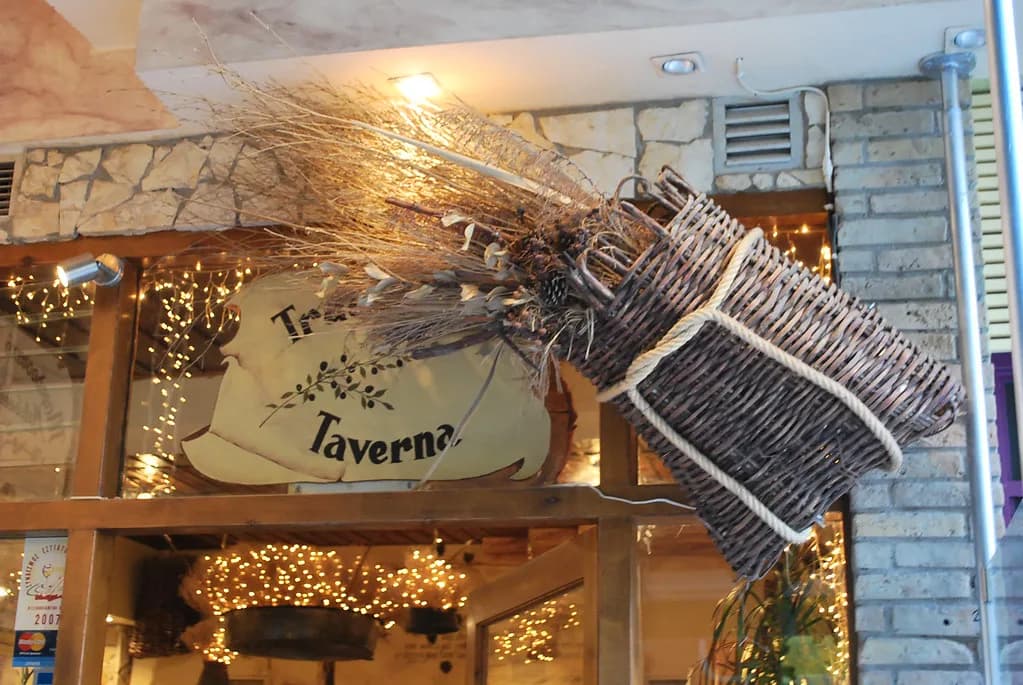
The side streets off Dedalou hold cafes where you can sit between shops, and the market area has snack stalls for a quick bite. For a proper sit-down meal after a morning of errands, our pick of the best restaurants in heraklion covers the centre and the port area.
Coffee in Greece usually means a small strong espresso or a freddo, an iced coffee shaken and served cold; both are quick and easy to drink between stops.
Plan Your Shop Before You Go
Heraklion rewards a planned loop: market first for oil, honey and cheese, then the pedestrian streets for clothing, then 25th August Street for gifts on the way to the port. Separating the food errand from the fashion errand is the single decision that makes the day work.
Market stall days and individual shop hours change by season, and the neighbourhood laiki moves between locations each week; confirm both with your accommodation or the market vendors before you set out, especially if a specific market is your reason for the trip.
Explore more Heraklion sauna guides
Frequently Asked Questions
Is Heraklion good for shopping?
Yes, for a compact city centre. The appeal is a food market on 1866 Street plus two pedestrian shopping streets, Dedalou and Dikeosinis, with international brands and local boutiques. It suits practical food and clothing shopping rather than luxury or outlet malls.
What should I buy in Heraklion?
Cretan food gifts are the obvious choice: extra virgin olive oil, thyme honey, dried herbs, graviera cheese and tsakistes olives. For non-food gifts, look for handmade jewellery, soaps, pottery and textiles in the market and along the shopping streets.
Where is the main shopping street in Heraklion?
Dedalou Street is the best-known pedestrian retail street, with international brands and local boutiques plus smaller side streets. Dikeosinis Street near Freedom Square is also pedestrianised and a useful start for a loop.
What is sold at Heraklion Central Market?
The Central Market on 1866 Street sells fresh produce, herbs and spices, olives, honey, Cretan cheeses such as graviera, and souvenir items including jewellery. It is the most concentrated spot for food gifts in the centre.
Are there weekly markets in Heraklion?
Yes. Laiki markets are weekly open-air produce markets held in different neighbourhoods on a rotating basis. Because the location changes by day, ask locally which market falls on your dates.
Can I buy Cretan olive oil and honey in Heraklion?
Yes, both are sold at the Central Market and in shops along the main streets. Buy oil in small bottles and check for a harvest date, and remember both oil and honey are liquids for security screening, so plan checked baggage.
How do I get between the market and the port on foot?
The centre is compact and walkable. The market sits on 1866 Street, and 25th August Street runs from Lions Square down to the old port, so a route through the market and down that street reaches the waterfront.
Should I check opening hours before shopping in Heraklion?
Yes. Market stall days and individual shop hours vary by season, and the neighbourhood laiki markets move each week. Confirm the details with your accommodation or the vendors before you plan the day around one stop.
Sources
Notes for eating well in Greece
Optional updates to our guides.
You might also like
Continue reading
More guides you'll find useful