Heraklion Churches: Agios Minas & Agia Ekaterini Guide
Plan a short walk between Heraklion's main churches, with what to look for at Agios Minas, Agios Titos and Agia Ekaterini and simple visiting etiquette.
On this page
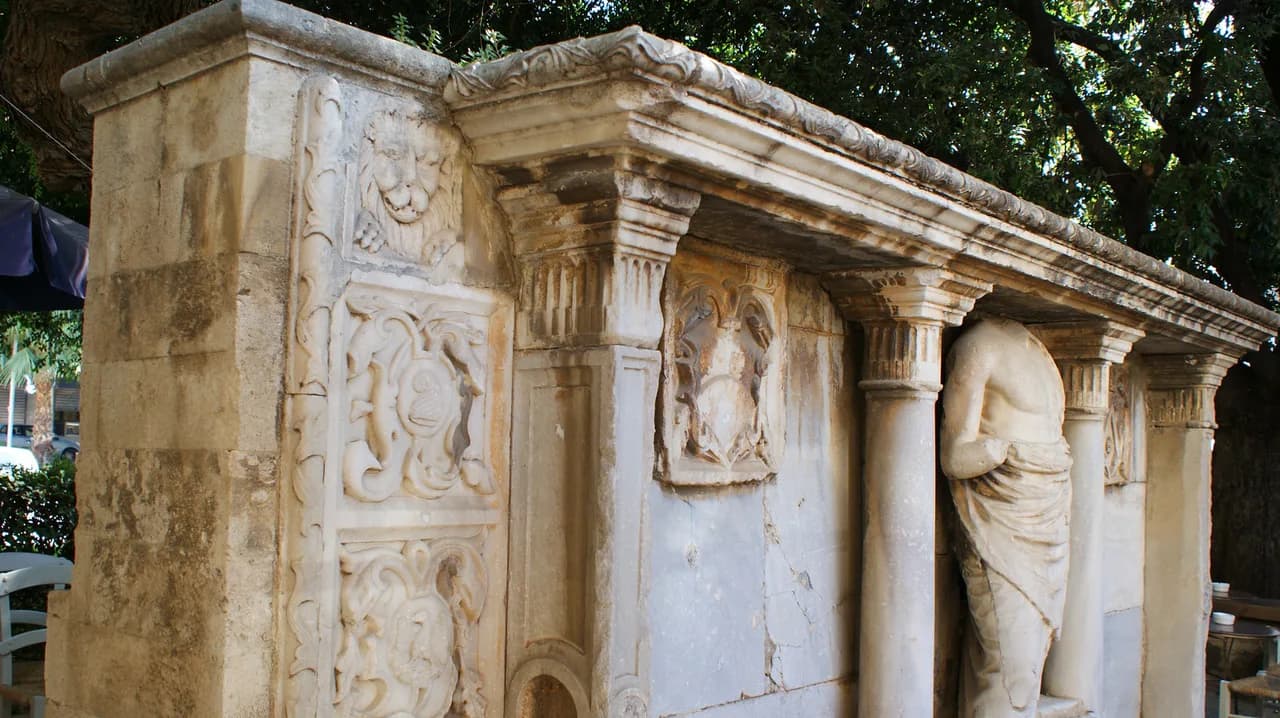
Heraklion's historic centre holds a cluster of churches within easy walking distance of each other, which makes them one of the simplest sightseeing combinations in the city. You can pair them with the Morosini Fountain or the harbour without planning transport at all. The three most useful stops for a first visit are Agios Minas, Agios Titos and Agia Ekaterini, each with a different reason to step inside.
This guide keeps to what is actually known about each church and how they relate to the surrounding streets, rather than promising timings or facilities that vary. Where a detail such as opening hours or service times matters, it explains where to confirm it before you go.
Why Heraklion Has So Many Churches
Crete has a long Christian history, and the Orthodox Church of Crete is a major presence across the island, which is why even modest towns have several churches. In Heraklion those buildings are woven into the everyday street pattern rather than set apart in a single quarter. That density is what makes a church walk practical: you are rarely more than a few blocks from the next one.
The result is a mix of roles. Some churches serve active congregations and should be treated as working places of worship first, while others function partly as monuments or exhibition spaces. Knowing which is which helps you decide how long to linger and when to keep your voice down.
A Walking Route Through the Centre
The practical approach is to start near the centre and work outward, treating the churches as points on a loop rather than separate trips. Agios Minas, Agios Titos and Agia Ekaterini all sit in the central area, with the Morosini Fountain and the harbour close enough to fold into the same outing. Because the distances are short, exact walking times matter less than the order you choose.
A sensible sequence is Agios Minas first, then Agia Ekaterini, then Agios Titos, finishing toward the waterfront if you want the harbour next. Keep the route flexible: if a service is under way at one church, move on and return later instead of waiting outside. This also spreads your visits so you are not moving between buildings during the busiest part of a service.
Agios Minas Cathedral
Agios Minas is the central landmark among Heraklion's Orthodox churches and the one most visitors see first. The cathedral appears in published lists of churches in Heraklion, and its scale makes it the natural anchor for a walk. Approach it as the headline stop and give yourself time outside before going in, since the exterior is part of the visit.
Plan your time here around a working cathedral rather than a museum: services take priority over sightseeing, and you may find parts of the interior in use. Dress conservatively, keep phone use quiet, and photograph only where it is clearly acceptable. If you want to see the interior properly, aim for a period between services rather than a fixed hour, and confirm the day's pattern locally.
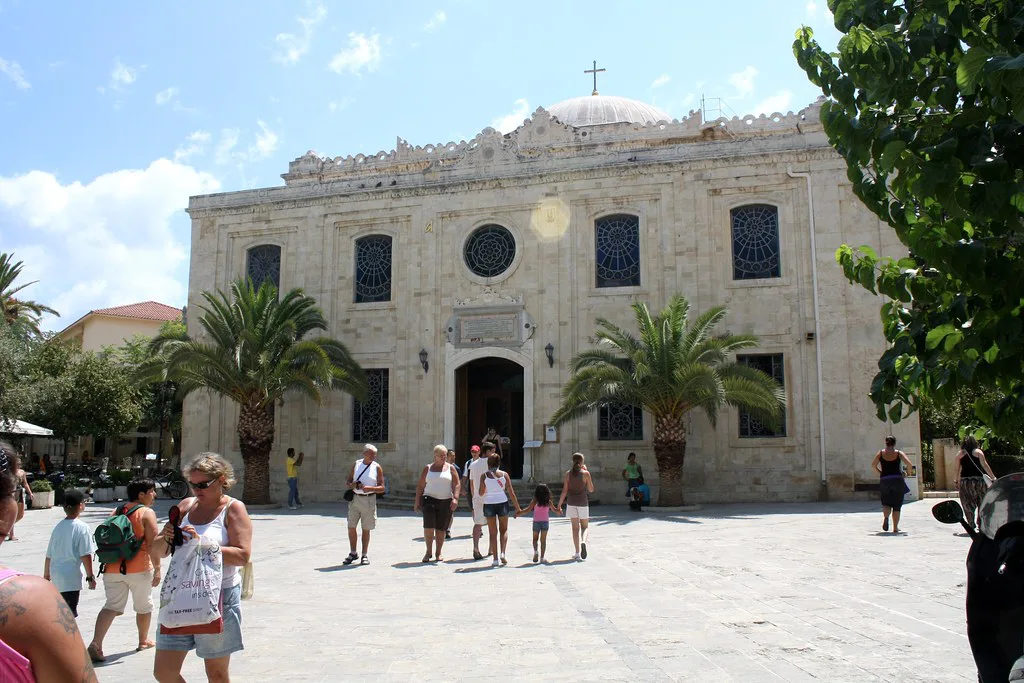
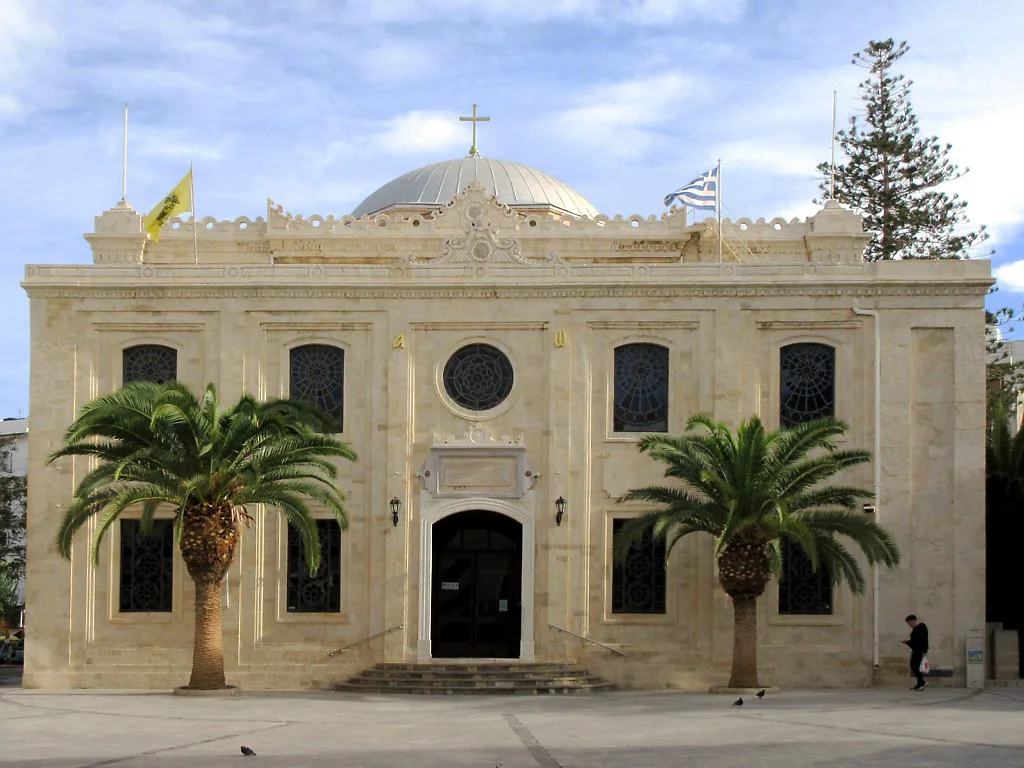
Agios Titos: The Church on the Square
Agios Titos is dedicated to Crete's patron saint, which gives it a significance beyond its size, and it sits on a square that adds a natural pause to the walk. The setting is part of the appeal: you get a public space to sit or regroup before the next stop. It is also the church most likely to be encountered incidentally while crossing the centre.
Because it faces a busy square, this is the stop where you should be most mindful of other people. Enter quietly, avoid standing in doorways, and check signs at the entrance about photography. The church is named in traveller-written church listings for the city, so treat it as a fixed point on any central itinerary rather than a detour.
Agia Ekaterini and Its Religious Art
Agia Ekaterini is the smaller, art-focused stop, and it is the one to prioritise if you care about Cretan painting rather than architecture. The church is closely associated with Cretan painters and holds a religious art collection, which makes it feel closer to a small gallery than a parish church. That difference in character is exactly why it earns a place alongside the two larger churches.
Set your expectations accordingly: this is a compact visit, and its value lies in looking closely rather than covering ground. Read the labels where they are provided and give the icons more than a passing glance. If you are building a broader art and history day, it pairs naturally with the city's museums, which you can plan through the guide to museums in Heraklion.
Visiting Etiquette That Matters
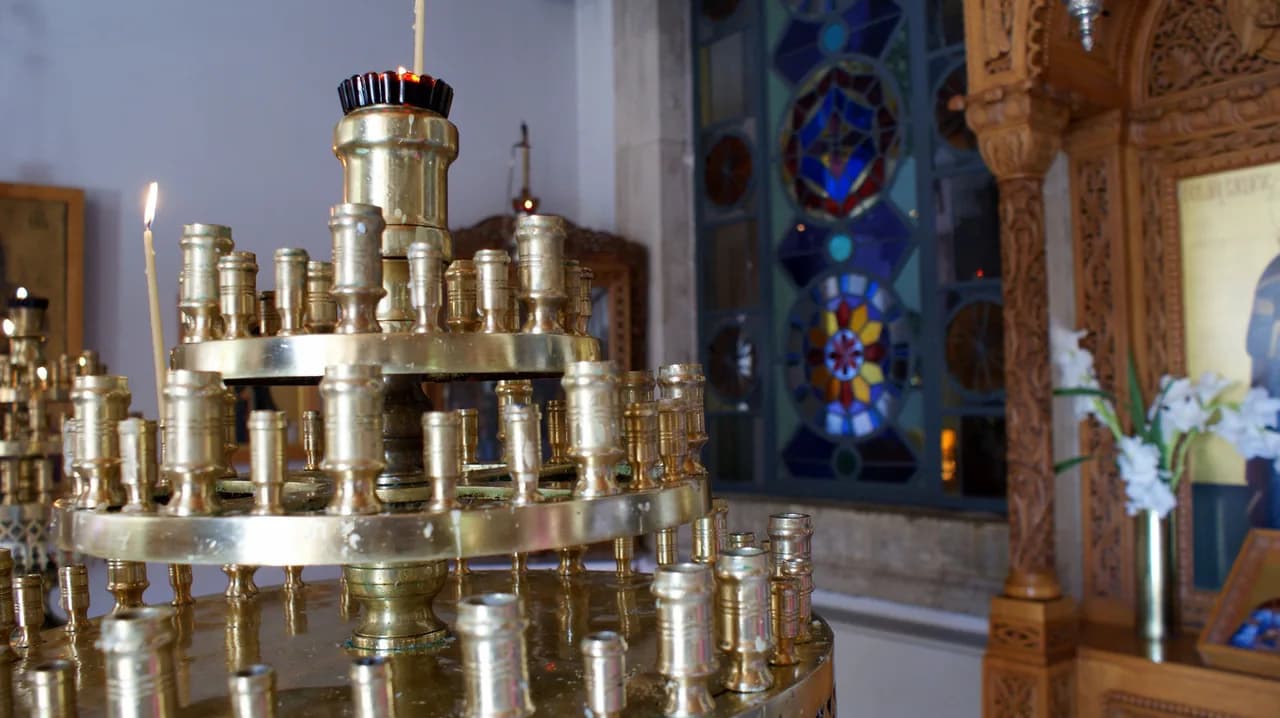
These are working Orthodox churches, so the basics of respectful behaviour do the most work. Cover shoulders and knees, remove hats inside, and keep conversation low; in some churches women traditionally cover their hair, and scarves are often available at the entrance. If a service is in progress, stay near the back, avoid walking across the centre of the floor, and do not use a flash.
Photography rules vary by building and by the day, so look for posted signs instead of assuming. If you are unsure whether a space is open to visitors or reserved for worshippers, ask at the entrance or simply wait. Timing your visit between services is the most reliable way to see the interiors calmly, and it costs nothing to adjust your order.
Practical Logistics for the Day
The main churches sit close together in the centre, so the walking between them is short and mostly flat; treat the whole circuit as a half-day at a relaxed pace rather than a route with fixed legs. From the centre you can continue to the harbour or the Venetian fortress on foot. For the wider set of sights and how they fit together, see the guide to Heraklion Attractions, which covers the city's main stops.
To combine churches with the city's archaeology, add the Heraklion Archaeological Museum to the same day, since it is central and the collections reward a focused hour or two. A common pattern is churches in the morning and the museum in the afternoon, or the reverse if you prefer to end with the harbour. Check the museum's own published hours and ticketing before you set the order.
Where to Eat Nearby
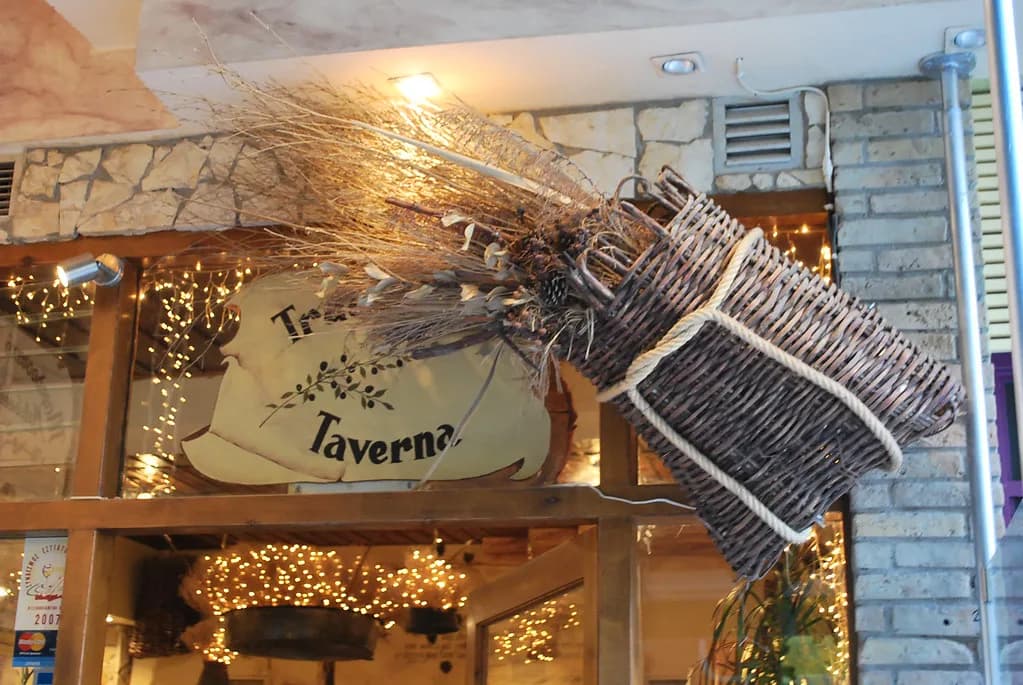
The centre around the churches has plenty of places to eat, but it is worth choosing by dish rather than by sign. Look for a taverna serving mezedes, small plates shared across the table, or a bakery for a quick tiropita, a cheese-filled filo pastry. For a sit-down meal, a plate of grilled fish or lamb with lemon and oregano is a straightforward order in a Cretan kitchen.
The main trade-off is view versus value. Tables on a square or with a harbour outlook charge for the setting, while back streets a few blocks inland tend to be simpler and cheaper for the same kind of food. Menus are posted outside in most cases, so compare before sitting down. For a shortlist of places by area, the guide to the best restaurants in Heraklion groups options in the centre.
Other Churches and Monasteries Worth Knowing
Beyond the three central stops, several other churches appear in Heraklion listings, including the Church of St. Mark, the Church of St Peter and Pavlou, Agios Petros Church and Monastery, the Armenian Church and Analipsi Church. These are useful if you have already covered the main circuit or want to follow a particular interest. Check locally whether a given building is open to visitors, since not every named church keeps regular visiting access.
Further out, the sources name the Monastery of Vrontissi, the Monastery of Saint George Epanosifis, Panagia Kaliviani and Agios Ioannis in Anogia. Vrontissi is described as a monastery in a striking location suited to a picnic in the mountains, which tells you it is a countryside stop rather than a city one. These outlying sites generally need a car or an organised trip, so weigh the extra travel against the time you have.
If your trip continues to other Greek towns, the approach is similar elsewhere, and comparisons help: Nafplio churches sit in a compact old town much like Heraklion's centre. Wherever you go, confirm opening patterns locally rather than relying on a general rule.
Plan Your Church Walk
Heraklion's central churches work best as a short, flexible walk anchored by Agios Minas and rounded off with Agios Titos and Agia Ekaterini. Go between services, dress modestly, and keep the route loose so a busy church never holds up the day. Finish at the harbour or a back-street taverna, where the value is usually better than on the waterfront.
Before you go, check the published opening arrangements for the churches you most want to see inside, since these are working buildings and access can change. Pair the walk with a museum visit to make a full day, and leave the mountain monasteries for a separate trip by car.
Explore more Heraklion sauna guides
Frequently Asked Questions
Why does Crete have so many churches?
Crete has a long Christian history, and the Orthodox Church of Crete is a major presence across the island, so even small towns support several churches. In Heraklion many of them sit within the everyday street pattern of the centre, which is why a short walk passes so many. The city's church listings give a sense of how dense that spread is.
Is Agios Titos the patron saint of Heraklion?
Agios Titos is dedicated to Crete's patron saint, and his church on the square is one of the central stops in Heraklion. Treat it as a working place of worship rather than a monument: enter quietly and keep photography in line with any signs at the door.
Do you need to cover shoulders to enter a Greek Orthodox church?
Covering shoulders and knees is the safe default in a working Greek Orthodox church, and removing hats inside is expected. Some churches also keep scarves at the entrance for women who wish to cover their hair. If a service is under way, stay near the back and avoid crossing the centre of the floor.
Are there Catholic churches in Heraklion?
Heraklion's central church listings focus on Orthodox buildings such as Agios Minas, Agios Titos and Agia Ekaterini. The available listings also name the Church of St. Mark and the Armenian Church among the city's churches, but they do not publish Mass times or specify which denominations currently use each building. For Catholic Mass times, ask locally or contact the parish directly.
How long does it take to visit Heraklion's main churches?
The three central churches sit close together, so most visitors can treat the circuit as a relaxed half-day rather than a route with fixed legs. Actual time inside depends on whether a service is in progress. Keep the order flexible so a busy church does not hold up the rest of the walk.
Do the outlying monasteries need a car?
The Monastery of Vrontissi, the Monastery of Saint George Epanosifis, Panagia Kaliviani and Agios Ioannis in Anogia sit outside the centre, and reaching them generally means a car or an organised trip. Vrontissi in particular is described as a mountain monastery in a location suited to a picnic. Weigh the extra travel against the time you have in Crete.
Sources
Notes for eating well in Greece
Optional updates to our guides.
You might also like
Continue reading
More guides you'll find useful