Museums in Chania: Which Ones to Visit and Plan Your Day
Compare Chania's main museums, see what each collection covers, and learn how to slot them into a walking day around the old town and harbour.
On this page
Chania rewards travelers who treat its museums as part of a walk rather than a separate itinerary. The old town is compact, the harbour sights sit within a few minutes of each other, and most collections are small enough to fit between a morning coffee and a late lunch. The catch is that one major museum sits outside the centre, so the route needs a decision before you set out.
This guide groups the museums by neighbourhood and explains what each one actually holds, so you can choose depth over breadth. It also covers free sights that come with the walk, the doorbell entry at the synagogue, and the transport choices that shape a realistic day; for the wider picture beyond museums, these things to do in Chania cover the harbour, old town and day trips.
Why Chania's Museums Suit a Walking Day
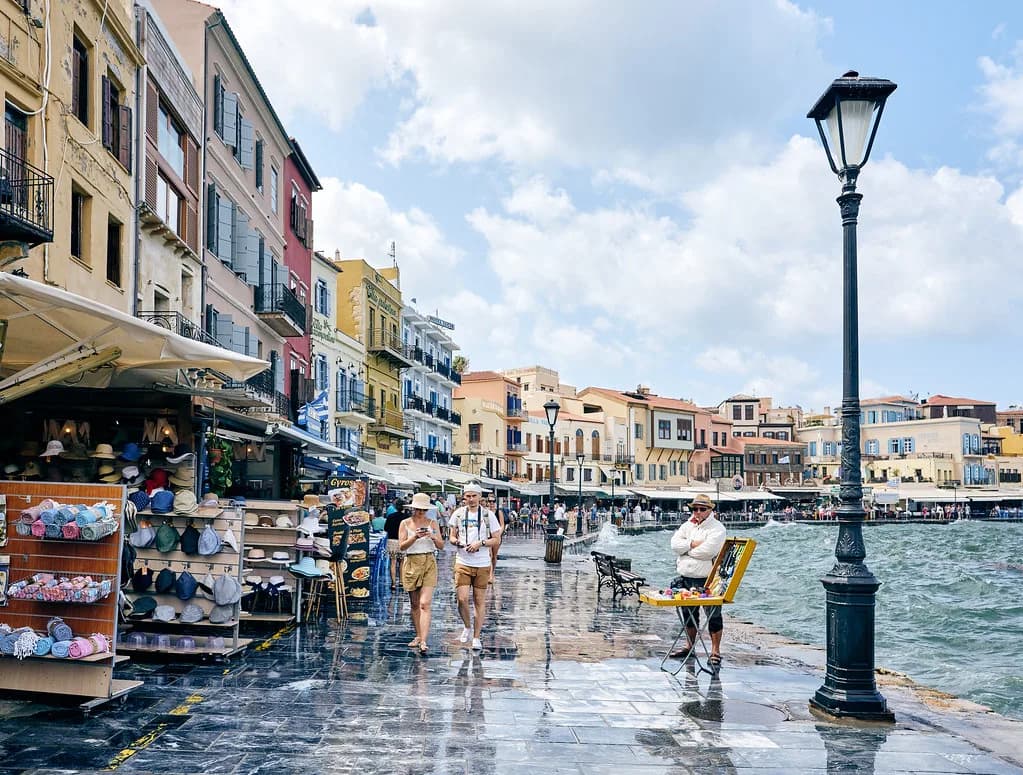
Most of Chania's historic core sits within easy walking distance, which is why a museum day here works better on foot than by car. The old town is largely closed to traffic and parking in the centre is very limited, so arriving without a vehicle removes a recurring headache. Walking also lets you pass the walls, minarets and ruins that no ticket covers.
The compact layout means you can pair a collection with the harbour loop instead of crossing the city between stops. Pick two or three indoor visits and let the rest of the day happen outdoors. Trying to cover every museum in one day usually means rushing the small rooms that reward a slower look.
Quick Orientation: Harbour, Old Town and Suburb
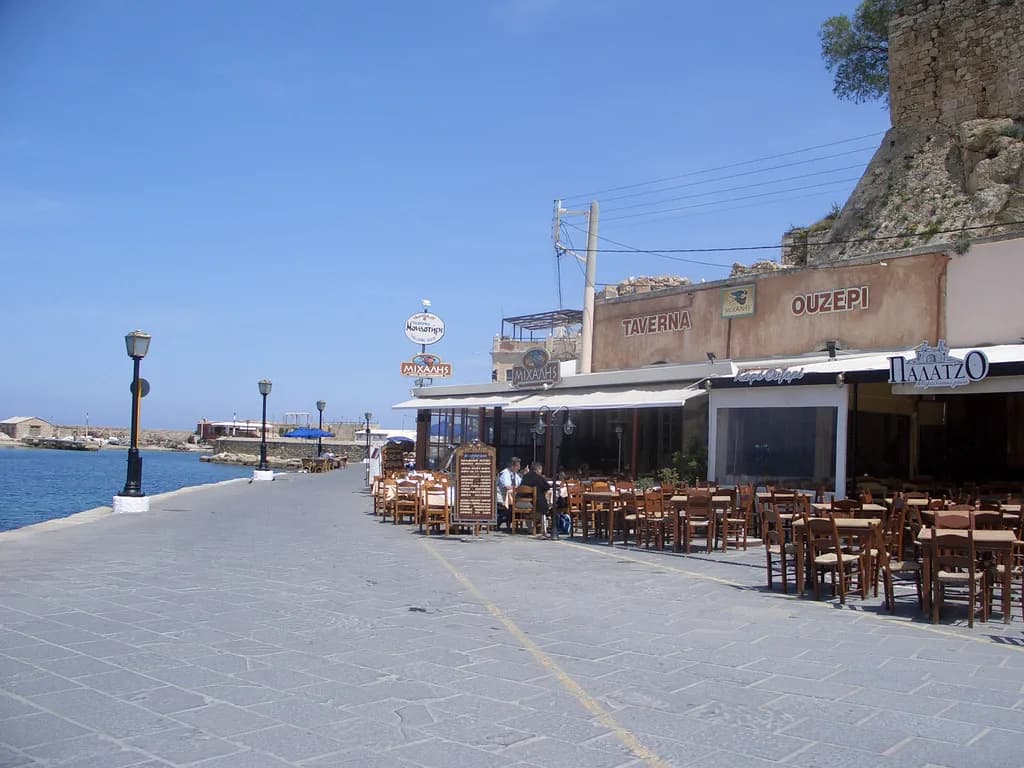
The Maritime Museum of Crete and the Folklore Museum of Chania sit close to the old town and the harbour area, making them the easiest to fold into a waterfront stroll. The Folklore Museum occupies a small house just off the main pedestrian street that leads to the Venetian Harbour. The Etz Hayyim Synagogue is in the Jewish Quarter, Evraiki, within the same walkable cluster.
The Archaeological Museum of Chania is the outlier: it is located in one of the city's suburbs, not on the harbour, and reaching it takes a bus ride or a car. If you are weighing how much time the big collections deserve, this guide to museums in greece covers the national heavyweights. That single fact changes the shape of a day. Plan the suburb museum as a separate outing or a first stop, then return to the centre on foot for the rest.
Travelers shortlisting options also come across the Greek National Football Museum and Minoan's World 9D Cinema among Chania's museum-style attractions. Both appeal to specific interests rather than general history, so treat them as optional add-ons rather than core stops on a first visit.
Archaeological Museum of Chania: Minoan, Greek and Roman Finds
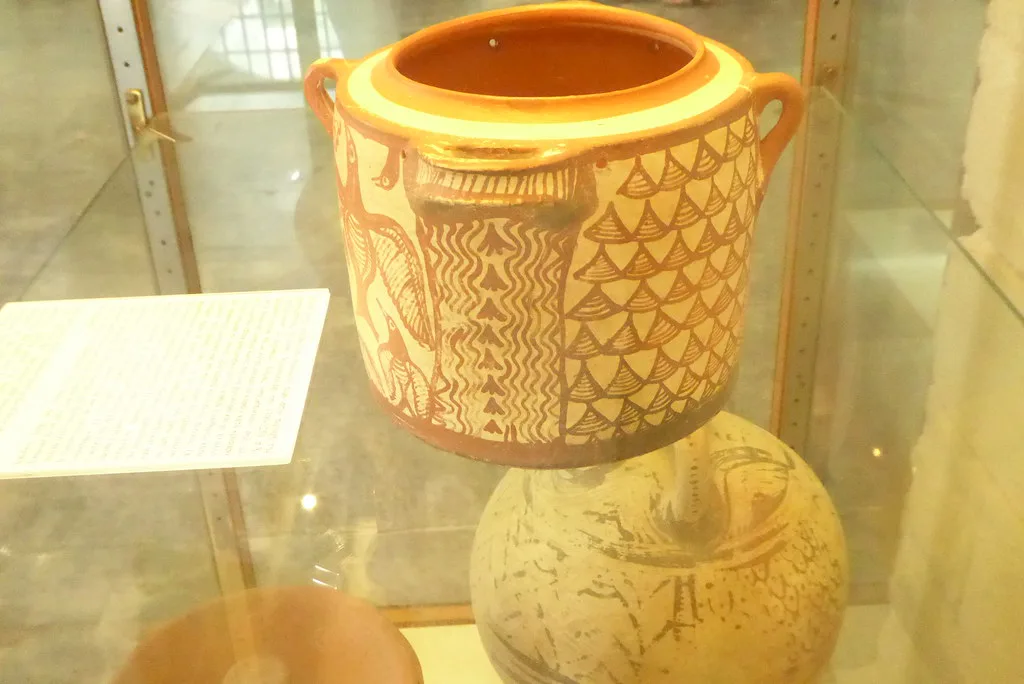
This is the collection to prioritise if you want the deep history of the region in one place. It holds Minoan, Greek and Roman artifacts discovered in and around Chania, with educational displays that trace the area back thousands of years. Chania itself grew from the Minoan city of Kydonia, one of the oldest settlements in Europe, so the finds connect directly to the streets outside.
The practical trade-off is location. Because the museum sits in a suburb, it is not a stop you can drift into between harbour coffees. Check the current bus routes and opening days before you commit, since schedules and closures change by season. Allow a comfortable half-day if you plan to return to the old town afterwards.
Maritime Museum of Crete: The Harbour's Backstory
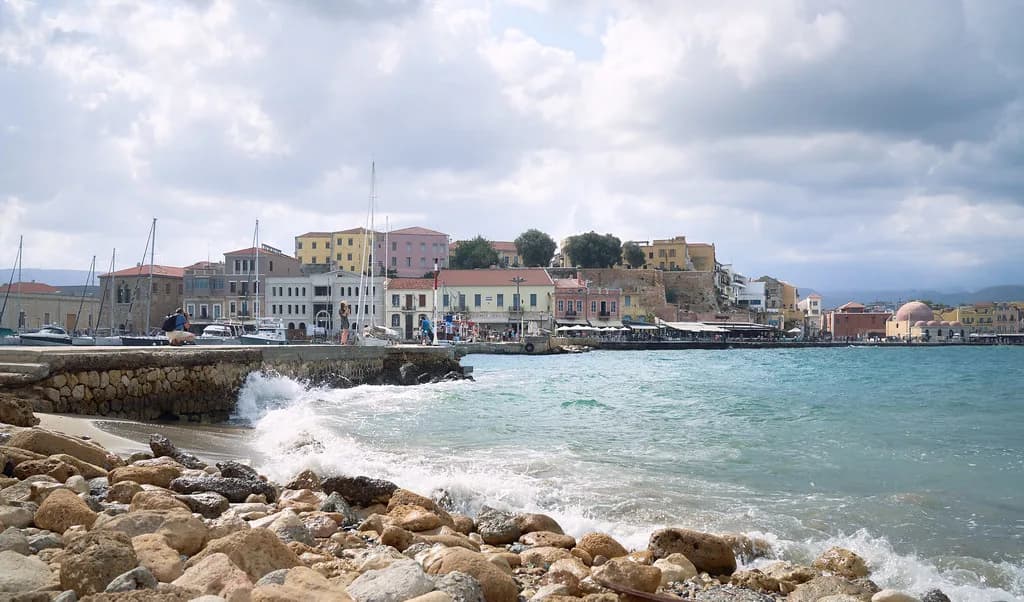
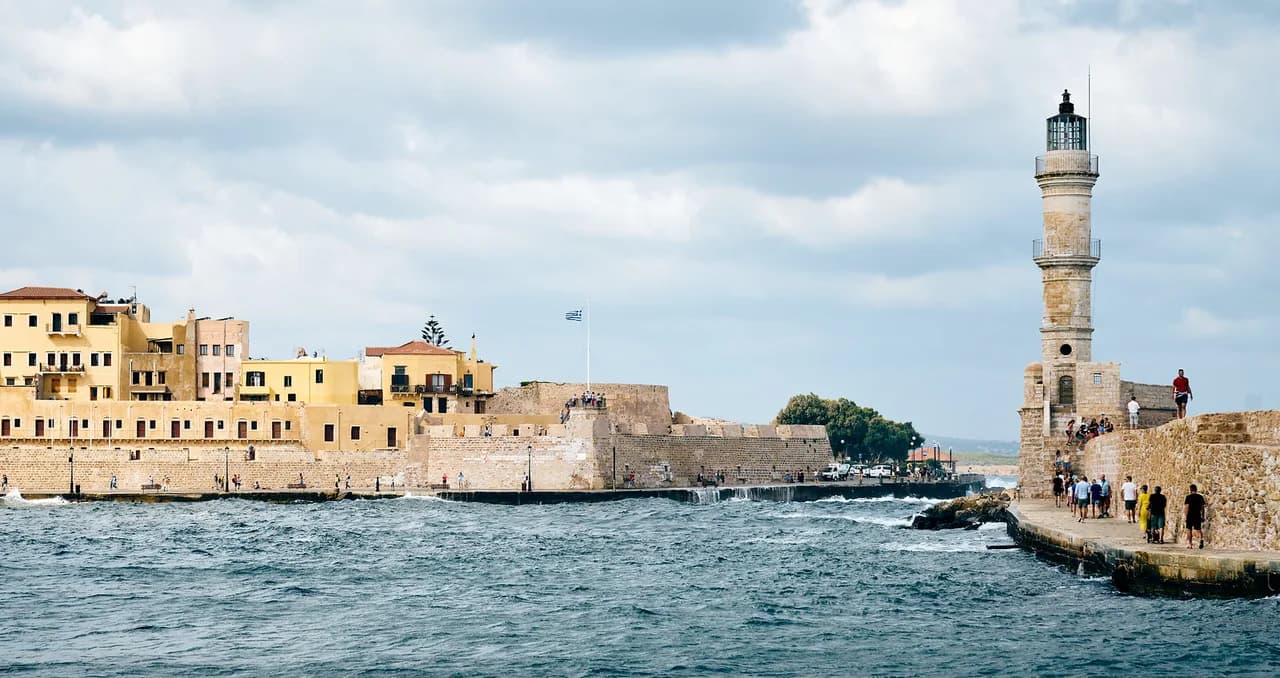
A harbour-side maritime collection makes sense in a city whose sea walls, shipyards and lighthouse still define the waterfront. Walking the Venetian Harbour and the sea wall puts the Venetian and Ottoman layers in front of you, and the museum supplies the context for what you have just seen. The Arsenali Veneziani, the sixteenth-century Venetian shipyard buildings on the east side of the harbour, are part of that same story.
Pair this visit with the harbour walk rather than saving it for a rainy afternoon, because the two reinforce each other. Walk the sea wall first for the view back over the old town, then step inside while the geography is fresh. Check the museum's published hours at the door or online, as these are not fixed year-round.
Folklore Museum of Chania: A Small House, Quickly Seen
The Folklore Museum recreates a typical old Cretan home room by room, offering a picture of eighteenth and nineteenth century domestic life. It occupies a small house off the main pedestrian street to the harbour and shares a courtyard with Chania's small Roman Catholic church. About thirty minutes is enough to walk through, which makes it an easy insert between larger stops.
Because the rooms are few, this is a museum to choose for texture rather than depth. If your time is tight, it works best slotted in before lunch near the harbour. Confirm the current entry arrangement on site, since small museums often adjust days seasonally.
Byzantine and Postbyzantine Collection: For Icon and Church Lovers
Travelers with an interest in Orthodox art and church history should put this collection near the top of the shortlist. It covers the Byzantine and post-Byzantine periods, the eras that shaped the icons, churches and monasteries you see across Crete. Seeing the art in a museum first makes the painted interiors of Chania's churches easier to read.
Prioritise it if you plan to visit churches such as the Cathedral of the Presentation of the Virgin Mary or the Church of Agios Nikolaos in Splantzia, where a Venetian building carries both a bell tower and a minaret. If your interests lean toward maritime or domestic history, this is the one to skip when time runs short. Check the collection's current opening days before building a route around it.
Etz Hayyim Synagogue: Memorial, Museum and Doorbell Etiquette
The Etz Hayyim Synagogue in the Jewish Quarter is a restored memorial to a community devastated during the Second World War, when Crete's Jewish population was deported. It functions as both a museum and a place of remembrance rather than a conventional sightseeing stop. Visitors ring the doorbell during the visiting hours posted on the door, and the tour is free with donations accepted.
Treat the posted hours on the door as the authority rather than a guidebook listing, and dress and behave as you would in any active religious site. The visit is short but weighty, so leave buffer time around it instead of squeezing it between two ticketed museums.
Free Sights That Come With the Walk
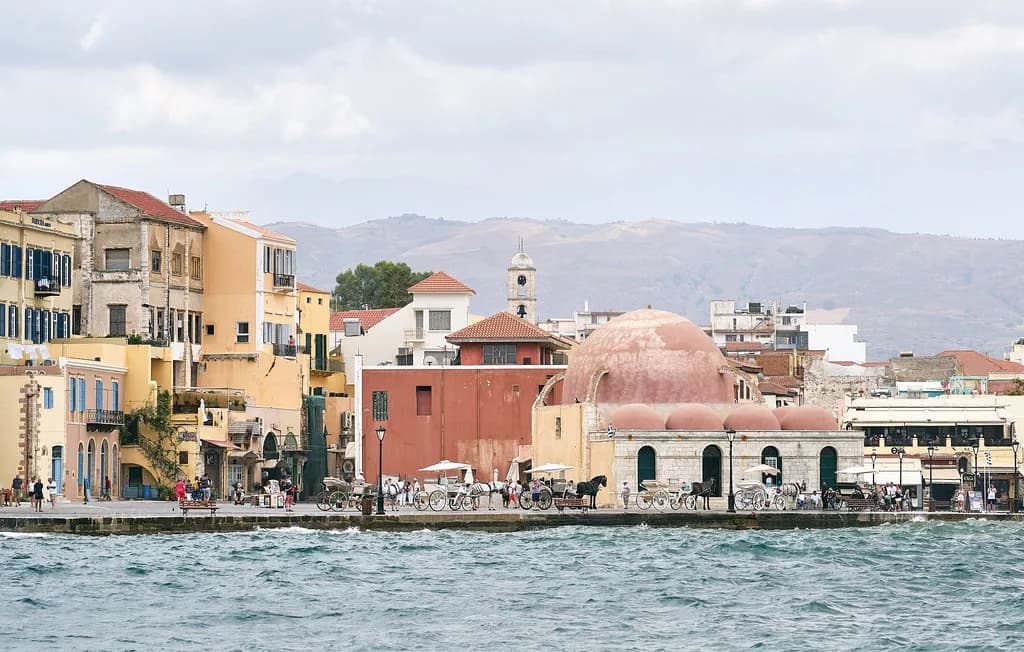
Several of Chania's most memorable historical sights cost nothing and sit directly on a walking route. The Venetian Harbour holds the Küçük Hasan Pasha Mosque with its orange domes, now used as an exhibition space, and the Egyptian Lighthouse at the end of the sea wall, which you can admire from its base but not enter. The Ahmet Ağa Minaret still rises over the old town streets.
The Kydonia ruins are the quiet highlight: foundations of a large Minoan house, rebuilt over centuries, standing only a few blocks from the harbour. Look for them as you move between museum stops rather than making a special trip. They date across roughly 3000 to 1400 BC, which makes a useful primer before the archaeological museum.
Smaller and Quirkier Stops
The Temple Gift Shop in the Jewish Quarter hides ancient tombs preserved under glass flooring, discovered during renovations of what was once a small Catholic church. The building later served as a mosque, and a decorated mihrab niche still survives in one corner. It is a five-minute curiosity, not a museum, but it fits neatly into a Jewish Quarter walk.
If you are travelling with children or need a break from history, the 9D cinema and the football museum offer a different kind of stop. Neither substitutes for the main collections, so place them at the end of the day when attention is fading. Opening times at these small attractions change often, so note them when you arrive in town.
Planning a Route: Museums, Lunch and the Harbour Loop
A workable shape is the suburb museum first thing by bus or car, back to the centre for the Folklore Museum, then the harbour walk and the Maritime Museum before an afternoon break. Finish with the Jewish Quarter and the synagogue doorbell if the posted hours allow. This order keeps you outdoors in the middle of the day and indoors when you need a rest.
Build lunch into the route rather than treating it as a detour. Splantzia Square, next to the Church of Agios Nikolaos, is lined with outdoor tables and is a natural pause between the old town museums and the harbour.
Depth Versus Breadth: Choosing Your Trade-Offs
The honest trade-off in Chania is between one collection seen properly and four seen quickly. The Archaeological Museum rewards a slow visit because its displays carry the region's whole chronology, while the Folklore Museum is deliberately brief. Decide which one gets the long slot before you leave the hotel.
Harbour-front convenience is the other trade-off. Museums near the water fit around a promenade walk, but the quieter suburban collection offers a deeper dive at the cost of travel time. Neither choice is wrong; they simply produce different days.
Getting Around: Walking, Buses and Parking Limits
Walking covers the old town cluster, and it is the only realistic way to move between the harbour, Splantzia and the Jewish Quarter without constant backtracking. For the Archaeological Museum, use the urban bus network; routes and times appear in mapping apps, and tickets bought in advance from the central square kiosk have been reported as cheaper than paying the driver. Fares and routes shift with the seasons, so read the posted timetable at the stop.
If you drive, expect parking pressure in the centre, with Talos Square near the old port cited as a practical option. Ride-hailing apps are not available in Chania, so taxis or your own car are the alternatives to the bus. For a museum-focused day, leaving the car behind usually saves more time than it costs.
Where to Eat Around Museum Stops
Museum-going in Chania works best with food planned around it, because the old town's squares and lanes put you within minutes of a table. A gyro from a shop near the main square is the quick option, with chicken and pork the usual fillings along with tomato, onion, fries and a yogurt sauce; one source reported them at roughly four to five euros, so treat that as a rough guide and check the board.
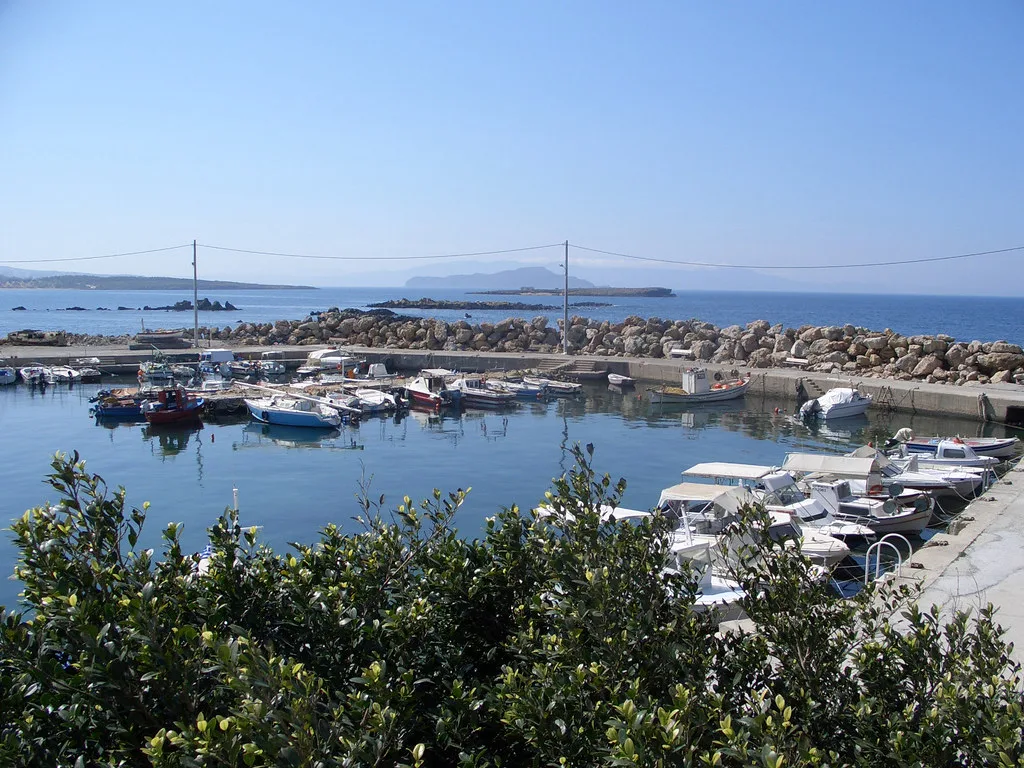
For a slower meal, the fish restaurants near Neo Chora Marina, across from a working fishing harbour, are a short walk from the old town and attract a more local crowd. Order grilled fish simply and ask what came off the boats that day. If you want to understand the dishes before you sit down, start with what to eat in Crete.
Greek menus reward a little vocabulary. Meze means small savoury plates served with drinks, dakos is a barley rusk topped with chopped tomato and crumbled cheese, and dolmadakia are vine leaves stuffed with rice and herbs. Kalitsounia are small Cretan pies, often filled with cheese or wild greens, and they make a useful mid-morning stop.
Half-Day and Rainy-Day Museum Plans
For a rainy half-day, start at the Maritime Museum near the harbour, walk the covered lanes to the Folklore Museum, and finish with the synagogue in the Jewish Quarter if the posted doorbell hours line up. It keeps travel between stops short and leaves room for a long lunch. If the weather clears, add the sea wall loop at the end.
A half-day focused on history alone means the suburb archaeological museum plus one harbour-side collection, with no more than two indoor stops. More than that and the day becomes a checklist. Save the smaller curiosities for a return visit.
What to Confirm Before You Go
Opening days, ticket prices and renovation status change, and several of Chania's sights have been reported as closed for works in recent years. The Municipal Market, in particular, has been described as shut for restorations, so do not plan a shopping stop around it without checking. Confirm each museum's hours on its own published listing close to your visit date.
For the synagogue, the hours posted on the door are the practical reference; for the archaeological museum, check bus times as well as opening hours. Booking is rarely needed for Chania's museums, though a cooking class or food tour in the same trip benefits from advance reservation.
Plan Your Visit
Chania's museums work best as a small, deliberate selection woven into a walk. Choose the Archaeological Museum for depth, add one harbour or old town collection for context, and let the free sights fill the gaps between them.
Check current hours, transport and any renovation news a few days before you go, then leave the rest of the day open for the harbour and a long lunch. That balance is what makes a museum day in Chania feel unhurried rather than exhaustive.
Explore more Chania sauna guides
Frequently Asked Questions
Can you see Chania's museums on foot in one day?
You can cover the old town cluster on foot, since the Folklore Museum, the Maritime Museum near the harbour and the Etz Hayyim Synagogue in the Jewish Quarter all sit within a walkable area. The Archaeological Museum of Chania is in a suburb, not the centre, so add a bus or car trip or plan it as a separate half-day. Trying to include every museum usually means rushing the rooms that deserve a slower look.
How do you visit Etz Hayyim Synagogue in Chania?
The synagogue sits in the Jewish Quarter, Evraiki, and visitors ring the doorbell during the hours posted on the door. Entry has been reported as free, with donations accepted, but treat that as a report rather than a guarantee and check the posted notice when you arrive. Dress and behave as you would in any active religious site, and leave buffer time because the visit is short but weighty.
Is the Archaeological Museum of Chania worth visiting?
It is the strongest choice if you want the region's deep history in one place, with Minoan, Greek and Roman finds from around Chania and displays that connect the collection to the Minoan city of Kydonia beneath the modern streets. The cost is travel time: the museum is in a suburb, so you need the urban bus or a car rather than a stroll from the harbour. Check current bus times and opening days before committing.
What museums are in Chania town?
The main ones are the Maritime Museum of Crete near the harbour, the Folklore Museum of Chania in a small house off the pedestrian street to the harbour, and the Byzantine and Postbyzantine Collection, plus the memorial at Etz Hayyim Synagogue in the Jewish Quarter. The Archaeological Museum of Chania sits in a suburb rather than the old town. Smaller options include the Greek National Football Museum and a 9D cinema, which appeal to particular interests.
Are there free historical sights in Chania old town?
Yes, and they fill the gaps between ticketed museums. The Egyptian Lighthouse can be admired from its base on the sea wall, the Küçük Hasan Pasha Mosque with its orange domes stands on the Venetian Harbour, and the Ahmet Ağa Minaret still rises over the streets. The Kydonia ruins, foundations of a large Minoan house only a few blocks from the harbour, are easy to see as you move between stops.
Sources
Notes for eating well in Greece
Optional updates to our guides.
You might also like
Continue reading
More guides you'll find useful