Chania Food Tours: How to Choose One and What You'll Eat
Compare Chania food tour styles, learn the Cretan dishes you may taste, and know when to book a tour that fits your day in Crete's old port city.
On this page
A Chania food tour is less about a single meal and more about reading a city through its market stalls, bakery counters and taverna tables. Most tours concentrate on the compact Old Town around the Venetian Harbour, where the alleys of Splantzia and the lanes behind the municipal market put tastings within easy walking distance. If you are weighing the same decision on another island, a corfu food tour offers a useful point of comparison for format and inclusions. The hard part is not finding a tour but choosing the right format for your appetite, your timetable and your tolerance for group pacing.
Tour operators do exist in Chania, including companies that run food and wine walking tours, but published listings vary widely in what they promise. The practical approach is to treat each listing as a contract: check how many tastings are included, whether drinks are poured or merely mentioned, and how much ground the group covers. That way you compare like with like instead of being swayed by a scenic photo of the harbour.
What a Chania Food Tour Typically Is and Where Tours Run
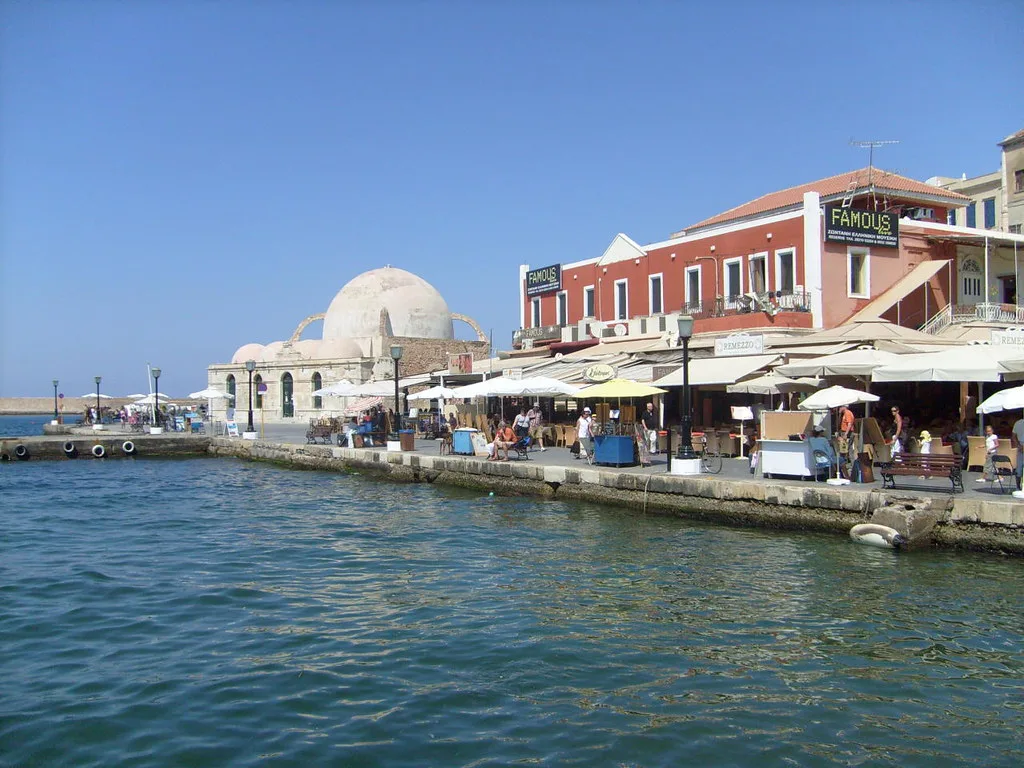
Most food tours in Chania are walking tastings built around the Old Town, a district of Venetian and Ottoman layers that extends inland from the Venetian Harbour. Groups typically move between a handful of stops, sampling small portions at each rather than sitting down to a full menu. Because much of the historic centre is pedestrianised and parking near the port is limited, walking is the sensible way to link stops.
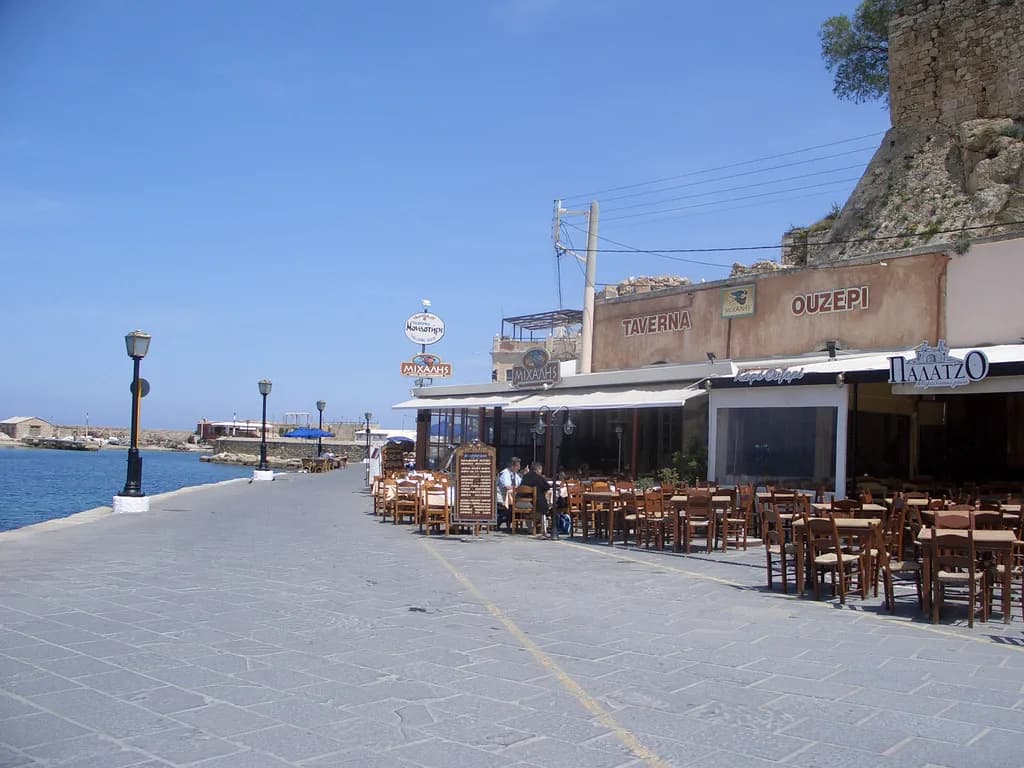
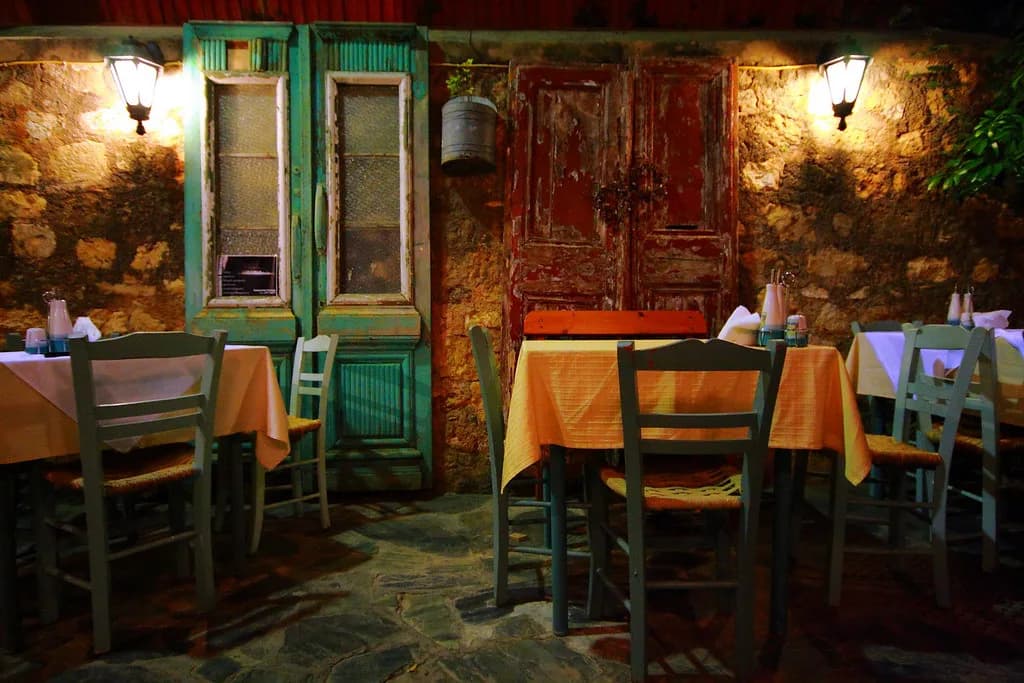
Several neighbourhoods turn up repeatedly in descriptions of Chania eating. Splantzia Square, in the old Turkish quarter beside the church of Agios Nikolaos, is a cluster of outdoor taverna tables and a natural pause on a tasting route. The municipal market area gives access to Cretan produce, while the harbour front trades on views rather than quiet corners. Confirm the meeting point and the route when you book, because a tour billed as Old Town can mean anything from the port to the market lanes.
Walking Tasting Tour vs Cooking Class vs Market-and-Taverna Tour
A walking tasting tour solves the problem of orientation: you cover ground, meet several shops and tavernas, and get a sense of which dishes and neighbourhoods deserve a return visit. The trade-off is depth. Portions are small by design, and the group's pace sets your pace, so a slow eater or a curious shopper can feel rushed. It suits travellers with one or two days in the city who want a broad first look.
A cooking class is the better choice if you want to reproduce dishes at home rather than simply encounter them. Sessions generally centre on a few representative recipes, and the value lies in technique and ingredient explanations rather than in covering many venues. Chania has cooking-class options in and around the Old Town, but check whether the session includes a market visit or a full meal, because those inclusions change what the day actually costs in time and money.
A market-and-taverna format splits the difference: a produce stop or two followed by a seated meal. It suits people who prefer one substantial table to several small bites and who want the guide's commentary concentrated on ingredients and seasonality. Read the listing for whether the taverna meal is a set menu or an allowance against the bill; that single detail decides whether the tour is good value for a hungry group.
Dishes You Are Likely to Meet, Explained
Dakos is the Cretan answer to bruschetta: a hard barley rusk softened with grated tomato, crumbled mizithra or another soft cheese, oregano and olive oil. Mizithra is a fresh whey cheese, mild and slightly salty, while graviera is the firmer, nuttier yellow cheese you will see sliced on boards. Both appear constantly on Cretan tables, and a good tasting tour will tell you which is which before you commit to buying a wedge.
Kalitsounia are small folded or half-moon pastries, usually filled with mizithra or with wild greens and herbs, and they turn up fried or baked depending on the shop. Syglino is cured pork, often smoked with herbs, served as a meze or folded into omelettes. Gemista means vegetables, typically tomatoes and peppers, stuffed with rice and herbs. Knowing these names in advance helps you steer a tasting toward the dishes you actually want to try.
Tzatziki is the yoghurt dip with cucumber and garlic, and gyros is the vertical-roast meat, usually pork or chicken, wrapped in pita with salad and sauce. The wrap is one of the cheapest meals in the city; one traveller's account put a gyro at roughly four to five euros, though prices shift, so treat that as a rough benchmark and check the board before ordering.
Drinks: Wine, Tsikoudia and How Ouzo Differs
Tsikoudia, also called raki in Crete, is a clear grape spirit distilled from the leftovers of winemaking. It is usually served in small glasses, often after a meal, and can be strong enough that a tasting flight deserves a slow pace. Ouzo is a different drink altogether: a distilled spirit flavoured mainly with anise, which turns milky when water or ice is added. If a tour promises both, ask whether they are poured as tastings or as full servings.
Wine tastings in Chania often draw on Cretan vineyards, and some itineraries pair a city walk with a visit to a producer outside town. One traveller's account of the Lyrarakis winery estate describes a free vineyard tour with a paid tasting, but arrangements at wineries change, so confirm the current format directly rather than relying on an older review. If wine is the point of your day, a dedicated winery visit may serve you better than a brief glass mid-walk.
Timing: Morning Market Tours vs Evening Taverna Tours
Morning tours tend to lean on markets, bakeries and coffee, and they end early enough to leave the afternoon free for the harbour or a museum. Evening tours build toward taverna tables and are better suited to travellers who want a substantial dinner as the centrepiece. The trade-off is energy: a morning walk plus a long lunch can flatten you before a sunset harbour dinner, so pick one big food event per day rather than stacking them.
Chania's Old Town is compact enough that a morning tour and an afternoon sightseeing block can coexist, provided you keep the second activity light. The Archaeological Museum and the waterfront are within easy reach of the centre, and the Etz Hayyim Synagogue in the Jewish quarter is a short detour from market lanes. It is worth looking up opening days for any museum or synagogue you plan to add, since these are the details most likely to disrupt an otherwise well-paced day.
Reading a Tour Listing: Group Size, Stops and Inclusions
A listing should tell you the maximum group size, the number of tasting stops, and whether food and drink are included or charged separately. Those three facts determine the real cost per person far more than the headline price. A tour with many tiny stops and no drinks can end up costing more than a seated lunch once you buy your own wine, so compare inclusions side by side rather than judging the fee alone.
Walking distance matters in the car-free historic centre, where cobbled lanes and steps make heels a poor choice and mobility needs should be raised before booking. If a listing mentions a market visit, ask which one and what happens when the market is shut; the municipal market has been described as closed for restoration, and the situation can change, so the organiser should confirm the substitute stop in advance.
Booking and Price Checks: How to Compare Quoted Prices
Individual operators in Chania have not published a standard rate card for food tours, so the only reliable figure is the quote you receive for your own dates. Ask each operator directly for the total per person, what is included, the cancellation terms and the language of the tour. Compare two or three quotes on the same basis, and put the question in writing so you have a record if the meeting details change.
For peak-season dates, especially around Orthodox Easter and in July and August, book ahead rather than expecting a walk-up place to exist. Shoulder-season visits in late May to early June and September are busier than winter but far calmer than high summer, which makes last-minute booking less risky. If a tour is the anchor of your day, reserve it first and build the rest of the itinerary around it.
Food Stops That Appear in Sources and Why They Matter
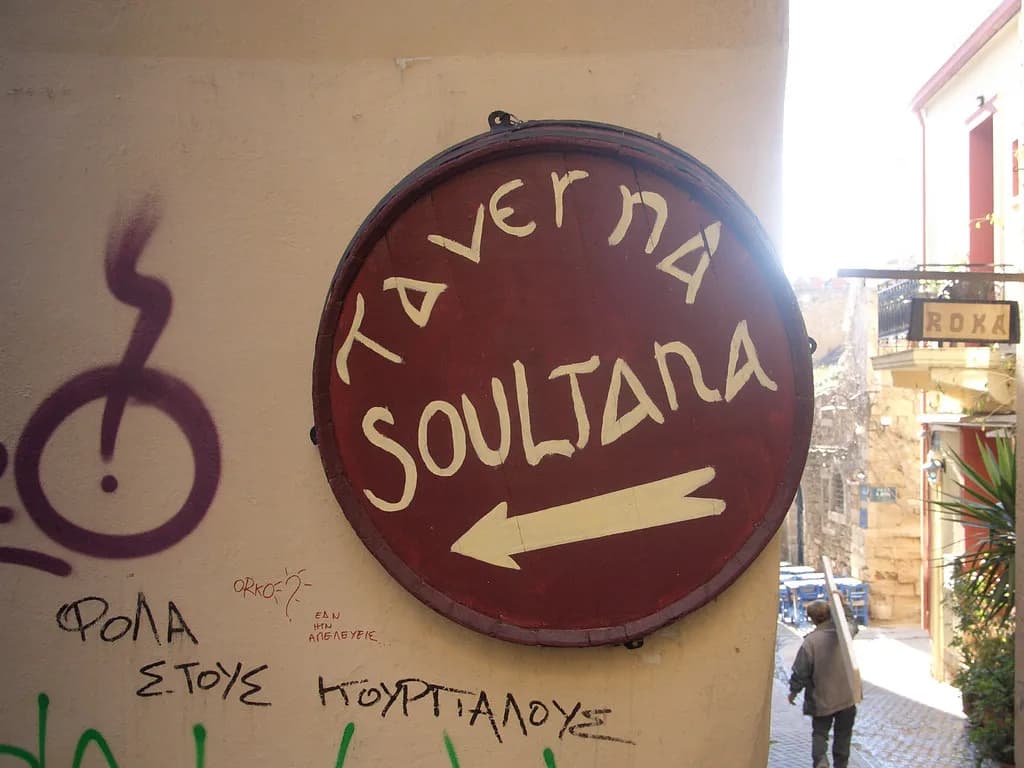
Splantzia Square is the most useful reference point for a taverna-style tasting, because several restaurants line the square and the church of Agios Nikolaos, with its bell tower and surviving minaret, gives the setting its character. One traveller's account names Kouzina there for stuffed vegetables, a dish called gemista, which illustrates the kind of home-style cooking a tour guide is likely to point out. Whether a specific taverna is included depends entirely on the current route of whichever company you book with.
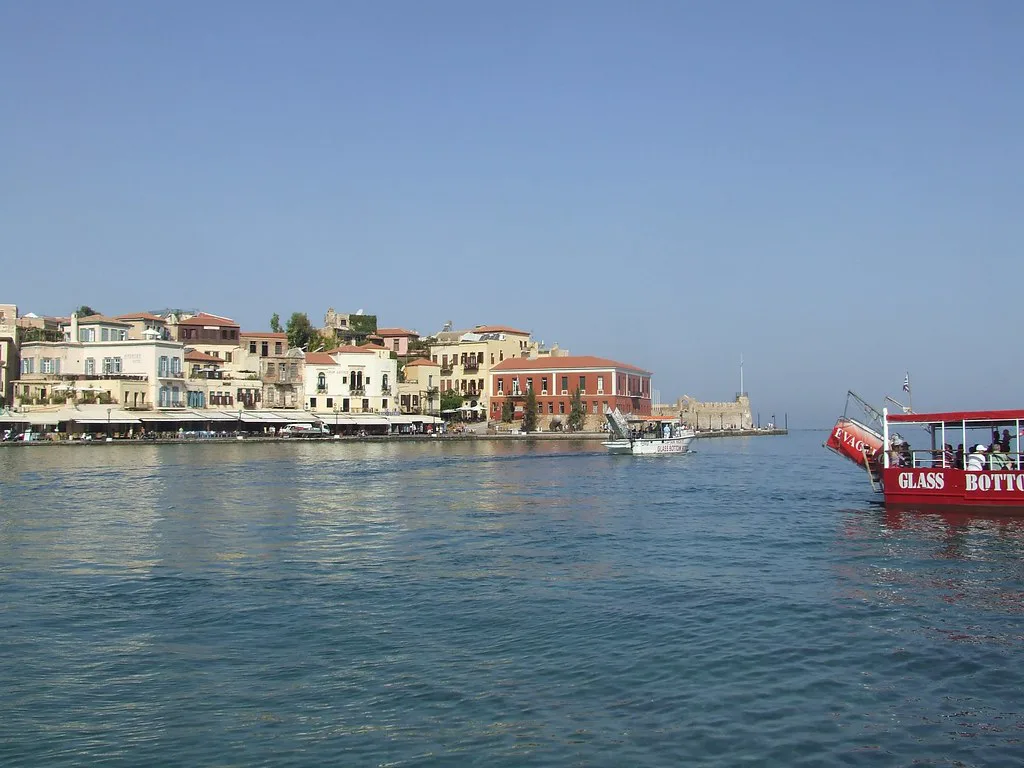
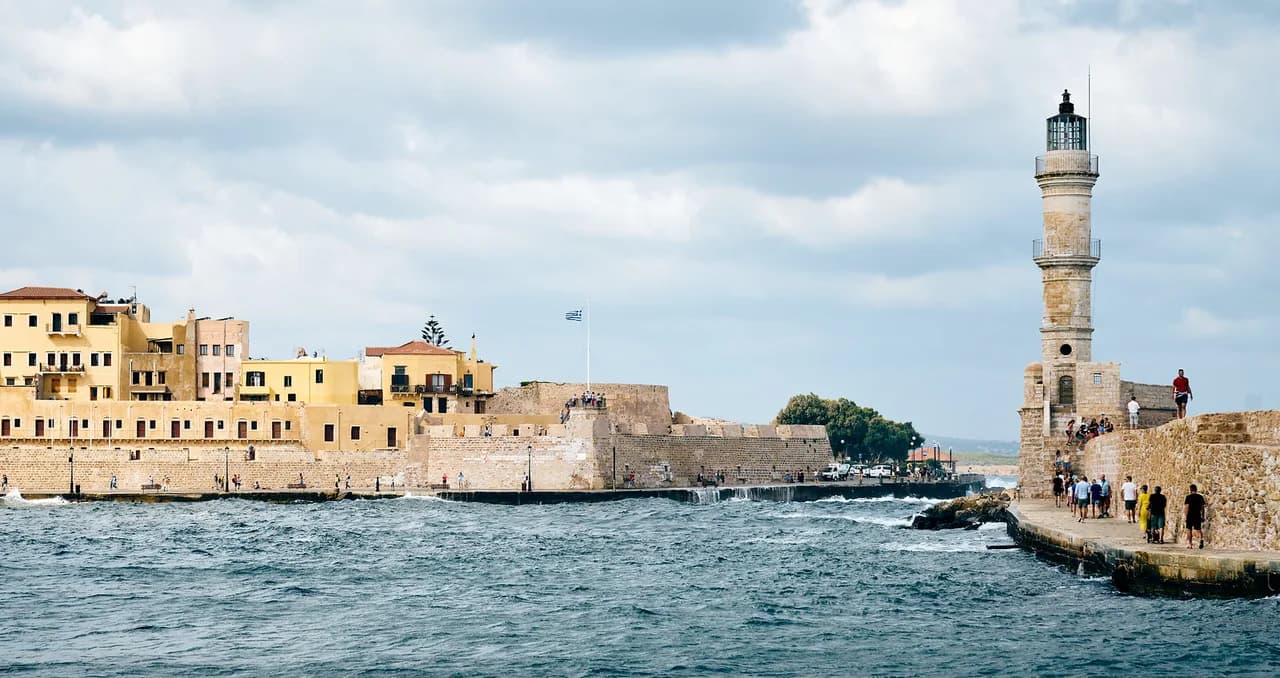
The waterfront around Neo Chora Marina is a different proposition: a row of fish restaurants facing a working harbour where local boats moor, which one account contrasts with the busier Venetian Harbour for a lower tourist-to-local ratio. Kaiki is named there as a place where you choose your fish from a chilled cabinet. A harbour front guarantees a view but not a bargain; back streets usually deliver quieter tables and simpler prices, so decide which you value before you join a tour that ends near the port.
If you want a shortlist of tables to revisit after the tour, our guide to the best restaurants in Chania separates harbour views from back-street value. Use it to turn a handful of tastings into a proper meal plan for the rest of your stay.
Beyond the Old Town: Mountain Lunches and Self-Guided Food Days
A self-guided food day gives you the freedom to linger, but it demands a car and a realistic timetable. One account puts Ntounias Educational Farm, a wood-fired kitchen cooking Cretan recipes from its own produce, about 14 miles south of Chania via the mountain village of Theriso, with the drive framed as part of the outing. Allow a half day and confirm the farm's opening arrangements before setting out.
The contrast is instructive: a guided tour removes the logistics but constrains the pace, while a self-drive lunch trades convenience for choice. If you go independently, combine the mountain meal with a nearby site such as Ancient Aptera, where the Roman cisterns and amphitheatre reward an hour or two, and keep the driving short after a heavy lunch. That structure gives you a food-focused day without needing a group at all.
Practical Tips: Dietary Requests, Pacing and Sunset Dinners
Tell the tour company about dietary needs when you book, not on the day, because tastings are often pre-arranged with fixed portions. If you are vegetarian, ask whether the tour includes alternatives for meat-based dishes such as syglino and whether cheese-heavy plates can be swapped. A short written message at booking solves more problems than a hopeful conversation at the first stop.
Do not book a sunset dinner immediately after an evening food tour; you will either waste one of the two or spend the second feeling overfull. Leave at least a couple of hours between them, and if the harbour table matters to you, reserve it separately rather than hoping to walk in. Sunset slots at caldera-style and waterfront tables are exactly the ones that fill first, so book them as a distinct decision.
Plan Your Chania Food Tour
Start with your appetite and your calendar: a morning tasting walk if you want a broad first look, a cooking class if you want skills, and a market-and-taverna format if you prefer one substantial table. Then request written quotes covering inclusions, group size and cancellation terms, since operators publish no standard rate card and each quote stands on its own. Build the rest of your day around the tour rather than stacking a second big meal on top.
Once the tour is booked, use the city to fill the gaps: the Venetian Harbour for an evening stroll, Splantzia Square for a return lunch, and the Neo Chora Marina end for fish. Cross-check opening hours and market status directly with the venue or organiser before you travel, and keep the number of fixed commitments modest so a good find can change your plan.
Explore more Chania sauna guides
Frequently Asked Questions
What do you eat on a Chania food tour?
Expect small portions of Cretan staples such as dakos, a rusk topped with tomato and mizithra cheese; kalitsounia, small cheese or greens pastries; and sliced graviera or other local cheeses. Seated stops may bring gemista, stuffed vegetables, or syglino, cured pork. Drinks are often tsikoudia, the grape spirit also called raki, or wine. The exact menu varies with the tour and season, so ask for the tasting list when you book.
Is a Chania food tour worth it?
It is worth it if you want orientation and commentary rather than a single long meal. A tasting walk covers several neighbourhoods and shops in a compact Old Town, which is hard to replicate efficiently on a short trip. If you already know Cretan food and prefer to choose your own tavernas, a self-guided day or a cooking class may suit you better.
How much does a food tour in Chania cost?
Operators do not publish a standard rate card, so ask each one for the total cost per person, what food and drink are included, and the cancellation policy, then compare quotes on the same basis. A tour with several small stops and no drinks can cost more overall than a seated lunch once extras are added. Prices vary by season and group size.
Do Chania food tours run in winter?
Published schedules do not confirm winter food tours in Chania. Many restaurants in tourist areas of Greece close roughly from November to April, but that is a general pattern, not a guarantee for any named place. Check each operator's calendar directly for the dates you plan to travel.
Should I book a Chania food tour in advance?
Book ahead for peak periods, especially Orthodox Easter and July and August, when demand is highest. Shoulder-season visits in late May to early June and September are calmer but still popular. Confirm the meeting point, group size and inclusions in writing, and keep one big food commitment per day so a tour and a sunset dinner do not collide.
Sources
Notes for eating well in Greece
Optional updates to our guides.
You might also like
Continue reading
More guides you'll find useful