Chania Cooking Class: Choosing a Hands-On Cretan Session
Decide between a home kitchen, farm or village cooking class in Chania. Compare format, group size and what you actually cook before booking.
On this page
A cooking class in Chania works differently from a restaurant meal. You are paying for time in someone's kitchen and for the shopping and preparation that come before the table, so the useful comparisons are format, location and how much you actually do with your hands.
The options divide roughly into home kitchen sessions, farm or village classes reached by car, and city-based classes that fit around sightseeing. Each trades convenience against depth, and picking the wrong one for your trip matters more than picking the highest-rated host.
This guide covers what to cook, what to ask about drinks and dietary needs, and how to slot a class into a Chania itinerary without wrecking the rest of the day.
Why a class is a different purchase from a taverna dinner
At a taverna you judge the plate; in a class you judge the kitchen, the host's explanations and the group you share a table with. A well-chosen session can explain why a dish is built a certain way, something a menu rarely does.
That also means the usual restaurant shortcuts stop working. A central address and a harbour view tell you nothing about what you will cook, and a long menu of dishes is often a sign of demonstration rather than hands-on preparation. Confirm the format explicitly before booking.
If your priority is simply eating well in town, a class may be the wrong spend, and a table at one of the best restaurants in chania will serve you better. Book a class when you want the preparation itself.
The main formats: home kitchen, farm and village, city-based
Home kitchen sessions usually happen in or near Chania town, with a host cooking family recipes in a domestic kitchen. Groups tend to be small because the space is small, which means more contact with the host but less room for a large party on one date.
Farm and village classes involve a drive inland, often into the foothills of the White Mountains, and may pair cooking with a garden or farm visit. The trade-off is clear: more travel time and usually a need for a car, but more of the sourcing story in one block.
City-based classes run close to where visitors stay and are easier to combine with a museum or harbour walk. They suit a short stay or a rainy shoulder-season afternoon, though the setting is a teaching kitchen rather than a working farm.
None of these formats is inherently better. Decide which one you want first, then compare individual sessions inside that category rather than mixing a home kitchen and a mountain farm in the same shortlist.
Where classes sit relative to the Old Town and the harbour
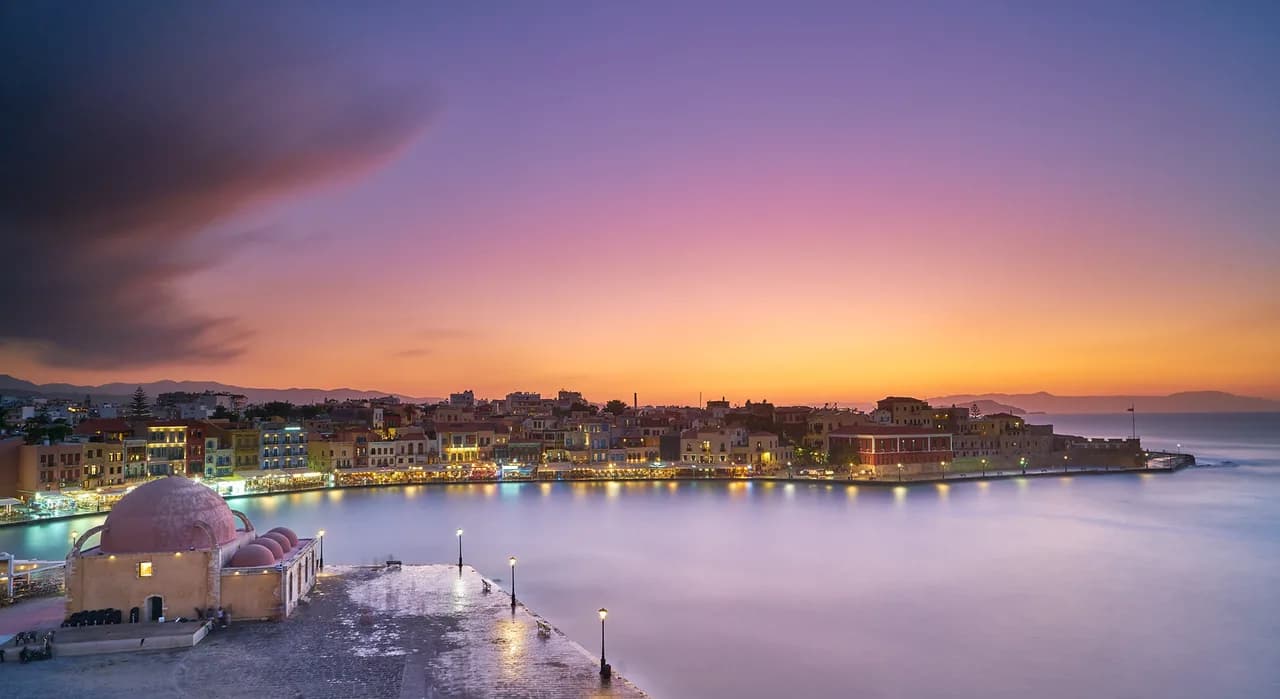
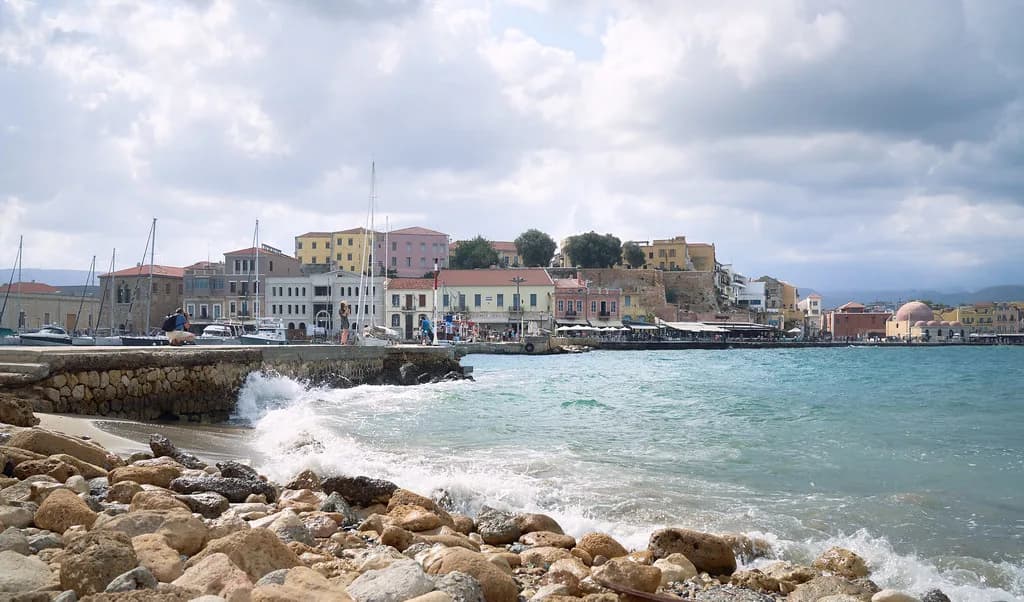
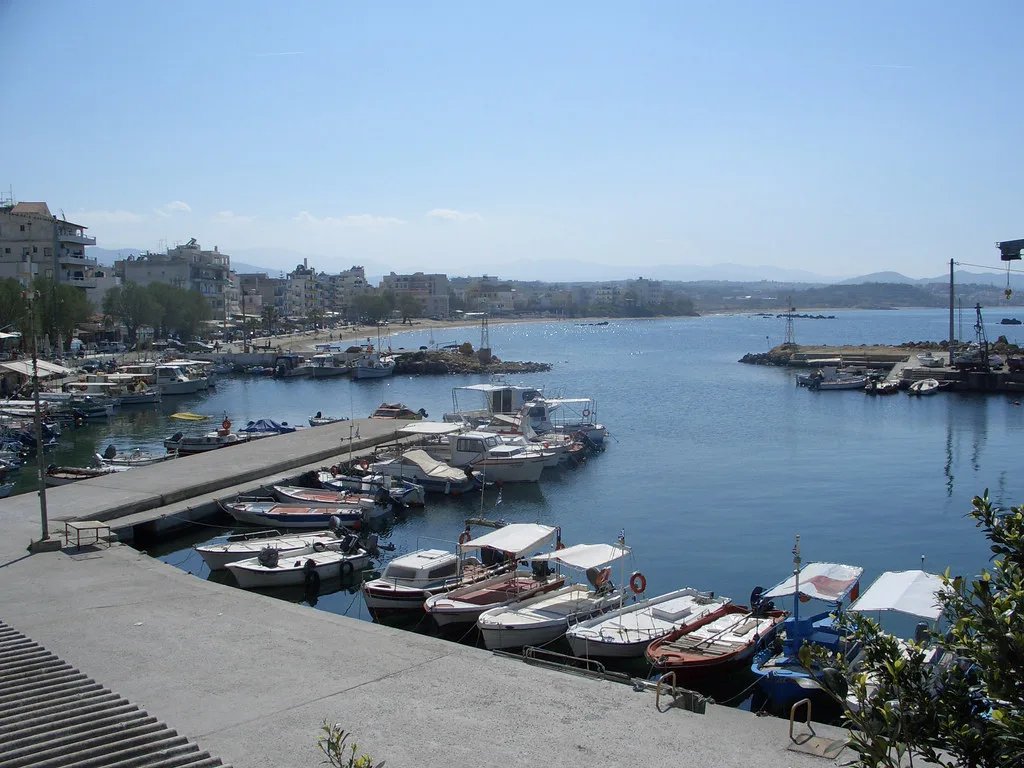
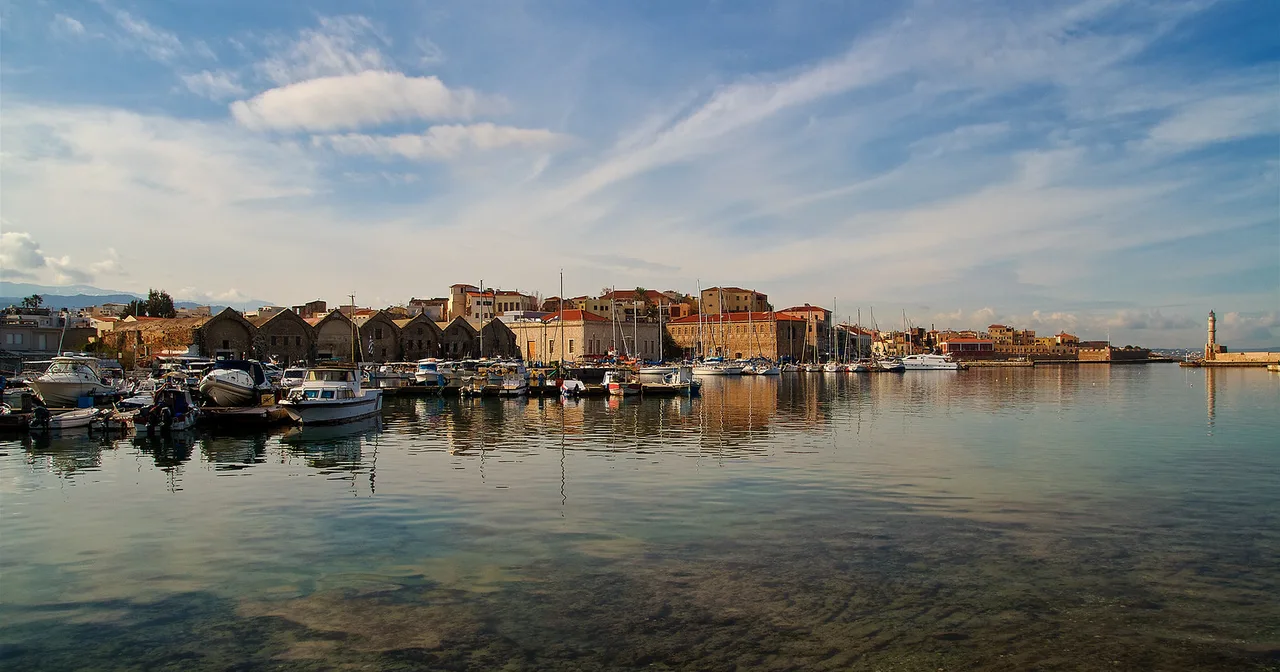
Most visitors base themselves in or beside the old town, where the Venetian Harbour, the lighthouse and the lanes of Splantzia, Topanas and Evraiki are all walkable. A class that starts in this area can follow a morning of sightseeing without a taxi.
Parking in the historic centre is genuinely limited and much of the old town is closed to cars, so a town-centre class means arriving on foot. Useful parking near the centre exists around Talos Square next to the old port, which helps if you are driving in for an evening session.
If you want to build a full day around the old town before or after your class, a broader list of things to do in chania is a sensible starting point. Keep the meal or class anchored to one part of town so you are not crossing the city twice.
For venues outside the city, ask the school for the driving time from your accommodation rather than a distance in kilometres. A farm that looks close on a map can involve a winding mountain road, and nobody wants to arrive late to a session that has already started.
What a session usually covers, from sourcing to the table
Expect three blocks: sourcing, preparation and eating. Sourcing may be a market stop, a garden pick or a simple explanation of what was bought that morning, and the format you booked determines which. If a market visit is the reason you are booking, confirm it happens on your specific date.
Preparation is where you should know in advance whether you chop, knead and fold yourself or watch a demonstration. Hands-on time is the single most important question to ask, because a long demonstration with one pastry folded by each guest is a different product from a session where every person makes their own.
The eating stage is usually a shared table with the dishes you prepared, sometimes with bread, salad and cheese alongside. Ask whether the meal is the class output only or a fuller spread, since that changes how you plan the rest of your evening.
Cretan dishes worth confirming on the menu
A good Chania menu names dishes you can look up, and the wider subject of cretan food is deep enough that a single session can only cover a corner of it. Judge the list by whether it includes dishes specific to western Crete rather than a generic Greek sampler.
Look for dakos, a barley rusk topped with grated tomato, crumbled mizithra or feta, oregano and olive oil; kalitsounia, small folded pies that can be sweet with mizithra and honey or savoury with wild greens; and boureki from Chania, a baked layer of courgette, potato and cheese. Any of these tells you the host is cooking locally rather than broadly.
Gemista, vegetables such as tomatoes and peppers stuffed with rice and herbs, is a useful test dish because it takes time and shows whether you will be prepping properly. Sfakianopita, a thin cheese pie often finished with honey, is another name worth checking on the plan.
The same regional recipe archive lists other western Cretan dishes such as snails, wild greens and lamb with stamnagathi, so use it to read a proposed menu with some knowledge. If a dish sounds unfamiliar, ask the host what it is before booking rather than after.
Drinks and the raki or tsikoudia moment
Cretan sessions usually end with a small pour of tsikoudia, also called raki, the clear grape spirit distilled across the island. It is strong and is normally sipped slowly with food or meze rather than treated as a toast to finish quickly.
Ouzo, the anise-flavoured aperitif, turns milky when water is added and is typically served with small savoury plates. If a class includes a drinks element, ask whether it is a tasting with explanation or just a bottle on the table.
Wine is the other variable. Some operators include local bottles, others charge separately or serve house wine only. If Cretan wine is part of why you booked, say so when enquiring, and note that winery visits such as those at Lyrarakis are a separate outing from a cooking class.
Pace matters when you are driving afterwards. Ask whether you can decline or limit the spirit without awkwardness, and plan your transport before the session rather than improvising at the end of the evening.
Group size, language and hands-on versus demonstration time
Group size changes the experience more than most other factors. A small home kitchen gives each guest a task and direct answers to questions; a large group often means watching, waiting for a shared station, and less correction on technique. Ask for the maximum number, not the average.
Language of instruction should be confirmed in writing if you are not fluent in English or Greek. Hosts in Chania commonly work in English with visitors, but a session advertised in one language may run bilingual or switch depending on the group.
Hands-on versus demonstration is the line that divides two different products at similar-sounding descriptions. A practical way to test this is to ask how many people share a work station and whether each guest makes their own portion of the pastry or pie.
Dietary and vegan requests to raise before paying
Vegetarian and vegan cooking in Crete is not an afterthought, since pulses, greens and vegetable dishes such as gemista and wild-green pies are part of the repertoire. Ask whether the vegan version is a real taught dish or a substitution at the table.
If you avoid gluten, dairy or nuts, say so at the enquiry stage and ask what changes. Cretan cooking leans on bread, rusks, cheese and olive oil, so a host needs warning to plan a workable menu rather than improvise on the day.
List allergies for every guest in the booking, not just the person with the restriction, and confirm that the host has acknowledged them in a reply. A written confirmation is more reliable than a verbal agreement in a busy kitchen.
Prices, deposits and cancellation terms
Rates for classes in and around Chania vary by format, season and group size, and the pages promoting these sessions do not all publish clear pricing. Ask the organisers directly for the per-person rate, what it includes and whether drinks and market purchases are extra.
For a sense of scale on eating out, gyros in Chania is typically inexpensive street food, and one travel account puts a gyro at around four to five euros. That is a meal benchmark, not a class price, and it should not be used to guess what a session costs.
Deposits and cancellation windows are set by each operator, so request the policy before paying anything. Confirm what happens if the session is cancelled by the host, and whether a date change is possible if your flight or ferry shifts.
Booking timing for summer and shoulder season
Chania fills in July and August, and a cooking class tied to a specific host and date is a small-capacity booking. If your trip falls in peak summer, reserve early and treat the confirmation as fixed rather than something to arrange on arrival.
Late May to early June and September are gentler, with pleasant weather and a slightly less crowded city. That gives you more flexibility to pick a format and date, though it does not guarantee availability at the most popular hosts.
Where a schedule is not published, ask the school which months they run and how far ahead they recommend booking, rather than assuming a summer-only pattern. Their timing follows the season, so it is worth asking which classes run in the weeks you are in Crete.
Fitting a class around harbour sightseeing and a mountain lunch
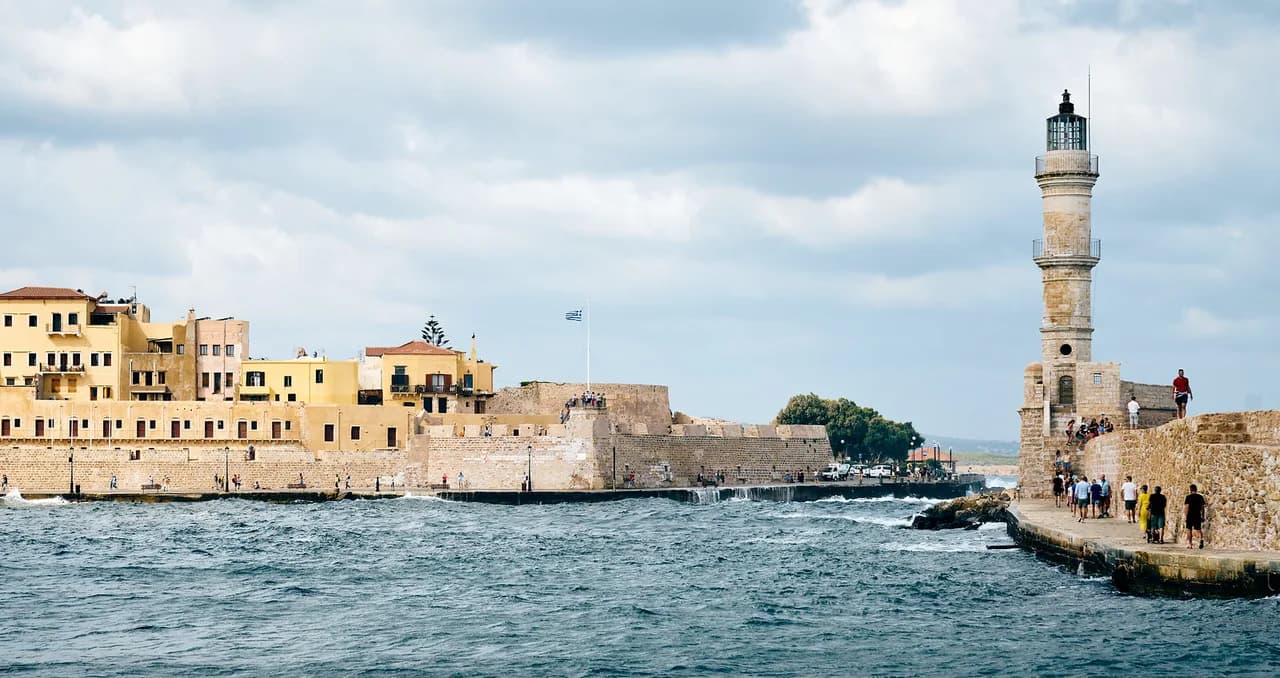
A half-day session pairs well with a slow morning at the harbour and a walk along the sea wall toward the Egyptian lighthouse, which is outside-only but worth the approach for the view back across the port. Keep the class either before or after that walk, not in the middle of it.
If you have a car, a separate day inland can cover the mountain village of Theriso and a wood-fired lunch at Ntounias, roughly fourteen miles south of Chania, where cooking is done over wood fire in clay pots and ovens. Treat that as an alternative to a class, not an addition, unless you have days to spare.
For the classic old-town picture, a base near the harbour makes an evening class easy to reach on foot, and a shortlist of best restaurants in chania old town helps you fill the other nights without crossing town.
Common mistakes to avoid when booking
The first mistake is booking on a headline: a session labelled with a famous dish may spend only a few minutes on it while the bulk of the time goes to something else. Read the stated menu and ask how long each part takes.
The second is ignoring travel time. A mountain class with a half-hour drive each way eats into a short trip, and arriving flustered spoils the start of a session you paid for. Map the route before confirming.
The third is overfilling the day: a morning market, a harbour walk, an afternoon class and a long dinner rarely all go well together. Choose one food-focused activity per day and let the rest of the schedule breathe.
A short checklist to send an operator
Before paying, send a short written list: the exact dishes taught, hands-on or demonstration, maximum group size, language of instruction, start and finish times, address and parking, dietary substitutions, what drinks are included, total price per person, deposit amount and cancellation terms.
Add two questions that solve most surprises: can each guest make their own portion, and is the market or garden visit included for your date. A clear reply to those tells you more than any promotional description.
Keep the reply with your booking and check current details once more close to the day, since class schedules and meeting points move. If you are comparing formats across islands, a mykonos cooking class or a naxos cooking class guide will look familiar once you have asked these questions once.
Choose the Kitchen Before the Menu
Pick a cooking class in Chania by format first: a home kitchen for a small, personal session, a farm or village class for sourcing and a mountain setting, or a town-centre class for a shorter stay. Then check the dish list, hands-on time and group size against what you actually want from the day.
Compare a class with alternatives before committing, including a chania food tour if you prefer eating to cooking, and confirm price, deposit and cancellation in writing. A little preparation turns a pleasant afternoon into the part of the trip you talk about at home.
Explore more Chania sauna guides
Frequently Asked Questions
What is a cooking class in Chania like?
Most sessions combine a short introduction to the kitchen or host, a preparation stage where you make Cretan dishes, and a shared meal at the end. They differ widely in how much you do yourself, so confirm whether the format is hands-on or a demonstration.
How much does a Chania cooking class cost?
Rates vary by format, season and group size, and not every operator publishes a clear per-person price. Ask directly for the total, what drinks and ingredients are included, the deposit and the cancellation policy before paying.
Which Cretan dishes should I look for on a class menu?
Dakos, a barley rusk with tomato and crumbled cheese; kalitsounia, small sweet or savoury pies; and boureki, baked courgette and potato with cheese, are all specific to western Crete. Gemista, stuffed vegetables, is another good sign of a hands-on session.
Can I find a vegan cooking class in Crete?
Vegetables, pulses and greens figure heavily in Cretan cooking, so many hosts can adapt. Say at the enquiry stage that you want vegan dishes and ask whether the vegan menu is actually taught rather than substituted at the table.
Do Chania cooking classes include a market visit?
Some do and some do not, and a market stop depends on the day and season. Ask whether sourcing is a market walk, a garden pick or an explanation in the kitchen, and get confirmation for your specific date.
Where do cooking classes take place around Chania?
Options include home kitchens in or near town, teaching kitchens in the city, and farm or village venues reached by car into the foothills. Travel time from Chania Old Town matters, especially for mountain venues.
How far in advance should I book a class in Chania?
Book well ahead for July and August, when Chania is busiest and small sessions fill. For late May, June or September there is more flexibility, but it is still best to reserve early.
Should I book a cooking class or a food tour?
Choose a class if you want to prepare dishes yourself and spend time in a kitchen. Choose a food tour if you would rather walk, taste and compare restaurants with a guide, which suits a short stay or a group with mixed enthusiasm for cooking.
Sources
Notes for eating well in Greece
Optional updates to our guides.
You might also like
Continue reading
More guides you'll find useful