Best Restaurants in Chania Old Town: Where to Eat & Decide
A practical guide to eating in Chania Old Town: harbour-front tables versus back-street tavernas, what Cretan dishes to order, and how to book a sunset table.
On this page
Chania Old Town is compact enough to cross on foot, and that is exactly why the restaurant decision matters: the table you pick at 19:00 is a five-minute stroll from three alternatives you did not consider. The harbour edge and the lanes behind it sell two different meals, and knowing which one you want before you sit down is most of the work.
This guide is organised around that split rather than around a ranking. It covers what dishes to order, how harbour location shapes the bill, how the published booking process works at one named seaside restaurant, and what to check when a menu looks generic.
What Chania Old Town Covers for Diners
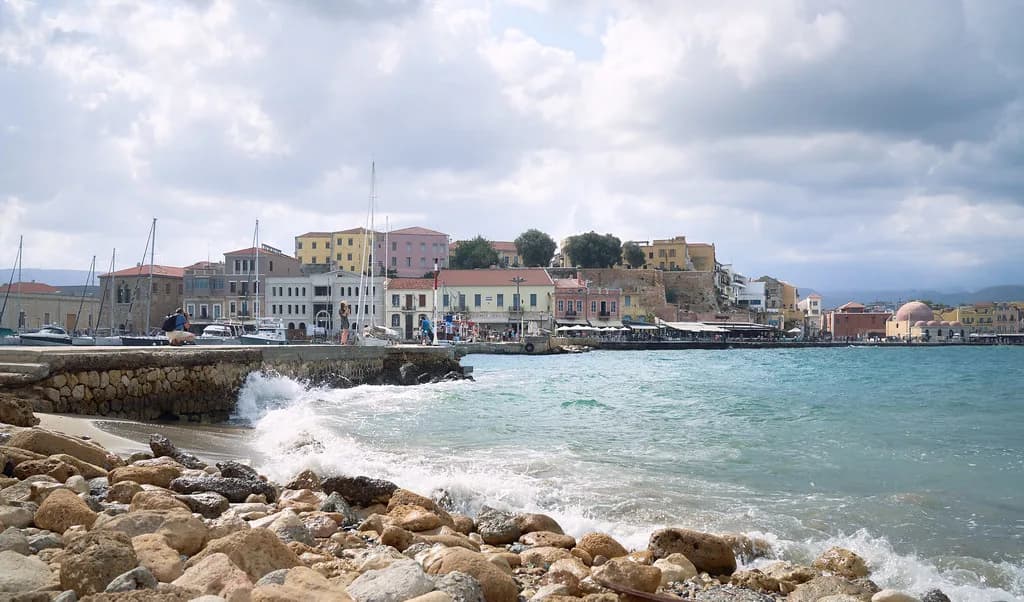
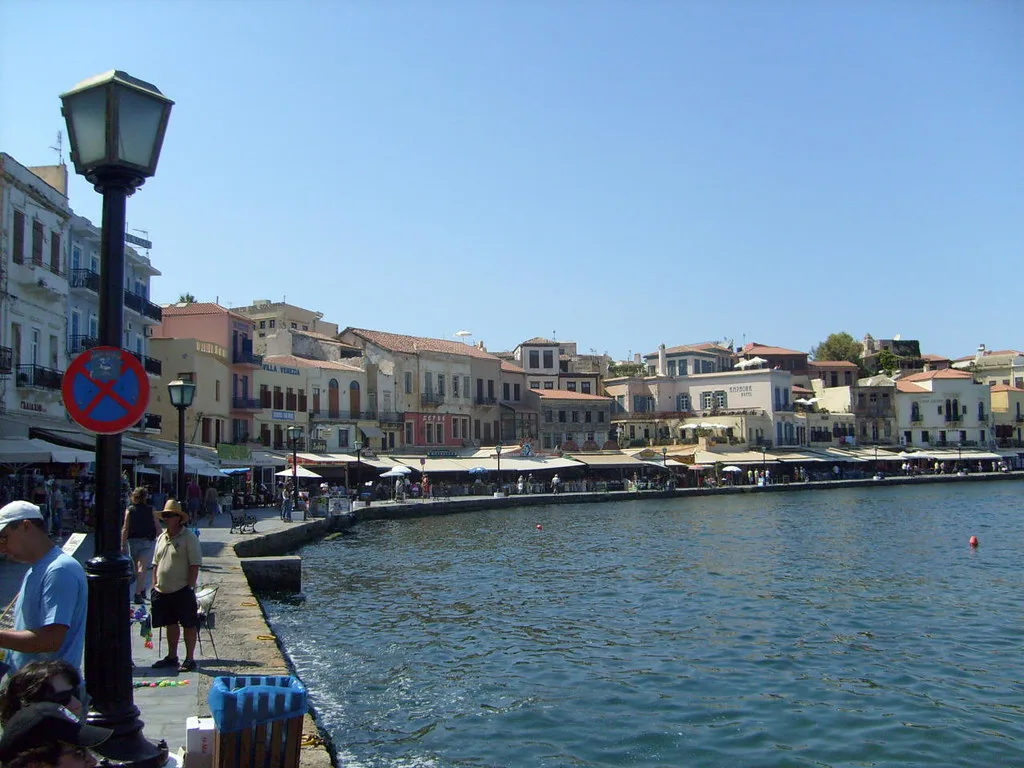
For eating purposes, Chania Old Town means three overlapping zones. The Old Venetian Harbour is the horseshoe of waterfront buildings and moored boats that appears on every postcard; Akti Tompazi is the harbour-side street address you will see on menus and booking forms; and behind it, the old town lanes hold smaller rooms, courtyards and tavernas tucked between Venetian and Ottoman-era buildings.
Almost everything worth eating in the old town sits inside that compact ring, so you rarely need transport between one candidate and the next. Plan your evening around a single anchor point, the harbour or a specific lane, then walk the surrounding streets to compare menus before committing. If you want the sightseeing side mapped out first, our guide to things to do in Chania covers the harbour and old town on foot.
Harbour Front Versus Back Street: The Core Trade-Off
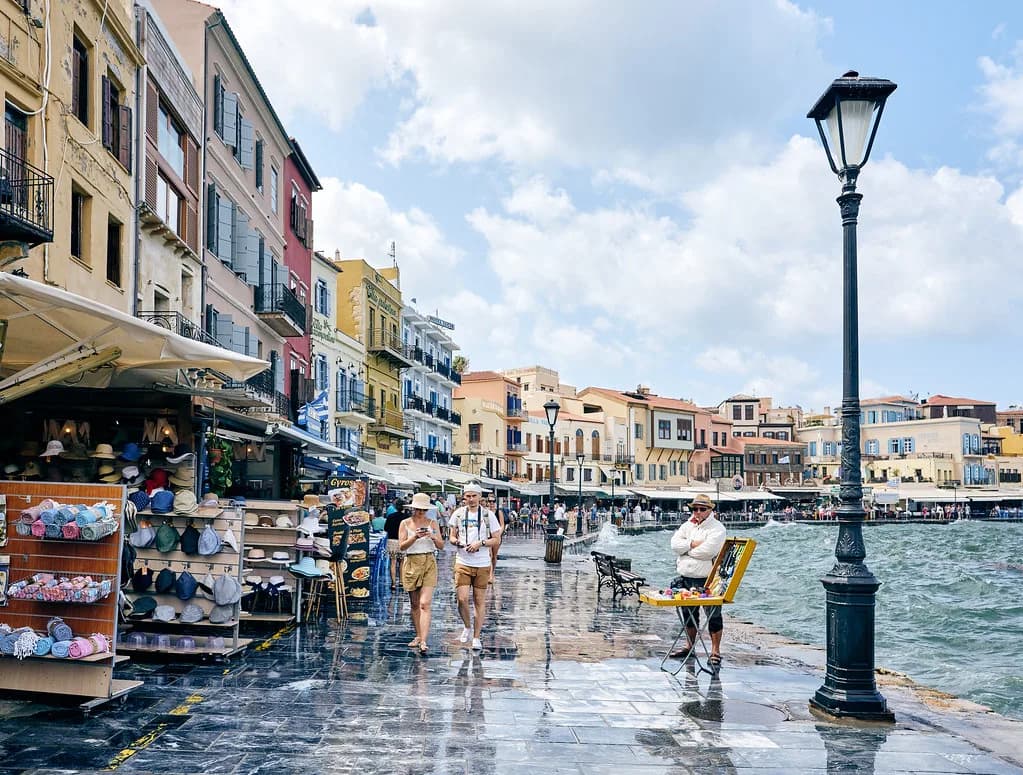
The harbour front sells position. You are paying for water views, boat traffic and people-watching, and the food is often pitched to a passing audience rather than a returning one. That is not automatically a bad meal, but it explains why the waterfront is where a generic menu, with photographs and a dozen international dishes, tends to appear.
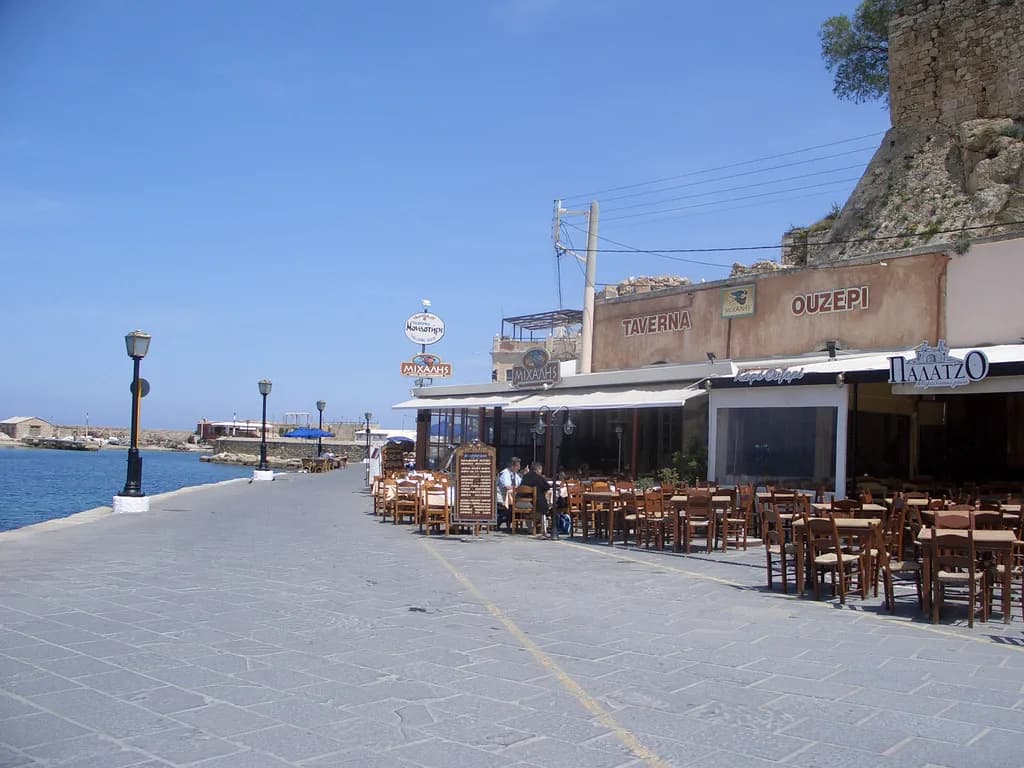
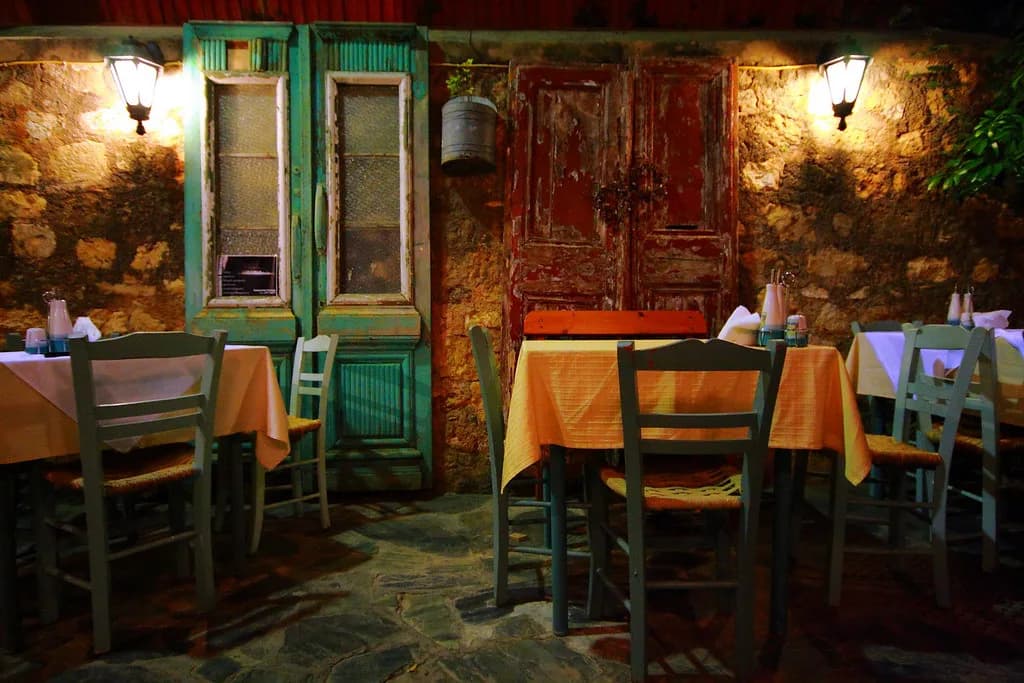
Back-street tavernas in the lanes trade the view for a quieter room and a shorter menu, which is usually the better signal that the kitchen is cooking rather than assembling. The trade-off is real: you give up the sunset framing and may get a plainer setting. Decide before you leave your hotel which of those two you actually want, because standing at the harbour edge at peak dinner time is a poor moment to weigh it up.
A practical compromise is to walk the waterfront once to see what is on offer, then eat one street inland. On the harbour side, look for a restaurant that publishes its own menu and contact details rather than a laminated board: Canale, at Akti Tompazi 10-12, is one example of a harbour-front address that does this, and its published hours and reservation terms give you something concrete to plan against.
How to Read a Chania Menu: Cretan Versus Generic Greek
Cretan cooking has its own vocabulary, and a menu that uses it is telling you something. Look for wild greens, snails, lamb or goat cooked slowly, rusks rather than ordinary bread, and local cheeses; these point to a kitchen drawing on the island rather than on a pan-Hellenic template of souvlaki and moussaka. Our Cretan food explainer unpacks the dishes and the regional logic behind them.
Two useful words first. Meze are small shared plates, the Cretan equivalent of a spread of starters, ordered in waves rather than as individual mains. Raki is the clear, strong spirit distilled from grape residue, usually poured free at the end of a meal or alongside meze, and it is sipped slowly with food rather than treated like a cocktail.
When you sit down, ask what is local today rather than what is popular. If the answer is vague and the menu runs to dozens of dishes across several cuisines, you are probably looking at a kitchen built for volume. A shorter list with named Cretan ingredients is the better bet, even if it costs you the photograph-friendly option.
Canale: A Harbour-Front Patio on Akti Tompazi
Canale occupies a spot in Chania's old harbour at Akti Tompazi 10-12, with a large open-air patio facing the water and a menu described as traditional Cretan dishes with a modern twist, alongside a wine and cocktail list. The restaurant says it welcomes guests for shared small plates and can accommodate gluten-free dishes if you tell them in advance, which is worth flagging in your booking message rather than at the table.
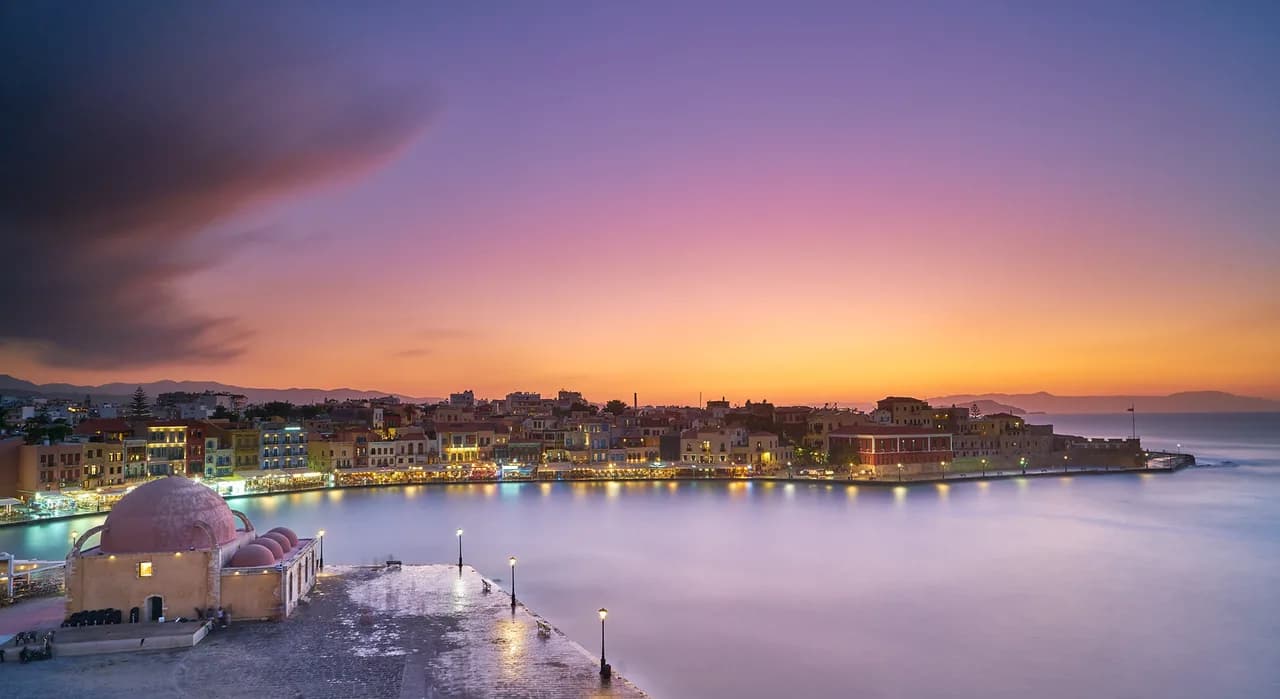
Its published hours are Monday to Sunday, 11:00 to 02:00, and the kitchen position makes it a viable choice for a late dinner as well as lunch. Seasonal hours shift in Crete, so confirm the day you plan to visit rather than relying on a listing you read weeks earlier. The restaurant also advertises sunset views from the patio, which is precisely why the evening tables need planning rather than luck.
Booking a Sunset Table: How Canale's Process Works
Canale takes reservation requests through a form on its own site, where you select a date, a time from the published slots and the number of people. The confirmation is explicit: the request is not a booking until you receive written acceptance by email, so a submitted form alone does not hold a table.
Two conditions in those terms change how you plan the evening. Reservations run for two hours, and tables are held for 20 minutes without prior notice, so a delayed taxi or a long walk from your hotel can cost you the seat. If you are specifically after a sunset table, say so in the message field and submit the request well ahead of the date rather than on the afternoon itself.
Tamam: A Short Walk from the Harbour
Tamam appears in independent accounts of Chania Old Town dining as a restaurant in the old town, a short walk from the Old Venetian Harbour, and it is often mentioned alongside the lanes rather than the waterfront. That places it in the back-street category described above, which is the more useful thing to know before you go looking for it.
Beyond its position, it pays to call Tamam directly rather than trusting older write-ups. Menus, hours and whether it takes reservations are best confirmed with the restaurant itself, because third-party coverage goes stale and a busy old-town room may not hold walk-in tables at peak time. A quick phone call or a look at the Tamam Chania listing saves a wasted walk across the old town.
Seafood in the Old Town: What to Ask Before Ordering
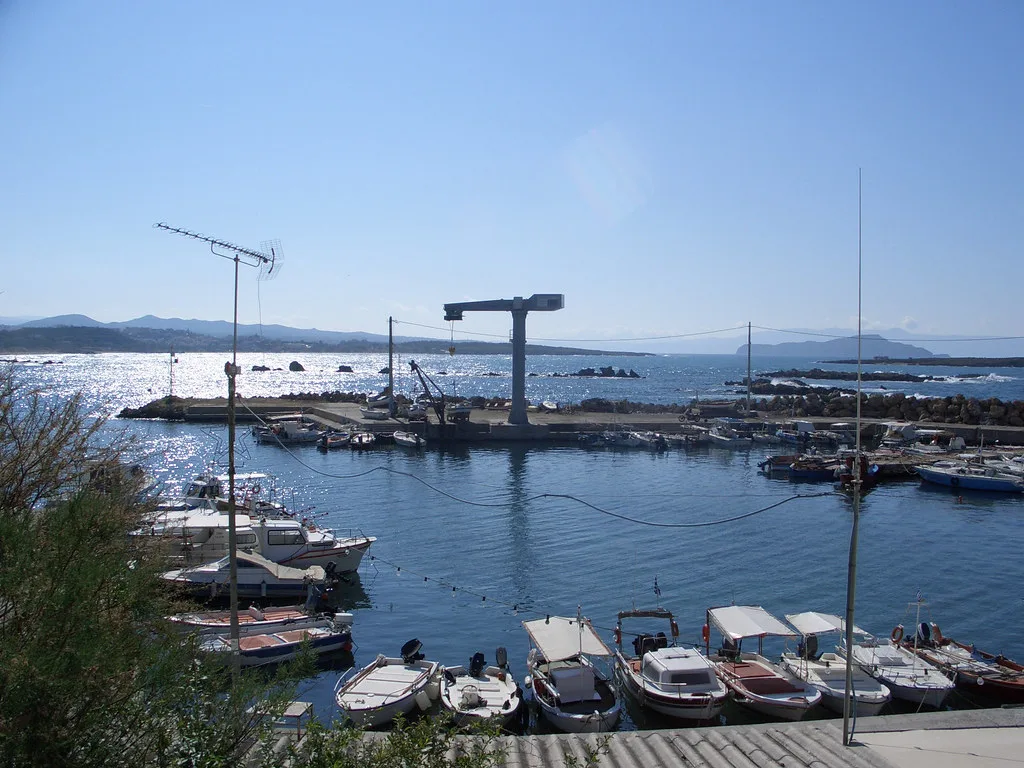
In a harbour restaurant, the fish display is the menu: whole fish is usually sold by weight, so the price depends on the size of the fish you choose, not on a fixed line item. Ask to see the fish, ask the price per kilo, and ask for the weight before it goes to the kitchen. That single habit prevents the most common surprise on a Chania waterfront bill.
Harbour location shapes the bill in other ways too. You are paying for the address, the view and the passing trade, so the same grilled fish or plate of calamari usually costs less one lane inland. Neither option is wrong; just know that on the waterfront you are buying a table with a view, and price your expectations around that rather than around the food alone.
Our guide to the best restaurants in Chania covers the wider city, including rooms outside the old town, if you want to compare harbour cooking against neighbourhood tavernas. Reading both before you book helps you decide whether the old town is where you want to spend your main meal or just one of several.
Meze, Shared Plates and the Cretan Table
Cretan eating leans toward a spread of small plates rather than a main course each. Order two or three meze per person, add one grilled or slow-cooked dish for the table, and hold back a second round until you see how much food arrives; portions in old-town tavernas are often larger than visitors from northern Europe expect.
Raki usually appears at the end, often without being ordered, and refusing it is entirely fine. If you want wine instead, ask for local bottles rather than the international list; Crete has a serious wine scene, and a Cretan red or Vidiano white will tell you more about the island than a familiar label.
Late Tables and the Night-Time Harbour
Chania's harbour changes character after dark, when the day-trippers leave and the waterfront becomes a place to sit rather than to pass through. Restaurants with late hours, such as Canale's published close of 02:00, allow a genuinely late dinner, but the best sunset seats are contested and typically go to people who requested them in advance.
If a sunset table is the goal, request it for roughly half an hour before sunset rather than at sunset itself, and expect the kitchen to pace a two-hour sitting around it. If you would rather eat without time pressure, book later, once the light has gone and the harbour quiets down.
Where Locals Eat Versus Where Visitors Eat
The tell is rarely the food itself; it is the menu's shape, the language mix and the pitch. Rooms with handwritten daily lists, Greek spoken at most tables and a short Cretan section are more likely to serve a local repeat clientele than a waterfront address with a photographic menu in five languages and a tout at the door.
Use the lanes behind the harbour as your default hunting ground, then use the waterfront for the view when you specifically want it. That single rule of thumb will do more for your eating in Chania than any ranking, and it costs nothing to apply.
Matching the Room to the Occasion
A harbour-front patio with a wine list and a sunset view suits a celebration, a first-night dinner or a meal where the setting is the point. A back-street taverna with paper tablecloths and a short menu suits a hungry, unhurried evening when you care more about what is on the plate than what is behind it.
Budget, mid-range and special-occasion choices in Chania are less about star ratings than about which of those two rooms you book. Decide the occasion first, then pick the address; doing it the other way round is how people end up paying harbour prices for a meal they wanted to eat quietly.
Practicalities: Reservations, Waiting and Walking
The old town is compact, and the walk from the harbour front to the lanes behind it is short enough to do on foot between courses of decision-making. That makes a no-reservation plan workable in low season: walk the harbour, inspect two or three menus, and take whichever room has space and a menu that reads like cooking.
In high season, the calculus flips. Popular rooms fill, walk-ins wait, and the difference between a booked table and a hopeful one is an hour standing in a lane. Book the dinner you care about, keep the spontaneous meal for lunch, and treat published hours as a starting point to confirm rather than a promise.
Vegetarian, Vegan and Gluten-Free Eating
Cretan cooking is generous to vegetarians by default: wild greens, pulses, vegetable stews, cheese pies and rusk-based dishes fill a table without meat. Say clearly that you want no meat and no fish stock, because vegetable dishes are sometimes finished with meat broth, and ask which of the meze are cooked plainly.
For gluten-free eating, the reliable move is to ask before you sit down, not after you order. Canale states that it accommodates gluten-free dishes with care when informed, which is the pattern to look for; elsewhere, ask whether the kitchen can prepare a dish separately and decide from the answer.
Common Mistakes to Avoid
The three recurring errors are picking purely on view, ignoring the lanes entirely, and over-ordering meze in the first round. Each is easy to avoid: walk one street inland before deciding, read a menu for Cretan vocabulary rather than photographs, and order in stages so the table stays comfortable rather than crowded.
One last habit: ask about the bill before you commit to whole fish or a large shared grill, since these are the items that move a meal from mid-range to special-occasion territory. If you want to explore Greek city eating further, our guide to the best restaurants in Rhodes Old Town applies the same harbour-versus-lane logic to a different walled town.
Plan Your Visit
Start with the split: decide whether the evening is about the view or the food, then pick the harbour front or the lanes accordingly. If it is the view, request a table in advance and confirm that your request has been accepted in writing before you build the evening around it.
Whatever you choose, read the menu for Cretan words, order meze in stages, ask the price on whole fish, and leave room for raki at the end. For the rest of your days in the city, pair your dinner plans with the sights: our Chania Attractions guide maps the old town and harbour so the walking between meals is planned too.
Explore more Chania sauna guides
Frequently Asked Questions
Do you need to book restaurants in Chania Old Town?
Not always, but it depends on the room and the season. Harbour-front tables with a sunset view are the ones that fill first, and places that take reservations online, such as Canale, confirm only in writing by email, so a submitted form is not a held table. In quieter months you can usually walk the lanes and take whichever taverna has space; in high season, book the dinner that matters and keep the spontaneous meal for lunch.
Which Chania Old Town restaurants have a harbour view?
Canale, at Akti Tompazi 10-12 on the old harbour, publishes an open-air patio with water views and sunset seating. Plenty of other waterfront rooms exist along the harbour edge, but their details are not set out here; see each restaurant's own site or phone them to confirm what the table actually faces.
Where do locals eat in Chania Old Town?
There is no published list that settles this, so use signals instead of rankings. Rooms in the lanes behind the harbour with short, handwritten menus, Greek spoken at most tables and a Cretan section are more likely to have a local repeat clientele than waterfront addresses with photographic multilingual menus and someone outside inviting you in.
What food is Chania known for?
Cretan cooking: wild greens, pulses, slow-cooked lamb or goat, rusk-based dishes, local cheeses, snails and fresh fish, served as shared meze rather than individual mains. Raki, the clear grape spirit, usually ends the meal. Menus that name Cretan ingredients and keep the list short are the ones to look for.
Is Chania Old Town expensive to eat in?
Waterfront tables carry a premium for the address and the view, while the lanes behind typically cost less for comparable cooking. Whole fish sold by weight is the item most likely to move a bill upward, so ask the price per kilo and the weight before it is cooked. Check current menu prices at the restaurant.
Are there Michelin-starred restaurants in Chania?
No Michelin status for a Chania restaurant is established here, and this guide does not make such a claim. If that matters to your plans, check the Michelin Guide's own listings for Crete directly, since recognition changes and should be verified at the source rather than from a blog.
Are there vegetarian options in Chania Old Town?
Yes: Cretan cooking includes wild greens, pulses, vegetable stews, cheese pies and rusk dishes that make a full vegetarian table. Say clearly that you want no meat and no fish stock, since some vegetable dishes are finished with broth. For gluten-free needs, mention it when booking; Canale states it accommodates gluten-free dishes when informed.
How far apart are the harbour and the lanes of Chania Old Town?
They are immediately adjacent: the lanes of the old town sit directly behind the Old Venetian Harbour, and Tamam, for instance, is described as a short walk from the harbour. Rather than measuring, treat the whole old town as one compact walking area and plan an evening that moves between the waterfront and the streets behind it on foot.
Sources
Notes for eating well in Greece
Optional updates to our guides.
You might also like
Continue reading
More guides you'll find useful