
Etz Hayyim Synagogue in Chania: How to Visit Crete's Last Surviving Synagogue
Etz Hayyim, Hebrew for Tree of Life, is the one synagogue still standing on Crete, and it sits in the heart of the old town of Chania, in the lanes of the former Jewish neighbourhood once called Ovraiki. That location makes it easy to fold into a walk through the old town, but the building rewards more than a quick look at the door: it works as a place of prayer, a small museum and a memorial at once. This guide stays on the synagogue itself, covering where it is, how to reach it on foot, what to see, and what to check before setting out.
What Etz Hayyim Is and Why It Matters
Etz Hayyim is described by local listings as the only surviving synagogue in Crete, and it follows the Romaniote tradition, the liturgy of the Greek-speaking Jews who lived in Greece long before the Sephardic communities arrived. That makes it unusual among Greek synagogues, many of which reflect Sephardic practice. The building carries three roles at once: it is a working house of prayer, a museum of Cretan Jewish history, and a memorial to a community that was all but destroyed during the Second World War.
Before the war, Chania's Jewish quarter supported several congregations and a whole network of community buildings, schools and shops. One account records around 800 Jews in Chania in the second half of the 16th century and four congregations in the city, all using the Romaniote rite. Knowing that scale helps you read the single surviving building as the last fragment of a much larger neighbourhood rather than an isolated monument.
Where the Synagogue Is in Chania's Old Town
The synagogue stands on Parodos Kondylaki in Chania's old town, in the maze of lanes behind the harbour. If you are coming from the waterfront, aim for the church of Agios Nikolaos and Kondylaki Street, then watch for the small side lane rather than a grand facade; the entrance is deliberately modest. The address as published by a local listing is Parados Kondylaki, Chania, with contact details also listed there.
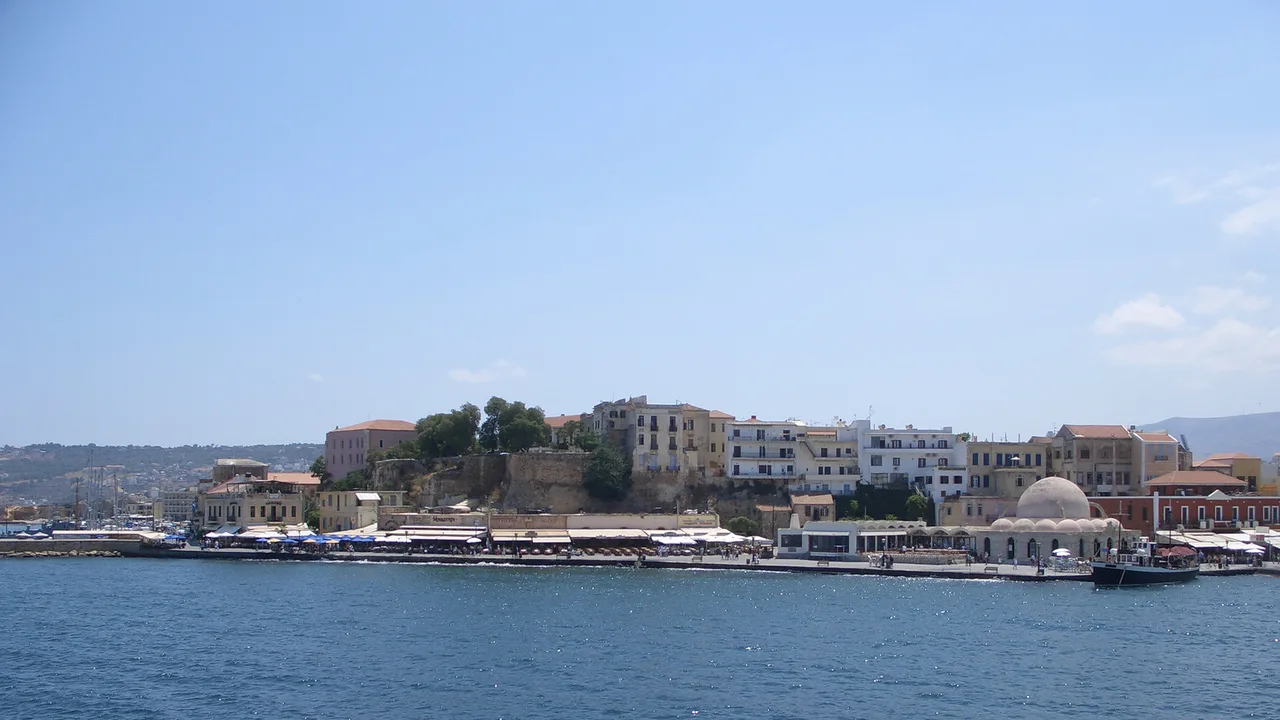
The neighbourhood around it repays a slow approach. This was the Ovraiki, the Jewish quarter, squeezed between the harbour and the old town's shopping lanes, and the buildings that once housed community institutions are now shops, restaurants and homes. Walking the block before you go inside gives context to the courtyard and the displays, and it costs nothing. If you are building a wider walk, the old town chania lanes around the harbour are the natural starting point.
How to Get There on Foot
Chania's old town is compact and best covered on foot; you can walk from the venetian harbour chania to the synagogue in a matter of minutes, depending on how often you stop in the lanes. The harbour front and its lanes are pedestrian-heavy, so allow more time in high season and wear shoes that handle uneven stone. Buses and taxis drop passengers on the edge of the old town rather than inside it, so the last stretch is always a walk.
Opening Hours and Entry
Opening hours for Etz Hayyim are published by a local Chania listing, which gives Monday to Thursday 10:00 to 16:00, Friday 10:00 to 15:00, and closed on Saturday and Sunday. That is a non-official source, and hours at a small, volunteer-supported synagogue can change with services and holidays, so confirm with the synagogue directly before you build a day around it. The same listing gives a telephone number and a website for that purpose.
The listing is also the place to check the address, phone contact and email before you travel. Note that the closure on Saturday and Sunday in that listing sits alongside the synagogue's role as a place of prayer, so a Friday visit may overlap with preparations for Shabbat. Ask about entry, donations and group tours when you confirm the hours.
What to See Inside
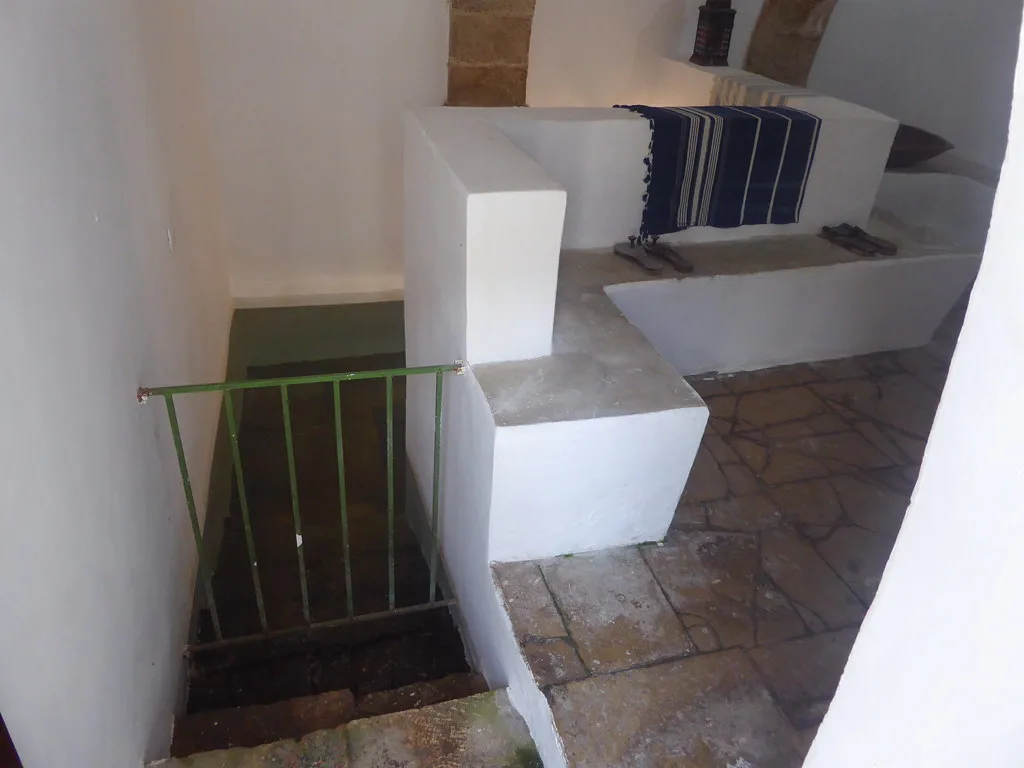
Inside, the main hall follows the Romaniote tradition of Greek synagogues, with the layout and furnishings that go with it. Visitors can see Hebrew inscriptions in the precincts and the restored former women's section, the ezrat nashim, which was badly damaged in a later fire and has since been repaired. The building also houses a library recording the history of Crete's Jews, so a visit can be as short as a walk-through or as long as a reading session.
The synagogue functions as a place of prayer for Jews of different backgrounds and as a space for visitors of any faith who want to understand the community's history. Staff and volunteers have historically offered short explanations and tours on request, and the courtyard is a good place to ask questions before going in. Photography inside and the treatment of prayer books and textiles are best raised with whoever is on duty.
The 1944 Deportation and the 2010 Fire
In May 1944 the remaining Jews of Chania were arrested by the Nazis and held nearby before being sent by convoy to Heraklion and put aboard the cargo ship Tanais; the ship was torpedoed and sank with no survivors. Sources differ on the numbers: one account records 263 members of the Chania community arrested in May 1944, while another places 279 Jews aboard the Tanais. Read the figures as reported rather than exact, and let the synagogue's own displays tell the story.
After the war the building fell into decades of neglect, used as a dump and a shelter, and an earthquake in 1995 left it close to collapse. Restoration began in the mid-1990s under Nicholas Stavroulakis and was completed by 1999, returning the synagogue to use as a place of prayer and study. In 2010 an arson attack damaged the main hall, the recently restored ezrat nashim and antique carpets, but the Torah scrolls and the library were not destroyed.
The Courtyard and the Cemetery Headstones
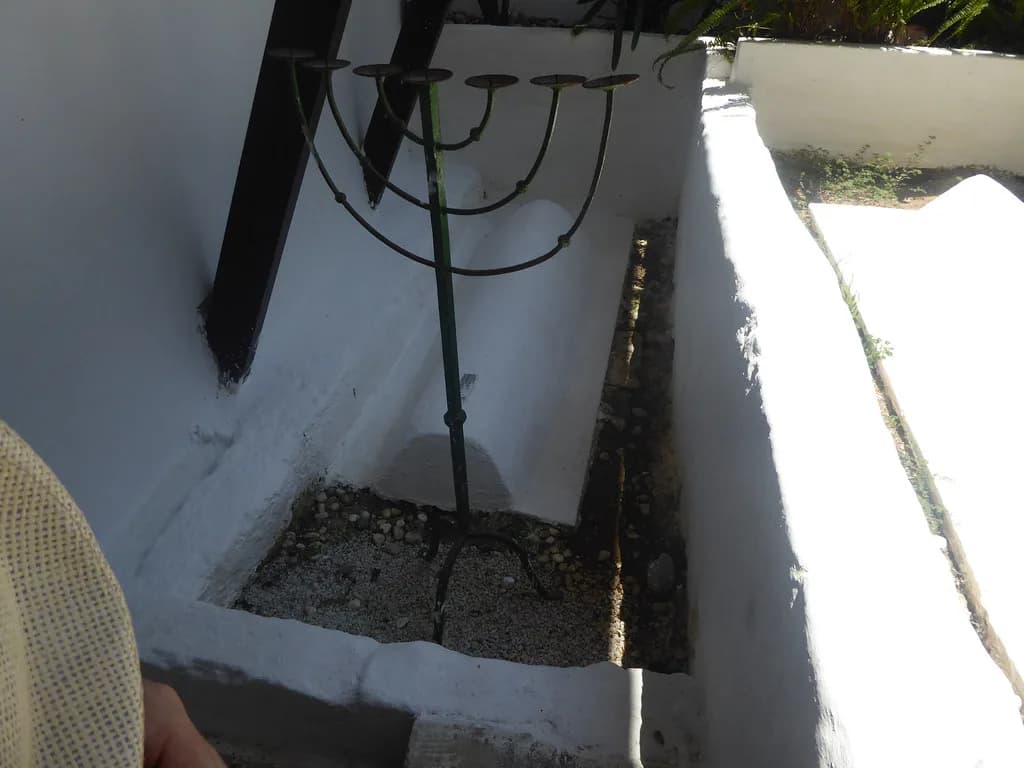
The synagogue's courtyard is a peaceful stop in a busy quarter and contains several Hebrew inscriptions. It also holds the last surviving headstones from the old Jewish cemetery west of the old town, in what is now the Nea Chora district, where no trace of the cemetery itself remains. Look for them in the southern courtyard; they are easy to miss if you head straight for the door.
Who Visits and How to Behave
Non-Jewish visitors are welcome, and the synagogue has long presented itself as open to people of different backgrounds who want to learn about Cretan Jewish history. Dress modestly, keep voices low in the prayer hall, and do not handle prayer books, textiles or memorial items without asking. Men who wish to participate in services may be offered a head covering; if you are unsure about any custom, ask the person on duty rather than guessing.
Services and cultural events follow the Jewish liturgical year, and the synagogue has hosted concerts and lectures as well as prayer. If you are visiting for a service rather than a look inside, check the schedule in advance and arrive early, since seating in a small historic building is limited.
How Long to Allow and When to Go
Allow roughly 30 to 60 minutes for the synagogue itself: a look at the main hall, the memorial elements and the courtyard, plus time for questions. Add another 20 to 30 minutes if you want to walk the surrounding lanes and pick out the former community buildings. Early morning is cooler and quieter in the old town, but confirm hours first, since published times may not apply on Jewish holidays.
Nearby in the Former Jewish Quarter
Immediately south of the synagogue on Parodos Kondylaki stood the Talmud Torah, the community school that served the neighbourhood until the end of the 19th century. Kondylaki Street 39 was the home of Rabbi Elias Osmos, who died with his family and the rest of the community in 1944. The site of the Beth Shalom Synagogue, destroyed in the 1941 bombing, is also on Kondylaki Street; today it is a restaurant, not a monument.
Nearby Food Stop and the Tanais Memorial
Almost opposite the synagogue is Ela, a restaurant housed in a former Jewish-owned soap factory, with its history described on the menu. It is convenient for a meal before or after a visit, but it is not kosher; if keeping kosher matters to you, look at the synagogue's own kosher information rather than imagining any nearby venue meets your needs. For broader eating options around the harbour, the tavernas near the akti kountouriotou waterfront are a short walk away, and if you are weighing up island-hopping plans, our Rhodes food guide covers where to eat in Rhodes as a comparison.
For the wider story, walk to Akti Miaouli, where a metal plaque near the palm trees commemorates the Tanais and the Jews of Chania, with an annual public commemoration held at the site. It is easy to miss, so look for it rather than expecting a large monument. This stretch of the waterfront is a natural continuation of any walk from the venetian harbour chania into the old town.
Other Old Town Sights Within Walking Distance
The rest of the old town sits within easy walking distance, including the chania lighthouse at the harbour mouth and the walls and lanes around it. The archaeological museum of Chania and the chania cathedral are also short walks if you want to pair the synagogue with other old-town stops. For a fuller list of stops, the Chania Attractions: 8 Visitor Guides overview covers the main sites near the harbour.
Practical Summary
Etz Hayyim is small and easy to fit into a morning or early afternoon in Chania's old town. Confirm the opening hours with the synagogue before you go, since published times come from a local listing and may shift around services and holidays. Build the visit into a walk through the former Ovraiki lanes rather than treating it as a standalone stop.
If you want a broader plan for the day, the things to do in chania guide and the Chania Attractions overview help you pair the synagogue with the harbour, the lighthouse and the museums without turning the visit into a rush.
Explore more Chania sauna guides
Frequently Asked Questions
Can non-Jews visit Etz Hayyim Synagogue in Chania?
Yes. The synagogue is open to visitors of different backgrounds who want to learn about Cretan Jewish history, alongside its role as a place of prayer for Jews. Dress modestly, keep voices low in the prayer hall, and ask before handling prayer books or memorial items.
What are the opening hours of Etz Hayyim Synagogue?
A local Chania listing gives Monday to Thursday 10:00 to 16:00, Friday 10:00 to 15:00, and closed on Saturday and Sunday. That listing is not an official source, so confirm directly with the synagogue before you travel, particularly around Jewish holidays and services.
Where exactly is Etz Hayyim Synagogue in Chania's old town?
It stands on Parodos Kondylaki in the old town, in the former Jewish quarter behind the Venetian harbour. From the waterfront, head toward Kondylaki Street and look for the modest side-lane entrance rather than a large facade.
Is there an entrance fee for Etz Hayyim Synagogue?
No entrance fee is published in the sources reviewed here. Ask about entry, donations and guided tours when you confirm opening hours with the synagogue, and check its own website for current visitor information.
How long does a visit to Etz Hayyim Synagogue take?
Allow roughly 30 to 60 minutes for the main hall, memorial elements and courtyard, plus time for questions. Add another 20 to 30 minutes if you want to walk the surrounding lanes and identify the former community buildings.
What happened to the Jewish community of Chania?
In May 1944 the remaining Jews of Chania were arrested and sent by convoy to Heraklion, then put aboard the cargo ship Tanais, which was torpedoed with no survivors. Published figures vary between sources, so read the synagogue's displays and the memorial plaque for the account given on site.
Are there Shabbat services at Etz Hayyim Synagogue?
The synagogue has long held weekly Friday Kabbalat Shabbat services and Shabbat Kiddush, and it also marks other holidays and hosts cultural events. Check the synagogue's own schedule in advance if you plan to attend a service rather than simply look inside.
What else can I see near Etz Hayyim Synagogue?
The former Talmud Torah school building, the site of the destroyed Beth Shalom Synagogue and Rabbi Osmos's house on Kondylaki Street are all within a few minutes' walk. The Tanais memorial on Akti Miaouli and the Venetian harbour are also close by.