Is Naxos Expensive? What Meals, Rooms and Transport Cost
Naxos usually costs less than Santorini or Mykonos, though prices shift by beach and season. See how meals, rooms, car hire and buses shape a daily budget.
On this page
Naxos is generally the cheaper Cycladic choice next to Santorini and Mykonos, and the gap shows up most clearly in food and rooms. The island grows much of its own produce and is not a party destination, two factors one travel guide links to menus and prices in Chora. What you actually spend, though, depends on whether you sleep in town or on a beach strip and whether you hire a car.
This guide does not quote menu prices, nightly rates or fares, because no reliable current figures are available to cite. Instead it maps the decisions that move your budget up or down: waterfront versus back-street tables, Chora versus Plaka, rental car versus bus. Use it to compare options, then confirm live prices with the business or booking platform before you commit, and pair it with a wider plan of the things to do in Naxos so your spending follows the days you actually want.
Quick Answer: Where Naxos Sits on the Cyclades Price Scale
Treat Naxos as mid-priced within the Cyclades: cheaper than Santorini and Mykonos, broadly comparable to Paros, and noticeably cheaper than the polished beach resorts elsewhere. A budget guide to the island puts restaurant prices below most other popular Cycladic islands, though it notes the shopping range is narrower than on Paros or Santorini. That combination suits travellers who want good food and beaches without a resort markup.
The saving is easiest to see in everyday eating and in village accommodation, and easiest to lose on a beachfront hotel in high summer or a rental car left idle in a car park. For a wider comparison of Greek islands, see the Greece costs guide; within Naxos itself, the biggest variable is rarely the food and more often the room and the wheels.
What the Evidence Supports and What It Does Not
Published sources for Naxos describe the shape of a trip well: where to stay, what to eat, how to get around, which beaches are organised and which are not. They do not give consistent, current prices. A forum thread about restaurant bills contains isolated complaints with no date-matched comparison, so it is not a benchmark for what you will pay.
That means any figure you read online, including on this page, should be checked against the actual taverna menu, hotel booking page or rental quote for your dates. Ask for the price of sunbeds before sitting down, confirm whether a ferry or boat trip fare includes taxes, and check whether a quoted room rate covers breakfast. These three questions catch most surprises.
Eating Out: Taverna, Waterfront and Beach Table
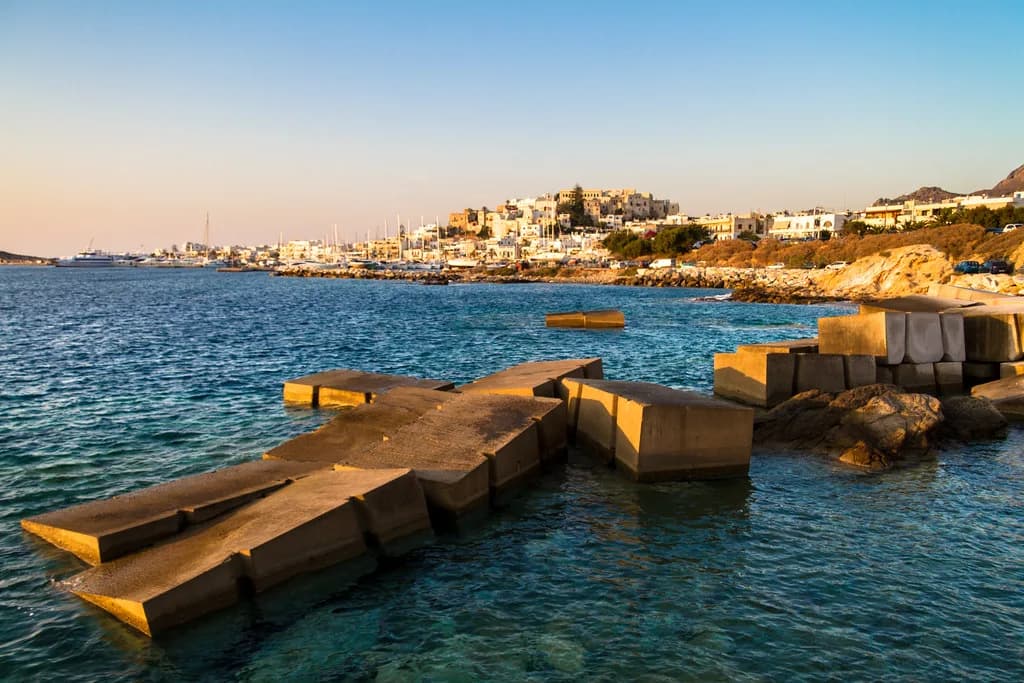
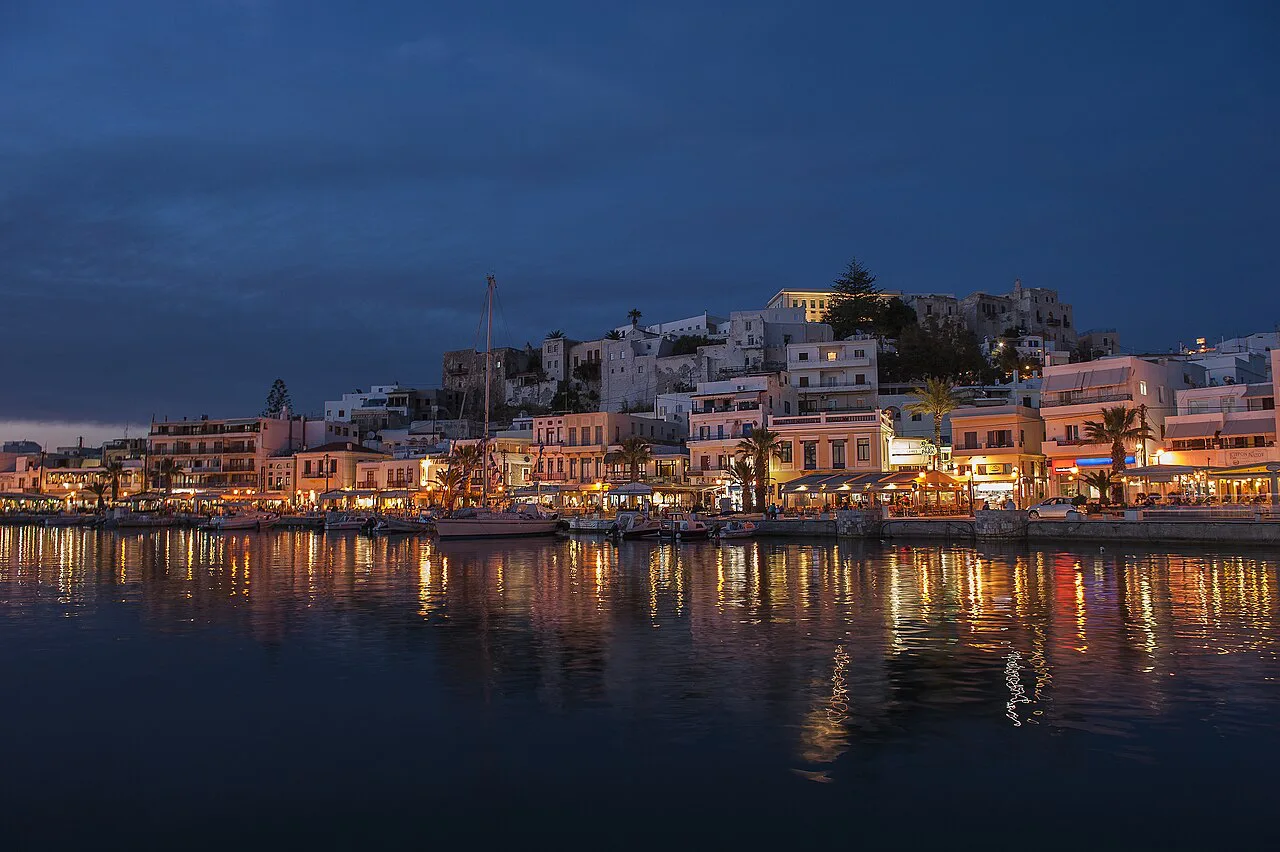
Chora, the port town also called Naxos Town, gives you three price tiers within a few minutes of each other. The waterfront tables are the atmospheric choice, with views over the harbour and the passing foot traffic. One guide notes that restaurants and bars one level up behind the waterfront look down over both the harbour and the tables below, so it pays to glance upward before choosing a seat.
Inland, the old town alleys and the Kastro hill hold smaller tavernas where the view is a courtyard or a whitewashed wall rather than the sea. In the villages, addresses such as Axiotissa near Kastraki and Matina & Stavros in Koronos trade on home-style cooking and garden produce rather than a harbour outlook. The trade-off is simple: pay for the setting on the waterfront, or eat for the kitchen a street back.
Beach tables sit in between. Nikos & Maria and Tortuga on Plaka serve directly on the sand, and a meal there is partly a convenience charge for not moving your towel. If you are eating on a tight budget, make lunch the beach meal and dinner the town meal, when you can walk to a back-street table without paying for a view.
Dishes to Price First: Potato Salad, Graviera, Lamb Kleftiko, Meze
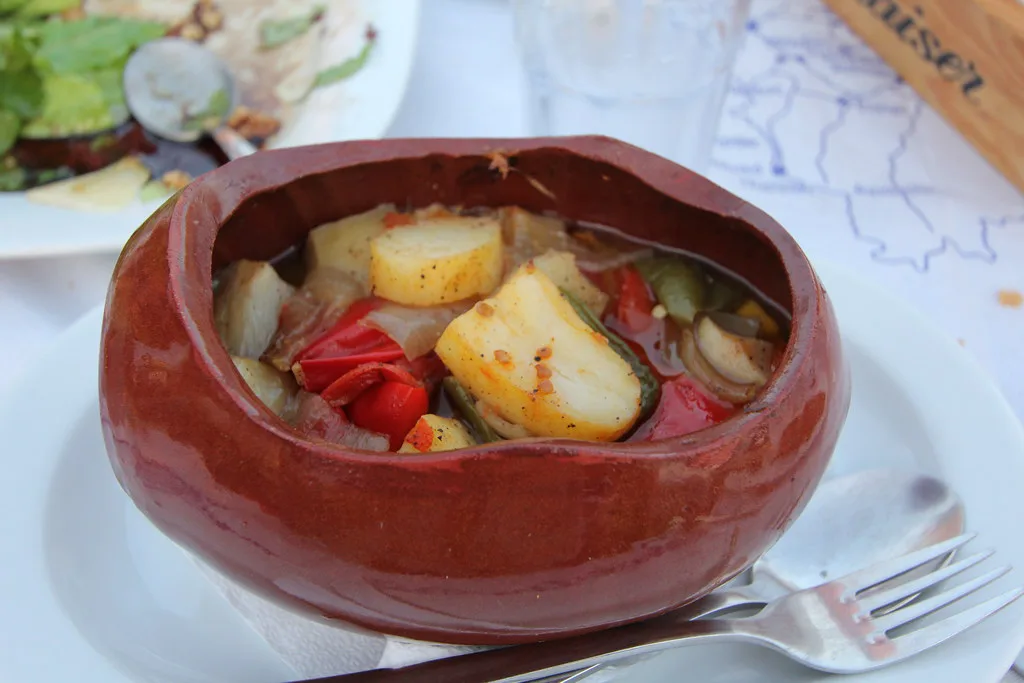
Knowing what you are ordering makes menu prices easier to judge. Naxian potato salad is built on the island's own potatoes, a crop the island is known for, and it is usually one of the cheaper openings to a meal. Graviera is a firm, mildly sweet Greek cheese that appears grilled, fried or on a meze plate; meze are small shared dishes, the Greek equivalent of a picky spread.
Lamb kleftiko is lamb slow-cooked until it falls from the bone, and To Elliniko in Chora serves it with grilled vegetables under the trees, according to the Find Us Lost Naxos guide. Because it is a large, long-cooked dish, it usually carries a higher menu price than a meze plate, so it belongs to a sit-down dinner rather than a quick lunch.
For cheap meals, look to the island's gyros shops in Chora and near the beaches, where a wrapped pita with meat, tomato, onion and tzatziki is the standard fast lunch. Prices are not fixed nationally, so compare two or three counters on the same street before ordering. The broader dish guide explains what each plate contains.
Drinking: Local Liqueurs, Kitron and Wine With a Meal
Drinks can quietly add more to a bill than food. House wine by the carafe is normally the cheapest way to drink with dinner, while bottled Greek wines and cocktails push the total up quickly, especially at a beach bar. Ask for the house pour and check whether a bottle is priced per glass or per bottle before ordering.
Kitron is Naxos's signature citrus liqueur, made from the leaves of the citron tree, and the Vallindras Distillery is the place to see the old copper stills and taste it. A small measure at the distillery is a low-cost stop on a village day, and a bottle bought there makes a cheaper souvenir than most shop purchases in Chora.
Where You Stay Sets Your Budget: Chora, Agios Georgios, Agios Prokopios, Plaka
Chora is the practical budget base. It is walkable, has the densest choice of restaurants and shops, and puts you beside the ferry port, so you avoid taxi fares and car hire on arrival days. If you are travelling without a car, one guide names Chora as the best bet precisely because everything is on foot, including ferry access for island hopping.
Agios Georgios is the next step out, a beach within roughly 350 metres and about five minutes' walk of Chora, according to a budget guide. That proximity keeps it cheaper than the more distant beach strips while still giving you sand at the door. Agios Prokopios, about 5 km southwest of Chora, is more popular and more fully organised, with sunbeds covering much of the beach at peak times, so expect higher rates for rooms and loungers.
Plaka, with its long beach and boutique hotels, is the upscale choice, and its room rates reflect that. Agia Anna, 6.7 km south of Chora, is described as less organised than Agios Prokopios, with restaurants close to the sand and cheaper sunbeds in the writer's experience. For a longer stay, splitting nights between Chora and a beach hotel is a reasonable way to get both without paying beachfront rates for the whole trip.
Getting Around: Rental Car, Scooter, Bus and Taxi Trade-offs
Car hire is the single biggest optional cost on most Naxos itineraries. You need a vehicle to reach the mountain villages and remote beaches, and rental agencies advise booking ahead in high season. Compare quotes for your exact dates and confirm whether insurance, a second driver and the return fuel level are included, since those extras can rival the base rate.
Buses are the cheaper alternative and run to the main beaches and villages, with better frequency in summer. A budget guide describes the local buses as affordable and comfortable, and Plaka is the terminus for buses from Chora. The trade-off is timetable fit: you can beach-hop from Chora on a bus, but you cannot easily string together three mountain villages in one afternoon.
Taxis are limited, and one guide recommends reserving them in advance, especially late at night. Scooters and ATVs suit travellers staying close to town, but they leave you exposed in wind and useless for a full-island loop. For most first visits, the sensible pattern is bus or walking in Chora and a rental car for two or three days of village and beach exploring rather than for the whole stay.
Beach Costs: Sunbeds, Umbrellas and Unorganised Beaches
The beach itself is free; the furniture is not. On organised stretches such as Agios Prokopios, much of the sand can be covered in sunbeds in peak season, and you pay for the lounger and umbrella. One guide notes Agia Anna's sunbeds and umbrellas were less expensive than those at Agios Prokopios, though prices change with the season, so ask before you settle.
Choosing an unorganised beach is the simplest way to cut beach spending. Alyko has no umbrellas or chairs, just sand and cedar forest, and Psili Ammos on the east coast has no food options, so you carry in water and snacks. Bring a mat, buy drinks from a nearby mini-market, and you have a free beach day; the cost is your own logistics and shade.
Day Trips and Boat Trips: When They Are Worth the Spend
Boat trips are the priciest add-on on most Naxos itineraries, and their value depends on how much of the day you actually spend in the water. Daily boats run from Naxos harbour to Koufonisia, the small islands with white sand and clear turquoise water. Compare operators on group size, departure point and whether lunch is included before booking.
Land-based day trips are cheaper per hour. A guided island bus tour fits in sights you would struggle to reach independently, including a pottery demonstration and an optional olive oil tasting, and the writer behind one budget guide rates it highly. If you have a car, a self-drive loop to Apiranthos and the marble country costs only fuel and your time, but you do the navigating.
Seasonality: Why September and Mid-Summer Price Differently
May to October is the visitor season on Naxos, and September is often the sweet spot for fewer crowds, according to the Find Us Lost guide. Shoulder months usually mean softer room rates and easier restaurant tables, though prices and availability shift with your specific dates. Mid-summer, by contrast, brings full beaches, packed Agios Prokopios, and higher demand for cars and rooms.
Out of season, many small restaurants on the Greek islands shut for roughly November to April, but that is a general pattern rather than a guarantee about any specific Naxos taverna. If you travel in winter, check that your chosen hotel and restaurants are open before booking, and expect some beach facilities to be packed away.
A Sample Daily Spend Frame for Budget, Mid-Range and Comfortable Travellers
Rather than a fixed figure, build your day from four blocks: bed, food, transport and extras. A budget day looks like a room in or near Chora, gyros or bakery lunches, a shared meze dinner with house wine, and bus travel to one beach. A mid-range day adds a sit-down seafood dinner, a sunbed pair, and a rental car shared between two people.
A comfortable day moves you to Plaka or Agios Prokopios, adds a beach taverna lunch and a boat trip or guided tour. Because no reliable current prices are available to cite, set your own ceiling for each block and check live rates as you book; the ratios between the three styles matter more than the absolute numbers. Then map the days around the attractions and beaches you actually want to see.
Common Budgeting Mistakes on Naxos
The most common overspend is renting a car for the whole stay when you only need it for two or three days of village driving. The second is defaulting to the waterfront every night; one street back, the food is often just as good and the bill lighter. The third is assuming every beach needs furniture: unorganised beaches cost nothing but require you to bring water and shade.
A fourth mistake is booking a beach hotel without checking how far it sits from restaurants, which can add taxi fares or a second rental car. Finally, treat any price you read in a blog or forum as a starting point, not a quote, and confirm directly with the taverna, hotel or rental agency for your dates.
Verdict: Who Finds Naxos Cheap and Who Does Not
Naxos rewards travellers who eat where locals eat, stay in or near Chora, and use buses for beach days. If you compare it with Santorini or Mykonos, restaurant bills and rooms generally come in lower, and the island's own produce keeps taverna cooking good value. You can see the detail in the wider Greece costs picture.
Naxos feels expensive to anyone who books a Plaka beachfront suite, hires a car for a week, eats on the sand every lunchtime and takes a boat trip. That is a comfortable holiday, not a rip-off, but it is a different budget from the taverna-and-bus version. Decide which trip you are taking first, then check current rates for your dates.
Explore more Naxos sauna guides
Frequently Asked Questions
Is Naxos expensive compared with Santorini and Mykonos?
Generally Naxos costs less. One budget guide notes restaurant prices are lower than on most other popular Cycladic islands, and Naxos is not a party island, so there is less pressure on rooms and tables. Santorini and Mykonos charge more for the same categories, but always compare live rates for your dates rather than relying on general reputations.
How much does a meal cost on Naxos?
No reliable current figure applies across the island. A meal's cost depends on whether you sit on the waterfront, a street back in Chora, or on the sand at Plaka, and on whether you order a large slow-cooked dish such as lamb kleftiko or shared meze. Check the menu posted outside each taverna before sitting down.
Is it cheaper to stay in Chora or on the beach?
Chora is usually the cheaper and more practical base because you can walk to restaurants, shops and the ferry. Agios Georgios is a short walk from town and gives you a beach without a car. Agios Prokopios and Plaka are more organised and more expensive, especially in high summer.
Do I need to rent a car on Naxos, and what does it add to the budget?
You need a car to reach mountain villages and remote beaches, but not to enjoy Chora, Agios Georgios or the bus-served beach strips. Rental agencies advise booking ahead in high season. Compare quotes with insurance and extra drivers included, and rent for a few days rather than the whole stay.
Are Naxos beaches free?
The beach is free; sunbeds and umbrellas are a paid extra on organised stretches. Agios Prokopios is heavily covered with sunbeds in peak season, while Agia Anna is less organised. Alyko and Psili Ammos have no furniture or food, so you bring water, snacks and shade and pay nothing for the sand.
Is Naxos expensive in September?
September usually brings fewer crowds, and one guide calls it ideal for that reason. Shoulder-season rates are often softer, but the pattern is not a guarantee. Check room and car prices for your specific dates, and confirm that the restaurants you want are still open as the season winds down.
How much are taxis on Naxos?
No citable current fare schedule is available here. Taxis are limited, and one guide recommends reserving them in advance, especially late at night. Ask the driver for the fare before setting off, or use buses to the main beaches and villages if the cost matters.
Sources
Notes for eating well in Greece
Optional updates to our guides.
You might also like
Continue reading
More guides you'll find useful