Shopping in Naxos: What to Buy in Chora and Beyond
Shop Naxos Chora's old market for Greek sandals, ceramics, Naxian cheese and kitron. Learn where each shop cluster sits and how long custom orders take.
On this page
Shopping is rarely the reason people book a ferry to the Cyclades, but Naxos Chora makes a decent case for it. The old market street winds through the lower old town, galleries sit inside centuries-old stone buildings up on the Kastro, and the harbour front handles the practical end with its souvenir and clothing shops. Everything sits within walking distance of the port, which matters on a ferry day.
What separates Naxos from the better-known shopping islands is the pace of it. The old market is described as a mix of souvenir shops, clothing boutiques, art galleries, jewellery makers and craft stores where nobody pushes a sale, and it is held up as one of the more affordable market experiences in the Cyclades compared with Santorini, Mykonos and Paros. That framing is a useful filter: come here for original small-production pieces and island food, not for luxury labels. If you are weighing up which island suits a browsing afternoon, this guide to shopping in Chania offers a useful comparison.
Where the Shopping Sits in Naxos Chora
Chora divides into four shopping zones you can cover on foot in an afternoon. The old market street runs through the lower part of the old town and carries most of the browsing. The Kastro, the Venetian hilltop quarter, holds galleries and small workshops reached by climbing laneways. The harbour front is the strip you pass on arrival, and the commercial side of town sits east of the old town.
The geography rewards a little planning. Coming off the ferry, you hit the harbour shops first, but the market street and the Kastro are where the interesting stock is, so walk inland before you start buying. The lanes were laid out to confuse pirates and still confuse visitors, so treat a wrong turn as part of the route rather than a setback.
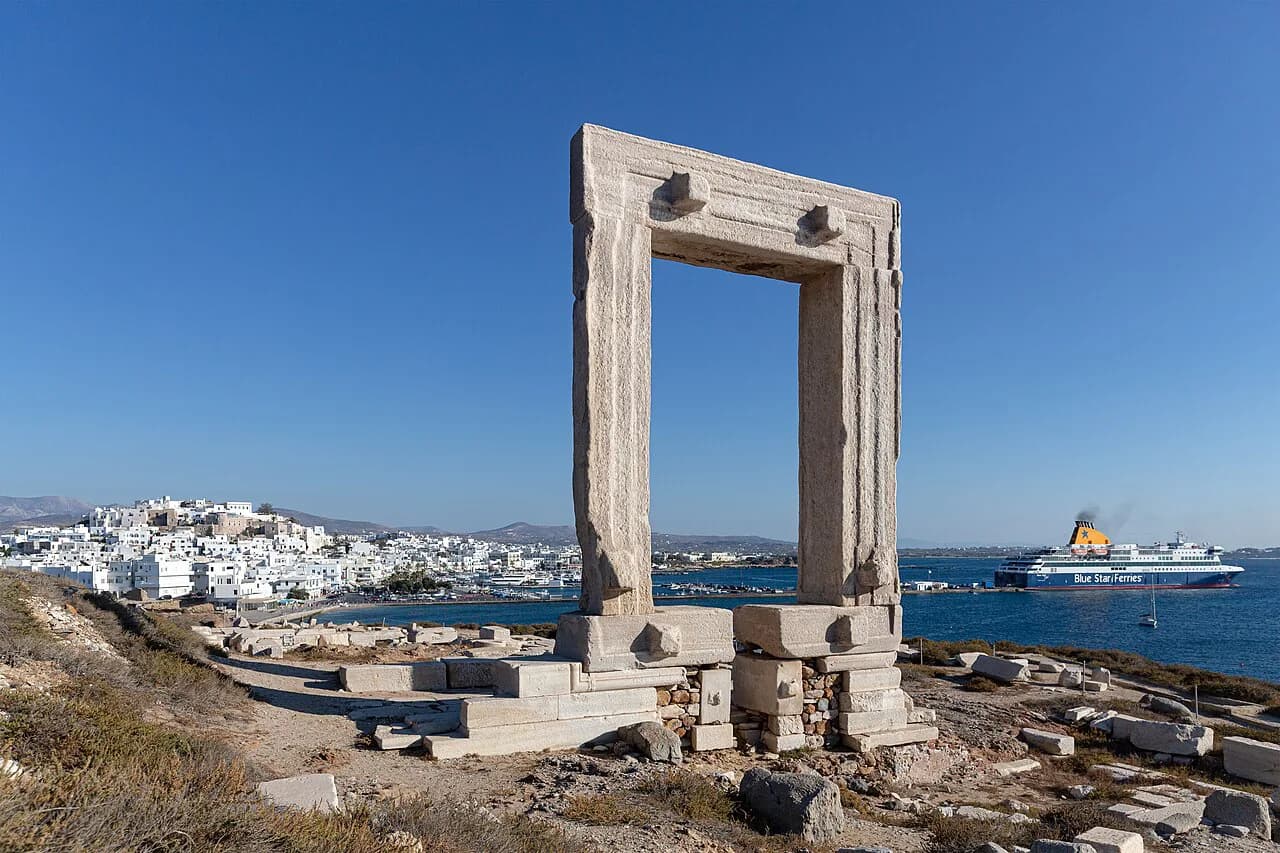
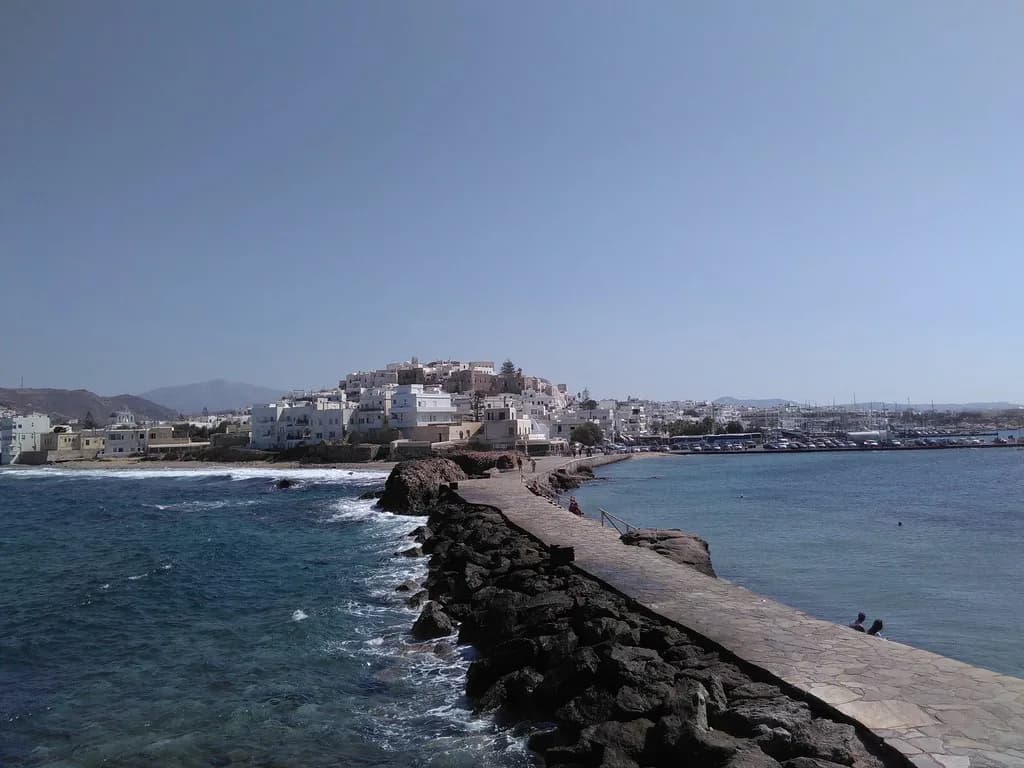
If shopping is one part of a wider day, it pairs naturally with the town's sights: the Portara gate on its causeway, the old town laneways and the Kastro museums all sit in the same compact area. The wider things to do in Naxos guide is a sensible place to sequence a full day before you commit an afternoon to browsing.
The Old Market Walk-Through
Start on the old market street and work uphill. The mix is broad: souvenirs at the entrance end, clothing boutiques and jewellery makers in the middle, galleries and craft stores tucked into side lanes. Because the street is narrow and partly arched, shops appear suddenly, so it pays to walk the length once before doubling back to the ones worth a proper look.
For contemporary ceramics and art, Pocket Gallery is the specific name worth noting, and it sits within this old market cluster rather than out on the harbour. Ceramics are the awkward purchase for anyone travelling with hand luggage, so decide early whether you can carry a wrapped piece through the rest of your trip.
Selling here is notably low-pressure, which cuts both ways. Staff tend to leave you alone to browse, so ask directly if you want a price, a provenance detail or help with packing. The upside is that the experience stays relaxed even in August, when the harbour strip can feel considerably more crowded.
Greek Sandals at Pagonis: Plan the Lead Time
Pagonis Sandals sits down a narrow side street in the old town, a short walk from the port, and has been making handmade Greek sandals for more than 80 years across three generations. The workshop adjoins the store, so you can watch pairs being made while you decide. You can buy from the shelf or order a custom size and design.
Custom orders are the planning constraint. The workshop asks for a minimum of three to four days, longer in peak season, which rules out shopping on your last afternoon. Visit early in your trip if you want a made-to-measure pair, and check the current turnaround when you order, as the published minimum may not hold in July.
The trade-off is time against fit. Off-the-shelf pairs go home with you the same day and suit short ferry-stop visits; custom pairs fit properly but lock you into a return trip to the shop. If your itinerary moves between islands mid-trip, shelf stock is the safer call.
Naxian Cheese and Pantry Shopping at Tziblakis
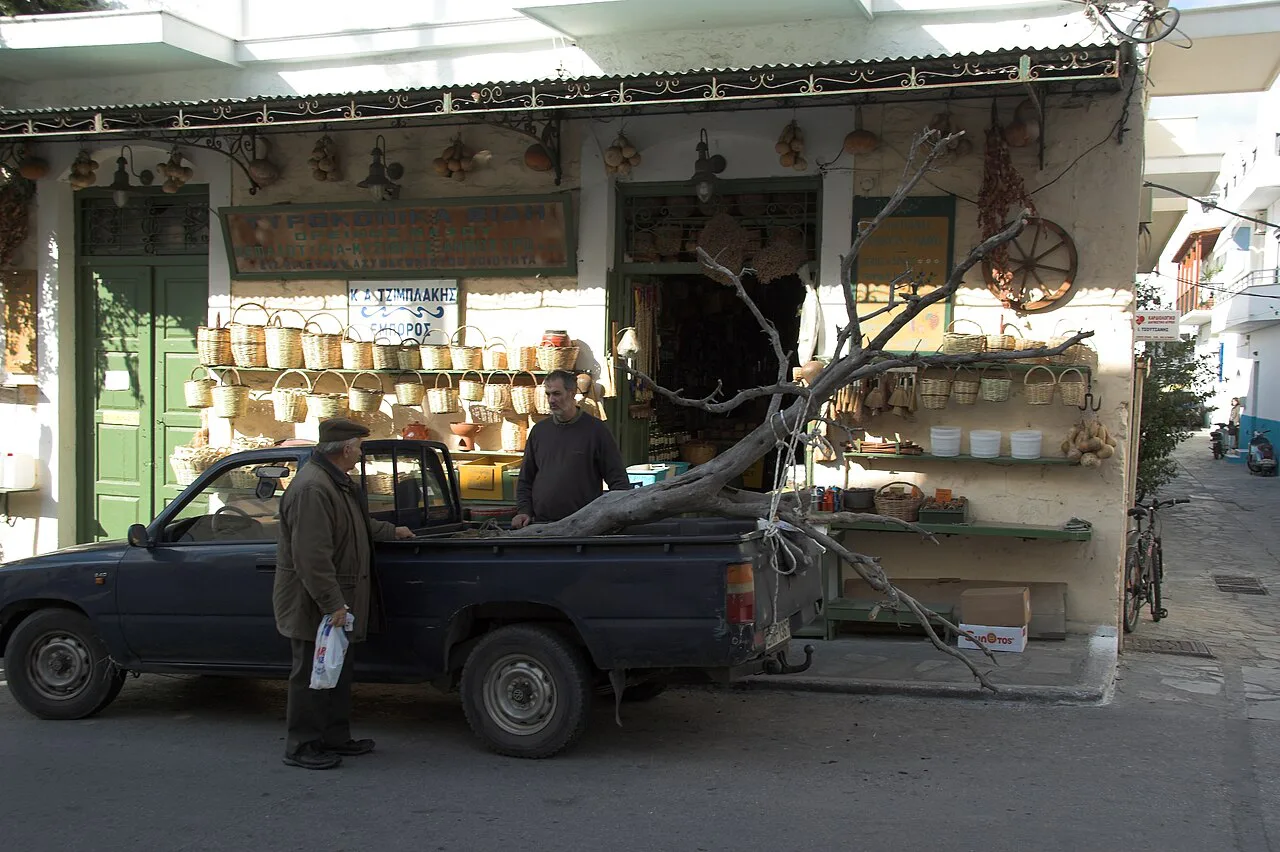
Kiriakos Tziblakis Local Products is described as the oldest traditional market store on Naxos, recognisable by the baskets hanging outside and the smell of spices and leather before you reach the door. Inside, the shelves run from nuts, dried fruit, honey and herb mixes to soaps, kitchen tools and local olive oil, with the cheeses as the centrepiece.
The cheese names are worth knowing before you point at a counter. Xinotiro and xinomizithra are sour, fresh-style cheeses; mizithra is a soft whey cheese; kefalotyri and graviera are firm aged cheeses, with graviera the one most often carried home. Ask to taste before buying, particularly on the aged ones, since batches vary.
Vacuum packing and travel logistics decide whether a cheese purchase survives the trip. Firm aged cheeses travel better than soft fresh ones, and honey, marmalades and olive oil are heavy in a suitcase, so weigh that against your airline allowance before buying in volume. For a wider look at the island's pantry, what to eat in Naxos covers the dishes these ingredients turn into.
Kitron and the Island's Distillery Tradition
Kitron is Naxos's signature spirit, a citron-fruit liqueur produced on the island, and it is the most portable edible souvenir after cheese and olive oil. If you want to understand it rather than just buy a bottle, a dedicated Naxos Kitron guide covers what the drink is, how it is made and where to taste before committing to a bottle.
Tasting before buying matters more with spirits than with most purchases, since sweetness levels vary between producers. Many Chora food shops stock bottles alongside their cheese and honey counters, which saves a separate trip. Check the bottle size against your liquid allowance before you pack it in hand luggage.
Contemporary Resort Wear at Vacanza Boutique
Vacanza Boutique occupies a spot in the old town and stocks clothing, bags, sandals and children's pieces from independent Greek designers, with an emphasis on linen, cotton and small production runs. Its own site lists a location in the old town of Chora and opening hours of 12:00 to 22:00, which is a late start for a morning shopper, so treat the hours as the shop's own published information and confirm on the day.
The appeal here is fit with the climate rather than novelty. Breathable fabrics and limited runs suit travellers who want something wearable for the rest of the trip, and the later opening means this is an afternoon or early-evening stop rather than a first thing in the morning one.
Kastro Galleries and the Upper Town
The Kastro is the quietest and, by the source's reckoning, the most beautiful part of Chora, and its galleries occupy centuries-old stone buildings along the climb. The walk up takes effort and the signage is not always helpful, which is precisely why the upper town stays calm while the harbour below fills up.
Two museums share the quarter with the galleries. The Della Rocca Barozzi Venetian Museum occupies one of the grandest mansions of the citadel, and the Archaeological Museum, set in a former Jesuit school, holds a Cycladic figurine collection from roughly 3000 to 2000 BC. Pairing a gallery visit with one of these makes the climb worthwhile even if nothing tempts you to buy.
If stairs are a problem, an elevator serves Avaton Café at the top, which gives you a starting point without the full ascent. Buyers should also note that much of the old town shuts for siesta in peak summer heat, so aim to shop before 1pm or after 5pm when the streets and shutters are both open.
Loukoumades, Coffee and Timing the Day
Loukoumades are small deep-fried dough balls served with honey, and Padelis Coffee Shop in Chora is the specific name to note for them. They make a sensible mid-shop pause rather than a destination in themselves, and the honey means they are best eaten standing or sitting outdoors rather than carried.
The wider bakery and coffee picture is useful for planning a shopping morning: fresh bread and pastries set the rhythm of a Greek town, and coffee stops are where you wait out a shopkeeper's lunch. The best bakeries in Naxos guide fills in the rest of that map.
Timing is the single most useful thing to get right. Much of Chora's old town closes for siesta in the peak summer heat, so the workable windows are morning before about 1pm and late afternoon after 5pm, when the light also improves and the lanes empty of day-trippers.
Shopping works up an appetite, and the town's eating options split cleanly between harbour-front tables with a view and back-street tavernas with better value. The best restaurants in Naxos guide compares both, which helps you decide whether to eat where you shopped or walk down to the water.
Beyond Chora: Halki and Filoti
Halki, in the island's interior among citrus orchards and olive groves, holds two names worth the drive. The Vallindras Kitron Distillery explains the island's citron liqueur at source, and the Fish & Olive Gallery sells work in a village that was once Naxos's capital. Both sit within a short walk of the shaded main square.
Filoti, a short drive further up the road, has a produce stall on the main square piled with fruit and vegetables that is worth a stop even if you are not buying. Queues of farm trucks loaded with Naxian potatoes pass through the village, which tells you what the island actually grows.
The practical catch is transport. These villages need a car or a bus connection from Chora, so a shopping day in the interior takes longer than a morning in the old market, and the midday heat is punishing. Arrive early or after 5pm, when village restaurants reopen.
Trade-Offs: Harbour vs Back Street, View vs Value
The harbour front is the least interesting place to buy and the most convenient. It handles souvenirs and the shops you pass between the ferry and your room. The old market and the back lanes carry the original pieces and the craft, and the effort of walking inland is the price of better stock.
Souvenir versus made-on-island is the other decision. Sandals from a workshop, cheese from an island producer, ceramics from a small studio and kitron from a distillery are the purchases that carry the place with them. Generic souvenirs carry the island's name and little else, and are the ones to skip if luggage space is tight.
Ceramics deserve their own warning. They are heavy, breakable and often too large for cabin baggage, so ask about wrapping and decide before you fall for a piece whether it can travel in the hold. If the answer is no, photograph it and move on.
A Guided Route Through the Old Town's Food Shops
If you would rather have someone else navigate the produce shops, a food tour or cooking session routes you through the old town's markets, stops at local producers and finishes with a class using what was bought along the way. It is also the least awkward way to ask a cheese counter a dozen questions.
The cooking side suits travellers who want a skill to take home rather than a fragile object. Formats range from farm visits to village kitchens and wood-fired sessions, and a Naxos Cooking Class gives you a reason to buy island ingredients with a plan for using them.
For olive oil specifically, a tasting session teaches you what to look for before you buy a bottle to carry home. The Naxos Olive oil tasting guide sets out what to expect from a tasting and how it changes a purchase decision.
Practical Planning for a Shopping Day
Chora is entirely walkable, and Agios Georgios Beach sits about five minutes south of town, so a shopping morning can end with a swim if you carry a bag you can leave on the sand. Ferries from Athens and the other Cyclades arrive at Naxos Port, which puts the harbour shops on your route whether you plan for them or not.
Luggage logistics shape everything. Buy ceramics and sandals on the way out rather than the way in, and avoid a custom order if your ferry leaves within a week. Since custom sandals take a minimum of three to four days and longer in peak season, front-load that visit at the start of the trip.
Price discovery happens on the ground: expect to ask, compare two or three stalls for the same item, and treat published sale promotions as the shop's own claim. Check a shop's posted hours or seasonal opening before you set out, since schedules change between summer and shoulder season.
Plan Your Shopping Around the Siesta
The workable plan is simple: walk inland from the harbour, cover the old market and pocket galleries in the morning, pause for loukoumades and coffee when the shutters come down, then climb to the Kastro in the late afternoon. Order custom sandals early, buy cheese and kitron where they are made or sold by producers, and leave ceramics for a day when your luggage can take them.
Everything sits within a compact, walkable town, which makes Naxos an easy place to shop without losing a day to it. Keep the market as one part of a wider island itinerary; the best restaurants in Naxos Town guide helps you end the day with dinner near wherever you finished browsing.
Explore more Naxos sauna guides
Frequently Asked Questions
Is Naxos good for shopping compared with other Greek islands?
The old market in Chora is described as more relaxed and better value than the markets on Santorini, Mykonos and Paros, with original small-production pieces and low-pressure selling. It is not a luxury or designer destination. Expect craft, ceramics, jewellery, Greek sandals, clothing and island food rather than big labels.
What souvenirs should I buy in Naxos?
Handmade Greek sandals from a workshop near the port, Naxian cheeses such as graviera and kefalotyri, local honey, olive oil and marmalades, kitron liqueur, and contemporary ceramics are the purchases most tied to the island. Generic souvenirs are widely available but carry little of the place with them.
Where is the old market in Naxos Chora?
The old market street runs through the lower part of the old town, inland from the harbour front and below the Kastro. Walk away from the water and the lanes climb gradually toward the Venetian quarter, with galleries and craft shops appearing in the side streets along the way.
How long do custom Greek sandals take to make in Naxos?
Pagonis Sandals asks for a minimum of three to four days for custom orders, and longer in peak season. Visit early in your trip rather than on your last afternoon, and confirm the current turnaround when you place the order.
What are Naxian cheeses and which should I try?
Xinotiro and xinomizithra are sour fresh-style cheeses, mizithra is a soft whey cheese, and kefalotyri and graviera are firm aged cheeses. Graviera is the one most often taken home. Ask to taste before buying, since batches vary between producers.
Can I buy kitron liqueur on Naxos?
Yes. Kitron is made on Naxos from citron fruit and appears in Chora's food shops and at the Vallindras Kitron Distillery in Halki, where the production is explained. Tasting before buying is worthwhile because sweetness varies between producers, and bottles count against hand-luggage liquid limits.
Is Chora walkable for shopping?
Chora is entirely walkable, with the old market, the harbour strip, the commercial quarter east of the old town and the Kastro all within a compact area. The lanes climb, so expect stairs on the way up to the Kastro, and wear shoes that cope with marble paving.
What time of day is best for shopping in Naxos old town?
Aim for before 1pm or after 5pm, because much of the old town closes for siesta during peak summer heat. The late-afternoon window has the better light and emptier lanes, while some boutiques open later in the day and stay open into the evening.
Sources
Notes for eating well in Greece
Optional updates to our guides.
You might also like

Continue reading
More guides you'll find useful