Naxos Cooking Class: Farm, Village and Wood-Fire Formats
Compare Naxos cooking class formats: farm and wood-fire experiences, village family kitchens, and what to confirm before you book a shared or private day.
On this page
A cooking class on Naxos is less about a single recipe than about where the day happens. The formats currently on offer fall into three groups: a farm experience built around wood-fire cooking, a village kitchen hosted by a local cook, and a class paired with a family farm visit. Each puts you in a different setting and asks a different amount of travel from you.
This guide compares those formats by what you actually do, what you may cook, and what to confirm before paying. It does not rank operators, because the right choice depends on whether you want a garden, a village square or a kitchen in someone's home, and on whether you have a car.
What a Naxos cooking class usually involves
Most classes combine a market or garden element, a hands-on cooking session and a shared meal at the end. The variable parts are who hosts, whether you cook over wood fire or on a stove, and how much of the day is demonstration rather than your own chopping and stirring. Ask for that split in writing, because a two-hour demonstration and a half-day of hands-on work are very different purchases.
The experiences named in current listings are the Naxos Perivoli Farm Experience and Wood-fire Cooking Class, Gregory's Traditional Cooking Class at Kourounochori, and the Roots & Recipes Greek cooking class with a family farm visit. Listings for these appear on the cooking classes page of a major review platform, which is the quickest place to see which are still running.
Format 1: farm-based classes with a garden visit and wood-fire cooking
The farm format puts the cooking day on agricultural land rather than in town. The Perivoli class pairs a farm experience with wood-fire cooking, which means part of the appeal is the setting itself: growing beds, outdoor heat, and food finished over open fire rather than on a domestic hob. If you want the meal to feel tied to the soil of the island, this is the shape to look for.
The trade-off is access. A farm outside Chora usually means your own vehicle or a transfer arranged by the farm hosting the class, and that detail changes the real cost of the day. Before booking, ask whether the meeting point is the farm gate or a central pick-up, and how long the drive takes from Naxos Chora.
Format 2: village home-style classes
Gregory's Traditional Cooking Class runs at Kourounochori, a village setting rather than a commercial farm. A village kitchen class typically means a smaller, more domestic room, a host cooking dishes they grew up with, and a meal eaten together at the end. The atmosphere depends heavily on group size, so ask how many people share a table and a work surface.
The Roots & Recipes class is built differently again: a hands-on cooking session combined with a visit to a family farm. That pairing suits travellers who want both the field and the kitchen in one booking, but it also means a longer day with more moving parts. The organiser's own page is the place to check what the farm visit covers and where the class takes place.
Travellers comparing a private home lesson with a shore-excursion format have discussed the difference on the Rick Steves forum. The useful takeaway is not a recommendation but a question: a relaxed home kitchen and a tightly timed port excursion serve different schedules, and a class that fits a cruise call will usually be shorter and more scripted.
What you actually cook
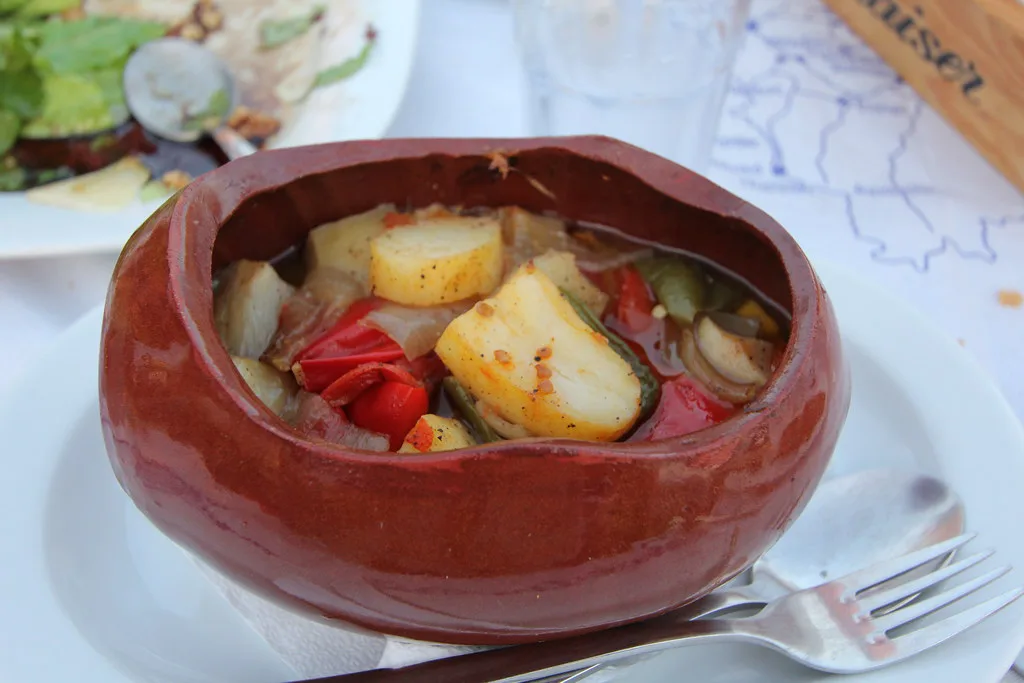
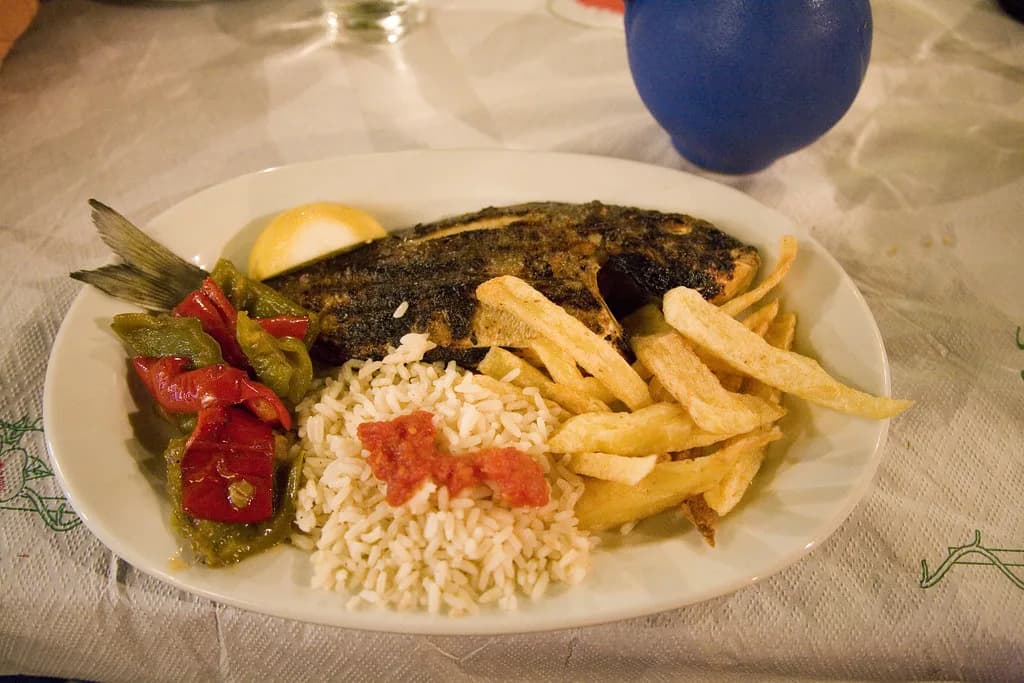
Menus vary by host and season, so treat any sample menu as an indication rather than a contract. Naxos cooking draws on the island's own produce: potatoes, cheeses, vegetables and pulses, plus the herbs and greens that grow in the interior. Village-style classes tend to lean on home dishes baked in a tray, while farm and wood-fire formats often centre on grilled or fire-finished plates.
A few names worth recognising before you arrive. Fava is a purée of yellow split peas, served with onion and olive oil rather than the broad-bean dip some visitors expect. Papoutsakia translates as little shoes: halved aubergines or courgettes filled with meat or vegetables and topped with béchamel. Loukoumades are small fried dough puffs finished with honey, and graviera and xinomizithra are the local cheeses you may meet on a tasting plate.
If cheese and island produce are the part you care about most, it is worth mapping the class against the rest of your eating. A broader survey of the island's dishes and products helps you ask better questions in the kitchen, from how the local potatoes are cooked to which cheeses are aged on Naxos.
Group size, hands-on share and language: what to confirm
Three questions separate a good booking from a disappointing one. How many people are in the group, and how many share each cooking station? Is the session fully hands-on, partly demonstration, or a cook-along where the host does the skilled steps? And in what language is the instruction given, since some kitchens run in English and Greek only.
Dietary requests belong with the host kitchen, not with a third-party listing. Ask directly how a vegetarian, vegan or gluten-free menu is handled and whether the substitution is cooked separately. Don't rely on a review comment for that answer, because kitchens and suppliers change between seasons.
One practical note on timing applies to the whole island. Many Naxos businesses run on seasonal rhythms, and some village kitchens reduce their dates outside summer. Ask the host which months they actually run classes before you build a shoulder-season trip around one.
Cost and value: why prices vary
Published rates for Naxos classes are not consistently listed, and the searches for a typical cost rarely reveal the full structure. Price depends on whether the class is shared or private, whether a market or farm visit and a full meal are included, and whether transport is part of the package. Ask for the total per person with inclusions spelled out, not just a headline figure.
Value is easier to judge than price. A shared class with a market walk, several dishes and a seated meal gives you more hours per euro than a short demonstration with a tasting plate, even if the headline number is higher. Compare the length of the day, the number of dishes you make yourself and what is eaten at the end.
Seasonality: shoulder and low season dates
Specific winter closures for these classes are not published in a form you can rely on. Rather than assume a kitchen shuts between November and April, message the host and ask which weeks they run and when they take their own break. On an island with a strong seasonal swing, that single email saves a wasted day.
Shoulder months bring a quieter island and more room in a small kitchen, which often suits a village-format class better than a farm day dependent on outdoor fire and weather. If your trip falls in spring or autumn, ask what happens in rain and whether the session moves indoors or is rescheduled.
Getting there: Chora as your base
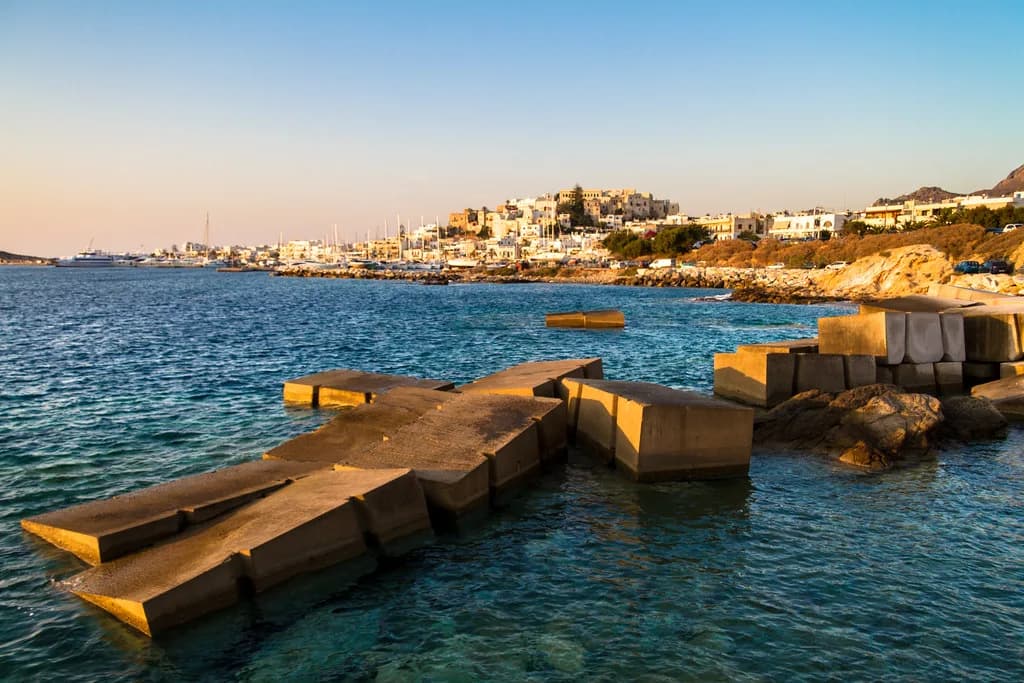
Naxos Chora, the island's main town and port, is the practical base for most classes. It has the widest choice of accommodation and the most reliable bus and taxi connections, and it is where you will arrive if you come by ferry. Agios Georgios beach sits close to town and is a convenient place to stay if you want to walk to dinner afterwards.
Village locations such as Kourounochori sit inland and uphill from the coast, and a farm may be further out again. Public buses reach the main villages, but rural lanes and evening returns are where a car earns its place. Rental cars are widely available in Chora, and hiring one for the class day also lets you add a village or a beach on the way back.
For the wider picture of how the island's sights and villages fit together, including where the archaeological site of Grotta sits on the north side of the harbour below Mitropoleos Square, the Naxos attractions hub is a useful planning stop before you commit days to specific bookings.
Booking logistics: lead time, private groups and dietary notes
In July and August, small kitchens fill up, so book well ahead and confirm the date in writing rather than relying on a listing that may not show live availability. Outside high season, a few days' notice is often enough, but a private class for a group should still be arranged early because it depends on one host's calendar.
Decide between shared and private before you enquire. A shared table is usually cheaper per person and puts you with other travellers; a private session lets you set the menu and pace but costs more and needs more advance notice. If you are travelling with children or a group, say so at the first message.

Pairing a class with the rest of a Naxos day
A class rarely fills a whole day, and the island rewards a loose plan around it. If you book a village kitchen at Kourounochori, you can add the mountain villages on the same loop: Halki for its shaded square and citrus groves, Filoti for the produce stall on the main square, and Apeiranthos for marble lanes and a museum stop. Driving between them is straightforward but slow on the bends.
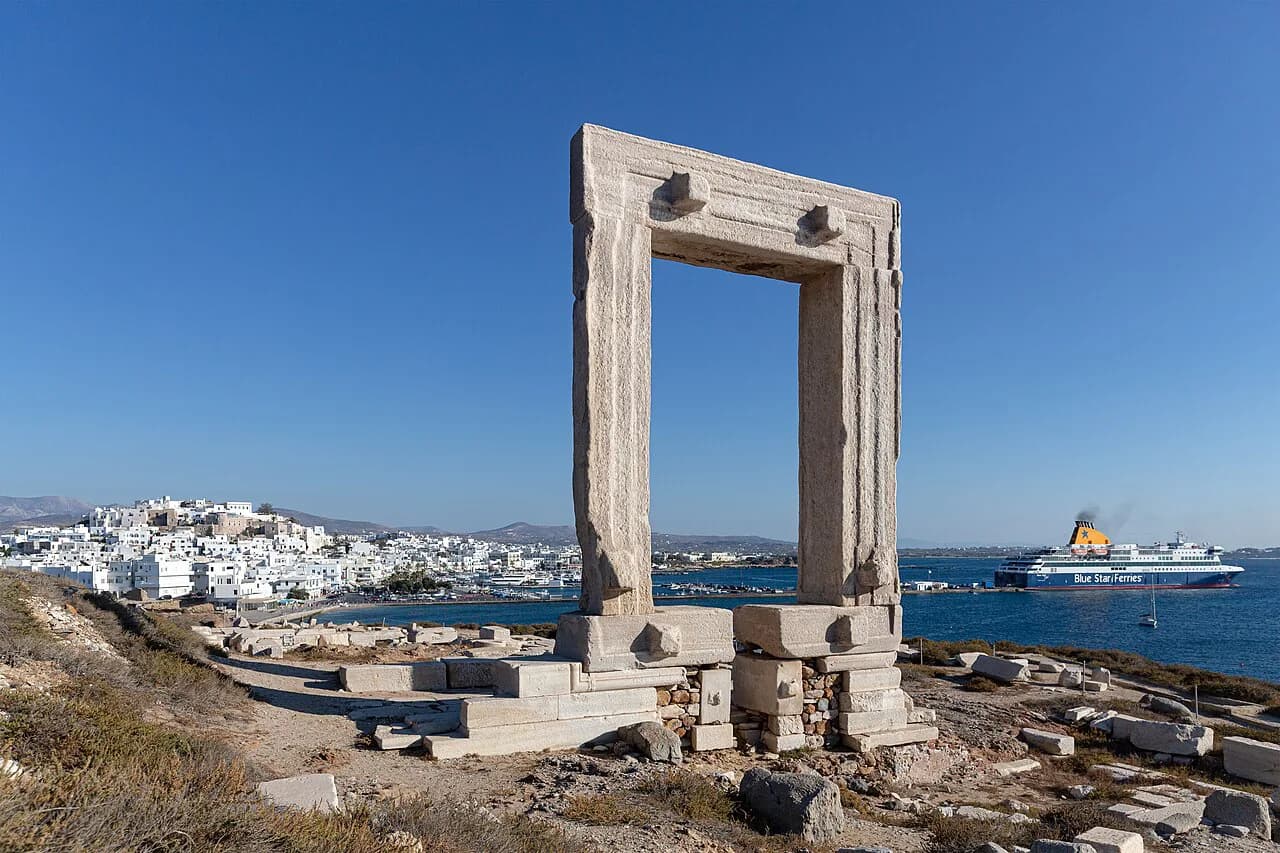
If your class is in the morning, keep the afternoon for a beach on the west coast, where Plaka and Agios Prokopios are the easiest stretches to reach from Chora. If it is an evening session, use the morning for the Portara gate on the Palatia islet, a short walk across the causeway from the harbour and far calmer at sunrise than at sunset.
How to judge reviews without being misled
Look for specifics: the name of a dish, whether the reviewer chopped or only watched, how many people were at the table, and whether the host explained an ingredient. Generic praise about a lovely evening and an amazing host tells you almost nothing about the format. Reviews that mention the setting, the fire, the garden or the walk to the village are more useful for comparing options.
Watch for age and closure signals. A listing marked as permanently closed is a warning that the page has not been maintained, and any review more than a season old may describe a different menu or host. Ask the host kitchen directly before you transfer money.
Common mistakes first-timers make
The most frequent slip is booking a class that looks charming but is far from where you are staying, without checking the return trip. The second is assuming a sample menu is fixed; hosts cook with what the season gives them, and a dish may change on the day. The third is leaving too little time around the session, when the point of the day is to sit and eat slowly.
A last, simple error: treating the class as the whole of the island's food culture. Use it as a starting point, then eat out with more confidence afterwards, whether that means a taverna table in a village square or a quick gyros in town.
Plan Your Naxos Cooking Class
Choose by setting rather than by rating. A farm with wood fire suits anyone who wants the outdoors and does not mind arranging transport; a village kitchen at Kourounochori suits a smaller, more domestic day; the Roots & Recipes format suits travellers who want a farm visit and cooking in one booking. Then confirm group size, the hands-on share, language and dietary handling.
Before paying, check each school's own page for current availability and ask which months the kitchen actually runs, especially outside summer. With the format settled and the date confirmed, build the rest of the day around it.
Explore more Naxos sauna guides
Frequently Asked Questions
How much does a cooking class in Naxos cost?
Rates are not published consistently, and the total depends on whether the class is shared or private, whether a farm or market visit and a full meal are included, and whether transport is part of the package. Ask for the per-person total with inclusions listed, then compare the length of the day and the number of dishes you make.
What do you cook in a Naxos cooking class?
Menus vary by host and season, but expect island produce such as potatoes, vegetables, pulses and local cheeses. Home-style dishes include fava, a yellow split pea purée served with onion and olive oil, and papoutsakia, halved vegetables filled and topped with béchamel. Farm and wood-fire formats tend to centre on grilled or fire-finished plates, and loukoumades, fried dough puffs with honey, often appear at the end.
Are Naxos cooking classes hands-on?
It depends on the format. Some sessions are fully hands-on with each guest working at a station, others are part demonstration where the host handles the skilled steps, and some combine both. Ask directly what share of the cooking you do yourself and how many people share each station.
Do Naxos cooking classes include a farm visit?
Some do. The Perivoli format pairs a farm experience with wood-fire cooking, and the Roots & Recipes class combines hands-on cooking with a visit to a family farm. Village kitchen formats such as Gregory's class at Kourounochori focus on the kitchen and the meal rather than a farm tour, so check the itinerary for each before choosing.
Are cooking classes on Naxos available in winter?
Winter availability isn't published in any reliable form, and village kitchens may reduce their dates outside summer. Message the host to ask which weeks they run and when they take their own break, instead of assuming a class runs year-round or shuts entirely between November and April.
Do I need a car for a cooking class on Naxos?
Not always, but it helps for farm and village locations outside Chora. Public buses reach the main villages, while rural farm lanes and evening returns are easier with your own vehicle. Ask whether the meeting point is the venue itself or a central pick-up in Chora, and how long the drive takes.
How far in advance should I book a Naxos cooking class?
In July and August, book well ahead because small kitchens fill quickly, and confirm the date in writing. Outside high season, a few days' notice is often enough for a shared class, but a private session for a group depends on one host's calendar and should be arranged earlier.
Sources
Notes for eating well in Greece
Optional updates to our guides.
You might also like


Continue reading
More guides you'll find useful