Naxos Olive Oil Tasting: Tours, Tastings and What to Expect
Plan an olive oil tasting on Naxos: compare a grove tour, a short tasting in Naxos Town and a free olive press museum visit, and learn what to expect.
On this page
An olive oil tasting on Naxos is less about choosing a favourite and more about choosing a format: how long you want to spend, whether you want to be in a grove or in town, and whether you want a museum tour or a seated tasting. The island's olive story runs from family farms pressing their own oil to a small museum built around old press equipment, and each option answers a different kind of day. A mykonos olive oil tasting presents the same farm-versus-workshop choice, so the trade-offs here carry over if you are island-hopping.
This guide compares three formats that are documented and bookable, then explains what actually happens in a tasting and how to read a label before you buy a bottle. It also covers the dull but decisive questions: how you get to a farm, whether food is included, and how much oil your luggage will take. Where a detail is not published, this guide says so rather than guessing.
Why Naxos has an olive oil story worth planning around
Naxos is one of the larger Cycladic islands and has enough inland terrain and farming population to support working olive groves rather than only imported oil. The island's food identity sits in its produce — potatoes, cheeses, kitron liqueur and olive oil — so a tasting slots naturally into a wider food itinerary rather than standing alone. If you are mapping your days around food, the broader collection of things to do in naxos is a useful starting point before you commit a half-day to a farm visit.
The reason to plan rather than improvise is geography. Grove tours sit outside Naxos Town in agricultural areas, while short tastings run in the centre of town, and the two compete for the same hours. A ferry departure, a beach afternoon or a village drive can each swallow the window you meant to spend tasting, so decide the format first and fit the rest of the day around it.
The three main formats: grove tour, town workshop, press museum
The first format is a small-group grove tour with a guided walk among the trees, an explanation of how the family produces oil, a tasting and usually food. It takes the longest and requires transport to a rural location. Naxos Happy Olives, a family producer on the island, describes its full tour with olive oil tasting as a 2.5-hour experience at 88€ per person, with free cancellation up to 24 hours before, booked online with instant confirmation — details worth confirming on their site before you pay.
The second format is a short seated tasting in a workshop in the heart of Naxos Town, which one booking platform describes as a relaxed 45-minute session comparing Naxian and Greek extra virgin olive oils alongside local products. It suits travellers who want the vocabulary and the flavours without giving up a sightseeing day, but it does not include a grove, and the setting is a room rather than a hillside.
The third format is a museum visit. The Olive Press Museum on Naxos presents olive tree and olive oil history around old pressing equipment, and its site states that after the free tour visitors can enjoy complimentary tastings of infused olive oils and olive-based snacks. The trade-off is depth versus control: you see the machinery and the process, but the visit is self-directed around a collection rather than a seated, guided comparison of oils.
Option 1: the small-group grove tour and tasting
The grove tour is the format to choose if you want to understand where oil comes from rather than only how it tastes. Happy Olives frames its offer around a family farm, award-winning extra virgin olive oil, and expert-led plantation tours and tastings, with the full version running 2.5 hours and including a lunch-style spread alongside the tasting. That combination makes it a half-day commitment once you add travel to and from the farm.
Booking runs through the producer's own site with instant confirmation, and the stated free cancellation window is up to 24 hours before the tour, so a weather-dependent plan can be adjusted without losing the fee inside that period. Note that 561 reviews and a 4.99 rating are the producer's own published guest figures, not an independent assessment, so treat them as a signal of popularity rather than a verdict. The farm's contact details are published on the same site if you need to ask about group size or languages before booking.
The practical friction is transport. The site publishes directions and a phone number but this guide makes no claim about shuttles, parking or distance from town, so ask the producer directly whether you are expected to drive yourself, take a taxi, or join a pick-up. If you are not renting a car on Naxos, settle that question before you pay, because a rural farm with no transfer turns a 2.5-hour tour into a much longer day.
Option 2: the short tasting in central Naxos Town
A 45-minute workshop tasting in Naxos Town is the efficient choice when your itinerary is already full of harbour walks, museum stops and long lunches. Because it sits in the town centre, it can be slotted between other stops without a car, and the session length means it will not consume an afternoon. It is also the better format for anyone travelling with people who are only mildly curious about oil.
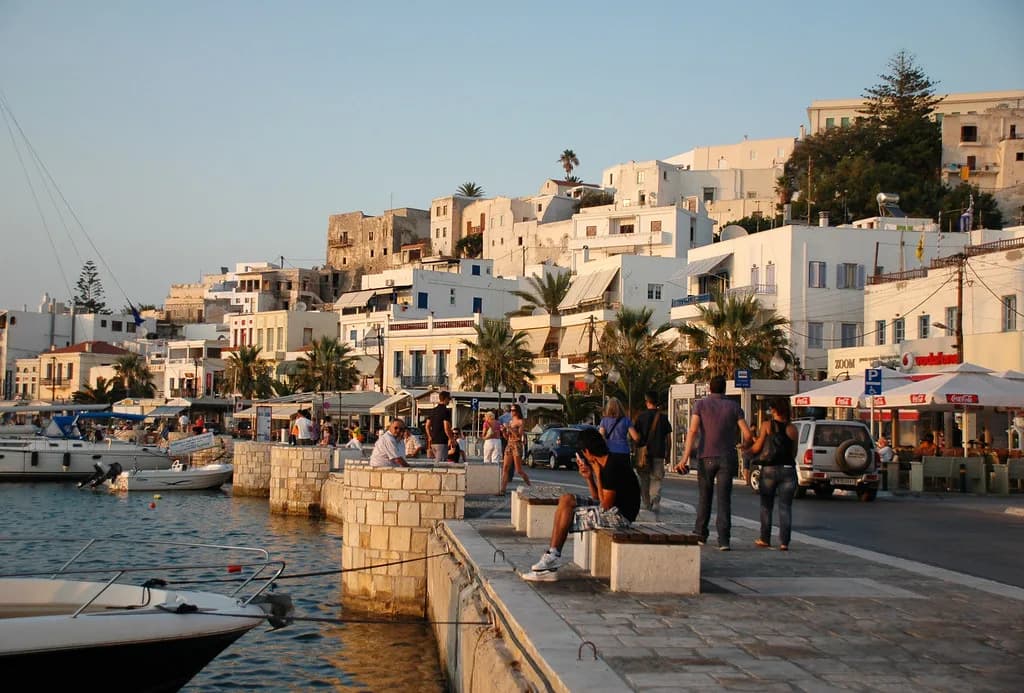
The trade-off is context. A town workshop can explain varieties and pressing methods, but you will not stand in a grove or watch equipment in motion, so the experience is closer to a guided tasting than a farm visit. If you want both, pair the short session with the museum rather than trying to squeeze the grove tour into the same day. Just book a slot that leaves you time to walk back through town afterwards — the old quarter and waterfront are worth an unhurried hour, and the best restaurants in naxos town fill up early in season.
Option 3: the Olive Press Museum and its free tour
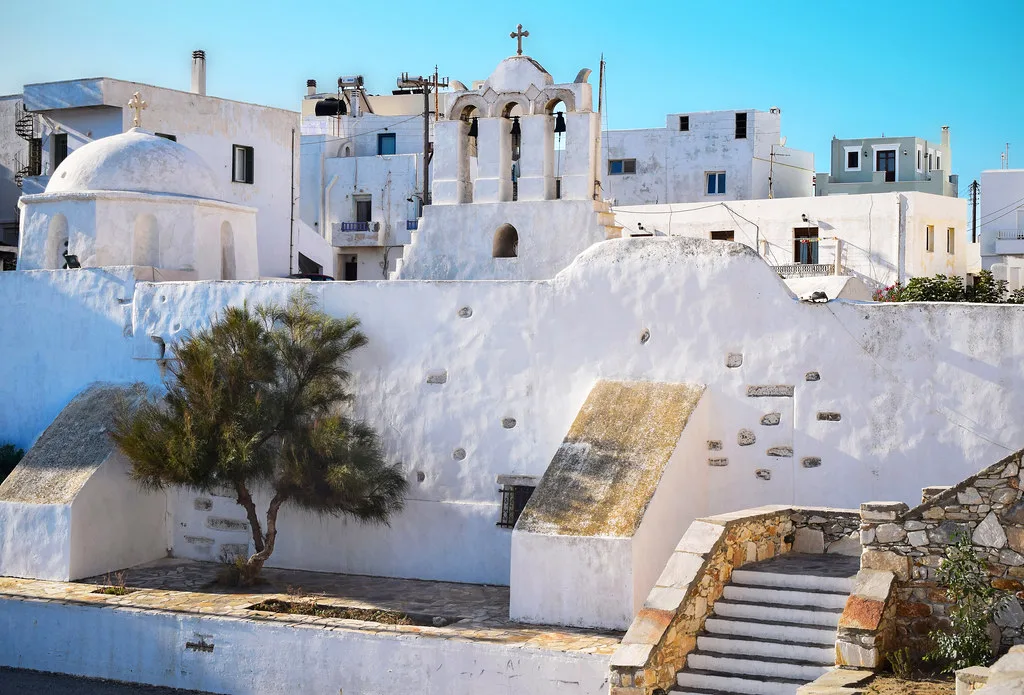
For a low-cost, low-commitment introduction, the Olive Press Museum is the obvious first stop. Its website states that the tour is free and that complimentary tastings of infused olive oils and olive-based snacks follow, which makes it a sensible warm-up before deciding whether to pay for a longer guided tasting. The museum is associated with the village of Eggares, inland from Naxos Town, so plan it as part of a village drive rather than a quick stop off the ferry.
Do not expect the museum to answer scheduling questions the way a commercial tour does. Opening hours, season and whether the free tour runs on a fixed timetable are not published in the material available here, so check directly before building a day around it, especially outside the main summer months. The trade-off compared with a paid tasting is guidance and comparison: you get history and a taste, not a structured flight of oils with commentary.
What actually happens in a tasting
Most guided tastings follow the same shape: you are given a small amount of oil in a glass, sometimes warmed in the hand, and asked to smell it before tasting. Smelling first matters because much of what you perceive as flavour is aroma, and warming releases it. You then take a small sip and draw air across it, which spreads the oil over your palate and makes peppery or bitter notes easier to notice.
Comparison is the point. A tasting usually sets two or more oils side by side — often a mild and a more robust style, or oils from different harvests — so you can notice that one finishes clean and another leaves a peppery catch at the back of the throat. In a grove tour the guide can tie those differences to olive variety, ripeness at harvest and how quickly the fruit was pressed. Bread is normally on hand to reset your palate, but avoid crackers or strong flavours between samples.
Terms explained: extra virgin, cold-pressed, infused, harvest
Extra virgin olive oil is oil extracted from olives without refining, using only mechanical means, and meeting a defined acidity threshold; in plain terms, it is the unprocessed, freshly pressed juice of the fruit. Cold-pressed is a historical term from press-based extraction, now often used loosely on labels; what matters more is the harvest date and how the oil was stored. Infused oils, the kind offered at the museum tasting, are made by steeping oil with lemon, herbs or other flavourings rather than by pressing those ingredients with the olives.
Harvest season decides what you taste. Olives in the Cyclades are typically picked in late autumn and winter, so oil sold in spring and summer is from the previous harvest, and a bottle's harvest year tells you more about freshness than any decorative claim on the front label. If a tasting offers oils from two different years, that comparison is usually the most instructive part of the session. Naxos also produces kitron, a citron liqueur, which is a separate drink worth trying while you are in the same food frame of mind.
What to ask before you book
Five questions settle most of the uncertainty. Ask how large the group will be, what language the session runs in, how you are expected to reach the site, whether food is included and whether it counts as a meal, and what the cancellation terms are in writing. For the grove tour, the published terms answer the last point — free cancellation up to 24 hours before — but group size, language and transfers are not specified on the site, so ask directly.
Ask about accessibility and footwear too if either matters to you. A grove is uneven ground, and a working farm is not a paved visitor centre, so a tour that sounds gentle in a listing can involve walking on soil and slopes. A short town workshop removes that concern entirely, which is one reason it suits travellers with limited mobility or a tight schedule.
Buying and taking oil home
Buy at the source where you can: producers who run tastings usually sell bottles on site, which lets you buy the exact oil you just compared. Beyond that, this guide cannot name specific shops or delis on Naxos that stock local oil, so look for the harvest year and a named producer rather than a generic gift label, and ask in town whether a shop sells island-produced oil rather than imported Greek oil. For a wider sense of the island's produce before you shop, see what to eat in naxos.
Transport is the real constraint. Olive oil is a liquid, so it belongs in checked luggage rather than hand baggage, wrapped and bagged against leakage, and airline liquid rules for cabin bags apply. Check your airline's allowance before you buy a large tin, and remember that glass is heavy. A small bottle travels better than a five-litre tin if you are moving between islands, and if you are also carrying back Naxos bakery purchases or cheese, pack the oil at the bottom and separately.
Practical timing around ferries, beaches and village days
Work backwards from your fixed points. If you leave on an afternoon ferry, a 2.5-hour grove tour plus travel either side is risky, while a 45-minute session in town fits comfortably before you walk to the port. If you are spending the day at the beach, take the town tasting in the late afternoon instead. A museum stop combines well with a loop through inland villages rather than with a harbour day.
Season changes the picture. Many island food businesses run reduced hours or close outside summer, and the published material for these three options does not state their seasonal schedules, so confirm that your chosen date is operating before you plan around it. Prices, hours and seasonal closures change — check the producer's site or phone ahead for the current terms, and treat any figure here as the one published at the time of writing.
Plan Your Visit
Choose the grove tour if you want the full picture and can spare half a day plus transport; choose the town workshop if the tasting has to fit around sightseeing; choose the museum if you want a free, self-paced introduction in the middle of a village day. None of the three requires specialist knowledge, and doing one does not spoil the others.
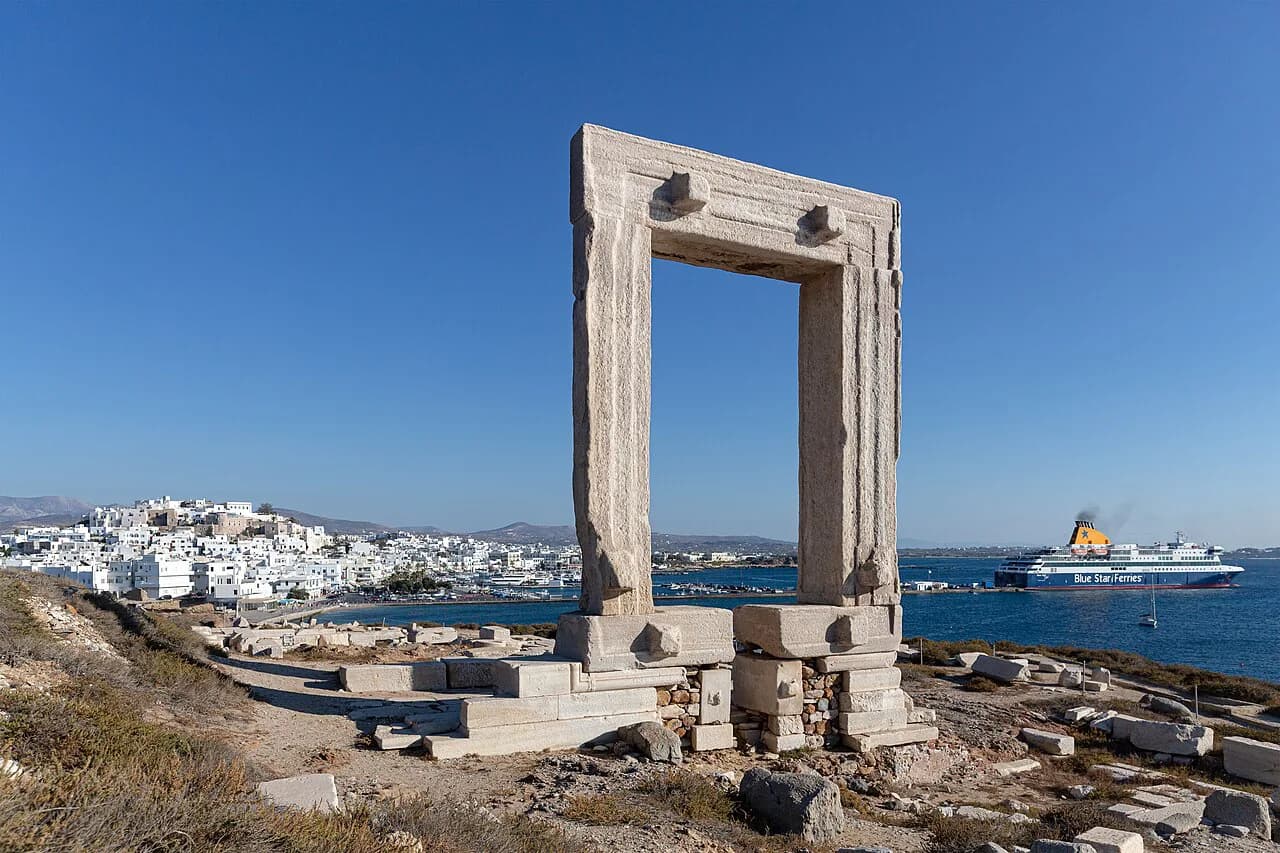
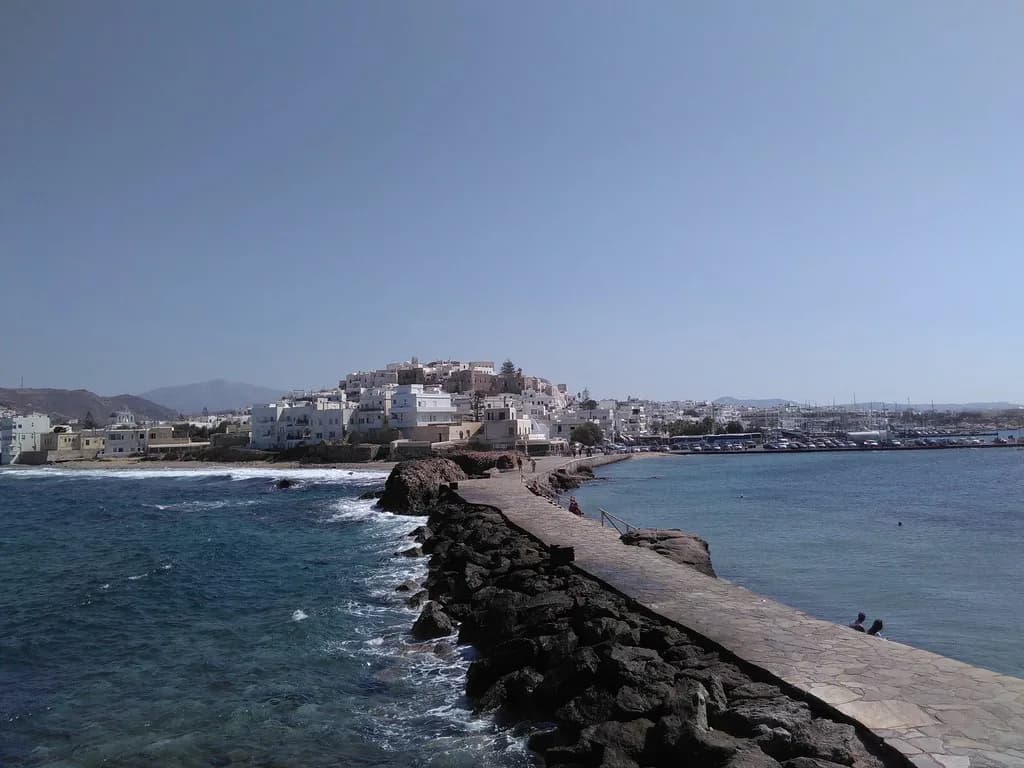
Before you commit, confirm the operational details that matter to your dates: availability, how you reach the site, whether food is included, and the cancellation window in writing. Then build the rest of the day around it — a harbour walk on the Palatia islet end of town, a long lunch, or an afternoon beach — so the tasting is one good part of the day rather than a dash between commitments. For the practical details, see the best restaurants in naxos.
Explore more Naxos sauna guides
Frequently Asked Questions
Do you need to book an olive oil tasting on Naxos in advance?
For the grove tour and the town workshop, yes: both are sold by reservation, and the producer's grove tour is booked online with instant confirmation. Book once your ferry and accommodation dates are fixed, and ask about group size and language at the same time. The museum is a drop-in visit, but its free tour runs on its own arrangement, so check before travelling out to it.
How long does an olive oil tasting take on Naxos?
The three formats differ widely. The grove tour is published as a 2.5-hour experience, and you need to add travel to and from the farm. The town workshop is described as a relaxed 45-minute session, which fits easily between other stops. A museum visit depends on how long you spend with the collection and the complimentary tasting, and no fixed duration is published.
Where can you buy Naxos olive oil to take home?
The simplest route is to buy from the producer whose tasting you attended, since farms that run tours usually sell their own bottles on site. Beyond that, no specific shop or deli on the island is named here, so ask in Naxos Town whether a shop stocks island-produced oil rather than imported Greek oil. Look for a named producer and a visible harvest year on the label.
Is Naxos known for olive oil?
Naxos has working groves and family producers, and olive oil sits alongside potatoes, cheeses and kitron liqueur in the island's food identity. It is not the only Cycladic island with an olive tradition, and this guide does not rank islands or producers by quality. Treat a tasting as a way to learn what you personally prefer rather than to settle a regional contest.
What is the difference between a grove tour and a town tasting?
A grove tour puts you among the trees, explains how a family farm produces oil, and usually includes food, which makes it a half-day commitment with transport at both ends. A town tasting is a shorter seated session in central Naxos Town comparing several oils, and it fits around sightseeing without a car. The first gives context, the second gives convenience.
Can you visit an olive press museum on Naxos for free?
The Olive Press Museum presents olive history around old pressing equipment and states on its site that the tour is free, with complimentary tastings of infused oils and olive-based snacks afterwards. It is associated with Eggares, inland from Naxos Town, so treat it as part of a village drive. Opening hours and season are not published in the material here, so confirm before you go.
Sources
Notes for eating well in Greece
Optional updates to our guides.
You might also like
Continue reading
More guides you'll find useful