Naxos Food Tours: What a Walking or Village Food Tour Covers
Planning a Naxos food tour? Compare old-town walks with village lunches and cooking classes, learn the key Naxian dishes, and book with realistic expectations.
On this page
A Naxos food tour can mean two very different days. One is a guided walk through Naxos Town, known locally as Chora, tasting small dishes in and around the old market and Protodikiou Square. The other is a drive into the mountain villages for a long taverna lunch in places like Halki, Filoti, Apeiranthos or Koronas.
Which you choose depends on your trip length, whether you have a car, and whether you want a guided narrative or simply a good table. This guide separates the main formats, names the dishes worth recognising, and flags the practical traps, including the midday siesta that empties much of the old town and the distances involved in reaching village tables.
Is a Naxos Food Tour Worth It, and Who Does It Suit?
For a first visit, a guided walk in Chora earns its place because it compresses orientation and eating into one block: you learn the lanes, the market streets and a handful of dishes in a few hours. Repeat visitors often get more from a village-based day, where the point is the setting and a slow lunch rather than a checklist of stops. Families should look at start times and total walking distance before booking, since an evening walk fits children differently from a four-hour mountain lunch.
Travellers with restricted diets need to raise this at the booking stage, not on the day. Tour pages usually list what is included and whether substitutes are possible, and the tour company is the only reliable source for that. If a page is vague, ask directly whether a vegetarian or gluten-free version of the tastings can be arranged.
The Four Main Formats Compared
The first format is the Chora walking tour: a guided loop of the old town with several tasting stops, typically grouped around the market streets, Protodikiou Square and the lanes below Kastro. The second is the village lunch, based at a single taverna in the mountains, where the meal itself is the event. The third is a cooking class, where you prepare dishes rather than trail between tables. The fourth is a wine- or kitron-focused tasting, built around drinks with food as support.
The formats are not interchangeable in terms of time. A walking tour fits into a morning or an evening around other sightseeing, while a village lunch can swallow half a day once you add the drive each way. A cooking class usually takes a similar half-day and leaves you with technique rather than a route through town. Pick the format that matches the energy you want to spend, not just the food.
What a Chora Walking Food Tour Typically Covers
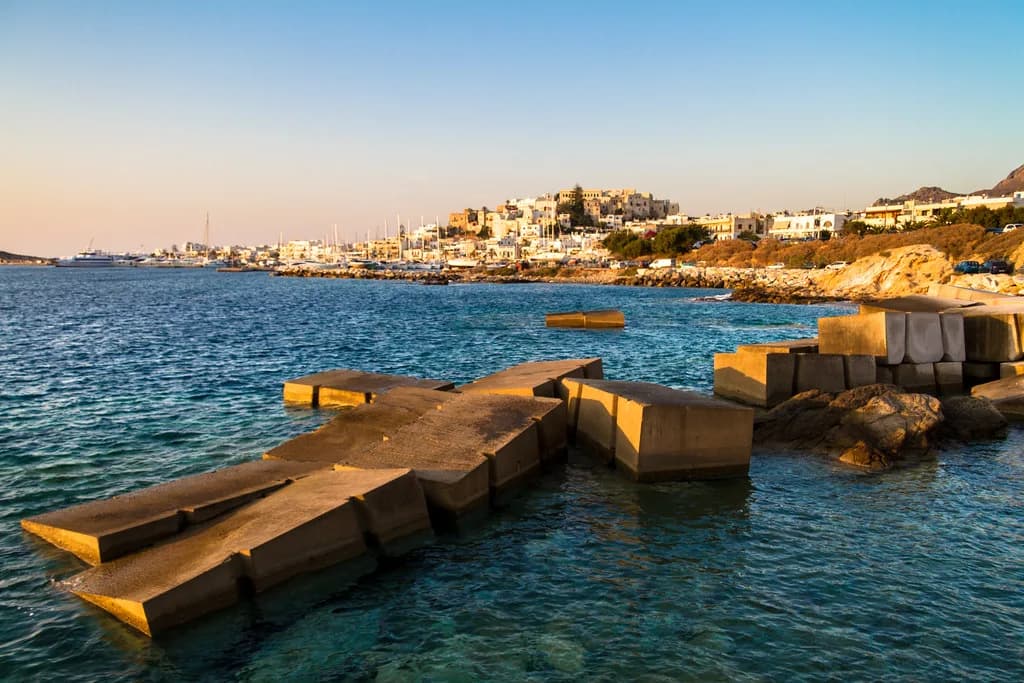
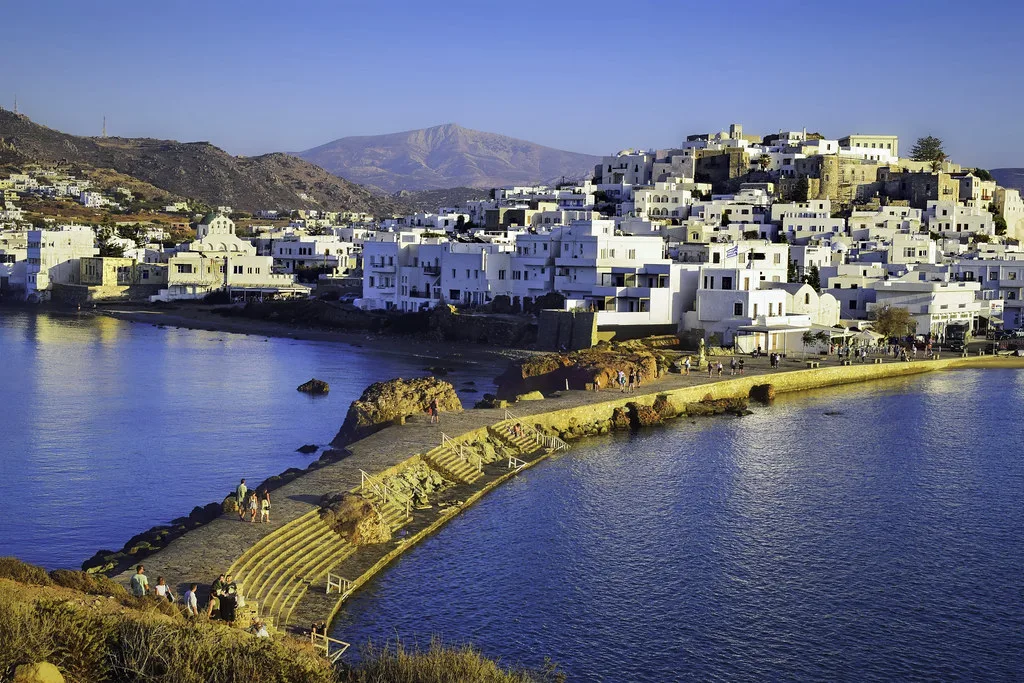
Published food-tour descriptions for Naxos Town build the route around the Venetian old town, its narrow alleyways, market stalls and small eateries. Expect a mix of sit-down tastes and standing stops rather than one long meal. Protodikiou Square is the natural anchor on the taverna side, with family-run places such as Scirocco Restaurant occupying the square itself.
Above the market lanes, Kastro is the old Venetian castle quarter, inhabited since the medieval period and now home to rooftop venues with wide views over the town and harbour. Avaton 1739 sits at the top of the castle and is best treated as a view stop with coffee, wine or a light plate rather than a full meal. Walking between the harbour front, the market and Kastro is short in distance but involves stairs and uneven paving, so wear shoes you can climb in.
Guides vary in how much of the old town they cover, and routes change with seasons and vendor availability, so treat any published stop list as indicative. The Kastro climb, with its covered lanes and church courtyards, rewards anyone willing to keep walking after the tasting ends. For background on the castle quarter and the harbour's ancient history, the town's heritage is covered in the local attractions material.
Dishes to Recognise on a Tour
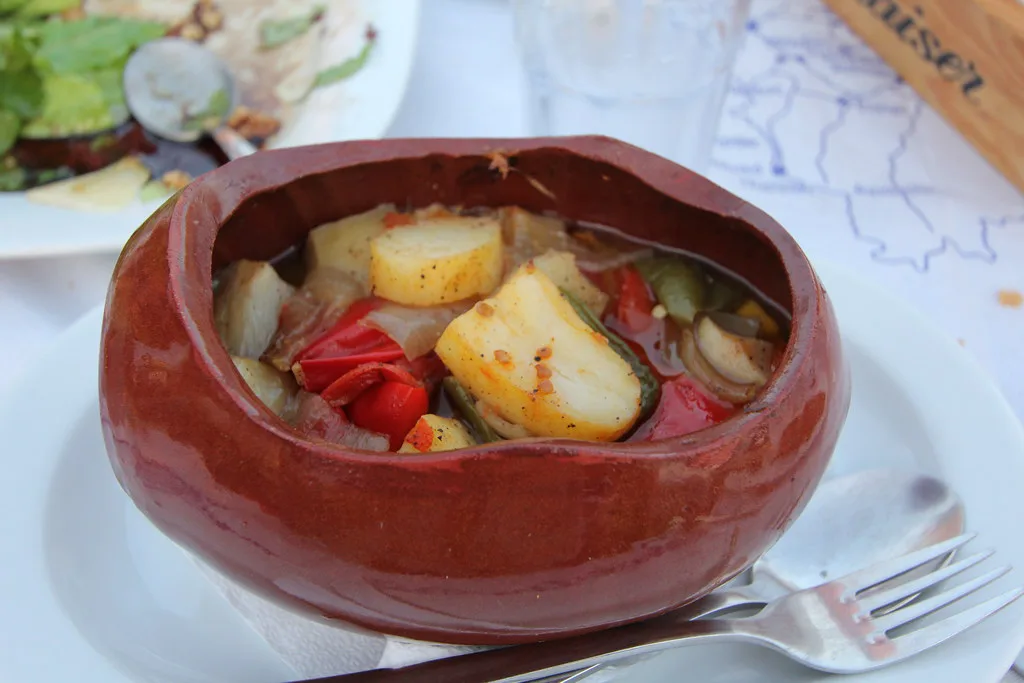
Gyros is meat, usually pork or chicken, stacked on a vertical rotisserie and shaved into a wrap with tomato, onion, fried potato and tzatziki, a yoghurt and cucumber dip. Souvlaki is skewered grilled meat, served on a stick or in bread. Both are cheap, fast food in the best sense, and Naxos Town has plenty of specialists; the cluster around Sokratous Papavasiliou includes Souvlaki of Makis, and Protopapadaki Street is lined with grill houses and casual kitchens.
Fava is a purée of yellow split peas, served warm with olive oil and often raw chopped onion, and it appears on taverna menus across the island, including at Boulamatsis in Naxos Town. Naxian cheeses are worth knowing by name: graviera is a firm, mildly sweet cheese, while xinomizithra is a sour, soft whey cheese used in pies and eaten with honey. The old market store Kiriakos Tziblakis Local Products stocks a range of Naxian cheeses alongside honey, nuts and olive oil.
Loukoumades are small fried dough balls soaked in honey, and Padelis Coffee Shop in Chora serves them alongside coffee. Kitron is a citron liqueur made on Naxos, and the Vallindras Kitron Distillery in Halki is the place to see how it is produced. If you plan your own eating rather than joining a tour, a separate guide to Naxian food covers the full repertoire, from cheeses to pulses.
Sweet Stops, Coffee and the Harbour Front
Greek coffee is served strong and unfiltered in a small cup, and you are expected to let the grounds settle rather than stir them. A frappé is instant coffee shaken with ice, a summer fixture at harbour-front cafés. For gelato, Milkato sits on the Naxos Town waterfront with outdoor seating looking over the promenade, which makes it a sensible end point for a walking tour.
Bakery stops are worth building into your own route if the tour does not include one, since Naxian pies and breads are part of everyday eating rather than restaurant food. Arrive early for the best choice, as shelves thin out through the day. If you are assembling your own walk, a dedicated guide to the island's bakeries saves guesswork.
Village Food Experiences: Halki, Filoti, Apeiranthos and Koronas
The mountain villages are where Naxos feels least arranged for visitors, and they are the reason many people rate a village lunch above any town tour. Halki, once the island's capital, has marble lanes, the Vallindras kitron distillery and the 11th-century church of Saint George Diasoritis a short walk out among the olive groves. Filoti has a leafy main street with bar tables, a produce stall on the square and Ambrosia on the square itself.
Apeiranthos is built largely of marble, with arcaded lanes and several small museums, and Taverna Platanos serves traditional food with views toward Mt Zas. Koronas is the quietest of the group, with a leafy square where Martina and Stavros' Taverna cooks whatever the day offers and there is no menu to read. In places like this, the meal is whatever is being made, so go without fixed expectations and be clear about anything you cannot eat.
These villages are spread across the interior and not walkable from one to the next, so a car or an organised transfer is essential rather than optional. Naxos is large by Cycladic standards, and the drive from Chora to the mountain villages takes real time on winding roads. Buses serve the larger villages, but timetables are thin and not built around a long lunch.
Cooking Class vs Food Tour: Which Fits a Short Trip
A food tour is a sequence of places and tastes, with someone else doing the organising and the cooking; you leave knowing where to return. A cooking class is a single kitchen session, usually built around a handful of dishes, and you leave knowing how to reproduce them at home. On a two- or three-night stay, a walking tour delivers more orientation for the time; on a longer stay, a class adds something a meal cannot.
Class content varies widely, from pies and vegetable dishes to cheese-making and olive oil, so read the syllabus rather than the photographs. If you want to understand Naxian olive oil specifically, a dedicated tasting is a shorter, more focused option than a full class. The choice between a wine session and a cooking class comes down to whether you would rather drink or cook, and both run on similar half-day schedules.
Wine and Kitron: What a Drink-Focused Option Adds
A wine-focused tasting introduces the island's grape varieties and the producers behind them, usually with small plates alongside. A kitron visit is different: the Vallindras distillery in Halki shows how citron leaves are distilled into the sweet, aromatic liqueur that appears on many Naxian dessert menus. Combining the two makes a natural mountain day, with the distillery in Halki and a long lunch in one of the neighbouring villages.
If you are travelling by ferry, remember that drink tastings sit awkwardly with a same-day crossing. Build the tasting into a day when you are staying on the island overnight, and check the distillery's visiting arrangements before you drive out, as small producers change their public hours by season.
Timing: Morning Walks, Evening Walks and the Siesta Trap
Much of Chora's old town closes for siesta during the hot middle of the day in midsummer, so a food walk timed for early morning or after about five in the afternoon will find more open doors and far more comfortable walking. July and August also bring the meltemi, the strong northern wind that peaks in those months, which matters if your route includes the exposed harbour front.
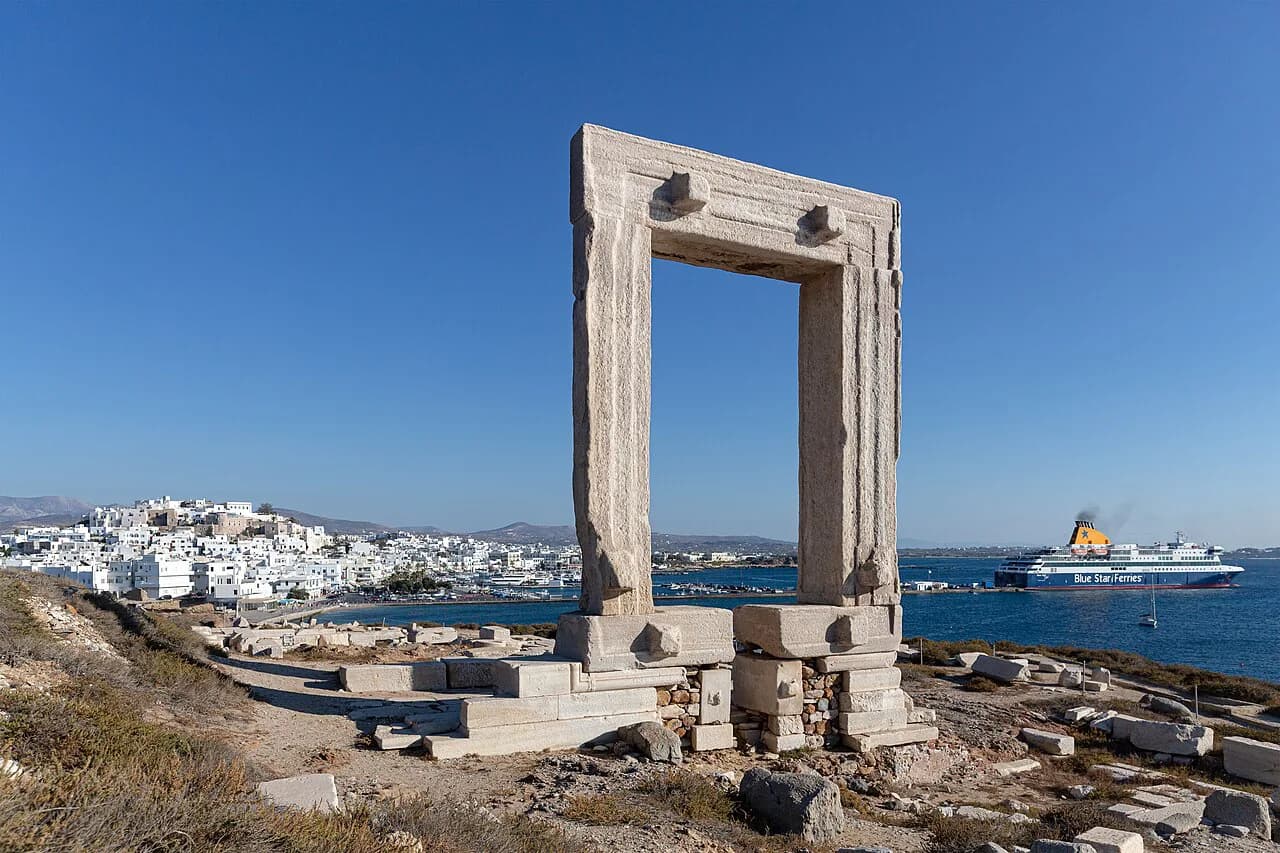
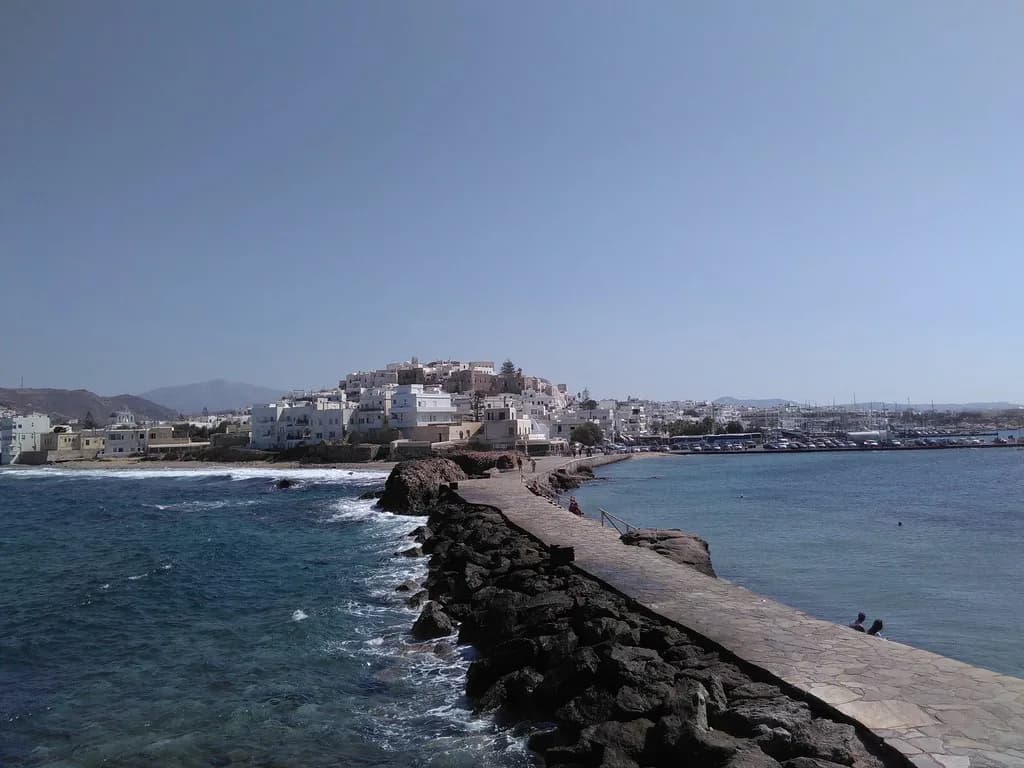
Sunset is a separate decision. The Portara, the marble gate on the Palatia islet just off the harbour, draws crowds every evening in peak season, with drones and tripods competing for the same shot. Anyone who wants the gate without the crush can cross the causeway at sunrise instead, and the walk from the harbour takes only a few minutes. Check operational hours and site access arrangements with the Greek Ministry of Culture or Naxos tourism office rather than relying on a listing.
Cost Expectations and What Is Usually Included
Tour pages list their own inclusions, and that list is the only dependable answer to what you are paying for. Check whether tastings, drinks and transport appear as included items or as extras, and whether a village day includes the drive. Where a price is not published, ask the tour company for a written quote before you commit, especially for private or family groups.
Comparing operators is easier if you read several listings side by side rather than one. Aggregated activity pages show the spread of formats, group sizes and inclusions in one place, which helps you judge whether a guided walk or a village day is better value for your group.
Booking Advice for Food Tours and View Tables
Book food tours and cooking classes ahead in high season, and confirm the meeting point, group size and language of the tour in writing. Sunset and view tables need separate planning: Paradiso Taverna at Agia Anna has beachside tables facing the sunset, and its listing advises booking ahead and arriving well before half past seven to catch the light. That is a view booking, not a value booking; expect to pay for the position as much as the plate.
Cancellation terms matter on an island where ferries and wind disrupt plans. Read the policy before paying, and prefer operators who state their terms clearly on the booking page. If your trip depends on a ferry arrival, leave a buffer day rather than scheduling a tour for the same afternoon.
Trade-offs: Old Town Convenience vs Village Character
Staying in Chora puts you within walking distance of the market, Protodikiou Square and the harbour, which makes an evening walking tour effortless and leaves the day free. The trade-off is that you eat where the tour groups eat, and the lanes can feel busy in high season. A village lunch costs you the drive but buys quiet, a slower pace and cooking that is less shaped around visitors.
Within Chora, expect the familiar trade-off between harbour-front tables and back-street tavernas. The waterfront gives you the view and the passing parade; the lanes behind give you more room and usually a shorter menu. Neither is automatically better, and the right answer depends on whether the view or the value matters more that evening.
Note that some Naxos Town venues once recommended in older round-ups have closed. Nostimon Hellas and Barozzi Naxos Restaurant are listed as permanently closed, so do not build a route around them. Confirm that a place is trading before you walk to it, using its own page or a phone call.
Practical Logistics: Meeting Points, Buses and Walking Distances
Most Chora tours meet near the port or in the old town, both of which are compact enough to reach on foot from central accommodation. Ferries dock at the main port below town, so a morning tour on arrival day is feasible if your sailing is early. Aim to arrive ten minutes before the start, as groups move off promptly and the lanes are hard to search.
For villages, buses serve the larger settlements but are not designed around a leisurely lunch, and hiring a car for a day gives you the flexibility to combine Halki, Filoti and Apeiranthos in one loop. If you would rather not drive the mountain roads, ask your accommodation about a driver or a transfer. The drive from Chora to the interior is the single biggest planning factor for any village food day.
Walking in Chora is short in distance but involves steps, arches and polished marble underfoot, so allow more time than a map suggests. The Grotta archaeological site, part of the Mycenaean-era settlement below Mitropoleos Square on the north side of the harbour, is close enough to fold into a pre-lunch wander. Confirm site access before setting out, as small archaeological sites adjust their arrangements by season.
For a wider view of how food fits into a Naxos itinerary, including beaches and mountain drives, browse the island's main planning guide. If you are comparing Greek city food tours more broadly, the approach in Chania offers a useful contrast in format and price structure, and our Chania food tour guide breaks down how to choose one.
Plan Your Food Day on Naxos
Choose the format first: a Chora walking tour if you want orientation and a taste of many things, a village lunch if you want a long table in the mountains, a cooking class if you want technique to take home. Then check what is included, where it starts and how you will get there, because the drive is the variable that decides whether a village day works.
Two habits make the difference: book sunset and view tables well ahead, and confirm on the day that the places on your route are open, since opening patterns on the island shift with the season. With those settled, the eating is the easy part. For the practical details, see the best restaurants in naxos.
Explore more Naxos sauna guides
Frequently Asked Questions
Is a Naxos food tour worth doing?
It is worth it if you want orientation and a guided introduction to Naxian dishes in a short time. A Chora walking tour fits easily around other sightseeing, while a village lunch suits travellers with a car and a free half-day. If you already know the island, a cooking class or a targeted tasting may add more than another guided walk.
What food is Naxos known for?
Look for fava, the warm yellow split pea purée; graviera, a firm sweet cheese; xinomizithra, a sour soft whey cheese; and loukoumades, honey-soaked fried dough. Grilled meats in the form of gyros and souvlaki are everywhere in Naxos Town, and kitron, a citron liqueur, is the island's signature drink.
How long does a Naxos food tour take?
A walking tour in Naxos Town usually occupies a morning or an evening, with several short stops rather than one seated meal. A village lunch can take half a day once the drive each way is counted. Schedules vary between formats, so check the duration on the booking page.
Do Naxos food tours run in winter?
Many island restaurants and tourism businesses operate seasonally, and some close through the winter months, but no single schedule covers every tour. Check the specific tour page for its operating season and ask directly if the listing is unclear. Off-season visits may mean fewer tastings and shorter routes.
Should I do a food tour or a cooking class on Naxos?
A food tour moves you between places and teaches you where to eat; a cooking class keeps you in one kitchen and teaches you how dishes are made. On a short trip, the tour gives more orientation for the time. On a longer stay, a class or an olive oil tasting adds depth that a restaurant circuit cannot.
Can I do a Naxos food tour without a car?
Yes for Naxos Town, where the old market, Protodikiou Square and Kastro are all walkable from the port. Village food experiences are harder without a car, because the mountain villages are spread out and bus timetables are not built around long lunches. Organised tours with transfers solve this if you would rather not drive.
What is kitron and where can I try it?
Kitron is a citron liqueur produced on Naxos, sweet and aromatic, and usually served chilled as a digestif. The Vallindras Kitron Distillery in Halki shows the production process and is the most direct place to try it. Check visiting arrangements before driving out, as small producers adjust their public hours by season.
Are there vegetarian options on Naxos food tours?
Naxian cooking includes plenty of vegetable dishes, from fava to bean and pulse dishes, but tour menus are fixed. State your requirements when booking rather than on the day, and ask whether tastings can be adapted. If the answer is vague, choose a different tour.
Sources
Notes for eating well in Greece
Optional updates to our guides.
You might also like


Continue reading
More guides you'll find useful