Is Corfu Expensive? What Your Trip Will Really Cost
Is Corfu expensive? It depends on season, resort and how you eat. See reported costs for rooms, car hire, taxis, tavernas and coffee, plus peak seasons.
On this page
Asking whether Corfu is expensive is really two questions. One is whether the island has a reputation for high prices; the other is what a specific trip costs once you fix a month, a base and a style of eating. Corfu, or Kerkyra, sits off the northwestern coast of mainland Greece and is one of the northernmost Ionian islands, so its season and its resort pattern look different from the southern Cyclades.
The short answer is that Corfu can be genuinely cheap out of season and noticeably expensive in midsummer, and the gap is largest in accommodation. Reported figures from a late-March family trip and from an older traveller forum thread show the range; treat both as illustrations of how the island prices rather than as current quotations.
This guide works through the cost lines that actually move a Corfu budget: rooms, car hire and fuel, airport taxis, buses, taverna meals, coffee and self-catering, and it points to the things to do in Corfu that cost little or nothing. It also explains the March and April trade-off, when resort restaurants may still be shut and village tavernas serving local people become the realistic option. Because the figures below come from reporting and forum posts from earlier years, treat them as a guide and check current rates directly with hotels, hire firms and taxi ranks before booking.
Quick Answer: Cheap or Pricey Depends on Month and Base
Corfu is not uniformly expensive. The same two-bedroom apartment with sea views that was reported at around £400 for a week at the end of March was quoted at about £1,600 for the same week in August, roughly four times the price. That single comparison explains most of the confusion behind the question.
Where you base yourself matters almost as much as when you go. Corfu Town suits travellers without a car because buses and taxis to the sights leave from there and food options sit close by, while beach resorts and mountain villages such as Lakones trade convenience for quiet and views. Nightlife resorts price themselves for July and August and offer little value outside that window.
How you eat is the third lever. A family eating every meal in tavernas needs a much larger daily allowance than one that takes a supermarket breakfast and cooks simple dinners a few nights a week. Neither approach is wrong; they simply produce very different totals for the same island and the same week.
Accommodation: Why Out-of-Season Sea Views Undercut Summer
Accommodation is where Corfu's seasonal swing is most visible. In the reported March example, a two-bedroom apartment with sea views came to around £400 for the week, or roughly £100 per person for four people, against £1,600 for the same room in August. The lesson for planners is that shoulder-season rooms with views, pools or proximity to the beach can cost less than plain summer rooms further inland.
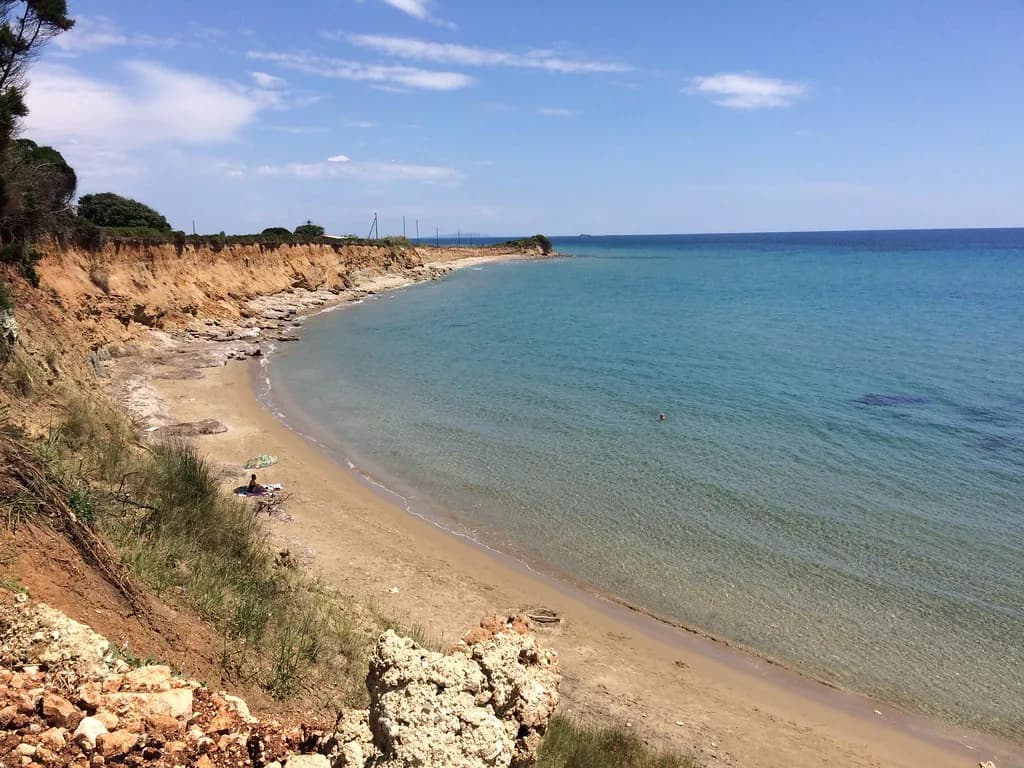
Choice of base changes what you get for that money. Paleokastritsa on the west coast is described as one of the island's most beautiful resorts, with six coves and Agios Spyridon as its best-known beach, while Lakones sits in the mountains about ten minutes' drive above it with the Bella Vista viewpoint over the coast. Mountain villages tend to trade beach access for outlook and lower prices.
Practical filters help. Search for rooms with a kitchenette if you plan to eat in, compare board basis options such as room only, breakfast included and half board, and remember that breakfast-included rates sometimes cost little more than room only. A kitchenette also lets you shop once and eat well on the days when resort restaurants are closed.
Getting Around: Car Hire and Fuel Versus Airport Taxis
Car hire is the cost line that most changes a Corfu budget. One family reported paying £100 for a week's car hire plus £25 for a child seat at the end of March, with about 60 euros of petrol covering a full circuit of the island; cars are handed over full and must be returned full. Split between four people, that compared favourably with taxis or buses for their itinerary. Airport taxi fares reported for 2024 show what a car-free arrival costs. The figures were about 100 euros to Kavos in the south, a journey of roughly 65 minutes; 85 euros to Sidari in the north, about 45 minutes; and 65 euros to Paleokastritsa in the west, about 30 minutes. Night-time journeys cost more, so a late landing is worth factoring in before you decide against a car.
Distances are modest but slow. The island is small enough that a drive across its width from the airport to the west coast took around 30 minutes, while a north-to-south drive takes about two hours, and mountain roads through villages can narrow to a single car's width. Hirers should compare firms rather than assume the first quote is representative, and confirm insurance and fuel terms at pickup.
Buses: Green Long-Distance and Blue Town Services
Corfu runs two bus systems, and knowing which one you need changes your daily costs. Green buses cover longer journeys across the island, while blue buses handle shorter routes around Corfu Town. Both are described as considerably cheaper than taxis, which makes them the obvious option for travellers based in town without a car.
The trade-off is timing and reach. A bus-based trip works best from Corfu Town, where routes and food options concentrate, but out-of-season services and remote beaches reward a car. If your itinerary centres on the Old Town, the Liston Arcade, the Old Fortress and the museums, staying in town and using buses can remove the hire car line from your budget entirely.
Ask at the bus station or your accommodation which service reaches your chosen beach before committing, since not every coves-and-castles itinerary is served well. For travellers comparing Greek destinations on cost grounds, our Chania prices guide offers a useful counterpoint on how Cretan costs are usually broken down.
Eating Out: Taverna Meals, Coffee and Set Menus
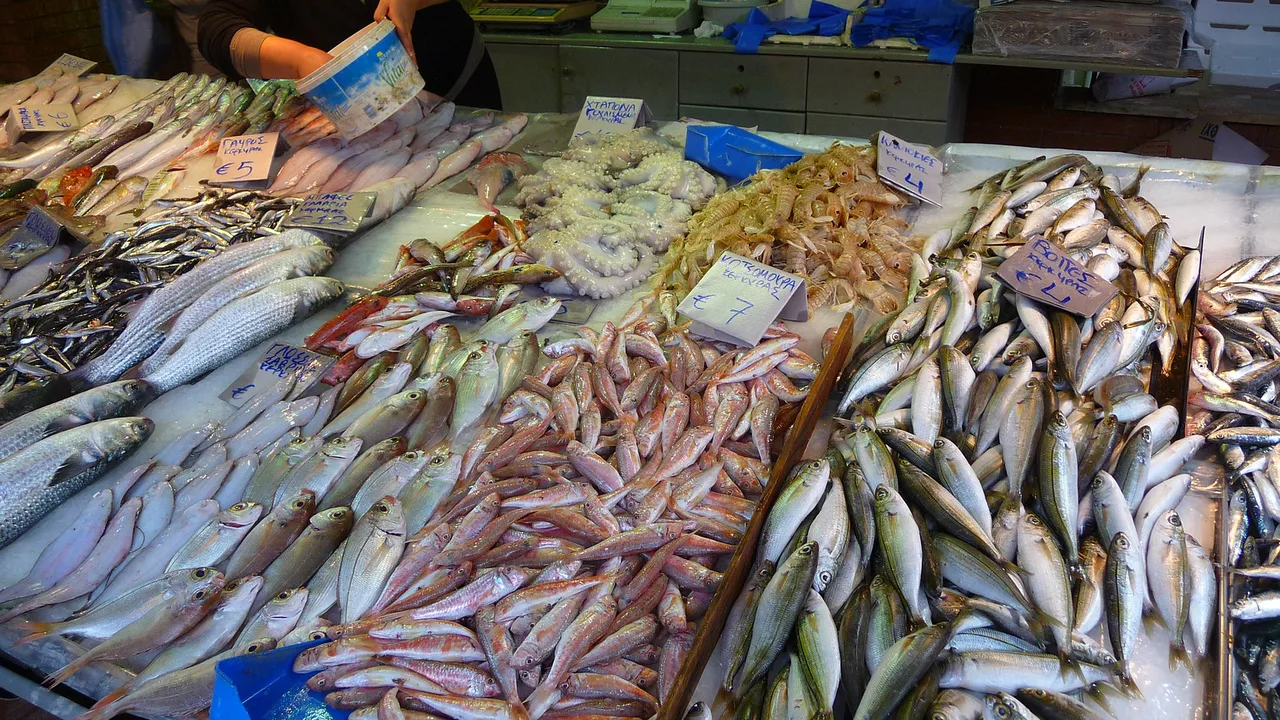
Eating out is the least budget-friendly option if you do it for every meal. A standard two-course lunch or dinner for three adults and a baby, with soft drinks, was reported at around 50 to 60 euros on average in local tavernas during a March visit, when resort restaurants were shut. Expect higher totals in summer and once alcoholic drinks are added. Smaller purchases add up in a different way. A coffee and croissant breakfast was reported at roughly 5 to 6 euros in the island's coffee shops, so a family of four buying breakfast out every day spends a noticeable sum before lunch. An older forum thread from 2012 also mentions set menus at around 9 to 10 euros including a drink, which illustrates the budget end of the range at that time rather than today's prices.
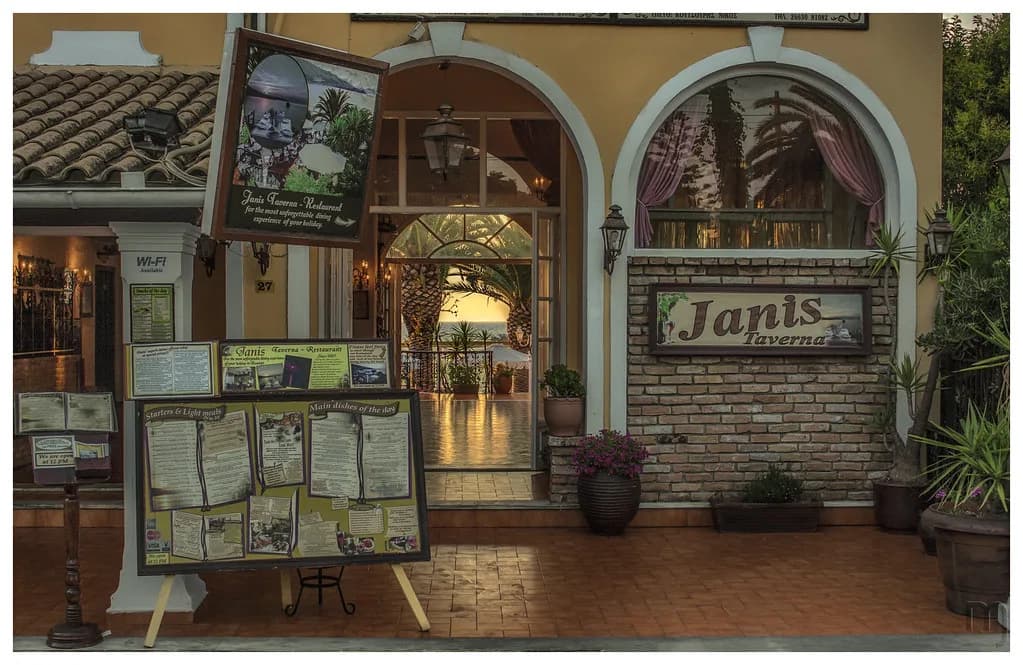
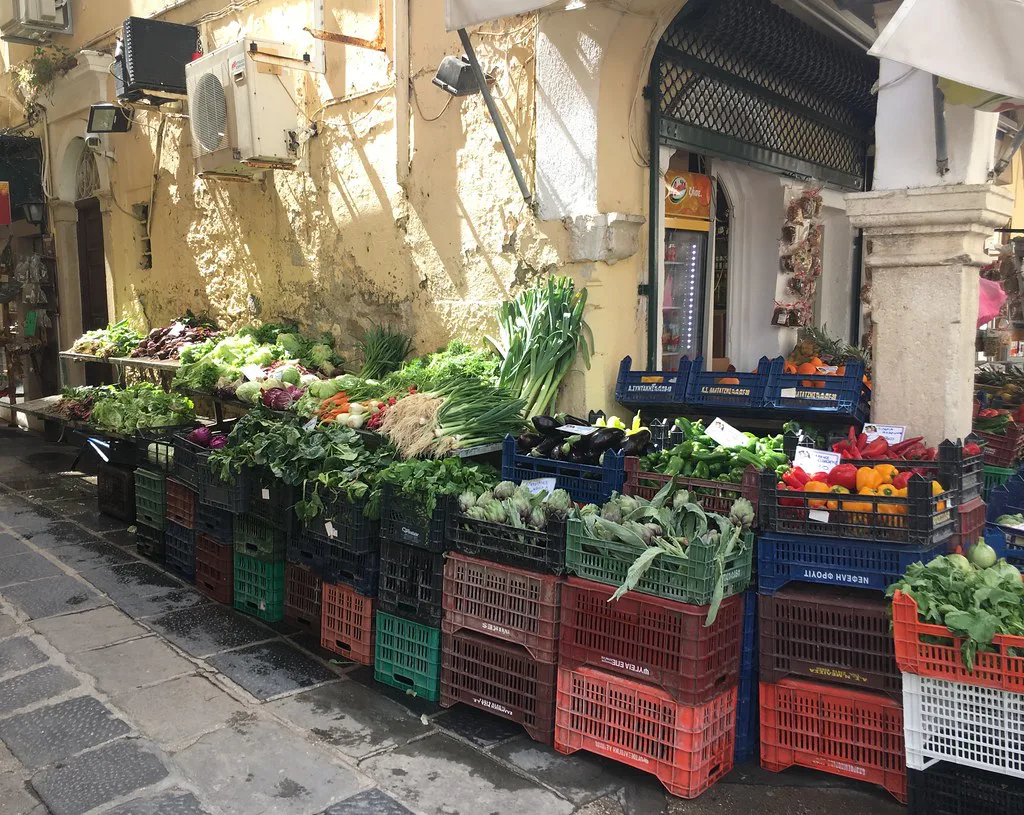
Where you eat changes the bill as much as what you order. Harbour tables in Kassiopi and view tables above Paleokastritsa charge for the setting, while back-street tavernas in Corfu Town and village squares in the hills generally keep prices lower. Our guide to the best restaurants in Corfu Town and the Kassiopi harbour options help you match the place to the occasion.
Ordering local dishes also keeps a meal affordable. Corfu sofrito is a braised meat dish in a garlicky white wine sauce, typically served with potatoes, and it appears on many village menus; learn how it is prepared and served before you go. If you want a structured introduction to the island's cooking, a Corfu food tour or cooking class can bundle tasting and explanation into one price, which is worth comparing with ordering several dishes yourself.
For a fuller picture of which dishes appear where, from pastitsada to bourdeto, the Corfu Food Guide explains the local repertoire and the drinks that go with it. That matters for budgeting, because a single plate of the day in a village square usually costs less than a multi-dish order aimed at visitors, and knowing the names makes it easier to ask for the cheaper option.
Eating In: Supermarket Breakfasts, Simple Dinners and Wine
Self-catering is the most reliable way to hold down food costs. The reported March approach was a supermarket breakfast of pastries, yoghurt, bread and coffee in the apartment, plus a few home dinners of salad, cold meats, olives and cheese with fresh bread, olive oil and balsamic vinegar. Everyday bottles of wine are another inexpensive supermarket buy rather than a restaurant order. Buying breakfast and a few dinners in keeps the daily food spend low, and comparing current supermarket and taverna prices when you arrive will tell you how far the budget stretches.
This only works if your room has a kitchenette, so filter accommodation accordingly rather than assuming one. The compromise is time spent shopping and cooking on holiday; the gain is that eating in on two or three nights can offset a view-table dinner elsewhere. Making lunch from breakfast bread is another common saving, though it is best done discreetly where a hotel provides the breakfast.
Local drinks are worth pricing into the plan. Corfu Kumquat liqueur, made from the small citrus fruit grown on the island, is a typical souvenir and a modest addition to a supermarket basket compared with bar prices. Buying a bottle to take home is usually cheaper than drinking the equivalent in a bar, and it doubles as a gift.
Resort Versus Local Village: Where Cheap Food Is Open in March
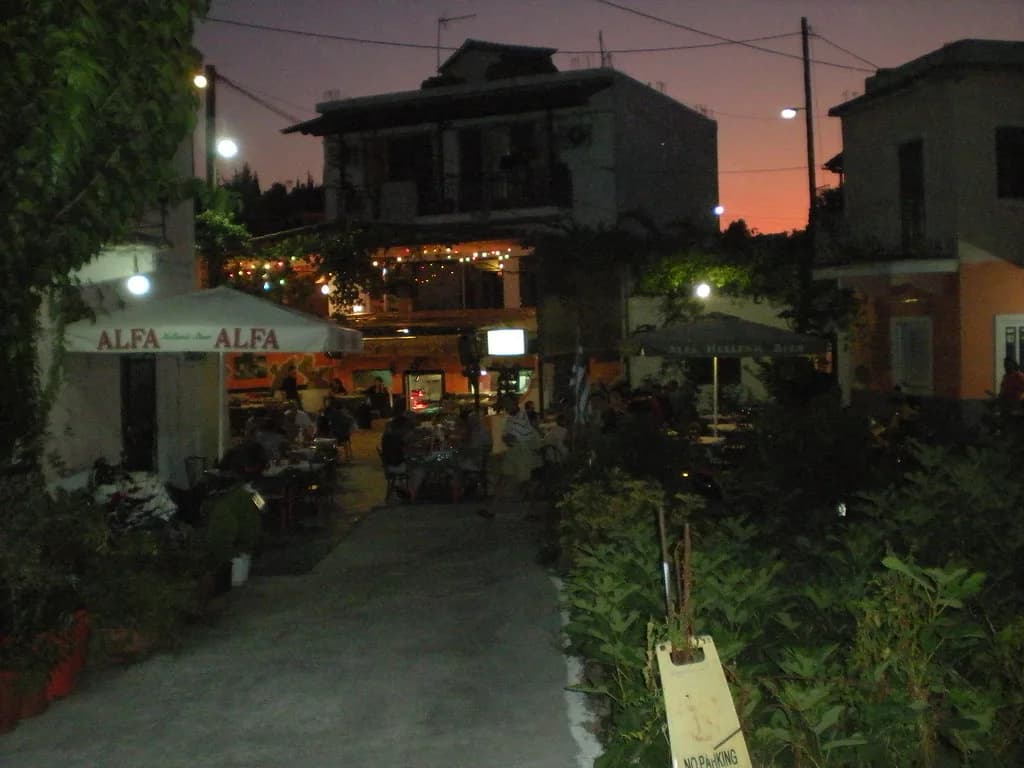
Early-season eating depends on which part of the island you are in. Many bars and restaurants in tourist resorts begin opening in early April, with most open by the start of May; before then, resort-oriented restaurants may simply be shut. The practical response is to head for local towns and villages where tavernas serve local people year-round.
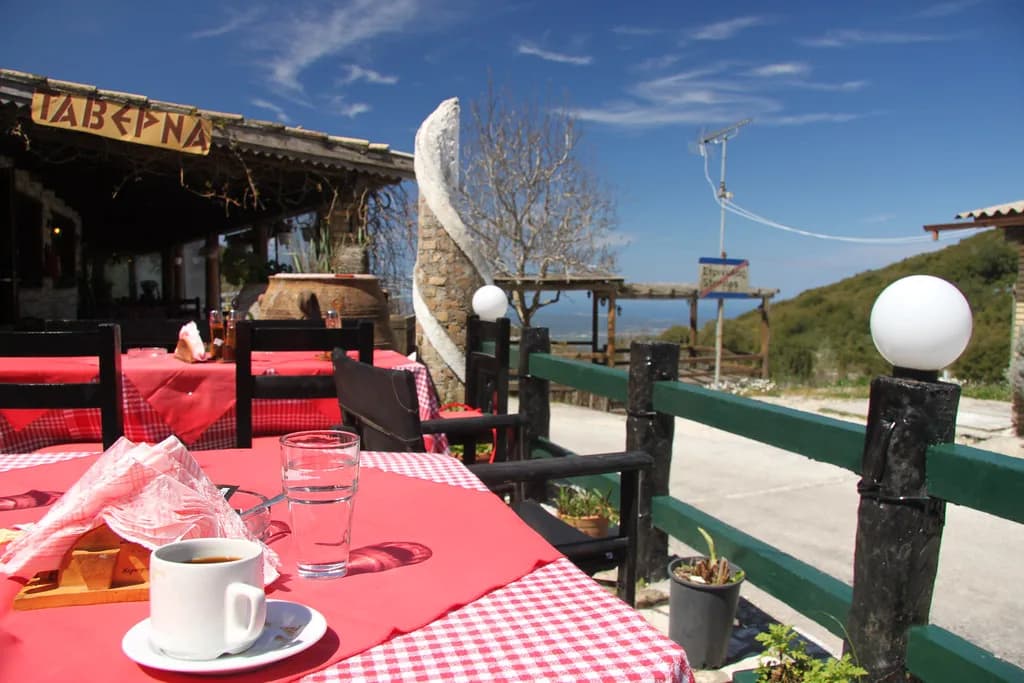
That constraint shapes value rather than spoiling it. Village tavernas in places such as Lakones, above Paleokastritsa, offer a more local menu and lower bills than a summer resort strip, and they are the realistic option if you travel in March. If you want the widest choice of restaurants alongside the Old Town sights, Corfu Town is the safer base before May.
Some sights and viewpoints are available regardless of restaurant opening dates. The walk up to the Theotokos monastery above Agios Spyridon beach, the climb to Angelokastro Castle, and the Vlacherna Monastery about ten to fifteen minutes south of the Old Town all reward an out-of-season visit without depending on resort opening hours. Pair a morning sight with a village lunch to keep the day economical.
Corfu Town Versus the Beach Resorts: Car-Free Trade-Offs
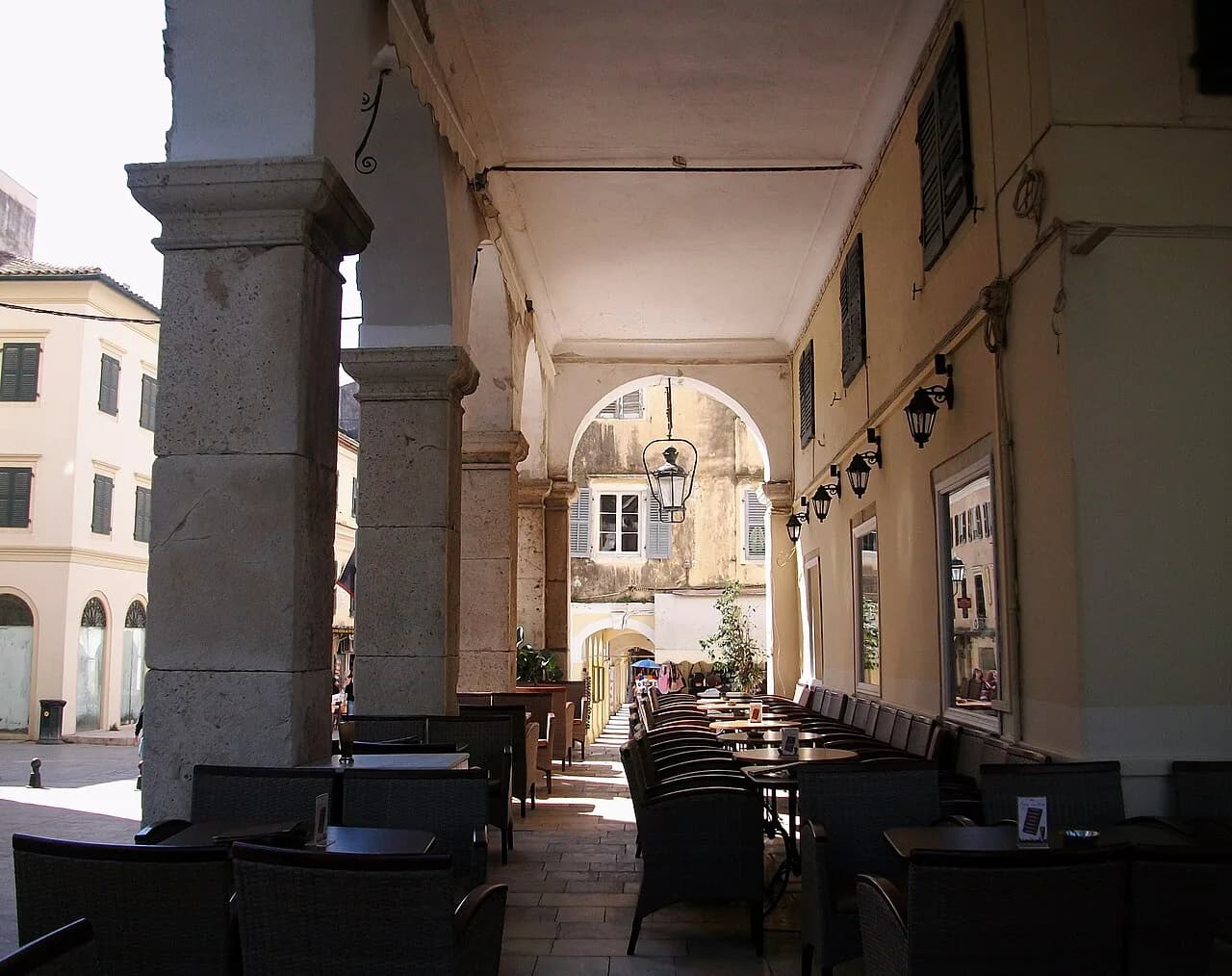
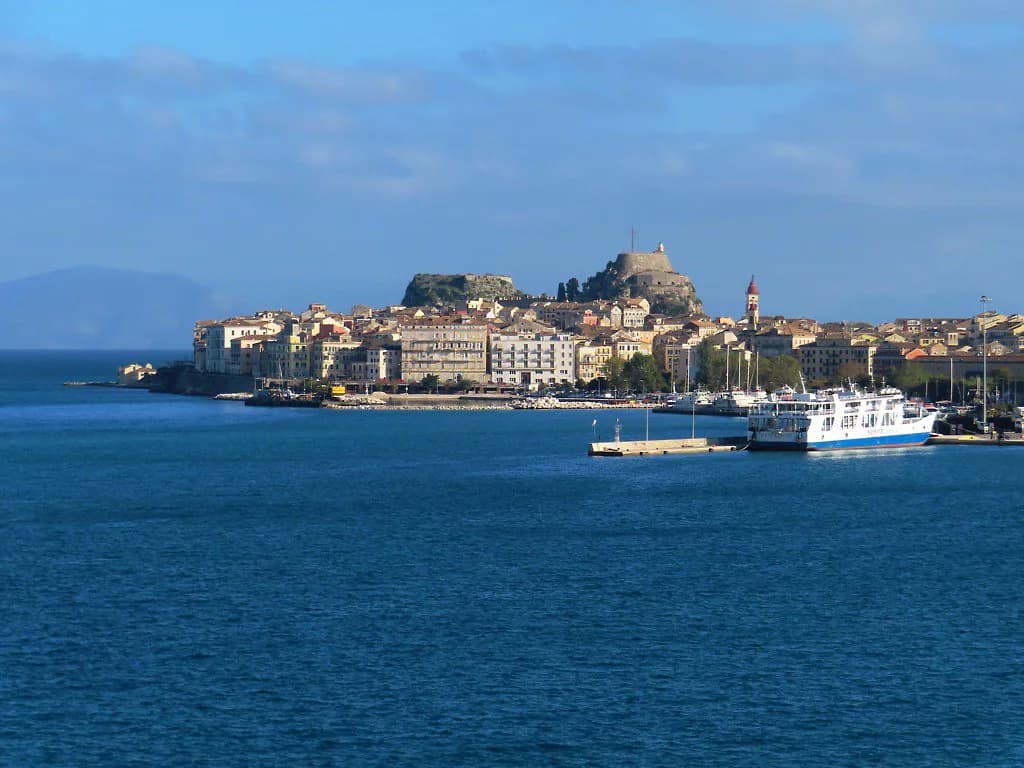
For travellers without a car, Corfu Town is the efficient base. It is the busiest place to stay out of season, has the most food and drink options, and from there you can reach sights by bus or taxi; the Old Town itself has been a UNESCO World Heritage Site since 2007, with cobbled streets, forts and the Liston Arcade. That concentration usually beats a remote resort on both cost and convenience.
Beach resorts make more sense with a car or a very settled itinerary. Paleokastritsa rewards anyone who wants coves and a monastery viewpoint nearby, and Lakones rewards anyone who values outlook over beach access, with The Golden Fox hotel and its restaurant offering panoramic sea views in the area. Nights in these resorts are priced for the summer, so off-season rates are where the value sits, and our Paleokastritsa restaurant guide covers where to eat by the coves.
Kassiopi and the northeast coast suit a slower harbour-based stay, with Wave bar overlooking the harbour named among the options for a coffee or meal. If a beach and a town each morning matter more than nightlife, this sort of base pays off; if you want bars and clubs every night, the north-east is not the right choice.
Nightlife Resorts: Kavos Peaks in July and August
Kavos is the island's dedicated nightlife resort, compared in character to Magaluf and Malia, with bars and clubs such as Rolling Stones Bar, Snobs and Buzz attracting a young crowd. It is priced for peak season, and July and August are when prices reach their highest. Outside those months the resort is quiet, and the advice for budget travellers is to avoid it before 1 May, when it is described as dead.
May and June bring the opening of bars and clubs, a calmer scene and what the report calls amazing prices, while the beach itself is not considered one of the island's best. Travellers who want nightlife and low costs should aim for late spring; travellers who want quiet or good swimming should look elsewhere on the island.
Common Mistakes That Inflate a Corfu Budget
The first mistake is booking August and expecting old-season prices. The second is choosing all-inclusive when you intend to eat out, since the food tends to be more generic and the format ties you to the resort; compare the cost of breakfast included or half board against room only before paying for meals you will skip.
The third is arriving by air and taking a long taxi ride to a remote resort without checking the fare first, when a hire car split between passengers can cost less for a week. The fourth is underestimating how much small purchases such as coffee, snacks and drinks add up over seven days.
Finally, some travellers spend freely on summer evening meals while missing the daytime sights that make the island distinctive. The Old Fortress climb, the Vlacherna Monastery and the walk up to Paleokastritsa's monastery cost far less than a long restaurant dinner, and they are described as available around the year.
Verdict: Who Finds Corfu Cheap and Who Pays Summer Prices
Corfu is cheap for travellers who come in March, April or May, stay somewhere with a kitchenette, hire a car or use the buses, and split their meals between tavernas and self-catering. The reported experience of an out-of-season trip shows how far a modest budget stretches when accommodation and a hire car are booked early in the year. It is expensive for anyone who books August, chooses a nightlife resort, takes taxis everywhere and eats every meal out, particularly with alcohol. The same apartment costs far more in high season, and that sets the tone for everything else. Neither outcome is inevitable, but both are predictable from the choices made before booking.
For a longer view of how Corfu compares with the rest of the country, our guide to what Greece costs overall and our Chania prices breakdown are useful references before you fix a month. Use them to set expectations, then confirm every rate you rely on with the hotel, hire firm or taxi rank directly.
Plan Your Corfu Budget
The cheapest lever is the calendar. Late March and April bring lower room rates, quieter roads and village tavernas serving local people, at the cost of some rain and closed resort restaurants. May onward widens your choice of places to eat while prices climb toward the July and August peak.
The second lever is your base and transport. Corfu Town plus buses works for a car-free itinerary focused on the Old Town and nearby sights, while a car opens up Paleokastritsa, Lakones and the north coast but adds hire, fuel and parking to your budget. Decide which you need before booking accommodation, and use our guide to the best tavernas in Corfu to plan where the money goes.
The third is food. Mixing supermarket breakfasts and a few simple dinners with taverna lunches keeps the total down without missing the local cooking, and choosing back-street or village tables over view tables cuts the bill further. The full restaurant guide to Corfu groups places by area so you can see what is near your base, and any rate or opening time you rely on should be confirmed with the business directly, since the figures here are reported examples rather than live prices.
Explore more Corfu sauna guides
Frequently Asked Questions
Is Corfu expensive compared with other Greek islands?
Corfu's costs sit within the normal range for a Greek island, with the season making more difference than the island itself. An older forum thread described it as no more expensive than any other Greek island, and the reported March-to-August gap in apartment prices shows how much timing matters. Check what is included in a quoted rate before comparing islands.
How much does a week in Corfu cost?
There is no single figure. An out-of-season family trip reported its apartment, hire car, child seat and fuel as separate line items, with taverna meals extra, and the apartment rate for August was several times higher. Build your own total from confirmed quotes for your dates rather than relying on averages published for another season.
Is it cheaper to visit Corfu in April or August?
April is generally cheaper on accommodation and quieter on the roads, though some resort restaurants may still be closed and the weather can bring rain. August has the widest choice of places to eat and the warmest weather, but rooms and meals cost the most, so book early if summer is your only option.
Do you need a car in Corfu?
Not if you base yourself in Corfu Town and rely on the green long-distance buses and blue town buses. A car helps for Paleokastritsa, Lakones and remote beaches, and a week's hire split between passengers can cost less than repeated taxis, but you must weigh fuel, parking and mountain driving.
Are taxis in Corfu expensive?
Airport journeys are the ones to price in advance, because the destination changes the fare and reported rates for the main resorts differ by tens of euros, rising further at night. Ask the rank outside arrivals for the fare to your specific accommodation before setting off.
Are restaurants in Corfu open in March?
Many resort restaurants open in early April, with most open by the start of May, so March choices are limited outside towns. Local villages with tavernas serving local people are the reliable option early in the season, and Corfu Town has food options year-round. If you are counting on a particular dining room, ask your accommodation.
Is self-catering cheaper than eating out in Corfu?
Usually, if your room has a kitchenette, because supermarket breakfasts and simple cold dinners cost a fraction of a taverna meal, as the reported family figures suggest. The trade-off is shopping and cooking time, so many travellers mix both and eat out mainly at lunch.
Is Kavos expensive?
Kavos is a nightlife resort that prices itself for July and August, when rates and bar prices peak. It is described as dead before 1 May, with bars opening gradually in May and June at lower prices, so early summer is the cheaper window if you want that scene.
Sources
Notes for eating well in Greece
Optional updates to our guides.
You might also like
Continue reading
More guides you'll find useful