
Archaeological Museum of Rethymno: What to See and How to Plan Your Visit
The Archaeological Museum of Rethymno is a small regional museum housed inside a former monastery church in the old town of Rethymno, on Crete. Its collection draws on finds from across the Prefecture of Rethymno, so it is the place to make sense of the antiquities you pass on the island's roads and hillsides.
Two things set expectations before you arrive. The official site presents a temporary exhibition rather than a fully reinstalled permanent display, and it covers a long span from the Palaeolithic period to the end of Venetian rule in the 17th century. Both details shape how much time the museum deserves in a day already full of old town lanes.
Where the Museum Is in Rethymno Old Town
The museum's address is Agiou Fragkiskou 4, 74131 Rethymno, inside the church of Agios Fragiskos, according to the museum's own site. The Ephorate of Antiquities of Rethymno, the regional archaeological authority, lists its offices separately on Arkadiou street, so do not confuse the two when planning a route.
In practice this puts the entrance in the compact grid of the old town, a short and roughly estimated walk from the Venetian harbour and the lanes that run inland from it. You do not need a car or a bus for this one: park outside the old town walls or arrive on foot, then navigate by the street name rather than by a street number you can spot from a distance.
Because the museum sits within the old town rather than on its edge, it works best as one stop in a walking loop rather than a dedicated excursion. Treat the surrounding lanes as part of the visit and let the museum break up the afternoon.
The Building: A Church That Is Part of the Exhibit
The museum occupies the catholicon, or main church, of the monastery of Agios Fragiskos, a monument of the 16th century. Knowing this before you enter changes the visit: you are reading cases inside a religious building from the Venetian era, not in a purpose-built gallery.
That setting explains why the space feels modest and why the architecture deserves some of your attention alongside the objects. Look up and around as well as down at the display cases, and budget a few minutes for the shell of the building itself.
What the Collection Covers
The museum's temporary exhibition covers a broad chronological range, from the Palaeolithic period through to the end of the period of Venetian rule in the 17th century AD, as the museum describes it. The objects come from sites around the Prefecture of Rethymno, which makes the collection a regional story rather than a greatest-hits survey of Crete.
For a traveller, the payoff is context: pottery, tools and everyday material from the area you are driving through, arranged so the sequence of occupiers and periods becomes legible. If you have already visited Knossos or the big museum in Heraklion, expect a different scale and register here, with local depth replacing blockbuster spectacle.
A Short Glossary for Reading the Labels
Palaeolithic means the Old Stone Age, the earliest period of human tool-making represented in the display, so expect coarse stone implements rather than painted pottery. Venetian period refers to the centuries when Crete was ruled from Venice, ending in the 17th century, which is why the collection's latest material looks so different from the earliest.
Place names on the labels will mostly be villages and sites within the Rethymno region; the museum's remit is the prefecture, so treat unfamiliar names as places to look for on a map afterwards rather than as destinations in themselves. The Ephorate of Antiquities of Rethymno is the body responsible for the region's antiquities and publishes institutional information separately from visitor details.
Check the Exhibition Before You Build a Day Around It
The museum's site frames what is on view as a temporary exhibition, so the specific objects and layout can change between visits and between seasons. If the museum is the main reason for your stop in Rethymno, look at the official pages shortly before you travel to see what is currently displayed.
That advice matters most for repeat visitors who saw the collection years ago, and least for first-timers who simply want a regional overview. Either way, do not assume a fixed gallery layout or a fixed set of star objects.
Opening Hours, Tickets and Closures
Opening hours and ticket prices are not detailed here, and one third-party listing asserts free entry without official backing, so treat any figure you see elsewhere with caution. Check the museum's own site for current hours and admission before you go, and read the signage at the entrance on the day.
Seasonal variation is plausible for a museum of this size, but nothing in the available information specifies which months or days it applies to. Plan your old town walk so the museum slot can move, and keep an outdoor alternative ready in case the doors are shut.
How Much Time to Allow
This is a small museum on the scale of a single historic building, so most visitors will need well under an hour, and many will be satisfied in twenty to thirty minutes. Plan it as a short, focused stop rather than a half-day, and give yourself permission to leave once the chronological sequence has become clear.
If you like reading every label, allow longer and bring the glossary above with you; if you are travelling with children or on a tight schedule, pick two or three rooms and move on. The trade-off is simple: depth here versus breadth elsewhere in the old town, and the museum rewards the former only if you have the time to spare.
Nearby: Harbour, Fortezza and Old Town Lanes
Outside the door, the old town does most of the work. The Fortezza of Rethymno, the Venetian citadel on the hill above the town, is a roughly estimated ten to fifteen minutes on foot from the museum area, and the walk up gives you the layout of the whole peninsula.
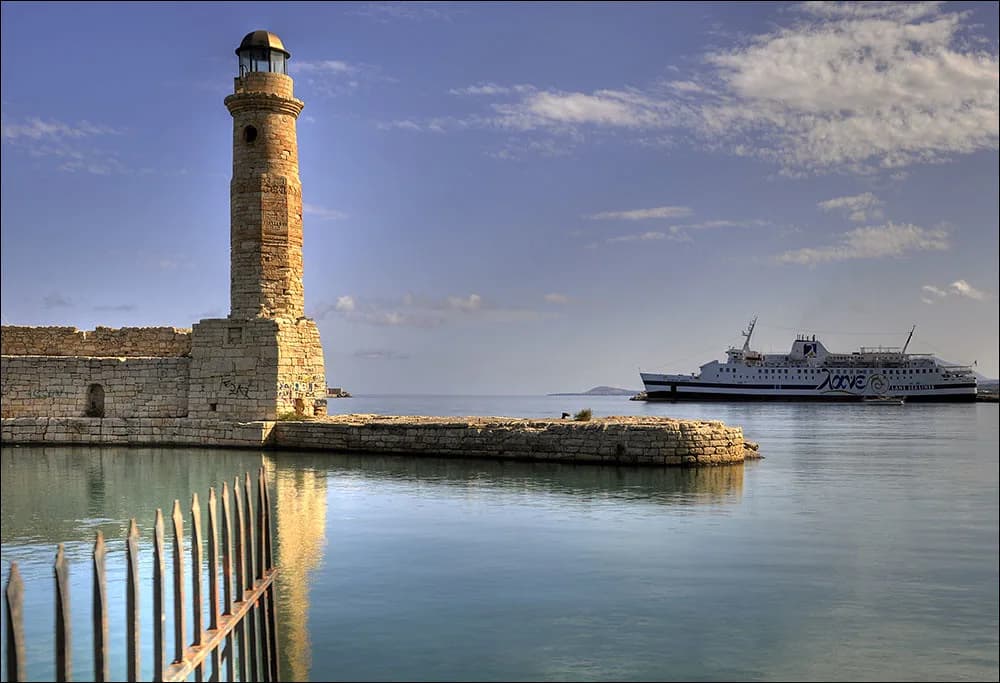
The Venetian harbour sits on the other side of the old town, with its old breakwater and lighthouse marking the seaward edge of a short walking circuit. Two or three other small sights, including the Rimondi Fountain in Rethymno, sit between the museum and the water and can be folded into the same loop.
Taken together, the museum, the lanes, the fountain and the harbour make a comfortable half-day without any transport at all. Add the Fortezza only if you have the energy for the climb, and save the harbour for the end so you can sit down.
Who It Suits, and Who Should Skip It
The museum suits travellers based in Rethymno who want the region's archaeology explained where it was found, and anyone building a picture of Cretan history beyond the Minoan palaces. It also works well for a hot or rainy hour when the old town's streets lose their appeal.
Skip it, or keep the visit short, if your priority is a world-class collection: the Heraklion Archaeological Museum holds the island's best-known Minoan material and deserves a dedicated trip of its own. For comparison with other archaeological museums in Greece, the Archaeological Museum of Rhodes shows how a historic building can frame a collection, and the Archaeological Museum Corfu illustrates the same point with its famous pediment.
Pairing the Visit With a Meal
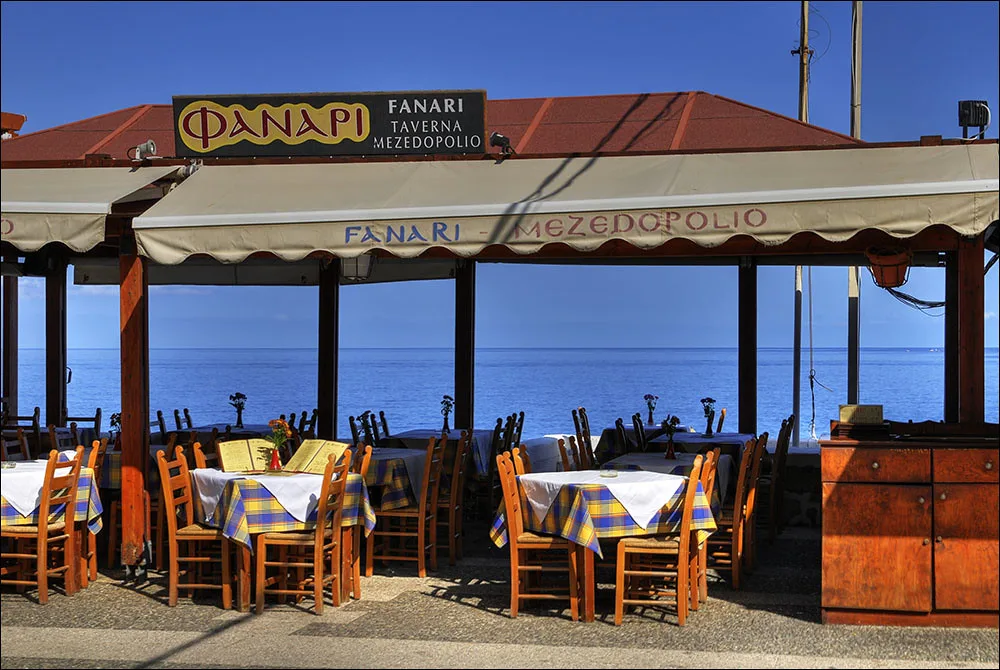
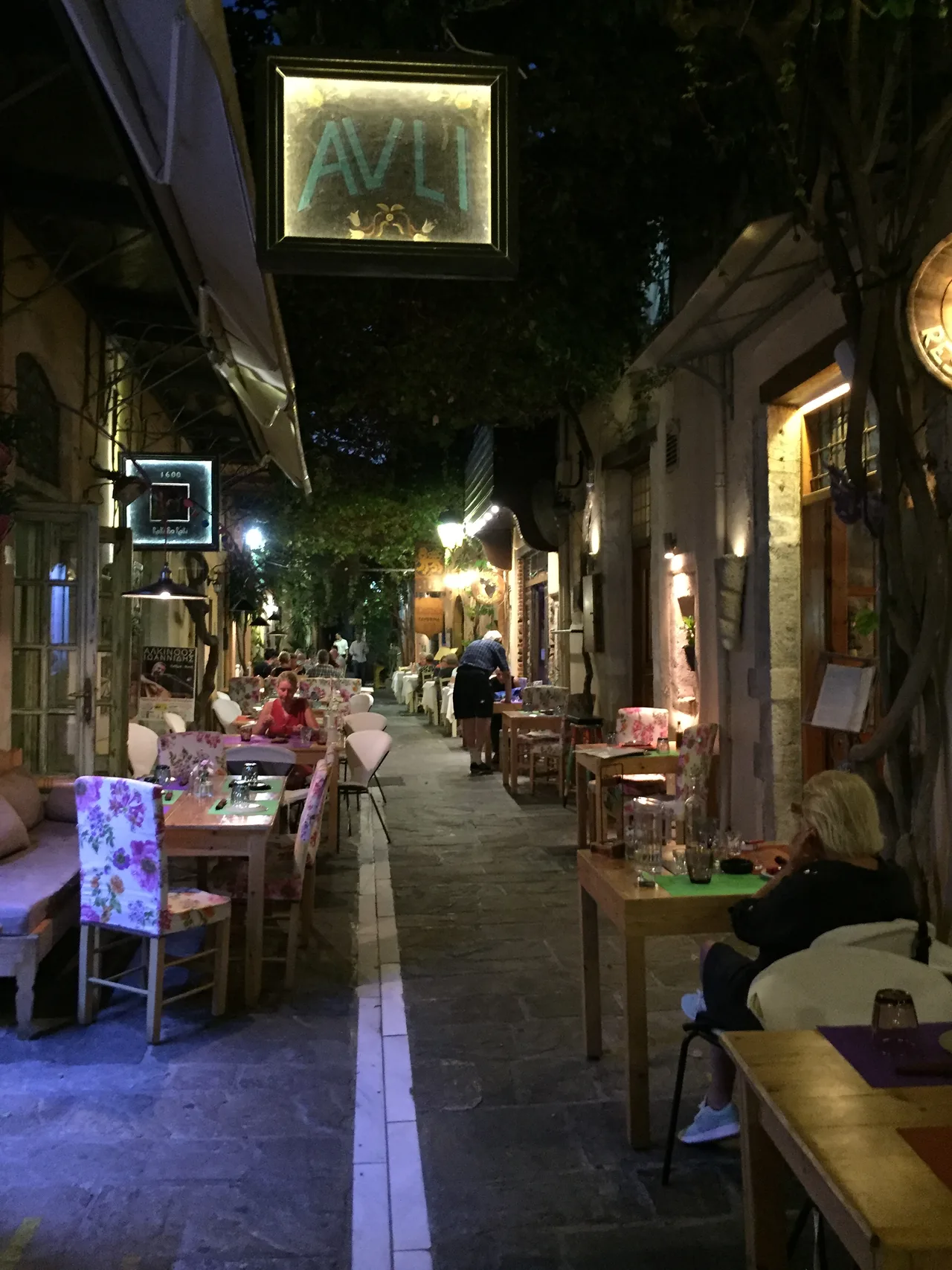
Old town tavernas and bakeries cluster within a few minutes of Agiou Fragkiskou street, so lunch or a late breakfast fits naturally after the museum. The familiar trade-off applies: tables on the Venetian harbour buy you the view and often a higher bill, while the back streets a few lanes inland generally offer better value for the same Cretan dishes.
For a lighter stop, look for a bakery selling kaltsounia, small Cretan pastries folded around cheese or greens, or a bougatsa, a filled filo pastry usually eaten warm. Prices vary by venue, so compare the menu board before you sit down; a harbourfront table does not automatically cost more than one a street back.
Common Mistakes and a Final Check
The usual mistakes are treating the museum as a large national collection, arriving without confirming it is open, and rushing the building itself in favour of the cases. Give the church a few minutes, keep the visit short, and pair it with the lanes outside rather than with a second museum the same afternoon.
Before setting out, check the museum's official site for current hours and what is on display, and glance at the entrance notices when you arrive. Those two checks cover the details that change and let the rest of your old town day run on foot.
Plan Your Visit
The Archaeological Museum of Rethymno is a short, inexpensive-feeling stop in the old town rather than a destination in its own right, and its value lies in the combination of a 16th-century monastery church and a regional collection spanning the Palaeolithic to the Venetian period. Build it into a walking day that includes the harbour and the lanes, and confirm hours and the current exhibition before you go.
If you have only one day in the area and want the island's headline archaeology, spend it in Heraklion instead; if you have an afternoon in Rethymno, this museum and the streets around it will fill it comfortably.
Explore more Rethymno sauna guides
Frequently Asked Questions
Where is the Archaeological Museum of Rethymno?
It is at Agiou Fragkiskou 4 in Rethymno, inside the church of Agios Fragiskos in the old town. The entrance is within the compact grid of lanes, a short walk from the Venetian harbour, so it is easiest to reach on foot rather than by car.
What can you see at the Archaeological Museum of Rethymno?
The museum displays antiquities from sites around the Prefecture of Rethymno, spanning the Palaeolithic period through to the end of Venetian rule in the 17th century. The building itself, a 16th-century former monastery church, is part of what you see. The museum presents this as a temporary exhibition, so the specific objects can change.
How long does a visit take?
Plan on well under an hour, and often closer to twenty or thirty minutes for a focused walk-through. The museum occupies a single historic building rather than a large gallery complex, so it fits easily into an old town walking loop.
Is the museum free?
Admission details are not confirmed here. Check the museum's official site before you travel and read the notices at the entrance on the day, since third-party listings are not reliable on this point.
Is it worth visiting compared with the Heraklion Archaeological Museum?
They serve different purposes. Heraklion holds the island's best-known Minoan collection and deserves a dedicated trip; Rethymno offers regional context in a historic church and suits travellers already spending time in the old town.
Is the museum open year-round?
Opening patterns are not specified in the information available, so check the official site for the dates of your trip. Keep a backup outdoor stop in case the museum is closed when you arrive.