
Four Martyrs Church (Tesseris Martyres) in Rethymno: What to See and How to Visit
The Church of the Four Martyrs, known in Greek as Tesseris Martyres, is one of the easiest old-town stops in Rethymno to fit into a walk between the Venetian harbour and the lanes around the Rimondi Fountain. It is a working Orthodox church rather than a museum piece, and it commemorates four local men rather than an older Venetian or Ottoman patron. This guide keeps the visit focused on that one building: where it sits, how to approach it on foot, what the memorial is about, and what to see around it nearby.
What the Four Martyrs Church Is
Tesseris Martyres means Four Martyrs in Greek, and the dedication points to four men from Rethymno who were executed in 1824 for refusing to convert to Islam during the Ottoman period. The church building is modern by Cretan standards, and one travel account dates its inauguration to 1975, with the four honoured as Orthodox saints in 1837. Treat those specific years as details to confirm on the spot, because they come from a single secondary account rather than a parish publication; the name and the 1824 story are the parts that matter most for understanding what you are looking at.
This is not a Venetian monument, and it should not be confused with the older buildings that dominate the old town. It is an active parish church, so a visit is a short, respectful pause rather than a ticketed attraction. If you are building a route through the old town, it works as a deliberate stop rather than a passing glance from the street.
Where It Is in the Old Town
The church sits inside Rethymno's old town, the preserved medieval quarter that the national tourism organisation describes as one of the best-preserved in Greece, with Venetian fortifications mixed among Orthodox and Catholic churches, minarets and old hammams. Orientation is simple once you are inside the old town: use the Porta Guora, the surviving Venetian gate, as your entry point and the Rimondi Fountain as your central landmark. The church is a short walk from both, so it slots naturally into a loop of the lanes rather than requiring a separate trip.
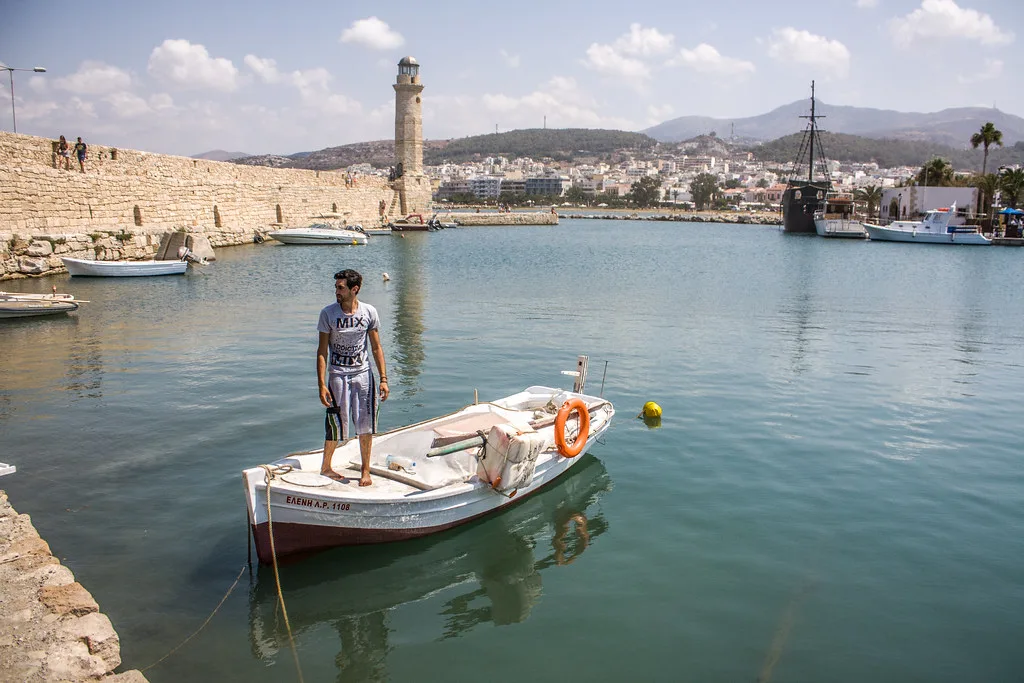
If you are coming from the waterfront, walk inland from the Venetian harbour and the Egyptian lighthouse that marks its entrance, then follow the old-town lanes uphill toward the fountain and the gate. Distances inside the old town are short, but the streets are narrow and unsigned in places, so allow more time than the map suggests. The Rimondi Fountain, built in 1626, is the most reliable point to reset your bearings, and the church is within a few minutes of it.
How to Get There
Rethymno sits on Crete's northern coast between Chania and Heraklion, and the usual approach is by air to Chania Airport followed by a drive of roughly an hour and twenty minutes, according to the national tourism organisation's directions. Once you are in the city, the old town is compact and best covered on foot; leave the car outside the historic centre and walk in. The harbour strip and the beach road are both within walking distance of the old-town lanes, so most visitors never need a bus for this stop.
If you are staying on the beach strip, walk west along the waterfront to the old harbour and enter the old town from there. For buses, parking rules and any seasonal timetable changes, check the municipal website or a local tourist office rather than relying on printed guides, since services vary by season. Wear shoes that cope with polished stone and uneven steps, because the old-town lanes and the harbour edge are both hard going in smooth soles.
The Four Martyrs Story
The four were local men put to death in 1824 during the Ottoman period for refusing to renounce their Orthodox faith. They were recognised as saints in 1837, which is why the church carries their name rather than that of a biblical figure or a foreign saint. The story places the church in Crete's long record of resistance, a theme that runs through other monuments on the island, including Arkadi Monastery, where a powder-magazine explosion in 1866 became one of the defining episodes of Cretan history.
Because the church is modern and the memorial is local, the visit is more about context than architecture. Reading a short account of the 1824 executions before you arrive makes the interior and the iconography far easier to follow. If you want the fuller story, combine the church with Arkadi Monastery outside the city, where the 1866 events are documented in a small museum.
What to See Inside and Around the Church
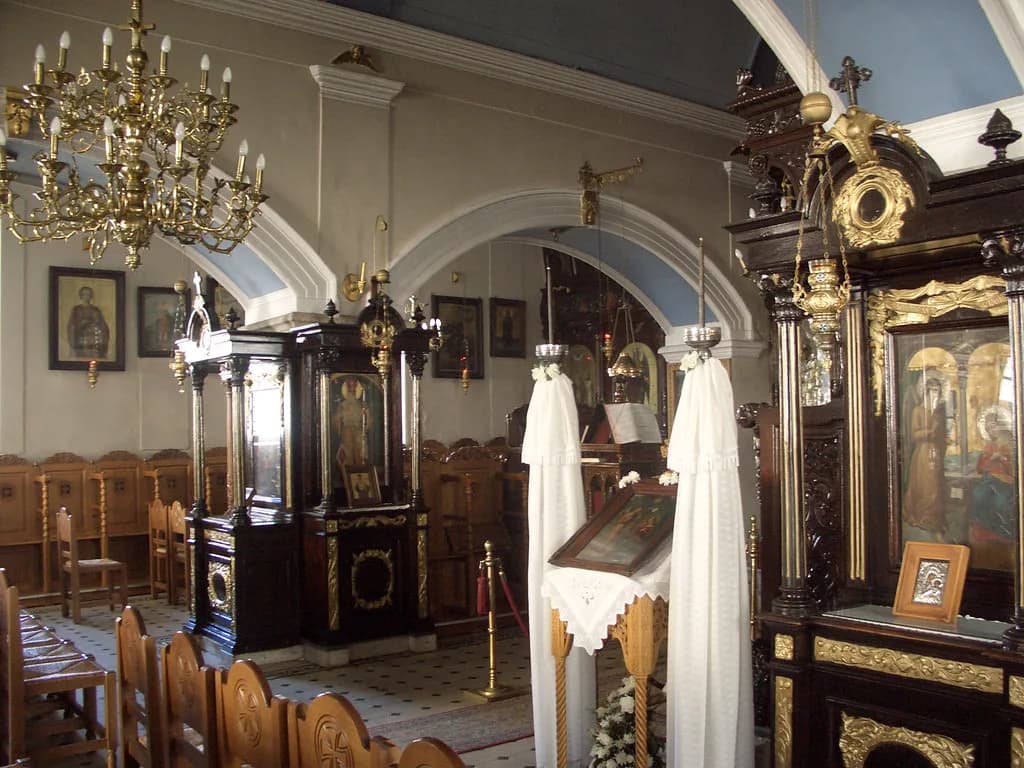
Expect a compact Orthodox interior with an icon screen, icons and the usual arrangement of a working parish church rather than the exposed masonry of a ruin. Photography inside may be restricted, and services take priority over visitors, so keep any visit short and stay toward the back if a liturgy is under way. Images of the church exterior and interior are available online if you want a preview before you go, but they are not a substitute for checking the door on the day.

Outside, the church sits within a dense old town where Venetian residences, arches, vaults and gardens with bougainvillea fill the surrounding lanes. Walk a few minutes in any direction and you reach the fountain, the gate and the shopping streets, which is what makes the church a natural mid-point rather than a destination on its own. The waterfront below adds the harbour, the lighthouse and the long beach front, all within a short walk.
How Much Time to Allow
Plan on roughly twenty to thirty minutes for the church itself, plus walking time from wherever you start in the old town. That is enough to look around the interior, read the memorial context and step back out without rushing, and it leaves room for the fountain and the gate on the same loop. A half-day in the old town comfortably covers the church, the harbour and one larger sight such as the Fortezza.
If you are short on time, do the church and the harbour together and skip the climb to the fortress. If you have a full day, start at the harbour, walk up through the lanes to the church and the fountain, then finish with the Fortezza, which dominates the old town from above. Either way, keep the church as a short stop rather than a long visit, since it is an active place of worship.
Nearby Sights Worth Pairing
The Rimondi Fountain is the closest landmark, a Venetian fountain with Corinthian capitals that sits in a small square in the heart of the old town and still adds a cool pause to the surrounding lanes. The Porta Guora, the old city gate from the Venetian period, is the natural entry point if you are walking in from outside the historic centre. Both are free to look at from the street and need only a few minutes each.
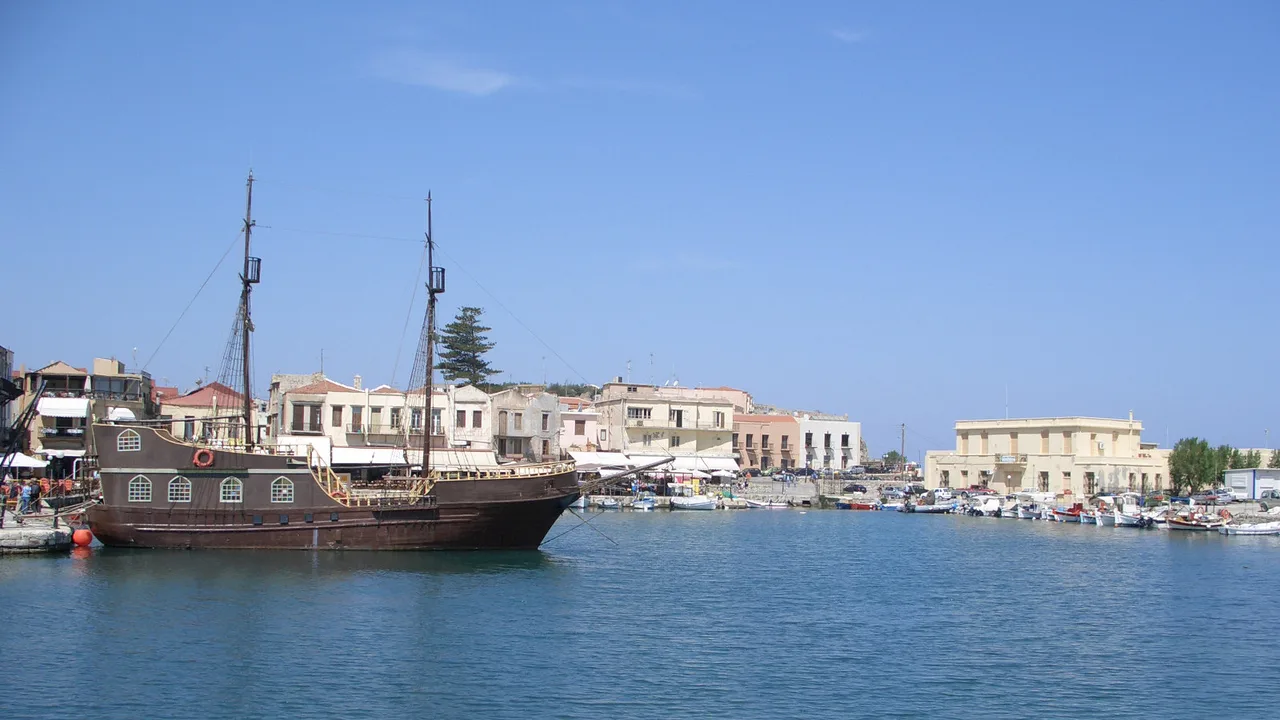
Down at the water, the Venetian harbour and its Egyptian lighthouse, built in the 1830s, are the classic Rethymno view, and the old breakwater walk is short and level. For a wet-weather or hot-midday alternative, the archaeological museum occupies the former Church of Saint Francis and holds finds from the region, including material from Minoan sites. Check its hours before you set out, since small museums often keep shorter days than the churches.
Practical Etiquette for a Working Church
This is an active Orthodox church, so dress modestly with shoulders and knees covered and keep voices low inside. If a service is in progress, wait at the back or come back later rather than walking through the middle of it, and leave photography alone where a sign or a member of staff discourages it. A small donation is customary in many Greek churches, though nothing should be assumed about entry fees.
Opening times, service schedules and any restoration closures are not something to rely on from a general guide. Check the parish noticeboard on the door, ask at your accommodation, or contact the local municipality before making a special trip. This is the one detail most worth confirming on the day, because a closed door is the most common disappointment at small city churches.
Food and Coffee Nearby
The old-town lanes around the church are full of coffee shops and tavernas, and the national tourism organisation notes the aromas of Cretan cuisine throughout the quarter. Look for dakos, a barley rusk topped with grated tomato and myzithra cheese, kalitsounia, small cheese or herb pastries, and raki, the grape spirit often brought to the table after a meal. Menus and prices vary from place to place, so read the board outside before sitting down.
For a quick stop, a coffee and a pastry in the lanes costs less than a sit-down meal with a harbour view, and the trade-off is simple: the waterfront gives you the lighthouse and the boats, the back streets give you quieter tables and shorter waits. If you want a proper lunch, eat after the church rather than before, so the walk up from the harbour is done while you are still fresh. Prices are posted at the entrance in most places, but confirm the total before ordering anything sold by weight.
Plan Your Visit
The Four Martyrs Church is a short, meaningful stop that fits neatly into an old-town walk between the Venetian harbour and the Rimondi Fountain. Go for the local story and the working-church atmosphere, allow twenty to thirty minutes, and pair it with the gate, the fountain and the waterfront rather than treating it as a destination on its own. Confirm the door is open before you build a day around it.
Explore more Rethymno sauna guides
Frequently Asked Questions
Where is the Four Martyrs Church in Rethymno?
It stands inside Rethymno's old town, a short walk from both the Porta Guora gate and the Rimondi Fountain. If you are coming from the Venetian harbour, walk inland from the waterfront and up through the lanes toward the fountain, then ask locally for Tesseris Martyres if you cannot spot it.
Who were the Four Martyrs of Rethymno?
They were four local men executed in 1824 during the Ottoman period for refusing to convert to Islam, and they were later recognised as Orthodox saints. The church carries their name, and images and short accounts of the church online give the background before you arrive.
Is the Four Martyrs Church open to visitors?
The church is an active Orthodox parish, and its opening times, service schedule and any restoration closures are not published in the general travel sources used here. Check the noticeboard at the door, ask at your accommodation, or contact the local municipality before making a special trip.
How long should I spend at the Four Martyrs Church?
Allow roughly twenty to thirty minutes for the church itself, plus walking time within the old town. That covers a look at the interior and the memorial context, and leaves room to add the Rimondi Fountain, the Porta Guora and the harbour on the same walk.
Is Crete Catholic or Orthodox?
Crete is overwhelmingly Greek Orthodox, and the Four Martyrs Church is a working Orthodox parish. Rethymno's old town also contains Catholic churches and former mosques, a legacy of its Venetian and Ottoman periods, so the quarter shows several layers of religious history.
What can I see near the Four Martyrs Church?
The Rimondi Fountain, the Porta Guora gate, the Venetian harbour with its Egyptian lighthouse, and the archaeological museum in the former Church of Saint Francis are all within a short walk. The Fortezza, the Venetian fortress above the old town, is a longer climb but pairs well with the church on a half-day loop.