
Halki, Naxos: What to See, Eat and Know Before You Go

Halki sits in the Tragea valley, the fertile inland bowl of Naxos and a different island from the beach strip around Chora. It is a village stop rather than a coastal base, so the day revolves around lanes, a distillery, one Byzantine church and a long lunch on the square.
This guide covers what the village offers, who it suits, how to reach it, and where the practical edges are. It deliberately stays in Halki and its immediate surroundings rather than stretching into a whole-island itinerary.
What and Where Halki Is
Halki, also written Chalki, is an inland village in the Tragea valley, reached by road from Naxos Town rather than along the coast. That location is the point: it puts you among olive groves and citrus orchards instead of sunbeds, and it shapes how you plan the day.
It formerly served as an island capital, which explains the neo-classical mansions and marble-paved lanes that give the centre more weight than a simple farming village might suggest. If you are working out how Halki fits against the harbour and beach districts, the Naxos Neighborhoods: 3 Area Guides is the place to compare them.
Treat Halki as a half-day or a slow full day, not a base for swimming. Anyone planning a week that mixes coast and interior will usually split the stay rather than try to do both from one address.
Who Halki Suits and Who It Does Not
Halki rewards people who like wandering lanes without a fixed route, visiting small distilleries and churches, and sitting over a long lunch. It also suits anyone driving the mountain-village circuit who wants one stop with real texture rather than a photo pause.
It is less useful for beach-first travellers who want to walk out of their room into the sea, or for anyone relying on frequent evening buses back to Chora. The village is quiet by design, and the evening choice you get in Naxos Town is simply not here.
One documented catch is timing. Much of the old town in Chora closes for siesta in the mid-summer heat, and travellers report the same midday pattern in the mountain villages, including restaurants shutting in the afternoon, according to the Naxos guide published by The Common Wanderer.
Orientation on Foot: Lanes, Square and Mansions
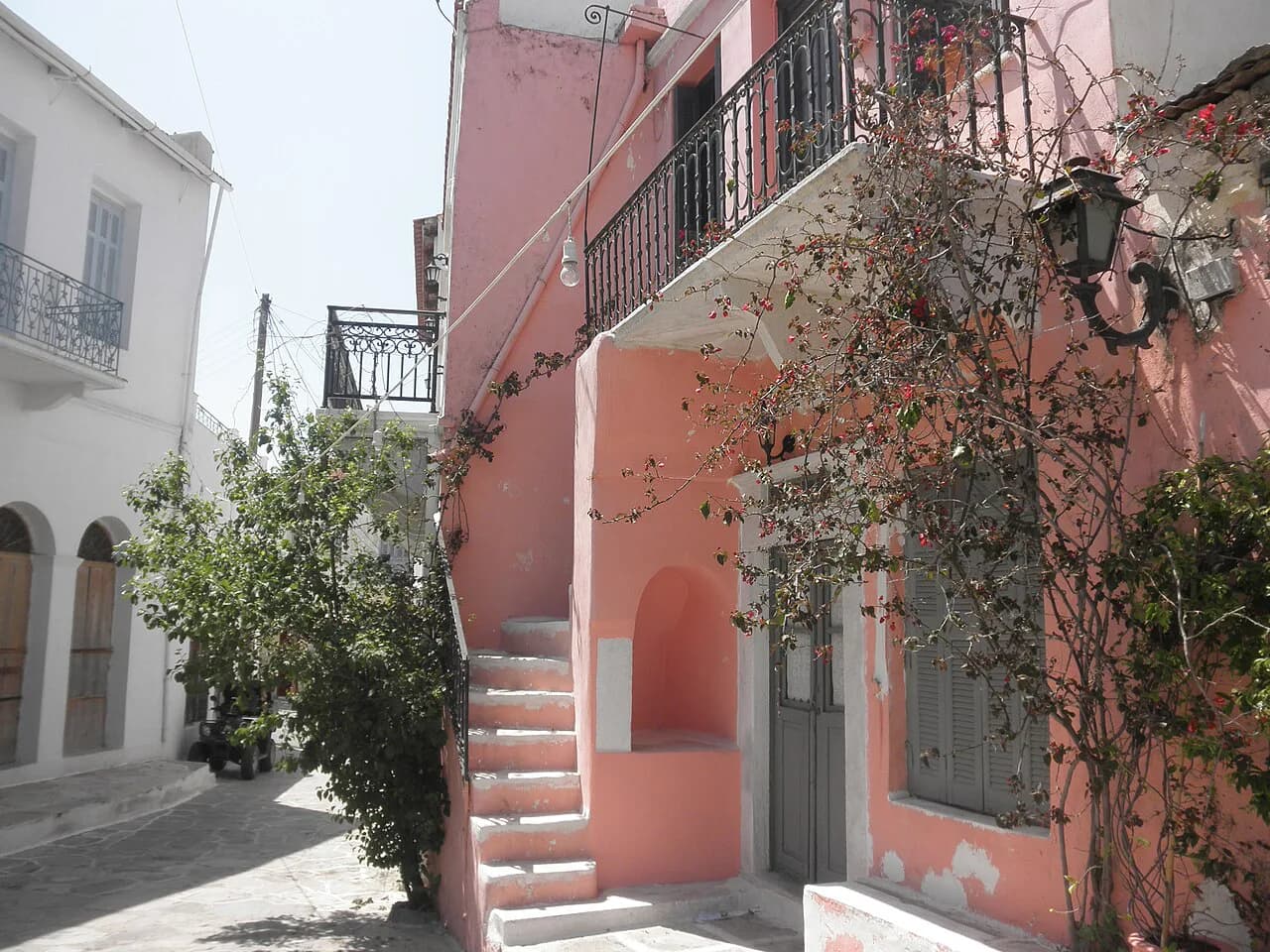
The village is small enough to cover on foot in an hour or two, but the pleasure is in the detours. Marble-paved lanes run between stone houses, and the neo-classical mansions left from Halki's period as an island capital sit among them rather than in a separate quarter.
Use the shaded main square as your anchor. It is where the tavernas cluster, where you will wait if you arrive before lunch service, and the easiest landmark to return to after wandering.
Wear shoes with grip, since polished marble underfoot is slippery when dusty or damp. Go early morning or after five in summer, when the heat eases and the lanes are pleasant rather than scorching.
Vallindras Kitron Distillery
Kitron is a citron liqueur, made from the fruit of the citron tree rather than from lemons, and Halki is its home on Naxos. The Vallindras Kitron Distillery in the village is the address to look for if you want to see how it is produced.
Travel writers name the distillery, but the island's official tourism site does not publish its opening days, tour times or tasting arrangements. Look those up directly with the distillery before you build the day around it, and remember that a small producer's hours can change with the season.
Budget twenty to forty minutes for a distillery stop, and longer if you plan to taste and buy. It pairs naturally with the square, since both sit within the village core.
Church of Saint George Diasoritis
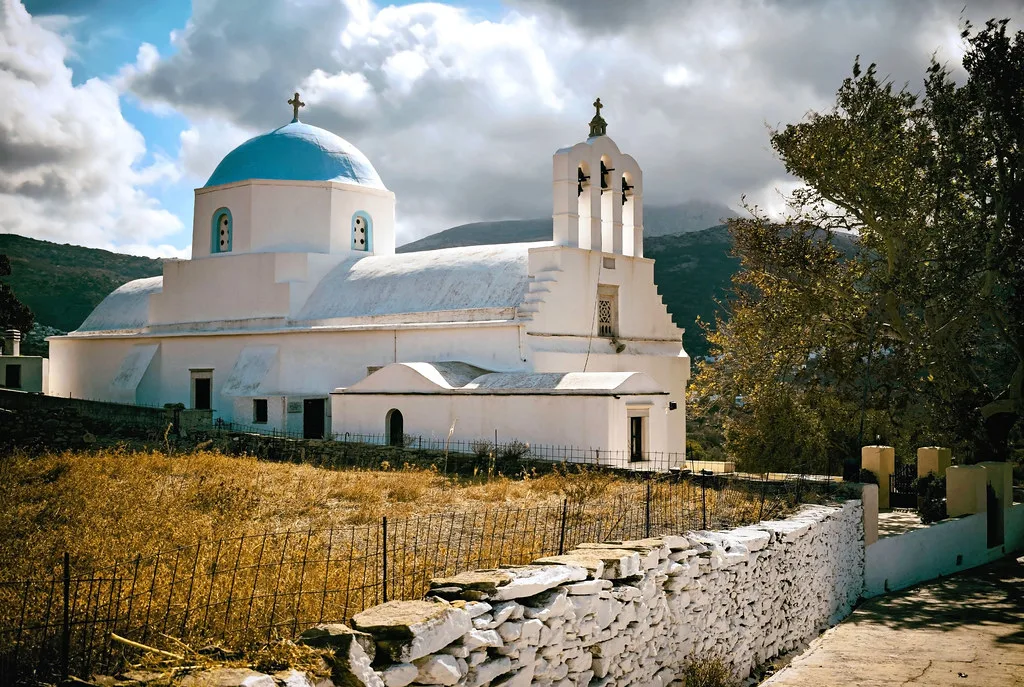
The Church of Saint George Diasoritis is an 11th-century Byzantine church a short walk outside Halki, set among olive groves. The walk out is part of the visit, so allow time for it rather than treating the church as a two-minute add-on.
Time this walk for early morning or late afternoon, when the exposed path is out of the worst heat. Midday in the Tragea valley is relentless in July and August, and the walk offers little shade.
No published source confirms the church's opening hours or whether it is kept locked, so ask in the village on the day before setting off. If it is closed, the olive grove walk still justifies the detour.
Eating in Halki: Square Tavernas and Long Lunches
Eating here means the square, where tavernas serve the kind of home-cooked Greek food that goes with a long, unhurried table. The pattern travellers describe is straightforward cooking, jugs of local wine and bills that stay modest in the mountain villages, though no Halki taverna is named in the available sources. If the island's taverna scene is the main draw, our Mykonos food guide shows how the same meal is done on a busier island.
Order the way the village eats: a few shared plates of fava, a yellow split pea purée served with onion and olive oil, plus grilled meat or a slow-braised dish, and bread to mop up. Fava is the standard Cycladic starter and a reliable test of a kitchen.
Because restaurants in the mountain villages close in the afternoon, aim to sit down by about one o'clock rather than drifting in at three. If you want dinner in Halki instead, confirm on arrival that the kitchen is serving that evening, then rely on Naxos Town for a wider choice.
Shopping and Small Stops
The Fish & Olive Gallery is the best-known small stop in Halki, a shop associated with contemporary ceramics and art rather than souvenir clutter. It is named in travel coverage rather than official sources, so check its season before making it the reason for the trip.
Allow an hour for browsing in total, including the gallery and any small produce or craft shops around the lanes. Carry cash, since small village shops can be slow with cards and some prefer it outright.
If ceramics appeal, the Chora market is the other place to look, and the Naxos Town Guide covers where it sits in the old town.
Where to Stay: Halki Versus Chora
Halki has very little accommodation compared with the coast, and the hotels that appear in published Naxos guides sit on Plaka, at Agios Prokopios and in Chora rather than in the village. Unless you find a village guesthouse that suits you, the practical base is Chora or the western beaches.
Staying in Naxos Town gives you evening restaurants, harbour walks and the Portara at sunset, at the cost of a drive inland to reach Halki. Staying at Agios Georgios puts you on the beach side of town with windsurfing water and a short walk into Chora.
The counter-argument for a village stay is atmosphere: quiet mornings, no traffic and the square to yourself. If that matters more than evening choice, ask a village guesthouse directly about minimum nights and late-season closures.
Getting There and Around
Halki is reached by road from Naxos Town, and having your own wheels makes the difference if you want to combine it with other Tragea villages. Buses are described as reliable for Chora, the main west-coast beaches and larger villages, while a car is the easier way to reach the quieter interior.
The classic circuit runs from Chora up through the mountain villages and back via the coast. Halki sits naturally between Filoti and the coast road, so pair it with Filoti, Naxos, and continue to Apiranthos, Naxos for marble lanes and hill views.
Within the village you walk, so park on the edge and leave the car rather than trying to thread the lanes. Fill up before you leave Chora, since inland filling stations are sparse.
Practical Notes for a Halki Day
Plan around heat and hours. Arrive by mid-morning, walk the lanes and the church before the sun hardens, then take the distillery and lunch through the early afternoon and drive on once the worst heat has passed.
Keep one reminder to check current details for the distillery and any taverna you have set your heart on, since village hours shift with the season. Cash for small shops and a full water bottle cover most other surprises.
Nearby: What Else Fits the Same Day
Mount Zas, the highest peak in the Cyclades, rises above the Tragea valley and its trailheads sit near Filoti, which makes a morning walk and an afternoon in Halki a workable pairing. The hike is exposed and loose near the summit, so it needs proper shoes and an early start.
For a calmer add-on, the coastal districts around Chora fill the evening. The Agios Georgios Naxos guide covers the beach-side base if you want to end the day with a swim.
Plan Your Visit
Halki works best as an inland half-day built around marble lanes, a kitron distillery visit, the walk to Saint George Diasoritis and a long lunch on the square. Go early, eat by one, and keep the afternoon free for the drive back through the villages.
Check distillery and taverna hours before you commit the day, and confirm transport so you are not stranded after the kitchen closes. For the wider context of where Halki sits among the island's districts, the Naxos guide to neighbourhoods is the place to start.
Explore more Naxos sauna guides
Frequently Asked Questions
What is there to do in Halki, Naxos?
Walk the marble lanes and neo-classical mansions, visit the Vallindras kitron distillery, take the short walk out to the 11th-century Church of Saint George Diasoritis, browse the Fish & Olive Gallery, and eat a long lunch on the shaded main square. It is a village day, not a beach one.
Is Halki worth visiting on Naxos?
Yes, if you want an inland village with real texture rather than another coastal stop. It suits wanderers, distillery and church visitors and long-lunch eaters. It is less useful if your priority is sea swimming or evening choice, since the village is quiet and closes early by town standards.
How do you get to Halki from Naxos Town?
By road from Chora, either with a rental car or on the island bus network that serves the larger villages. A car makes it easier to combine Halki with Filoti and Apiranthos in a single loop. Check local bus times for the return leg.
What is kitron and where is it made?
Kitron is a citron liqueur made from citron fruit, and Halki is its home on Naxos. The Vallindras Kitron Distillery in the village is the place to look for it. Opening days and whether tastings are running change with the season, so check before you build your day around it.
Are there restaurants in Halki, Naxos?
Yes, tavernas on the main square serve home-cooked Greek food, with fava and grilled or braised dishes as the usual order. Kitchens in the mountain villages tend to close in the afternoon, so aim to sit down around one o'clock and confirm evening service in person if you want dinner there.
Should you stay in Halki or in Chora?
Chora is the practical base: it has the evening restaurants, the harbour and the most accommodation. Halki offers village quiet but very little lodging. Choose a village stay only if early nights and empty lanes matter more to you than choice at dinner.