
Archaeological Museum of Thessaloniki: A Practical Visitor Guide

The Archaeological Museum of Thessaloniki is the central archaeological museum of northern Greece, and for most travelers it is the single best place to understand what was dug out of this city and the surrounding region. Its collections run from prehistoric finds through the kingdom of Macedonia to Roman Thessaloniki, so a visit works as a compact chronology of the area rather than a random cabinet of objects. This guide covers where the museum sits, how to get there, what to see first, and how to plan hours and tickets. It covers one museum, not the whole city.
What the Museum Is and Who Should Visit
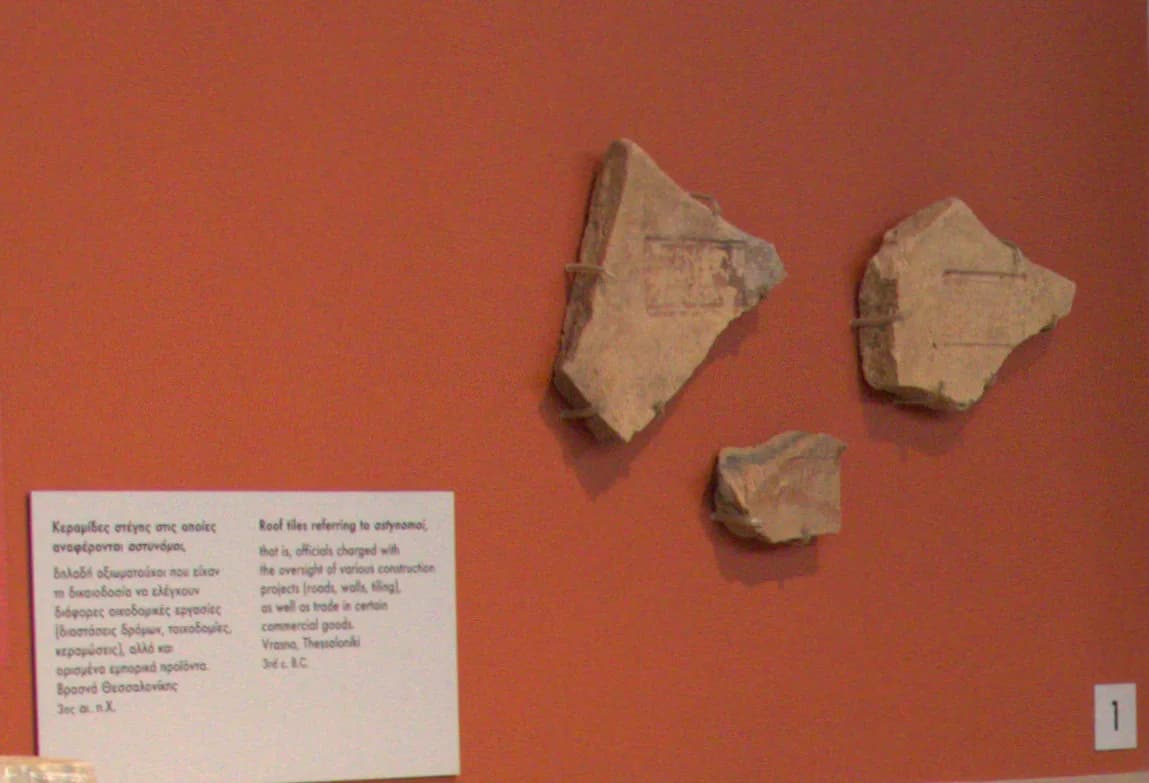
The museum holds and interprets artifacts from the prehistoric, Archaic, Classical, Hellenistic and Roman periods, drawn mostly from Thessaloniki itself but also from wider Macedonia. Practically, that means pottery, sculpture, gold grave goods, mosaics and everyday objects arranged by period, so you can follow a single thread from the Bronze Age to the late Roman city. Travelers who enjoy archaeology, parents looking for a manageable indoor stop, and anyone who wants context before walking the Roman ruins downtown will get the most from it. If you only want Byzantine art and churches, the Museum of Byzantine Culture next door is the better single stop.
Where It Is in Thessaloniki
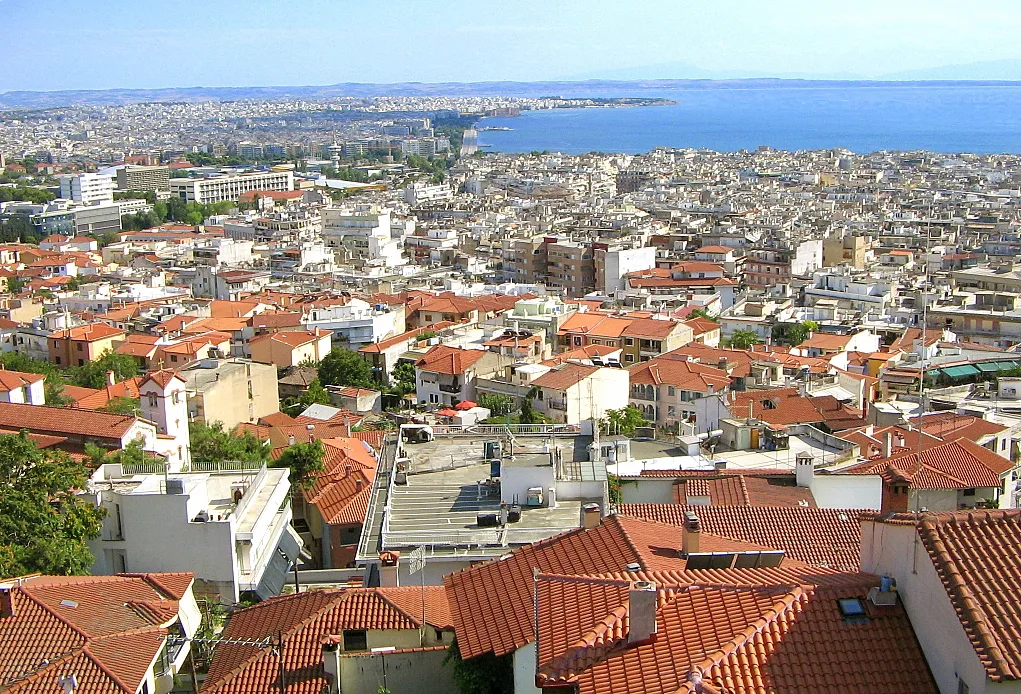
The museum stands at 6 Manoli Andronikou Street, in the city centre and a short walk from the waterfront. That address places it within easy reach of the main hotel and dining districts, so it slots naturally into a walking day rather than requiring a trip out of town. Use the street name and the museum's own directions page when you set out, because the entrance is not on the seafront road itself. It is also one of the anchors of the Thessaloniki Attractions: 8 Visitor Guides, which shows how it fits with the city's other major sights.
How to Get There on Foot, by Bus and by Taxi
From the central waterfront and Aristotelous Square area, the museum is a straightforward walk inland through the city grid; allow a comfortable margin in summer heat rather than treating it as a two-minute hop. City buses run along the main central arteries and will drop you within a few blocks, so check a current Thessaloniki transit map or your map app for the closest stop on the day. Taxis are plentiful in the centre and the ride from most central hotels is short, which makes the museum an easy rainy-day fallback. The museum publishes access directions via Google Maps on its visit pages, which is the most reliable way to confirm the final approach.
Opening Hours, Admission and Closure Days
According to the museum, it opens every day from 9:00 to 17:00 and closes on December 25 and 26, January 1, March 25, May 1 and Easter Sunday. Admission is listed as 10 euros general and 5 euros reduced, and the site also notes occasional amended hours for specific days, so confirm the date you plan to visit on the museum's own visit page. Do not budget around free-entry days unless the official site names them. This is the one place in your planning where checking the official site immediately before you go is genuinely worth the two minutes.
The Permanent Galleries, Period by Period
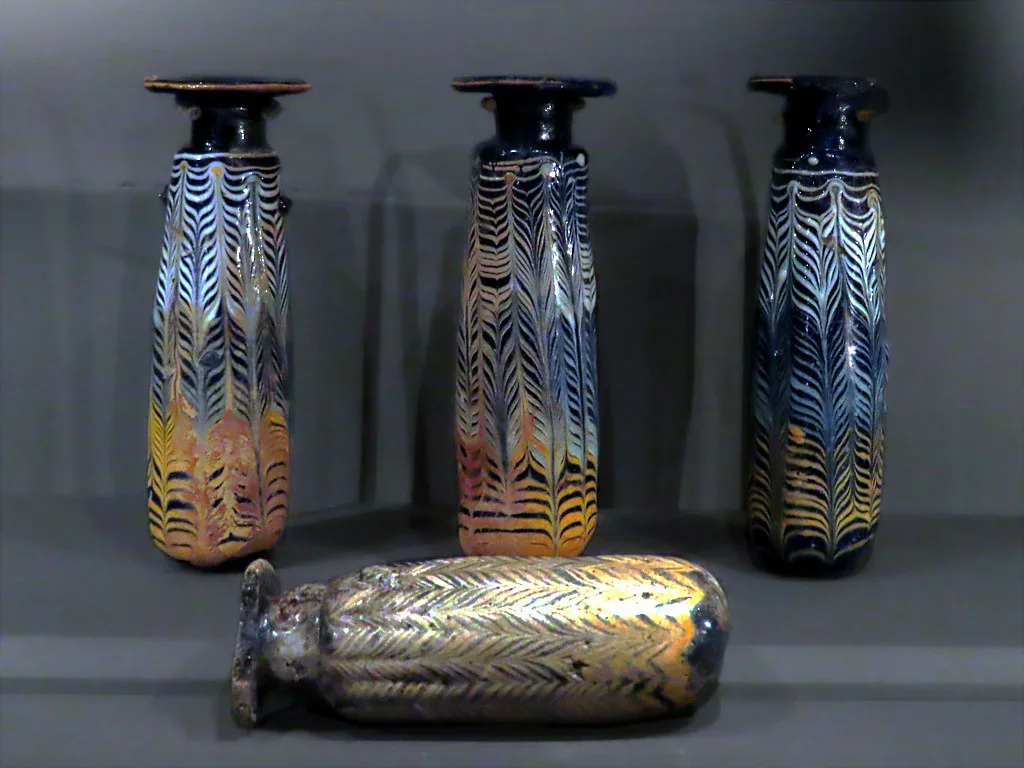
The permanent displays are organized chronologically, beginning with Prehistoric Macedonia and the transition toward the birth of cities. From there, In the Kingdom of Macedonia covers the royal and elite culture of the Macedonian kingdom, while Thessaloniki, Metropolis of Macedonia picks up the story of the city itself in the Hellenistic and Roman eras. Two galleries tend to stay with visitors longest: The Gold of Macedon, which displays gold grave goods and jewelry from Macedonian burials, and Memory in Stone, a collection of inscriptions and carved stone. A further gallery, Macedonia: From Fragments to Pixels, presents the region's material with digital reconstruction, which helps when fragmentary objects are hard to picture whole. Treat this as a chronological spine and pick your depth as you go.
What to Prioritize in One Hour vs Two to Three Hours
With one hour, head straight for The Gold of Macedon and then Thessaloniki, Metropolis of Macedonia, because those two carry the museum's signature material and the city's own story. Skip the earliest prehistoric rooms if time is tight; they reward attention but are less distinctive than the gold and the Roman-era finds. With two to three hours, add Prehistoric Macedonia at the start for context and finish in Memory in Stone, which is easy to rush but worth a slow pass. The museum's own suggested route, The Museum in an hour, is a useful template if you want a pre-set order rather than improvising. Either way, the layout is compact enough that you will not spend your visit walking corridors.
The Gold of Macedon and the Hellenistic Royal Material
The Gold of Macedon gathers gold wreaths, jewelry and grave offerings from Macedonian burials, the kind of material that defines what most people picture when they think of ancient Macedonia. What you are looking at is largely funerary: objects buried with the dead to signal status, which is why the pieces are small, precious and often intricately worked rather than monumental. Read the labels for the find spots, because the geography tells you how far the kingdom's elite culture reached beyond the city. If this gallery is your priority, go there first and let the rest of the museum follow.
Temporary Exhibitions and How They Change the Visit
The museum runs a rolling program of temporary and digital exhibitions alongside the permanent galleries, and these can be the reason to return or the reason to time a visit. The official site carries the current and archived exhibitions along with an events calendar, so see what is on during your dates rather than expecting the lineup you read about elsewhere to still apply. On a short trip, decide in advance whether you are visiting for the permanent collection or for a specific temporary show, since combining both can stretch a one-hour stop into a half day. The museum also publishes an exhibit of the month feature, which is a quick way to spot something you might otherwise walk past.
Shop, Cafe, Accessibility and Leaflets
Practical amenities are inside the building: a museum shop, the Art Cafe Terra Antiqua, and information leaflets published in around twenty languages, all listed on the museum's visit pages. The leaflets matter if you are traveling with someone who reads more comfortably in a language other than English or Greek, and they save you renting an audio guide. The museum also publishes detailed accessibility information, so travelers with mobility needs can check entrances, lifts and routes before arriving rather than discovering limits at the door. Budget a short stop at the shop if you want publications on the collections; they are the museum's own catalogues rather than generic souvenirs.
Nearby Sights: Byzantine Culture and the Roman Forum
The Museum of Byzantine Culture sits close by, making a two-museum day genuinely practical if you have the appetite for it, and it covers the period this museum largely stops short of. The Roman Forum area and the Arch of Galerius in Thessaloniki are also within reasonable walking distance in the city centre, so you can see excavated Roman remains in the open air after studying the finds indoors. Neither is a substitute for the archaeological museum, and this page is not a city itinerary; they are simply the logical add-ons if you are already in the neighborhood. Pair the museum with one of them rather than trying to chain four sights in an afternoon.

Trade-offs if You Have Only One Free Afternoon
If you have one free afternoon and a broad interest in Greek antiquity, choose the Archaeological Museum; it covers more centuries and more of the region's own material than any single site in the centre. If your interest is specifically Byzantine art, churches and icons, go to the Museum of Byzantine Culture instead and leave archaeology for another trip. If you want open-air monuments and photographs rather than museum rooms, the Roman Forum and the White Tower of Thessaloniki waterfront are the better use of a sunny afternoon. The honest trade-off is depth versus atmosphere: the museum gives you context and objects, the outdoor sites give you scale and setting, and trying to do both properly in one afternoon shortchanges each.
Lunch or Coffee After Your Visit
Because the museum sits in the city centre, you are within easy reach of the Modiano Market (Agora Modiano) area and the surrounding streets for a late lunch of small plates, grilled meat or a simple salad after your visit. Order a few mezedes to share rather than a full main each, and ask what is cooked that day instead of defaulting to the printed list. For coffee, the waterfront and Aristotelous Square are a short walk and give you a place to sit and decompress after two hours on your feet. If you want a named taverna, check current listings and opening days before setting out, since central kitchens keep their own schedules.
How the Museum Fits a Longer Thessaloniki Stay
On a longer stay, the archaeological museum works well as your first indoor stop, because the chronology it lays out makes later site visits easier to read. Do it before walking the Roman remains and the city's Byzantine churches, not after, so the labels you have already read do their work. If you are comparing archaeological collections across Greece, the museums in Chania and Corfu offer contrasting regional stories, and seeing one of them alongside Thessaloniki's makes clear how differently each region tells its past; the Archaeological Museum of Chania is the natural counterpart if your travels take you to Crete. Plan the museum for a morning or an overcast afternoon and keep the sunny hours for the waterfront.
Plan Your Visit
The Archaeological Museum of Thessaloniki rewards a planned visit more than a spontaneous one: decide whether you are doing the one-hour gold-and-Roman route or the fuller chronological pass, then check the official site for that day's hours, any amended opening times, and what temporary exhibitions are running. Confirm the admission fee and reduced categories at the same time, since these are the details most likely to change between planning and arrival. Build the visit into a city-centre walk with one nearby sight and a meal, and you will get more out of the collection than by treating it as a box to tick.
Explore more Thessaloniki sauna guides
Frequently Asked Questions
What are the opening hours of the Archaeological Museum of Thessaloniki?
The museum publishes daily opening hours of 9:00 to 17:00 and lists closures on December 25 and 26, January 1, March 25, May 1 and Easter Sunday. It also posts amended hours for particular dates, so check the official site for the day you plan to visit before you travel.
How much does it cost to visit the Archaeological Museum of Thessaloniki?
Admission is published as a general rate and a reduced rate, with the reduced category applying to eligible visitors. Check the official site for the current figures and to see whether you qualify for the reduced fee, since the museum updates these details.
How long does it take to see the Archaeological Museum of Thessaloniki?
Allow one hour if you concentrate on the Gold of Macedon and the Roman-era Thessaloniki gallery, and two to three hours if you want the full chronological run from Prehistoric Macedonia through the inscriptions. The museum is compact, so most of your time goes on looking rather than walking between rooms.
Do you need to book tickets in advance?
The museum does not publish a mandatory advance-booking rule for individual visitors, so buying on arrival is normally the default. Check the official site if you are visiting with a large group, during a holiday period, or for a specific temporary exhibition.
What is there to see inside the museum?
The permanent galleries cover Prehistoric Macedonia, the kingdom of Macedonia, Roman Thessaloniki, the Gold of Macedon burial goods, carved inscriptions in Memory in Stone, and a digital presentation of the region's fragments. Temporary and digital exhibitions rotate alongside them.
What else is near the Archaeological Museum of Thessaloniki?
The Museum of Byzantine Culture is close by, and the Roman Forum area and the Arch of Galerius are within walking distance in the city centre. The waterfront and Aristotelous Square are a short walk for coffee or a meal after your visit.
Is the museum worth visiting if I only have one afternoon?
Yes, if you want the broadest view of the region's archaeology from prehistory to the Roman city. Choose the Museum of Byzantine Culture instead if your interest is specifically Byzantine art, or the open-air Roman sites if you prefer monuments to museum rooms.