
Museum of Byzantine Culture, Thessaloniki: What to See and How to Visit

The Museum of Byzantine Culture is the city's deep dive into the empire that shaped Thessaloniki for centuries, and it is the one museum here that explains not just the art but how Byzantine people lived, worshipped and traded. It sits on Stratou Avenue in the city centre, close enough to the waterfront that it slots easily into a walking day.
This guide is about the museum alone: its address, orientation, the shape of the collection, realistic time estimates and the sights within a short walk. It does not rank other museums or turn the day into an itinerary. Use it to decide whether you give this place two hours or a relaxed half day.
What the Museum of Byzantine Culture Is
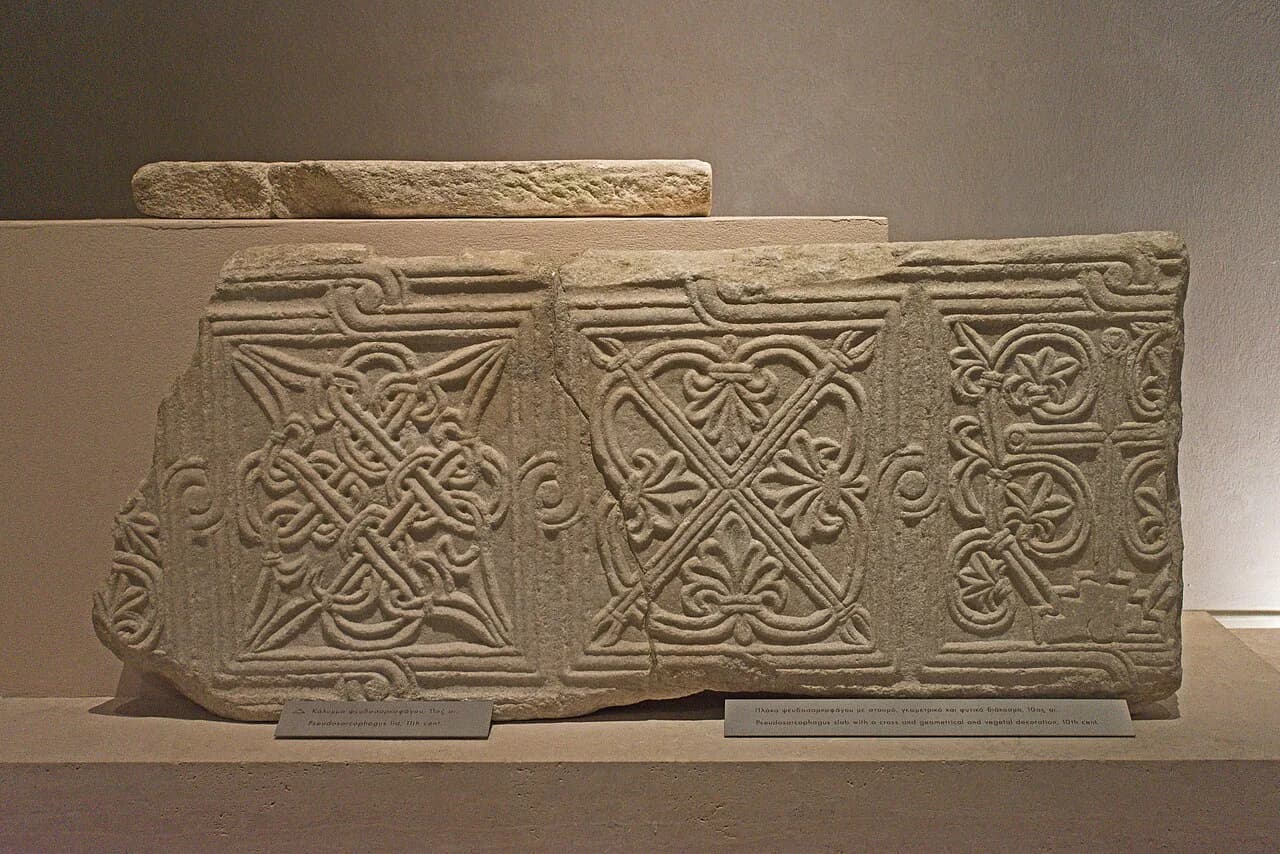
This is Thessaloniki's principal museum of Byzantine civilisation, covering art, faith and daily life across the empire's long span. Expect mosaics, icons, carved stone, manuscripts and household objects rather than a single chronological march through one dynasty. The breadth is the point: one room can move from imperial imagery to the tools of ordinary work.
For travellers, that range makes the museum a good half-day anchor. It rewards anyone who has already walked past Byzantine churches and wants context for what they saw, and it works equally well as an introduction before visiting those churches. It is a poorer fit if you have only an hour and want a quick highlight reel, since the collection is spread across themed galleries.
Where It Is: Stratou Avenue 2
The museum's own site lists its address as Stratou Avenue 2, 54640 Thessaloniki, and gives a telephone number and email for enquiries. Stratou Avenue runs through the city centre, so the museum is an urban stop rather than a suburban excursion. Where it is cited here is the address and contact details as the museum publishes them on its exhibitions and contact pages.
Lonely Planet places the museum among Thessaloniki's points of interest and lists an address and contact route on its attraction page. Treat the museum's own address as the one to enter into a map app, since third-party listings can lag behind changes. If you plan to write ahead about group visits, use the contact details on the official site rather than a travel aggregator.
How to Get There: Orientation from the Waterfront
The simplest way to orient yourself is to start at the waterfront and the White Tower, then walk inland and east along the centre. Because the museum sits on Stratou Avenue in the central grid, most waterfront hotels put it within a comfortable walk rather than a taxi ride. Give yourself extra time if you are coming from the train station side of town.
The museum's published address and contact channels are the reliable anchor for planning the final approach, and the official site is also where any visitor access notes would normally appear. If you prefer public transport, ask your accommodation which central bus stops sit closest to Stratou Avenue rather than relying on a fixed stop name. Taxis in the centre are short hops but traffic near the waterfront can slow them at peak times.
What to See Inside
The collection is organised by theme rather than strict chronology, with galleries devoted to mosaics, icons, sculpture, manuscripts and the material culture of everyday life. That structure means you can pick a thread — say, how faith appears in portable objects — and follow it without losing the bigger picture. The early rooms establish the setting; later rooms broaden into domestic and funerary material.
Lonely Planet treats the museum as a major city attraction, which is a fair signal that the permanent display is substantial enough to justify a dedicated slot. It is not a one-object destination, so the more you read labels, the longer you will want. If you are short on time, prioritise the mosaic and icon rooms and treat the everyday-objects galleries as a bonus.
Temporary Exhibitions and the Changing Programme
The museum runs a changing programme of temporary shows alongside its permanent collection. Its exhibitions page has recently listed photography exhibitions such as a show on post-war Pieria scheduled for late 2026 into early 2027, and earlier displays covering subjects from Anatolia College's centenary to contemporary art. Because these shows rotate, the current listing always matters more than any guidebook.
If a particular temporary exhibition is your reason for visiting, confirm it is still running on the museum's exhibitions page before you go, since dates shift and shows close without much warning. Otherwise, treat the temporary gallery as an add-on to the permanent collection and budget extra time only when something on the listing appeals. This is one of the two points in this guide where checking current details pays off.
How Much Time to Allow
A focused visit that covers the mosaics, icons and one or two further themes fits comfortably into about two hours. If you read labels carefully and include a temporary exhibition, plan closer to three hours. Slow visitors who like manuscripts and everyday objects can easily spend half a day without feeling they are lingering.
The trade-off is depth versus breadth: the museum is dense, and trying to see everything in ninety minutes leaves little impression. If you are squeezed, choose two themes in advance and walk past the rest without guilt. Pairing this museum with an outdoor sight afterwards also means your legs get a break from gallery floors, and if you are the sort of traveller who weighs a destination by its food, the best restaurants in Thessaloniki are an easy walk away.
Tickets, Hours and Closures
The museum publishes its visitor information through its official website, and the exhibitions page carries the address and contact details but not a full opening-hours table in the material available here. Rather than quote figures that may be out of date, check the official site's visit section for current hours, admission and any closure days before setting out. This is the second point worth confirming the day before you go.
Note that Greek museums sometimes vary hours by season, and holiday closures are not always announced far in advance. If your trip depends on a specific slot, a quick call to the number on the museum's contact listing is the surest way to confirm. Skip this only if you have a flexible day and can simply return later.
Guided Tours and Audio Options
Third-party operators sell guided tours of the museum, typically marketed around the Byzantine Empire's art, artefacts, technology and the building's architecture. A tour can be useful if you want the collection explained in a single narrative rather than pieced together from labels. It also suits visitors who prefer a fixed pace to wandering.
The trade-off is cost and constraint: a group tour moves at the group's speed and may skip rooms you would have lingered in. Compare the tour's stated inclusions and duration with the museum's own published information, and check whether admission is separate. Going independently costs nothing extra and lets you build your own route through the themed galleries.
The Building Itself
The museum building is itself part of the visit, and tour descriptions often flag the architecture as a feature rather than a neutral shell. Its layout shapes how you move: the route through the galleries is generally sequential, so you rarely have to double back. That matters on a busy day, when a one-way flow keeps the rooms manageable.
Because the building is modern, the heavy stone and mosaic pieces are displayed with generous sightlines and lighting rather than crammed into historic rooms. The result is a calmer visit than many older museums offer. If you enjoy architecture, allow a few minutes at the entrance and in the atrium before starting the collection.
Nearby: White Tower, Waterfront and City-Centre Sights
The most obvious companion is the White Tower of Thessaloniki, the city's waterfront landmark a short walk from Stratou Avenue. Climbing it gives you a harbour view and a break from museum lighting, and it reconnects you to the sea before lunch or dinner. Pair the two and you have a compact, walkable half day in the centre, and if you want to plan that meal around the same area, our guide to the best restaurants in Thessaloniki covers where to eat by neighbourhood.
Inland, the Arch of Galerius in Thessaloniki and the surrounding Roman remains make a natural second stop for anyone following the city's older layers. Note the contrast: the museum explains Byzantine life in depth, while these outdoor monuments put you inside the streets where that history happened. Both work better as short stops around the museum than as a full day on their own, and if you then head up toward the old town, our guide to the best restaurants in Thessaloniki helps you eat well by area.
The Archaeological Museum of Thessaloniki sits in the same central museum zone, which makes it tempting to combine the two collections in one day. Be honest about stamina: two dense museums back to back is a lot of standing and reading. If you want a lighter pairing, choose one indoor collection and leave the rest of the day to walking; when you head out for lunch or dinner, our guide to the best restaurants in Thessaloniki covers where to eat by area.
Practical Trade-offs: Morning, Afternoon and Pairing
Mornings are generally the calmer slot before tour groups build during the middle of the day, though school and cruise patterns vary by season. An afternoon visit can be quieter again and flows neatly into an evening on the waterfront. If a temporary exhibition is your priority, time your visit around it rather than the clock.
Pairing the museum with an outdoor sight is the simplest way to avoid gallery fatigue: indoor first, then the White Tower or a walk along the waterfront. If you are choosing between this museum and the archaeological collection, pick based on the period that interests you most rather than trying to see both properly in a single afternoon, then settle the day with a meal from our guide to the best restaurants in Thessaloniki.
Who Should Prioritise This Museum
Prioritise it if you want to understand Byzantine art and daily life in one place, or if you are travelling with someone who needs context for the churches and monuments of the city. It is also a good rainy-day anchor, since the collection comfortably fills two or three hours. Families with patient older children will find the everyday-objects galleries more engaging than rows of icons.
Consider a shorter stop if your main interest is the classical city, or if you have packed the day with outdoor sights and only want one museum. A quick circuit of the mosaics and icons still gives you the flavour. After the visit, a meal in the centre rounds off the day, and the central food streets are within walking distance — see our guide to the best restaurants in Thessaloniki for where to eat by area.
Plan Your Visit
The Museum of Byzantine Culture is the kind of place that repays a little planning: know the address on Stratou Avenue, arrive with two or three themes in mind, and confirm current hours and any temporary exhibition on the museum's official site before you go. From there, the White Tower and waterfront are an easy walk to finish the day outdoors.
Think of the museum as the indoor half of a city-centre day rather than a whole-day commitment. That framing lets you enjoy the collection properly without rushing the sights around it, and it leaves room for a relaxed meal in Thessaloniki afterwards.
Explore more Thessaloniki sauna guides
Frequently Asked Questions
Where is the Museum of Byzantine Culture in Thessaloniki?
It is at Stratou Avenue 2 in the city centre, on the central grid inland from the waterfront and roughly within walking distance of the White Tower. Use the address and contact details published on the museum's own site when navigating.
How long should I spend at the Museum of Byzantine Culture?
A focused visit covering the mosaics, icons and a couple of other themes fits in about two hours. Allow closer to three if you read labels carefully or include a temporary exhibition, and more if manuscripts and everyday objects interest you.
Do I need to check opening hours and tickets before visiting?
Yes. Opening hours, admission and closure days vary by season and aren't always fixed far in advance, so check the museum's official website shortly before your visit.
Are guided tours of the museum worth it?
A guided tour can help if you want a single narrative covering Byzantine art, artefacts and the building's architecture. Compare the tour's inclusions and duration with the museum's own information, and check whether museum admission is separate, before booking.
What can I see near the museum?
The White Tower and the waterfront are a short walk away, and the Arch of Galerius and nearby Roman remains sit inland. The Archaeological Museum of Thessaloniki is also in the same central museum area if you want a second collection.
Does the museum hold temporary exhibitions?
Yes, it runs a changing programme alongside its permanent collection, with photography, art and historical shows appearing in recent listings. Check the museum's exhibitions page for what is currently on and confirm dates before you travel.