
Delphi Archaeological Museum: What to See, Tickets and How Long to Allow
The Delphi Archaeological Museum is the indoor half of a Delphi visit, and skipping it leaves the ruins outside harder to read. Its collection traces the sanctuary and its oracle from the second millennium BC to Late Antiquity, when a small Christian community settled at the site. This guide covers one place only: the museum itself, its layout, its practical details and how to pair it with the archaeological site next door.
What the Museum Is and Why It Matters
The museum exists to explain the Sanctuary of Apollo, the oracle that drew cities and kings, and the artistic output that followed. Its rooms present some of the most important works of ancient Greek art, spanning from before the sanctuary was founded to the end of antiquity. Without that sequence, the ruins outside read as scattered stones; with it, the Treasuries along the Sacred Way and the Temple of Apollo have context.
A century after it first opened, the museum was re-exhibited to bring key pieces such as the Charioteer and the gold-and-ivory statues into a clearer narrative. The result is arranged deliberately: as the former ephor of antiquities Rozina Kolonia puts it in the museum guidebook, the displays run like a historical novel across twelve centuries. Practically, that means walking the rooms in order rather than darting to the famous pieces first.
The museum sits in the village of Delphi in Fokida, about 400 m from the archaeological site on the road between Arachova, Amphissa and Itea. The modern road separates the two ancient sanctuaries, with Athena Pronaia to the south and Apollo to the north. Knowing which side you are on prevents a lot of confused walking.
Where It Is and How to Get There
The museum address is Delphi, Fokida 33054, and it operates under the Greek Ministry of Culture. Most visitors arrive by car or organized transfer along the Arachova–Amphissa road, or by KTEL intercity bus to the modern village. Bus timetables and fares change with the season, so confirm departures with KTEL Fokidas before you build a day around them.
Orientation is simple once you understand the geography: the museum and the Sanctuary of Apollo are on the north side of the road, while the Sanctuary of Athena Pronaia, with its Tholos and gymnasium, lies to the south. A sensible sequence is museum first for context, then the site itself, then the Athena Pronaia sanctuary if you still have energy. That order also puts the most demanding walking last.
Tickets: One Price Covers Museum and Site
A single ticket covers both the museum and the archaeological site, so there is no separate museum purchase to plan. According to the museum's official listing, the ticket costs 20 euros and includes entry to the archaeological site of Delphi. Buy once and keep the ticket safe, because you will need it at both entrances.
The Ministry of Culture and Sports publishes free-admission dates for state museums, including 6 March, 18 April, 18 May, the last weekend of September, 28 October and the first Sunday of each month from November to March. These are published arrangements rather than permanent guarantees, and reduced admission for some visitors is set out separately by the ministry. If you are travelling on one of those dates, check the ministry site for current details before you go.
Opening Hours by Season
Hours shift between two clearly defined seasons, and the summer Tuesday is the detail that catches people out. From 1 April to 31 October the museum opens 08:00–20:00, but on Tuesdays only from 10:00 to 17:00. From 1 November to 31 March it opens 08:30–15:30 daily. Last admission is 20 minutes before closing, so an afternoon arrival in winter needs to be early. The Heraklion Archaeological Museum follows similarly seasonal opening patterns if you are planning a Crete leg of the trip.
Greek state museums close on 1 January, 25 March, Orthodox Easter Sunday, 1 May and 25–26 December, and open on several other public holidays including 6 January, Clean Monday, Easter Monday, Holy Spirit Monday, 15 August and 28 October. Good Friday and Saturday hours vary. The ministry advises calling the museum for confirmation, and the Delphi museum can be reached on +30 22650 82312.
What to See Inside
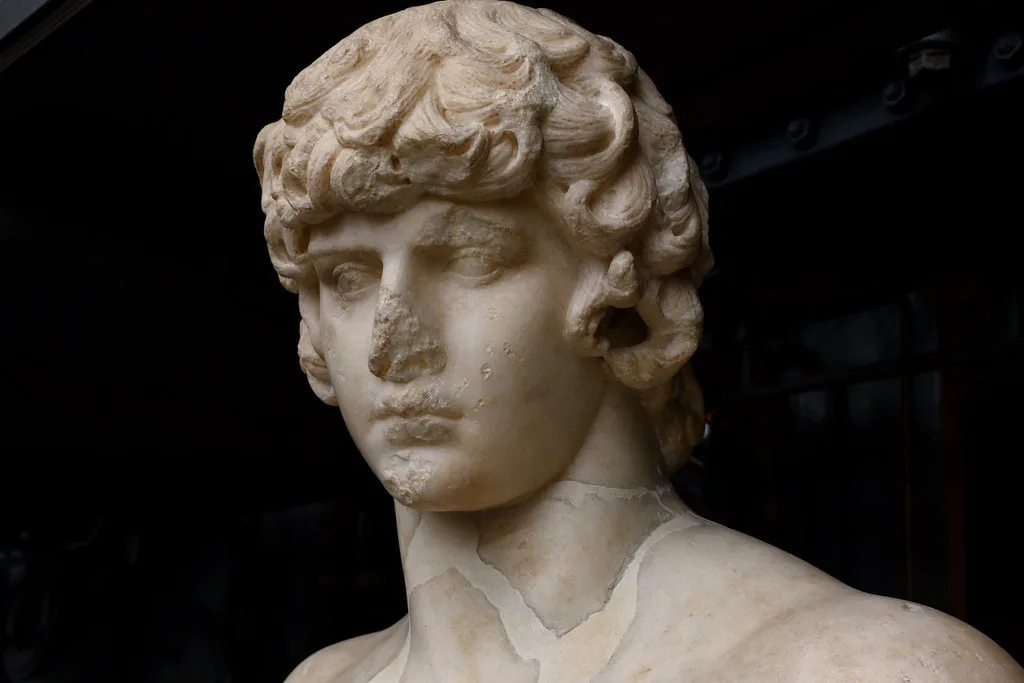
The Charioteer of Delphi is the piece most visitors come for, a bronze figure of a chariot driver whose survival in near-complete condition makes it unusual among ancient bronzes. It sits within the re-exhibited displays rather than in isolation, so read the room around it before moving on. The gold-and-ivory statues are the other headline group, and they reward slowing down despite their small scale.
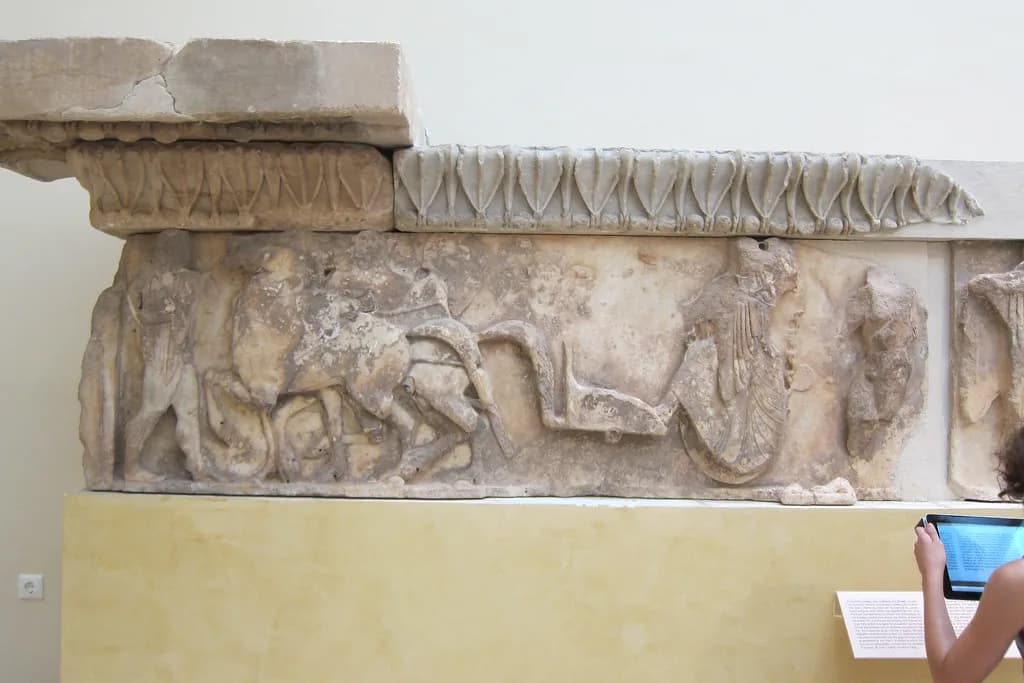
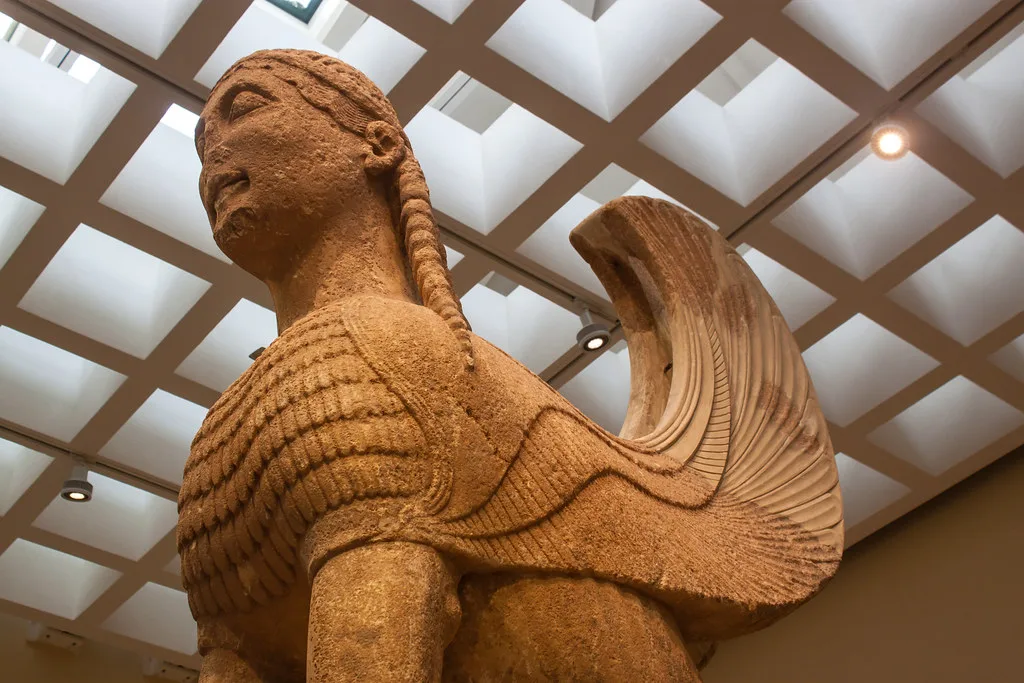
Beyond the famous pieces, the collection includes architectural sculpture and votive offerings that explain how the sanctuary functioned politically as well as religiously. The Delphic maxims inscribed at the Temple of Apollo, such as "Know yourself" and "Nothing in excess", belong to that wider story, and the museum's displays connect the objects back to the monuments you will see outside. Allow time for the less famous rooms; they make the site legible.
Pairing the Museum with the Archaeological Site
Outside the museum, the Sacred Way runs through the Sanctuary of Apollo, lined with the Treasuries that Greek cities built to advertise their wealth and piety. It ends at the Temple of Apollo, where the oracle operated in antiquity, with the theatre rising above the sacred area. The stadium sits at the highest point of the site, which means a steady climb on uneven ground.
Across the road, the Sanctuary of Athena Pronaia holds the Tholos, the temples of Athena and at least two treasuries, with the gymnasium next to them. It is often quieter than the Apollo sanctuary and makes a good counterpoint at the end of a visit. Walk it after the main site rather than before, when the climb is behind you.
The Castalian Spring, where ancient visitors purified themselves before consulting the oracle, lies in the ravine between the two sanctuaries and is easily folded into the same walk. Details on access and condition are covered in a separate guide.
How Much Time to Allow
An hour in the museum is enough to see the Charioteer and the main rooms, but it leaves the narrative half-read. Ninety minutes to two hours is a fairer allowance for a first visit, especially if you read labels and use the printed guide. Add two to three hours for the archaeological site, more if you climb to the stadium. A rushed single hour for both shortchanges the museum and turns the ruins into a photo stop.
If your time is tight, prioritize the re-exhibited rooms with the Charioteer and the gold-and-ivory statues, then walk the Sacred Way to the Temple of Apollo and stop there. Skip the stadium and the Athena Pronaia sanctuary rather than hurrying through everything. The Delphi attractions guide covers the other monuments if you want to build a longer day.
Accessibility and Facilities
The museum lists a ramp, a lift, Braille signs, tactile material, an accessible WC and an e-ticket option among its services. It also provides a museum shop, a printed guide and multimedia material, which are useful if you prefer to read before you look. The free virtual tour app, available for iOS and Android, includes 360-degree panoramas and 3D objects, and QR codes at the entrance of each room link to it on site.
The app was also designed with mobility- and hearing-impaired visitors in mind, with signed videos in Greek and English, so it doubles as a planning tool before arrival. Downloading it in advance saves fiddling with a phone at the entrance. Note that the archaeological site outside is on steep, uneven ground, which is a separate challenge from the museum's indoor facilities.
Eating and Staying Nearby
The modern village of Delphi, a short walk from the museum, is the obvious place for a meal before or after a visit. Arachova and Amfissa are larger bases with more choice if you are staying overnight, and both sit on the same road corridor. Itea, on the coast, is further but works as a base for a wider circuit. Restaurant recommendations belong in separate food guides rather than here.
Before You Go
The Delphi Archaeological Museum is not an optional add-on to the ruins; it is the key that makes them readable, and one ticket covers both. Go early in the day, start indoors, then climb the Sacred Way with the Charioteer and the Delphic maxims still fresh. The ministry's museum listing is the place to recheck hours, holiday closures, free-admission dates and reduced-ticket rules before you set out.
Explore more Delphi sauna guides
Frequently Asked Questions
Is the Delphi museum included in the archaeological site ticket?
Yes. A single ticket covers both the Delphi Archaeological Museum and the archaeological site of Delphi, so you buy once and show the same ticket at each entrance. Keep it with you after leaving the museum, because you will need it again outside. Prices change occasionally, so confirm on the museum's official listing before travelling.
What are the opening hours of the Delphi Archaeological Museum?
The museum runs two seasonal timetables. In summer, from 1 April to 31 October, it opens 08:00–20:00, but on Tuesdays only from 10:00 to 17:00. In winter, from 1 November to 31 March, it opens 08:30–15:30 daily. Last admission is 20 minutes before closing. Public holiday hours can differ; the museum is on +30 22650 82312.
How much time should I allow for the museum and the site?
Allow about 90 minutes to two hours in the museum if you want to follow the displays in order, and another two to three hours for the archaeological site. Climbing to the stadium adds time. If your day is short, see the Charioteer and the main rooms first and limit yourself to the Sacred Way and the Temple of Apollo outside.
Do I need to book Delphi Archaeological Museum tickets in advance?
Advance booking is not required to enter, and the museum provides an e-ticket option if you prefer to arrange admission before arrival. Booking in advance mainly saves time at the counter during busy periods rather than guaranteeing a slot. Check the official listing for current ticketing arrangements before you rely on them.
What is the Charioteer of Delphi and where is it displayed?
The Charioteer is a bronze statue of a chariot driver and the museum's best-known exhibit. It forms part of the re-exhibited collection, alongside the gold-and-ivory statues, and is displayed inside the Delphi Archaeological Museum in the village of Delphi. Visit the museum before walking the site so the monument inscriptions and the statue's context connect.
How do I get to the Delphi Archaeological Museum?
The museum is in the village of Delphi, Fokida, about 400 m from the archaeological site on the road between Arachova, Amphissa and Itea. Most visitors arrive by car or organized transfer, and KTEL intercity buses serve the area. Bus timetables and fares vary by season, so check current details with KTEL before planning your day around them.
Is the museum accessible for visitors with limited mobility?
The museum lists a ramp, a lift, Braille signs, tactile material and an accessible WC, so the indoor collection is manageable for many visitors with limited mobility. The archaeological site outside is steep and uneven, which is a different challenge. The free virtual tour app, with QR codes at each room, lets you preview the displays before arriving.
When is admission free at the Delphi Archaeological Museum?
The Ministry of Culture and Sports publishes free-admission dates for state museums, including 6 March, 18 April, 18 May, the last weekend of September, 28 October and the first Sunday of each month from November to March. These arrangements can change, so check the ministry or museum listing before relying on a free day.