
Archaeological Museum of Nafplio: What to See and How to Visit

The Archaeological Museum of Nafplio is a small regional collection housed in a former barracks building tied to the Palamidi fortress, in the old town of Nafplio in the Peloponnese. It suits a short, focused stop rather than a half-day, and it pairs naturally with a walk through the old town lanes. This guide covers where it is, what the collection holds, how long to allow and what to see nearby.
Quick Orientation
Expect a regional archaeological display rather than a scaled-down version of the National Archaeological Museum in Athens: the emphasis is on the history and archaeology of the Nafplio area. The building's earlier life as a Palamidi barracks shapes the space you walk through, which reads as a historic structure rather than a purpose-built gallery. That combination makes it a sensible short stop when you are already exploring the old town.
Where It Is and How to Get There
The museum sits inside Nafplio's old town, the historic quarter that wraps around the base of the Palamidi rock and runs down toward the harbour. If you are working out how the town fits together, the broader Nafplio Attractions: 8 Visitor Guides collection maps the main sights and how they relate to each other. On foot is the simplest approach: from the central squares you are within a short walk, and the lanes are more pleasant on foot than in a car.
Drivers should expect the old town's narrow streets and limited parking, so leaving the car at the edge of the historic centre and walking in is usually the easier choice. Exact pedestrian routes and parking locations are best confirmed locally on arrival, since the old town's layout is not something to guess at from a map alone.
The Building Itself
The museum is housed in a building that once served as barracks for the Palamidi Fortress, the Venetian-era citadel on the rock above town. That origin explains the character of the space: you are walking through a piece of the town's military architecture, not a modern exhibition hall. If the building's history interests you, Palamidi Fortress is the logical next stop, since the two are directly connected.
What the Collection Covers
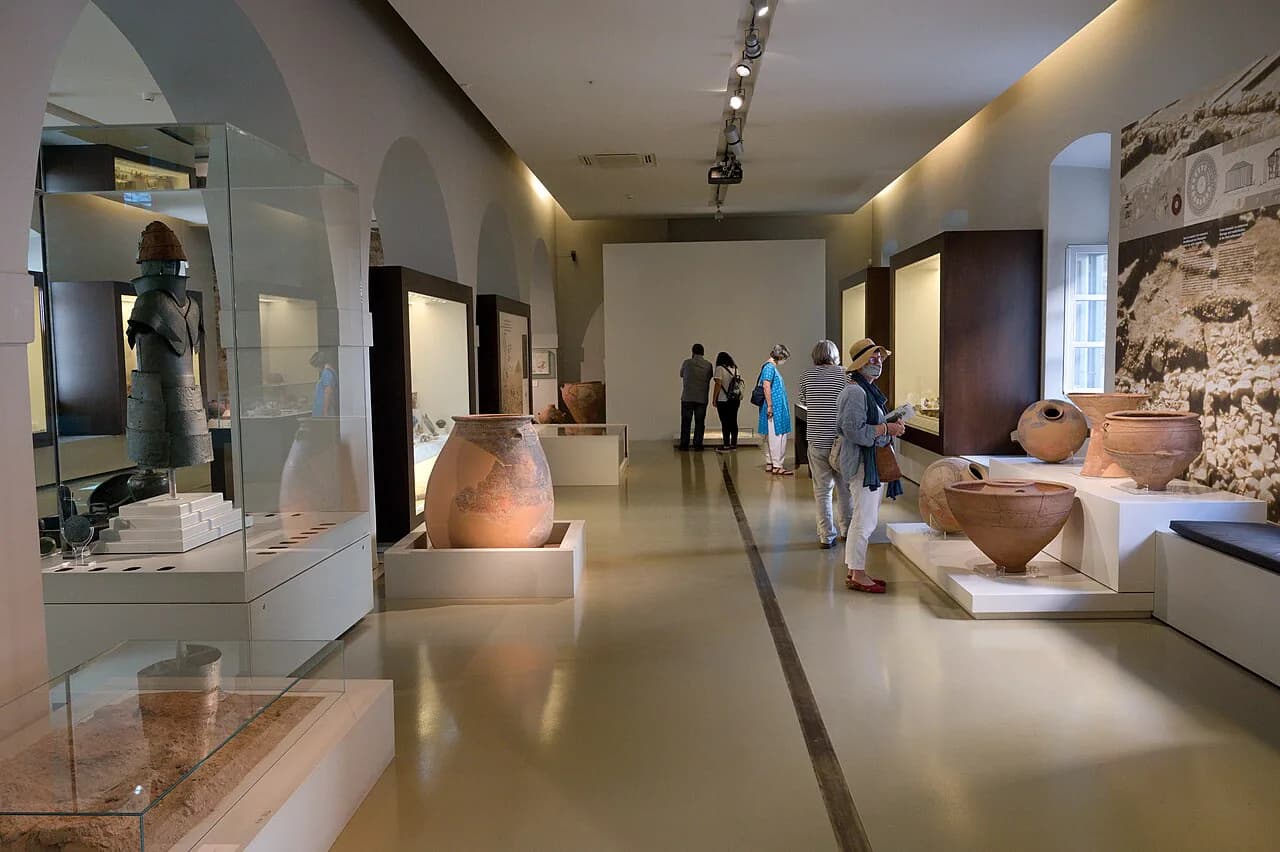
The displays span a long stretch of regional history. Prehistoric exhibits include Bronze Age material, the Classical and Hellenistic collections hold sculpture and pottery, the Roman section includes mosaics, and the Byzantine displays include manuscripts and icons. That range means you can read the area's story from prehistory through the medieval period in a single compact visit.
A source describing the museum's building and setting is available for background on the site itself. Because the museum is small, the collection is best approached as a set of highlights rather than an encyclopedic survey, so pick the periods that interest you most and give them your attention.
The War of Independence Material
One section sets this museum apart from a standard regional archaeology display: artefacts from the War of Independence, including weapons used by the Greek revolutionaries. Nafplio's role in that period gives the material a local weight that generic antiquities displays do not have. If you have limited time, this is the part to prioritise alongside the Bronze Age finds.
How Long to Allow
For a focused visit, plan on a short stop of roughly under an hour, enough to see the highlights across the periods and the revolutionary weapons. A slower visitor who reads the labels and lingers over the Byzantine icons and Roman mosaics might stretch that to a bit longer. Either way, it fits comfortably into a half-day in Nafplio alongside a walk and a stop at Syntagma Square, Nafplio's central plateia, which is the natural place to start or end an old-town loop.
Tickets, Opening Hours and Closures
Listed information gives opening hours of 8:30 AM to 3:30 PM daily, closure every Tuesday and on New Year's Day, 6 January, Easter Sunday, Labour Day, Christmas and 26 December. The same listing gives general admission at EUR 6, reduced admission at EUR 3 for children under 12 and seniors over 65, and free entry for EU students, people with disabilities, guides and unemployment card holders. Treat these figures as listed rather than confirmed for your travel date, and verify them before you go.
Greek public museums commonly adjust hours by season and observe national holidays, so the official Ministry of Culture pages and the museum's own ticket office are the places to confirm the day you plan to visit. If your trip falls on a Monday or a public holiday, check before making the museum the anchor of your day.
Booking and Tours
For a museum of this size, advance booking is rarely necessary, and turning up during open hours is usually enough. Guided options in Nafplio tend to bundle several sights rather than focus on this collection alone, so check what a tour actually includes before paying for one. A self-guided visit with a little background reading covers the highlights well.
Museum, Palamidi or Bourtzi: Choosing with Limited Time
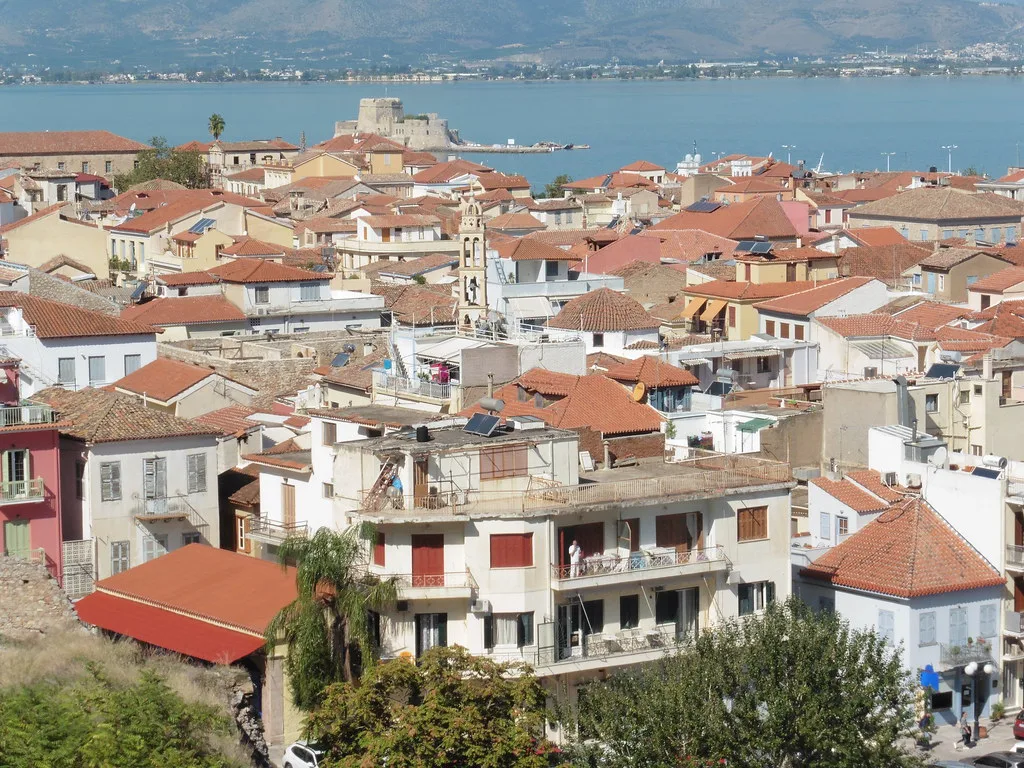
If you have only a few hours, the trade-off is between depth and setting. The museum gives you a compact, air-conditioned look at the region's archaeology and revolutionary history; the Palamidi Fortress, up on the rock above town, gives you the citadel itself and wide views over the Argolic Gulf and the old town rooftops, at the cost of a climb and more time. Bourtzi, the small castle on its own islet in the harbour, is a shorter, boat-linked stop. None is objectively better; pick according to whether you want artefacts, architecture or views. If you are weighing regional collections across the Peloponnese, the Archaeological Museum Corfu guide offers a useful point of comparison for how a small museum can be shaped around a single signature piece.
Nearby After Your Visit
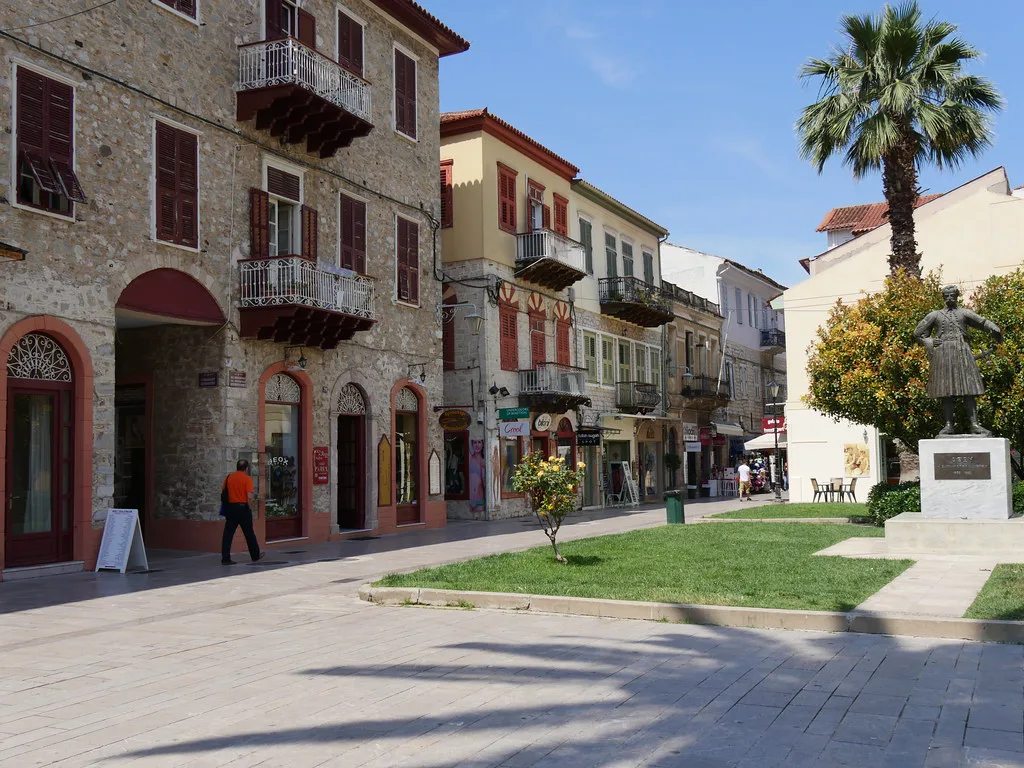
Syntagma Square is the obvious first stop after the museum: it is Nafplio's central square, lined with historic buildings and cafes, and a natural place to sit and orient yourself. From there, the old town lanes reward an unhurried wander. If you want more military history, the War Museum of Nafplio is another small old-town museum worth considering.
For a change of pace, Akronafplia, the lower citadel promontory above the old town, offers walks and views, and Arvanitia Beach below it is a small pebble beach within walking distance of the centre. Both make easy additions to an old-town afternoon rather than separate excursions.
Where to Check Current Details
Before you travel, the official Ministry of Culture pages and the museum ticket office are the reliable sources for opening hours, admission and holiday closures. Listed third-party information gives a useful starting point, but hours and prices can change by season. Confirm the day before you plan to visit so a closed door does not derail your old-town plan.
Plan Your Visit
The Archaeological Museum of Nafplio is a compact, worthwhile stop if you want the region's story from the Bronze Age through the Byzantine period, plus a distinctive section on the War of Independence. Budget under an hour, pair it with a walk to Syntagma Square and the old town lanes, and decide between it and the Palamidi Fortress or Bourtzi according to whether you want artefacts, a climb or a harbour view. Check current hours and admission before you go.
Explore more Nafplio sauna guides
Frequently Asked Questions
Where is the Archaeological Museum of Nafplio located?
It is in Nafplio's old town in the Peloponnese, in a building that once served as barracks for the Palamidi Fortress. The historic centre is compact and best explored on foot; drivers should expect narrow streets and limited parking near the old town.
What can you see inside the Archaeological Museum of Nafplio?
Displays cover the region's archaeology from the Bronze Age through the Classical, Hellenistic, Roman and Byzantine periods, including sculpture, pottery, mosaics, manuscripts and icons. A separate section holds artefacts from the War of Independence, including weapons used by the Greek revolutionaries.
How long does a visit to the Archaeological Museum of Nafplio take?
A focused visit usually fits within under an hour, enough to see the highlights across the periods. A slower visit that reads the labels and lingers over the Byzantine icons and Roman mosaics may take a bit longer, but it remains a short stop rather than a half-day.
What are the opening hours and ticket prices for the Archaeological Museum of Nafplio?
Listed information gives daily hours of 8:30 AM to 3:30 PM with Tuesday closures, plus holiday closures including New Year's Day, 6 January, Easter Sunday, Labour Day, Christmas and 26 December. Admission is listed with a standard and reduced rate and several free-entry categories. Check current details with the Ministry of Culture or the museum ticket office before you go.
Is the Archaeological Museum of Nafplio worth visiting?
It is worth a short stop if you want a compact overview of the area's archaeology and a distinctive section on the War of Independence. It is a regional collection, not a national museum, so set expectations accordingly and combine it with a walk through the old town.
What else is near the Archaeological Museum of Nafplio?
Syntagma Square, the old town lanes, the War Museum of Nafplio and the Komboloi Museum are all within the historic centre. Akronafplia and Arvanitia Beach are a short walk away, and the Palamidi Fortress is up on the rock above town.