
Komboloi Museum in Nafplio: What to See and How to Visit

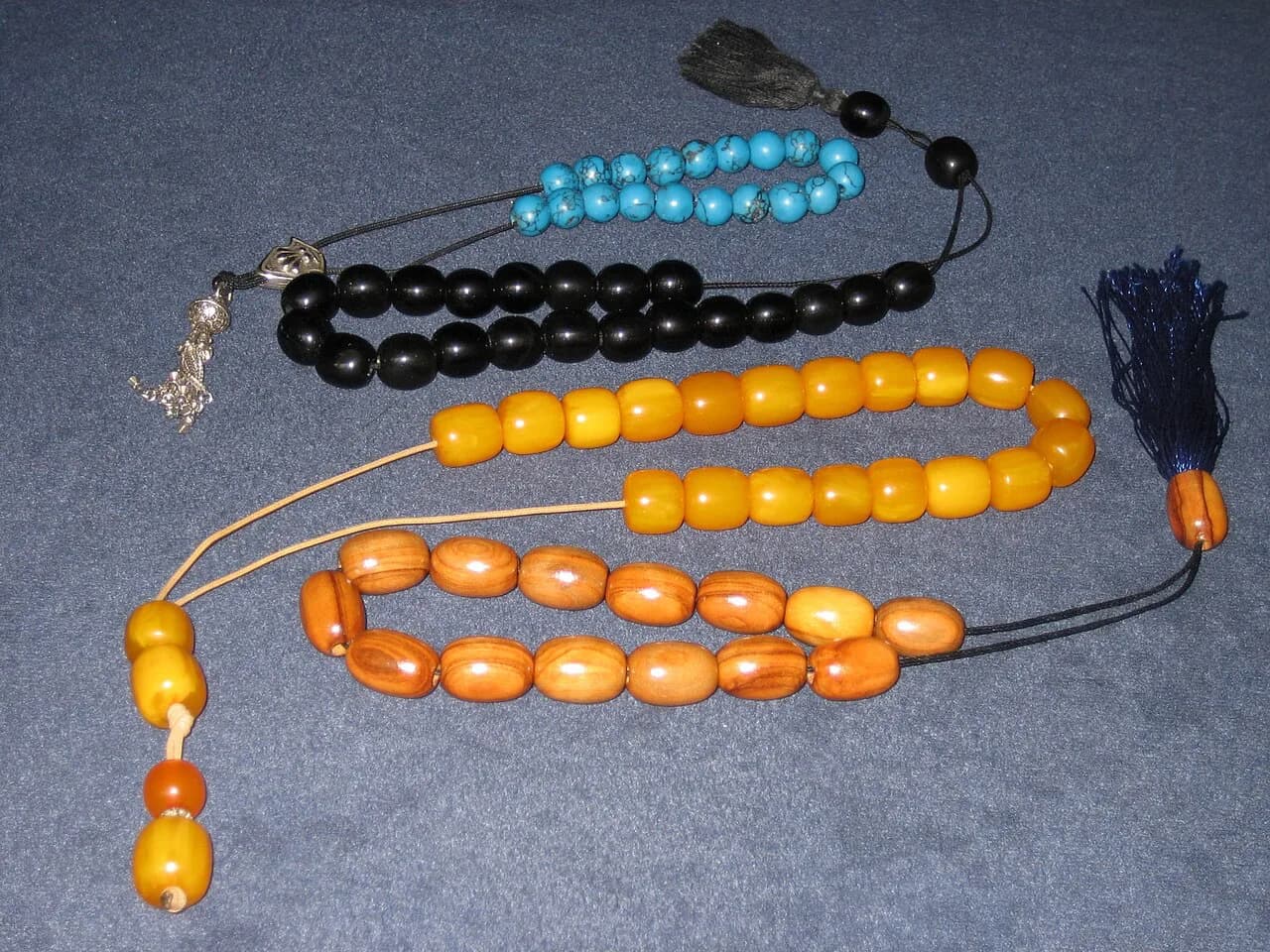
The Komboloi Museum is Nafplio's monument to a small object with a long social life: the komboloi, known in English as worry beads. A strand is not a religious item and not quite a toy; Greeks carry and click them as a way to occupy the hands during conversation, waiting or thinking. A museum devoted to them sounds like a curiosity until you see how much variety there is in bead material, size and threading.
It is a compact stop rather than a half-day attraction, which makes it easy to slot into a walk through the old town. Because the published information on hours and admission is thin, treat this page as a guide to what the visit involves and a plan for confirming the practical details on the day you go.
What the Komboloi Museum Is
The museum presents itself as the world's only museum dedicated to komboloi, and local Nafplio coverage of the town's museums describes it as the first and only one of its kind in the world. Local listings also report that it was established in April 1998 by Aris Evangelinos, which places it among the more recent small museums in a town full of older ones.
What the museum does is explain an everyday object rather than a grand historical period. Expect displays of old, worn strands alongside examples of the materials used to make them, from amber and coral to resin and faturan, a composite material historically used to imitate amber in bead-making. The appeal is partly craft, partly the small window it opens onto how ordinary Greeks have used their hands for generations.
It suits travellers who like objects and how they are made more than travellers collecting big-name sights. If you are choosing between this and Nafplio's larger archaeological collections on a short visit, the museum is the quicker, more niche option, and it works best as a twenty-to-forty-minute pause between other stops rather than a destination in itself.
Where It Is and How to Reach It
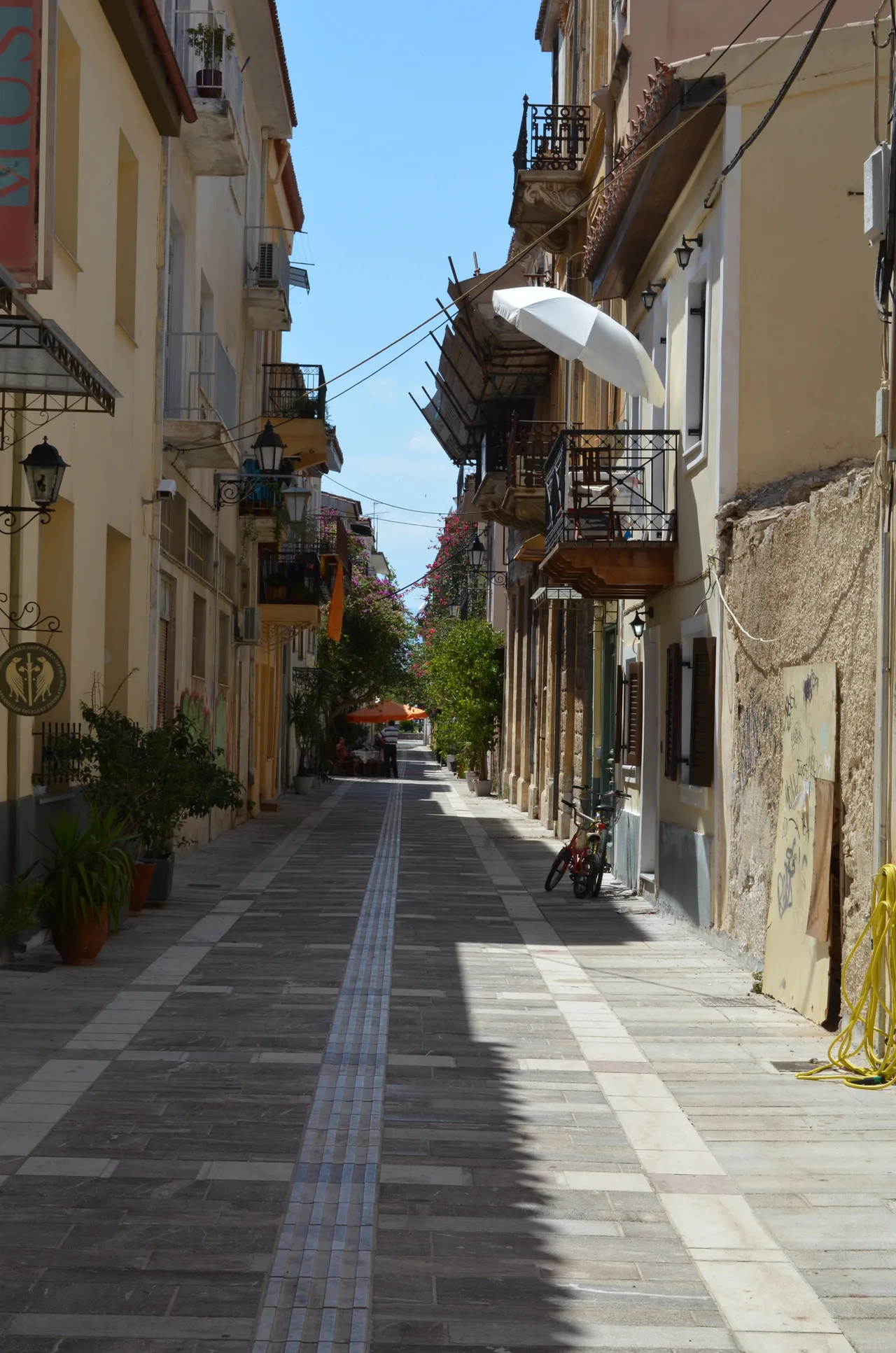
The museum sits at 25 Staikopoulos Street in Nafplio's old town, with the exhibition on the top floor and the museum's workshop at ground level, where old worry beads are handled and worked on. That vertical arrangement is the key to the visit: you walk in at street level and climb to the collection.
Once you are inside Nafplio's historic centre, you do not need a car or a bus. The old town is compact and largely pedestrian, and Staikopoulos Street is a short walk from the main squares, so the realistic approach is to park once on the edge of the centre and move on foot for the rest of the day. Wear shoes you can walk in on stone lanes and stepped alleys.
As a landmark reference for meeting points and orientation, Filellinon Square, next to the flags, is used as a gathering spot for guided experiences in the town, which tells you how small the walking distances are. If you are navigating by phone, search the street name rather than the museum name, since small museums sometimes appear under Greek or English variants. For the wider set of sights around it, see the Nafplio Attractions: 8 Visitor Guides hub before you plan the order of your day.
What to See Inside
The core of the collection is old worry beads, the kind carried until the beads wear smooth and the thread has been replaced more than once. Look at the variation in bead count, size and weight, because komboloi are handled rather than displayed, and their proportions are designed for a hand. The wear on older strands is the most interesting evidence in the room.
Materials are the second strand of the visit. Amber, coral, resin, minerals and faturan each behave differently in the hand and age differently, and the displays let you compare them side by side instead of guessing from a shop shelf. If you are thinking of buying a komboloi as a keepsake, this is the place to learn what you are looking at before you spend money elsewhere in town.
A komboloi is usually threaded on a cord with a shield or spacer bead near the tassel end, and the tassel itself is often the most personal part of the object. Understanding that structure is what turns a wall of similar-looking strands into a collection you can read. Allow a little time to look closely rather than walking the room in five minutes.
The Workshop and Buying Beads
Because the workshop occupies the ground floor, the museum is not purely a display case; it is a place where the craft is still handled. Whether you can watch work in progress depends on the day and on the people there, so ask at the entrance whether a demonstration is running. If seeing the craft in action matters to you, that question is worth asking before you buy a ticket.
For a genuine komboloi rather than a generic souvenir, the advice is simple: handle several, check that the beads are evenly matched and that the thread is sound, and ask what the material actually is. Prices vary enormously with material and age, and the museum does not publish a price list that can be relied on here, so ask directly and compare with what you saw in the displays.
A Hands-On Alternative: The Private Craft Experience
If you want more than looking, a private craft experience in Nafplio combines a pottery session, a tasting of Greek spirits, a visit to the Komboloi Museum and a guided komboloi-making workshop. The spirits named are ouzo, tsipouro and mastiha, and the format is private for six to eight people, offered in English and Greek, meeting at Filellinon Square next to the flags.
That experience is priced separately from museum admission: the listing states EUR 90 per person, with a minimum fixed total of EUR 540 for one to six people and a maximum of eight, and it says tickets, food, drinks, guide fee and tip are included. The same listing gives the host as Sofia Koutsopoulou. Book it only if you want the hands-on session, because the museum itself can be visited independently.
How Long to Allow
Budget roughly thirty to forty-five minutes for the exhibition, which is enough to read the displays and study the materials without rushing. Add time if you want to talk to staff about the workshop, choose beads, or wait for a demonstration. The visit is short enough that it fits between a museum and a coffee rather than consuming a morning.
The trade-off is depth versus breadth. Two hours in the museum would be too long for most visitors, but skipping it entirely means missing the one place in Greece that treats this object seriously. A focused half hour is the sensible middle.
Opening Hours and Tickets
Opening hours, admission prices, closing days and any seasonal reductions for the Komboloi Museum are not published in a form that can be confirmed here, so do not plan around a fixed timetable. Check current hours with the museum directly, or ask at your accommodation in Nafplio, before making a special trip across town. Small museums in Greece often keep shorter hours outside the main season, and the only reliable answer comes from the museum itself on the date you plan to visit.
The same applies to whether a ticket covers both the exhibition and the workshop floor, and to whether photography is allowed. Ask these questions at the entrance; they take a moment and prevent disappointment. This is the one practical detail worth confirming in advance, since everything else about the visit can be decided on the day.
Nearby in Nafplio
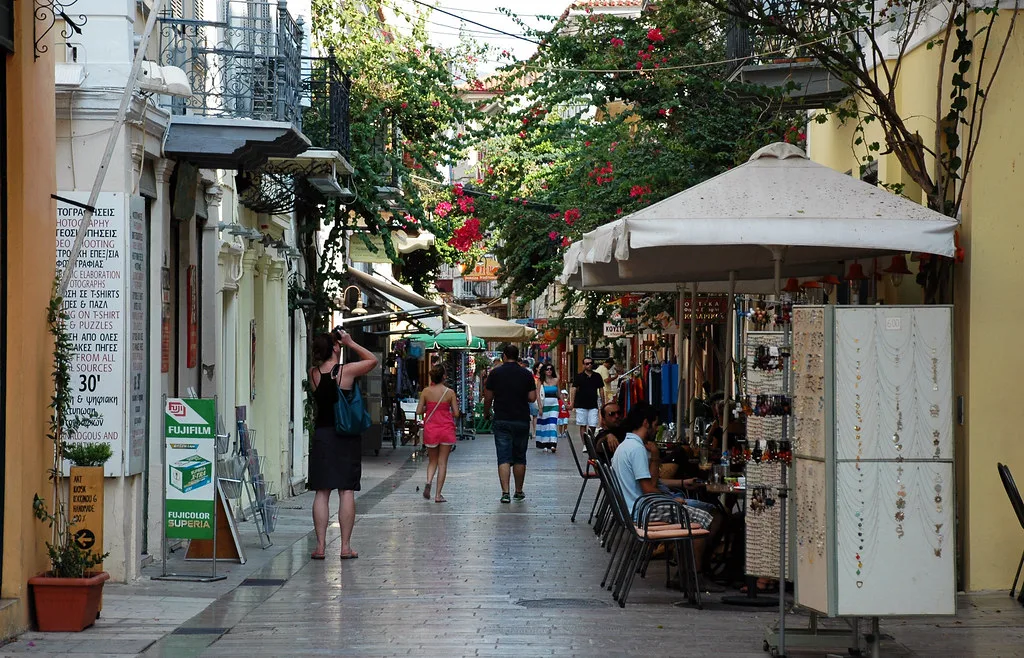
Syntagma Square, Nafplio is the natural next stop: it is the old town's main open space, ringed by cafés and historic buildings, and it gives you a place to sit and process what you have seen. From the museum you can walk there in a few minutes through the lanes, which makes the pair an easy sequence.
For a heavier dose of history, the archaeological museum nafplio occupies a former Venetian arsenal and holds finds from the region, a logical pairing if you want one small museum and one substantial one in the same day. The war museum nafplio is another compact option nearby. Choose based on your appetite rather than trying to see everything.
Above the town, Palamidi Fortress is the big-view sight, reached by a long flight of steps or by road, and it takes a couple of hours of its own. Akronafplia, the lower headland, is the gentler alternative for a walk with sea views. Either works well as the second half of a day that starts with the worry beads.
Practical Tips for the Visit
Go on foot and go early in the day if you want the old-town lanes quiet, since Nafplio fills up with day visitors later on. Carry cash as a backup, because small museums and workshops do not always take cards. If you are visiting in winter, phone ahead rather than trusting an online listing that may not have been updated.
Combine the museum with a general wander rather than a strict itinerary: the pleasure of Nafplio is in the lanes between the sights. If you want a wider plan for the town, the things to do in nafplio guide covers the rest, and the Nafplio Neighborhoods: 5 Area Guides helps you work out where to base yourself for an easy walk to the old town.
Plan Your Visit
The Komboloi Museum is a small, specific pleasure: half an hour with an object that most visitors have seen in Greek hands but never examined. Its setting at 25 Staikopoulos Street, with the workshop below and the collection above, makes the craft tangible in a way a display case alone would not.
Before you go, confirm the current opening hours and admission with the museum, since these are the details most likely to have changed. Then build the rest of your Nafplio day around it on foot, with a square, a museum and a fortress within easy reach.
Explore more Nafplio sauna guides
Frequently Asked Questions
What is a komboloi?
A komboloi is a strand of beads carried in the hand, known in English as worry beads. It is not a religious object; Greeks use it to occupy the hands while talking, waiting or thinking, and the beads are threaded on a cord with a tassel at one end.
Where is the Komboloi Museum in Nafplio?
It is at 25 Staikopoulos Street in Nafplio's old town, with the exhibition on the top floor and the workshop at street level. The historic centre is compact and pedestrian, so it is a short walk from the main squares and does not require a car.
How long does a visit to the Komboloi Museum take?
Most visitors can see the exhibition in about thirty to forty-five minutes. Allow extra time if you want to ask about the workshop, compare bead materials closely, or choose a komboloi to buy.
Can you buy komboloi at the museum?
The museum has a workshop at ground level and beads are part of its subject, so ask on site about what is available for sale and what each piece is made of. Prices depend on material and age, so ask directly rather than relying on a published list.
Is the Komboloi Museum worth visiting?
It is worth it if you are interested in craft and everyday objects, or if you want to understand komboloi before buying one. Travellers with only a few hours in Nafplio may prefer the archaeological museum or the fortress, which cover more ground.
What else is near the Komboloi Museum in Nafplio?
Syntagma Square is a few minutes' walk away, as are the archaeological museum and the war museum. Palamidi Fortress and the Akronafplia headland are further up and offer the town's best views.
Do I need to book the Komboloi Museum in advance?
No booking policy is published in a form that can be confirmed here, so ask the museum directly or through your accommodation. The separate private craft experience in Nafplio is a bookable tour with its own meeting point at Filellinon Square and is not the same as museum admission.