
Mykonos Town (Chora): A Practical Guide to the Old Town
Mykonos Town, called Chora by locals, is the island's main town and the place most visitors picture before they arrive: whitewashed lanes, blue shutters and a waterfront that curves between Little Venice and the Old Port. Mykonos Town or Chora is definitely the heart of this majestic island, and in the endless small streets you'll find hotels, shops, restaurants, bars and more, according to Mykonos Traveller. It is the administrative and commercial centre of Mykonos rather than a single ticketed sight, so the town rewards a plan built around walking, eating and one or two fixed viewpoints. This guide stays inside Mykonos Town and its immediate edge, naming only venues and beaches that appear in published accounts, and it separates what is free to wander from what needs a purchase or a booking.
What Mykonos Town (Chora) Is and Where It Sits
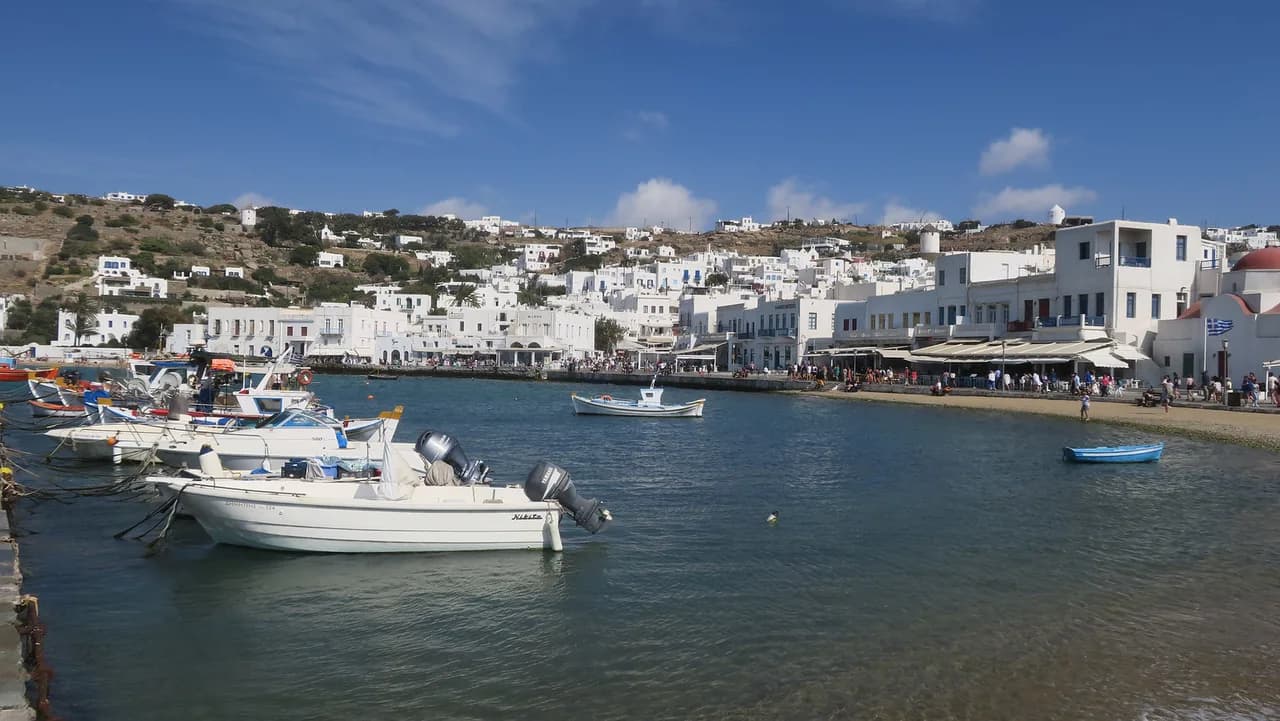
Chora occupies the west coast of Mykonos, wrapped around a bay that holds the Old Port and the ferry traffic that comes with it. Classic whitewashed buildings line the labyrinthine streets of Mykonos, the largest town on the Greek island of the same name, as Tripadvisor describes it. Because everything sits within walking distance of the waterfront, you can treat the town as one continuous visit rather than a series of separate stops.
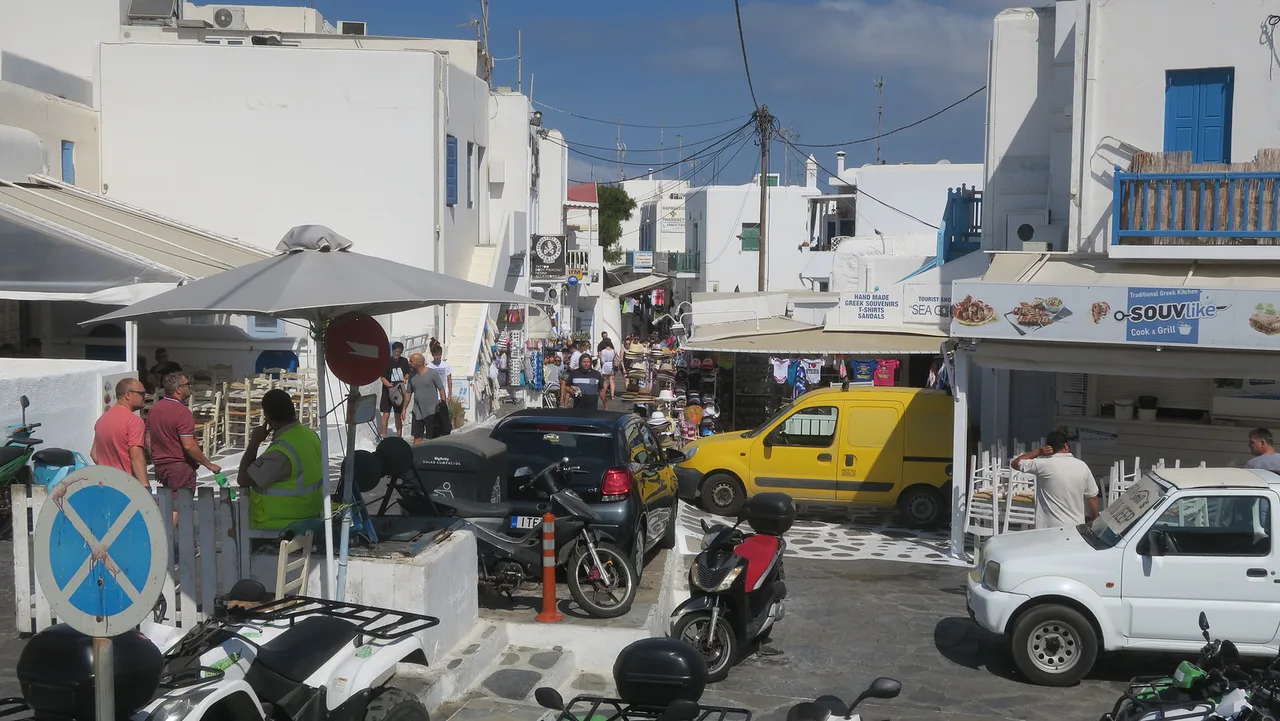
The practical consequence is that you rarely need transport inside Chora itself. Park or disembark at the edge, then walk: the lanes between the Old Port, Little Venice and the windmills are short and mostly pedestrian, though uneven paving and steps make sturdy shoes more useful than sandals. If you are using Mykonos as a base for the wider island, the Mykonos Attractions: 8 Visitor Guides page covers the sights that sit outside the town centre.
How to Get to Mykonos Town: Ferry, Flight, Bus and Scooter
The island is reached by direct or connecting flights, or by ferry from Athens, which takes about five hours and runs year-round according to a published trip account. That source gives no operators, timetables or fares, so confirm sailings and seasonal frequency with the ferry companies or a booking platform before fixing your dates. Arriving by sea puts you at the doorstep of Chora; arriving by air means a short transfer to the town, and the airport is close enough that a taxi or the local bus is the usual choice.
Once on the island, a tourist bus service connects the town with other parts of Mykonos, and scooters or ATVs can be rented by travellers holding a valid licence. The licence caveat matters: rental staff will ask for it, and driving without the correct category invalidates insurance. For a town-focused day, skip the rental entirely and walk; for a beach afternoon, compare the bus timetable against your return time before committing.
Orientation: Lanes, Little Venice, the Windmills and the Old Port
Think of Chora as four linked pieces. The inner lanes are the shopping and eating grid; Little Venice is the western waterfront of old houses hanging over the water; the windmills stand on the ridge just south of it; and the Old Port curves round the bay to the north with tavernas facing the sea. Walking between any two of these takes minutes, not hours, so the town is easy to navigate even when you take a wrong turn.
Navigation apps help less than you would expect in lanes this narrow, so use the waterfront as your spine and the windmills as your landmark. A sensible loop is Old Port, then inland lanes, then Little Venice at sunset, finishing at the windmills for the harbour view.
Little Venice: The Waterfront Neighbourhood
Little Venice is the quarter where whitewashed houses with balconies in blue, red and green sit directly above the sea, making it the town's most photographed address. Alongside the architecture, the strip holds designer boutiques, bars and cafés, which means it is livelier and more expensive than the back lanes a few minutes inland. Walk it in the morning for photographs, or come late for the sunset, when the west-facing balconies fill up.
For a closer look at what the neighbourhood contains and how to time a visit around the sunset crowds, see the separate guide to Little Venice, Mykonos. The trade-off is simple: waterfront tables buy you the view at a premium, while the lanes one street back serve the same town with quieter seating.
The Windmills Above Town
The windmills are Mykonos's best-known landmark, and although there is little to do up there beyond looking, a published account treats them as essential to any visit, with a view over the harbour and the open sea. Allow a short stop rather than an afternoon: the ridge is exposed, the ground is uneven, and the pleasure is in the outlook and the photographs. Late afternoon light is kinder than midday glare.
Mykonos Windmills (Kato Mili) is covered in detail on its own page, including what the structures were used for and how to approach them from the town. Combine the windmills with Little Venice in one walk, since they sit at opposite ends of the same stretch of coast.

The Old Port: Tavernas Facing the Water
The Old Port is the town's working waterfront, lined with tavernas and restaurants that look out over the sea, and a published account describes it as a lively spot for a cocktail or a Greek meal. Harbour seating is the classic choice for a first night because the setting does the work; the back streets usually give better value for the same dishes. Ask to see a menu at the door before you sit down.
Eating in Mykonos Town: The Named Venues
Little Venice has cafés suited to a sit-down coffee, and Popolo Mykonos is named in a published account for coffee, freshly made sandwiches and pastries. Treat it as a breakfast or light-lunch stop rather than a full meal. The same account names THE MILKY WAY, a gelato shop in the town that also serves Belgian waffles and a wide range of ice cream flavours, which suits a mid-afternoon break between the lanes and the waterfront.
For a sit-down lunch in the heart of the Old Town, the source names Taverna Marco Polo, describes the cooking as simple and notes quick service with child-friendly plates such as chicken breast pasta and bolognese. That makes it a reasonable choice for families who want to eat without a long wait, though anyone chasing ambitious cooking should look elsewhere. Check the menu board at the door for current dishes and prices.
Greek Menu Terms in Plain English
A taverna is a family-style restaurant with straightforward cooking and paper or laminated menus; a meze is a small plate meant to be shared, so a table of four might order several rather than a main each. Gelato is Italian-style ice cream, denser and served from a display counter, which is what the town's ice-cream shops sell. Coffee culture is central: Greeks drink espresso and freddo, a chilled shaken coffee, at a table rather than walking, so a café seat is a pause, not a takeaway stop.
Ordering is easy once you know the shape of a menu: grilled fish and meats are usually priced by weight or portion, while meze and salads are fixed. If a price is not displayed, ask before ordering, particularly for fish, and confirm whether bread or a cover charge appears on the final bill.
Shopping and Strolling in the Lanes
The lanes behind the waterfront mix high-end designer boutiques with everyday shops, and the town's commercial core is exactly this dense grid of small streets. Strolling is the main activity: pick a direction, follow the whitewashed walls, and use the windmills or the sea to reorient yourself when the lanes fold back on each other. Shops tend to cluster, so a single loop can cover both the designer windows and the practical stores without doubling back.
Beaches Near Town: Ornos and the Windmills Beach
Two beaches sit within easy reach of Chora. Ornos Beach is developed, with sunbeds, umbrellas, cafés and restaurants, windsurfing and diving on offer, and it lies about 3 km from the harbour. The same account describes a smaller, quieter beach near the windmills, next to Joanna's Nikos Place Taverna, where ordering from the restaurant lets you use the sunbeds; it is roughly a 10-minute walk from the windmills.
The choice is a trade-off between facilities and proximity: Ornos gives you organised comfort and watersports but needs transport or a longer walk, while the windmills beach is close enough to combine with sightseeing and asks only that you buy something if you want a lounger. Sunbeds at either are a purchase, not a public amenity, so budget for a drink or snack if you plan to settle.
How Much Time to Allow and How to Pace the Day
A half day covers the essentials: the lanes, Little Venice, the windmills and a meal, with time left for the waterfront. Cruise passengers with only a few hours should pick one axis, either the windmills and Little Venice or the Old Port and the lanes, rather than attempting both, because crowds slow the narrow streets considerably. The source notes that popular beaches fill early, so if you want a swim plus the town, take the beach first and wander afterwards.
With a full day or an overnight stay, split the town across two sessions: morning for the lanes and shopping while they are quiet, late afternoon and sunset for Little Venice and the windmills. Anyone curious about the island beyond the town will find more in the wider list of things to do in Mykonos, including the beaches and boat trips that need their own half day.
Add a museum only if you want a break from the sun, and check opening hours directly with each site before building a route around it, since published hours change by season. The Archaeological Museum of Mykonos is the obvious indoor stop in town for anyone interested in the island's history.
Where to Stay In and Around Mykonos Town
Staying in Chora puts the lanes, Little Venice and the Old Port within a short walk, which matters most for sunset dinners and early ferries. A published account names three options at the upper end: Kivotos Mykonos and Blu Grecotel Exclusive Resort as luxury choices, and Mykonos Theoxenia Boutique Hotel as a four-star boutique alternative. Rates vary by season and event calendar, so compare dates and read recent reviews rather than relying on any quoted figure.
Practical Tips: Crowds, Bookings and Licences
Mykonos Town is the island's busiest point when cruise ships are in, and the narrow lanes around Little Venice feel it most. Start early, take a long lunch when the peak arrives, and keep the waterfront for the evening, when day-trippers have gone. Beaches get crowded quickly in high season, so treat an early arrival as the price of a good spot.
No restaurant in the town has published booking rules in the material available here, so for a sunset table in Little Venice or a large group, call the venue directly a day or two ahead rather than assuming walk-ins will work. For scooters and ATVs, carry your licence and get the rental terms in writing from whichever agency you use, since insurance can be void without the right category.
Plan Your Visit
Mykonos Town is best treated as a place to walk slowly: arrive by ferry or short transfer, orient yourself on the waterfront, and let the lanes, Little Venice, the windmills and the Old Port set the order of the day. Check current opening details for the museums and check ferry times close to your travel date, then leave the rest of the plan loose enough to follow a promising side street.
Explore more Mykonos sauna guides
Frequently Asked Questions
Is Mykonos Town the same as Chora?
Yes. Chora is the local name for Mykonos Town, the island's main settlement and the place where the lanes, Little Venice, the windmills and the Old Port all sit within walking distance of each other. If you see Chora on a sign, a bus destination board or a hotel address, it means the town centre.
How do you get to Mykonos Town from the ferry port or airport?
Ferries arrive at the waterfront, close to the Old Port and the lanes. Flights land at the island's airport, and travellers then take a taxi or the local bus into town; a published account mentions a tourist bus service but gives no timetables, so check current times on arrival.
Do you need to book restaurants or sunset tables in Mykonos Town?
No booking rules for the named venues in town appear in published sources, so treat reservations as something to arrange directly. For a Little Venice table at sunset or a large group, contact the restaurant a day or two ahead; otherwise menu boards at the door make walk-ins easy outside peak hours.
How far is Ornos Beach from Mykonos Town?
Ornos Beach lies about 3 km from the harbour, according to a published trip account, and it offers sunbeds, umbrellas, cafés, restaurants and watersports. That distance makes it a short bus ride or taxi rather than a stroll. A smaller beach next to Joanna's Nikos Place Taverna is roughly a 10-minute walk from the windmills.
Is Mykonos Town walkable, or do you need a scooter or ATV?
The town itself is walkable: the lanes, Little Venice, the windmills and the Old Port are all minutes apart on foot, and uneven paving and steps reward sturdy shoes. Scooters and ATVs are rented for exploring the wider island, and rentals require a valid licence in the correct category, so bring it and confirm the terms.
How long does it take to walk around Mykonos Town?
A half day covers the lanes, Little Venice, the windmills and a meal, which suits cruise passengers with only a few hours ashore. With a full day, split the town into a morning walk and a late-afternoon session for sunset at Little Venice, and take the beach first if you also want to swim.