
Aegean Maritime Museum in Mykonos: A Practical Visitor Guide

The Aegean Maritime Museum is a compact collection of Greek shipping history tucked into the maze of Mykonos Town, known locally as Chora. It suits travellers who want an hour or two of indoor context between beaches and harbour walks, rather than a full morning. This guide covers how to find it, what is inside, and how to handle the conflicting ticket and timing information online.
Quick Facts: What the Museum Is and Where It Sits
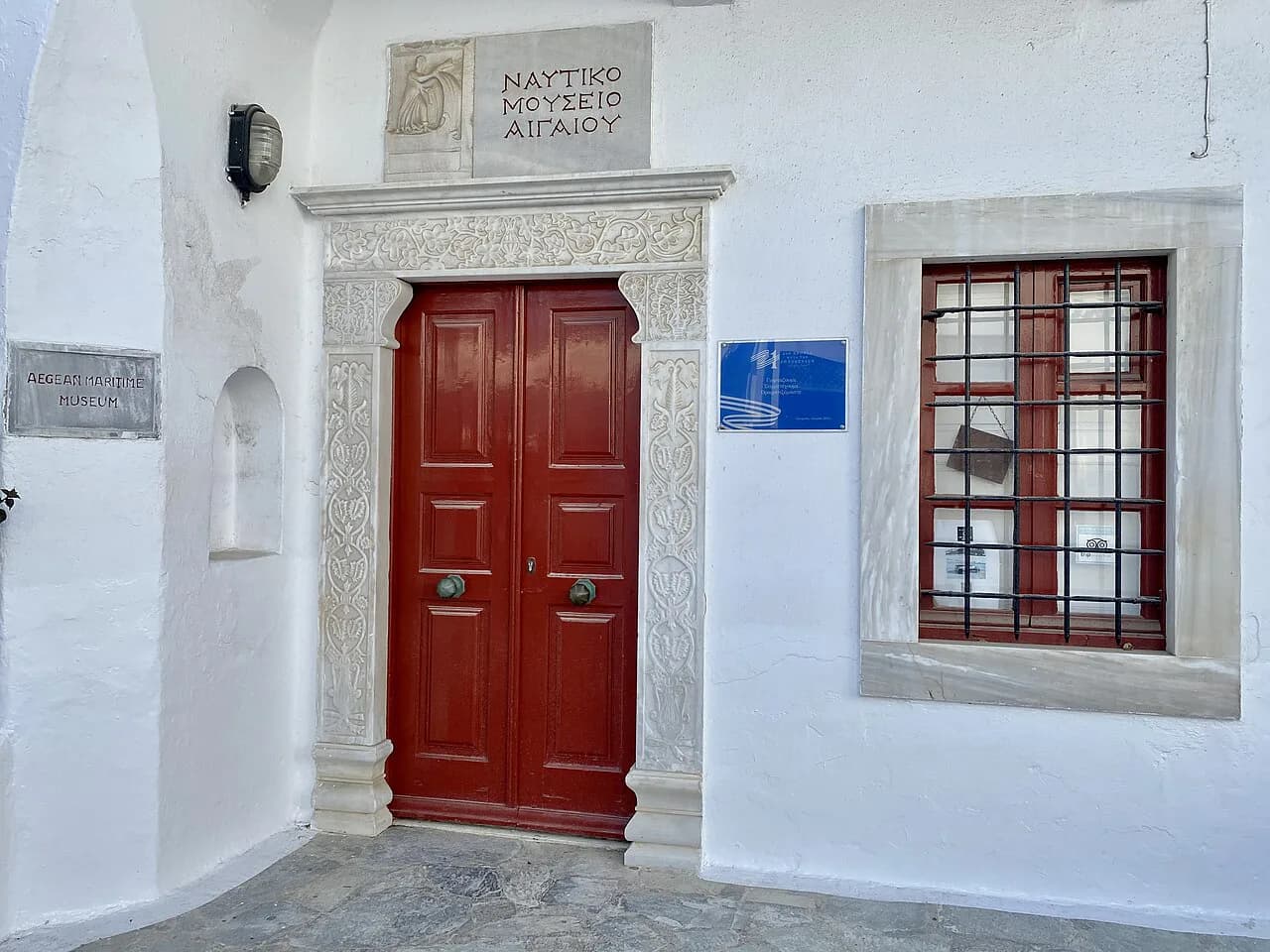
The museum occupies a 19th-century Mykonian building in the town centre, in the quarter called Tria Pigadia. It was founded in 1983 by George M. Drakopoulos and, according to a third-party museum listing, opened to the public in 1985; treat those dates as reported figures rather than an official statement. Its subject is the maritime tradition of the Aegean Sea, told through ship models, navigational instruments and maritime paintings.
For orientation, the official Ministry of Culture entry places it at 10 Enoplon Dynameon Street in Mykonos, in the Kiklades prefecture, and lists telephone numbers for enquiries. That street address is the single most useful thing to have on your phone, because signage in Chora is small and the lanes bend sharply. Budget this as a short, focused stop rather than a headline sight.
Where It Is: Finding Enoplon Dynameon Street on Foot
Enoplon Dynameon Street runs in the Tria Pigadia area, the same pocket of town as Lena's House, which the museum listings also place on this street. Tria Pigadia means three wells, and the name is your best landmark cue: ask for the wells or for Lena's House and you are in the right cluster of lanes. Approach from the old port side or from Matogianni Street, the main shopping lane, rather than trying to drive.
A useful way to think about Chora is as a pedestrian web with few straight lines, so a map pin plus a street name works better than a turn-by-turn route. If you overshoot, loop back via the old port waterfront and re-enter the lanes from the north. The distances are trivial; the navigation is the only challenge.
How to Get There: Walking Beats Everything in Chora
Once you are inside Mykonos Town, no vehicle is needed. Buses and taxis drop passengers at the edge of the pedestrian centre, and from there it is a short walk through the lanes; the museum's own listing gives its address as Enoplon Dinameon 10, Mikonos 846 00, with the entrance inside the old town rather than on a through road. Wear shoes that cope with polished marble paving, which gets slippery.
If you are staying outside Chora, combine the museum with a town day rather than making a dedicated trip: the windmills and Little Venice are both a short walk away on the western edge of town. Plan the museum for the middle of the day, when walking the lanes is hottest and an indoor stop makes most sense.
What to See Inside: Models, Instruments and Paintings
The core of the collection is a set of ship models tracing Aegean vessel types, alongside navigational instruments and maritime paintings. Read the model labels first if you are short on time, because they carry most of the explanatory weight and give the rest of the room its context. The museum's purpose, as its listings describe it, is preserving Greek maritime history and traditions rather than art for its own sake.
Because the building is a 19th-century townhouse, expect small rooms, stairs and limited space rather than a large modern gallery. That scale is part of the appeal, but it means groups and school parties can fill a room quickly; if you arrive behind one, start at the far end and work backwards.
The Garden Lighthouse and What It Adds
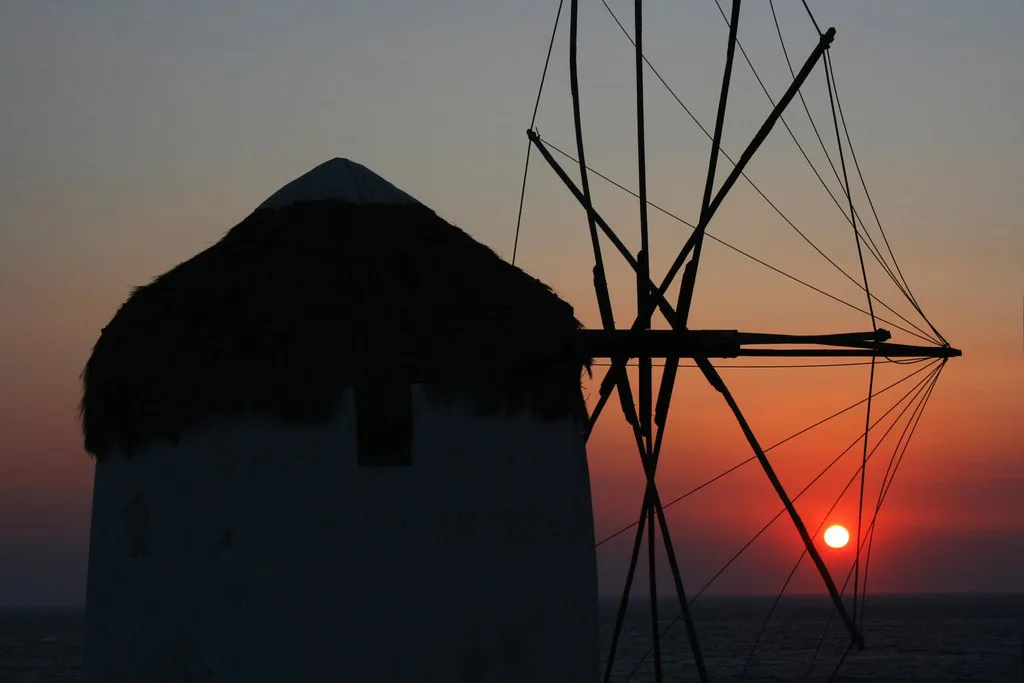
In the museum's garden stands a restored lighthouse, which a museum listing treats as one of the display's notable features alongside the indoor collection. It gives the visit an outdoor punctuation mark and a sense of how coastal navigation was physically supported. Check on arrival whether the garden is open on the day of your visit, since outdoor components of small museums can be closed independently of the main rooms.
How Much Time to Allow
The commonly quoted sightseeing time is one to two hours. One hour is realistic if you skim the models and read only the main panels; two hours suits anyone who reads labels in full, lingers over the paintings and steps into the garden.
A practical approach is to set a firm 60-minute limit and leave the extras for a second look if the collection grabs you. That keeps the museum as one component of a town day rather than the whole of it, and leaves room for the harbour and the windmills before lunch.
Tickets and Opening Hours: Why the Figures Differ
Published figures do not agree. One listing shows opening times of 10:00 to 15:00 and 18:00 to 21:00 on the day it was checked, while another gives a single daily block from 10:30 to 21:00, and a third reports an entry fee of five euros without an official confirmation. Those discrepancies are typical of third-party aggregators for small Greek museums, so treat all three as indicative only.
Confirm before you go using the Ministry of Culture contact details for the museum rather than relying on a booking platform. This is the one place where a quick phone call or a stop at the door earlier in the day is worth the effort, since a wasted walk through Chora's lanes is more annoying than it sounds.
Practical Notes on the Building and the Day's Rhythm
Small townhouse museums in Mykonos often keep a split schedule with a midday gap, and the times published for this one suggest the same pattern. Build your plan around a morning or late-afternoon slot, and keep a backup indoor option in case you arrive during a closure.
Accessibility deserves a moment's thought: the 19th-century setting implies thresholds and stairs that a purpose-built gallery would not have. If stairs are a concern, ask at the entrance before paying, and note that the official listing's phone numbers are the fastest way to check in advance.
Nearby: Two Separate Stops in the Same Corner of Town
Lena's House, a preserved 19th-century Mykonian home, sits on the same street in the Tria Pigadia area and is run as an annex of the folklore museum; the listing gives a suggested visit of half an hour to an hour. It makes a natural pairing with the maritime museum because you barely have to move between them.
The Archaeological Museum of Mykonos is a different outing altogether, set at the old port facing the sea in a neoclassical building from 1902, with a suggested one to two hours inside. Treat it as its own visit and check its current prices and dates separately, as one ticket does not cover both museums.
Where to Eat Afterwards
The Tria Pigadia location puts you a few minutes from the tavernas and bakeries scattered through Chora, so the museum works well as the last stop before a late lunch. Walk toward the old port or Matogianni Street and compare menus on the door rather than committing to the first table you see; back-street rooms generally undercut the harbour front, which trades its higher prices for the view.
For a wider sense of how the town's areas differ, it helps to plan which quarter you want to eat in before you set out. If you would rather build the day around one neighbourhood and its tables, Mykonos Neighborhoods: 4 Area Guides is the place to start, and they pair neatly with a museum stop in the centre.
Plan Your Visit
The Aegean Maritime Museum is a modest, specific stop: a 19th-century townhouse in Tria Pigadia holding ship models, instruments, paintings and a garden lighthouse. Give it an hour, check the day's hours and ticket price by phone before walking over, and pair it with Lena's House on the same street.
Build the rest of the day around the town rather than the museum: the windmills and Little Venice for sunset, the old port for the archaeological collection, and a back-street table for lunch. For the full set of Mykonos guides, start with the attractions hub and work outward from there.
Explore more Mykonos sauna guides
Frequently Asked Questions
Is the Aegean Maritime Museum worth visiting in Mykonos?
It is worth it if you want a short, indoor dose of Greek shipping history while exploring Mykonos Town. The collection of ship models, navigational instruments and maritime paintings sits in a 19th-century townhouse in the Tria Pigadia quarter, and a garden lighthouse adds an outdoor element. Travellers who prefer beaches and nightlife may find an hour here sufficient, but it pairs well with Lena's House on the same street.
How long does it take to see the Aegean Maritime Museum?
A commonly quoted sightseeing time is one to two hours. One hour covers the main models and panels at a brisk pace, while two hours suits anyone reading labels closely and spending time in the garden. Because the rooms are small, a large group ahead of you can slow things down.
How much is entry to the Aegean Maritime Museum?
Published figures vary and none is confirmed officially. One third-party listing reports an entry fee, but it does not state whether reductions apply. Confirm the current price by phone using the contact numbers on the Ministry of Culture entry before you set out, and bring cash as a precaution, since small museums do not always accept cards.
What are the opening hours of the Aegean Maritime Museum?
Listings disagree: one shows a split schedule with a midday gap, another shows a single long daily block. Neither is an official statement, and seasonal changes are not documented in the sources consulted. Call the museum on the day you plan to visit, or stop by the door in the morning to confirm before building your afternoon around it.
Where exactly is the Aegean Maritime Museum in Mykonos Town?
It is at 10 Enoplon Dynameon Street in the Tria Pigadia area of Mykonos Town, according to the Ministry of Culture listing. That is the same lane as Lena's House, a short walk from Matogianni Street and the old port. Use the street name plus the Tria Pigadia landmark rather than trying to drive to the door.
What can you see inside the Aegean Maritime Museum?
The displays centre on ship models representing Aegean vessel types, navigational instruments and maritime paintings, with a restored lighthouse in the garden. Labels carry much of the explanation, so read the model captions first. Expect small rooms and stairs rather than a large modern gallery.
What else is near the Aegean Maritime Museum?
Lena's House is on the same street in Tria Pigadia and takes roughly half an hour to an hour. The Archaeological Museum of Mykonos, at the old port in a 1902 neoclassical building, is a separate visit with its own ticket and hours. The windmills and Little Venice are a short walk west across town.