Shopping in Nafplio: What to Buy and Where to Browse
Plan a shopping stop in Nafplio: the mall-style browse at The Cottons on Velini, boutique streets, and how to fit buying time around sightseeing.
On this page
Nafplio is a small coastal town in the Peloponnese, and its shopping is sized to match: a walkable centre of independent shops rather than a retail district you cross town to reach. That makes buying a low-effort add-on to a sightseeing day, not a separate excursion. Treat it as a pause between the fortress, the waterfront and lunch rather than the reason for the trip.
The sources that cover Nafplio consistently point to restaurants, pensions and an evening scene as the town's real draw, with boutique browsing as a pleasant extra. Any shopping block you plan should be short enough to protect the things you came for. A single unhurried hour or two in the centre usually covers what the town offers at this scale.
What Shopping in Nafplio Actually Looks Like
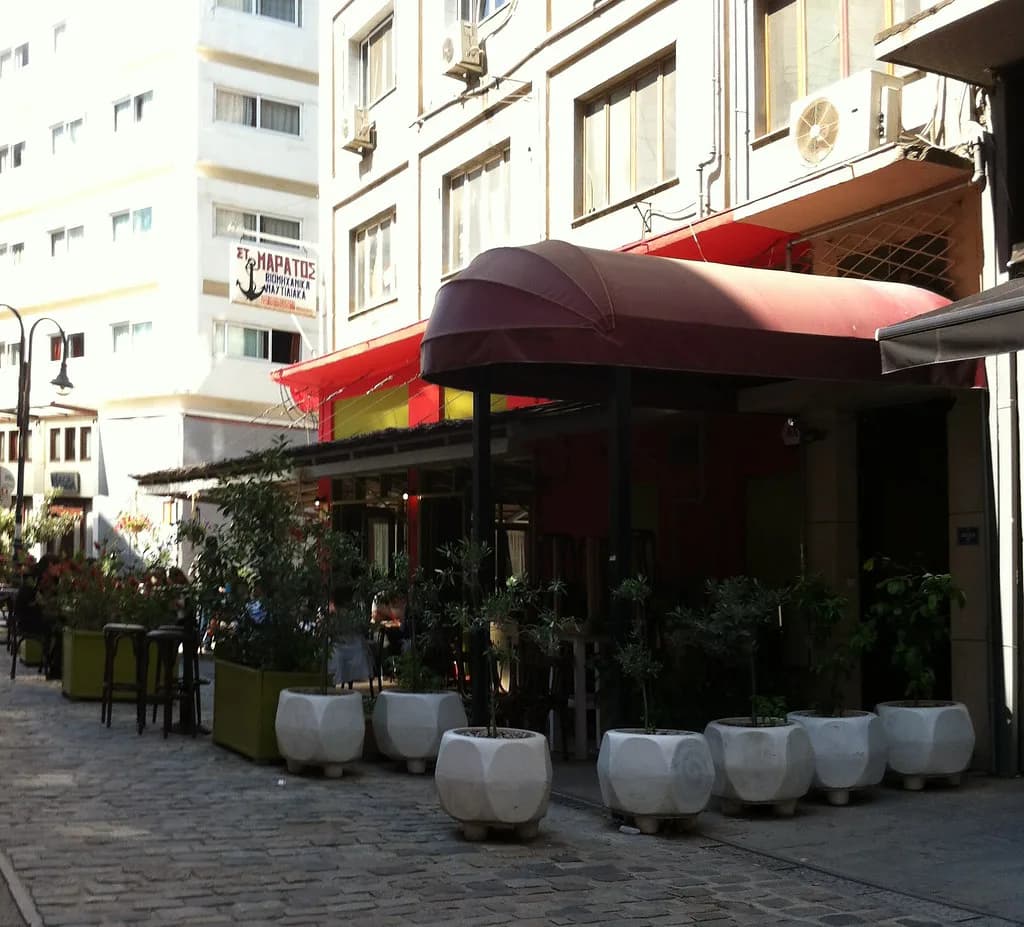
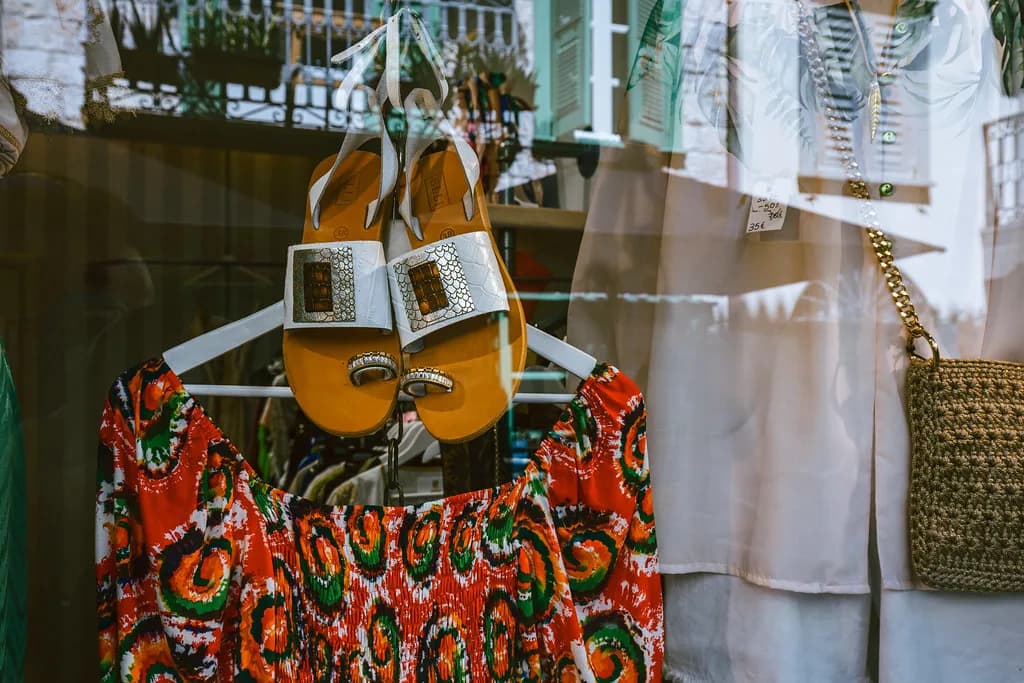
Expect boutique-scale retail: clothing shops, concept stores and small souvenir outlets folded into the same streets where people live and eat. There is no out-of-town mall strip to dedicate a day to, and nothing resembling a department store. The pleasure is in wandering rather than in tick-offs from a list.
That compactness is an advantage for planning. You can browse in the morning, walk to a sight, eat, and pass the same shops again in the evening without any transport. The trade-off is depth: specialised categories are thin, so arrive with a loose idea of what you want rather than a rigid list.
Where to Browse: The Walkable Centre and Velini
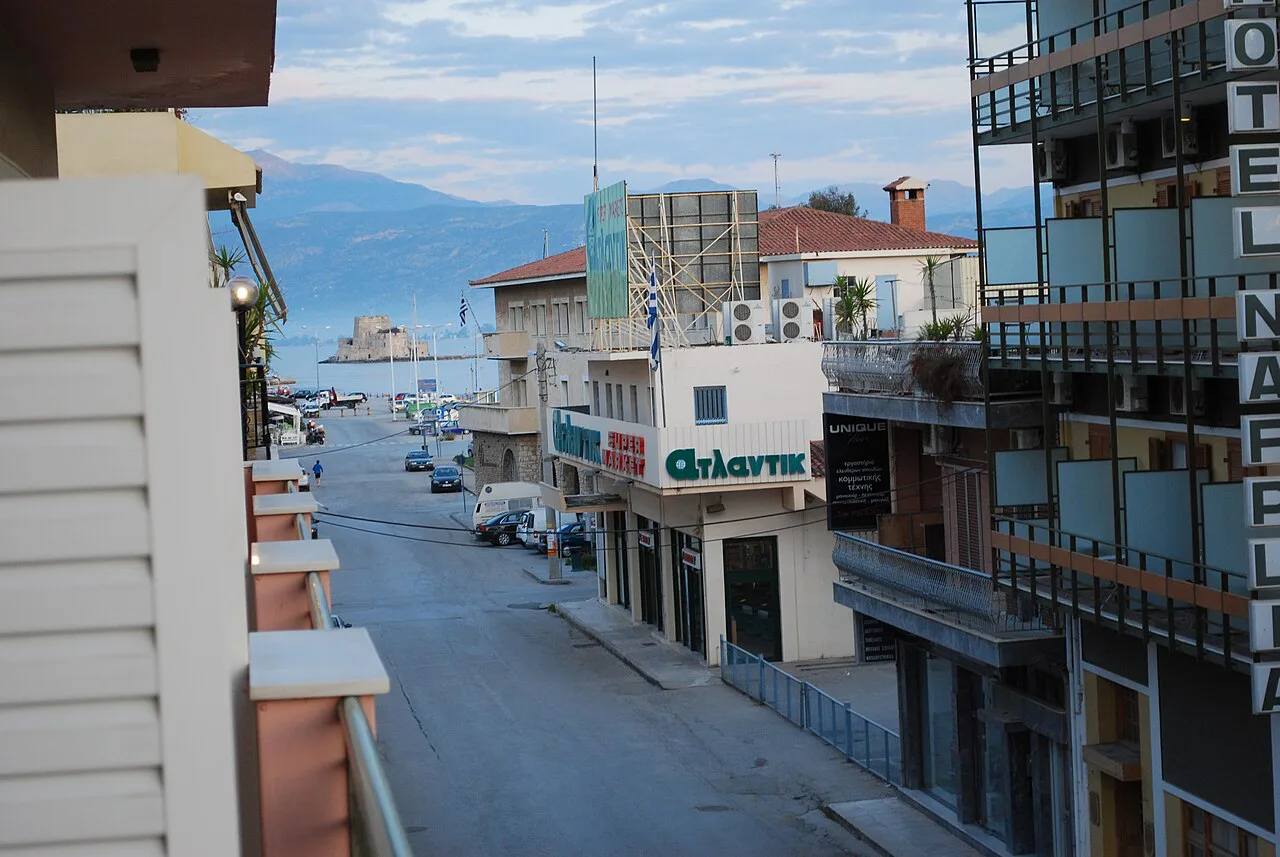
Most browsing happens on foot in the historic centre, where shopfronts sit between cafes and tavernas. One named, indoor-style option is The Cottons at Velini 3b, described as a shopping location combining boutiques, artisanal vendors and small eateries under one roof. It works as a concentrated browse when the weather is poor or you want several stops without crossing town.
The contrast to weigh is indoor convenience versus street atmosphere. A covered cluster is efficient and predictable, but the open streets give you the town itself as the backdrop — church fronts, marble pavements, the smell of someone else's lunch. If you have time for only one, pick the streets on a fine day and save the indoor stop for heat or rain.
The Cottons: What It Is and How Its Hours Shape Your Day
The Cottons is listed at Velini 3b in Nafplio and is presented as a mix of boutiques, locally produced goods and small food counters. Its listed pattern is the key planning detail: closed on Monday, short morning sessions from 10:30 to 14:30 on Tuesday, Thursday, Friday, Saturday and Sunday, and a second session from 17:30 to 21:00 on those same days. Wednesday shows morning hours only.
Those hours are as listed on the venue's Google Business Profile, and a published schedule on an aggregator can drift from what the door actually says. Confirm the day's hours before making it a fixed stop, especially on a Monday.
The split day creates a real trade-off. A late-morning visit is quieter and leaves your afternoon free for the fortress or the water; an evening visit fits naturally before dinner but puts you in the busiest slot. The source's own tip favours the early afternoon for a calmer browse, but on most days that falls after the 14:30 close, so aim for the 10:30 opening instead.
Shop by Shop: The Stores the Sources Name
Beyond The Cottons, the listings name a handful of specific shops worth knowing by function rather than by ranking. Feelwood Concept Store is described around bags, watches and optical products; Poppy's Clothing and Papailiou are women's clothing and accessories; Armiriki is described around Greek-themed T-shirts;.LAK Store Nafplio is presented as local fashion; and Dimitrios Tsilimigras is a diamond and watch boutique.
Use that list to decide whether street browsing is worth your time at all. If you want a T-shirt or a light fashion purchase, the centre covers it in an hour. If you are after a specific category such as ceramics or komboloi — the worry beads Greeks often carry and fiddle with — the published sources do not name a particular workshop, so ask at your hotel or look for a shop that visibly makes or displays the work.
Buying Local: Workshops, Souvenirs and How to Tell Them Apart
Local artisanal products are the strongest souvenir angle the sources mention, described as handmade crafts and locally produced goods rather than imported giftware. The practical test is simple: a small workshop shows work in progress, a named maker, and a narrow range done well. A general gift shop shows wide, uniform stock and no visible production.
Nafplio's setting in the Argolida gives food and drink souvenirs obvious appeal, but the sources here do not name specific producers or products, so treat any recommendation you hear as local advice to verify rather than a fixed fact. Buy items you can legally carry home, and remember that liquids and fresh foods face airline restrictions. For eating rather than shopping, the best restaurants in Nafplio are a separate decision from what you put in a bag.
Heavy Ceramics vs Light Food Souvenirs
The clearest packing trade-off is weight and breakage. Ceramics, glass and textiles are slow to choose, heavy to carry and risky in a suitcase; olive oil, honey and dried goods are quick to buy and light, but limited by airline liquid rules. If you are travelling onward by bus or plane, a single ceramic piece bought early can become a burden for the rest of the trip.
A workable split is to buy food and small crafts early and defer anything fragile to the last day in town, when it goes straight into the bag. Ask for wrapping and carry breakables in hand luggage. None of the sources here publish prices for these goods, so compare across two or three shops before committing rather than anchoring on the first quote.
Timing Your Shopping Around the Greek Day
Greek retail commonly runs on a split day, with a morning session, a midday lull and a later reopening into the evening. The Cottons follows exactly that pattern, which is a reasonable proxy for how the centre behaves, though individual shops set their own hours. The same rhythm shapes shopping in Heraklion, where the Central Market and Dedalou Street keep similar hours. Plan browsing for the morning or after about 17:30 and use the middle of the day for a long lunch, a museum or a siesta.
Sunday is the variable to check rather than assume, and Monday is a common closing day. Because published hours for small shops change with the season, the safest move is to note two or three shops you actually want and confirm those specifically. Do not build a whole afternoon around one door being open.
How Long to Set Aside, and What to Pair It With
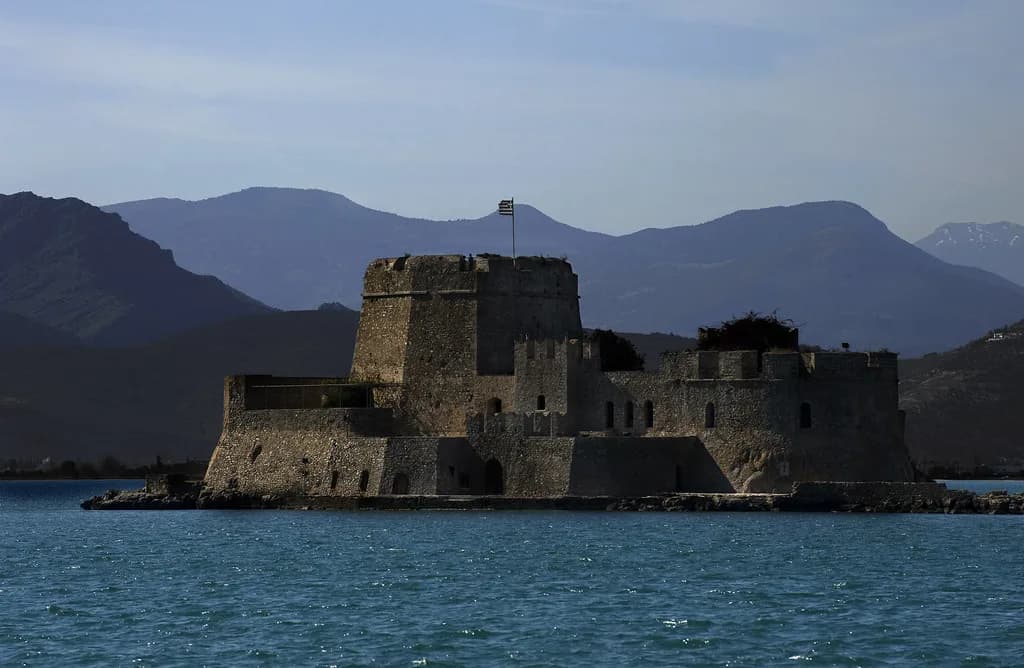
For the centre alone, an hour to ninety minutes is realistic if you are browsing rather than commissioning anything. Pair it with a morning at Palamidi Fortress and a late lunch, or with the waterfront and Bourtzi in the afternoon. Those are the anchors of most things to do in Nafplio, and shopping slots neatly between them.
If you are working from a broader list of Nafplio Attractions: 8 Visitor Guides, build the shopping block around fixed opening hours rather than the other way round. Fortresses and museums reward an early start; shops reward the late afternoon. That sequencing keeps you out of the midday heat and out of closed doors.
Day-trippers from Athens should be honest about the arithmetic: transfers eat the margins, so pick either a sight or a browse, not both at leisure. Overnight visitors can spread the two across a morning and an evening without rushing.
Clusters: Shopping With a Meal, a Museum, or Bad Weather
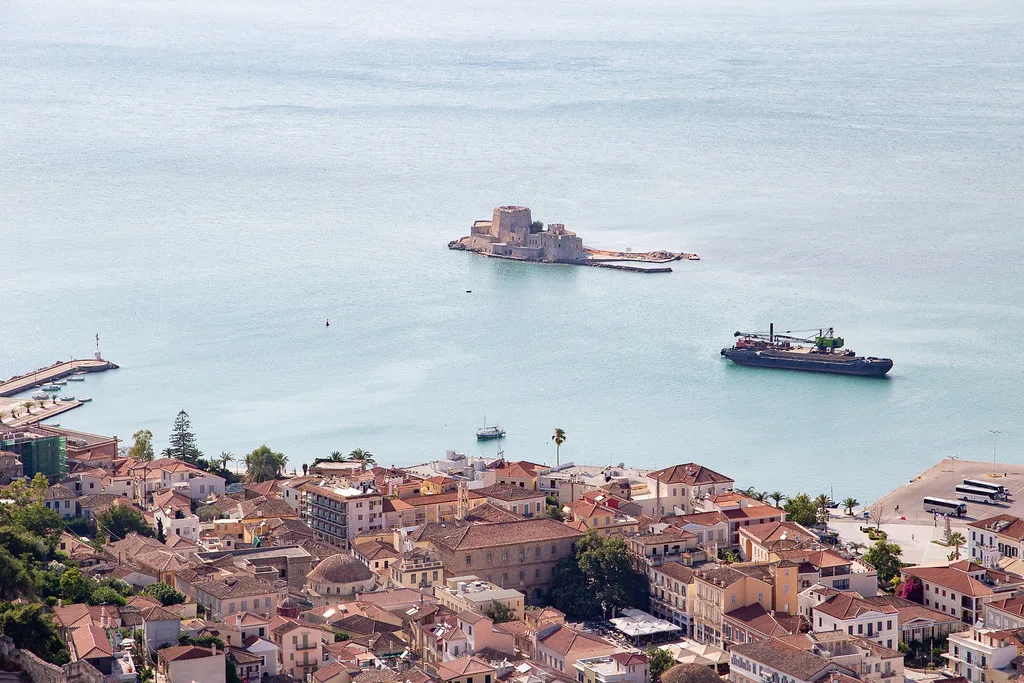
The most efficient cluster is browse-then-eat: shops in the late afternoon, then dinner in the Old Town Nafplio where the tables are. That pairing needs no transport and keeps you close to where you are staying. If you want background before you walk the streets, a little Nafplio history makes the squares and church fronts read differently.
For heat or rain, the indoor browse at The Cottons plus a long lunch covers the worst hours. On a clear day, reverse it: streets and waterfront first, then a covered stop if energy remains. Nafplio churches also give you a quiet indoor pause in the centre without turning the day into a shopping trip.
Common Mistakes to Avoid
The first is arriving at midday and finding shutters down; the second is assuming every shop keeps the hours printed online. The third is overbuying: heavy ceramics bought on day one of a two-week trip are a self-inflicted problem. Buy small and light early, defer the fragile pieces.
A fourth is treating shopping as the town's headline. Nafplio earns its reputation through food, walks and the evening passeggiata along the water, and the sources frame the town that way. Keep retail as an interlude and you will enjoy both the shops and everything else more.
A Simple One-Day Shopping Plan
Start with a sight while it is cool, take a long lunch through the early afternoon lull, then browse the centre from about 17:30 when shops reopen and the light softens. Finish with dinner nearby. It is a low-risk structure that respects the split day and leaves room to change plans.
Before you go, check current opening hours for the two or three specific shops you care about, and confirm details for The Cottons if it is your rain plan. Keep purchases light, wrap anything breakable, and leave the rest of the day to the town.
Explore more Nafplio sauna guides
Frequently Asked Questions
Is Nafplio good for shopping?
It is good for light, boutique-scale browsing rather than specialist shopping. The centre is compact and walkable, with clothing shops, concept stores and souvenir outlets mixed in among cafes and tavernas, plus an indoor-style cluster at The Cottons on Velini. If you need a specific category such as ceramics or worry beads, confirm before you travel that a shop selling it is open, because the published listings here do not name one.
What are the opening hours for shops in Nafplio?
Many shops follow a split day, opening in the morning, closing for the middle of the day and reopening in the evening. The Cottons publishes hours of 10:30 to 14:30 and 17:30 to 21:00 on most days, is closed on Monday and has morning-only hours on Wednesday. Those hours are as listed on its Google Business Profile, so confirm the day you plan to visit rather than relying on an aggregator listing.
Where can I buy local souvenirs in Nafplio?
Look for small workshops and shops selling locally produced goods and handmade crafts, which the listings describe as part of the offer at The Cottons. The practical test is whether you can see work in progress or a named maker, versus uniform imported stock. Food and drink items from the wider Argolida region are the lightest option, but check airline rules on liquids before buying.
How long do you need in Nafplio?
An hour or ninety minutes covers browsing the centre without rushing. Add that to a morning at a fortress or a waterfront walk and you have a comfortable day. Overnight visitors can spread shopping and sightseeing across an afternoon and an evening; day-trippers from Athens should pick one or the other rather than trying to fit both.
What not to miss in Nafplio?
The fortress above town, the castle on its islet and the waterfront evening walk are the anchors, with the Old Town streets for eating and browsing in between. Shopping is best treated as an interlude rather than the main event. Check the things to do in Nafplio guide for the sightseeing side and plan retail around those fixed hours.
Is Nafplio a good place to stay?
Yes, it works well as a base, with a walkable centre, pensions and restaurants close together, and easy access to the wider Argolida. Staying overnight also solves the shopping timing problem, since you can browse in the evening when shops reopen instead of squeezing it into a day trip. Book ahead for peak periods and confirm your accommodation's location relative to the centre.
Sources
Notes for eating well in Greece
Optional updates to our guides.
You might also like

Continue reading
More guides you'll find useful