Best Restaurants in Corfu: Where to Eat by Area
A practical guide to Corfu restaurants by area, from Corfu Town to Agios Gordios and the north-east coast, with local dishes explained and booking advice.
On this page
Corfu is long and hilly, and a restaurant that looks close on a map can mean a winding drive after dark. The practical answer is to choose by area first and dish second: Corfu Town for choice and atmosphere, the west coast around Agios Gordios and Paleokastritsa for family-run tavernas and beach settings, and the north-east coast around Kassiopi for sea-view resort dining. Once you know where you sleep and eat, the rest of the plan falls into place. The same choose-by-area logic works elsewhere, so if you are weighing a city break, apply it to the best restaurants in thessaloniki too.
This guide names only places confirmed in published sources, each tied to the area it sits in. It also explains the Corfiot dish names you will meet on menus, and flags the trade-offs between view, value and convenience rather than pretending one list suits everyone.
Quick orientation: how Corfu eating splits by area
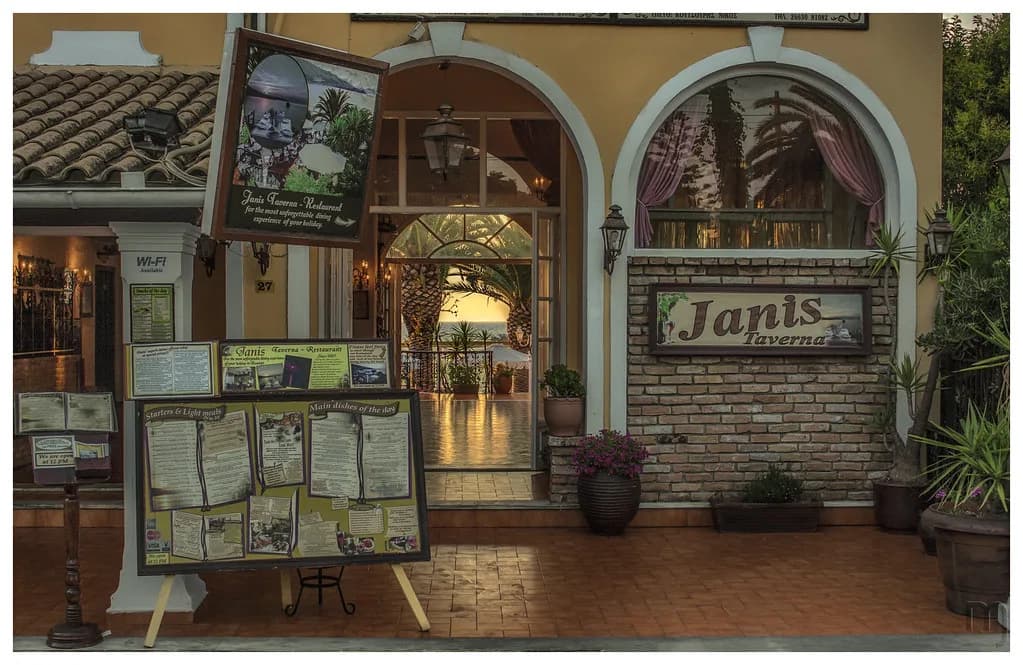
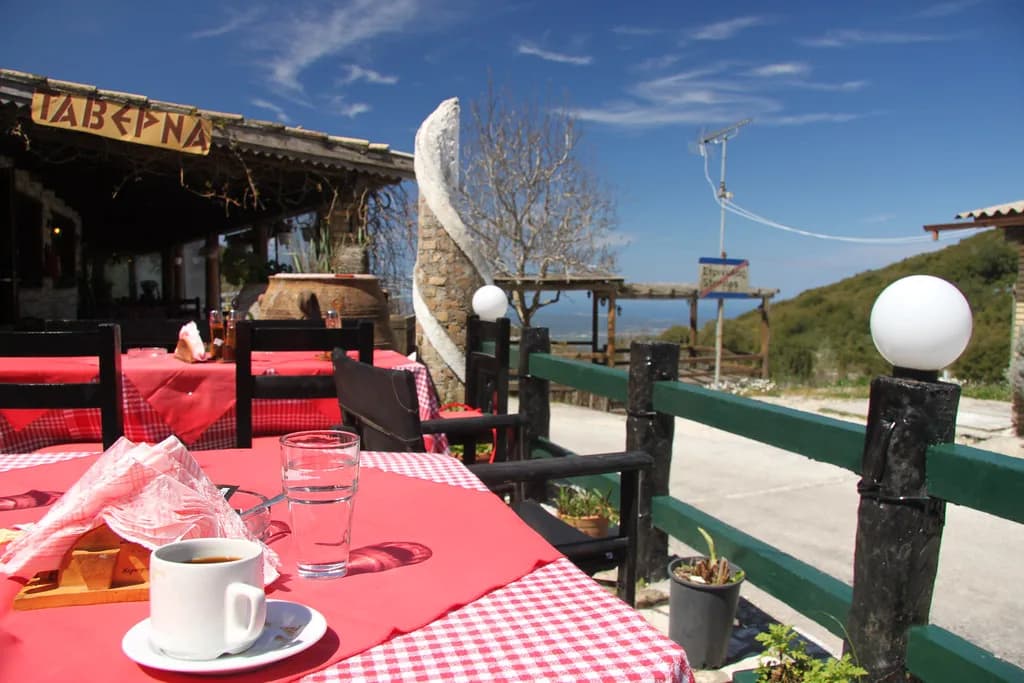
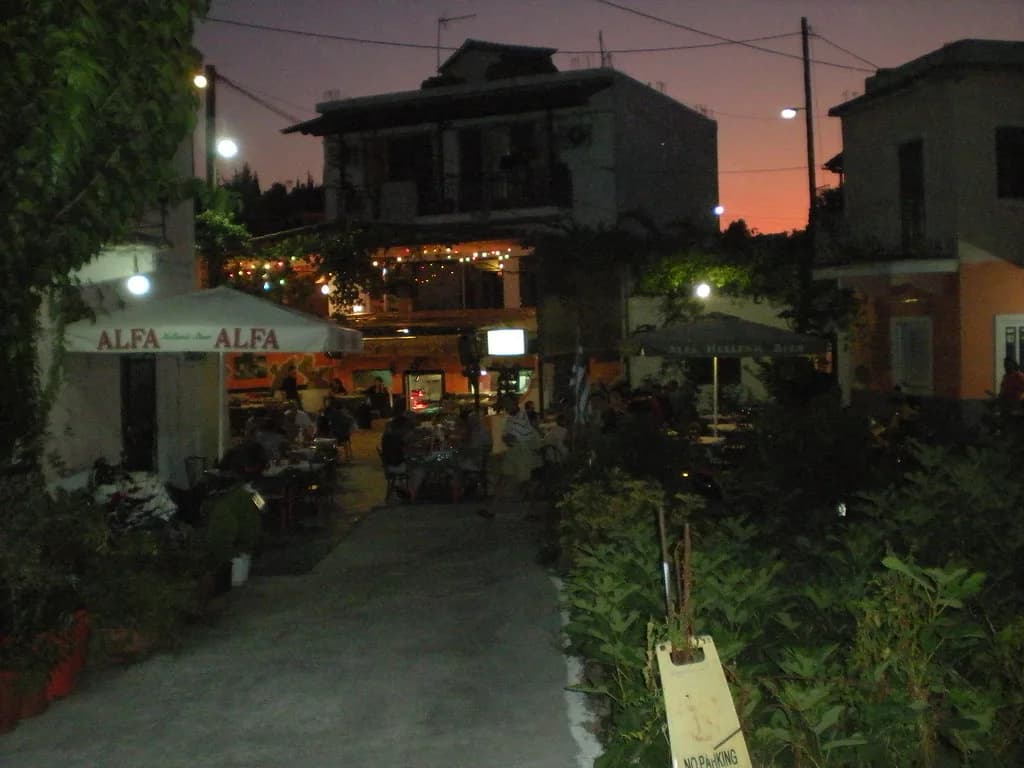
Think of Corfu's restaurants in three zones. Corfu Town concentrates the widest range, from old-school dairy shops to polished dining rooms. The west coast, including Agios Gordios and the Paleokastritsa side, leans toward family-run tavernas, some with vine-covered courtyards, plus a few resort beach restaurants. The north-east coast around Kassiopi is where sea-view and hotel-based dining cluster.
That geography matters because distances are the main constraint on a Corfu evening. A sea-view table at a hotel beach restaurant on the coast is not a five-minute stop from a town-centre plate of meze, and the drive home after dinner is part of the decision. Pick the zone that fits the day you have planned, then shortlist within it. If you are still building that day, start with the wider list of things to do in Corfu and let the geography shape the evening.
What to order on Corfu: a plain-English dish glossary
Corfiot cooking has its own vocabulary, and knowing four or five names makes menu-reading much easier. Sofrito is veal cooked with garlic, white wine and herbs, usually in a rich sauce; pastitsada is pasta with a spiced tomato-braised meat sauce; bourdeto is fish stewed with tomato and a little heat. Taramas is whipped salted fish roe dip, tyropitakia are small cheese pies, souvlaki are grilled meat skewers and grilled octopus is exactly what it says.
On drinks, look for local Greek wine by the carafe, ouzo as the aniseed aperitif, and Corfu's kumquat liqueur as a small after-dinner glass. Meze, the small shared plates built around taramas, tyropitakia, octopus and souvlaki, is the easiest way to try several things at once. Order a few plates at a time rather than everything up front, and ask whether portions are for sharing.
Corfu Town and its edges: lunch versus dinner styles
Corfu Town is the strongest single base for eating because the variety is greatest and you can walk between courses rather than drive. Published restaurant coverage for the island names Kafesas, Etrusco, the Periklis Alexis Dairy Shop, Klimataria 'Bellos', Toula's Seaside and The Venetian, among others, though that source did not rank or describe them in detail. Treat those names as a shortlist to research, not a finished order.
For lunch, the dairy-shop tradition is a Corfu institution: a small producer-style counter where you can build a light plate from local cheese, yoghurt and cured goods. For dinner, the town rewards a slower sitting, and the walk back through the old streets is part of the evening. A useful rule is to book the ambitious meal in town and keep beach days for simpler taverna lunches.
West coast: Agios Gordios and the Paleokastritsa side
The west coast suits travelers who want the taverna experience close to the beach. Sebastian's Taverna, in Agios Gordios, is described as a family-run place with a grapevine-covered terrace serving grilled and home-cooked Greek dishes, and it appears on reservation platforms for Corfu. That combination of courtyard setting and traditional menu is the classic west-coast formula, and it works well for a long lunch after swimming.
Further north, the Paleokastritsa side mixes beach restaurants with hotel dining. The area is known for its coves and viewpoints, so a meal here is often fitted around a day of sightseeing rather than being the main event. If you are staying inland or in town, plan the drive back before you settle in for a second carafe.
North-east coast and around Kassiopi: sea views and live music
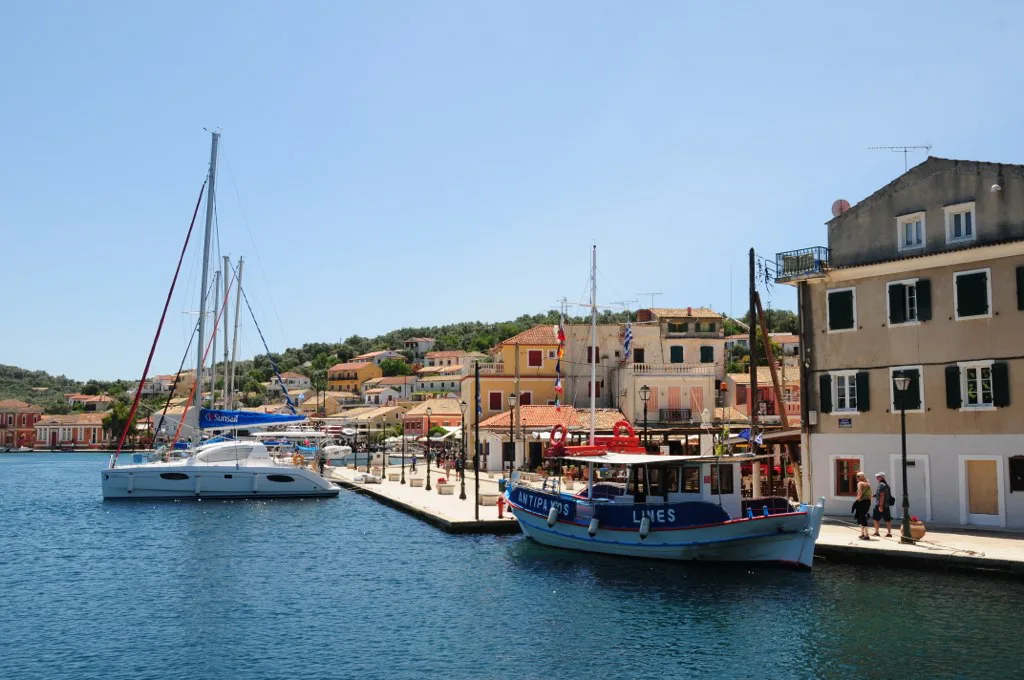
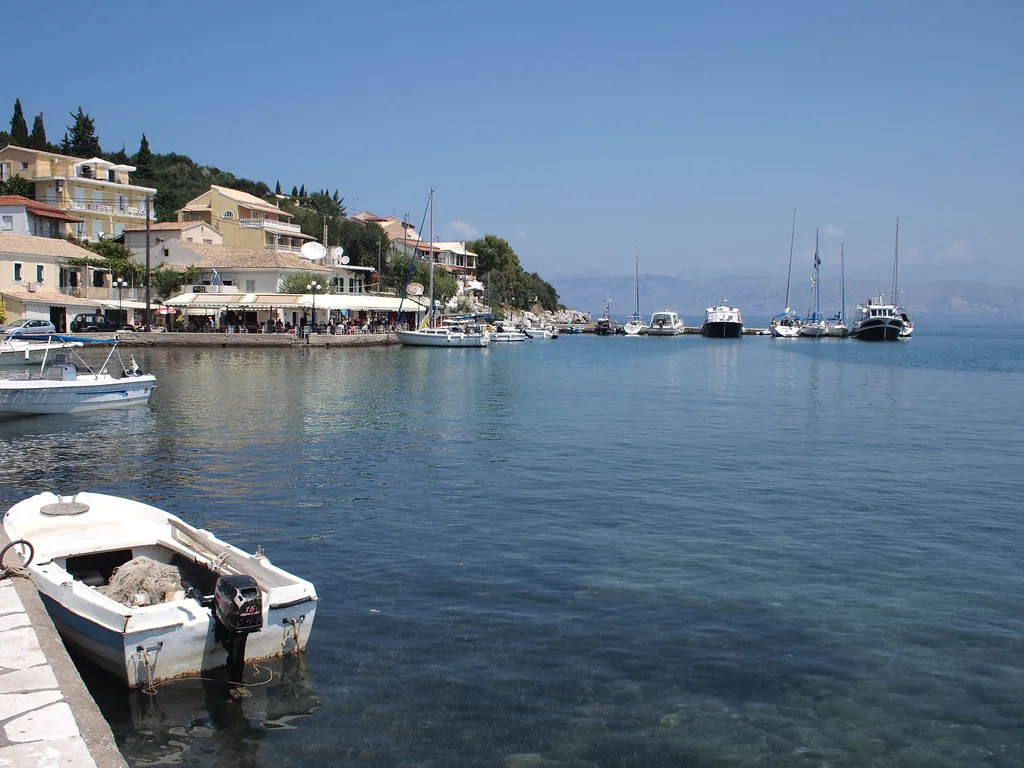
The north-east coast is where Corfu's sea-view dining concentrates, and several hotel restaurants open their terraces to non-residents. Around Kassiopi the mood is relaxed, with boats, small beaches and a cluster of places that trade on the view. This is the zone to choose if the setting matters as much as the food.
Hotel-based restaurants here often programme live music, from bouzouki evenings to Greek panigiri-style nights with dancing, which can turn dinner into a longer event. That is a genuine reason to book ahead, since a music night fills differently from a normal service. Ask the restaurant directly what is scheduled during your dates rather than relying on a listing.
Resort and hotel restaurants: what you get and what you pay for
Resort restaurants sell more than food: a beach setting, a meze menu designed for sharing, sometimes a live-music night. Emerald By Night, at the Angsana Corfu, is described with a menu built around meze such as tarama, tyropitakia, souvlaki and grilled octopus, plus ouzo cocktails, Greek wines and bouzouki or panigiri evenings. Sofrito, a Corfiot restaurant at the same hotel, is presented with Ionian sea views, local specialities, fresh fish and meze.
The trade-off is straightforward. You pay for the view, the setting and the convenience of eating where you are staying, and in return you get a polished room and often a broader drinks list. A simpler family-run taverna in a village will usually feel more local and less formal, but may lack the sea view. Neither is inherently better; decide which you are buying before you reserve a table.
The view-versus-value trade-off
A sea-view table earns its premium when the view is the point of the evening: a sunset, a special occasion, or a night when you want to stay put. It is less worth it when you mainly want to eat well and get home, especially if the drive is long and the table is early. The back-street alternative in town or a village taverna often delivers more food for the money, just without the horizon.
A practical compromise is to split the difference across your trip: one view dinner and several everyday taverna meals. That way the view stays a treat rather than the baseline, and you spend more of your budget on the dishes the island does best. Keep an eye on how far each option is from where you are staying before committing.
Dishes to order at a meze table
Build a meze order in layers. Start with taramas and tyropitakia, add grilled octopus and a salad, then finish with souvlaki or a fish dish if you are still hungry. This structure lets a table of two or four try several things without over-ordering, and it matches how many Corfiot menus are designed.
If you want a deeper understanding of the local cooking, a hands-on session can be a useful complement to restaurant meals; options such as a corfu cooking class pair well with the market-and-dairy-shop side of the island. It is not a substitute for eating out, but it makes the menu names stick.
Corfiot specialities versus generic Greek menus
Many menus on Corfu offer the same generic Greek list: moussaka, Greek salad, souvlaki, maybe a mixed grill. That is fine, but it tells you little about the island. A menu with sofrito, pastitsada or bourdeto is signalling that the kitchen cooks Corfiot food, and those dishes are the ones to try first. If a place lists all three alongside local wine, it is usually taking its identity seriously.
The distinction matters most in tourist-heavy areas, where a long multilingual menu can mean broad appeal rather than local cooking. It is not a hard rule: a resort may serve excellent meze without any Corfiot specialities. But if local dishes are the reason you came, read the menu before you sit down.
Booking advice for sea-view and live-music tables
Book ahead for sea-view tables at sunset and for any night with live music. Those are the sittings most likely to fill, and they are also the ones where walking in and hoping is least reliable. For ordinary taverna lunches, walk-ins usually remain the norm, especially outside the busiest weeks.
When you book, ask two questions: whether the table is on the terrace or inside, and what time the music starts if there is any. Availability and policies change, so confirm directly with the restaurant rather than relying on a listing page. Reservation platforms can show real-time availability, but they do not necessarily reflect every table in the room.
How to compare restaurants when reviews conflict
Reviews conflict for boring reasons: a change of kitchen, a bad night, or a reviewer who wanted something the place never offered. Weight recent, specific reviews more heavily than star averages, and look for comments about the dishes you plan to order. A handful of detailed accounts is more useful than a large number of one-line ratings.
Cross-check against editorial coverage where it exists. Time Out's Corfu guide and CN Traveller's restaurant list are useful starting points, but neither is a ranking, and neither covers every good table. Use them to generate names, then check the basics—area, menu style and current opening—before you build an evening around one.
Practical notes on distances and planning an evening
Corfu's eating areas are spread out, and the drive between them is the main thing to plan. A town dinner and a north-east coast dinner are different evenings, not variations on the same one. Group your restaurant choices by the area you are already visiting that day, and keep one flexible evening for wherever you end up.
Taxis are limited in peak season, so if you are drinking, either book a return or choose a restaurant within walking distance of where you are staying. Buses serve main routes but thin out in the evening. No source here gives current timetables or fares, so check locally before you rely on public transport for dinner.
Dairy shops and small producers as a lunch or breakfast stop
Corfu's dairy shops are one of the island's distinctive eating traditions and a good low-key lunch or breakfast option. The Periklis Alexis Dairy Shop is named in published coverage of Corfu restaurants, and a counter-style stop like this lets you try local cheeses and yoghurt without a full sit-down meal. It suits a day when you want to eat lightly and keep moving.
Small producers are also where you can pick up kumquat products, including the liqueur, to take home. These stops are usually quick, informal and best combined with a wander rather than treated as a destination in themselves. Check opening days directly during shoulder season, when some small shops reduce hours.
Plan Your Visit
The most useful move is to pick your area first and your restaurant second. Corfu Town for range and atmosphere, the west coast for family-run tavernas near the beach, and the north-east for sea views and live-music nights. Once you have chosen a zone, read the menu for Corfiot names like sofrito and pastitsada, and decide whether you are paying for the view or the food.
One reminder: opening days, seasonal closures and booking policies vary by restaurant and change through the year, so confirm directly before you travel. That one check removes most of the risk from a Corfu eating plan.
Explore more Corfu sauna guides
Frequently Asked Questions
Where are the best restaurants in Corfu?
Corfu's restaurants are spread across three main zones: Corfu Town, the west coast around Agios Gordios and Paleokastritsa, and the north-east coast around Kassiopi. The best choice depends on where you are staying and what kind of evening you want, so choose by area before comparing individual menus.
What food is famous in Corfu?
Look for Corfiot specialities such as sofrito (veal cooked with garlic, white wine and herbs), pastitsada (pasta with a spiced meat sauce) and bourdeto (fish stewed with tomato). Meze plates such as taramas, tyropitakia and grilled octopus are widely available, and kumquat liqueur is the local after-dinner drink.
Is there a Michelin star restaurant in Corfu?
The sources reviewed for this guide do not confirm any Michelin-starred restaurant on Corfu. If awards matter to you, check the Michelin Guide directly for current listings rather than relying on restaurant marketing or review sites.
What is the best area in Corfu for restaurants with a view?
The north-east coast around Kassiopi and the hotel restaurants on the coast are where sea-view dining concentrates, and some hotel restaurants open their terraces to non-residents. For a view table, book ahead for sunset and ask specifically whether the table is on the terrace.
Do I need to book restaurants in Corfu?
Book ahead for sea-view tables at sunset and for evenings with live music, which are the sittings most likely to fill. Ordinary taverna lunches usually accept walk-ins, especially outside peak weeks. Confirm directly with the restaurant, since booking policies vary.
When do restaurants in Corfu close for the season?
Some island restaurants close out of season, roughly from November to April, but this varies by place and no single rule applies. Check each restaurant's current opening before you travel, especially in spring and autumn.
Sources
Notes for eating well in Greece
Optional updates to our guides.
You might also like
Continue reading
More guides you'll find useful